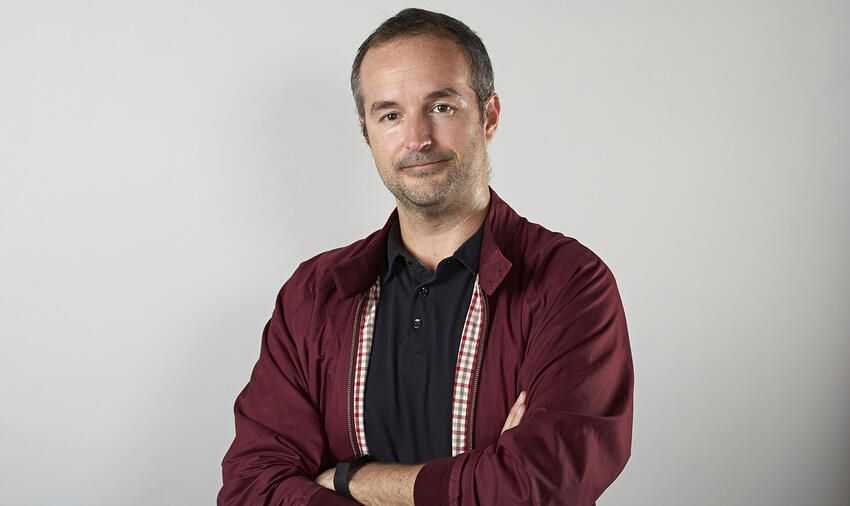
Dr. Antoine Cully is the director of the Adaptive and Intelligent Robotics Lab at Imperial College London. He previously served as a Research Associate in the Personal Robotics Lab (2016–present) and earned his PhD in Robotics and Artificial Intelligence from UPMC (Paris), focusing on algorithms enabling robots to adapt to mechanical damage swiftly. His work has been internationally recognized, including a Nature cover publication and awards for his PhD thesis. His research interests span evolutionary robotics, stochastic optimization, and quality-diversity algorithms, with current projects involving the EU H2020 'PAL' initiative to develop adaptive robotics for user preferences. Education: M.Sc. in Intelligent Systems and Robotics (UPMC, 2012), Engineer degree in Robotics (Polytech-Paris UPMC, 2012), PhD in Robotics and AI (UPMC, 2015). Research emphasizes adaptive robotics, damage recovery, and autonomous learning. Notable contributions include the T-Resilience algorithm and MAP-Elites optimization framework. Awards include the 'Outstanding Paper 2015' and 'Best Thesis' accolades. His lab focuses on advancing AI-driven robotics for real-world applications.
Joshua Rabinowitz is a Professor of Chemistry and Director of the Ludwig Princeton Branch at Princeton University. His research focuses on quantitative analysis of cellular metabolism, leveraging advanced mass spectrometry and computational modeling. Key areas include metabolic regulation in microbes (E. coli, yeast), cancer cell metabolism, viral infection impacts, and biofuel production. His lab has pioneered methods to measure metabolites and fluxes, leading to discoveries like novel cancer metabolites and antiviral strategies via fatty acid inhibition. Notable honors include the NIH Pioneer Award and Agilent Thought Leader Award. Research emphasizes systems-level understanding, with projects combining biological experiments, metabolomics, and computation. Recent work explores metabolic heterogeneity in humans, immunotherapy enhancements through metabolic modulation, and metabolic vulnerabilities in cancers like rhabdomyosarcoma. Collaborations include engineering yeast for biofuel production and developing therapeutics targeting metabolic pathways. Lab Website: Rabinowitz Lab Affiliations: Lewis-Sigler Institute for Integrative Genomics, Princeton University Major contributions include identifying metabolic shifts in viral infections, modeling microbial nutrient responses, and advancing technologies for metabolite quantification. Current efforts aim to integrate metabolomic data with enzyme regulation dynamics to predict metabolic networks across organisms.
John Shaw is a Lecturer in Psychology at Edge Hill University since July 2023. Previously, he held roles at De Montfort University (2019-2023) and Aberdeen University (2018-2019). He is a Chartered Psychologist with the British Psychological Society, holding a PhD in Psychology from Lancaster University (2018). His teaching responsibilities include modules such as Developmental Psychology and Work Placement Supervision for undergraduate and postgraduate students. Education: PhD in Psychology, Lancaster University (2014–2018) MSc in Psychological Research Methods, Lancaster University (2013–2014) BSc in Organisation Studies & Psychology, Lancaster University (2010–2013) Shaw’s research focuses on sleep’s role in cognitive development, including how sleep impacts social media effects on preadolescents, numerical cognition, autism spectrum disorder (ASD) ownership perception, and neurodiversity advocacy in academia. He collaborates with FORRT (Forum for Research into the Education of Autistic and Neurodivergent Talents) to promote inclusive academic practices, securing a grant from the Society for the Improvement of Psychological Science to create a neurodiverse author database. His publications span cognitive psychology, developmental psychology, and open science advocacy. Notable work includes studies on sleep’s effect on memory consolidation, ASD ownership identification, and neurodiversity in academia. He emphasizes participatory research methodologies and open scholarship to enhance scientific rigor and inclusivity. Grants: Awarded a grant from the Society for the Improvement of Psychological Science (2023) to develop a database of neurodiverse authors. Career Trajectory: Shaw’s work bridges empirical research with educational practice, advocating for neurodiverse representation and reproducible science. He actively contributes to policy discussions on academic inclusivity and open access publishing.
Jennifer Grant Weinandy is an Assistant Professor in the Department of Psychology at Ohio University’s College of Arts and Sciences. She leads the Thoughts and Experiences of Addiction (TEA) Lab, where she conducts mixed-methods research on behavioral addictions, particularly gambling and compulsive sexual behavior, with a focus on harm reduction and cultural factors such as religion and spirituality. She is actively involved in training and mentoring, currently accepting Ph.D. students for Fall 2025. Ph.D., Clinical Psychology, Bowling Green State University, 2023 Predoctoral Internship, New Mexico Veteran’s Affairs Health Science Consortium, 2022–2023 B.S., Psychology, John Carroll University, 2017 Dr. Grant Weinandy’s research explores the intersection of behavioral addictions, cultural identity, and treatment accessibility. Her work emphasizes harm reduction , diversity , and open science practices. She investigates how religious and spiritual struggles influence addiction experiences and treatment outcomes, particularly among vulnerable populations such as veterans and rural communities. Her lab is committed to reducing health disparities and improving evidence-based care through rigorous, transparent research. The recent publications and presentations highlight a strong trend in understanding public perceptions of addiction , help-seeking behaviors , and the role of moral and religious beliefs in defining and responding to addictive behaviors. Using nationally representative datasets and mixed-method designs, her work bridges clinical psychology with public health, contributing significantly to the discourse on non-abstinence treatment goals and culturally sensitive interventions. She has not received any explicitly mentioned scientific awards. Dr. Grant Weinandy is actively involved in advising and grant-funded research. She is currently mentoring graduate and undergraduate students in the TEA Lab, supervising projects on gambling in college students, harm reduction practices among providers, and rural addiction experiences. She collaborates with researchers at the University of New Mexico, UC Berkeley, Boston University School of Medicine, and others. While specific grants are not listed, her multi-institutional collaborations suggest active external funding and research support. She teaches PSY 6760 (Diversity Issues in Research and Clinical Practice) and PSY 2710 (Psychopathology), contributing to both clinical training and academic education. The TEA Lab operates under core values of respect, open-mindedness, care for the whole person, independence, and work-life balance. It conducts research on gambling disorder, harm reduction, and cultural impacts on addiction, with current projects focusing on provider beliefs, rural gambling experiences, and college student behaviors. The lab emphasizes open science, public engagement, and inclusivity, welcoming students from underrepresented backgrounds and those with lived experience in addiction.
Dorothy E. Roberts is the George A. Weiss University Professor of Law and Sociology at the University of Pennsylvania, with joint appointments in the Law School, the Department of Africana Studies, and the Department of Sociology. She is the inaugural Raymond Pace and Sadie Tanner Mossell Alexander Professor of Civil Rights and the founding director of the Penn Program on Race, Science & Society. Her interdisciplinary scholarship bridges law, sociology, and ethics, focusing on racial and gender justice in reproductive rights, child welfare, and science policy. Roberts' research centers on the structural oppression of Black women and families, particularly through systems of policing, medicine, and child welfare. She critiques the use of race in biomedical research and clinical practice, arguing that race-based medicine perpetuates false biological notions of race and diverts attention from social determinants of health. Her work on reproductive justice examines how Black women's autonomy has been historically violated through forced sterilization, criminalization of pregnancy, and state surveillance. She advocates for an abolitionist framework to dismantle the child welfare system and replace it with community-based support networks. Her recent publications reflect a consistent focus on the intersections of race, law, and science. Themes include the racialized consequences of intimate partner violence policing, the harms of race-based medical diagnostics, and the structural roots of child removal. Across her scholarship, she calls for a fundamental reimagining of justice—one that centers care, equity, and abolition rather than surveillance and punishment. Roberts has received numerous honors, including: MacArthur Fellowship (2024) Election to the National Academy of Medicine Election to the American Academy of Arts and Sciences Society of Family Planning Lifetime Achievement Award American Psychiatric Association Solomon Carter Fuller Award Rutgers University Honorary Doctor of Laws She has advised and collaborated with major foundations such as the National Science Foundation, Robert Wood Johnson Foundation, and American Council of Learned Societies. Her public scholarship, including TED Talks and media appearances, amplifies the voices of marginalized communities and challenges dominant narratives about race and justice. She is also actively involved in public education through lectures, podcasts, and her forthcoming memoir on interracial marriage and structural racism. Roberts leads the Penn Program on Race, Science & Society, a research initiative that brings together scholars, activists, and policymakers to examine how scientific and medical practices reproduce racial inequality. The program fosters interdisciplinary collaboration and public engagement through symposia, publications, and community partnerships.
Ehud Reiter is a Professor of Natural Language Generation at the University of Aberdeen's School of Natural and Computing Sciences, Department of Computing Science. With over three decades of research experience, he is recognized as one of the world's leading experts in Natural Language Generation (NLG), particularly in data-to-text systems, evaluation methodologies, and healthcare applications. Reiter's research primarily focuses on creating systems that generate accurate, useful, and understandable natural language from structured data. His work spans multiple domains including healthcare (medical note generation, patient-facing systems), sports reporting, and explainable AI. A significant portion of his recent research addresses the critical challenge of evaluating NLG systems, with particular emphasis on human evaluation methodologies, reproducibility of results, and factual accuracy in generated text. His work on Bayesian Networks and causal graph discovery represents his ongoing interest in knowledge representation and reasoning behind natural language explanations. His research has evolved from foundational work on reference generation and document planning to current projects addressing large language models, reproducibility crises in NLP evaluation, and human-AI collaboration frameworks. The SPHERE evaluation card framework he co-developed represents a systematic approach to evaluating human-AI interaction systems across five key dimensions. Reiter has been instrumental in organizing multiple shared tasks focused on reproducibility in NLG evaluations, demonstrating his commitment to improving research methodology in the field. His work on consultation checklists for medical note evaluation has introduced standardized protocols that increase objectivity in clinical text assessment. Through projects like BabyTalk (generating neonatal intensive care unit summaries) and DrivingBeacon (providing driving behavior feedback), Reiter has demonstrated the practical applications of NLG technology in critical domains. His research consistently bridges theoretical advances with real-world implementation challenges.
Paul Evans is a Professor in the Department of Materials Science & Engineering at the University of Wisconsin-Madison, College of Engineering. His research focuses on nanoscale materials synthesis, ultrafast dynamics, and advanced X-ray characterization techniques. PhD, Harvard University (2000) MS, Harvard University (1996) BS, Cornell University (1994) Evans investigates solid-phase epitaxy of complex oxides, strain imaging in acoustic devices, and optically driven phase transitions. His work combines experimental and computational approaches, including deep learning for diffraction data analysis. His recent publications highlight breakthroughs in nanoscale crystallization, ultrafast magnetization dynamics, and hybrid magnon-phonon systems. Awards include the Bascom Professorship and Vilas Mid-Career Award. Surface Science and Technology Bascom Professorship (2022) Vilas Associate Award (2019) Polygon Engineering Outstanding Instructor Award (2006) Evans teaches courses in materials structure, advanced X-ray methods, and thesis research. His lab enables scalable synthesis of perovskites and defect-minimized oxide heterostructures.
Trilce Estrada is an Associate Professor in the Department of Computer Science at the University of New Mexico (UNM), School of Engineering. She leads the Data Science Laboratory and is actively involved in research, teaching, and service. Her work focuses on solving data- and compute-intensive problems in science, health, and education, particularly in resource-constrained environments. Her research interests include: Machine Learning and scalable learning techniques Big Data analytics and distributed systems High Performance Computing and cyberinfrastructure In-situ data analytics for scientific workflows Pervasive healthcare using mobile and distributed systems Although no publication list is provided, her current research projects indicate a strong focus on distributed learning, in-situ analysis for molecular dynamics, cyberinfrastructure optimization, and robust science in high-throughput computing. These projects reflect interdisciplinary collaboration and a commitment to scalable, reproducible, and impactful computing solutions. Dr. Estrada has served in numerous leadership roles in major computing conferences, including as Program Co-Chair for IEEE Cluster 2022, Chair of the Mentor-Protégé Program at SC19, and Chair of the IPDPS PhD Forum and Student Program for multiple years. She has also been active in NSF panels and curriculum development, particularly in integrating Big Data into educational frameworks. She is committed to mentoring and improving diversity in computing, serving as faculty advisor for Women in Computing and CSGSA, and participating in outreach to attract underrepresented groups to computer science. She currently oversees a research group but is not accepting new students due to capacity. Independent study opportunities are available under strict eligibility criteria. Her lab, the Data Science Laboratory, supports interdisciplinary research in data-intensive domains. She is also involved in educational initiatives and curriculum development at UNM and nationally.
Prof. Dr. Hanna Meyer is a Professor of Remote Sensing and Spatial Modeling at the Institute of Landscape Ecology, University of Münster (WWU). She leads the Remote Sensing and Spatial Modeling Group and is actively involved in teaching and research in geospatial data science, machine learning, and environmental monitoring. Her work is supported by multiple national and international funding bodies including the DFG, EU Horizon Europe, and internal university grants. B.Sc. Geography, Philipps University Marburg (2007–2010) M.Sc. Environmental Geography, Philipps University Marburg (2010–2013) Ph.D., Philipps University Marburg (2014–2018) Her research focuses on machine learning methods for spatial data, optical remote sensing, environmental monitoring, and spatio-temporal modeling. She develops and applies advanced statistical and machine learning techniques to satellite and drone-based data for mapping ecological variables, land cover, and environmental change. Her work emphasizes methodological rigor, model transferability, and uncertainty quantification in spatial predictions. The recent publications reflect a strong trend in developing and validating machine learning models for environmental mapping, with applications in soil science, peatland hydrology, forest ecology, and polar climatology. She contributes both to theoretical advancements in spatial model validation and to practical software tools in R for geospatial analysis. She has secured competitive research funding for projects such as PRISM, Carbon4D, Uebersat, and BEyond, focusing on spatial pattern recognition, carbon modeling, AI model transferability, and biodiversity prediction. She teaches courses on remote sensing, spatial data analysis with R, and environmental modeling, and supervises students and early-career researchers. She collaborates widely with researchers across institutions and leads a dynamic research group including postdoctoral researchers and students. Her open-source contributions, particularly R packages like CAST and uavRst, support reproducible research in geospatial machine learning.
Prof. Dr. Susann Müller is Senior Scientist and Group Leader of the Flow Cytometry Working Group at the Department of Applied Microbial Ecology, Helmholtz Center for Environmental Research (UFZ) in Leipzig, Germany. Since 2011, she has held an Associate Professor position for Microbiology at Leipzig University’s Faculty of Life Sciences, bridging fundamental microbial ecology with environmental biotechnology applications through single-cell analytics. Education: 1985: Diploma in Biochemistry, Martin Luther University Halle-Wittenberg 1992: PhD, University of Halle-Wittenberg (Population dynamics of S. cerevisiae) 2003: Habilitation, Technical University Dresden (Multiparametric Cytometry) Her research pioneers microbial community flow cytometry to extract single-cell high-dimensional data, applying macroecological concepts to quantify stability metrics (resistance, resilience, displacement speed, elasticity) in engineered systems. Current focus includes bio-based circular economy initiatives: developing the carboxylate platform for sustainable chemical production and biological phosphate recovery from wastewater streams for resource valorization. Recent publications (2021-2025) reveal consistent innovation in flow cytometry applications, with emphasis on stability assessment in bioreactors, predator-prey dynamics in complex communities, and real-time monitoring of wastewater systems. She integrates ecological theory with multi-omics and data science to decode microbial assembly principles across environmental, agricultural, and industrial contexts. Professional roles: President, German Society of Cytometry (DGfZ, 2008-2010) Associate Editor, Microbiology for Cytometry Part A ISAC Educational Committee (2011-2012) and Scholars Program Committee (2013-2015) Current grants: PHOM project (SMWK InfraProNet 2024-2027): €449,160 for wastewater phosphorus recovery Z-PROJECT (DFG 2022-2025): €556,550 for bacterial biofilm analysis PROMICON (EU H2020 2021-2025): €200,000 for industrial microbiome consortia Moore Foundation (2020-2024): $23,000 for archaeal evolutionary tools Chinese Scholarship Council (2022-2026): Artificial community construction The Flow Cytometry Working Group under her leadership at UFZ develops standardized mock communities (Nature Protocols 2020), automated analysis tools (flowEMMi), and cytometric barcoding methods. It collaborates with Leipzig University, Technical University Dresden, and international partners including UC Santa Barbara, driving innovations in real-time environmental monitoring and wastewater treatment optimization.
Gaby Umbach is a Part-time Professor and Founding Director of GlobalStat at the European University Institute's Robert Schuman Centre for Advanced Studies . She serves as a non-resident Visiting Fellow for the European Parliament, Adjunct Professor at the Universities of Cologne and Innsbruck, and Board member of the Institute for European Politics Berlin. Her research focuses on knowledge-evidence-data interactions in governance, analyzing measuring/statistics as governance techniques , data literacy in policy-making, and transformations of politics through multilevel/anticipatory governance and sustainable development . She designed the GlobalStat database, linking it to the European Parliamentary Research Service and OECD. Scientific awards: Stiftung Demokratie Best PhD Thesis Award (2009) Key article trends include: global governance frameworks, data-driven EU policy innovations, open science impacts, and strategic foresight mechanisms. Her 2023-2024 publications emphasize economic indicators in international trade, policy evaluation methodologies, and database design for global governance.
Natasa Sladoje is a Professor in Computerized Image Analysis at the Department of Information Technology, Uppsala University. She is affiliated with the Vi3 and Image Analysis research group and leads the MIDA research group. Her work spans artificial intelligence, biomedical image analysis, deep learning, and algorithm development, with applications in medical imaging and life sciences. Her research focuses on developing advanced image analysis methods, particularly using machine and deep learning, to enable automated analysis of image data in science and everyday life. Key areas include medical image analysis, image registration, segmentation, pattern recognition, and discrete geometry. She applies these techniques to critical domains such as oral cancer detection, cytology, and multimodal imaging. The recent publications highlight a strong trend in AI-driven medical diagnostics, particularly in cancer detection using whole slide images, self-supervised learning for sparse instance detection, and contrastive learning for multimodal image registration. Her work also emphasizes reproducibility and benchmarking in bioimage analysis through frameworks like BIAFLOWS and public datasets like HISTOBREAST. She has no listed scientific awards in the provided text. Natasa Sladoje supervises research within the MIDA group and collaborates extensively on projects involving bioimage analysis, deep learning, and medical applications. While specific grant details are not mentioned, her leadership in collaborative frameworks and publication output suggests active involvement in funded research initiatives. She leads the MIDA (Medical Image Analysis) research group, which focuses on developing and applying novel image analysis tools for biomedical applications, particularly in cancer diagnostics and multimodal imaging.
Abolfazl Asudeh is an Associate Professor at the University of Illinois Chicago , affiliated with the Department of Computer Science and director of the Innovative Data Exploration Laboratory (InDeX Lab) . His work bridges data management, fairness, and AI. ACM and IEEE Senior Member VLDB Ambassador VLDB Endowment’s NSF Liaison Associate Editor for IEEE TKDE Research Interests focus on Algorithmic Fairness and Data-centric Responsible AI , with applications to ranking systems, LLMs, social networks, and misinformation detection. His work leverages Approximation Algorithms , Computational Geometry , and Randomized Methods to build efficient, fair systems. Scientific Awards : 2021: Google Research Scholar Award 2021: Communications of the ACM Research Highlight 2019: ACM SIGMOD Research Highlight 2020: VLDB Journal Special Issue on Best of VLDB 2017: ACM SIGMOD Most Reproducible Paper Grants include NSF IIS-2348919 (2024-2027) for fairness-aware data structures and NSF IIS-2107290 (2021-2024) for collaborative fairness research. Labs & Collaborations : Leads InDeX Lab with interdisciplinary teams, collaborating with institutions like University of Michigan, University of Texas at Arlington, and industry partners including Google and ACM.
Yann Renisio is a CNRS Research Fellow at the Center for Research on Social Inequalities (CRIS) at Sciences Po, a position he has held since October 2021. He is also an affiliated researcher at the Department of Sociology of Education and Culture at Uppsala University. His work focuses on understanding social structures and inequalities through rigorous sociological research. Dr. Renisio earned his PhD in sociology from EHESS in 2017. Prior to his current position, he held postdoctoral positions at Sciences Po, Uppsala University, and the Collège de France, demonstrating his international research experience and academic mobility across prestigious institutions. Yann Renisio's research spans multiple interconnected areas within sociology. His primary interests include social stratification, higher education systems, kinship networks, and the sociology of science. He investigates how social inequalities are reproduced and transformed through educational pathways and professional specialization, with particular attention to methodological innovations in social science research. His current projects examine higher education trajectories, professional specialization in medicine, practice-report gaps in survey data, and kinship networks. His methodological approach often integrates digital traces with traditional research methods to provide more comprehensive insights into social phenomena. Dr. Renisio's publication record reveals a strong focus on methodological innovation and the sociology of knowledge. His recent work explores the integration of digital trace data with survey methodologies, topic modeling of scientific disciplines, and the social organization of academic knowledge. Across his publications, he consistently examines how social structures shape individual opportunities and choices, with particular attention to educational and professional trajectories. His research bridges theoretical sociology with empirical analysis of contemporary social issues, particularly in understanding how digital practices intersect with traditional social stratification patterns. Dr. Renisio is actively involved in significant research projects including ANR RECORDS (2019-2023), which investigates music streaming practices and their relationship to social stratification, and ANR MEDSPE (2021), which examines the choice of medical specialties and locations among French doctors. These projects demonstrate his commitment to understanding how social structures influence individual choices in contemporary society through both traditional and digital methodologies. As a CNRS Research Fellow, Dr. Renisio contributes to the vibrant research community at CRIS, collaborating with scholars across disciplines and institutions. His work exemplifies the interdisciplinary approach needed to address complex social inequalities in modern societies, particularly through innovative methodological approaches that bridge digital and traditional research paradigms.
Dr. Yi Ting Chua is a Research Fellow at the University of Cambridge's Department of Computer Science and Technology, affiliated with the Cambridge Cybercrime Centre. She holds a PhD in Criminal Justice from Michigan State University (2019), with prior collaborative work under Dr. T. Holt and Dr. O. Smirnova. Current research bridges computer science, criminology, and gender studies in cybercrime contexts Key methodological approach: Social network analysis of online communities Her article trends ( 2013-2020 ) show interdisciplinary focus on: Cybercrime market economics (price analysis, revenue estimation) Radicalization dynamics in far-right forums Gender roles in online criminal subcultures Framework development for unintended cybersecurity consequences Notable scientific contributions include: 2020 Best Paper (STAST) for cybersecurity framework research 2019 Best Paper (APWG eCrime) for unintended harms analysis Active in stakeholder engagement projects related to: Intimate partner abuse victim support Far-right forum monitoring Cybercrime dataset standardization