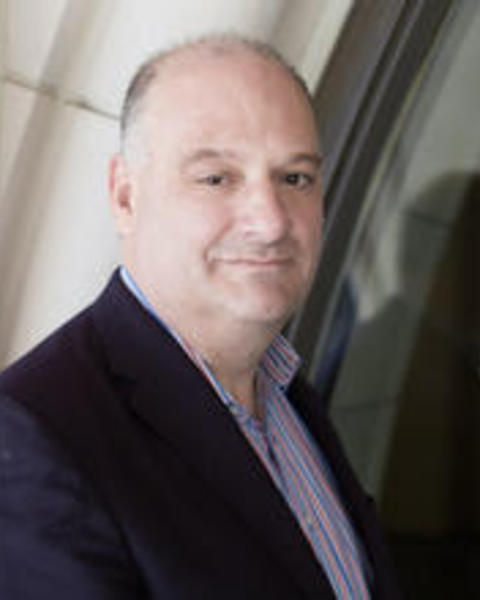
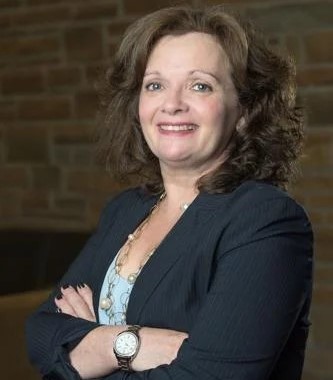
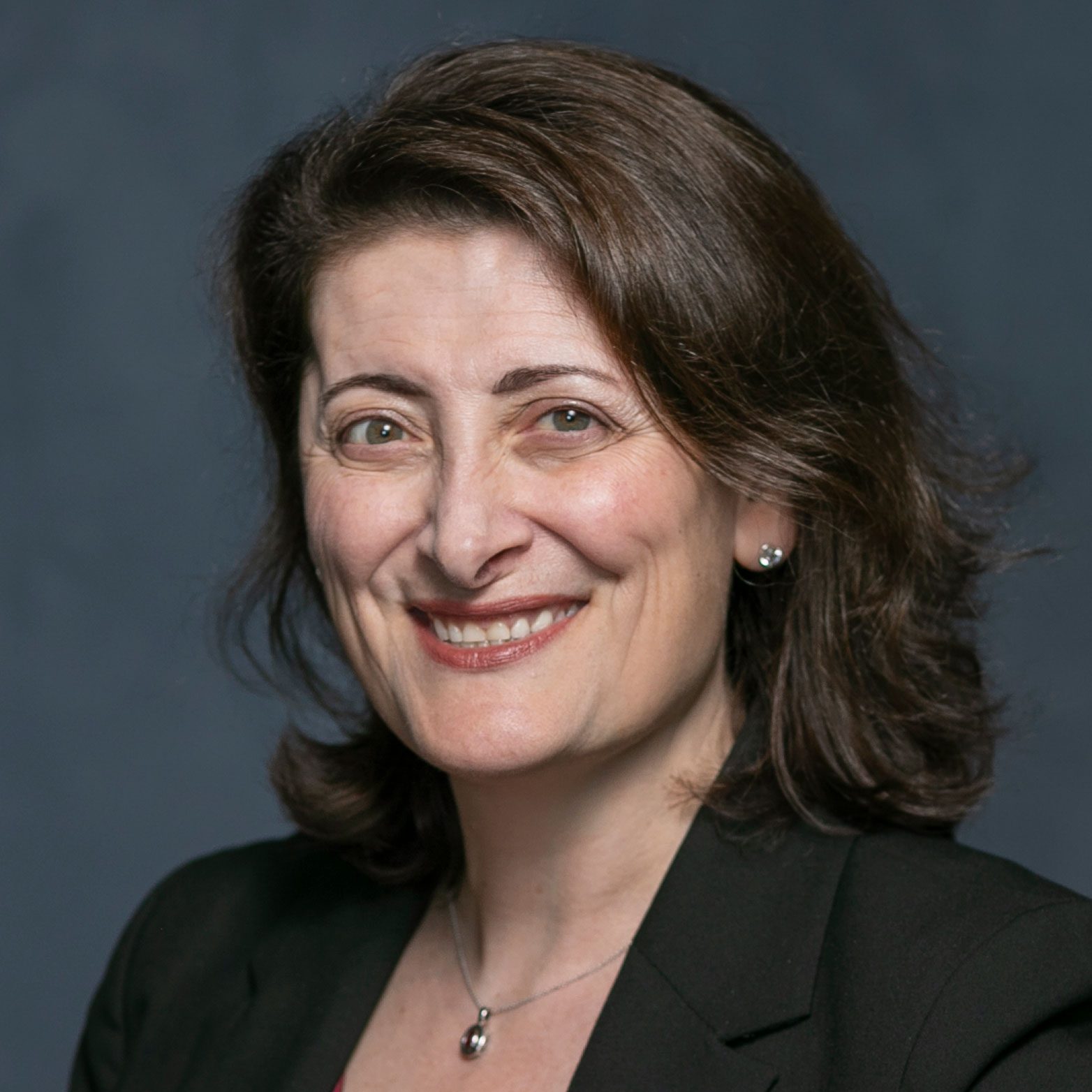
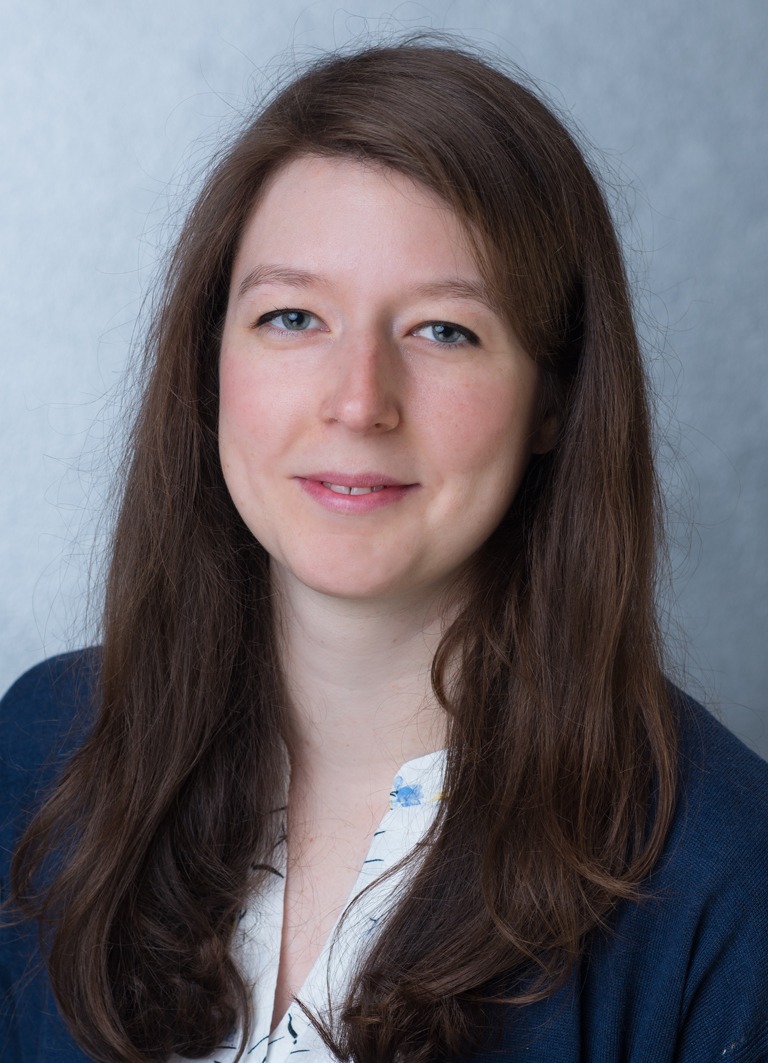
Richard J. Cellini is a Visiting Fellow at the Edmond & Lily Safra Center for Ethics and Research Fellow at Harvard Radcliffe Institute, Harvard University. An attorney and business executive, he specializes in historical accountability and slavery studies within the Atlantic world context. Education: A.B. and J.D. from Georgetown University LL.M. from University of Cambridge (UK) Cellini's research focuses on reconstructing historical narratives of slavery through institutional accountability frameworks. His groundbreaking Georgetown Memory Project identified over 10,000 descendants of enslaved individuals, fundamentally reshaping national discourse on race and reconciliation. This work bridges archival research with contemporary social justice initiatives, emphasizing descendant community engagement and reparative historical practices. He served as founding Director of Harvard's Slavery Remembrance Program (2022-2025) and Faculty Fellow at Harvard's Charles Warren Center for Studies in American History (2021-2022). Cellini actively contributes to academic discourse through his leadership in historical justice initiatives while maintaining membership in the Harvard University Band.
Nathaniel Millington is a Presidential Fellow in Urban Studies at the University of Manchester's Geography Department and Manchester Urban Institute. His research focuses on the politics of urban environments in the climate crisis era, emphasizing water/waste governance and infrastructure in unequal cities. Previously, he held postdoctoral fellowships at the African Centre for Cities (University of Cape Town) and visiting research roles at the University of São Paulo, with extensive fieldwork in São Paulo and South Africa. Research interests include climate finance, urban political ecology, and reparative infrastructure. He co-edits the Situated Urban Political Ecology platform and serves on the AAG Urban Geography Specialty Group board. His work addresses urban sustainability challenges in the Global South, contributing to UN Sustainable Development Goals related to climate action and equitable cities. Key publications explore highway repurposing in global cities, waste management policies in Bangladesh, and climate finance mechanisms. He advocates for equitable urban futures through critical engagement with infrastructure financing and decolonial urban theory.
Miriam Marton is an Associate Professor of Law and Director of the General Practice Clinic at the University of the District of Columbia David A. Clarke School of Law, where she joined in 2024. She specializes in clinical legal education, focusing on the intersection of mental health and law, trauma-informed advocacy, and historical reparations. Prior to UDC, she spent a decade at the University of Tulsa College of Law, where she launched the B.C. Franklin Legal Clinic (serving Tulsa’s post-Race Massacre community) and directed clinical programs as Associate Dean of Experiential Learning. She also pioneered the Tulsa Immigrant Resource Network and engaged in advocacy against ICE contracts in Oklahoma. Education: Masters in Social Work (University of Michigan) J.D. (Michigan State University College of Law) Her research examines client mental health impacts, adjudicator burnout, and historical trauma’s legal implications, including century-long litigation over the 1921 Tulsa Race Massacre. She previously worked at the University of Connecticut’s Asylum and Human Rights Clinic, creating an interdisciplinary program integrating social work and medical evaluations into asylum cases, and practiced at Skadden Arp where she focused on pro bono asylum representation. Her advocacy spans volunteer legal work at the U.S. Southern Border, anti-ICE contractual campaigns, and trauma-informed clinical training. She has no listed awards but is recognized for impactful community-driven legal initiatives.
Alyssa Kathleen Prorok serves as Associate Professor and Associate Head of Undergraduate Programs in the Department of Political Science within the College of Liberal Arts & Sciences at the University of Illinois. Her office is located in 314 David Kinley Hall with contact number (217) 300-6195. Her research centers on civil conflict dynamics, with particular expertise in civil war escalation/de-escalation mechanisms, peace agreement design and implementation, and International Criminal Court interventions. Key thematic areas include rebel leader strategies , power politics in armed conflict , and grievance-opportunity frameworks for conflict onset, as evidenced by her fingerprint analysis showing 100% emphasis on Civil War studies alongside significant focus on Combatants (60%), Peace (57%), and Rebel Leaders (50%). Analysis of her 14 scholarly outputs (11 articles, 3 chapters) reveals an evolving research trajectory from foundational civil war onset theories (2019-2020) toward contemporary ICC involvement determinants (2024). Her work consistently bridges theoretical models with empirical treaty analysis, demonstrating methodological sophistication through integration of legal mandate frameworks with power politics considerations. Recent publications show increasing interdisciplinary engagement with international criminal law and diplomatic negotiation studies. As Associate Head of Undergraduate Programs, she oversees political science curriculum development and student advising. Her administrative leadership complements her scholarly contributions to conflict resolution literature, though specific grant details remain unreported in available materials.
Katherine Van Wormer is a Professor in the Department of Social Work at the University of Northern Iowa. She served as the Director of the Undergraduate Social Work Program and has been affiliated with the university since at least 1990, progressing from Assistant Professor to Associate Professor and later to Professor. Her academic career spans over two decades, with a focus on gender, criminal justice, and social work practice. Research Interests: Her work examines the intersection of gender, race, and class within the criminal justice system, with emphasis on Restorative justice and gendered violence Substance abuse treatment Women's experiences in corrections Domestic violence interventions Human rights frameworks in social work Global victimization trends Publications: Her recent scholarship explores gender-specific programming, prison reform, and trauma-informed practices, reflecting a strong commitment to social justice and systemic change.
Kathryn Elizabeth Caggiano is a Professor in the School of Operations Research and Information Engineering (ORIE) at Cornell University's College of Engineering. She currently serves as Associate Dean for Master of Engineering (M.Eng.) Programs, overseeing student education and professional development across the College of Engineering. Previously, she directed the ORIE M.Eng. program from 2007 to 2023, during which it was repeatedly recognized as a finalist for the INFORMS UPS George D. Smith Prize. B.S., Mathematics, College of William and Mary (1990) M.S., Operations Research, Cornell University (1997) Ph.D., Operations Research, Cornell University (1998) Her research focuses on developing practical mathematical models and solution approaches for decision-making in large-scale production and distribution systems, with applications in supply chain management and inventory optimization. She has collaborated with organizations including Verizon Wireless, Cisco, Xelus, and NASA. Professor Caggiano's work emphasizes real-world implementation of robust, reusable models. Her publications analyze multi-echelon supply chains, service parts inventory optimization, and time-based customer service level agreements, reflecting her expertise in logistics analytics and operational efficiency. Michael Tien '72 Sustained Excellence and Innovation in Engineering Education Award Sonny Yau '72 Excellence in Teaching Award (2013, 2010) AIIE Award for Excellence in Teaching (2007) Chairman's Client Service Award, Price Waterhouse (1991) She has contributed to academic governance through service on the Cornell Engineering Alumni Association Board (2009-2015), the ORIE Advisory Council, and the Graduate Studies Advisory Board at William and Mary. Her teaching includes senior/M.Eng. courses in ORIE and development of online MSBA courses and eCornell certificates.
Cheryl Morse is an Associate Professor in the Department of Geography and Geosciences at the University of Vermont's College of Arts and Sciences. She serves as Co-Director of the Environmental Studies Program, Faculty Member in the Food Systems Graduate Program, Affiliate of the Gund Institute of Environment, and Chair of the Vermont Land Trust Board. Her work integrates academic research with community engagement through service learning partnerships. Her educational background includes a Ph.D. from the University of British Columbia (2006). Dr. Morse specializes in social geography with emphasis on rural contexts, exploring how people co-produce meaning through engagement with material places. Her research examines working landscapes, rural migration/immobility, place identity, Vermont's social geography, children's geographies, and nature-culture theory. She employs qualitative methods to investigate performance, practice, and relational geographies, challenging normalized views of rurality through public scholarship. Analysis of her recent publications reveals sustained focus on rural-urban dynamics, human-environment interactions in Vermont, and sustainable food systems. Her work consistently bridges theoretical frameworks like Polanyi's embeddedness with practical applications in landscape conservation, agricultural policy, and community resilience. Her scientific honors include: Sustainability Fellow Service Learning Fellow Dr. Morse actively mentors students through service-learning courses partnered with Franklin-Grand Isle Community Action, Chittenden Solid Waste District, Vermont Land Trust, and Burlington's Reparations Task Force. She co-directs the Fellowship for Restoration Ecologies and Cultures, providing field-based conservation training. Her grant work emphasizes community-driven projects addressing environmental justice and rural development. She leads the Environmental Studies Program and contributes to the Center for Research on Vermont, while serving on the Journal of Rural Studies editorial board and engaging with the American Association of Geographers' Rural Specialty Group.
Catherine Richardson is an Associate Professor and the Director of First Peoples Studies Program at Concordia University's School of Community and Public Affairs in Montreal (Tiohta:ké). She is a Métis scholar with Cree and Gwichin ancestry, actively engaged in research and advocacy related to Indigenous rights, reconciliation, and social justice. Dr. Richardson's research focuses on Indigenous Studies, with particular emphasis on: Indigenous healing knowledges and practices The legacy of residential schools and paths to reconciliation Police violence against Indigenous communities Indigenous sovereignty and land rights Response-based approaches to addressing violence Colonial structures and their ongoing impacts Her recent scholarship critically examines institutional apologies (such as the Papal apology for residential schools), arguing that meaningful reconciliation requires concrete reparations rather than symbolic gestures. She analyzes how language is used to obscure violence and responsibility, advocating for accurate historical representation as foundational to healing. Her work consistently centers Indigenous knowledge systems while challenging colonial narratives. Dr. Richardson has received research funding from the Social Sciences and Humanities Research Council (SSHRC), including for her work on Indigenous Healing Knowledges. She is affiliated with The Centre for Response-Based Practice, which focuses on addressing violence through approaches that center survivors' experiences and resistance rather than pathologizing victims. With decades of engagement in Indigenous rights advocacy, including participation in the Clayoquot Sound protests in the early 1990s, Dr. Richardson brings both academic expertise and lived experience to her scholarship and teaching. Her work connects historical colonial practices to contemporary issues facing Indigenous communities, advocating for structural change rather than superficial reconciliation.
Sanne Weber is a Research Fellow at the International Development Department of the University of Birmingham, specializing in transitional justice and gender dynamics in Latin America. Her work focuses on how conflicts reshape gender relations and how justice mechanisms can address structural inequalities. Education: PhD from Centre for Trust, Peace and Social Relations, Coventry University Her research explores the intersection of gender-sensitive transitional justice, conflict-related displacement, and reintegration of ex-combatants. She has analyzed Colombia's land restitution processes and Guatemala's political struggles with anti-corruption bodies like CICIG. Key article themes include: Transitional justice mechanisms in post-conflict societies Gender-inclusive peacebuilding strategies Land rights and displacement in Colombia Authoritarian regression in Guatemala Truth commissions vs. historical memory Security challenges in rural reintegration Sanne contributes policy-focused analysis to The Conversation , emphasizing structural transformation over symbolic legal frameworks in conflict-affected regions.
Francisco Javier Gómez Lanz is a full-time Professor at the Faculty of Law (ICADE) of Universidad Pontificia Comillas, where he holds the position of Director of the Department of Public Law, Coordinator of the Criminal Law Area, and Director of the Research Group in Criminal Law and Criminology. He has been teaching Criminal Law at undergraduate, master's, and doctoral levels since 2000 and has held significant academic leadership roles, including Vice-Dean of Academic Planning and Director of ICADE Business School. Education: Doctorate in Law, Universidad Pontificia Comillas (2005), with Honorific Distinction Licentiate in Law, Universidad Pontificia Comillas (1996), with Extraordinary Award Licentiate in Philosophy, Universidad Nacional de Educación a Distancia (UNED) (2009) His research focuses on Criminal Law , particularly in the areas of criminal theory, economic and corporate crime, cybercrime, intellectual property, environmental crime, and the philosophical foundations of criminal law . He integrates interdisciplinary perspectives, connecting law with philosophy, criminology, psychology, and digital technology. His recent publications reflect a strong engagement with contemporary challenges such as artificial intelligence, digital mental health, climate change, and sustainable development. The trends in his publications reveal a consistent scholarly trajectory centered on the evolution of criminal law in response to modern societal, technological, and environmental challenges. His work spans doctrinal analysis, comparative law, and interdisciplinary research, with a particular emphasis on the protection of legal interests in digital and ecological contexts. He frequently collaborates with researchers in criminology, psychology, and international law. Scientific Awards and Recognitions: Premio Extraordinario de Licenciatura en Derecho (1996) Distinción Honorífica for Best Doctoral Thesis (2005) Three research sexenios (2001–2006, 2008–2013, 2015–2020) in Law and Jurisprudence Certificación ACAP for University Professor (2007) Gómez Lanz has advised and mentored numerous students, though specific names are not listed. He has led multiple research projects and directed academic programs, including the Official Master in Business Law. He has also contributed to public policy through technical reports for institutions such as the European Parliament and SGAE. His leadership extends to directing research centers such as the Center for Innovation in Law (CID-ICADE) and the Postgraduate and Continuing Education Institute at Comillas. He is actively involved in research groups focused on Criminal Law and Criminology and Environmental Law, Public Health, and Sustainable Development , reflecting his interdisciplinary and socially engaged academic profile.
Aida Kell-Delic is a researcher at the Department of Educational Science at the University of Salzburg, affiliated with the Faculty of Social Sciences. She holds a Dr. phil. and MA in Educational Science. Her current roles include Senior Scientist (EU INDUCATE project) and University Assistant (Postdoc). Education: Bachelor’s in Educational Science (University of Augsburg) Master’s in Educational Science with focus on Heterogeneity in Education (University of Augsburg) Research Focus: Educational migration research Heritage language education Biographical education processes Mixed-Methods research methodologies (Latent Class Analysis, Objective Hermeneutics) Her work explores intersections between technology (XR), migration, and education through critical perspectives. Publications: Recent works analyze migration discourses through Extended Reality, global solidarity frameworks, and crisis narratives during the pandemic. These contributions bridge educational theory with societal challenges like migration policy and digital transformation. Professional Background: Previously worked as an educator in youth welfare (2016-2020) and held research roles at the German Youth Institute. Active in EU-funded research projects since 2019.
Ricard Camil Torres Fabra is an Assistant Professor in the Department of Didactics of Social Sciences at the Universitat de València. His academic career is deeply rooted in the study of 20th-century Spanish history, with a particular focus on the Francoist dictatorship, political repression, and historical memory, especially within the Valencian region. He is actively involved in research groups dedicated to the didactics of Geography and History and science education, highlighting his commitment to pedagogical innovation in social sciences. His research interests center on Contemporary Spanish History , Francoist Dictatorship , Political Repression , Oral History , and the Didactics of History . He explores how historical memory is constructed and taught, particularly in teacher training programs. His work often employs local case studies, such as the Ribera Baixa region, to examine broader national phenomena like autarky, smuggling, and municipal power under Franco. The analysis of his recent publications reveals a consistent scholarly focus on the mechanisms of repression, the lived experiences of victims, and the pedagogical challenges of teaching difficult histories. His work bridges historical research and educational practice, emphasizing the use of oral sources and critical thinking in the classroom. Themes of social control, euphemisms in repressive language, and the recovery of silenced memories are recurrent. His scientific contributions are extensive, with a publication record spanning over three decades. While no specific awards are mentioned, his sustained scholarly output and active research profile underscore his significant role in the academic community. He supervises research in historical memory and social sciences education, though specific student names are not listed. His work is supported by his affiliation with key research groups in teacher training and historical didactics. He is a key figure in advancing the understanding of post-Civil War Spain through both research and pedagogy. His research is conducted within collaborative groups such as the SOCIAL(S) Research and Innovation Group on Geography and History Teaching Didactics and the Research Group in Science Education and Science Teacher Training, indicating a strong team-based approach to educational research.
Cristina Sala Valdes is a Senior Research Associate at the School of Global Development, University of East Anglia, and holds a professorial role as counsellor and tutor for MA programs at the Campus for Peace (Open University of Catalonia) and the United Nations Institute for Training and Research (UNITAR). Her work bridges academic research and practical peacebuilding, with a strong focus on Latin America, particularly Colombia and Guatemala. Education: PhD in Communication for Peace, University of Deusto MA in Evaluation of Public Policies and Programs, Complutense University Research experience via Marie Curie Grants at Uppsala University and University of Coimbra Her research is rooted in communication for social change , conflict transformation , and decolonial theory . She employs participatory and undisciplined research methodologies to challenge dominant knowledge systems and promote locally grounded peace processes. Her work emphasizes restorative memory, pluriverse epistemologies, and the evaluation of communication in peacebuilding. The most recent articles reflect a consistent focus on post-conflict societies , territorial peace , and participatory methodologies . They explore how communities in Colombia and Guatemala navigate state-building, environmental justice, and reparation policies after conflict. The interdisciplinary nature of her work spans peace studies, geography, political science, and decolonial thought. Scientific Engagement: Active contributor to academic publications and policy-relevant research Collaborator with OBREAL (European Union Latin America Relations Observatory) Consultant for UNHCR and APROEVAL (Spanish Association of Evaluation) Cristina advises MA students in peace and conflict programs and contributes to transdisciplinary research projects such as Ixchel , which uses arts-based methods to reduce disaster risk in Guatemala. She is deeply involved in creating frameworks that reposition communication as a tool for transformative and decolonial peacebuilding.
Dr. Justin P. Jiménez is a Lecturer in the Department of Education at Tufts University, School of Arts and Sciences. He holds a PhD in Education and Feminist Studies from the University of Minnesota and an M.S.Ed in International Educational Development from the University of Pennsylvania. His work bridges education, critical race feminisms, and decolonial thought to address systemic violence and dispossession through research-creation methodologies. Current Appointments: Affiliate (2023–present), Lecturer in Education (2020–2023), Lecturer in Sociology (2019–2020) Research focuses on aimance, reparative speculation, and resistant liveness in K-12 and teacher preparation contexts. Teaches courses on social/cultural foundations of education, culturally sustaining pedagogies, and feminist inquiry methods. Engages in community-based collaborations to confront historical trauma and construct ethical futures. Academic interests include psychoanalytic philosophy, poststructuralism, and the sociology of education. Supports directed studies and peer teaching programs at Tufts.
Sofie Rose is a Research Fellow at the Department of Political Science and Public Management, University of Southern Denmark, specializing in gendered aspects of armed conflict. She holds a PhD in International Politics (University of Southern Denmark) and a Master of Social Science in International Security and Law. Her research focuses on the intersection of gender, masculinity, and mobilization dynamics in Ukraine's full-scale war, funded by the Danish Council for Independent Research (DFF). Current Postdoc Project: 'The Politics of Masculinity and Stigmatization of Ukrainian Men Fleeing the War' (2023–2025) PhD Project: 'How Stigmatization against Victims of Wartime Abuses Affects Sustainable Peace' (2019–2022) Her research interests include draft evasion stigma, protection of civilians, feminist peace theory, and narrative analysis of atrocity crimes. She has published in journals like Revista Lüvo and International Feminist Journal of Politics , with a focus on Ukraine, Central African Republic, and Bosnia contexts. She actively participates in international conferences and media discussions on conflict-related issues. Awards include the 2016 Best Research Article Prize from the Danish Ministry of Foreign Affairs. She supervises students on gender-conflict topics and teaches courses on international relations and peacebuilding at the University of Southern Denmark.