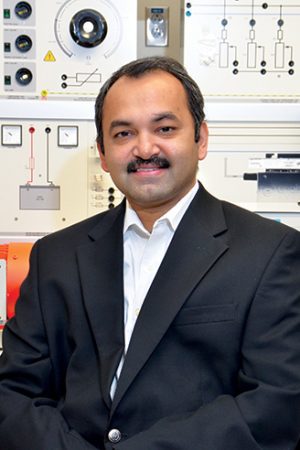
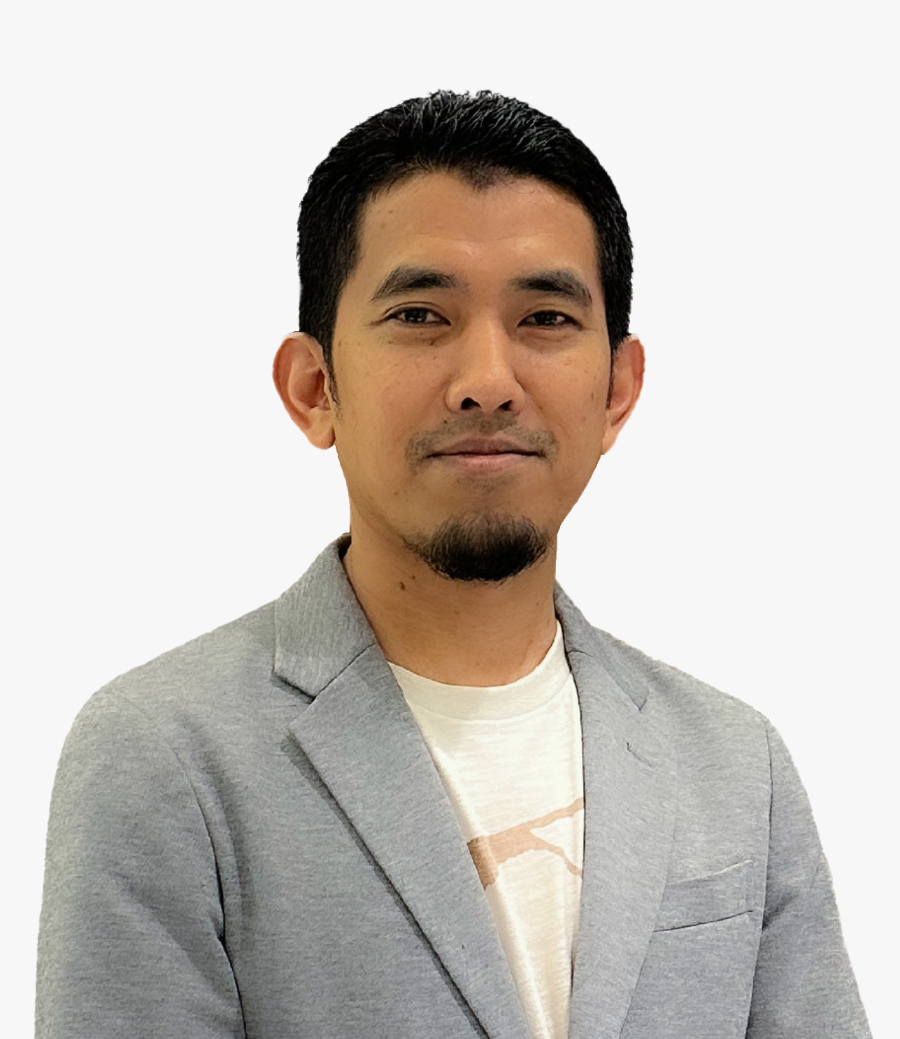
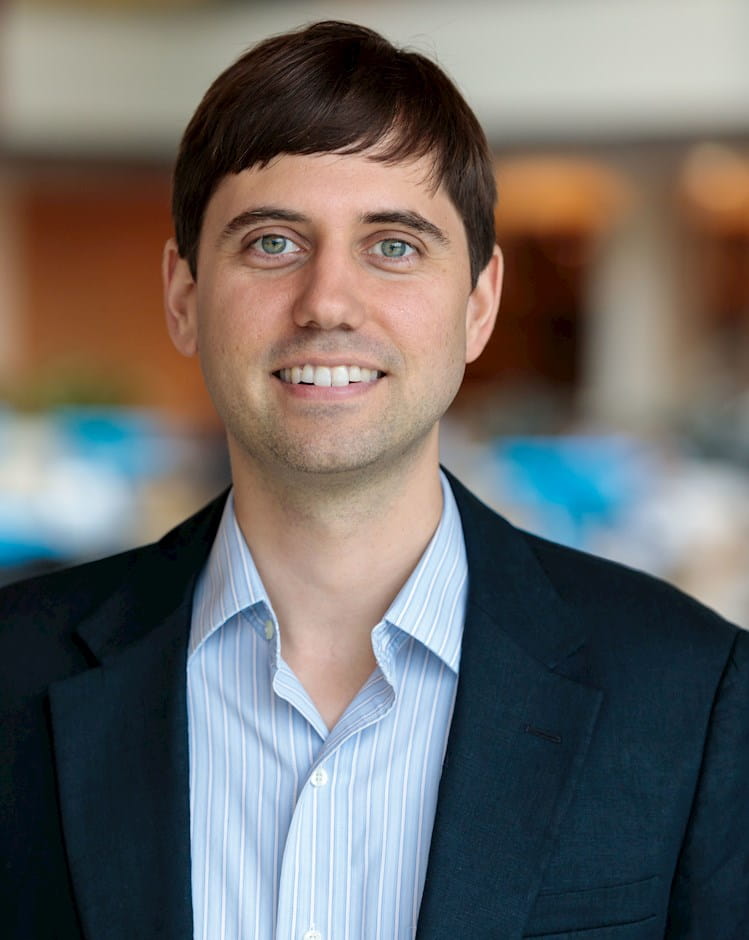
Dr. Madhav Manjrekar is an Associate Professor in the Department of Electrical and Computer Engineering at the University of North Carolina at Charlotte. He earned his Ph.D. from the University of Wisconsin–Madison in 1999. His research focuses on power electronics applications in utility systems, renewable energy interfaces, and cybersecurity of electricity infrastructure. Key areas include power quality improvement in microgrids, high-voltage direct current (HVDC) transmission, and advanced electrical machine design for electric vehicles and wind energy systems. His work emphasizes innovative solutions for energy storage integration, grid resiliency, and fault-tolerant power systems. Recent publications highlight advancements in DSTATCOM for microgrids, solid-state circuit breakers, and doubly salient electrical machines. He has contributed to projects like the US-Caribbean Super Grid and HVDC interconnectors for offshore renewable energy. Dr. Manjrekar’s research also addresses cybersecurity vulnerabilities in power infrastructure and explores next-gen semiconductor technologies like SiC MOSFETs. His interdisciplinary approach bridges power electronics, machine design, and grid stability, with applications in both academic and industry settings.
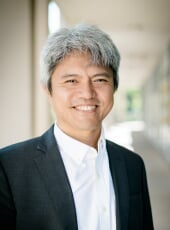
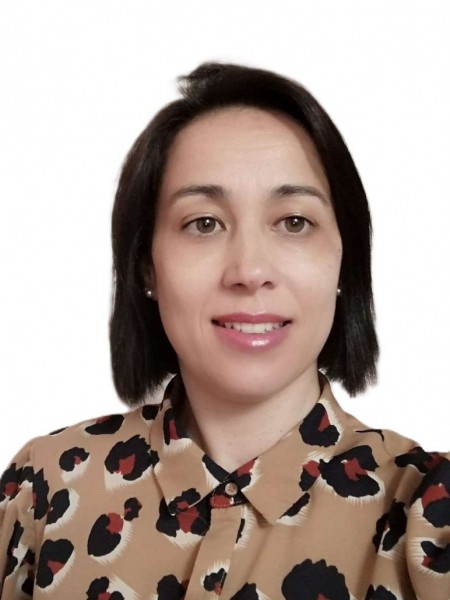
Claudio Canizares is a University Professor and Hydro One Endowed Chair in the Department of Electrical and Computer Engineering at the University of Waterloo. He also serves as Executive Director of the Waterloo Institute for Sustainable Energy (WISE). With a career spanning over 30 years, his research focuses on power systems stability, smart grids, microgrids, and renewable energy integration. He has secured nearly $118 million in grants and supervised 180+ researchers/students. Education: PhD (1991) and MSc (1988) in Electrical Engineering from University of Wisconsin-Madison; Electrical Engineering Diploma (1984) from Escuela Politécnica Nacional, Ecuador. Research Interests : Nonlinear systems theory, FACTS/HVDC applications, energy storage systems, microgrid stability/control, renewable integration in remote communities, and smart grid analytics. His work emphasizes bridging academic research with industrial applications through collaborations with utilities and tech firms. Key Achievements : IEEE Transactions on Smart Grid Editor-In-Chief; multiple IEEE Fellowships (IEEE, Royal Society of Canada, Canadian Academy of Engineering); 2017 IEEE PES Outstanding Educator Award; 2016 IEEE Canada Electric Power Medal. His publications (370+) include landmark papers on microgrid stability definitions and control frameworks, cited over 29,000 times. Teaching: Recently taught ECE 140 (Linear Circuits), ECE 467 (Power Systems Analysis), and graduate courses ECE 6601PD/ECE 6613PD on power systems modeling and analysis.
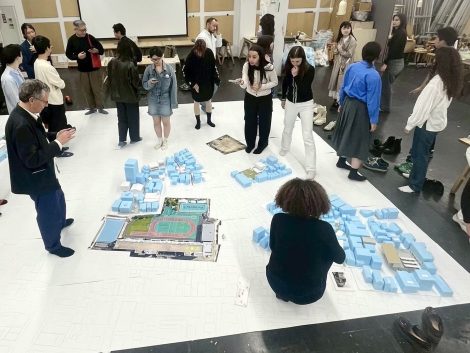
Justin Jansen is a Professor of Corporate Entrepreneurship at Rotterdam School of Management (RSM) within Erasmus University Rotterdam. Affiliated since 2001, his academic career spans over two decades. He holds a PhD in Management (2005) from Erasmus University. His research focuses on organizational growth, strategic renewal, and leadership dynamics in fast-growing firms. He co-founded the Erasmus Centre for Entrepreneurship (ECE) and pioneered the European ScaleUp Institute, fostering scale-up ecosystems across Europe. His work bridges academia and practice, addressing how organizations navigate paradoxes between exploration and exploitation. He has advised companies and governments on innovation strategies and entrepreneurial ecosystems. Editorships include Journal of Management Studies , and he’s an editorial board member of leading journals like Academy of Management Journal . Notable awards include the ERIM Best Paper Award and being named one of the world’s top entrepreneurship scholars. Research highlights include frameworks for scale-up DNA, leadership roles in ambidextrous organizations, and the role of social networks in corporate-startup collaborations. He co-developed BuildtoGrow, a venture applying research-based game-based learning tools for scaling organizations. Key collaborations include work with the European ScaleUp Institute and advisory roles for governmental agencies on entrepreneurial climate improvement. His 50+ publications span topics like absorptive capacity, strategic agility, and middle management roles in strategy implementation.
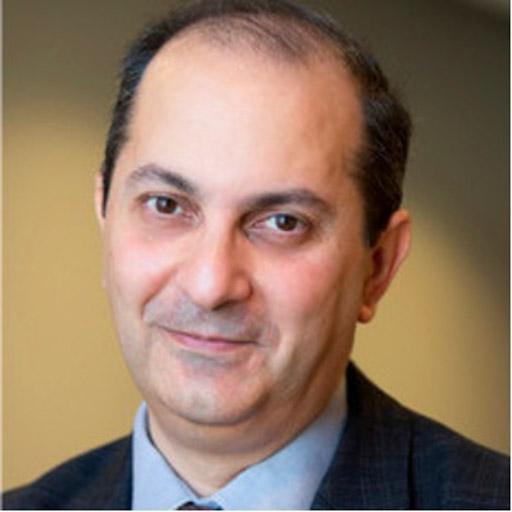
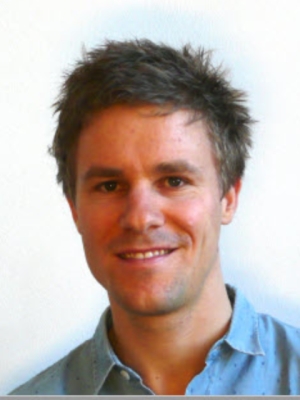
Chee-Wooi Ten is a tenured Professor in the Department of Electrical and Computer Engineering at Michigan Technological University, where he has served since 2010 and achieved tenure in 2016. He concurrently holds an Affiliated Professor appointment in Applied Computing and directs both the PSERC Site and ICC CPS Center. His institutional roles emphasize cyber-physical security integration within power infrastructure. His educational background includes: PhD in Electrical Engineering from University College Dublin (2009) MSc in Electrical Engineering from Iowa State University (2001) BSc in Electrical Engineering from Iowa State University (1999) Ten's research pioneers cyber-informed security engineering strategies for bulk power systems, focusing on quantifying rare events through system risk models and data science. His work bridges power grid interactions with robotics and transportation systems to advance decarbonization and electrification. Key methodologies include validating cyber-physical security frameworks against steady-state and dynamic grid approaches, with emphasis on attack/defense combinatorics and smart home technologies. This transdisciplinary approach supports the fourth industrial revolution's resilience requirements. His publication trends reveal strong focus on risk-aggregated substation testbeds using generative adversarial networks, cyber insurance models for power systems, and cascading failure analysis from switching attacks. Recent works increasingly integrate machine learning with physics-based modeling to address cybersecurity threats in inverter-based resource integration and distribution emergency operations. Ten has secured over $6.5M in active funding including: $2M DOE grant (MTU portion $105,000) for CyDERMS Center on DERs/Microgrids cybersecurity $704,409 CyManII award for secure digitalization in smart manufacturing $1.05M DOE ARPA-E grant for decarbonized freight transportation modeling NSF CyberCorps Scholarship for Service program ($3.38M) His grants consistently address risk management through data-driven and physics-based modeling, with industry partnerships through PSERC and utility collaborations. As ICC CPS Center Director, he leads research on cyber-physical security testbeds and coordinates the PSERC Summer Transformation School. His team develops validation frameworks for NERC CIP compliance while addressing practical pain points in OT cybersecurity for grid operators.
Mohammad Peydayesh is a Lecturer and Senior Researcher at the Department of Health Sciences and Technology , ETH Zürich. He works in the Food and Soft Material Laboratory , focusing on sustainable materials derived from food waste and agri-food byproducts. PhD in Chemical Engineering (2018, Iran University of Science and Technology) Postdoctoral Fellow at ETH Zürich under Prof. Dr. Mezzenga Senior Assistant at ETH Zürich since 2021 His research spans soft matter , self-assembly phenomena , and amyloid fibril applications in: Environmental engineering (water purification, heavy metal removal) CO2 conversion and storage Smart packaging and bioplastics development Biorefinery concepts and circular economy Nanomaterials for waste valorization Recent publications highlight trends in amyloid-based hybrid materials for: Metal recovery from e-waste and contaminated water CO2 capture and conversion Bioplastic production from agricultural waste Antiviral and detoxification applications Water desalination and purification Photonic and catalytic materials He contributes to the Laboratory of Food & Soft Materials , advancing sustainable solutions through interdisciplinary material science.
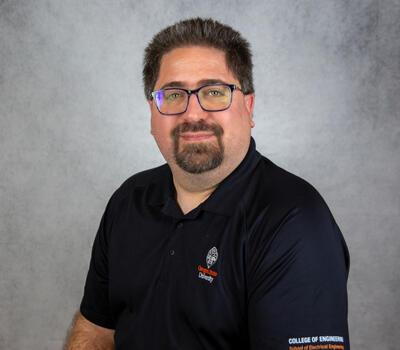
Scott Kerlin is a Senior Lecturer in the Department of Electrical Engineering and Computer Science at Oregon State University's College of Engineering. He holds an M.S. and B.S. in Computer Science from the University of North Dakota. Prior to academia, he worked at the Mayo Clinic on medical software systems and IBM as a build master for enterprise products. His career spans roles including network administrator, lab manager, and Undergraduate Director at UND. Dr. Kerlin's research focuses on bridging industry experience with academic curriculum, particularly in computer science education, project-based learning, and cybersecurity. He emphasizes practical applications of theoretical concepts, such as integrating 3D printing and scanning technologies with security systems for small satellites. His work also explores student efficacy in AI courses and scalable software project management methodologies. He has taught at multiple institutions, including the University of Minnesota and Augsburg University, and held roles at Michigan Tech as Senior Security Engineer. His 2024 Engineering+ Outstanding Teaching Award highlights his commitment to pedagogical innovation. Current projects include in-space 3D printing, solar energy systems, and cryptographic solutions for satellite communications. Key areas of contribution include: 3D printing/Scanning: Material characterization, key replication, and aerospace applications Cybersecurity: Intrusion detection, satellite communications security, and chaotic cryptosystems Educational Innovation: Active learning frameworks, PBL implementation, and student performance modeling His interdisciplinary approach connects computer science fundamentals with real-world engineering challenges, emphasizing sustainability and industry relevance in curricula.
Amin Hammad is a Professor at the Concordia Institute for Information Systems Engineering, with an additional appointment as Affiliate Professor in Building, Civil, and Environmental Engineering at Concordia University. His research focuses on advancing construction technology through digital transformation, automation, and AI integration. He leads work in BIM applications, 4D simulation, robotic systems, and sustainable infrastructure management. His interdisciplinary approach bridges civil engineering with computer science and data analytics. Key research areas include: Automation and robotics in construction (Construction 4.0) BIM and digital twin lifecycle management AI-driven defect detection and inspection systems Occupational safety through exoskeleton performance evaluation Multi-purpose utility tunnel optimization Energy-efficient building systems Recent work emphasizes applying machine learning to construction equipment activity recognition, UAV path optimization for infrastructure inspection, and ontology development for integrated systems. His research addresses industry challenges in productivity, safety, and sustainability through data-driven solutions.
Ahmed Hammad is an Associate Professor in the Department of Civil and Environmental Engineering at the University of Alberta's Faculty of Engineering, where he also serves as Director of Academic Integrity, ENG WIL, Co-op and Career Connections. With 25 years of industry experience as a Project Planning & Control Manager on global mega-projects (including Oil Sands, LNG, and Infrastructure across Canada, UAE, Australia, and Egypt), he brings extensive practical expertise to academia. Education: Doctorate of Philosophy, Construction Engineering & Management, University of Alberta (2009) Master of Science, Construction Engineering & Management, University of Alberta (1999) Master of Engineering, Construction Engineering and Management, Cairo University (1996) Bachelor of Science, Civil Engineering, Mansoura University (1989) Research Focus: Dr. Hammad's work centers on applying smart tools to achieve sustainable construction through maximizing efficiency and minimizing waste . His research employs Machine Learning , Multi-Criteria Decision Making , Knowledge-Based Decision Support Systems , and digital twin technologies to optimize project planning, resource allocation, and sustainable material selection. He investigates the integration of BIM and Augmented Reality to enhance construction processes while reducing environmental impact. Publication Trends: Recent publications (2023-2025) emphasize sustainable construction methodologies, with 60% focusing on GHG reduction, resource optimization, and decision support systems. Key themes include machine learning for labor estimation, TOPSIS/MCDM for sustainable material selection, and digital twins for production planning, reflecting his NSERC-funded projects on KBDSS and construction-oriented digital twins. Scientific Recognition: Best Paper Award at 8th International Conference on Industrial Engineering and Operations Management (2018) Best Paper Award at HBRC Green Smart Sustainable Buildings Conference (2024) Research Leadership: Dr. Hammad secures major industry-academic partnerships, including NSERC Mission Alliance Grants ($1.2M+) with 16 industry partners for GHG reduction projects and NSERC Alliance Grants with 9 partners for digital twin development. His completed projects include collaborations with the City of Edmonton and Alberta Ministry of Infrastructure on resource allocation models. Research Ecosystem: As leader of the Sustainable Construction Research Group (SCRG), he fosters industry-academia collaboration through regular workshops with construction firms and government agencies, focusing on translating research into practical tools for sustainable project delivery.
Professor Raja Ayyanar is a faculty member in the School of Electrical, Computer and Energy Engineering at Arizona State University (ASU), where he has served since 2000. He holds a Ph.D. in Power Electronics from the University of Minnesota (2000), an M.S. from the Indian Institute of Science (1995), and a B.E. in Electrical Engineering from PSG College of Technology (1989). His research focuses on power electronics, renewable energy systems (including PV and wind integration), electric vehicles, motor drives, and wide bandgap devices. Notable contributions include advancements in DC-DC converters, power conversion for renewable energy interfaces, and high-frequency power electronics. He has published over 200 journal/conference papers and holds 8 U.S. patents. Ayyanar is a Fellow of the IEEE and has received the Office of Naval Research Young Investigator Award (2005). He leads or participates in major research initiatives, including the ACEPS Center and the Power Systems Engineering Research Center (PSERC). His work spans industry collaborations with entities like Sandia National Labs, Intel, and BP Solar. He teaches advanced courses in power electronics and has advised numerous students. His grants include projects on smart grid technologies, inverter reliability standards, and high-penetration renewable integration. He is affiliated with ASU’s Center for Efficient Vehicles and Sustainable Transportation Systems (EV-STS). Education: Ph.D. Power Electronics, University of Minnesota, 2000 M.S. Power Electronics, Indian Institute of Science, 1995 B.E. Electrical Engineering, PSG College of Technology, 1989 Affiliations: Professor, Ira A. Fulton Schools of Engineering Professor, PSERC and EV-STS Centers Grants & Projects: Over 60 grants from NSF, DOE, ONR, and industry partners Recent projects include dynamic sub-transmission-distribution co-simulation and EV/HEV traction drives
Distinguished Professor Peter Ralph is a faculty member at the University of Technology Sydney (UTS), holding the position of Professor of Marine Biology within the Faculty of Science and serving as the Executive Director of the Climate Change Cluster (C3). He is also the founder of the NSW Deep Green Biotech Hub and an influential member of global initiatives such as UNESCO’s Blue Carbon Scientific Working Group and the Czech Academy of Sciences’ Global Change Research Centre. Leadership Roles: Director of the Climate Change Cluster, Deputy-Chair of Sydney Institute of Marine Sciences. Research Collaborations: Partnerships with CSIRO, industry, NGOs, and international institutions. Key Contributions: Over 280 publications and $15M+ in research funding. His research focuses on algae-based solutions to climate change and sustainability, including carbon capture, bioplastic production, waste-water remediation, and circular bio-economy models. He explores advanced manufacturing through Industry 4.0 integration and zero-waste bio-refinery approaches, while also advancing algal phenomics using automated high-throughput screening systems. Recent articles highlight innovations in AI-driven biorefinery optimization, microalgal bioprospecting, and mutagenesis techniques for rare earth element extraction. His work bridges environmental science with engineering, addressing challenges in algae cultivation scalability and commercialization. Scientific Awards: 2012 and 2018 UTS Vice-Chancellor’s Research Excellence Awards. Peter has secured major grants, including the Fermentalg PhD Project on Microalgae Screening, PNG Natural Seafood’s Macroalgae Product Development, and the Winifred Trust Foundation’s Aquaculture initiative. His research teams collaborate across disciplines to transform algae into sustainable resources for food, energy, and biomanufacturing. He leads UTS’s Climate Change Cluster (C3), a hub for interdisciplinary climate research, and actively promotes algae-building technologies and carbon storage innovations through biomasonry products.
Azma Putra Azis is a Lecturer in the School of Civil and Mechanical Engineering at Curtin University, with a focus on acoustics, vibration control, and sustainable materials. He is affiliated with campuses in Australia, Dubai, Malaysia, Mauritius, and Singapore. His research emphasizes eco-friendly acoustic absorbers using natural fibers (e.g., wood, oil palm, coconut) and additive manufacturing. He collaborates widely, publishing in journals like International Journal of Environmental Science and Technology and Applied Acoustics . His work spans noise control, composite material development, and structural acoustics. Teaching areas include Science and Engineering, with contributions to the Centre for Aboriginal Studies and interdisciplinary fields. Education: Not explicitly stated in profile, but extensive academic publications suggest advanced qualifications in mechanical/acoustical engineering. Research Interests: Acoustic absorber design, composite materials, vibration dynamics, and sustainable engineering. Professional Networks: ORCID (0000-0001-6023-2493), Google Scholar, LinkedIn, and personal website ( www.azmaputra.com ). Publications highlight innovations in sound absorption using agricultural waste (e.g., durian husk, sugarcane fiber) and optimization of muffler designs. His work bridges engineering and environmental science, with applications in construction, automotive, and renewable materials.
Dr. Carla Vilela is an Assistant Professor in the Department of Chemistry at the University of Aveiro and Principal Researcher at CICECO. She coordinates the Sustainable Materials research line and leads projects on cellulose-based materials and circular economy. Her research focuses on sustainable materials from cellulose and renewable resources for applications in water remediation, food packaging, and textiles. Education includes a PhD in Chemistry from the University of Aveiro and postdoctoral work at CICECO and ISIS Neutron and Muon Source (UK). Research interests include: Development of cellulose-based functional materials Nanocomposites for biomedical applications Sustainable packaging solutions Biopolymer modification and characterization Publications demonstrate strong focus on cellulose nanocomposites, bioprinting bioinks, and active packaging. Recent articles frequently involve nanocellulose modifications, drug delivery systems, and sustainable material design. Awards include being named among World's Top 2% Scientists annually since 2020. Funding includes national projects (Cell4Janus) and EU collaborations (PRIMA Im-Pack). Leads the BioPol4Fun research group and supervises 6 PhD students. Current projects explore cellulose-based microrobots, resin valorization, and marine biopolymers.
Keigo Kobayashi is an Associate Professor at Waseda University's Faculty of Science and Engineering, School of Creative Science and Engineering, Department of Architecture. He has served in this position since 2016, previously holding the rank of Assistant Professor from 2012 to 2016. His professional journey includes significant experience at the Office for Metropolitan Architecture (OMA) in Rotterdam, where he worked as a Senior Architect and Project Architect from 2007 to 2012. His educational background includes a Master of Architecture II from Harvard University's Graduate School of Design (2005), a Master of Architecture from Waseda University's Graduate School of Science and Engineering (2003), and a Bachelor's degree in Architecture from Waseda University's School of Science and Engineering (2002). Kobayashi's research focuses on architectural planning and city planning, with particular interests in food-related architecture, spatial behavior, and sustainable design. His work explores the intersection of architecture with everyday life, examining how spatial configurations influence human behavior and community formation. Recent research has investigated food systems in urban contexts, playful approaches to spatial design, and the relationship between architectural form and environmental performance. His publications demonstrate a strong focus on practical applications of architectural theory, with projects spanning from food truck design in Shodoshima to zero-energy housing solutions and innovative approaches to architectural education. His work shows a consistent interest in how architecture can respond to contemporary social challenges while maintaining theoretical rigor. Excellence in Concrete Construction Award 2019, American Concrete Institute (ACI), Qatar National Library / OMA Kobayashi actively contributes to architectural education through various committee memberships, including serving as Chief of the Subcommittee on Strategies for International Compatibility in Architectural Education at the Architectural Institute of Japan and leading the Caberra Accord Correspondence Subcommittee at the Japan Accreditation Board for Engineering Education. His teaching portfolio at Waseda University is extensive, covering architectural design studios from undergraduate to doctoral levels. He leads several research initiatives, including the Wakusei Project in Tosa, Kochi, NPO PLAT (Platform for Architectural Thinking), and the European Thinkbelt/McDonald's Radio University project which represents an innovative approach to architectural education and community engagement, particularly in contexts of migration and cultural exchange.
Dr. Dominik Büeler is a Researcher at ETH Zurich's Institute for Atmospheric and Climate Science and staff member of the Center for Climate Systems Modeling (C2SM). His work bridges atmospheric dynamics with practical climate services, focusing on subseasonal prediction systems and their societal applications in Europe. Research Focus: Büeler's work centers on subseasonal-to-seasonal prediction, with emphasis on weather regime dynamics, extratropical cyclone behavior, and stratosphere-troposphere interactions. His research integrates large ensemble modeling, forecast verification, and climate impact assessment, particularly for European weather extremes. Recent projects examine heatwave mortality prediction, energy meteorology applications, and the role of moist processes in atmospheric blocking. Analysis of his publication record since 2021 reveals consistent advancement in subseasonal forecasting methodology, with growing emphasis on societal applications including public health (heat-related mortality) and energy sectors. His work increasingly connects fundamental atmospheric processes with operational forecasting systems, leveraging collaborations through the Subseasonal-to-Seasonal Prediction Project. Affiliations: Center for Climate Systems Modeling (C2SM) - Core Research Staff ETH Zurich Institute for Atmospheric and Climate Science MeteoSwiss Collaborator (Energy Meteorology) Büeler contributes to multidisciplinary teams developing climate services, with recent work supporting Swiss operational forecasting systems. His research group within C2SM focuses on improving subseasonal predictability through advanced diagnostics of model biases and atmospheric processes.
Richard Hornbeck is the V. Duane Rath Professor of Economics at the University of Chicago Booth School of Business. He is an economic historian and applied-micro economist whose research focuses on the historical development of the American economy, examining why some places and people have become wealthier while others have remained poorer. Hornbeck is a research associate at the National Bureau of Economic Research, affiliated with programs on the Development of the American Economy, Development Economics, and Environmental and Energy Economics. Hornbeck's research spans multiple critical areas of economic history, with particular emphasis on slavery and emancipation economics, environmental history (especially the Dust Bowl migration), gender dynamics in 19th-century manufacturing, railroad development, and agricultural economics related to the Ogallala Aquifer. His work frequently utilizes newly digitized historical data to provide fresh insights into longstanding economic questions, connecting historical events to contemporary economic issues of wealth distribution and regional disparities. His publication record shows strong trends in American economic development research, with recent work focusing on the economic impacts of emancipation, historical manufacturing patterns by gender, and urban economic development. Many of his papers have been published as lead articles in top journals including the Journal of Political Economy, American Economic Review, and Review of Economics and Statistics. Hornbeck has received several prestigious honors including the Alfred P. Sloan Fellowship in 2014 and selection for the 2009 Review of Economic Studies Tour. His NBER affiliations demonstrate his standing in multiple subfields of economics research. Prior to joining Chicago Booth in 2015, Hornbeck was the Dunwalke Associate Professor of American History in the Economics Department at Harvard University. He received his PhD in economics from MIT in 2009 and a bachelor's degree in economics from the University of Chicago in 2004. His teaching includes courses on applied microeconomics in economic history and business in historical perspective, with course schedules extending through 2026.