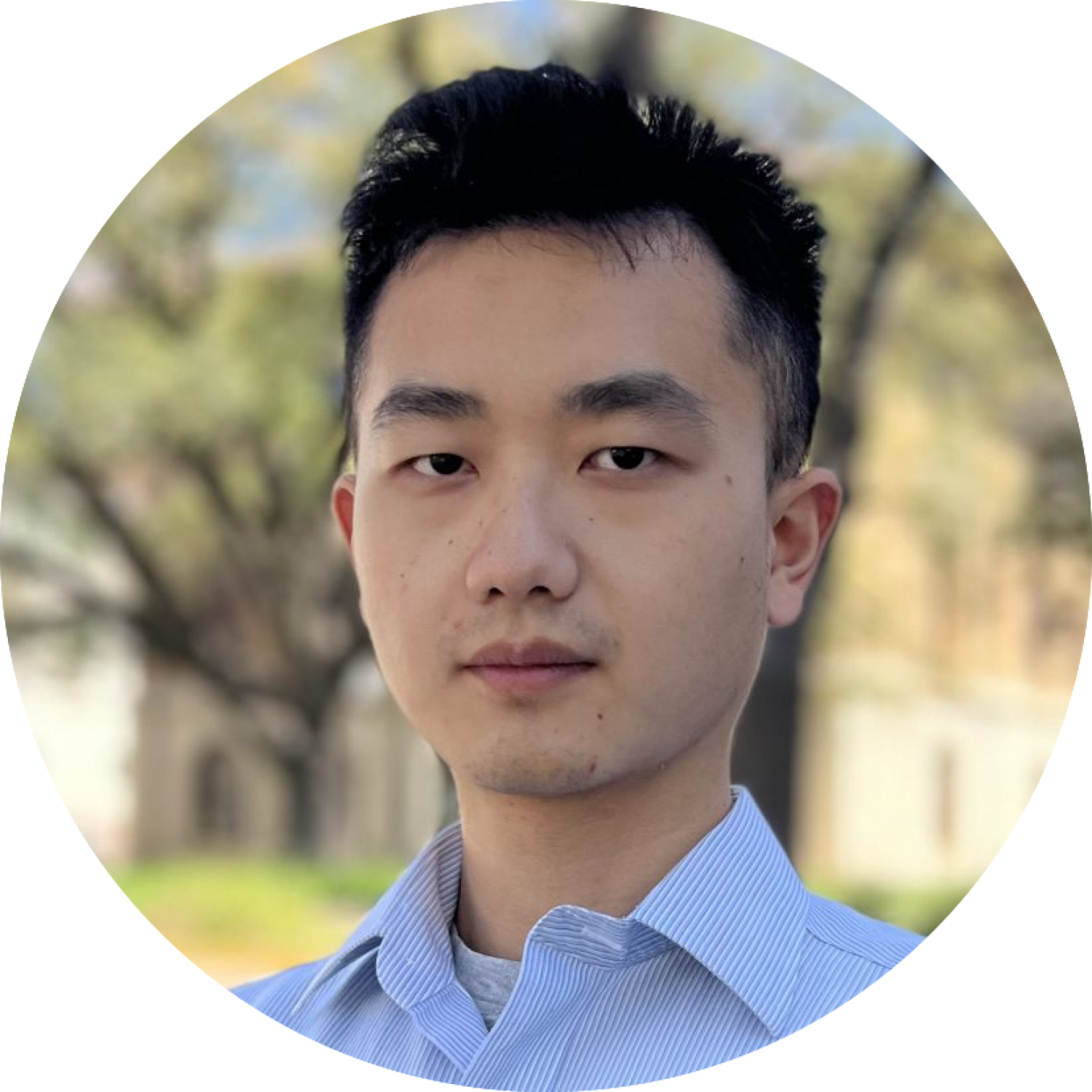
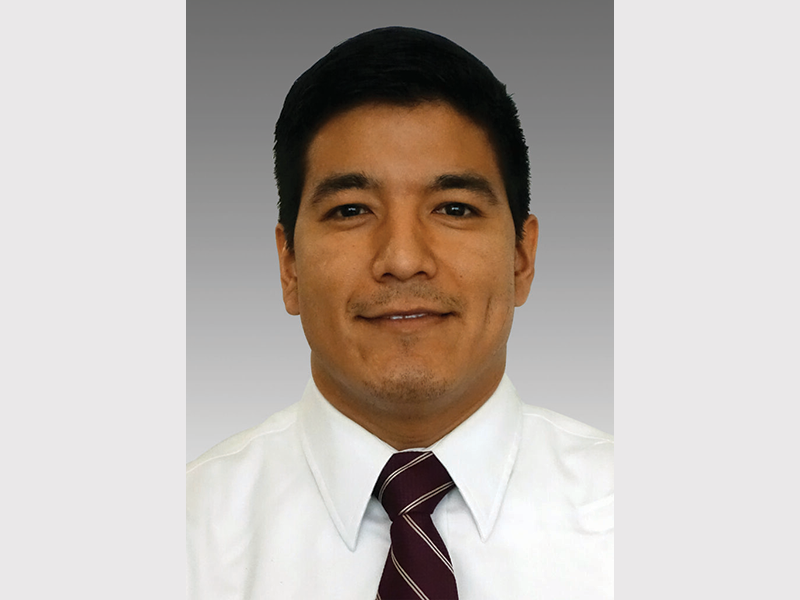
Zhi Li is an Assistant Professor at the University of Colorado Boulder's College of Engineering and Applied Science, Department of Civil, Environmental and Architectural Engineering. He leads the newly established Flood Lab, focusing on flood prediction and monitoring through remote sensing and coupled hydrologic-hydraulic models. Joined CU Boulder in Fall 2025 Former Dean's Postdoc Fellow at Stanford University PhD in Civil Engineering & Environmental Science from University of Oklahoma (2022) His research spans hydrological modeling , extreme events , and AI4Science applications, particularly in deep learning and intelligent agents for flood risk assessment. Li’s work also connects floods with public health and economic systems , aiming to develop the Flood-Agriculture-Climate-Economics-Disease (FACED) framework. Key Themes: High-resolution flood modeling Climate change impacts on hydro-meteorology Remote sensing integration Flood-agriculture interdependencies Global health implications Scientific Awards: Dean's Postdoc Fellow, Stanford Doerr School of Sustainability (2023) Hoving Fellowship, University of Oklahoma (2019) Li’s recent publications emphasize improved precipitation estimation (IMERG V07), Brown Ocean Effect studies, and Fourier neural operators for rapid flood forecasting. His collaborative work with NOAA and NASA focuses on comparing ground-based and spaceborne radar systems for extreme event analysis.
Noah P. Molotch is a Professor in the Department of Geography at the University of Colorado Boulder, leading the Mountain Hydrology Group and affiliated with the Cryosphere and Surface Processes Lab and Niwot Ridge Long-Term Ecological Research program. His work integrates ground observations, remote sensing, and computational modeling to advance understanding of mountain hydrology, water resources, and ecohydrology in changing climates. His educational background includes: PhD in Hydrology and Water Resources from the University of Arizona (2004) MS in Environmental Science and Management from the University of California, Santa Barbara (2000) BA from the University of Colorado Boulder (1997) Molotch's research focuses on snow hydrology , ecohydrology , and remote sensing with emphasis on snowmelt distribution, soil moisture dynamics, and streamflow generation. He investigates how climate change alters snowpack characteristics and hydrological partitioning, affecting forest productivity and carbon cycling in montane ecosystems. His work spans from the Colorado Front Range to Chilean Andes, addressing critical water security challenges through field studies and satellite data integration. Recent publications (2024-2025) reveal three dominant research thrusts: (1) Advanced snow water equivalent estimation using machine learning and airborne remote sensing, (2) Climate impacts on snowmelt timing and hydrological partitioning across mountain systems, and (3) Ecohydrological feedbacks between snow dynamics and vegetation productivity. These studies increasingly incorporate drone-based multispectral imaging and cross-scale data fusion to resolve spatial heterogeneity in alpine environments. Molotch mentors PhD students Millie Spencer and Emma Tyrrell, with Spencer documenting glacier retreat in Chile through CUAHSI-funded research. His group has secured significant grants from the U.S. Bureau of Reclamation for developing operational snowpack datasets, while collaborating with NASA, NOAA, and water management agencies on real-time monitoring systems. Community engagement includes art-science collaborations like the Colorado Arts Science Environment Program to communicate climate impacts. The Mountain Hydrology Group operates cutting-edge facilities including the Cryosphere and Surface Processes Lab and contributes to the Niwot Ridge Long-Term Ecological Research site. They deploy airborne lidar, drone-based thermal imaging, and wireless sensor networks to map snow properties at unprecedented resolutions, directly informing water resource management during drought and flood events across the Western U.S.
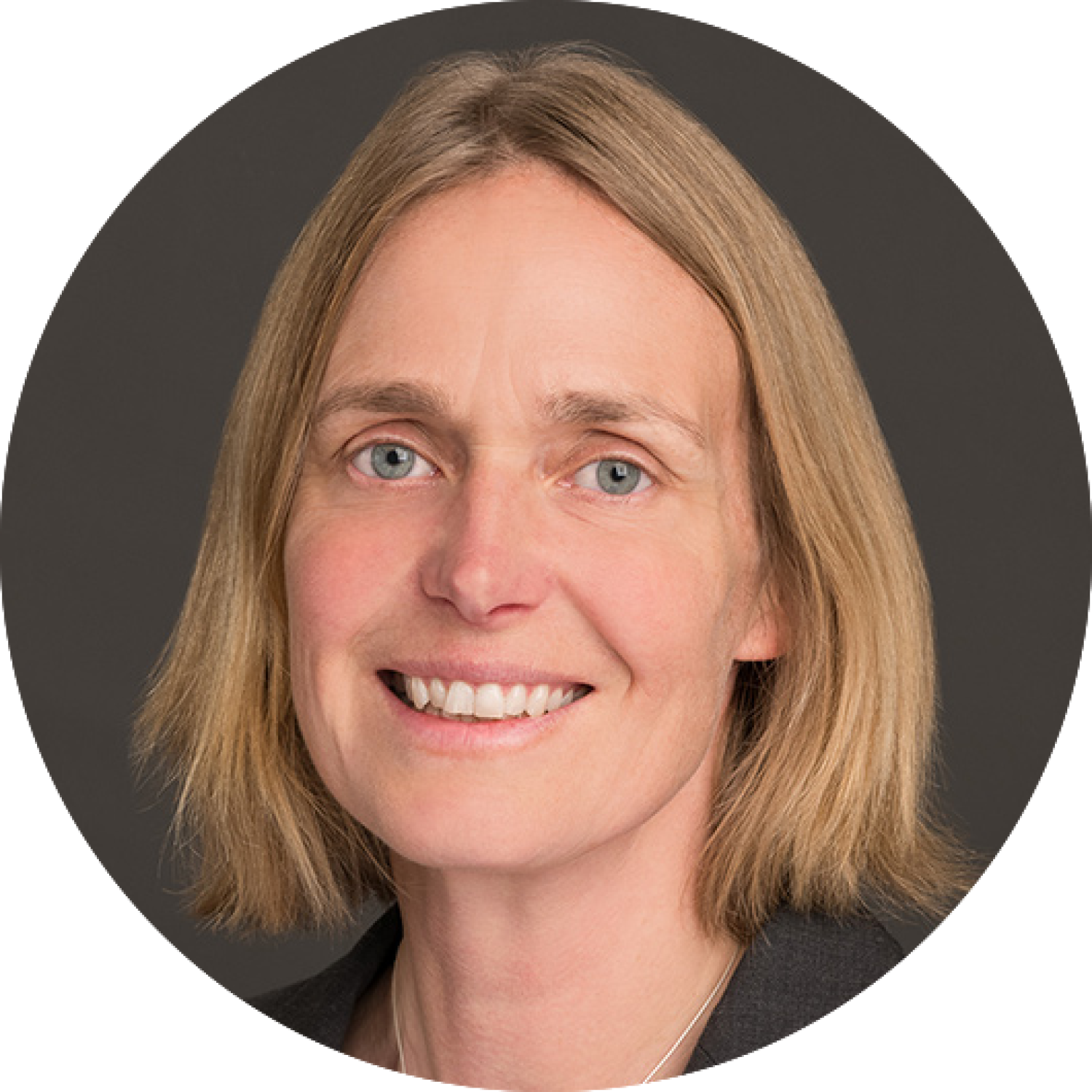
Irina Overeem is an Associate Professor and Deputy Director of the Community Surface Dynamics Modeling System (CSDMS) at the Department of Geological Sciences, University of Colorado Boulder. Her research focuses on Earth surface process modeling, with emphasis on coastal and river geomorphology in remote and polar regions. PhD: Delft University of Technology (2002) MS: Wageningen University (1996) BS: Wageningen University (1993) Her work investigates sediment fluxes in Greenland rivers, Arctic coastal erosion, and floodplain sedimentation through integrated field studies and numerical modeling. She specializes in using CSDMS tools for predictive simulations of water, sediment, and nutrient fluxes across landscapes. Recent publications highlight her contributions to permafrost dynamics, carbon budgets in icy rivers, and FAIR principles for open-source geoscience software. Her research spans from fjord environments to high-mountain erosion dynamics. Science Communication Fellowship (2015) National Oceanographic Partnership Program Award (2010) Outstanding Student Award, Netherlands (1996) Tropenfonds scholarship (1994) She mentors graduate students in sedimentary process modeling, leads CSDMS working groups on coastal dynamics and education, and teaches courses in sedimentary systems modeling, geomorphology, and field methods. Her work combines field measurements with computational approaches in the Cryosphere and Surface Processes Lab.
Bo Hu is Professor of Biostatistics & Bioinformatics and Professor of Neurosurgery at Duke University, where he leads methodological and collaborative research at the intersection of biostatistics, bioinformatics, and clinical neurosciences. His dual appointments situate him within the Division of Biostatistics in the Department of Biostatistics & Bioinformatics and within the neurosurgical faculty. Education: Ph.D. in Biostatistics, University of Wisconsin–Madison, 2006 Research Interests: Professor Hu’s methodological work centers on advanced biostatistical and machine-learning techniques for high-dimensional biomedical data, including generative AI, synthetic data generation, and predictive analytics in medicine. Clinically, he collaborates on precision-medicine trials in oncology, neurodegeneration (Alzheimer’s disease), metabolic disease (type 2 diabetes and bariatric surgery), and treatment-resistant depression. His neuroimaging genetics portfolio explores structural brain endophenotypes in bipolar disorder and epilepsy using single-cell transcriptomic integration. Complementing his medical research, he maintains a vigorous program in remote-sensing informatics, developing deep-learning solutions for object detection, domain adaptation, and energy-infrastructure mapping from overhead imagery. Recent Grant Portfolio: Empagliflozin to Improve Right Ventricular Function in Pulmonary Arterial Hypertension – Cleveland Clinic Lerner College of Medicine (2025-2030) Gender and Asthma – Mayo Clinic Hospital-Arizona (2025-2027) Engaging Patients in Prenatal Genetic Testing Decisions – Cleveland Clinic Lerner College of Medicine (2025-2027) Laboratory & Collaborative Networks: Professor Hu leads interdisciplinary teams that bridge Duke’s Department of Biostatistics & Bioinformatics with clinical departments (Neurosurgery, Psychiatry, Medicine) and external partners such as Cleveland Clinic, Mayo Clinic, and multiple NIH consortia. These collaborations support large-scale clinical trials, multi-omics neuroimaging studies, and AI-driven remote-sensing analytics.
Ross A Woods is a Reader in Water & Environmental Engineering at the School of Civil, Aerospace and Design Engineering, University of Bristol , and an active member of the Cabot Institute for the Environment . His research focuses on large-sample hydrology, flood and drought risk, climate-water interactions, and catchment classification. Keywords : Hydrology, Water Resources, Hazards, Hydroclimatology Research Themes : Flood Estimation in Ungauged Catchments, Climate Change Impacts on Hydrology, Snow-Rain Transition Effects, Hydrological Modeling with Simple Models Scientific Trends His recent work emphasizes groundwater-surface water interactions (e.g., DECIPHeR-GW, 2025), snow hydrology under climate change (e.g., Northern Hemisphere SWE datasets, 2025), and catchment-scale water balance analysis (e.g., 2024 studies on soil drainage and streamflow seasonality). Key disciplines include hydrology, climate science, and environmental engineering. Scientific Awards 2022 STAHY Best Paper Award (awarded 2023) Adjunct Faculty Member (2006) Award for Outstanding Achievement (2010) He has contributed to hydrology through 671 catchment studies (CAMELS-GB dataset) and model development (e.g., TOSSH toolbox, 2021). His work bridges theoretical hydrology with applied water management in regions like New Zealand, Brazil, and the contiguous USA.
Dawei Han serves as Professor of Hydroinformatics at the University of Bristol's School of Civil, Aerospace and Design Engineering, leveraging advanced computational techniques to address hydrological challenges. Holding a B.Eng. and M.Sc. from Huabei alongside a Ph.D. from Salford, he is recognized as a Chartered Engineer (C.Eng.) and Fellow of the Chartered Institution of Water and Environmental Management (FCIWEM). His academic credentials include: Bachelor of Engineering (B.Eng.) from Huabei Master of Science (M.Sc.) from Huabei Doctor of Philosophy (Ph.D.) from University of Salford Professor Han's research focuses on integrating hydroinformatics with practical water management solutions, particularly in urban environments. His work pioneers applications of machine learning for rainfall nowcasting, radar-based hydrological monitoring, and climate change impact assessment. Key innovations include DREE-RF for rainfall energy estimation and frameworks for urban flood resilience, emphasizing data-driven approaches to enhance prediction accuracy and risk mitigation strategies. Analysis of his 2024-2025 publications reveals dominant themes in urban hydrology (40%), flood risk management (30%), and climate-remote sensing integration (30%). His research spans global contexts from UK catchments to Iraqi rainfall systems, consistently employing computational methods like neural networks and WRF modeling to address data-scarce environments and extreme weather events. Professional recognition includes: Fellow of the Chartered Institution of Water and Environmental Management (FCIWEM) While specific student supervision details are unavailable, his extensive publication record indicates active mentorship in hydroinformatics. Research grants likely support his work on radar remote sensing and urban climate adaptation, though explicit funding sources aren't documented in the source material. His affiliation with Bristol's engineering school positions him within interdisciplinary teams addressing infrastructure resilience, though laboratory-specific information remains unreported.
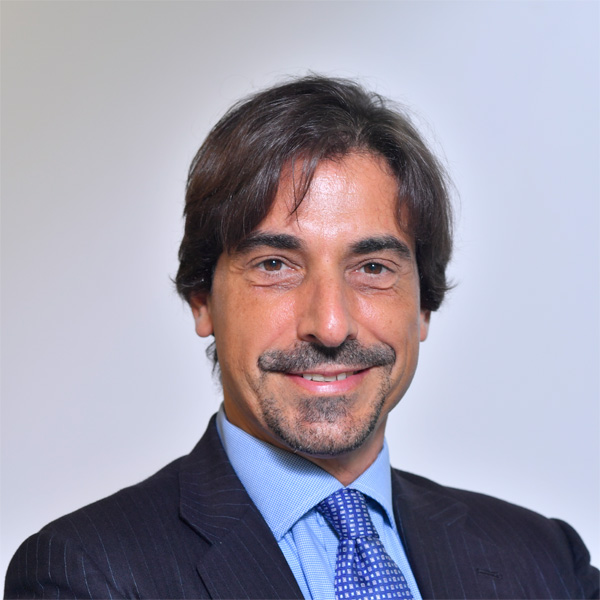
Paolo Guenzi serves as Associate Professor in the Department of Marketing at Bocconi University and SDA Bocconi School of Management. He directs SDA Bocconi's Department of Marketing and Commercial Excellence Lab while teaching in Executive MBA programs and leading specialized sales management courses for global corporations. His academic foundation includes a Marketing degree and Ph.D. in Business Economics from Bocconi University, augmented by IMD's International Teachers Programme (2006). B.Sc. Marketing, Bocconi University Ph.D. Business Economics, Bocconi University ITP Certification, IMD (2006) Guenzi's research pioneers three interconnected domains: sales management innovation, digital transformation of sales forces, and relationship marketing optimization. He investigates how sales leadership drives team performance, the mechanics of commercial excellence frameworks, and strategic integration between marketing and sales functions—particularly in business-to-business contexts where digital disruption demands new organizational capabilities. His recent publications reveal accelerating focus on digital solution selling methodologies and crisis-responsive sales adaptations following global events like the COVID-19 pandemic. The work demonstrates how non-monetary motivators and empowering leadership enable sales organizations to navigate digital transformation while maintaining performance—evident in his 2024 Journal of Personal Selling & Sales Management study on digital solution sellers. As Director of SDA Bocconi's Commercial Excellence Lab, Guenzi leads interdisciplinary teams collaborating with multinational corporations to develop evidence-based sales frameworks. His executive education initiatives—including the 'Competenze per vendere' program—translate this research into actionable strategies for sales leaders managing complex B2B relationships and digital channel integration.
Dr. Gail Ferguson is a Professor at the Institute of Child Development within the College of Education and Human Development at the University of Minnesota. Her interdisciplinary work bridges developmental, cross-cultural, and clinical psychology, focusing on globalization's impact on cultural socialization, youth identity, parenting, and health across diverse racial and national contexts. As a translational researcher, she develops culturally adapted interventions to promote resilience and reduce health disparities. Her educational background includes: Post-Doctoral Fellow (2007) from the Children's Institute at the University of Rochester PhD (2006) in Child/Adolescent Clinical Psychology from Bowling Green State University MA (2003) in Child/Adolescent Clinical Psychology from Bowling Green State University BA (2001) in Psychology from Williams College Dr. Ferguson's research centers on acculturation and enculturation dynamics in the digital age, examining how media, migration, and multiculturalism reshape cultural transmission. She identifies risk and protective factors to design prevention programs like CARPE DIEM and JUS Media, targeting resilience in children and adolescents. Her work emphasizes cultural adaptation of interventions for diverse populations, particularly Black immigrant and refugee communities. Her publication trends reveal strong focus on remote acculturation/enculturation mechanisms, digital community-based research, and Whiteness socialization. Recent work explores media literacy interventions for immigrant youth and family resilience during crises like the George Floyd protests and COVID-19 pandemic, earning prestigious awards including the APA George A. Miller Award. Her accolades include: Fellow of APA Division 7 (2023) Fellow of the International Academy of Intercultural Relations (2023) APA George A. Miller Award for Outstanding Article (2022) University of Minnesota Excellence in Academic Advising Award (2021) University of Illinois Faculty Research Excellence Award (2018) APA Division 52 Outstanding Early Career Psychologist (2016) As an award-winning advisor, Dr. Ferguson mentors future scholars through her translational research framework and is recruiting PhD students for Fall 2026. Her grant-funded work includes the JUS Media Programme and CARPE DIEM interventions, with transdisciplinary teams addressing global health challenges through cultural adaptation and digital innovation. She directs the Culture and Family Life Lab, which conducts cutting-edge research on cultural socialization using mixed-methods approaches. Current projects involve digital community-based studies with Black immigrant families, remote enculturation analyses, and culturally adapted media literacy programs for diverse youth populations across international settings.
Takuya Taniguchi is an Associate Professor at the Center for Data Science, Waseda University, where he has been employed since 2019, first as an Assistant Professor (2019-2021) before promotion to his current non-tenure track position. His interdisciplinary research bridges organic chemistry, materials science, and data science, with a focus on developing and analyzing functional organic materials, particularly photo-responsive molecular crystals. He maintains active collaborations with research groups including Hideko Koshima and Toru Asahi, and serves on professional committees such as the Manufacturing Industry AI Promotion Association. Education Doctor of Engineering, Waseda University (2019) Graduate studies at Waseda University's Graduate School of Advanced Science and Engineering Undergraduate studies at Waseda University's School of Advanced Science and Engineering, Department of Life Science and Medical Bioscience Research Focus Professor Taniguchi's work centers on structural organic chemistry and physical organic chemistry , with particular emphasis on organic functional materials and the application of materials informatics to crystal engineering. His research investigates how molecular structure influences macroscopic mechanical properties, especially photo-mechanical behaviors in organic crystals. He has pioneered the use of machine learning techniques to predict crystal properties, optimize materials performance, and design novel functional materials with applications in soft robotics and energy conversion. His recent work demonstrates a clear progression from fundamental studies of photo-mechanical crystals toward increasingly sophisticated applications of machine learning in materials science. The 15 most recent publications reveal a strong focus on neural network potentials for crystal property prediction, optimization of photo-actuated materials, and exploration of phase transitions in molecular crystals. This research trajectory shows consistent innovation in combining experimental chemistry with advanced computational methods. Awards and Recognition Inoue Research Encouragement Prize (2019) Ono Azusa Memorial Award from Waseda University (2019) Student Presentation Award at Japan Chemical Society 99th Spring Annual Meeting (2019) Poster Presentation Award at Chirality 2017 Multiple poster and presentation awards at international crystallography conferences Research Leadership Dr. Taniguchi leads multiple research projects funded by JSPS, JST, and industry partners including ENEOS Corporation and Sumitomo Foundation. His current projects include 'Efficient crystal structure prediction for organic porous materials,' 'Machine learning simulation of HOF material stability,' and 'Machine learning application for organic solid-phase transition.' He has successfully secured competitive funding including JST ACT-X and JSPS Early-Career Scientist grants. His work has received significant media attention, with coverage in Nikkan Kogyo Shimbun and Kagaku Kogyo Nippo highlighting breakthroughs in light-driven organic crystals with 3.7x improved output force. Academic Contributions Beyond research, Professor Taniguchi teaches extensively in Waseda's Global Education Center, offering courses in data science, statistical analysis with R, and statistics literacy across multiple academic quarters. He has contributed chapters to technical publications on process informatics, Bayesian optimization, and crystallization process design. His scholarly impact is evidenced by an h-index of 11 (Google Scholar) with 581 total citations, demonstrating significant influence in the emerging field of materials informatics for organic crystals.
Dr. Adrian Rodriguez is a full-time Lecturer in the Walker Department of Mechanical Engineering at The University of Texas at Austin. He also works as an Engineering Content Developer for zyBooks (a Wiley brand), focusing on interactive textbook development. Research Focus Multibody Dynamics and Contact Mechanics Nonlinear Dynamics of Mechanical Systems Electro-Mechanical System Modeling Innovative Engineering Education Methods Accessibility in STEM Materials His publications reveal a strong emphasis on educational technology, with 12/15 articles addressing interactive learning tools, DEI initiatives, and accessibility solutions for EFL and visually impaired students. This aligns with his professional development work in modern teaching practices. Academic Journey B.S. in Mechanical Engineering from UT Austin M.S. and Ph.D. in Mechanical Engineering from UT Arlington Prior teaching roles at University of Texas at Arlington (2014-), Austin Community College (Adjunct Professor), and outreach programs Specialized Expertise Dr. Rodriguez bridges mechanical engineering research (notably in frictional contact dynamics) with educational innovation through his dual roles in academia and zyBooks content development.
Ginie Servant-Miklos is an Assistant Professor at the Erasmus School of Social and Behavioural Sciences , Erasmus University Rotterdam. A leading figure in environmental education and problem-based learning (PBL), she develops pedagogical frameworks like Experimental Pedagogics and founded the Bildung Climate School and FairFight Foundation , which supports girls and women in Zambia, Zimbabwe, and India through martial arts and education. Her work bridges sustainability education, societal impact, and educational innovation. Bachelor of Arts in Politics, Philosophy, and Economics – University of Kent LLM in International Law – Kent Law School MA in International Relations – Sciences Po Lille PhD in Education Philosophy and Psychology – Erasmus University Rotterdam Post-doctoral research grant – Aalborg University Her research focuses on innovative pedagogies for societal transformation, particularly addressing climate change through problem-based learning . She explores how educational frameworks can cultivate resilience, agency, and ethical responsibility in the face of global crises. Her book Pedagogies of Collapse challenges traditional educational paradigms, advocating for hope-driven learning in the context of existential threats. Recent publications highlight her contributions to climate education and sustainability literacy , analyzing trends in PBL engineering students' awareness and engagement. Her work spans interdisciplinary collaborations, including roles at Tyumen University as a visiting professor. Scientific Awards: Leadership Fellow – Comenius Network for educational innovators (Netherlands) As founder of the FairFight Foundation , she integrates martial arts with mental health support and education for women in marginalized regions. Her advocacy appears in TEDx talks, podcasts, and debates, emphasizing sustainability and gender equality .
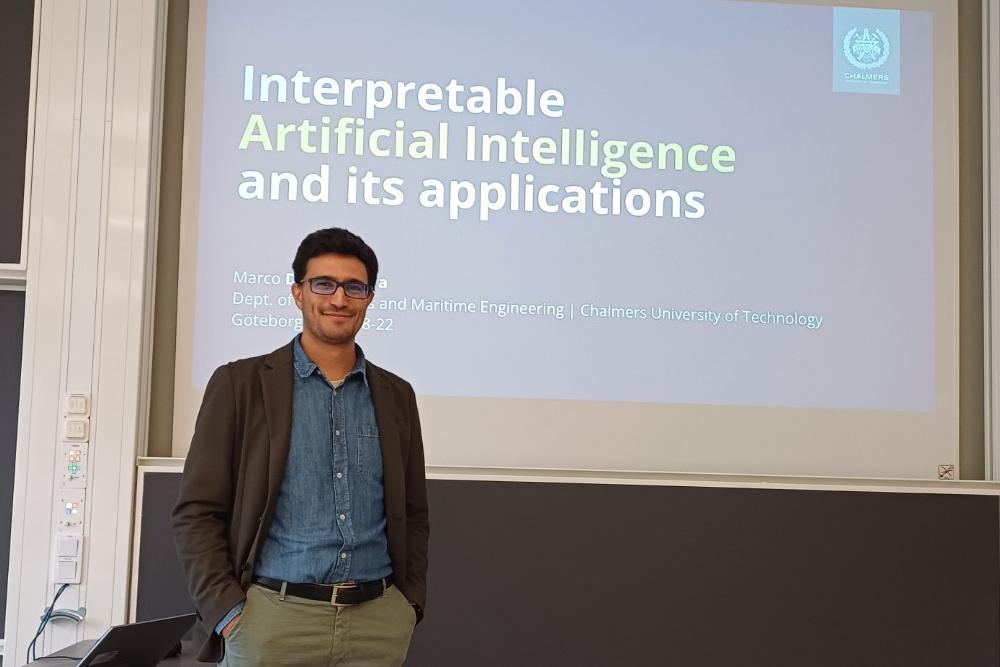
Marco L. Della Vedova is a Senior Lecturer in Applied Artificial Intelligence at Chalmers University of Technology, Sweden. He works in the Vehicle Engineering and Autonomous Systems division within the Department of Mechanics and Maritime Sciences, as part of Prof. Mattias Wahde's research group. Since 2025, he has served as Director of the Data Science and AI master's programme (MPDSC) at Chalmers, where he teaches courses including Introduction to Artificial Intelligence and Digitalization in Sports. Dr. Della Vedova earned his academic foundation at the University of Pavia, Italy, where he completed his BSc (2006), MSc (2009), and PhD (2013) in Computer Engineering. His doctoral research focused on "Real-Time Physical Systems and Electric Load Scheduling" under Prof. Tullio Facchinetti. During his PhD studies, he spent a year at U.C. Berkeley hosted by Prof. Francesco Borrelli at the Model Based Predictive and Distributed Control Lab. His research spans multiple AI domains with a strong emphasis on interpretability. Dr. Della Vedova develops interpretable methods for conversational AI, naturalness evaluation of forests using canopy height models, and geospatial applications. His work bridges theoretical AI with practical societal benefits, particularly in environmental monitoring, transportation systems, and orienteering. He has previously contributed to cloud computing, hate speech detection, and cyber-physical energy systems, demonstrating his interdisciplinary approach to AI research. Dr. Della Vedova's publication record reveals a consistent trajectory of impactful research across multiple domains of artificial intelligence. His recent work shows a strong focus on interpretability in AI systems, with significant contributions to natural language processing, geospatial analysis, and causal inference. The research demonstrates both theoretical depth and practical applications, particularly in environmental monitoring and social media analysis. His methodology often combines traditional machine learning approaches with novel interpretability techniques, creating bridges between complex AI systems and human understanding. Dr. Della Vedova has received several prestigious recognitions for his work: Best PhD thesis award from the Order of the Engineers of Bergamo (2013) Italian champion of Il Cervellone (2012) Top Italian performer in IEEEXtreme 6.0 programming competition (148th overall globally, 2012) Premio Arturo Schena award from Fondazione Credito Valtellinese (2010) With over 50 students supervised through bachelor's and master's theses, Dr. Della Vedova has established himself as a dedicated mentor in the AI community. His current PhD students include Minerva Suvanto working on interpretable NLP and Vivien Lacorre developing AI for railway infrastructure inspection. His supervision spans diverse topics from forest naturalness evaluation to hate speech detection and transportation optimization. Beyond formal supervision, he actively contributes to educational initiatives including serving as Director of Chalmers' Data Science and AI master's program and developing innovative teaching methods that connect theoretical concepts with real-world applications. Dr. Della Vedova is deeply embedded in both academic and professional communities. He leads the Applied Artificial Intelligence research group at Chalmers while maintaining strong connections with European research networks through projects like the ERASMUS+ EUrienteering initiative. His interdisciplinary approach is reflected in collaborations across computer science, environmental science, and social sciences. Notably, he applies his AI expertise to orienteering both as a researcher developing localization methods and as a licensed Event Advisor for the International Orienteering Federation, demonstrating how his professional and personal interests converge in innovative ways.
Richard Harper is a Professor at Murdoch University, affiliated with the Food Futures Institute and the School of Agricultural Sciences within the College of Environmental and Life Sciences. His research focuses on soil, water, and biodiversity management, with emphasis on carbon mitigation, soil water repellency, and ecohydrology. He has held roles including lead author on the 2014 IPCC report and chair of IUFRO’s Forests and Water Taskforce. Harper holds a B.Sc. Agric. (Hons) and Ph.D. (Agriculture) from the University of Western Australia. His current research includes 4 PhD and 2 MSc students, collaborating nationally and internationally. Awards include Murdoch University’s 2021 Excellence in Research Award for sustained achievement. Key research themes involve leveraging carbon markets for landscape restoration, managing soil water repellency in agricultural/forested systems, and exploring bioenergy solutions. His work bridges science and policy, addressing climate mitigation through reforestation, mangrove restoration, and forest hydrology. He teaches soil science, climate mitigation, and hydrology courses at Murdoch. Publications span over three decades, with recent focus on remote sensing for forest monitoring, mangrove carbon projects, and soil carbon dynamics. Grants and collaborations include government and international bodies, reflecting his role in translating research into actionable policy and practice.
Professor Petr Sedláček is a Professor of Economics at the UNSW Business School and an Associate Member of the Department of Economics at the University of Oxford. His primary affiliations include UNSW Sydney (School of Economics, UNSW Business School) and the University of Oxford (Department of Economics). His research focuses on labor markets, productivity growth, business dynamism, and macroeconomic policy. He has advised the European Commission and holds an ARC Future Fellowship (2023). Research interests span macroeconomic theory, industry economics, and labor economics with emphasis on unemployment fluctuations, firm dynamics, and policy impacts. He co-developed an EU Commission-endorsed online calculator for pandemic-era employment scenarios across 23 European economies. His recent work explores remote work effects, heterogeneous firm growth, and Brexit/macroeconomic nationalism costs. Notable contributions include analysis of Trump administration impacts, Brexit economic costs, and tax reform effects on entrepreneurship. He organizes academic events like the Oxford Economics Summer School and the Macro Lunch seminar series at UNSW. Grants include ARC funding and international collaborative projects. Key awards: 2023 ARC Future Fellowship Grants: Multiple ARC grants and EU Commission projects Professional activities: Conference organization, policy advising, and international collaborations
Andrea Perna is an Assistant Professor at the IMT School for Advanced Studies in Lucca, Italy, with a background in theoretical biology and biophysics. Previously, he held a Senior Lecturer position at the University of Roehampton, UK, and conducted research across Europe and Australia. His work focuses on collective animal behavior, pattern formation in biological systems, and ecology, combining experimental, computational, and mathematical approaches. Education: Degree in Biological Sciences from Scuola Normale Superiore and University of Pisa (Italy), followed by a PhD in Psychophysics (neurobiology) from Scuola Normale Superiore, Pisa. Research Interests: Collective behavior in fish schooling, termite nest architecture, biophysical principles of animal group cohesion, and the interplay between individual behavior and ecosystem properties. Notable projects include modeling trail networks in ants and exploring how environmental factors influence nest construction in termites. Labs/Teams: Leads the Networks Unit at IMT School, collaborating with institutions like the Hawk Conservancy Trust and international researchers in ecology, mathematics, and physics. Active in mentoring PhD and post-doctoral researchers in complex systems and ecological modeling. Grants/Funding: Secured funding for post-doctoral positions studying termite nest evo-devo and collaborative projects on raptor flight mechanics.