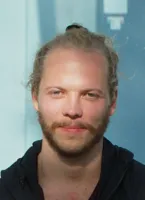
Lars Ulander is a Professor at Chalmers University of Technology specializing in radar remote sensing. His research focuses on synthetic aperture radar (SAR) signal processing, particularly for applications in forest biomass mapping and ground imaging using VHF/UHF-band systems. He is a key proposer for ESA's BIOMASS satellite mission (launching 2025) and leads the BorealScat project, utilizing a 50-meter tower-based tomographic radar to study boreal forest dynamics. His work spans radar system development, SAR tomography techniques, and environmental monitoring of forests and sea surface currents. Current research areas include vegetation water content estimation, bistatic radar configurations, and optimization of SAR data processing algorithms for multi-temporal analysis. Recent publications demonstrate expertise in P-band/L-band SAR for biomass retrieval, passive radar systems, and interferometric techniques. His articles investigate radar backscatter sensitivity to forest structure, moisture parameters, and seasonal changes, while contributing to mission design frameworks like SLAINTE and SESAME.
Ali Mousavi is Assistant Professor of Iranian Archaeology in UCLA’s Department of Near Eastern Languages and Cultures and a core faculty member of the Cotsen Institute of Archaeology. A Berkeley PhD and former fellow of the Smithsonian, Maison de l’Orient and Global Heritage Fund, he has directed excavations and UNESCO World-Heritage projects at Pasargadae, Bam, Susa, Sultaniyeh and Turang Tepe and authored prize-winning volumes Ancient Iran from the Air and Persepolis: Discovery and Afterlife of a World Wonder . Education PhD, Near Eastern Studies (Archaeology), University of California, Berkeley (2005) MA, Archaeology, History and Languages of Old World Civilizations, Université Lyon II, France (1997) BA, Archaeology and Art History of Europe and the East Mediterranean, Université Lyon II, France (1996) Research interests span the archaeology and art history of Iran from the Neolithic to the early-20th century, with particular focus on Achaemenid and Sasanian monumental architecture, ancient irrigation (qanats), landscape archaeology, digital heritage, and the modern historiography of Iranian archaeology. His field projects integrate remote sensing, epigraphy, GIS and conservation science to investigate imperial capitals, rock-cut monuments and water-management systems across the Iranian plateau. Across more than 30 peer-reviewed articles and book chapters, Mousavi has re-examined dating criteria for Achaemenid stone monuments, analysed royal inscriptions as visual displays, traced medieval Persian pilgrims’ graffiti at ancient sites, and produced synthetic archaeological surveys of the Sasanian empire and the Central Alborz Iron-Age cultures. The corpus reflects a sustained engagement with primary field data, archival research and critical historiography of 19th- and 20th-century excavations. Selected honours Ehsan Yarshater Book Award (2014) Iranian Ministry of Culture World Book Award (2014) Leon Levy – Shelby White publication grant (2008) UNESCO award for World-Heritage nomination files (2003) Iran Heritage Foundation field-work award (2003) Guitty Azarpay Fellowship, UC Berkeley (2000-2003) IFRI Fellowship, Paris (1998) At UCLA he offers undergraduate courses “Archaeology of Iran” and “Ancient Cities of Iran (4000 BC-AD 1900)” and mentors graduate researchers in the Cotsen Institute. His grants and fellowships from NSF-equivalent European and American agencies underwrite both field seasons and publication of critical archaeological corpora, while his service on Iranian, UNESCO and international heritage boards continues to link scholarly output with heritage-management policy.
Timo Vesala is Professor of Meteorology and Academy Professor at the University of Helsinki’s Faculty of Agriculture and Forestry, Institute for Atmospheric and Earth System Research (INAR). He is also affiliated with the Viikki Plant Science Centre (ViPS) and serves as a supervisor in the Doctoral Programme in Atmospheric Sciences. Research Interests: Micrometeorology and biogeochemical cycles Ecosystem–atmosphere exchanges of greenhouse gases Eddy-covariance methodology and flux networks Boreal lakes, wetlands, and forests as components of the climate system Development of long-term observational infrastructures such as ICOS-Finland Recent research output (2023–2025) is dominated by high-impact articles in Advances in Atmospheric Sciences , Biogeosciences , Agricultural and Forest Meteorology , and Geophysical Research Letters , reflecting a balanced portfolio of process understanding, methodological advances, and large-scale synthesis studies. Scientific Awards: Academy Professor (Akatemiaprofessori) – awarded by the Academy of Finland Doctoral Advising & Grants: Supervised or co-supervised doctoral theses of Sheila Wachiye, E. Lopez-Blanco, and X. Li Principal Investigator on Academy of Finland project “The Hidden Role of Gases in Trees” (2021–2025) Project leader for “Kasvihuonekaasujen maa-ilmakehävaihto järvi- ja suoekosysteemeille” (2024–2026) Co-leader of the art-science initiative “Periferia – Metsätaiteeellinen asema” (2021–2031) Participant in EU flagship EMME-CARE (2017–2026) Labs & Teams: Timo Vesala heads the Micrometeorology Group at INAR and leads the Finnish ICOS (Integrated Carbon Observation System) network node. His team operates multiple eddy-covariance towers across boreal lakes, wetlands, and forests, integrating field observations with modeling and remote-sensing data.
Markus Reichstein is a Professor for Global Geoecology at Friedrich Schiller University (FSU) Jena and Director of the Biogeochemical Integration Department at the Max Planck Institute for Biogeochemistry. His research focuses on ecosystem responses to climate variability, climate extremes, and the application of AI in Earth system science. He holds a PhD in Plant Ecology from the University of Bayreuth and has pioneered interdisciplinary approaches combining machine learning with environmental modeling. Key roles include leadership in the Michael-Stifel-Center Jena for Data-driven and Simulation Science and founding director of the ELLIS Unit Jena. He contributed to the IPCC Special Report on Climate Extremes and has received prestigious awards such as the Leibniz Prize. His work bridges ecology, hydrology, and atmospheric science, addressing critical global challenges like carbon cycle feedbacks and ecosystem resilience. Recent research emphasizes AI-driven early warning systems for climate risks, integrating observational data with mechanistic models. His team explores land-atmosphere interactions, soil-vegetation dynamics, and the impacts of climate extremes on societal systems. Notable projects include GartenDiv, a citizen science initiative for garden biodiversity, and advancements in global water cycle modeling using hybrid AI-physics frameworks. Awards include the Piers J. Sellers Award (2018), ERC Synergy Grant (2019), and Leibniz Prize (2020). He collaborates with international networks like ELLIS and Future Earth, advancing data-driven solutions for sustainability science.
Fiona Sloothaak is an Assistant Professor at Eindhoven University of Technology (TU/e), affiliated with the Department of Mathematics and Computer Science, specializing in Stochastic Operations Research. She holds the Eurandom Assistant Professor title and contributes to the Stochastic Operations Research group. Her research focuses on cascading failures in complex systems, power grids, battery swapping networks, and stochastic processes. Education: Fiona earned a PhD in Stochastic Operations Research from TU/e in 2020 and completed a Master's in Mathematics (2015). Her doctoral thesis, Criticality in power networks: a probabilistic approach , explores cascading failures in power systems. Research Interests: Fiona’s work addresses systemic risk in infrastructure systems, including power grids and transportation networks. She investigates cascading failure dynamics, load balancing in battery swapping stations, and resource pooling strategies. Her studies often employ probabilistic modeling and queueing theory. Key Projects: She co-authored the MARCONI project (2019–2022), focusing on integrated planning for maritime logistics and service systems. This involved optimizing supply chain resilience and remote control tower operations. Scientific Award: Applied Probability Trust Prize (2020) Teaching: Courses include Stochastic Networks, Insurance and Credit Risk, and Probability and Stochastics 1. Grants: MARCONI project funding for maritime logistics optimization. Labs/Teams: Active in TU/e’s Stochastic Operations Research group and Eurandom institute. Collaborations span network topology analysis and interdisciplinary systems research.
Scot M. Miller is an Associate Professor in the Department of Environmental Health and Engineering at the Whiting School of Engineering, Johns Hopkins University. He leads the Greenhouse Gas Research Group, focusing on quantifying emissions of greenhouse gases and air pollutants using satellite, aircraft, and tower observations. His research spans global scales, from Arctic ecosystems to urban and industrial sources in the U.S. and China. His research interests include atmospheric science, greenhouse gas emissions, inverse modeling, big data analytics, and climate policy. He integrates tools from statistics, high-performance computing, and satellite remote sensing to improve emission estimates and inform environmental regulations. Recent publications highlight trends in methane, ethane, and sulfuryl fluoride emissions, carbon cycle dynamics, and innovative methods for analyzing massive satellite datasets. His work increasingly leverages OCO-2 and OCO-3 satellite data to study carbon dioxide and methane fluxes across diverse ecosystems. Scientific awards include the NSF CAREER Award, JHU Catalyst Award, and the Carnegie Distinguished Postdoctoral Fellowship. He was also recognized with Harvard’s Certificate of Excellence in Teaching. Miller advises multiple PhD students, including Mingyang Zhang, Dylan Gaeta, and Leyang Feng, and has secured grants from NASA, NSF, NOAA, and JHU. He is a member of the NASA OCO Science Team and collaborates with institutions such as Northern Arizona University, Carnegie Institution, and NOAA. His lab is involved in urban environmental monitoring in Baltimore and interdisciplinary climate policy research.
Simon de Szoeke is a Professor in the College of Earth, Ocean, and Atmospheric Sciences at Oregon State University. His research focuses on atmosphere-ocean interaction and its influence on climate, with particular emphasis on tropical regions. He conducts observational studies and modeling work to understand air-sea interactions, cloud processes, and their representation in climate models. Dr. de Szoeke received his Ph.D. in Atmospheric Sciences from the University of Washington in spring 2004, with a dissertation on "Evolution of the cross-equatorial atmospheric boundary layer in the east Pacific: observations and models." He earned his B.A. summa cum laude in Physics with departmental honors and Mathematics from the University of Oregon Robert D. Clark Honors College in 1997. His research interests center on atmosphere-ocean interaction, stratiform clouds, and tropical meteorology . He investigates how clouds influence the Earth's radiative heating, the processes responsible for the transition from stratiform to cumuliform clouds, and the role of inversion strength in cloud maintenance. His work on the Madden-Julian oscillation (MJO) involves analyzing data from the DYNAMO international field campaign to study air-sea flux feedbacks and the role of sea surface temperature in tropical weather phenomena. Dr. de Szoeke is particularly known for his groundbreaking research on cold pools in the tropical ocean, which he describes as "footprints" of convection. His research shows that these cold, invisible phantoms play an important role in the atmospheric heat budget and can organize towering clouds at their intersection points. Contrary to previous assumptions, he found that cold pools are drier than their surroundings, challenging existing theories about their role in convection. His scientific contributions include numerous publications on air-sea interaction, tropical meteorology, and cloud processes. His research has been supported by major field campaigns including DYNAMO in the Indian Ocean and VOCALS in the southeastern Pacific, with findings published in leading journals such as Journal of Climate, Bulletin of the American Meteorological Society, and Monthly Weather Review. Dr. de Szoeke teaches courses in atmospheric sciences including The Changing Climate (AS 320), Atmospheric Thermodynamics and Cloud Physics (AS 411/511), and Large-Scale Interactions of the Atmosphere and Oceans (AS 615). He has advised several graduate students, including June Marion who graduated in summer 2014 with a thesis on turbulent heat flux estimates, as well as Michael Makiyama and Kathryn Verlinden.
Jerome F. Hajjar is a University Distinguished Professor and CDM Smith Professor in the Department of Civil and Environmental Engineering at Northeastern University, with an affiliation in Marine and Environmental Sciences. He holds a PhD in Structural Engineering from Cornell University (1988) and is a licensed Professional Engineer in Illinois and Minnesota. PhD, Structural Engineering, Cornell University, 1988 MS, Structural Engineering, Cornell University, 1985 BS, Engineering Mechanics, Yale University, 1982 Hajjar’s research focuses on sustainable and resilient steel/concrete composite structures , earthquake engineering , structural stability , and large-scale experimental testing . He pioneered design for deconstruction and physics-guided machine learning for structural analysis. His work addresses climate change risks through offshore wind resilience and hurricane risk assessment. His recent publications emphasize carbon reduction strategies via steel-CLT hybrids, machine learning techniques for seismic modeling, and experimental programs on composite diaphragms. Hajjar’s projects include the STReSS Laboratory , equipped with a reinforced concrete strong floor for full-scale structural testing. 2025 William H. Wisely American Civil Engineer Award 2025 SSRC Distinguished Member Award 2021 AISC Lifetime Achievement Award 2018 Robert D. Klein Lectureship 2007 ASCE Fellow Hajjar mentors PhD students, including R. Bailey Bond (2024), and leads major initiatives like the Academic Center for Reliability and Resilience of Offshore Wind (ARROW) and the Steel Diaphragm Innovation Initiative . His advocacy extends to integrating sustainability, resilience, and equity into national building codes through roles in the Structural Engineering Institute and American Society of Civil Engineers.
Dr. Paweł Tysiąc serves as an Assistant Professor in the Department of Geodesy at the Faculty of Civil and Environmental Engineering, Gdańsk University of Technology, where he conducts research at the intersection of geospatial technologies and environmental engineering. His work focuses on developing innovative measurement methodologies for coastal and structural applications. His primary research interests include coastal engineering, particularly low-energy coast dynamics and beach nourishment; remote sensing using UAV-LiDAR and multispectral systems for environmental monitoring; and applications of 3D printing in civil engineering with fractal-based designs. He specializes in leveraging low-cost LiDAR solutions for deformation analysis, sediment monitoring, and heritage conservation, demonstrating strong interdisciplinary collaboration across environmental science and geodesy. Recent publications reveal a consistent trend toward practical applications of emerging measurement technologies, with significant emphasis on sustainable coastal management and advanced construction techniques. His work bridges theoretical geodesy with real-world environmental challenges, particularly in the Baltic region.
Mohammed Islam is a Full Tenured Professor of Electrical Engineering and Computer Science at the University of Michigan, Ann Arbor. He holds joint appointments in the Biomedical Engineering Department and the University of Michigan Medical School, Department of Internal Medicine. His research focuses on supercontinuum lasers and their applications in healthcare, defense, and photonics. He has pioneered advancements in nonlinear optics, Raman amplifiers, and fiber laser technology, with over 135 refereed publications and 145 patents. His entrepreneurial ventures include companies like Xtera Communications and Omni MedSci, commercializing technologies for telecommunications, healthcare, and national security. Key awards include the OSA Adolf Lomb Medal (1992), IEEE Fellow (2004), and the Distinguished University Innovator Award (2007). Education: B.S., M.S., and Sc.D. in Electrical Engineering from MIT (1981–1985). Professional experience includes roles at AT&T Bell Laboratories (1985–1992) and leadership in academic and industrial innovation. Research themes include non-invasive glucose monitoring, cancer tissue discrimination, and 3D printing with supercontinuum lasers. He teaches courses on photonics, entrepreneurship, and patent law. His group’s work spans biomedical applications (e.g., visceral fat ablation for diabetes treatment), defense-related active remote sensing, and high-power mid-IR supercontinuum lasers. Ongoing projects include functional near-infrared spectroscopy via nasal catheters and enhancing additive manufacturing with SWIR lasers.
Andrea Pitacco is an Associate Professor in the Department of Agronomy, Food, Natural Environment and Energy (DAFNAE) at the University of Padova, Italy. His academic field is AGR/03 (Arboriculture and Tree Cultivation), with research focused on viticulture and precision agriculture. Based at the Agripolis campus in Legnaro (Padova), he maintains an active research profile in plant-environment interactions. Dr. Pitacco's research spans multiple dimensions of modern viticulture, with particular emphasis on carbon and water flux dynamics in vineyard ecosystems. His work integrates micrometeorological techniques, remote sensing, and physiological approaches to address climate change impacts on grapevine production. Key research areas include: Carbon footprint analysis and carbon farming potential in vineyards Effects of climate extremes on grapevine physiology Microclimate modification through protective netting systems Soil management impacts on erosion and greenhouse gas emissions Plant-pathogen interactions under abiotic stress conditions His publication record demonstrates strong methodological expertise in eddy covariance measurements and turbulent flow characterization within vineyard canopies. The research output shows consistent focus on Mediterranean agricultural systems with practical applications for sustainable viticulture. Dr. Pitacco actively contributes to understanding how vineyards function as carbon sinks/sources and how management practices can optimize environmental performance while maintaining productivity. His work connects fundamental plant physiology with practical agricultural applications in changing climatic conditions.
Claire Dune is an Assistant Professor at the University of Toulon, affiliated with the COSMER Laboratory (Mechanical and Robotic Systems Design Laboratory). Her research focuses on robotics, computer vision, and underwater systems, with applications in environmental monitoring and human-robot interaction. She teaches computer science, numerical methods, image processing, and visual servoing. Institution: University of Toulon Laboratory: COSMER (Mechanical and Robotic Systems Design Laboratory) Academic Rank: Assistant Professor Email: claire.dune@univ-tln.fr Her research centers on perception for robot control, particularly in underwater robotics and computer vision. Key interests include visual servoing, SLAM, gesture recognition for diver-robot interaction, and autonomous capabilities in real-world marine environments. She applies deep learning and sensor fusion techniques to enhance underwater visual perception and navigation. The recent publications demonstrate a strong trend in underwater robotics, with focus areas including tether dynamics (catenary modeling), ROV localization using umbilicals and IMUs, long-term visual localization in deep-sea environments, and color restoration in underwater imagery. Her work bridges theory and real-world application, contributing datasets like 'Eiffel Tower' for benchmarking and advancing multi-agent SLAM systems. Claire Dune has contributed to leading journals such as IEEE Robotics and Automation Letters, Ocean Engineering, and The International Journal of Robotics Research. Her editorial and survey work highlights her leadership in the domain of deformable object manipulation. Retrieval of benthic habitat abundance and bathymetry from hyperspectral data (DESIS) in shallow waters ROV localization using ballasted umbilical equipped with IMUs MAM3SLAM: Towards underwater robust multi-agent visual SLAM Eiffel Tower: A Deep-Sea Underwater Dataset for Long-Term Visual Localization Challenges and Outlook in Robotic Manipulation of Deformable Objects Claire Dune actively collaborates with researchers such as Vincent Hugel, Juliette Drupt, and Andrew Comport. She has supervised or co-supervised numerous research projects and publications, particularly in underwater robotics and assistive technologies. Her work involves experimental robotics and system integration, often validated in real marine environments. She leads research in the COSMER laboratory focused on underwater robotics, including projects on tethered ROVs, diver-robot communication via gesture recognition, and environmental monitoring using visual and hyperspectral data. Her team develops practical solutions for marine science and offshore operations, emphasizing robustness and autonomy.
Howard E. Epstein is the Sidman P. Poole Professor in the Department of Environmental Sciences at the University of Virginia, College of Arts and Sciences. He leads an active research group focused on ecosystem ecology, with field sites in the Arctic tundra of North America and Russia, as well as temperate forests in the U.S. Mid-Atlantic region. His work integrates field observations, remote sensing, and biogeochemical analysis to understand ecosystem responses to climate change. Ph.D., Colorado State University, 1997 Dr. Epstein's research centers on arctic vegetation dynamics , carbon cycling , and permafrost-vegetation interactions . He investigates how warming climates drive shrub expansion, ice-wedge degradation, and landscape transformation in tundra ecosystems. His work also explores carbon and water fluxes in temperate forest successional gradients. He employs advanced techniques including drone-based spectroscopy, satellite remote sensing, and flux tower measurements. The recent publications highlight a strong focus on Arctic greening , permafrost degradation , and the use of remote sensing and machine learning to detect ecological change. His work spans spatial scales from fine-resolution drone imaging to continental-scale satellite analysis, with applications in climate modeling and ecosystem monitoring. Dr. Epstein teaches core courses in ecology, including Terrestrial Ecology (EVSC 5220) and Fundamentals of Ecology (EVSC 3200) . He advises graduate students and leads the Epstein Ecosystem Ecology Lab , which conducts fieldwork in diverse ecosystems from Alaska to Virginia. His research is supported by external funding, though specific grants are not listed in the provided text. He has made significant contributions to understanding climate change impacts on high-latitude ecosystems, with publications in top journals such as Global Change Biology , Environmental Research Letters , and Nature Reviews Earth & Environment .
Jacob A. Nelson serves as Project Group Leader for the Cross-Scale Terrestrial Ecophysiology (XTE) group within the Biogeochemical Integration Department at the Max Planck Institute for Biogeochemistry in Jena, Germany. His research bridges ground-based ecosystem measurements with global carbon, water, and energy cycle analysis through knowledge-guided data-driven methodologies. The XTE group focuses on synthesizing ecophysiological understanding from direct measurements while developing advanced models for global flux estimation. Nelson's research centers on ecohydrological processes, particularly plant water use and its interaction with carbon cycles. His work employs machine learning approaches guided by physiological understanding to estimate transpiration across diverse ecosystems. Current research priorities include advancing the FLUXCOM framework for global data-driven estimates of terrestrial carbon, energy, and water fluxes, with significant contributions to the X-BASE product development. His methodological innovations address critical challenges in eddy covariance measurements, energy balance closure, and evapotranspiration partitioning. Analysis of Nelson's 15 most recent publications reveals strong emphasis on resolving measurement limitations in ecosystem flux quantification while developing next-generation scaling frameworks. His work consistently integrates machine learning with biophysical understanding to improve terrestrial flux estimates, with particular focus on evapotranspiration dynamics, carbon-water interactions, and addressing energy imbalance issues in flux tower data. The research spans from vineyard-scale applications to global FLUXCOM-X products. Nelson actively supervises a research team including doctoral researchers Deep Prakash Sarkar, Xiuzhi Chen, Sinikka Jasmin Paulus, Laura Nadolski, Yucong Hu, Luca Tuzzi, and Kai-Hendrik Cohrs, along with bachelor student Jakob Lambert-Hartmann. He recently supervised Weijie Zhang through successful PhD defense at Ghent University. Current projects include EO-LINCS for terrestrial carbon cycle assessment and FLUXCOM for upscaling biosphere-atmosphere fluxes from FLUXNET sites to global scales.
Andreas Forstmaier, M.Sc., is a staff member at the Technical University of Munich (TUM), affiliated with the Department of Environmental Sensing and Modelling under Prof. Jia Chen. His role includes tutoring in the Advanced Seminar on Environmental Sensing and Modeling. His research focuses on remote sensing applications for environmental monitoring, specifically using multispectral satellite imagery and artificial neural networks to map invasive species like Eucalyptus in protected Natura 2000 areas. He also specializes in improving greenhouse gas emission inventories through column measurements and inverse modeling techniques. His work spans urban methane emissions, coal mine methane quantification, and sensor network development for environmental observations. He collaborates on projects such as the MUCCnet (Munich Urban Carbon Column network) and has contributed to international studies in cities across Europe and Poland. Key research areas include atmospheric chemistry, environmental sensing technologies, and inverse modeling approaches for emission estimation. His publications highlight investigations into methane emissions from cities like Hamburg, the Munich Oktoberfest, and coal mines in Poland. He actively participates in conferences such as EGU General Assembly and ICOS Science Conferences, presenting findings on sensor networks, urban GHG monitoring, and emission modeling. Forstmaier’s technical contributions include developing automated FTIR measurement software (Pyra) and integrating tall-tower flux measurements for refining emission estimates. His work bridges environmental science with technological innovation, emphasizing practical applications for urban and industrial emission management.