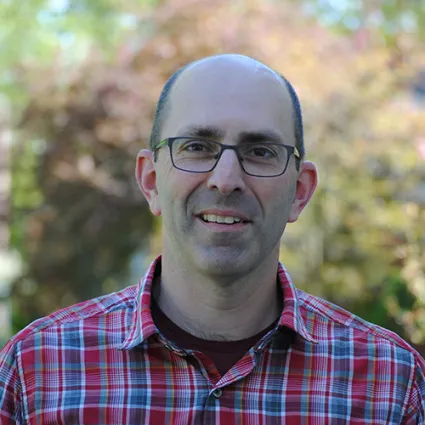
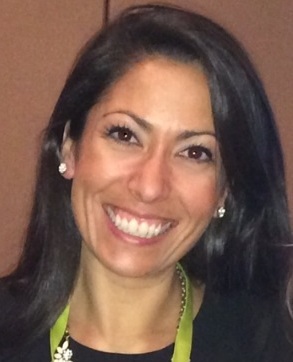
Kevin Shea is a Professor of Chemistry and Chair of the Chemistry Department at Smith College . His research spans organic synthesis and pedagogical innovation. Research Focus: Organic synthesis methods (tandem Nicholas/Pauson-Khand reactions), biologically active molecules for neglected tropical diseases, and click chemistry. Education: Ph.D. from Massachusetts Institute of Technology, B.S. from Worcester Polytechnic Institute. His work integrates organic chemistry with molecular biology , exemplified by a collaboration with Steve Williams's lab targeting lymphatic filariasis. Recent publications highlight his commitment to active learning and technology-enhanced teaching in organic chemistry. Scientific Contributions include carbon-carbon bond formation strategies, cobalt-alkyne complexes, and educational resources like open-access textbooks and classroom response systems. His article trends blend synthetic organic chemistry with pedagogical research, emphasizing real-world applications such as drug development for tropical diseases. Notable Collaborations: Steve Williams (Molecular Biology, Smith College) Co-authors on educational research: David J. Gorin, Kerry L. Barnett, Catherine McGeough Shea's teaching innovations include literature-based assessments and manuscript reviews to evaluate student readiness. His laboratory serves as a hub for interdisciplinary projects bridging organic synthesis and biological applications.
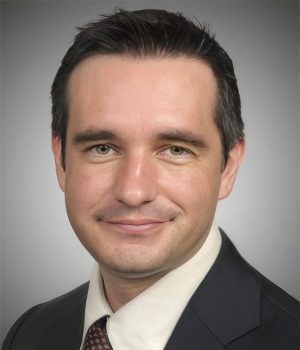
Timothy Filley serves as Professor and inaugural Director of the Institute for Resilient Environmental and Energy Systems at the University of Oklahoma's School of Geosciences, based in the Sarkeys Energy Center in Norman, Oklahoma. His educational background includes: Postdoctoral research at Carnegie Institution of Washington, Geophysical Lab (1997-2000) Ph.D. from The Pennsylvania State University (1997) B.S. from Loyola University (1990) Professor Filley's research centers on biogeochemical processes across terrestrial and aquatic ecosystems. His work examines carbon and nitrogen cycling in soil, litter, and streams within natural and managed landscapes from Peruvian deserts to Chinese plains and U.S. Midwest agricultural fields. Key methodologies integrate organic geochemistry , microbial activity assays , stable isotope techniques , and remote sensing to model soil organic matter dynamics and ecosystem responses to perturbations including fire, agriculture, and invasive species. His recent publications (2018-2021) reveal strong thematic focus on critical zone science and anthropogenic impacts , with recurring patterns in: Storm-driven carbon transport in agricultural watersheds Tillage effects on soil erosion chemistry Soil moisture-geochemistry relationships Microbial deconstruction processes in specialized ecosystems Critical transitions in intensively managed landscapes This integrative approach combines field studies, laboratory analyses, and modeling to address environmental resilience challenges. No scientific awards are listed in the provided information. While specific advising details are unavailable, Professor Filley leads an active research group within the Institute for Resilient Environmental and Energy Systems. His directorship suggests significant involvement in interdisciplinary research initiatives and potential grant funding related to environmental and energy systems resilience. His research team employs diverse analytical approaches to study carbon and nitrogen cycling dynamics across multiple continents, with particular emphasis on how ecosystem perturbations influence soil properties and biogeochemical processes in both natural and human-altered landscapes.
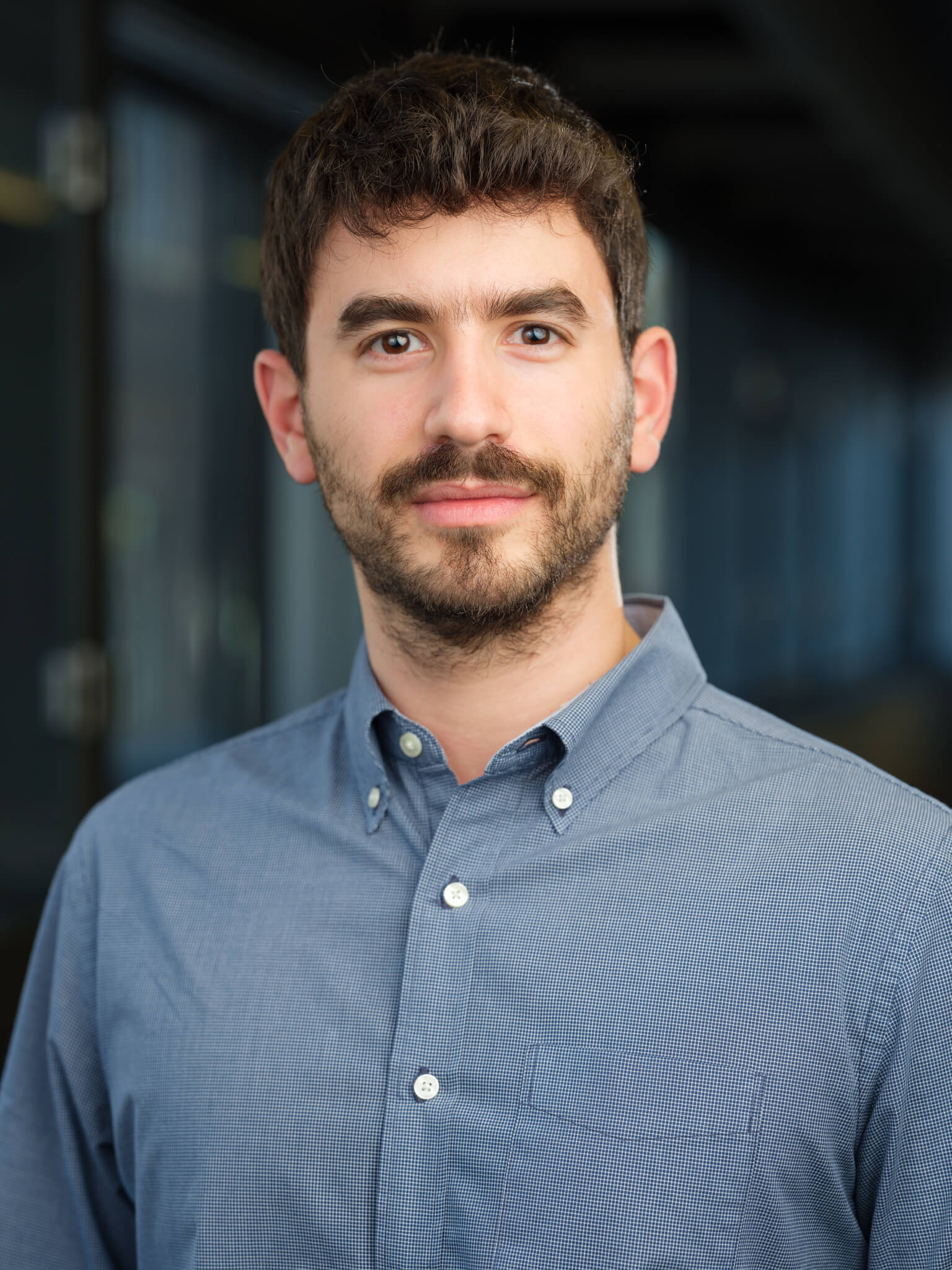
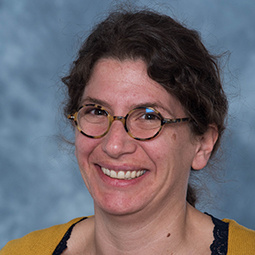
Dr. Anastasios Tsiamis is a Lecturer at the Department of Information Technology and Electrical Engineering at ETH Zürich, working in the Automatic Control Laboratory (Professur Control and Computation). His research focuses on the intersection of control theory and machine learning, specifically investigating how system theoretic properties affect the statistical difficulty of learning in system identification, online estimation, and control. Dr. Tsiamis received his Diploma (MEng, five-year degree) in Electrical and Computer Engineering from the National Technical University of Athens (NTUA). He completed his Ph.D. in Electrical and Systems Engineering at the University of Pennsylvania under Professor George Pappas, following graduate research with Professor Petros Maragos and undergraduate work with Professor Kostas J. Kyriakopoulos at NTUA. His primary research areas include Statistical Learning and Control, Data-Driven Control, Online Learning, Risk-Aware Control, and Security and Privacy in Networked Control Systems. Dr. Tsiamis has made significant contributions to understanding the fundamental statistical limits of learning in control systems, particularly focusing on sample complexity. His work on risk-aware optimization develops algorithms that safeguard against catastrophic events while maintaining good average performance, and his security research addresses eavesdropping attacks in remote estimation and motion planning. Analysis of Dr. Tsiamis's recent publications reveals a strong focus on data-driven approaches to control theory with emphasis on distributionally robust methods, risk-aware optimization, and finite sample guarantees. His work bridges theoretical foundations with practical applications across system identification, online learning, and adaptive control, providing rigorous non-asymptotic guarantees for learning-based control algorithms. Dr. Tsiamis has received several notable research recognitions: Best student paper award at IEEE 61th Conference on Decision and Control (2022) Spotlight Presentation at 41st International Conference on Machine Learning (2024) Finalist for best student paper award at American Control Conference (2019) Finalist for young author prize at IFAC World Congress (2017) Oral presentation at 2nd L4DC Conference (2020) Dr. Tsiamis teaches Linear System Theory (227-0225-00L) at ETH Zürich and collaborates extensively with Professor John Lygeros, Professor Manfred Morari, and researchers from the University of Pennsylvania. His publication record demonstrates strong collaborative research across multiple institutions while advancing theoretical foundations of learning-based control. As an active member of the Automatic Control Laboratory at ETH Zürich, Dr. Tsiamis contributes to advancing control systems science through rigorous mathematical analysis and innovative algorithmic development, with applications spanning robotics, energy systems, and networked control.
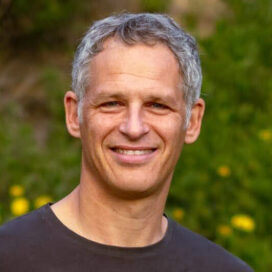
Dr. Marnix Naber is an Assistant Professor at the Department of Experimental Psychology, Faculty of Social and Behavioural Sciences, Utrecht University. He leads the Psychophysiology of Perception Laboratory and maintains a collaboration with Harvard University's Vision Sciences Lab. Current affiliations: Utrecht University (Experimental Psychology), Neurolytics (HR technology), and Holland Startup (external PhD supervision) Previous roles: Leiden University (Cognitive Psychology Unit), Harvard University (Vision Sciences Lab), Philipps-University Marburg (Neurophysics PhD) Research Focus: Integrates psychophysiology with visual perception and consciousness studies. Key methods: pupillometry, EEG, eye tracking, remote photoplethysmography, and computational modeling. Applications span clinical diagnostics, human-centered AI, and HR technology. The 2013-2022 publications show strong emphasis on pupil dynamics (7/15), binocular rivalry (2/15), and remote physiological measurement (3/15). Methodological contributions include open-source MATLAB rPPG tools and standardized reporting frameworks. Scientific Impact: ERC Consolidator grant supporting AttentionLab research NWO grant for 2013 imitation studies Google Scholar: Q4HBMeoAAAAJ Advising: Supervises multiple PhD and Master's students across experimental psychology, ophthalmology, and neurotech domains. Laboratory Activities: Develops and shares open-source tools like rPPG for heart rate detection and maintains active collaborations with medical (UMC Utrecht), tech (Neurolytics), and academic institutions (Harvard, Leiden).
Alain Breuleux is a retired Associate Professor in the Department of Educational & Counselling Psychology at McGill University's Faculty of Education. He specializes in educational technology integration, teacher professional development, and collaborative learning communities. His work focuses on leveraging technology to enhance pedagogical practices through research-practice partnerships. Dr. Breuleux holds a B.Sc., M.Sc., and Ph.D. from Université de Montréal. His research explores cognition in learning environments, online community dynamics, and sociocultural theories like Cultural Historical Activity Theory (CHAT). He has contributed to scalable professional development models for educators and innovative uses of digital tools in remote learning contexts. His recent publications emphasize active learning strategies, teacher agency, and boundary-crossing in educational research. He has presented widely on topics such as knowledge-building networks and formative change laboratories. Despite not currently supervising students, his scholarship has shaped policies for ICT integration and teacher collaboration.
Rosemary Willatt is a Lecturer in Experimental Ice and Rock Physics for the Environment at the University College London (UCL) Department of Earth Sciences. Her research focuses on sea ice dynamics in polar regions, combining laboratory experiments with fieldwork and remote sensing techniques. She leads projects involving satellite radar altimetry for monitoring snow and ice thickness, with a particular emphasis on advancing Earth Observation missions through the Polarimetric Synthetic Aperture Radar Altimeter (PoSARA) concept. She has been awarded the inaugural Konrad Steffen Award by ESA for her innovative work on snow depth estimation techniques. Willatt’s work integrates field campaigns (e.g., in the Arctic and Antarctic) with analysis of airborne, satellite, and ground-based radar data. She collaborates with space agencies to optimize satellite mission design and has pioneered novel methods for quantifying snow properties and their impacts on cryosphere processes. Her contributions include advancements in understanding brine migration in snow, L-band microwave scattering, and wind-driven snow redistribution effects on radar signatures. As Principal Investigator for the ESA-funded PoSARA project and Sea Ice Earth Observation at the Centre for Polar Observation and Modelling (CPOM), she bridges experimental physics with large-scale climate monitoring. Her research also emphasizes education, diversity, and sustainability initiatives within the scientific community.
Benjamin Weiss is the Chair of the Program in Planetary Science and Robert R. Shrock Professor of Earth and Planetary Sciences at the Massachusetts Institute of Technology (MIT). He leads research in planetary magnetism and serves as Deputy Principal Investigator on NASA's Psyche mission, while also contributing as a Co-Investigator on the Mars Perseverance rover and Europa Clipper missions. Department of Earth, Atmospheric and Planetary Sciences MIT Planetary Magnetism Laboratory Director NASA Psyche Mission Deputy Principal Investigator Mars Perseverance Rover Co-Investigator Europa Clipper Mission Co-Investigator Weiss earned his bachelor's degree in physics from Amherst College before pursuing graduate studies in planetary science and geology at the California Institute of Technology, where he received his master's degree in 2001 and PhD in 2003. His doctoral dissertation on Martian meteorite ALH 84001 provided groundbreaking insights into ancient Martian climate and magnetic fields, demonstrating how meteorites could transfer materials from Mars to Earth without heat sterilization. As a specialist in magnetometry, Professor Weiss investigates the formation and evolution of planetary bodies through laboratory analysis, spacecraft observations, and fieldwork. His research spans nebular magnetic fields in the early solar system , planetesimal structures and dynamos , lunar magnetism and the early lunar dynamo , Hadean Earth and the origins of Earth's magnetic field , the Martian dynamo and changes in Mars' paleoclimate , and innovations in magnetic microscopy . The MIT Planetary Magnetism Laboratory, which he directs, develops high-sensitivity techniques to image magnetic fields in rock samples from meteorites, the lunar surface, and terrestrial sites. Analysis of Weiss's recent publications reveals a strong focus on Mars exploration through the Perseverance rover mission, lunar magnetism studies, and research on asteroid Psyche. His work increasingly integrates data from multiple NASA missions while advancing paleomagnetic techniques to understand planetary evolution and habitability throughout the solar system. Professor Weiss has received numerous prestigious honors including the James B. Macelwane Medal from the American Geophysical Union (2009), election as an AGU Fellow (2009), the Visiting Miller Professor Award from UC Berkeley (2014), and having Asteroid (8069) named 'Benweiss' by the International Astronomical Union (2012). Most recently, he was elected to the National Academy of Sciences (April 29, 2025). James B. Macelwane Medal, American Geophysical Union (2009) Fellow, American Geophysical Union (2009) Visiting Miller Professor Award, UC Berkeley (2014) Asteroid (8069) Benweiss named by IAU (2012) Elected to National Academy of Sciences (2025) As an academic leader, Weiss chairs MIT's Program in Planetary Science and mentors numerous graduate students in the Planetary Magnetism Laboratory. His research is supported by multiple NASA grants related to the Psyche mission, Mars exploration, and lunar science investigations. Weiss also contributes to international collaborations including missions with JAXA (Hayabusa 2), ESA (Rosetta), and SpaceIL (Beresheet). The MIT Planetary Magnetism Laboratory under Weiss's direction develops cutting-edge instrumentation for magnetic analysis, including the Quantum Diamond Microscope. His research team collaborates with scientists across multiple institutions and space agencies to analyze samples from meteorites, lunar missions, and Mars rovers, advancing our understanding of planetary formation and evolution.
Michelle Shevon Troche is a Professor of Speech and Language Pathology at Teachers College, Columbia University within the Graduate School of Education. She serves as Director of the Graduate Program in Communication Sciences and Disorders and Director of The Upper Airway Dysfunction Lab (UAD Lab). Her work focuses on improving clinical outcomes and quality of life for patients with dysphagia, dystussia, and dysarthria through research, clinical care, and education. Dr. Troche earned her educational credentials from the University of Florida, including: Ph.D. in Communication Sciences and Disorders (2006-2009) M.A. in Speech-Language Pathology (2004-2006) B.A. in Communication Sciences and Disorders and Linguistics, with minors in Teaching English as a Second Language and Gerontology (2000-2004) Her primary research interests center on airway protection disorders, particularly dysphagia and dystussia in neurodegenerative conditions like Parkinson's disease. Dr. Troche's work bridges basic science understanding of airway protection mechanisms with clinical applications for evaluation and treatment. She has pioneered research in expiratory muscle strength training, cough rehabilitation, and telehealth applications for swallowing disorders. Her laboratory employs both basic science approaches to understand airway protection mechanisms and clinical research to develop novel evaluation and treatment techniques. Analysis of Dr. Troche's extensive publication record reveals consistent focus on Parkinson's disease and airway protection, with increasing attention to telehealth applications and methodological rigor in swallowing research. Her work demonstrates strong translational value, moving from basic research on cough and swallowing mechanisms to clinical interventions that improve patient outcomes. Dr. Troche mentors numerous students and fellows through the UAD Lab, including post-doctoral researchers, doctoral students, and clinical fellows. Her interdisciplinary approach involves collaborations across departments and institutions, particularly in neurology and rehabilitation science. The UAD Lab forms part of a University-funded and IRB-approved Clinical Research Neurorehabilitation Initiative that provides free clinical research screenings for people with neurological diseases. As director of the UAD Lab, Dr. Troche oversees research on multiple behaviors contributing to airway protection and their modification through non-pharmacological treatment paradigms. The lab works with diverse populations including healthy volunteers, people with Parkinson's disease, other movement disorders, and ischemic stroke patients.
Eoghan Holohan is an Associate Professor in the School of Earth Sciences at University College Dublin (UCD). His research focuses on gravity-driven deformation processes, including calderas, sinkholes, and volcanic systems, with a strong emphasis on fieldwork, remote sensing, and numerical/experimental models. He holds a BA in Natural Science (2002), a Diploma in Statistics (2004), and a PhD in Geology (2008) from Trinity College Dublin. Prior roles include Assistant Lecturer at UCD (2006–2007), postdoctoral fellowships (2007–2012), and a research scientist position at GFZ Potsdam (2012–2015). Since 2016, he has been affiliated with UCD, advancing his academic career to his current rank. Research interests span volcanic edifice evolution, karst landscape dynamics, peatland geohazards, and structural tectonics. He employs methods like satellite InSAR, drone photogrammetry, and discrete element modeling. Notable contributions include studies on the Bárdarbunga caldera collapse (Iceland), Dead Sea sinkholes, and lava dome morphology. Holohan coordinates courses in structural geology, digital geology, and remote sensing, supervising undergraduate and graduate projects. His grants include funding for karst subsidence detection, sinkhole machine learning, and Atlantic geohazard risk management. Scientific accolades include Exceptional Reviewer recognition (Geosphere 2017), AGU invited talks (2013, 2018), and the Bob Hunter Memorial Prize (2005). He actively reviews for journals like Journal of Volcanology and Geothermal Research and participates in international collaborations across multiple countries.
Nicolas Ali Libre is an Associate Teaching Professor in the Department of Civil, Architectural and Environmental Engineering at Missouri University of Science and Technology. He serves as Director of the Materials Testing Lab and has contributed extensively to research and education in civil engineering, with a focus on concrete technology, 3D printing materials, and innovative teaching methods. PhD in Civil Engineering (2009) MS in Structural Engineering (2003) BS in Civil Engineering (2001) His research spans concrete rheology, sustainable construction materials, and engineering education technologies, including 3D concrete printing optimization, fiber-reinforced composites, and digital learning tools. He has pioneered novel testing methods for concrete buildability and extrudability. Award-winning educator, he received the President’s Award for Innovative Teaching (2018) and Missouri S&T Faculty Achievement Award (2018). His scholarly output includes over 20 peer-reviewed journal articles, 60 conference papers, and mentorship of 10 graduate students. He manages the Materials Testing Lab at Missouri S&T and has developed digital educational resources for engineering mechanics courses, including the SecPro App for teaching mechanics concepts.
Dr. Christopher Bennett is an Associate Professor in the Department of Physics at the University of Central Florida (UCF), within the College of Sciences. He leads the UCF Astrochemistry Laboratory, focusing on experimental and theoretical studies of molecular processes in space and planetary environments. His research integrates astrochemistry, planetary science, and analytical chemistry to understand the origins of life and extraterrestrial chemistry. Education: Ph.D. in Physical Chemistry from the University of Hawai’i at Mānoa (2009). Postdoctoral roles at NASA Astrobiology Institute (2009-2012) and Georgia Tech (2012-2016). Joined UCF in 2016 as Assistant Professor, promoted to Associate Professor thereafter. Research interests span astrochemistry, planetary science, and instrumentation development. Key areas include: Development of novel spectroscopic techniques (e.g., photothermal spectroscopy, Raman spectroscopy). Study of interstellar ice chemistry, radiation effects on planetary surfaces, and prebiotic molecule formation. Space weathering processes on airless bodies (e.g., asteroids, Mercury, the Moon). Instrumentation for planetary missions (e.g., Europa Lander, Uranus Orbiter). Scientific awards include Fellowships from the American Chemical Society, American Geophysical Union, Meteoritic Society, and Planetary Society, alongside a Gordon Research Conference Travel Award (2010). Grants and collaborations: Principal investigator or co-investigator on multi-million-dollar projects, including NASA’s Solar System Exploration Virtual Institutes (CLASS and REVEALS), the Center for Chemical Evolution (Georgia Tech), and mission proposals for the Europa Lander and Uranus Orbiter. He has authored over 100 peer-reviewed articles on astrochemistry and planetary science. Labs/Teams: Director of the UCF Astrochemistry Laboratory, which explores planetary material analysis, instrument development, and astrobiological questions. Current recruitment focuses on postdoctoral research in novel spectroscopic instrumentation (NASA PICASSO-funded).
Enrica Viparelli is a Professor in the Department of Civil and Environmental Engineering at the University of South Carolina, affiliated with the Molinaroli College of Engineering and Computing. She holds a Ph.D. from the University of Naples Federico II and completed postdoctoral research at the University of Illinois Urbana-Champaign. Her research focuses on sediment transport, river restoration, and morphodynamics, with emphasis on river-floodplain systems and coastal processes. Education: M.S. (Environmental Engineering, University of Naples Federico II, 2003); Ph.D. (Hydraulic Engineering, University of Naples Federico II, 2008); Postdoc (University of Illinois, 2008–2011). Research interests include sediment transport mechanisms, fluvial morphodynamics, and the application of numerical modeling to river restoration. Notable projects include studies on the Congaree River floodplain, Nile Delta sedimentation, and the impacts of dams on river morphology. Awards include NSF CAREER and multiple VPR grants. Teaching and service: Advises graduate students and teaches courses like Sediment Transport and River Mechanics. Serves as associate editor for Journal of Geophysical Research: Earth Surface and on international conference committees. Labs/Teams: Leads research on fluvial processes, floodplain dynamics, and experimental sedimentology in the University of South Carolina Hydraulics Laboratory. Collaborates with institutions like TU Delft and the University of Aix-Marseille.
Philip Giffard is a Professor in Medical Laboratory Science at Charles Darwin University's Faculty of Health, with primary affiliation at Menzies School of Health Research. His research focuses on microbial genomics, bacterial evolution, and molecular epidemiology of important pathogens including Staphylococcus aureus and Streptococcus pyogenes, particularly in Northern Australian and Indigenous communities. Dr. Giffard's research interests center on understanding the genomic basis of bacterial pathogen evolution, transmission dynamics, and antimicrobial resistance. His work employs advanced genomic techniques including whole genome sequencing and high-resolution melting analysis to investigate pathogen transmission in remote communities, with particular emphasis on skin and throat infections in Aboriginal populations. His research has significant implications for public health interventions and vaccine development. His recent publications demonstrate expertise in genomic epidemiology, with a focus on mobile genetic elements, horizontal gene transfer, and the evolution of antibiotic resistance. Dr. Giffard has developed bioinformatics tools like minSNPs for microbial genomic analysis and has made significant contributions to understanding the transmission of streptococcal and staphylococcal pathogens in Northern Australia. Dr. Giffard has received research funding including the CDU Rainmaker Leverage Grant for medical equipment access. His work has been widely disseminated through high-impact publications in journals including Nature Communications, The Lancet Microbe, and mSphere, with his research being picked up by numerous news outlets and cited in policy sources. As a Principal Investigator, Dr. Giffard has led significant research projects investigating bacterial pathogens in Northern Australia. His work has important implications for understanding pathogen transmission in remote communities and developing effective public health interventions for skin and throat infections prevalent in these settings.
Chris Medcraft is a Postdoctoral Researcher at the Faculty of Science and Engineering, Southern Cross University. He holds a PhD from Monash University. His research focuses on spectroscopic techniques (e.g., microwave, infrared, and rotational spectroscopy) applied to molecular systems, atmospheric chemistry, and astrochemical studies. Key interests include molecular interactions, aerosol dynamics, and chiral analysis. Medcraft collaborates with advanced facilities such as the Environmental Analysis Laboratory and utilizes cutting-edge methods like drone-based measurements for marine aerosol studies. His work spans diverse areas, including the decomposition of fluorinated compounds, hydrogen bonding in complex systems, and structural analysis of organic/inorganic complexes. Notable contributions include studies on the Great Barrier Reef’s atmospheric aerosols and the rotational spectroscopy of astrochemical candidates like vinyloxirane. Medcraft’s research integrates experimental and computational approaches to understand molecular behavior in environmental, atmospheric, and astrochemical contexts. He has contributed to interdisciplinary projects leveraging advanced analytical tools such as broadband rotational spectroscopy and synchrotron-based Fourier transform spectrometry.
Michael Herr is an Associate Professor at the University of Alabama at Birmingham (UAB) with joint appointments in the Department of Cell, Developmental and Integrative Biology (CDIB), School of Medicine's Department of Medical Education, and School of Nursing's Nursing Academic Support. His work spans medical education, neurosurgery, pediatric otolaryngology, and pain management. Herr holds a Ph.D. in Biomedical Sciences from the University of Tennessee Health Science Center and a Bachelor's in Biology from Christian Brothers University. Education: Doctor of Philosophy (Biomedical Sciences, University of Tennessee-Health Science Center, 2013) Bachelor's Degree (Biology, Christian Brothers University, 2008) Michael Herr's research focuses on academic medical training cultures, vaccine hesitancy dynamics, radiation therapy complications, and anatomical education methods. His publications include cost-benefit analyses of acute pain services, interprofessional simulation training frameworks, and nutritional status impacts on pediatric surgical outcomes. He has contributed to over 17 peer-reviewed works since 2013, emphasizing clinical translation and educational reform. Teaching activities include extensive head and neck anatomy laboratory instruction (2014–2025) and course leadership in BHS555 - Integrated Systs II: Cardiopul (Fall 2024) BHS600 - Integrated Systs IV: Gastroint (Fall 2024) NA702 - Anatomy Physiology Nurs Anesth (Fall 2024) . No scientific awards or student advisement information were explicitly mentioned in available records.