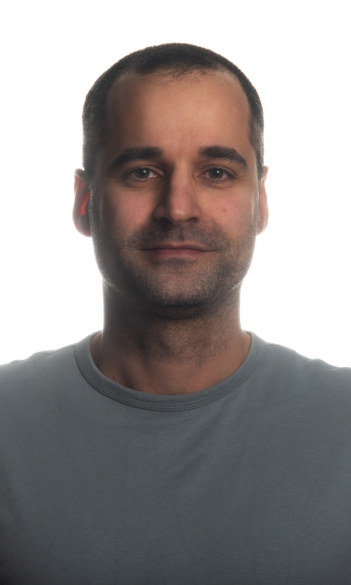
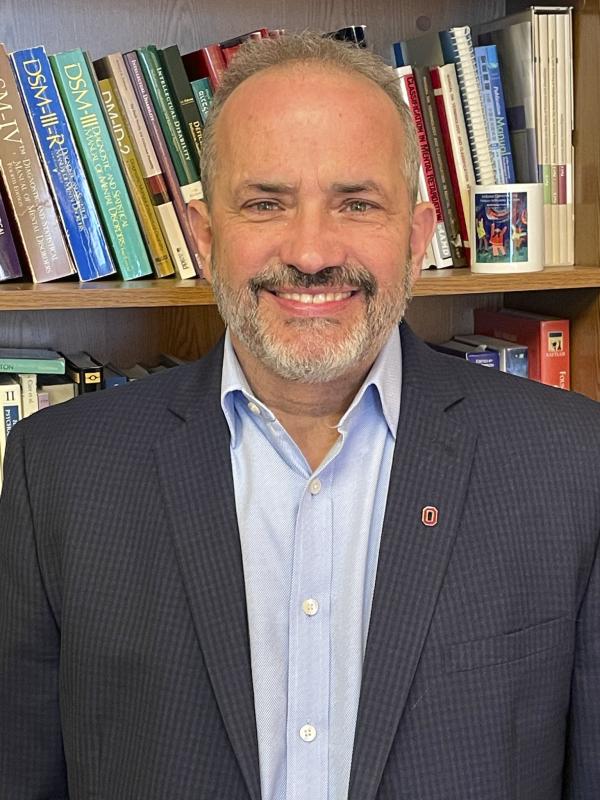
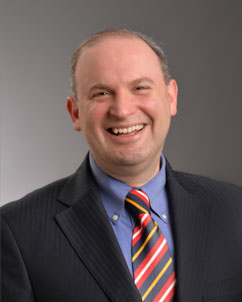
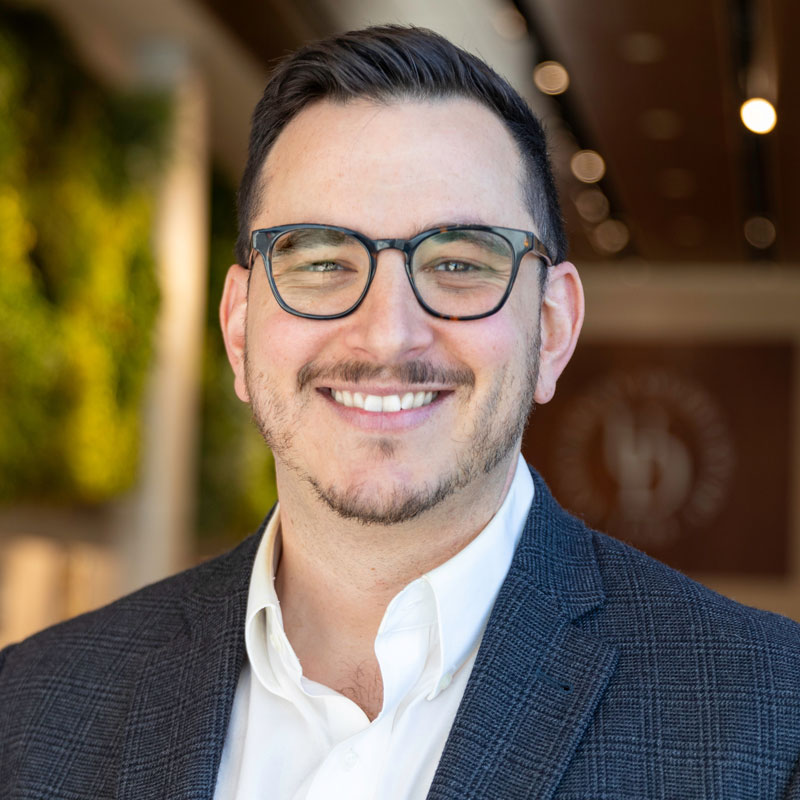
Krisztián Széll is a Habil. Associate Professor at Eötvös Loránd University’s College of Education, specializing in educational inequality and school resilience. His research explores student achievement, school climate, Roma student integration, adaptive testing, and school dropout risk. He leads the Research Group on Innovation and Equality in Education and serves on the university’s Research Ethics Committee. Key Research Areas: Educational equity, resilience development, language policy, psychometric testing, and pandemic-era learning patterns. Publications: Focus on Hungary, cross-national comparisons, and methodological advancements in educational assessment. Affiliations: Eötvös Loránd University, Research Ethics Committee, Research Group on Innovation and Equality in Education. His recent work analyzes contextual factors in student belonging, adaptive testing formulas, and pandemic impacts on learning. He contributes to debates on reliability metrics like Cronbach’s alpha and institutional factors shaping educational outcomes.
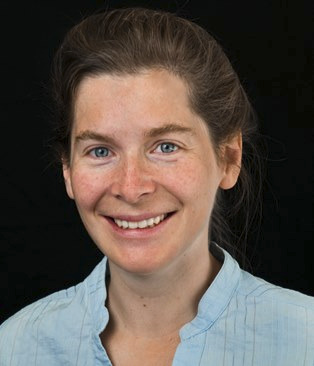
Chia-Fang (Christina) Chung is an Associate Professor in Computational Media at the University of California, Santa Cruz. Her research bridges Human-Computer Interaction (HCI) and health/well-being, focusing on ubiquitous computing and personal informatics to enhance relationships, motivate health behavior, and support clinical care. Previously, she served as an Assistant Professor in Informatics at Indiana University Bloomington. Her academic journey includes a Ph.D. in Human-Centered Design and Engineering from the University of Washington under advisor Sean Munson, and an MBA/BBA in Information Management from National Taiwan University. Education: Ph.D. in Human-Centered Design and Engineering, University of Washington MBA and BBA in Information Management, National Taiwan University Christina's research explores technology's role in family wellness, chronic disease management, and patient-provider collaboration. Key projects include Supporting Healthy Eating in Families (NSF-funded), Sharing Lifelog Data with Healthcare Experts (AHRQ-funded), and Adoption of Blood Pressure Kiosks with UW Medicine. Her work emphasizes contextual inquiry, mixed-methods studies, and translational tools for societal resilience. Scientific Awards: BEST PAPER AWARD (TOP 1%) at CHI 2024 BEST PAPER HONORABLE MENTION (TOP 5%) at DIS 2018 BEST WORK-IN-PROGRESS AWARD at DIS 2023 Christina collaborates with institutions like Robert Wood Johnson Foundation and Reos Partners. Her students include Seung Wan Ha, Chun Han Wang, and Yu-Ling Chou. She holds patents for lifestyle progression models and health management frameworks, with media coverage in KION News and CNN.
Jelena Milošević is an Assistant Professor at the Department of Architectural Technologies, University of Belgrade - Faculty of Architecture. She serves as Vice-Dean for Teaching and Student Affairs and specializes in structural systems, spatial structures, morphology, and optimization of structures. Her research combines computational design, digital fabrication, and sustainable construction methods. Education: Graduated in Architecture, University of Belgrade (2006) Enrolled in doctoral studies (2009) Her research focuses on generative design approaches for architectural structures, performance-based optimization, and applications of 3D printing in construction. She investigates biomimetic pattern applications in structural design and develops parametric workflows for complex geometries. Recent work explores circular economy potentials in architectural production through recycled materials and additive manufacturing. Publications demonstrate a strong focus on digital fabrication technologies in architectural education and practice. Recent articles examine hybrid pedagogical approaches integrating 3D printing technologies into design studios, material efficiency in additive-manufactured structural systems, and sustainable applications of recycled materials in digital fabrication. She has participated in research projects including 'Development and application of scientific methods in design and construction of highly economical structural systems using new technologies' funded by the Ministry of Education, Science and Technological Development of Serbia.
Prof. Olivia Romppainen-Martius is a Professor and Group Leader of the Climate Impacts research group at the Institute of Geography, University of Bern. She co-directs the Mobiliar Lab for Natural Risks and focuses on short-term climate dynamics, high-impact weather systems, and midlatitude weather patterns. Her work integrates advanced modeling techniques with real-world applications in disaster risk reduction. Her research spans climate variability analysis, probabilistic forecasting of extreme events, and the development of early warning systems. She leads collaborative projects combining machine learning with Earth system modeling to improve understanding of weather extremes under climate change. Key interests include flood forecasting, hailstorm dynamics, and Mediterranean cyclone behavior. Prof. Romppainen-Martius has pioneered web-based visualization tools for impact-based flood warnings and has contributed to kilometer-scale Earth system modeling frameworks like nextGEMS. Her methodologies emphasize statistical reconstruction of historical weather events and the application of AI to convective weather prediction. Her research outputs reflect a strong focus on bridging climate science with practical risk management strategies, particularly in alpine and pre-alpine environments. Current efforts include long-term analysis of Swiss hailstorms and development of crowd-sourced data integration for meteorological observations.
Dr. Grzegorz Kida is an Assistant Professor in the Department of Work Psychology, Organization and Psychosocial Rehabilitation at the Faculty of Social Sciences, John Paul II Catholic University of Lublin. His research focuses on organizational psychology, career counseling, and social responsibility in business contexts. He has authored chapters in peer-reviewed books and articles in journals like Journal for Perspectives of Economic Political and Social Integration and Studies in Psychology at the Catholic University of Lublin . His work addresses topics such as distance career counseling, emotional intelligence in job analysis, and interreligious dialogue readiness among youth. Dr. Kida actively participates in national and international conferences, presenting on themes like personnel management in socially responsible companies and knowledge of the labor market among psychology students. He has also engaged in peer reviewing for academic publications. His teaching responsibilities include courses on business psychology, personnel management, and psychological career counseling across undergraduate years. He is reachable at grzegorz.kida@kul.pl and holds ORCID ID 0000-0001-6769-9213 . His research demonstrates a commitment to bridging theoretical concepts with practical applications in organizational behavior, psychosocial rehabilitation, and social integration. Recent efforts emphasize technological adaptations in career guidance and dialogue facilitation in multicultural contexts.
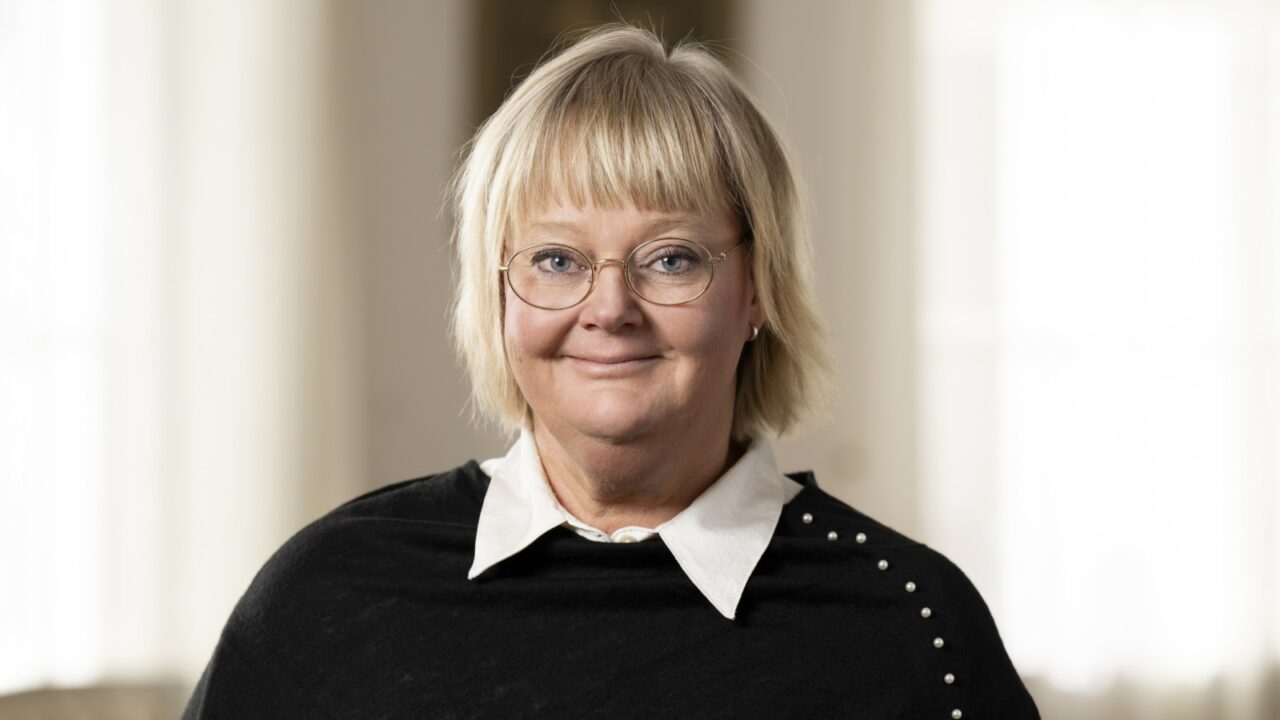
Christine Gustafsson is a Professor in Health Care Sciences at Sophiahemmet University's Department of Nursing. With over 25 years of academic experience, her research focuses on health and welfare technology (HWT) from user perspectives, particularly addressing aging populations and individuals with intellectual disabilities. She leads projects like iHACT, PROTECT, IN-AGE, and UPSCALE, emphasizing technology's role in enabling independent living and safe aging. Professional roles include Nordic Welfare Technology Research Network management, Forte Research Council board membership, and advisory roles to Sweden's Minister of the Elderly and Demensfonden. Education: Not explicitly detailed in provided texts Her research explores HWT implementation challenges in sparsely populated Nordic regions, emphasizing governance structures and user-centered design. Key projects like IN-AGE develop evaluation instruments for technology-supported independence. She co-created the robotic cat JustoCat and authored influential books on pedagogical approaches in care and welfare technology. Recent work analyzes cost-consequence studies of digital assistive technologies and explores FLASH radiotherapy dosimetry challenges. She consistently bridges clinical practice, policy, and technology through interdisciplinary collaboration.
Eric Legg is an Associate Professor in the School of Community Resources and Development at Arizona State University, affiliated with the Watts College of Public Service & Community Solutions and the Global Sport Institute. He holds a Ph.D. from the University of Utah, an M.S.S. from the United States Sports Academy, an M.A. from Wake Forest University, and a B.A. from the College of William & Mary. His research focuses on socio-ecological approaches to youth sport development, exploring how community experiences can maximize positive outcomes through coaching education, transformational leadership, and collaboration between non-profits and government agencies. Key themes include sense of community in sports, grit, empathy, and public-private partnerships. Legg has published extensively in journals like SCHOLE , Journal of Park & Recreation Administration , and Sport, Education, and Society , emphasizing applied research with community partners. His recent work addresses pandemic-era educational pivots, diversity in sport governance, and sport’s role in post-conflict peacebuilding. He serves as National Council Chair for the U.S. Tennis Association (USTA), chairs its Training Advisory Group, and founded the nonprofit Tennis on the Hill. Legg teaches courses on youth sport management, nonprofit assessment, and community service evaluation at both undergraduate and graduate levels.
Marc J. Tassé is a Professor in the Department of Psychology and Department of Psychiatry and Behavioral Health at The Ohio State University, where he also serves as Director of the Ohio State Nisonger Center, a University Center for Excellence in Developmental Disabilities. With over 30 years of experience, Dr. Tassé specializes in intellectual disability (ID), autism spectrum disorder (ASD), and related neurodevelopmental disorders. His educational background includes a PhD from Université du Québec à Montréal (1994) and a BA from Concordia University (1985). Dr. Tassé has developed several standardized assessment tools including the Diagnostic Adaptive Behavior Scale, Supports Intensity Scales, and Nisonger Child Behavior Rating Form. Dr. Tassé's research focuses on the co-occurrence of ID/ASD with psychiatric disorders, adaptive behavior measurement, test development, and technology applications for enhancing health and independence. His clinical work includes diagnosis of intellectual disability, assessment and treatment of problem behaviors, and forensic evaluations in capital cases involving intellectual disability. His recent publications demonstrate a strong emphasis on measurement validation, mental health assessment adaptations, and policy implications for individuals with developmental disabilities. His scientific achievements have been recognized through numerous awards: Research Award, AAIDD (2025) Presidential Award, AAIDD (2024) John W. Jacobson Award, American Psychological Association (2017) Multiple Exceptional Service Awards from AAIDD (2021, 2011, 2009, 2007) Fellowships in major professional associations including AAIDD, APA, and IASSIDD Dr. Tassé has mentored numerous graduate students and postdocs, many of whom appear as first authors on his publications. His work has received substantial research funding supporting his development of assessment tools and investigations into health disparities and service accessibility for individuals with developmental disabilities. As past President of the American Association on Intellectual and Developmental Disabilities (2012-2013), he has significantly influenced policy and practice in the field. His leadership at the Nisonger Center has established it as a premier institution for research, training, and service delivery for individuals with developmental disabilities and their families, with particular emphasis on improving assessment methodologies and expanding access to quality care.
Dr. Jonathan Lazar is a Professor in the College of Information Studies (iSchool) at the University of Maryland, where he serves as Executive Director of the Maryland Initiative for Digital Accessibility (MIDA) and core faculty in the Human-Computer Interaction Lab (HCIL). He previously held a professorship at Towson University, where he founded the Universal Usability Lab and directed the information systems program. His work bridges human-computer interaction (HCI), disability rights, and legal policy to advance digital accessibility for marginalized populations, particularly blind users, individuals with cognitive impairments, and people with Down syndrome. Education: LL.M. (Disability Rights Law, University of Pennsylvania), Ph.D. (Information Systems, UMBC), M.S. (Information Systems, UMBC), B.B.A. (Management Information Systems, Loyola University Maryland). Research Focus: Dr. Lazar's work emphasizes ICT accessibility in developing countries, non-visual modalities for blind users, ballot accessibility for voters with disabilities, and legal frameworks to enforce accessibility standards. He has authored/co-authored 17 books and over 200 peer-reviewed articles, with notable contributions on accessible data visualization, automated accessibility testing, and the intersection of law and technology. Awards: Includes the ACM SIGACCESS Outstanding Contribution Award (2020), ACM SIGCHI Social Impact Award (2016), and multiple University System of Maryland Board of Regents Awards. His research has influenced U.S. federal regulations, including airline website accessibility mandates following his work on discriminatory pricing for blind travelers. Professional Service: Serves on the executive board of the Friends of the Maryland Library for the Blind, co-chairs the Cambridge Workshop on Universal Access and Assistive Technology (CWUAAT), and advises government agencies on accessibility policy. He advocates for inclusive design in public libraries, voting systems, and educational technologies. Labs & Projects: Leads the Trace R&D Center's legacy work on accessibility, co-designs health IT tools with individuals with Down syndrome, and develops tools like FormA11y for PDF accessibility remediation. His research emphasizes translating academic findings into actionable policies and practices.
Christine Morley is a Professor and Head of the Social Work and Human Services Disciplines at QUT's Faculty of Health. She co-leads the 'Access to Justice' research program at the Centre for Justice and chairs the Faculty of Health Equity Committee. As an Adjunct Professor at the University of the Sunshine Coast, she focuses on critical social work pedagogy and transformative practice. Her work addresses neoliberal challenges in education, domestic violence, and mental health service delivery. Education: PhD from La Trobe University. Professional memberships include the Australian Association of Social Workers and editorial roles at Advances in Social Work and Welfare Education . Prior roles include Head of Social Work at the University of the Sunshine Coast (2008–2016) and practitioner roles in sexual assault services (1997–2007). Research interests center on critical reflection, social justice activism, and resisting neoliberal influences in academia. Key publications include Engaging with Social Work (2014) and the Routledge Handbook of Critical Pedagogies for Social Work (2020). Awards recognize her contributions to transformative learning and student-centered pedagogy. Recent work explores pandemic impacts on social work education and domestic violence services. She advocates for field education reforms to address placement poverty and financial stress among students.
Professor Sandeep Reddy is a leading academic in healthcare management and digital health at Queensland University of Technology (QUT), where he heads disciplines in Healthcare Management, Health Information Management, and Health, Safety, and Environment. He co-leads the 'Health, Human Biology and MedTech' theme at QUT's Centre for Data Science. With a PhD in Healthcare Management and a medical degree, Reddy holds multiple professional fellowships, including the Australasian Institute of Digital Health and the UK Higher Education Academy. Roles: Professor, Academic Leader, Researcher, Editor Affiliations: QUT, WHO Digital Health Roster, European Academy of Translational Medicine Professionals His research focuses on AI integration in healthcare delivery, governance frameworks, and translational methodologies. Key areas include AI in chronic disease management, medical imaging, and facial recognition technology. Reddy has authored over 80 publications, including a 2024 textbook on translational AI applications. Reddy's work spans global health policy, having advised the WHO and participated in international panels. He teaches courses on health informatics, implementation science, and digital health, with over 20 years of academic and industry experience. Scientific awards and fellowships reflect his expertise: Fellow of AIDH, ACHSM, and Senior Fellow of the UK Higher Education Academy. His editorial roles include PLOS ONE, Computational and Structural Biotechnology Journal, and Frontiers in AI. Current research supervision focuses on AI in medical education, healthcare access, and explainability in AI systems. He advocates for equitable digital health solutions, addressing the rural-urban digital divide through empirical studies.
Matthew Cohen is an Associate Professor in the Department of Communication Sciences & Disorders within the College of Health Sciences at the University of Delaware. His academic appointments include affiliations with the Resilient Cognitive Aging Lab (RECALL), Center for Health Assessment Research and Translation, and Delaware Center for Cognitive Aging Research. His educational background includes an Education Clinical Residency in neuropsychology from Johns Hopkins School of Medicine (2015), Ph.D. from University of Florida (2013), M.S. from University of Florida (2009), and B.A. from University of Delaware (2007). Dr. Cohen's research focuses on clinical assessment of cognition and cognitive disorders , acquired communication disorders in adults , Alzheimer's disease and dementia , and patient-reported outcome measures in speech-language pathology. His work bridges neuropsychology, rehabilitation science, and cognitive aging through interdisciplinary approaches to measurement and intervention. Analysis of his 15 most recent publications (2024-2025) reveals three dominant research trajectories: (1) Development and validation of cognitive assessment tools for mild cognitive impairment and dementia, (2) Investigation of diet-metabolism-cognition relationships, and (3) Implementation science for patient-reported outcomes in communication disorders. His work increasingly incorporates telehealth methodologies and biomechanical biomarkers. While no specific scientific awards are documented in available materials, his research program demonstrates significant collaborative activity through the RECALL lab mission to advance "interdisciplinary research, education, and clinical training in healthy aging, as well as cognitive assessment and cognitive rehabilitation for Alzheimer’s disease and related disorders." Dr. Cohen leads the Resilient Cognitive Aging Lab (RECALL), formerly known as the Measure What Matters lab, which offers free online memory screening services. The lab operates within UD's Tower at STAR facility and focuses on translating cognitive assessment research into community-based dementia risk reduction programs like Brain-WISE.
Emily Wright serves as Associate Dean Education at Swinburne University of Technology's School of Design and Architecture, holding a PhD from the same institution alongside a Master of Design and Bachelor of Science in Graphic Design from the University of Cincinnati. With over 20 years of international design industry experience spanning branding, packaging, publishing, environmental and web design across the USA, UK, Mexico and Australia, she bridges academic theory with professional practice. Her research specializes in design education , packaging design , and sustainable design , with particular focus on pedagogical innovation including pass/fail grading systems, generative AI integration, and co-creation methodologies. Wright's scholarly output reveals strong emphasis on Transforming design pedagogy through technology Health communication design for vulnerable populations Cross-cultural co-creation frameworks Sustainable design integration in curricula Her recent publications (2020-2023) demonstrate accelerating focus on digital learning environments, AI ethics in design education, and child/family health communication systems. Wright has received the International Design Award for her child health team visualization work and secured research contracts with major organizations including Coles Supermarkets, IRESS Limited, and Access Health Community. Her grant portfolio reflects strong industry collaboration across healthcare, retail, and financial sectors. As a doctoral supervisor, Wright has guided seven PhD candidates through projects examining design feedback practices, 3D printing in bridal fashion, urban community development, and technology-based speech learning applications. She actively contributes to design education discourse through conference leadership including editing the Cumulus 38° South proceedings.
Luis Anez is an Associate Professor of Psychiatry at Yale School of Medicine and serves as the Director of Hispanic Services at the Connecticut Mental Health Center. He is affiliated with the Connecticut Latino Behavioral Health System and the Psychology Section at Yale School of Medicine. Doctorate in Psychology (PsyD) from Florida Institute of Technology (1997) Master of Science (MS) in Psychology from Florida Institute of Technology (1995) Completed Postdoctoral Fellowship at Yale Psychiatric Institute's Hispanic Clinic (1998) His research focuses on culturally adapted mental health interventions for Hispanic and Latinx populations , particularly in substance use disorders , personality disorder diagnostics , and telehealth engagement during the pandemic . He has developed frameworks like the CAMINO model for contextual mental health assessment. Key collaborations include work with Manuel Paris , Michelle Alejandra Silva , and Carlos Grilo on culturally sensitive treatments. His projects, such as the State Incentive Grant for Co-Occurring Disorders , emphasize integrated care for clients with dual diagnoses.
Hatice Kübra Yıldız is a Researcher at the Department of Industrial Design, Faculty of Architecture, Istanbul Technical University. Her work bridges design theory with interdisciplinary applications in healthcare, sustainability, and plant biology. Education : PhD in Industrial Design (ITU, 2016–2024), MSc in Industrial Product Design (Mimar Sinan Fine Arts University, 2014–2016), BSc in Industrial Design (Anadolu University, 2008–2013) Her research focuses on Healthcare Design , Universal Design , and Inclusive Design , exemplified by work on cesarean section patient journeys. She explores sustainable practices through Service Design and Photo-Based Research Methods , including analyses of the Braun Prize competitions. Recent studies include Wind Power Site Selection and the biological impact of Hypericum perforatum tea. The scientific trends in her publications span healthcare service innovation, sustainable design frameworks, computational decision-making in energy planning, and microbiota-related health research. Her work emphasizes interdisciplinary collaboration, user-centered methodologies, and ecological responsibility.