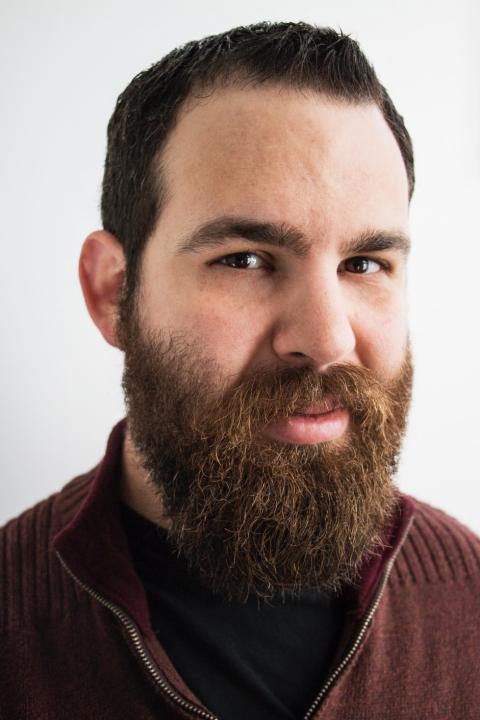
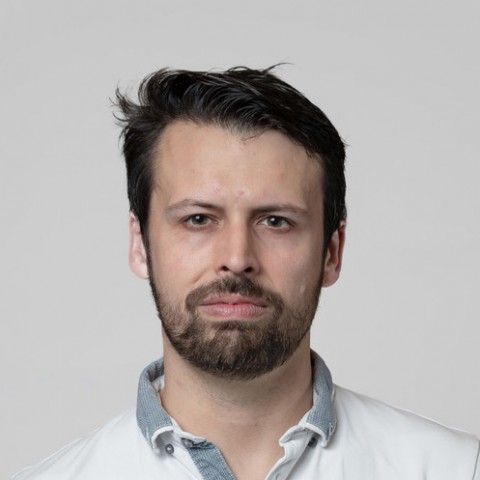
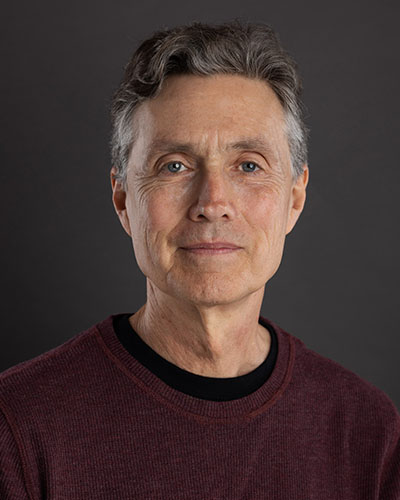
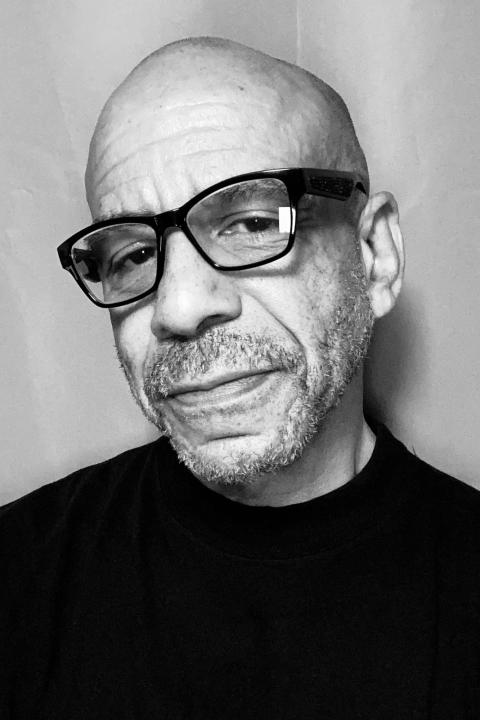
Professor Simon Godsill MA PhD FIET FIEEE is a University Professor of Statistical Signal Processing in the Department of Engineering at the University of Cambridge. He heads a research team specializing in statistical signal processing, digital audio restoration, and Bayesian inference. His work addresses the processing and analysis of digital speech, audio, tracking systems, and financial datasets, with a focus on probabilistic modeling and computational methods. Research interests include statistical signal processing , degraded signal restoration , and Bayesian computational methods . Recent publications emphasize Gaussian processes, variational inference, and multi-object tracking for applications in audio enhancement and financial data analysis. He co-founded the audio remastering company CEDAR Audio Ltd in 1988. Scientific awards: Fellow of the Institution of Engineering and Technology (FIET) Fellow of the Institute of Electrical and Electronics Engineers (FIEEE) Outside academia, he enjoys singing, cricket, piano/organ playing, and running. His team at Cambridge's Engineering department focuses on robust tracking algorithms and signal enhancement techniques.
Carlos Guedes is Associate Professor of Music at New York University Abu Dhabi (NYUAD) , affiliated with the Arts and Humanities division and the Music department. He also holds affiliated positions as Associate Professor in Computer Engineering at NYUAD and in Music Technology at NYU Steinhardt, reflecting his interdisciplinary profile. University: New York University Abu Dhabi School: Arts and Humanities Department: Music Rank: Associate Professor Emails: cag204@nyu.edu, menosmuitomais@gmail.com He holds a BM from the Polytechnic of Porto, School of Music and Performing Arts, and an MA and PhD from New York University. His research and artistic work span music composition, sound design, computational music, and cultural preservation, with a focus on the Gulf, East Africa, and South India. His primary research interests include: Analysis and preservation of music Automatic music generation Interactive music systems Generative computational technologies Audiovisual ethnography Immersive experiences and VR in music He is a founding member of the Music and Sound Cultures (MaSC) research group at NYUAD, which develops hybrid computational-humanistic methodologies and tools such as VR environments and games for cultural enculturation. His recent projects include a faculty research grant from the Sheikh Saud bin Saqr Al Qasimi Foundation to document the musical traditions of the Shihuh tribe in Ras Al Khaimah. As a composer, Guedes has over 80 international premieres, with work presented at major venues and festivals including Expo ’98, Expo 2020, Ars Electronica, ICMC, SIGGRAPH, and the Beijing Modern Music Festival. His compositions often blend industrial, carnatic, and Western erudite traditions with computational technologies. Notable recent works include the Time Poetries cycle for percussion and electronics, composed during his 2021–2022 residency with Drumming GP . His recent artistic output shows a strong trend toward electronic and computational music, with themes exploring space, time, cultural identity, and human-machine interaction. Albums such as Shadows & Reflections (2021) and Becoming Space (2021) reflect collaborative, improvisatory, and ambient tendencies, while pieces like Phobia robotica (2020) and Far Out (ISS Edition) (2024) explore robotic and cosmic themes. He has been actively involved in teaching a wide range of courses across disciplines, including: Music: Music Theory, Individual Instruction, Capstone Seminars, Computational Approaches to Music Computer Science: Capstone Project in CS Interdisciplinary: Immersive Experiences, Multidisciplinary Artistic Collaborations, Audiovisual Ethnography He mentors students in music capstone projects and computational media, and co-advises research in hybrid artistic-technical domains. He leads and participates in research labs and teams such as: Music and Sound Cultures (MaSC) Research Group – focused on computational ethnomusicology and cultural preservation Immersive Experiences Lab – exploring VR, AR, and sensory technologies in artistic contexts Interactive Media and Sound Computing – developing new instruments and performance systems
René Glas is an Assistant Professor of New Media and Digital Culture at the Department of Media and Culture Studies , Utrecht University . His research explores digital games , game culture , media literacy , and play as method , with a focus on paratextuality, gaming history, and the socio-cultural impacts of games. His publications and projects, including the Digital Literacy Games KIEM GO-CI grant and contributions to the Journal of Gaming & Virtual Worlds , emphasize trends in educational game design , game preservation , and cross-disciplinary media analysis . Glas frequently contributes to public discourse through interviews (e.g., NPO Radio 1’s De Nacht van... ) and collaborations within the Shape2Gether Erasmus+ project .
Dejan Pajić is an Associate Professor at the University of Novi Sad , affiliated with the Faculty of Philosophy ’s Department of Psychology . With a focus on Statistics in Psychology , Computer Applications in Psychology , and Scientometrics and Bibliometrics , he has contributed extensively to open science initiatives in Serbia, including the development of the SCIndeks database, the BeOPEN project, and the ReMaster thesis repository. PhD in Psychology, University of Novi Sad Master of Psychology, University of Novi Sad Bachelor of Psychology, University of Novi Sad His research bridges statistical methodologies, digital tools, and academic communication. He has explored information visualization to enhance research accessibility and examined the globalization of social sciences in Eastern Europe. His work addresses systemic challenges in citation practices, journal ranking stability, and the internationalization of regional academic outputs. The articles highlight Dejan’s expertise in scientometrics and information retrieval , spanning citation analysis, digital infrastructure, and research evaluation. His publications emphasize national perspectives , journal metrics , and human-computer interaction in scholarly contexts. Dejan has been pivotal in collaborative projects like SCIndeks , BeOPEN , and ReMaster , which aim to strengthen open science frameworks. He has also held leadership roles, including Head of the Department of Psychology and membership in the Expert Council for Humanities and Arts at the University of Novi Sad.
Dr. Jimmy Eadie is an Assistant Professor (Part-Time) in Electronic & Electrical Engineering at Trinity College Dublin. He specializes in sound design, audio engineering, and music production, with a focus on interdisciplinary projects. His work spans hybrid installations, theatre soundscapes, and audio software development, earning international recognition. Eadie holds a PhD in Sonic Design and multiple postgraduate qualifications in music technology, education, and sound engineering. Education highlights include a PhD in Sonic Design, an MPhil (Hons) in Music & Media Technology, and certifications from Berklee College, TCD, and professional bodies like Rational Acoustics and Meyer Sound. His teaching experience includes roles at Pulse College, Griffith College, and the University of Lancashire. Research interests center on audio software development, music production techniques, and sound design for theatre and media. His theatre work with Pan Pan Theatre and Crash Ensemble has received Irish Times Awards and international acclaim. Key projects include the New Irish Recording Company (NIRC) and the Eno’ 100 Worthwhile Dilemmas Plugin , showcasing technical and creative innovation. Grants & Awards: Multiple Arts Council Bursaries, Agility Award, and Trinity’s Teaching Excellence Nomination. Professional Roles: Former audio engineer for Crash Ensemble and touring sound engineer for Irish artists. Labs/Teams: Founder of Crash Ensemble and collaborator with Pan Pan Theatre.
Paul Baily is a part-time Senior Lecturer in Music Production at the London College of Music (LCoM). He specializes in remastering analogue recordings, mastering, and location recording, with expertise in classical piano, violin, and flute. In addition to his academic role, he operates ResoundUK, a company specializing in classical music post-production, and serves as an A-level Music Technology examiner for Edexcel. Education: BA and MA in composition (Durham University) Professional Experience: Paul began his career at BBC Radio York and later worked at EMI’s Abbey Road Studios from 1986 to 2000, where he rose to oversee classical music post-production. He has collaborated with acclaimed artists like the Pet Shop Boys, Nigel Kennedy, and Sir Simon Rattle, and contributed to film scores for Mighty Joe Young and Captain Corelli’s Mandolin . His company has remastered over 2,000 CDs for major labels, several of which have won awards. Research & Skills: His work focuses on preserving and enhancing historical analogue recordings. He is uniquely authorized to handle EMI and Decca classical master tapes externally. Additional Roles: He maintains a private piano teaching practice and actively contributes to music education through his examiner role.
Ian Stewart is an Assistant Professor in the Music Production and Engineering (MP&E) department at Berklee College of Music, where he teaches audio mastering and music technology. He also operates Flotown Mastering, a professional audio mastering studio he has run since 2011, and has collaborated with artists such as KRS-One and Mr. Lif. He co-developed the Basslane Pro plugin with Tone Projects in 2022 and is a recognized thought leader in hybrid learning technologies for audio education. B.S. in Music Engineering Technology, University of Miami (2007) Stewart's research and teaching focus on audio mastering, digital audio fundamentals, loudness standards (LUFS), and the integration of technology in music production. He is a passionate advocate for audio quality and has authored numerous educational articles on topics such as multiband compression, dynamic EQ, AI in mastering, and headphone-based mastering workflows. His work bridges academic instruction with real-world engineering practice, emphasizing accessibility and adaptability in non-ideal acoustic environments. His recent publications reflect a strong trend toward practical, accessible mastering techniques for modern platforms like Spotify and Apple Music, with emphasis on loudness normalization, tonal balance, and workflow efficiency. He explores both technical and aesthetic aspects of mastering, including the use of tools like Ozone, dithering, true peak limiting, and AI-assisted processing. His articles are widely used in audio education and industry training. Commercial Integrator's 40 Under 40 (2021) Stewart has contributed to the development of online mastering academies for the Audio Engineering Society (AES) and has helped pioneer hybrid learning models during the pandemic. While no formal grants are mentioned, his work in educational technology and plugin development indicates active engagement in research and innovation. He has advised on best practices for remote mastering, home studio setups, and collaborative audio workflows. He runs Flotown Mastering, offering services in music mastering, audio restoration, and forensic audio analysis. The studio emphasizes collaboration, customer service, and technical excellence. Stewart also contributes to iZotope’s educational content as an author and is active in promoting audio literacy among producers and engineers.
Dr Richard Leahy is a Senior Lecturer in English Literature and Creative Writing at the University of Chester's Faculty of Arts, Humanities and Social Sciences. He has been with the university since 2013, progressing from Visiting Lecturer to Lecturer and ultimately to Senior Lecturer in 2021. His teaching spans all levels of undergraduate and postgraduate programs, with expertise across Victorian Literature, Gothic Literature, Literary and Critical Theory, and Science Fiction. Leahy's research focuses on the intersections of technology, culture, and literature, with particular emphasis on light in literary representation and the relationship between technological development and psychological states. His 2018 monograph Literary Illumination explores how artificial lighting transformed literary spaces and individual consciousness in the 19th century. His recent publications span diverse topics including Pre-Raphaelite art, Victorian hairwork, the psychological impact of rail travel, and contemporary science fiction. These works demonstrate his consistent interest in how technological developments intersect with literary expression across historical periods, from Victorian literature to contemporary speculative fiction. His scholarship bridges historical literary analysis with theoretical frameworks from cultural studies, psychology, and technology studies. Leahy actively supervises postgraduate research at MRes and PhD levels and contributes to the academic community through conference presentations at venues including Gladstone's Library, University of Cambridge, and Paris Diderot University.
Max Batt is an Adjunct Professor in the Graphic Design Program at California College of the Arts (CCA) since 2017, where he integrates industry expertise into teaching. He is also Design Director at Hangar, a New York-based venture studio focusing on public-sector technology solutions. His work spans AI-driven wildfire prediction systems (Cornea), federal procurement tools (Meter), and adaptive audio platforms (MXX). He holds leadership roles in advocacy organizations like AIGA San Francisco and SF Design Week, emphasizing design’s societal impact. Education & Research: Max’s research focuses on emerging technologies’ ethical and practical applications, particularly in public services. His work with Hangar combines UX/UI design with cutting-edge AI to address challenges in wildfire management, government contracting, and urban planning. Awards & Recognition: 1st Place, 2019 Artificial Intelligence Awards (MXX) SBIR Innovation Grant (Cornea) Cannes Film Festival Short Film Corner Entry (2013) Advocacy: As Interactive Chair of AIGA SF and SFDW, Max has driven digital initiatives like website redesigns, ticketing systems, and inclusive design practices. His advocacy extends to non-profits like HRDAG and SF MoMA, emphasizing design’s role in social equity and sustainability.
Gaia Cetrano is a Senior Lecturer in the Department of Mental Health & Social Work at Middlesex University, with a strong academic and professional background in social work and mental health. She holds a PhD in Psychological and Psychiatric Sciences from the University of Verona and is a Fellow of the Higher Education Academy. Education: BA in Social Work Sciences, University of Verona MA in Design and Realisation of Highly Complex Social Work Interventions, University of Verona PhD in Psychological and Psychiatric Sciences, University of Verona Postgraduate Certificate in Higher Education Her research centers on mental health social work, homelessness, health and social care systems analysis, and professional well-being, particularly burnout and compassion fatigue. Her work often involves cross-national comparisons and evaluations of health service models in Europe. Her recent publications analyze primary health care for homeless populations and the structure of mental health care systems across Europe. These works highlight themes in service integration, effectiveness, equity, and policy implications, with a focus on mapping and evaluating service delivery models. She has no listed scientific awards or prizes in the provided text. Gaia has supervised research at King’s College London and teaches across multiple modules in the Think Ahead Programme at Middlesex University, including law, policy, practice, and dissertation supervision for advanced mental health social workers. She has not received mention of specific grants, but her work has been funded by EU and national research bodies. She was previously employed at King’s College London and taught at the University of Verona and the University of York, indicating active involvement in both research and academic teaching across institutions.
Mark McCoin is an Associate Professor in the School of Art at the University of Texas at San Antonio , specializing in sound-based performance and installation art. His work integrates technology with interdisciplinary practices, including collaborations with movement artists, roboticists, and sound engineers. Current role: Head of New Media at UTSA Key projects: Roz (Robotic Resonance) , The Feral Piano , Piano Car Active in festivals: Luminaria Contemporary Arts Festival, Currents New Media Festival His research explores the liminal space of sound, gestural robotics, and digital media arts. Notable honors include the 2023 Howard Foundation Fellowship from Brown University. Selected performances: 2023: Roz at Currents New Media Festival (Santa Fe) 2022: The Dramaturgical Role of Technology in Performance Art (MACAA) 2018: Sound Created the Ear (India residencies) Scientific awards: Howard Foundation Fellowship (2023)
Sam Di Iorio is an Associate Professor at Hunter College, City University of New York , with affiliations in the French and Film and Media Cultures departments. His academic work bridges cinema studies, literary theory, and intellectual history. Ph.D., University of Pennsylvania Dr. Di Iorio’s research focuses on French cinema , particularly Cinéma Vérité , film theory , and twentieth-century intellectual history . His recent publications examine the intersections of cinematic representation with societal movements, philosophical inquiry, and material culture. Key themes include the legacies of critical theory, documentary practices, and the evolution of French New Wave aesthetics. His scholarly output reveals a sustained engagement with post-1968 French cinema , ethical representation , and interdisciplinary methodologies , often analyzing films as historical and cultural artifacts. Notable collaborations include co-editorship of works on Roland Barthes’ cinematic contributions.
Sharon Vestal is an Associate Professor in the Department of Mathematics and Statistics at South Dakota State University (SDSU). She focuses on enhancing mathematics education for all students, particularly future teachers, and integrating technology into STEM education. Her research emphasizes improving teaching practices and student success in calculus and geometry courses. Education: B.A. in Mathematics/Classical Humanities, University of South Dakota (1992) M.A. in Mathematics, University of South Dakota (1994) Ph.D. in Mathematics, University of Colorado, Boulder (2000) Research Interests: Mathematics education for pre-service teachers Technology-enhanced STEM teaching Geometry course design for educators Calculus student success strategies Assessment in STEM education Key Grants: NSF Robert Noyce Scholarship Program (multiple grants since 2007) Awards: SD Council of Teachers of Mathematics Friend of Mathematics Award (2020) Timothy J. Nichols Award for Outstanding Advising (2019) Professional Roles: Department Head Search Committee (2023-2024) SD STEM Education Conference Planner Intercollegiate Athletic Board Member (2021-2023) Labs/Initiatives: REMAST Scholarship Program (supports STEM teacher candidates) Co-developer of the Calculus Lab textbook
Carl Beatty is a Professor in the Music Production and Engineering (MP&E) department at Berklee College of Music, where he has been a faculty member for over 40 years. He began his career as a recording engineer in New York City and transitioned into academia in 1989. He taught engineering in MP&E for 15 years and later served in key administrative roles, including Assistant Vice President of Artist and Music Industry Relations and Chief of Staff in the Office of the President. Position: Professor Department: Music Production and Engineering University: Berklee College of Music Email: cbeatty@berklee.edu Phone: 617-747-2413 Carl Beatty's research and professional interests center on music production, audio engineering, recording technology, and music industry relations. His teaching philosophy emphasizes helping students develop their own relationship with technology, decision-making, and working with musicians in professional environments. The most recent articles reflect his extensive work in music production and audio engineering, particularly in soul, R&B, pop, and compilation albums. His production credits span decades, showcasing expertise in mixing, mastering, vocal engineering, and horn arrangements. His work often involves archival and restoration projects, highlighting his role in preserving and reissuing classic recordings. Carl Beatty has not received any publicly listed scientific awards in the provided text. He has advised numerous students in the MP&E program, though specific names are not listed. His administrative leadership roles allowed him to mentor and connect students with industry professionals, alumni, and artists. He has been involved in institutional initiatives such as outreach projects and benefit albums, including a collaboration supporting women in Darfur. Carl Beatty has been instrumental in bridging Berklee with the broader music industry through his role in artist and music industry relations. He has contributed to institutional projects and collaborative recordings that align academic work with real-world impact.
Kenneth Womack serves as Professor of English and Popular Music at Monmouth University, where he specializes in Beatles scholarship and music history. His academic work bridges cultural studies and biographical research with a focus on 20th-century popular music. Womack's research interests center on Beatles studies, rock music history, and cultural legacy analysis. His work critically examines the intersection of music, media, and cultural memory, particularly through the lens of Beatles mythology and its evolution. He investigates how archival materials shape historical narratives and challenges established misconceptions in music historiography, notably in his reappraisal of Yoko Ono's cultural contribution. His recent publications demonstrate a consistent focus on Beatles-related scholarship across multiple formats including books, articles, and the "Everything Fab Four" podcast. The articles reveal deep engagement with primary sources like Mal Evans' archives, technical aspects of recording history, and the business dynamics of rock stardom. His work shows particular interest in the restoration of historical materials and the ethical dimensions of posthumous releases. As host of the "Everything Fab Four" podcast distributed by Salon, Womack leads a dedicated research initiative exploring Beatles cultural impact through contemporary analysis and archival discoveries. His work frequently involves collaboration with music archives and industry professionals to access previously unexamined materials.