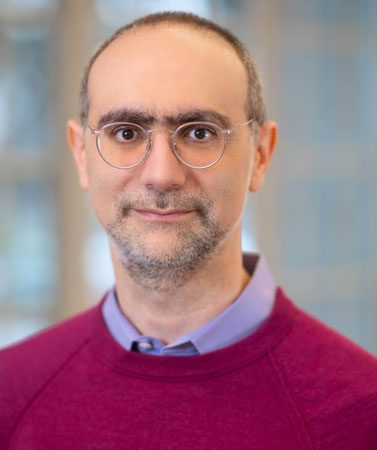
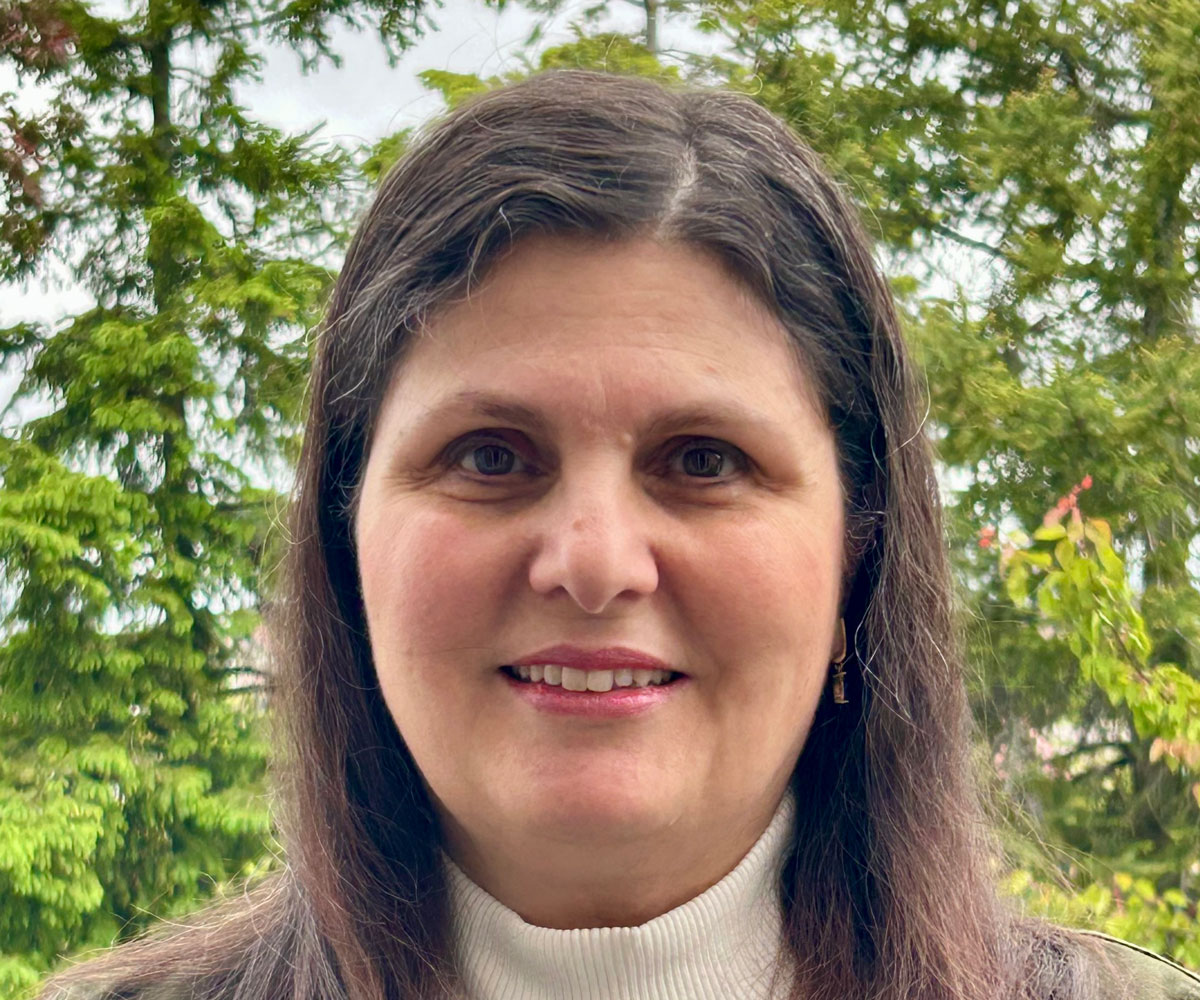
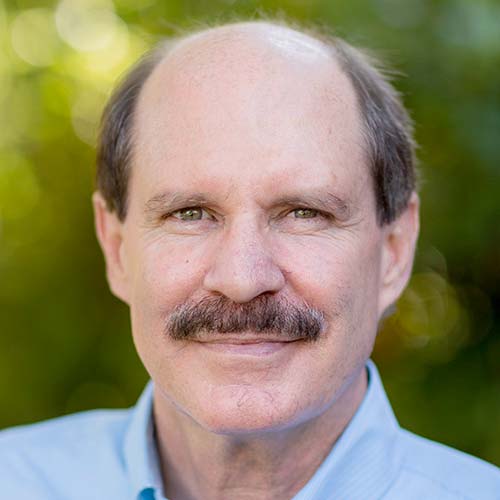
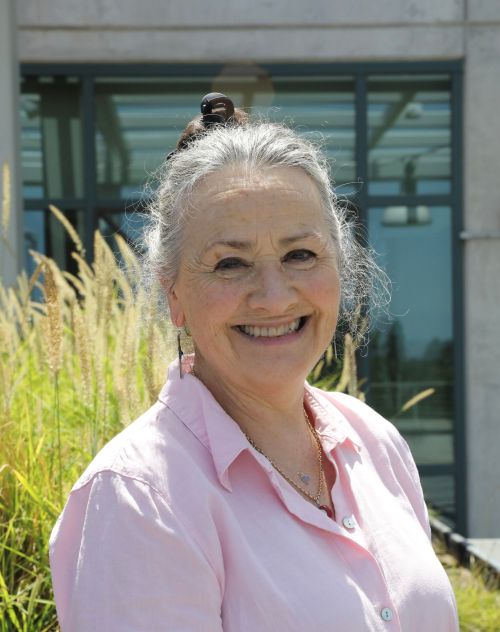
Mauricio Drelichman is a Professor at the University of British Columbia's Vancouver School of Economics within the Faculty of Arts. He serves as the Director of Undergraduate Studies and holds a Ph.D. from Northwestern University. His research focuses on Economic History , particularly Early Modern Spain , with emphasis on sovereign debt, fiscal policy, and institutional development. Ph.D., Northwestern University Director of Undergraduate Studies, UBC Research: Economic History, Early Modern Spain Drelichman's work investigates historical financial mechanisms such as sovereign debt contracts under Philip II, demonstrating how risk-sharing and contingent debt allowed sustained market access despite defaults. He has also analyzed resource curses , Dutch disease effects, and social consequences of persecution in Spain. His recent article in the Proceedings of the National Academy of Sciences (2021) examines long-term impacts of the Spanish Inquisition , while earlier studies explored gender wage gaps and housing markets in Early Modern Toledo. His publications often focus on historical debt sustainability , financial repression , and institutional quality . Scientific Awards: AEHE 2021 Earl J. Hamilton Prize Explorations Prize (2005/06 and 2010/11)
Professor Alberto Rigolio is a leading scholar of Classics and Ancient History at Durham University, specializing in the cultural and intellectual history of the Eastern Mediterranean during the Roman and late antique periods. He holds a D.Phil. from Oxford University and has held prestigious fellowships at Harvard Dumbarton Oaks, Princeton Society of Fellows, and All Souls College Oxford. His research focuses on Syriac literature, Greco-Syro-Arabic translation movements, and religious debates in late antiquity. Rigolio has published extensively, including his award-winning monograph Christians in Conversation (2019), and currently leads projects supported by the British Academy and the Institute for Advanced Study. He supervises PhD students across multiple institutions and mentors postdoctoral researchers like Dr. Karl Heiner Dahm and Dr. Mara Nicosia. His work bridges classical antiquity with early Christian and Islamic intellectual traditions, emphasizing literary and educational exchanges in late antique societies. Educations: D.Phil., University of Oxford (2014) MPhil/BA, University of Milan and Oxford Research Interests: Syriac literary emergence, Greek-Syriac-Arabic translation networks, late antique dialogues, early Christian theology, and the cultural history of the Roman Near East. Rigolio's current projects investigate how Syriac became a major literary language and its role in transmitting Graeco-Roman thought to early medieval cultures. Grants & Awards: British Academy Mid-Career Fellowship (2024) All Souls College Visiting Fellowship (2024) Princeton IAS Membership (2023) Advising & Mentoring: Supervised 9 PhD students, including Cédrik Michel (Lancaster University Lecturer) and Lila Knight (awarded 2024). Mentors postdoctoral scholars in areas like Syriac rhetoric and late antique religious conflict. Labs/Teams: Leads interdisciplinary research groups at Durham and collaborates with institutions like the Institute for Advanced Study, focusing on textual analysis and cultural history.
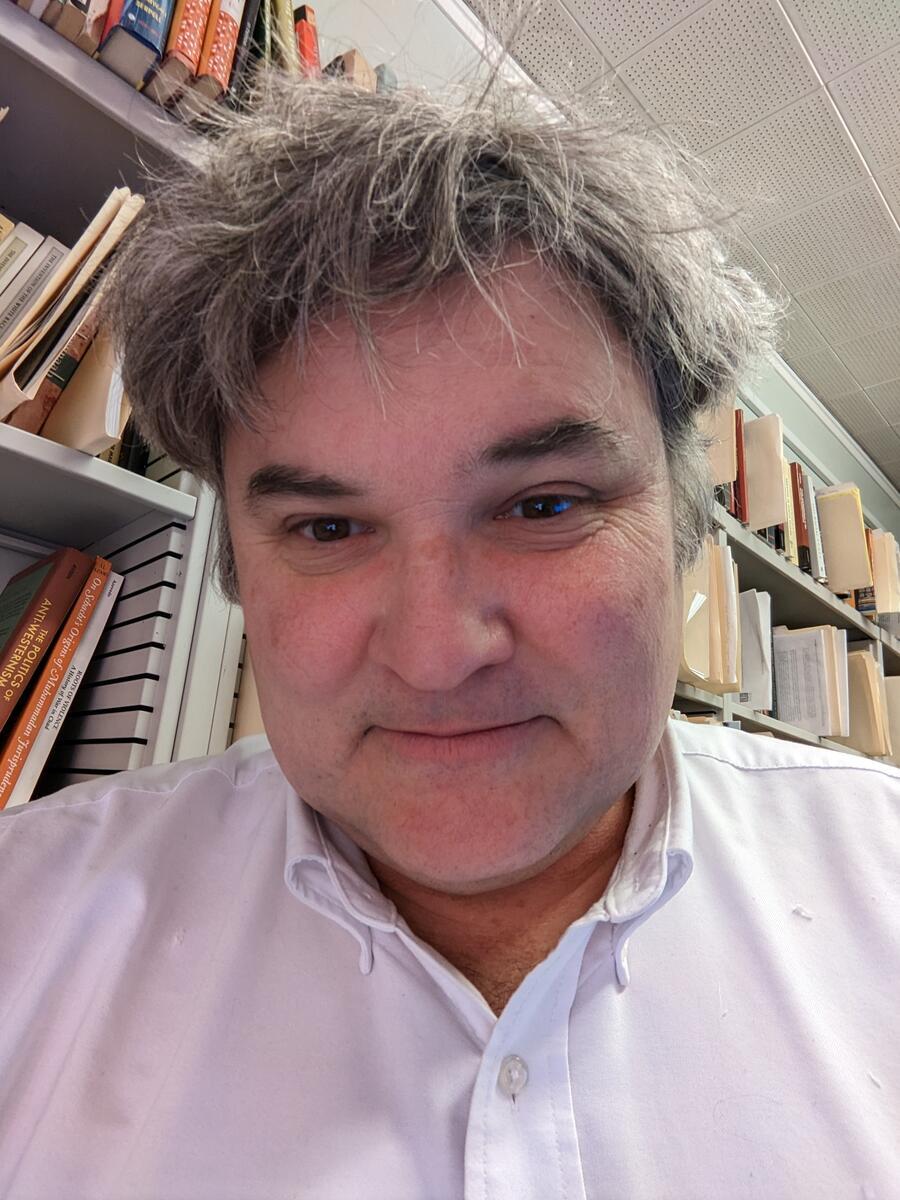
Bruce S. Hall is an Associate Professor at the University of California, Berkeley specializing in the intellectual and social history of West Africa's Sahel region. His research focuses on Muslim intellectual culture, slavery, race, and economic history in Mali, Niger, and Mauritania, with particular attention to Timbuktu and the Niger Bend through Arabic manuscript analysis. Education: PhD, University of Illinois at Urbana-Champaign, 2005 MA, Queen's University (Canada), 1995 BA, University of Toronto, 1994 Research Interests: Hall's work centers on the intersection of Muslim intellectual culture and social structures in pre-colonial and colonial West Africa. He examines how Arabic manuscripts document racial ideologies, slavery systems, and commercial networks, particularly through Timbuktu's 19th-century correspondence. His research reveals how Islamic legal frameworks interacted with social hierarchies and colonial disruptions in circum-Saharan societies. Publications Trends: Hall's scholarly output (2010-2020) consistently analyzes Arabic manuscripts to reconstruct West African intellectual history. Dominant themes include slavery emancipation processes, Islamic legal interpretations of commerce, race conceptualizations across Muslim societies, and Timbuktu's role as a scholarly hub. His work demonstrates increasing engagement with film studies and vernacular media while maintaining core focus on manuscript-based historiography. Scientific Awards: Martin A. Klein Prize (2012) for A History of Race in Muslim West Africa, 1600-1960 Conover-Porter Award (2016) for contribution to Arabic Literature of Africa. Volume 5 Advising and Projects: Hall serves as general editor of the West African Arabic Manuscript Database (WAAMD), a major bibliographic initiative cataloging Arabic materials across West Africa. While specific student advisees aren't listed, his leadership in WAAMD demonstrates extensive collaborative project management involving international scholars and library professionals focused on manuscript preservation and accessibility. Labs and Teams: Hall directs the WAAMD project team housed at UC Berkeley Library, coordinating researchers who catalog and analyze Arabic manuscripts from Mauritania, Mali, and Niger. This digital humanities initiative creates critical infrastructure for West African manuscript studies while training specialists in Arabic paleography and historical methodology.
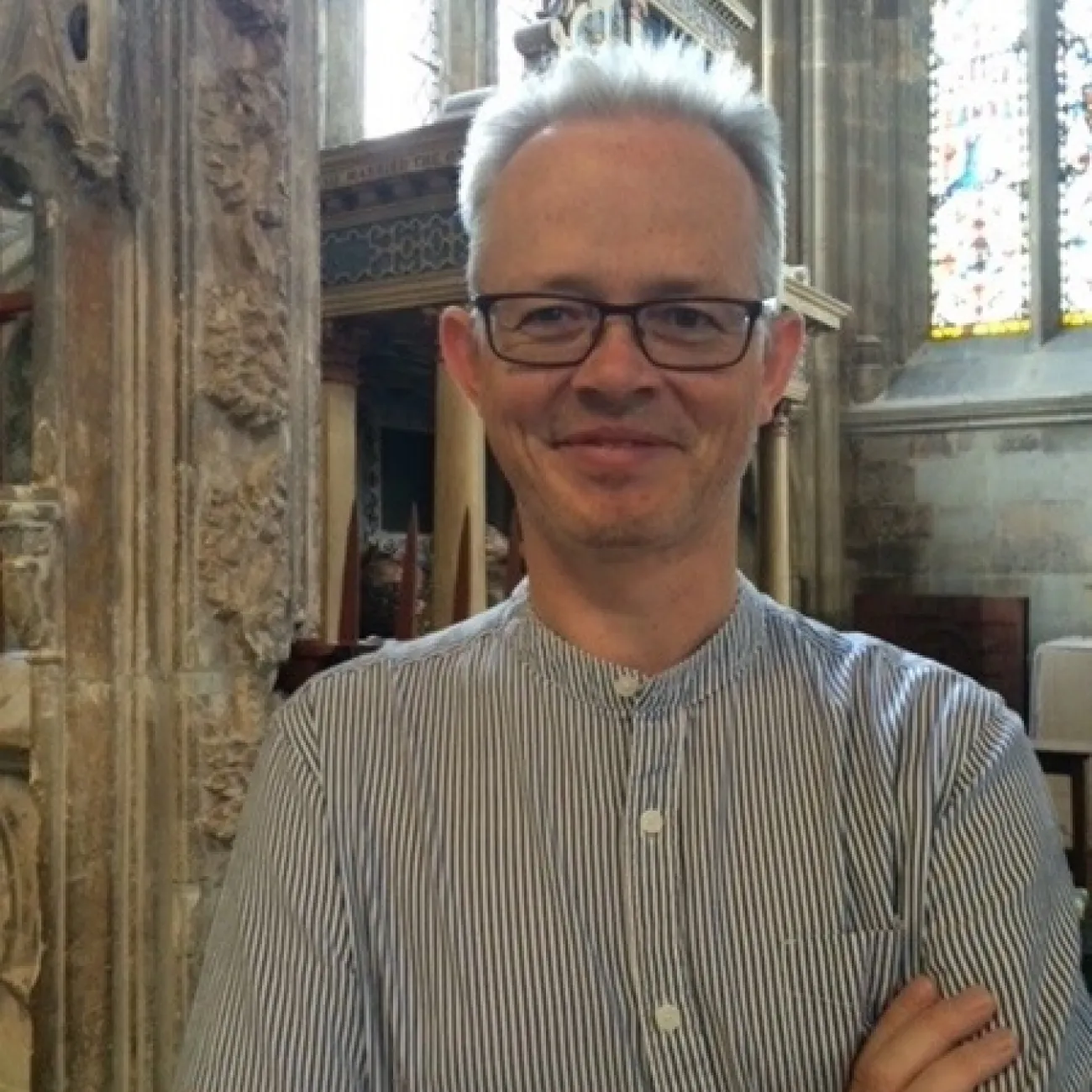
Prof Andrew Peacock holds the Bishop Wardlaw Professorship in the School of History at the University of St Andrews. His research focuses on Islamic and Middle Eastern history, with a particular emphasis on medieval Anatolia, Persian manuscripts, and the cultural exchanges in Southeast Asia and the Indian Ocean. He has supervised PhD students including Hebah Alheem, Ali Shapouran, and Weijie Xu. His recent publications explore Arabic literary culture in 17th-18th century Southeast Asia, Melaka’s historical sources, and the memoirs of Safavid ruler Shah Tahmasp I. Key projects include the ERC-funded 'IslamAnatolia' initiative (2012-2017) and a British Academy grant for studying Arabic language in early modern Southeast Asia. His work often bridges historical analysis with material culture, such as his edited volume on medieval Islamic inscriptions (2023). Prof Peacock’s research also engages with transnational themes, including Ottoman-Darfur diplomacy and the role of urban notables in medieval Anatolia.
Murat FİDAN serves as an Associate Professor in the Department of Economics at Kastamonu University's Faculty of Economics and Administrative Sciences, where he has been a full-time faculty member since 2020. Previously, he held academic positions at Gaziantep University and Kilis 7 Aralık University, specializing in Ottoman economic history and price dynamics. His career spans over two decades of teaching and research in Turkish higher education. His academic credentials include a PhD in Islamic History and Arts from Ondokuz Mayıs University (2003), a Master's in Islamic Law from İnönü University (1996), and a BA in Theology from Ankara University (1993). His foreign language proficiency includes English (YÖKDİL score 60, 2017). FİDAN's research centers on Ottoman economic structures, with particular expertise in price history, trade relations, and institutional analysis. His work bridges Ottoman history with economic methodology, examining narh (price control) records, guild systems, and international trade dynamics. He has published extensively on Kastamonu's regional economy, Ottoman-Russian commercial relations, and the evolution of monetary systems, contributing significantly to understanding pre-modern economic mechanisms through primary source analysis. His publication portfolio shows consistent output with 43 total works including 19 journal articles, 14 conference papers, 2 books, and 8 book chapters. The research demonstrates chronological depth from 2004 to 2024, with recent focus on waqf (endowment) institutions, comparative economic thought, and Eastern Mediterranean maritime history. Methodologically, he combines archival research with economic analysis, primarily using Ottoman-era price records and customs tariff documents. FİDAN has successfully supervised 13 master's theses focusing on Ottoman economic history, Turkish women's labor participation, and regional price dynamics. His sole research project (2016-2018) examined price movements in Kastamonu between 1673-1806 using narh records. He maintains active collaborations with scholars like Serkan Dilek and Tolga Ulusoy, co-authoring multiple publications on economic history topics.
Dr Lionel K Glassey is an Honorary Research Fellow in the Department of History at the University of Glasgow. His work focuses on early modern British political and religious history, with a particular emphasis on 17th-century monarchical transitions and historiography. He is currently preparing a new edition of Gilbert Burnet's The History of My Own Time (1688-1734) for Oxford University Press. His research interests include the Revolution of 1688-1689, the Exclusion Crisis under Charles II, and the interplay between religious reformers like John Knox and political structures. Glassey has published extensively on topics such as provincial governance during interregnums, historiographical narratives of revolutionary events, and early modern correspondence analysis. Teaching responsibilities include the postgraduate course Early Modern Palaeography within the MSc in Information Management & Preservation program.
Delbert Burkett is the Jaak Seynaeve Professor of Biblical Studies and Professor of Religious Studies at Louisiana State University. He specializes in New Testament studies, particularly the history, religion, and literature of earliest Christianity. His research focuses on the Synoptic Problem and early Christian textual traditions. Before joining LSU in 1996, he taught at Western Kentucky University, Appalachian State University, and Lebanon Valley College. He served as Section Head of Religious Studies (2004-2007) and Department Chair (2010-2016). Education: B.A. in Koine and Classical Greek, Abilene Christian College (1971) M.T.S., Harvard Divinity School (1973) Ph.D. in New Testament and Christian Origins, Duke University (1989) Research Interests: Burkett's work examines the literary relationships between the Synoptic Gospels, the 'Son of Man' title in the New Testament, and early Christian origins. His publications include Rethinking the Gospel Sources (multi-volume series) and The Case for Proto-Mark . Publications Trends: His recent articles address topics like Markan narrative analysis, Jewish ritual practices, and Luke-Acts theological unity. Earlier work engaged with Johannine resurrection narratives and Coptic liturgical texts. Awards: 2009-2010 ATLAS Grant 2007 Tiger Athletic Foundation Teaching Award Repeated recognition for undergraduate instruction (Alpha Lambda Delta, 1999/2003) LSU Council on Research Summer Stipends (1997, 2000) 1992 Southern Regional Education Board Travel Grant Teaching & Grants: Teaches courses such as 'A History of God' and 'Apocalyptic Literature.' His grants supported research on gospel sources and early Christian texts. No formal lab affiliations are noted, though he collaborates on initiatives like the 'AI & Religion Collaborative.'
Cristina Dondi serves as a Full Professor in the Department of Modern Literature and Culture at Sapienza University of Rome's Faculty of Arts and Philosophy. Her academic work centers on the history of the book with specialized expertise in incunabula (15th-century printed books), early book trade networks, and digital humanities methodologies. She teaches the "History of the Book" course for Global Humanities students, delivering lectures in person at Rome's Faculty of Arts and Philosophy during the 2024-2025 academic year. Her research spans material evidence of early printed books, Venetian printing practices, Dante's textual circulation, and library transformations during religious secularization. She pioneers digital approaches through projects like 15cBOOKTRADE and CERL, developing visualization tools for historical book movement data and collaborative digital infrastructures. Her work bridges traditional book history with computational analysis, emphasizing how physical artifacts reveal cultural and commercial networks. Analysis of her 2021-2023 publications shows consistent integration of digital tools with historical scholarship, particularly regarding Italian incunabula circulation and MEI database applications. She frequently examines Venetian commercial practices, Dante's reception, and collaborative digital resource creation, demonstrating how visual analytics transforms understanding of pre-modern book economies. Scientific Awards: No specific awards were documented in the provided sources. Professor Dondi leads significant research initiatives including the 15cBOOKTRADE project and Consortium of European Research Libraries (CERL) collaborations, which involve multi-institutional teams developing digital ecosystems for book historical research. These projects generate scholarly publications, digital tools, and educational resources while securing substantial research funding for infrastructure development and international conferences. She actively shapes the CERL digital ecosystem and 15cBOOKTRADE project framework, fostering interdisciplinary collaboration between historians, librarians, and computer scientists. Her current work focuses on expanding Material Evidence in Incunabula (MEI) applications and creating open-access platforms for analyzing early print culture across European collections.
Professor Mark Stoyle is a distinguished historian at the University of Southampton's Faculty of Arts and Humanities, Department of History, specializing in early modern British history. His research focuses on the English Civil War, Tudor Rebellions, and Witchcraft studies, with particular emphasis on regional histories of Devon and Cornwall. His research interests include: The English Civil War crisis of the 1640s Tudor Rebellions including the Western Rising of 1549 ('Prayer Book Rebellion') Early modern witchcraft prosecutions, especially in Exeter Urban society in early modern Britain Analysis of his recent publications reveals consistent thematic focus on marginalized historical narratives - particularly maimed soldiers' petitions from the Civil War period, witchcraft prosecutions in Southwest England, and Tudor-era popular uprisings. His work demonstrates interdisciplinary approaches combining archival research with cultural memory studies and public history engagement. His scientific awards include: Helyer an Gof Prize (2023) for best book on Devon history (2022) Helyer an Gof Prize (2023) for best book on Cornwall history (2022) Professor Stoyle actively supervises PhD students including Conor Byrne, Charlotte Kelly Rebecca Samways, and Imogen Bryony Tozer, while leading major AHRC-funded projects. His external engagements include serving on the Royal Historical Society Council, the Victoria County History advisory board, and BBC History Magazine's editorial panel. He has appeared on over 50 radio and television programs including 'The World at One' and 'Who Do You Think You Are?'. His current research includes transcribing maimed soldiers' petitions for the 'Conflict, Welfare and Memory' project, completing a monograph on the Western Rising of 1549, and researching post-Restoration witchcraft prosecutions in Exeter.
Nevin Reda serves as Associate Professor of Muslim Studies and Director of the Muslim Studies program (MPS) at Emmanuel College, Victoria University within the University of Toronto. Her academic leadership spans Qur'anic scholarship, Islamic legal theory, and interfaith education, with active teaching in courses such as Surat al-Baqara, Islamic Law, and Bible-Qur'an Dialogue. Her educational foundation includes: BSc, Cairo University (1989) MA, University of Toronto (2003) PhD, University of Toronto (2010) Dr. Reda's research centers on Qur'anic poetics and narrative structure, integrating literary theory, Islamic spiritual care, and Biblical Hebrew studies. She pioneers spiritually integrative approaches to Islamic ethical-legal theory (uṣūl al-fiqh) and develops interreligious pedagogies that bridge theological divides. Her work critically engages gender justice, domestic violence interpretations, and democratic theology through Qur'anic exegesis, emphasizing contextual hermeneutics and feminist perspectives. Analysis of her 15 most recent publications (2024-2010) reveals dominant trends in Qur'anic narrative analysis, gender-ethics intersections in Islamic law, and postcolonial interfaith dialogue frameworks. Key subfields include spiritually integrative readings of verse 4:34, reform of uṣūl al-fiqh for marriage ethics, and comparative Torah-Qur'an exegesis, demonstrating consistent methodological innovation across disciplines. No scientific awards were documented in the source material. As MPS Director, Dr. Reda mentors graduate students in Muslim Studies while advancing curriculum development for intercultural theological education. Her scholarly output—including two monographs and collaborations with institutions like Women and Memory Forum—reflects sustained research leadership, though specific grant details remain unreported. Current projects focus on Qur'anic structure theory and decolonizing epistemologies in religious studies.
Paul Anderson serves as Professor of Biblical and Quaker Studies at George Fox University's School of Theology, where he has taught since January 1989. His academic journey includes a PhD from Glasgow University, MDiv from Earlham School of Religion, graduate studies at Trinity Lutheran Seminary and Portland State University, and a BA from Malone University. Anderson maintains significant international academic connections as extraordinary professor of religion at North-West University of Potchefstroom (South Africa) and adjunct professor at Barclay College and Portland Seminary. Anderson's research centers on the Gospel of John, Jesus studies, and Quaker theology. He pioneered cognitive-critical analysis of Johannine traditions to address Christological tensions, developing his "Bi-Optic Hypothesis" for understanding John's composition. His influential book The Fourth Gospel and the Quest for Jesus argues for John's significance in historical Jesus research, while From Crisis to Christ provides a contextual New Testament introduction bridging ancient and contemporary contexts. His work on Quaker spirituality, including Following Jesus , explores practical Christian discipleship within the Friends tradition. As a prolific scholar with over 400 published essays, Anderson has shaped Johannine studies through his founding role in the John, Jesus, and History Project (SBL 2002-2016) and co-editing of four major volumes in its series. His recent publications (2021-2024) demonstrate continued scholarly vitality, focusing on Johannine theology, historical Jesus research, and Quaker thought. These works reveal his consistent engagement with dialectical tensions in John, universalism/exclusivism debates, and the application of biblical insights to contemporary spirituality. Founding member of the John, Jesus, and History Project (SBL 2002-2016) Editor of Biblical Interpretation series (E.J. Brill) Editor of Johannine Monograph Series Editor of Quakers and the Disciplines series (FAHE) Former editor of Evangelical Friend (1990-1994) and Quaker Religious Thought (2000-2011) Anderson's academic leadership extends through visiting professorships at Yale Divinity School (where he taught 1998-1999) and Princeton Theological Seminary, along with international appointments as DAAD professor at the University of Mainz and Fulbright Specialist at Radboud University of Nijmegen. His work bridges scholarly rigor and practical spirituality, particularly in Quaker contexts, while maintaining active engagement with contemporary theological debates through his extensive publication record and editorial work.
Audrey Truschke is Professor of South Asian History and Director of Asian Studies at Rutgers University–Newark, within the Department of History, Faculty of Arts and Sciences. She holds a Ph.D. from Columbia University and specializes in the cultural, imperial, and intellectual history of early modern and modern India (c. 1500–present). Her scholarship bridges deep historical inquiry with urgent contemporary debates, particularly around religious identity, nationalism, and decolonization. Truschke earned her B.A. in Religious Studies from the University of Chicago (2004) and her Ph.D. in Middle Eastern, South Asian, and African Studies from Columbia University (2012). Her academic journey includes prestigious fellowships at Stanford University, the University of Cambridge, and the University of Sorbonne Nouvelle Paris III. Her research centers on South Asian history, with a focus on the Mughal Empire, Indo-Muslim rule, Sanskrit-Persian cultural exchanges, and the historical construction of Hindu identity. She critically examines how premodern histories are mobilized in modern political projects, especially Hindu nationalism (Hindutva). Her work spans cultural, intellectual, and religious history, emphasizing philology, translation, and the politics of historical memory. Truschke’s recent publications reveal a consistent trajectory: analyzing the evolution of religious and ethnic identities, particularly 'Hindu' and 'Han', through longue durée historical lenses. Her articles explore how empires, religions, and languages interacted in South Asia, and how these pasts are weaponized in the present. She frequently engages with themes of hegemony, identity formation, and the dangers of historical falsification, especially in the context of Hindutva ideology and its global manifestations. Scientific Awards and Honors: Karwaan Book Award (2022) National Endowment for the Humanities Public Scholars Fellowship (2021) Rutgers Board of Trustees Research Fellowship for Scholarly Excellence (2020) John F. Richards Prize in South Asian History, American Historical Association (2017) Andrew W. Mellon Postdoctoral Fellowship (2013–2016) Fulbright-Hays Doctoral Dissertation Research Abroad Fellowship (2009–2010) Truschke is an active advisor and mentor, though specific student names are not listed in the provided texts. She has secured significant research funding, including grants from the NEH and Princeton University Press. Her public scholarship includes contributions to the South Asia Scholar Activist Collective , the Hindutva Harassment Field Manual , and the Reporting Guide on Hindu Nationalism . She is currently writing a single-volume history of India for Princeton University Press, forthcoming in 2025. She is affiliated with several research initiatives, including the South Asia Scholar Activist Collective (SASAC), and maintains an active public presence through her personal website, media appearances, and public writings. Her work bridges the academy and public discourse, challenging dominant narratives and promoting historical accuracy in understanding South Asia.
Wendy Salmond is a Professor of Art at Chapman University, holding the Martha Weidlein Masters Professorship in Art within the Wilkinson College of Arts, Humanities, and Social Sciences. She specializes in Russian and Soviet art, design, icons, architecture, the Romanov Family, and Russian Revolutionary Culture. Dr. Salmond received her academic training with a BA (Hons I) in Russian Language and Literature from the University of Otago in New Zealand (1978), followed by an MA in Slavic Languages and Literatures (1983) and a PhD in Art History (1989), both from the University of Texas at Austin. Professor Salmond is a renowned scholar of Russian and early Soviet art, architecture, and design, with particular expertise in exploring the intersection of diverse cultural traditions in Russia and the formation of national identity. Her research spans the Arts and Crafts movement, Art Nouveau, and Russian modernism, with a current focus on transformations in the perception and function of icons in Russia, from objects of devotion to works of art. She has made significant contributions to the study of Russian icons through extensive writing, lecturing, and curatorial work, including serving as a visiting curator at Hillwood Museum and Gardens and guest curator for exhibitions at Hillwood and The New York Public Library. Analysis of Professor Salmond's recent publications reveals a consistent focus on Russian religious and secular art, particularly icons and their evolving cultural significance. Her work spans historical periods from Imperial Russia through the Soviet era, with particular attention to the intersection of religious tradition and modern artistic movements. The 2020 publication 'Eternity in Low Earth Orbit: Icons on the International Space Station' demonstrates her innovative approach, examining how Russian Orthodox icons have been incorporated into the International Space Station as sacred objects, connecting terrestrial religious traditions with space exploration. Among her notable honors, Professor Salmond holds the Martha Weidlein Masters Professorship in Art at Chapman University. She has also been recognized through invitations to curate major exhibitions and edit significant scholarly volumes on Russian art. Professor Salmond teaches courses on European modernism, graphic design history, gender and Western art, art history methods, and Russian art, design, and visual culture of the Imperial and early Soviet era. Her teaching emphasizes close visual analysis, sustained discussion, and the development of research skills. As a prolific translator of texts on Russian art and culture, she has edited volumes on Sergei Konenkov, the Bolshevik sales of Russian art in the 1920s and 1930s, and the reception of Art Nouveau in Russia. Her scholarly work extends beyond traditional academic boundaries through her active engagement with museum curation and public scholarship, creating bridges between academic research and public understanding of Russian art and culture.
Rodrigo García-Velasco is an academic staff member at the Department of History, University College London (UCL), specializing in medieval Iberian history, with a focus on economic and legal interactions between Jews, Muslims, and Christians. He leads the project Documentary Afterlives: Recycling the Past in Premodern Iberian Judiciaries, 1371-1600 , exploring how marginalized groups preserved and reused legal documents in Castile. He is also completing his first book, Jews and Muslims Before the Law in Christian Iberia, 1000-1200 , analyzing the emergence of legal distinctions for religious minorities in municipal laws. His research interests include medieval legal systems, religious minority treatments, Arabic-Latin literary exchanges, Mediterranean mobility, and the historiography of convivencia. He holds a PhD from the University of Cambridge (2019), and has worked as a Rothschild Foundation Post-Doctoral Fellow there. Publications span Medieval Encounters , al-Masaq , and edited volumes on Christian-Muslim relations. His work emphasizes the role of documentary practices in post-conquest societies, linking Islamicate legal knowledge to Christian institutional management of land and heritage.
Vazira Fazila-Yacoobali Zamindar serves as Associate Professor of History at Brown University, specializing in modern South Asia, decolonization, and visual archives. Her interdisciplinary work bridges historical scholarship with contemporary art and public engagement, notably through her acclaimed book The Long Partition and the Making of Modern South Asia (2007). Her educational background includes a PhD from Columbia University (2003), MA from the University of Michigan Ann Arbor (1997), and BA from Wellesley College (1992). As Director of Brown's South Asian Studies Program (2012-2016), she co-organized the Brown-Harvard Pakistani Film Festivals and founded the Theory from the South reading group. Zamindar's research critically examines decolonization, displacement, and statelessness through visual and oral histories. Current projects include a graphic novel collaboration with Sarnath Banerjee on Gandhi and Abdul Ghaffar Khan (supported by the Salomon Research Grant) and the Anticolonial solo exhibition at Karachi's Canvas Gallery (2023), exploring anticolonial resistance on the Indo-Afghan border. Her publications reveal evolving interdisciplinary trends: early works focus on Partition refugees and borders, while recent scholarship (2020-2023) emphasizes repair, statelessness architectures, and secularism in South Asian art. Recurring themes include border politics, visual culture, and decolonial methodologies across historical and contemporary contexts. Scientific recognition includes: National Endowment for the Humanities Fellowship (2009-10) Fulbright Research Scholar (2008-9) Richard B. Salomon Faculty Research Award (2022-23) Visiting Fellow at FU Berlin's Center for Affective Societies (2020-21) She actively engages public scholarship through collaborations with Primary Source, RISD Museum, Lahore Museum, and media appearances on BBC Radio's Museum of Lost Objects . Her teaching portfolio includes courses like Resisting Empire: Gandhi and the Making of Modern South Asia and Art History from the South , reflecting commitment to decolonial pedagogy. Zamindar co-leads the Decolonial Initiative on Migration of Objects and People and continues developing her graphic novel project while expanding the Art History from the South series through collaborations with scholars like Tapati Guha-Thakurta.