Dr. Gavin Mount is a researcher at UNSW Canberra , specializing in non-traditional security studies , ethnic conflict , and the sociopolitical implications of emerging technologies . His work bridges theoretical analysis with practical applications in conflict transformation and defense studies. Research Focus: Global politics of ethnic conflict, hybrid peace/war frameworks, and socio-political impacts of drone technology. Teaching: Courses like Ethnic Conflict in World Politics and Law, Force and Legitimacy , with a focus on military education and strategic studies. Publications: Recent work includes contributions to Thinking Swarms (2025) and Hybridity on the Ground in Peacebuilding and Development (2018). Grants: Leads the Curricula Integration of Student Wellbeing Resources project under HERDSA. Key Themes across his research include the intersection of technology and conflict, evolving defense paradigms, and pedagogical innovations in security studies.
Caroline Goodson is a Professor of Early Medieval History at the University of Cambridge and a Fellow of King’s College. She holds a dual affiliation with the American Academy in Rome as the Andrew H. Mellon Humanities Professor (2024-2026). Her work bridges history, archaeology, and material culture studies, focusing on early medieval Mediterranean polities and urban dynamics. Education: BFA from Rhode Island School of Design (1997), PhD in Art History and Archaeology from Columbia University (2004). Prior to Cambridge, she taught at Birkbeck College, University of London (2005–2017). Research interests include urban archaeology, medieval power structures, and the interplay between material culture and political authority. She has led excavations at sites like Villa Magna in Italy and authored influential works on papal urbanism and medieval garden spaces. Recent publications include Cultivating the City in Early Medieval Italy (2021) and edited volumes such as Graphic Signs of Identity, Faith, and Power (2017). Her current work explores environmental impacts on medieval urban life. Awardee of the Rome Prize (2003) and a Fellow of the Royal Historical Society (2010), she serves on editorial boards for Speculum and Oxford Studies in Medieval European History .
Andrew Ollett is an Associate Professor and Director of Graduate Studies in the Department of South Asian Languages and Civilizations at the University of Chicago , where he has taught since 2019. His research focuses on the literary and intellectual traditions of South and Southeast Asia, particularly through works in Sanskrit, Prakrit, Apabhramsha, and Kannada from the first millennium CE. Co-founder and editor of NESAR (New Explorations in South Asia Research) Director of NEH-funded edition/translation of the Kavirājamārga (earliest Kannada literary manual) Expert in Prakrit and Kannada literary traditions His work explores the 'question of language'—examining how language choice shaped cultural production and change in premodern India. Current projects include a monograph on context-sensitivity in Indian language theories and a study of manuscript technology's impact on early South Asian knowledge communities. He has authored The Mirror of Ornaments (Naples: Unior Press, 2025) and Language of the Snakes (UC Press, 2017), and co-authored Lilavai (Harvard, 2021). Recent publications include interdisciplinary studies on: Sanskrit-Prakrit campū genre reevaluation Pragmatics in Mīmāṁsā interpretive concepts Manuscript literacy's influence on literary forms Historical linguistics of Middle Indic syllable reduction Philosophy of language in Śālikanātha and Kumārila Bhaṭṭa Awarded the NEH 'Scholarly Editions and Translations' grant , he teaches classical South Asian literature courses covering Sanskrit, Prakrit, and Tamil traditions. He maintains digital resources including a Prakrit Digital Texts Project and Mīmāṁsādigdarśinī digital text repository, and actively contributes to open-access scholarship.
Professor D Graham J Shipley is the Professor of Ancient History at the University of Leicester's School of Archaeology and Ancient History since 2002. His research focuses on Hellenistic and Classical antiquity, particularly on political landscapes, environmental studies, and urban planning. He holds a D.Litt. from the University of Oxford (2020) and is a Senior Fellow of the Higher Education Academy (2014). Education: Graduated in Classics from Oxford University. Academic roles include serving on the Oxford Classical Texts Committee and the UK Education Honours Committee. Previously chaired the Council of University Classical Departments and convened the Dorothy Buchan Memorial lectures. Research interests emphasize ancient geography, socio-political structures, and environmental interactions. His work spans studies of Sparta, Greek urban planning, and the cultural impact of Hellenistic expansion. Recent publications examine Pseudo-Skylax's geographical texts and post-Alexandrian political dynamics. Scientific Awards: Senior Fellow of the Higher Education Academy (2014) D.Litt. (Doctor of Letters) from University of Oxford (2020) Advising and Grants: No specific advisees listed, but supervises research in ancient history and archaeology. Active in collaborative projects such as the Laconia Survey. Grants have supported archaeological fieldwork and publication initiatives. Labs/Teams: Collaborates with the Oxford Classical Texts Committee and has led interdisciplinary teams in regional archaeological surveys.
Prof. Dr. Ulrike Freitag is a distinguished scholar in Islamic Studies and social history of the Arab world, holding a Professorship at Freie Universität Berlin and serving as Director of the Leibniz-Zentrum Moderner Orient (ZMO) . Her work bridges urban history, transregional Islamic networks, and Arabian Peninsula studies within Indian Ocean and Red Sea contexts. Education : PhD in Islamic Studies (Freiburg, 1991), Habilitation (Bonn, 2002) Research : Focus on Ottoman urban violence, Saudi state formation, Hadhrami diaspora, and historical urbanism in Jeddah Her supervision of PhD projects spans topics from Moroccan Sufi sanctußen to Yemeni Jewish communities. Recent scientific awards include fellowships at Leiden University and Käthe-Hamburger Kolleg. She contributes to public discourse through Tagesspiegel op-eds and international conferences.
Professor Catherine Allerton is a faculty member in the Department of Anthropology at the London School of Economics and Political Science (LSE). She specializes in the materialities and mobilities of everyday life, with a focus on place, kinship, childhood, migration, and temporalities in island Southeast Asia. Her fieldwork spans a two-placed village in Flores, Indonesia, and Kota Kinabalu, Sabah, East Malaysia. Her research emphasizes interdisciplinary ethnographic methods, particularly involving child participants to challenge adult-centric approaches. She launched the 'Childhood in the Migrant City' exhibition using child-taken photographs from her ESRC-sponsored research. Current projects include exploring discordant temporalities between migration systems and childhood development, as well as completing a book manuscript on moral economies of belonging. Key research interests include the social and political dimensions of landscapes, the anthropology of children, and the impacts of legal status on marginalized youth. She teaches an LSE course on 'Children and Youth in Contemporary Ethnography' and actively supervises PhD students focusing on childhood, migration, citizenship, and Southeast Asian studies. Her work addresses exclusionary practices tied to race, religion, and legal frameworks in Malaysia and Indonesia. Languages spoken include Bahasa Manggarai, English, Indonesian, and Malay. No part-time status is mentioned, indicating full-time faculty commitment.
Dr. Ellen Posman is a Professor and Chair of the Department of Religion at Baldwin Wallace University, Ohio. She also chairs the Faith & Life program and holds a Ph.D. from the University of California, Santa Barbara (UCSB), an M.T.S. from Harvard Divinity School, and a B.A. from Stanford University. Her research focuses on comparative religion, particularly Asian religions and Judaism, with specialties in exile/diaspora studies, Buddhism, and religious violence. She has conducted ethnographic research in India, Nepal, Israel, Palestine, Turkey, Taiwan, Thailand, and Sri Lanka, exploring topics like Theravada Buddhist nuns' ordination rights and the intersection of religion with globalization. Posman’s teaching spans introductory religion courses to specialized topics such as Asian religions, religion and violence, and women in religion. She led a study-abroad initiative to India (2007–2008) examining religion’s role in poverty and development. Her work emphasizes civic engagement pedagogy, including contributions to the Spotlight on Teaching section of Religious Studies News. She co-edited a special journal issue on religious communities in exile and has published widely on Buddhism, interfaith dialogue, and religious pedagogy. Posman’s research has been funded by grants, including an NEH summer seminar on classical Buddhist texts. She is featured in the documentary Bhikkhuni: Buddhism, Sri Lanka, Revolution , highlighting her expertise on Theravada nuns. Her academic service includes roles as a reviewer for the American Academy of Religion and collaborative projects on transnational pedagogy and interfaith engagement.
Neil Pembroke is a Lecturer in Studies in Religion at the University of Queensland , affiliated with the School of Historical and Philosophical Inquiry . His academic work bridges theology, philosophy, and pastoral care, with a focus on spiritual formation, healthcare ethics, and the intersection of psychology and religion. Education : B.Eng (Agric.), B.Th (B.C.T.), BA (Hons), PhD (Edin) Teaching interests : Jung and Human Spirituality, Religion and Health, Mysticism, Psychology of Religion, Religion and Psychotherapies His research explores therapeutic preaching, spiritual maturity, and the role of empathy in Christian and interfaith contexts. He has contributed to organizational spirituality, particularly in church-sponsored healthcare, and examined compassion fatigue through Christian and Buddhist perspectives. Publications include books like Divine Therapeia and the Sermon and Renewing Pastoral Practice , with over 50 journal articles and 10 book chapters. Collaborative projects span international studies on pastoral care models and interdisciplinary dialogues on ethics. Neil Pembroke's work emphasizes the integration of theological and psychological insights into personal and communal spiritual growth, with a particular focus on shame, identity, and the relational Trinity as frameworks for pastoral practice.
Bart Wallet is Professor of Jewish Studies specializing in Early Modern and Modern Jewish History at the University of Amsterdam's Faculty of Humanities, where he is affiliated with the Department of Semitic Languages and Cultures. His academic work focuses on the intricate relationship between Jewish communities and Dutch society throughout history, with particular emphasis on the connections between the Dutch Royal House and Jewish communities. Wallet's research interests span Dutch Jewish history from the early modern period to the contemporary era, with special attention to Yiddish studies, religious history, cultural integration, and the development of Jewish identity in the Netherlands. His scholarly output reveals a consistent focus on how Jewish communities navigated their position as a religious minority within Dutch society, particularly examining the complex dynamics between Jewish citizens and the Dutch state and monarchy. His work often explores the tension between religious tradition and modernization, and how Jewish communities maintained their identity while integrating into broader Dutch society. Analysis of his recent publications shows a strong thematic concentration on Orange-Jewish relations throughout Dutch history, Jewish military service, religious education, and the material culture of Jewish communities. His scholarship demonstrates a methodological approach that combines cultural history with religious studies, often revealing how seemingly mundane aspects of daily life reflect broader societal patterns of integration and identity formation. The geographic focus remains predominantly on the Netherlands, though with comparative perspectives on Jewish communities in other European contexts. Professor Wallet has been active in public scholarship through media appearances, radio programs, and contributions to encyclopedias. His work has appeared in both academic journals and public-facing media outlets, demonstrating his commitment to making Jewish history accessible to broader audiences. He has contributed to numerous radio programs on Jewish history for Dutch Jewish radio stations and has written for newspapers including the Reformatorisch Dagblad. His academic contributions include extensive work on Dutch-Jewish relations, particularly focusing on the relationship between Jewish communities and the Dutch Royal House throughout history. He has also produced significant scholarship on Jewish integration in Dutch society, religious education, and the development of Jewish identity in the Netherlands from the early modern period to the present day. His work often examines how Jewish communities maintained religious traditions while adapting to changing social and political contexts.
Rachel Fell McDermott is Professor of Asian and Middle Eastern Cultures at Barnard College, Columbia University, specializing in South Asian religions, particularly the Hindu goddess traditions of Bengal in India and Bangladesh. Her work bridges religious studies, human rights, and comparative religion, with a strong focus on Kali, Durga Puja, and the literary legacy of Kazi Nazrul Islam. Education: A.B., Religious Studies, University of Pennsylvania, 1981 M.Div., Harvard Divinity School, 1984 A.M., Study of Religion, Harvard University, 1986 Ph.D., Study of Religion, Harvard University, 1993 Her research centers on the religious and cultural dynamics of Bengal, exploring themes such as goddess worship, ritual practices, religious poetry, and the intersection of religion with politics and identity. She is deeply engaged in comparative religion, examining how religious themes like suffering, sacrifice, and divine femininity manifest across traditions. Her scholarship also addresses diasporic religious experiences, digital religion, and interfaith dialogue, particularly between Hindu and Christian communities. The 15 most recent publications reflect a sustained scholarly engagement with goddess traditions, especially Kali and Durga, as well as broader themes in South Asian religion, including Tantric symbolism, festival culture, and the reception of Hindu deities in the West. Her work spans ethnographic, historical, and textual analysis, often highlighting the contested and evolving nature of religious canons. She frequently contributes to major academic anthologies and journals in religious studies, South Asian studies, and comparative theology. Scientific Awards: No specific awards listed in the provided text. As a senior professor and managing editor of major academic volumes, she has likely advised numerous graduate students and secured research funding, though specific names and grants are not mentioned. She teaches courses such as “Why Do Bad Things Happen to Good People?” that explore theodicy across religions. She is currently on leave for the 2024–2025 academic year, indicating ongoing active involvement in academic life. She is involved in significant editorial projects, including the third edition of The Sources of Indian Traditions , and is working on translations and a monograph on Kazi Nazrul Islam. Her scholarly presence includes invited lectures at institutions such as Princeton, the University of Connecticut, and the Bangla Academy in Dhaka, reflecting her international recognition in the field of South Asian religious studies.
Charles D. Piot is a Professor and Bass Fellow in the Department of Cultural Anthropology at Duke University's Arts & Sciences. His work spans contemporary culture and politics, histories of slavery and colonialism, and transnational African diasporic studies. Ph.D., University of Virginia (1986) M.A., University of Virginia (1982) B.A., Princeton University (1973) Research focuses on francophone West Africa , particularly Togo, with theoretical contributions to modernity , biopolitics , postcolonialism , and transnational migration . He explores how globalization, NGOs, and religious movements reshape sovereignty and social structures. Recent work examines urban informality and economic resilience in African microenterprises. His publications include award-winning books Nostalgia For the Future (2010) and Remotely Global (1999), alongside peer-reviewed articles on topics ranging from visa lottery systems to ethnographic theory. As co-editor of Cultural Anthropology (2011-2015), he advanced open-access publishing initiatives. Scientific awards include the African Politics Conference Group Award for Best Book on African Politics (2010) Royal Anthropological Institute's Amaury Talbot Prize (1999) African Studies Association's Herskovits Prize finalist (1999)
Jan O. Jonsson is a Professor of Sociology at Nuffield College, University of Oxford. His primary research focuses on social stratification, including educational inequality, class structure, and social mobility. He also studies ethnic stratification, particularly through his role as Principal Investigator (PI) for Sweden in the comparative CILS4EU project on minority schoolchildren integration. Jonsson oversees the Swedish Level-of-Living Survey (LNU), shaping his interest in welfare distribution analysis. His work bridges macro-level social structures with micro-level individual experiences, emphasizing intergenerational processes and immigrant integration. Research interests prominently feature studies on educational attainment disparities, immigrant integration dynamics in Sweden and Europe, and the social consequences of economic hardship. His recent work explores occupational aspirations among immigrant youth, mental health advantages of immigrant backgrounds, and policy impacts on child poverty during economic crises. As PI for CILS4EU, Jonsson leads a multinational study investigating educational and social integration trajectories of second-generation immigrants across Europe. His contributions include analyzing Sweden’s ‘middle way’ between social mobility and inequality patterns, and evaluating educational expansion strategies’ equity impacts. He has authored numerous articles on poverty measurement, family influences on mobility, and the role of education in socioeconomic reproduction. Key projects include the Level-of-Living Survey (LNU), which tracks welfare metrics, and comparative studies on social mobility across nations. His work frequently engages with policy implications of structural inequities, offering evidence-based insights for educational and social policies.
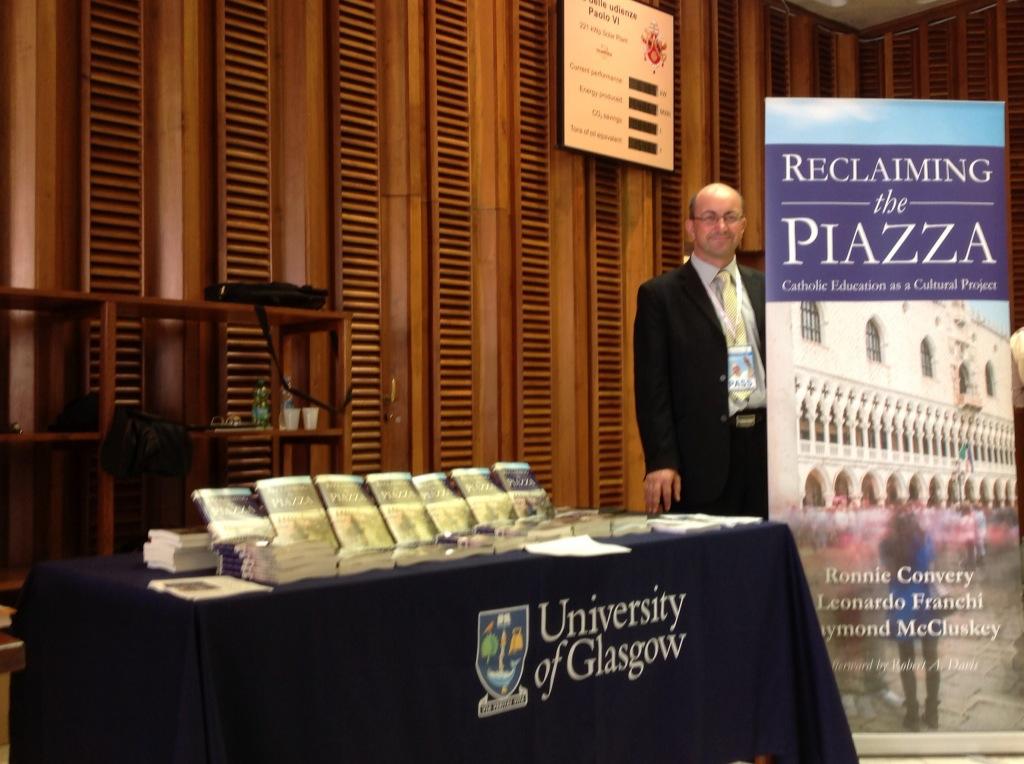
Dr. Leonardo Franchi serves as a Senior Lecturer in Pedagogy, Praxis & Faith at the University of Glasgow's School of Education. He is an internationally recognized scholar in Catholic education, holding significant editorial roles including Series Editor for both Catholic Education Globally - Challenges and Opportunities (Springer) and Education and Integral Human Development (Catholic University of America Press). In September 2024, he was appointed co-convenor of the Scottish Catholic Historical Association and maintains an active role as Executive Member of the Association of Catholic Institutes of Education. Franchi's educational background includes a Master of Arts (Hons), Post Graduate Certificate in Education, Master of Education, Post Graduate Certificate in Academic Practice, and a PhD. His academic journey reflects both theoretical depth and practical teaching experience in educational settings. His research interests center on Catholic education with particular focus on religious education, teacher formation, and the integration of liberal arts in higher education. Franchi has made significant scholarly contributions through the Reclaiming the Piazza series and numerous publications exploring how Catholic educational philosophy can address contemporary challenges while maintaining theological integrity. His work consistently examines the intersection of faith, culture, and educational practice, with increasing attention to character formation, intercultural dialogue, and the application of Catholic social teaching to educational policy. Analysis of his recent publications reveals a consistent trajectory examining Catholic educational identity in pluralistic contexts, with growing emphasis on character formation, teacher professional identity, and the integration of Catholic intellectual tradition with contemporary educational challenges. His 2023-2025 work shows increased focus on Scottish Catholic educational history, the application of papal encyclicals to educational practice, and the role of music and arts in religious formation. Series Editor for Catholic Education Globally - Challenges and Opportunities (Springer) Series Editor for Education and Integral Human Development (Catholic University of America Press) Co-convenor of Scottish Catholic Historical Association (since 2024) Executive Member of Association of Catholic Institutes of Education (since 2016) Academic Adviser to Academic Advisory Forum for Religious Education Reform in England and Wales (2019-2022) Franchi actively supervises doctoral students on diverse topics including professional identity of Catholic school teachers, music and religious education, Jesuit educational charism, and solidarity in Jesuit higher education. His supervision portfolio demonstrates his commitment to both theoretical exploration and practical application in religious educational contexts. He has received grant funding, including £10,000 from Porticus UK to support academics from developing countries attending the ACISE 2018 conference. Franchi also serves on multiple editorial boards including Review of Religious Education, Formation and Theology, and Studia Pedagogica Ignatiana. His professional activities extend to international presentations, with keynotes at institutions including Australian Institute of Theological Education and Radboud University, demonstrating his global influence in Catholic educational discourse. Franchi also serves as Director of Mater Christi Multi Academy Trust in Lancaster and holds a 0.5 FTE position as Professor of Catholic Education at the University of Notre Dame Australia.
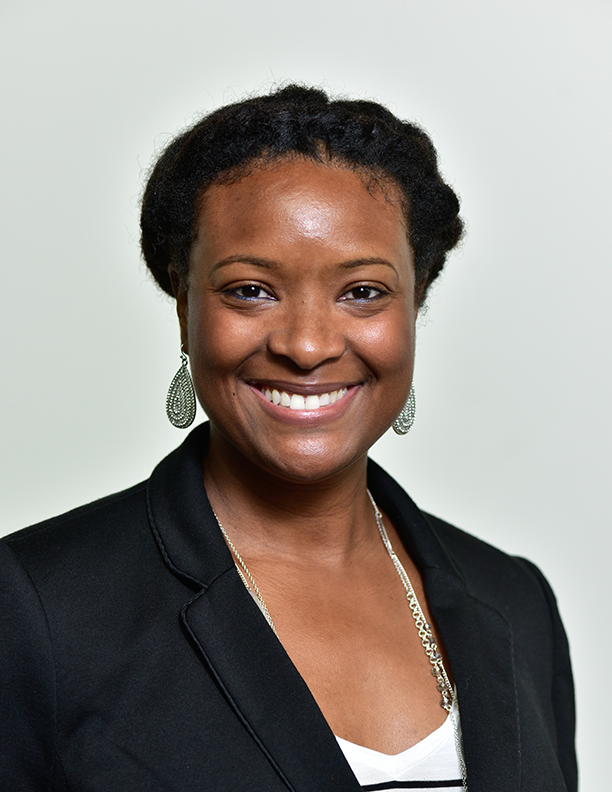
Tonya Sanders Thach, Ph.D., serves as Associate Professor in the Department of City and Regional Planning within Morgan State University's School of Architecture and Planning. A certified planner (AICP) with 17+ years of experience, she specializes in community engagement to address environmental, housing, transportation, and health disparities in marginalized communities through partnerships with faith-based organizations. Her academic credentials include: B.A. in Psychology from Truman State University (minor in Spanish) M.A. in Community Psychology and Social Change from The Pennsylvania State University Ph.D. in Urban Planning and Policy from the University of Illinois at Chicago Dr. Sanders Thach's research explores Faith-based Community Development, Curriculum Development, Health and Community Development, Community Engagement, and Climate Adaptation. She designs community engagement strategies and evaluates interventions for sustainability and equity, particularly in lower-income minority communities facing historic environmental injustice and housing disparities. Her work emphasizes dismantling structural barriers through faith-based partnerships while advancing public health and affordable housing solutions. Analysis of her 2014-2018 publications reveals consistent focus on power dynamics in faith-based cross-sector collaborations, climate adaptation in vulnerable urban settings, and community-driven historic preservation. Her work demonstrates how religious institutions can catalyze equitable development while navigating complex partnership challenges in marginalized communities. Her notable recognition includes: Civic Leadership Award, Proviso Action Committee (2011) Dr. Sanders Thach has secured significant grant funding including a $25 million Department of Energy grant for the Baltimore Social-Environmental Collaborative (2022-2027) as Co-PI, NIH-funded CBPR research on sanitation ($20,000), EPA green infrastructure projects ($60,000), and multiple community planning grants from local governments. Current initiatives involve partnerships with Enterprise Community Partners, Community Development Network of Maryland, and Southwest Partners to address housing, health, and climate resilience in Baltimore. She co-leads the Baltimore Social Environmental Collaboration (40+ researchers from 12 institutions), serves as Board Chair of Interfaith Partners for the Chesapeake, and contributes to national planning education through the Association of Collegiate Schools of Planning and American Planning Association.
Sarah Moser is an Associate Professor in the Department of Geography at McGill University's Faculty of Arts, where she conducts research at the intersection of urban and cultural geography. Her office is located in Burnside Hall 413, and she can be reached at (514) 266-9908 or sarah.moser@mcgill.ca. Dr. Moser leads the New Cities Lab, which examines new cities, nation-building, migration, discourses of sustainability, and urban policy mobility from a human geography perspective. Dr. Moser's academic background includes: PhD in Geography from the National University of Singapore Postdoctoral Fellow at the Center for Urban and Global Studies, Trinity College Postdoctoral Fellow at the Massachusetts Institute of Technology Her research primarily examines how national, religious, and ethnic identities shape cities in Southeast Asia and the Muslim world. Dr. Moser is particularly fascinated by the transnational circulation of identity, architecture and urban policy, and how cities across Asia are increasingly looking to other parts of the global south rather than to 'the west' for inspiration. Her current work investigates the global emergence of supra-national religious and ethnic identities and how they are manifested in urban form to serve secular nation-building purposes. She specifically examines emerging pan-Islamic identity, the 'Arabization' of Muslim identity, and emerging 'pan-Chinese' identities currently circulating in Asia. Analysis of Dr. Moser's recent publications reveals a strong focus on new master-planned cities across the Global South, with particular attention to projects in Southeast Asia, the Middle East, North Africa, and Latin America. Her work demonstrates interdisciplinary engagement across urban studies, political geography, cultural geography, and postcolonial studies, with recurring themes of identity construction, transnational influences, and the political dimensions of urban planning. The geographic scope of her research has expanded significantly over time, moving from initial Southeast Asian case studies to a truly global comparative perspective. Dr. Moser's research has been supported through various grants that have enabled fieldwork in multiple countries where new city projects are underway. She has developed collaborative networks with researchers across the globe, particularly in regions where she conducts fieldwork. While specific grant details aren't provided in the available text, her extensive field-based research suggests substantial grant support for international travel and research assistance. Dr. Moser directs the New Cities Lab at McGill University, which conducts field-based research examining new city projects in Indonesia, Malaysia, Morocco, Kuwait, Nigeria, Saudi Arabia, United Arab Emirates, Palestine, and Ecuador. The lab combines discourse analysis with on-the-ground investigation, interviewing government officials, planners, and those affected by these urban mega-developments. The lab maintains an active presence on social media, particularly Instagram (@new.cities.lab), to share research findings and engage with broader audiences.