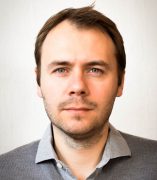
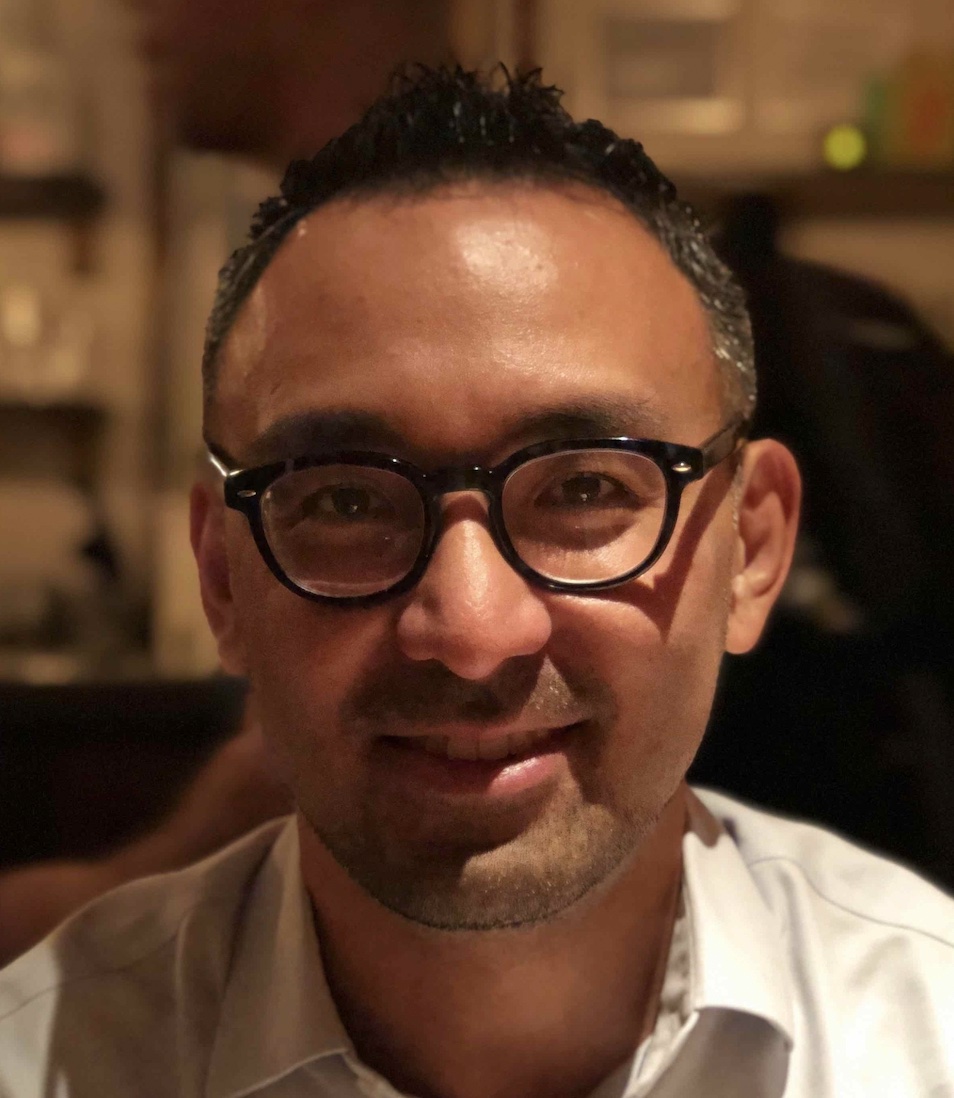
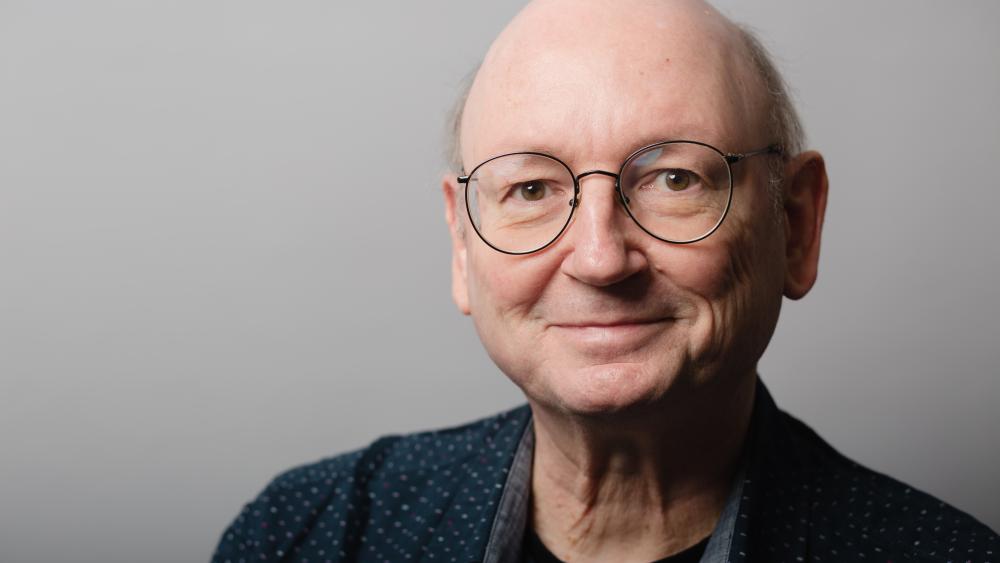
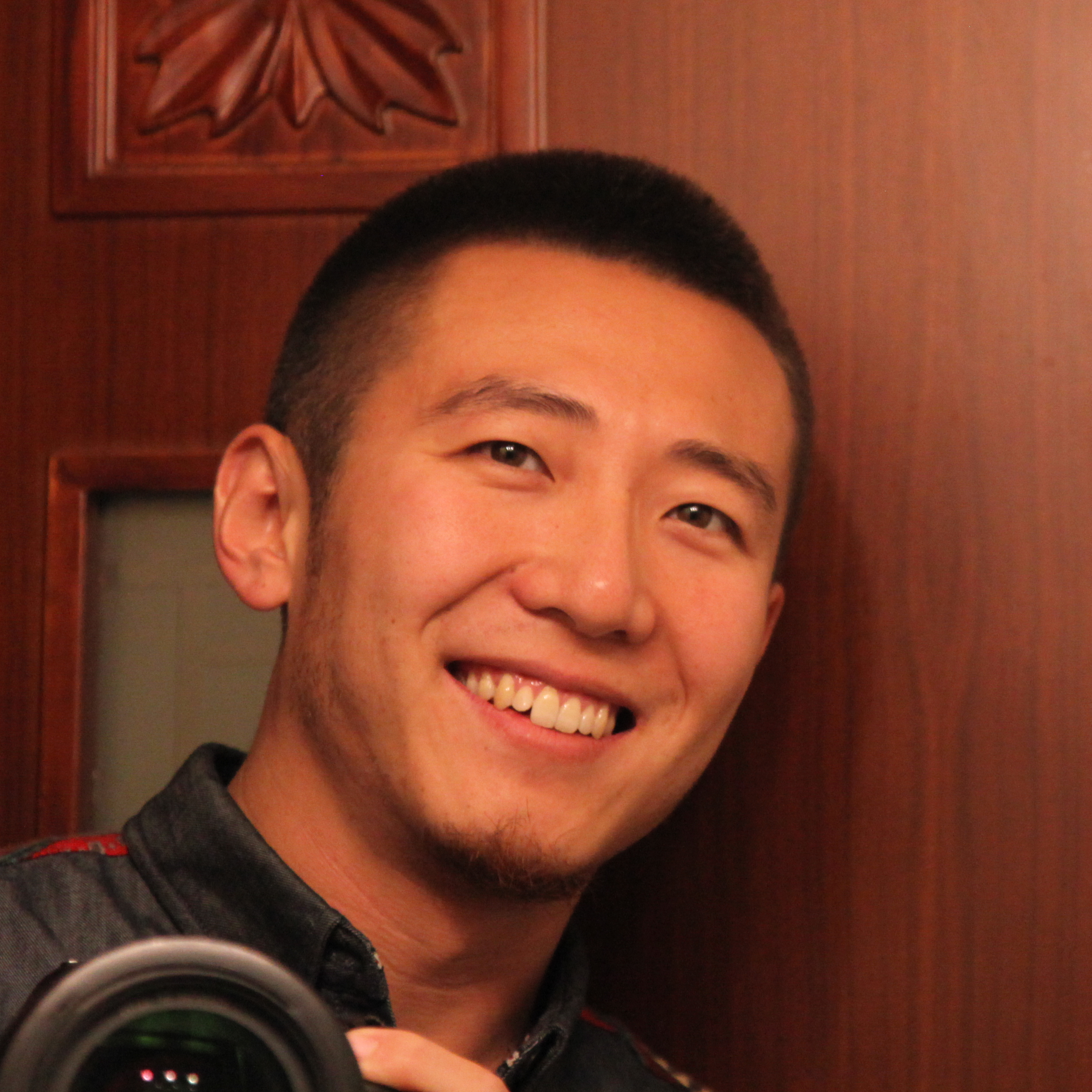
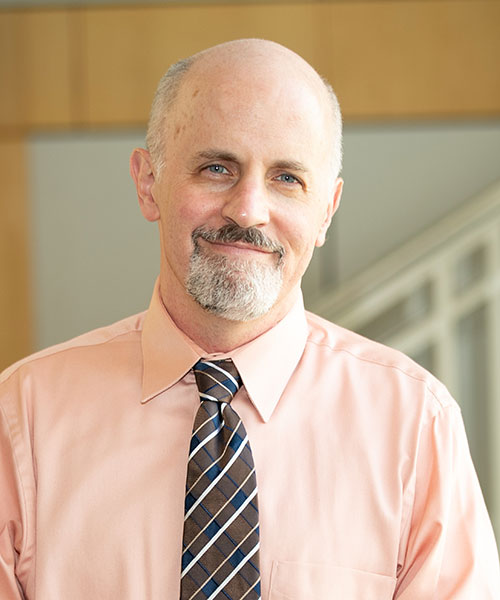
James Unwin is an Associate Professor in the Department of Physics at the University of Illinois Chicago (UIC), affiliated with the College of Liberal Arts and Sciences. He holds a DPhil in Physics from the University of Oxford (2013) and has held postdoctoral positions at the University of Notre Dame. His research focuses on theoretical particle physics, astrophysics, and cosmology, particularly exploring physics beyond the Standard Model, dark matter models, and interdisciplinary applied mathematics. Current interests include dark matter interactions, primordial black holes, and novel experimental approaches like Coulomb explosion imaging. Research Interests: Dark Matter Models: Including freeze-in mechanisms, annihilation signatures, and cosmological constraints Particle Astrophysics: Supersymmetry, LHC searches, and Grand Unified Theories Interdisciplinary Work: Applications of mathematics to epidemiology (e.g., COVID-19 forecasts via stock market indicators) and social dynamics Recent publications emphasize ultrafast molecular dynamics, XUV spectroscopy, and cosmological impacts of primordial black holes. He has advised PhD students Prolay Chanda and Qingyun Wang, both advanced to candidacy in 2021. Professional activities include visiting roles at UC Berkeley (2022–2023) and a Distinguished Academic Visitor appointment at Queen’s College, Oxford (2023). Affiliations: UIC Department of Physics Adjunct roles at UC Berkeley and University of Oxford Collaborations with institutions like Fermilab and CERN
Daisuke Nagai is a Professor of Physics and Astronomy at Yale University and the Director of Graduate Studies in the Yale Physics Department. His research focuses on theoretical and computational cosmology, including dark matter, dark energy, galaxy clusters, and data science. He holds a Ph.D. from the University of Chicago (2005) and a B.S. from the University of Michigan (1999). Before joining Yale in 2008, he was a Sherman Fairchild Postdoctoral Scholar at Caltech. Positions: Professor (2022–present), Director of Graduate Studies (2022–2025), Co-Director Yale Center for Research Computing (2015–2019). Awards: Stephen Murray Lectureship (2018), Cottrell Scholar (2012), IUPAP Young Scientist Prize (2011). His work uses high-resolution cosmological simulations to study galaxy cluster formation, X-ray observations, and the interplay between dark matter and baryonic processes. He also leads efforts in computational astrophysics and data-driven methods for cosmological analysis.
Nalini Rao is an Associate Professor of World Art at Soka University of America. Her academic career includes positions at the University of Southern California, University of Hawaii Hilo, and California State Universities. She specializes in Indian art, archaeology, and religious studies, focusing on Hindu monasteries, relic worship, and pre-modern royal iconography. Education: PhD in Art History from UCLA (1991), PhD in Ancient History and Archaeology from University of Mysore (1981), MA in History of Art from University of Marathwada (1973). Research Interests: Hindu monastic institutions, Buddhist art, royal iconography, and maritime archaeology. She explores intersections between art, religion, and power in pre-modern India. Key Themes in Publications: Analysis of Vijayanagara royal imagery, Jain architecture in Sravanabelagola, and ritual symbolism in South Indian festivals. Her work bridges archaeology, art history, and cultural anthropology. Awards: Includes the IGNCA Award for Narrative Art (2014), PBRC Research Award (2010), and multiple fellowships for art history research. Teaching & Outreach: Courses span World Art, Asian Art History, and contemporary visual culture. Curated exhibitions on Indus Valley Civilization and modern Indian art.
Professor Peter Flügel is Chair of the Centre of Jaina Studies and Professor of the Study of Religions and Philosophies at SOAS University of London. His extensive research covers Jain history, anthropology, sociology, ritual practices, and comparative philosophy. Education: Dr Phil (Johannes Gutenberg-Universität Mainz) MA (Johannes Gutenberg-Universität Mainz) Flügel's research encompasses Jain schools and sects, relic stūpas, Jaina-Vaiṣṇava syncretism, socio-political history of the Jain tradition, and questions of pluralism and non-violence. He specializes in the material culture of Jain mendicant traditions and Jain legal history. Flügel has directed numerous research projects funded by the British Academy, Leverhulme Trust, and AHRC, including 'Jaina Rituals of Death', 'Jaina-Prosopography', and 'Exploratory Survey of the Jaina Heritage in Pakistan'. His publications demonstrate extensive archival research and fieldwork focused on Jain religious practices across South Asia. Scientific Awards: Ācārya Tulsī Anekānt Sammān (1999) International Pravartinī Pārvatī Jain Award (2010) Jewel of the Jain World Award (2012) Flügel convenes the Annual Jaina Studies Workshops at SOAS and serves as editor of the International Journal of Jain Studies. He maintains international collaborations with universities in Lund, Lille, and Ghent, and research partnerships with institutions in India and Germany.
Benjamin Brose is a Professor of Buddhist and Chinese Studies at the University of Michigan's Department of Asian Languages and Cultures, serving as Department Chair. He holds affiliations with the Lieberthal-Rogel Center for Chinese Studies, Center for Japanese Studies, and Nam Center for Korean Studies. His research focuses on the history of Chinese Buddhism, particularly medieval and modern periods, with special attention to Chan/Zen traditions, Buddhist relics, and religious exchanges in East Asia. Education: PhD (2009) and MA (2004) from Stanford University; MA (2002) from UC Berkeley; BA (1996) from UC Santa Cruz. Research Interests: Brose explores Buddhist cultural history, including Xuanzang’s legacy, Song dynasty critiques of Buddhism, and the interplay between religion and politics. His recent publications include Embodying Xuanzang (2023) and Xuanzang: China’s Legendary Pilgrim (2021). He has been supported by prestigious fellowships like the Fulbright Foundation and ACLS. Teaching: Courses include 'Zen Buddhism: History, Culture, & Critique' and 'Buddhism and Death'. He advises on graduate research in Buddhist studies and co-leads initiatives like the Buddhist Studies Group at Michigan. Awards/Grants: Recipient of grants from the Alexander von Humboldt Foundation, Robert H. N. Ho Family Foundation, and others. His work bridges historical scholarship with modern religious practices, emphasizing East Asian religious continuity and transformation.
Nicholas Paul is a Professor of History and Director of the Center for Medieval Studies at Fordham University. His research focuses on medieval European history, particularly the Crusades, family memory, and cultural capital in medieval nobility. He has held a Fulbright U.S. Scholar grant (2019-2020) at the University of Birmingham, UK, conducting research on medieval history. His work examines topics such as Angevin dynasty narratives, material religion in crusader contexts, and the intersection of medieval memory with modern public perception. He has authored or edited books including The French of Outremer (2018) and To Follow in their Footsteps (2012), and contributes to academic journals like Traditio and Journal of Medieval History . Key Research Areas: Crusader societies, medieval family memory, cultural history of nobility, historiography of the medieval Mediterranean Grants/Awards: Fulbright U.S. Scholar Grant (2019-2020) Paul’s interdisciplinary approach bridges textual analysis, material culture, and memory studies. His current projects include exploring Angevin imperial contexts and the role of cultural capital in medieval warfare. He directs Fordham’s Center for Medieval Studies, fostering interdisciplinary medieval research and education.
Jinze CUI is an Adjunct Professor at the Department of Humanities, University of Catania (Italy), specializing in Chinese Philology. With a PhD candidacy at KU Leuven (Belgium) in Architectural Heritage Conservation and a Master's in Cultural Relic Architecture from Peking University, he bridges architectural history, cultural preservation, and public engagement. His career spans roles as a lecturer, exhibition curator, and advocate for heritage conservation in China. PhD Candidate: KU Leuven (2014–2020) Master's: Peking University (2009–2012) Bachelor's: North China University of Technology (2002–2007) His research focuses on architectural heritage conservation , analyzing wooden structures, adaptive reuse of religious buildings, and controversies in restoration practices. Articles like 'The Totem of Ideal Human Habitat' and 'Inspirations on the Adaptive Reuse of Religious Architecture' highlight his interdisciplinary approach. He actively campaigns for civil-led heritage protection, exemplified by his 2013–2014 campaign to save Chen Baochen’s residence in Beijing. Recent works explore global heritage debates , including Notre Dame de Paris restoration and Dresden’s cultural memory. His articles span journals such as ThePaper.cn and edited volumes like Chinese Heritage in the Making (Amsterdam University Press, 2018). Member: ICOMOS China Member: Beijing Cultural Relic Protection Association CUI leads international cultural relic rescue campaigns and lectures on Beijing’s architectural history, including at the 2012 Walmart China Women in Leadership Forum. He also participated in EU-funded projects like Asia Urbs Chn5-08 in Beijing (2004–2005).
Jorge Cañizares-Esguerra is a Professor and Alice Drysdale Sheffield Professor of History at the University of Texas at Austin's College of Liberal Arts. His work fundamentally recontextualizes Latin America's role in shaping Western modernity through historical analysis of science, abolitionism, and democratic thought. Education: PhD from University of Wisconsin His research interrogates historiographical categories like the Enlightenment, Scientific Revolution, and Atlantic Age of Revolutions that have obscured Latin America's contributions to modernity. He demonstrates how manuscript petitions, not print culture, drove knowledge production and how colonial scribal practices created alternative cosmopolitanisms. Recent publications include Categories as Prisons (University Pennsylvania Press) challenging Atlantic historiography, and The Radical Spanish Empire (Harvard University Press) co-authored with Adrian Masters, which reclaims Spanish America's role in anti-slavery movements and systematic skepticism. His work appears in Cambridge Companion to Latin American Independence and New World Objects of Knowledge series. Teaching includes courses on Colonial Latin America (LAS 366), Atlantic History (HIS 383M), and Urban Slavery (HIS 347N). He has extensive editorial experience co-editing Princeton Handbook of Atlantic History and Jesuit-Protestant Encounters series.
Pearl Sandick is a Professor in the Department of Physics and Astronomy and Interim Dean in the College of Science at the University of Utah. She has previously served as Associate Chair of the Department of Physics and Astronomy and Associate Dean for Faculty and Research in the College of Science. Her academic journey at the University of Utah began in 2011 as an Assistant Professor, progressing to Associate Professor in 2017, and achieving the rank of Professor in 2022. Her educational background includes: BA in Mathematics from New York University (2003) PhD in Physics from the University of Minnesota (2008) Sandick is a theoretical particle physicist whose research focuses on physics beyond the Standard Model, with particular emphasis on dark matter. Her work spans theoretical modeling, connections to astrophysical observations, and implications for experimental detection. She investigates various dark matter candidates and their potential signatures in current and future experiments, including collider searches, direct detection experiments, and indirect detection through astrophysical observations. Her research also extends to connections between particle physics and cosmology, including early universe phenomena and implications for cosmic structure formation. She has developed computational tools like MADHAT for dark matter analysis and has made significant contributions to understanding how stellar evolution can constrain axion physics. Her scholarly contributions have been recognized with several prestigious awards: University of Utah Early Career Teaching Award (2016) University of Utah Distinguished Mentor Award Linda K. Amos Award for Distinguished Service to Women University of Utah Presidential Scholar Sandick has been actively involved in mentoring graduate students, as evidenced by her teaching of PhD thesis research and Master's research courses. She has secured significant research funding from the National Science Foundation and other agencies to support her work on dark matter, dark energy, and new physics. Her grant portfolio includes projects on theoretical particle physics, connections to astrophysical observations, and studies on graduate education reform following a departmental tragedy. She is an active member of the American Physical Society, having served as Chair of the regional Four Corners Section in 2021-2022, demonstrating her commitment to the broader physics community and leadership in her field.
Professor Malcolm Fairbairn is a faculty member at King's College London's Department of Physics, part of the Faculty of Natural, Mathematical & Engineering Sciences. His research focuses on the intersection of cosmology, particle physics, and astrophysics, particularly dark matter, dark energy, and cosmological inflation. He leads projects like the ERC Consolidator Grant (2015–2020) investigating dark matter in the early Universe. He collaborates with initiatives such as the MoEDAL experiment at CERN (magnetic monopole searches) and the Cherenkov Telescope Array (CTA) for gamma-ray astronomy. His interests extend to gravitational waves, supermassive black hole formation, and particle astrophysics. Fairbairn has contributed to studies on axion dark matter, primordial black holes, and dark matter constraints from dwarf galaxies. He is affiliated with the Theoretical Particle Physics & Cosmology (TPPC) Group, exploring beyond-Standard-Model physics, including supersymmetry and extra dimensions. Publications span topics like dark matter relic abundance, JWST observations of black holes, and LHC searches for exotic particles. He has advised on outreach projects like the 'Dark Matter' exhibition at Science Gallery London and interviews with alumni (e.g., Royal Navy submariner Chris Tuckley).
Tojana Račiūnaitė is a senior researcher and director of the Institute of Art Research at Vilnius Academy of Arts (VAA), where she has worked since 1996. Her research focuses on visual culture in the Grand Duchy of Lithuania (16–18th century), sacral art history , iconography , and anthropology of the image . She earned her PhD in art criticism from VAA in 1999 with a thesis on Baroque art and architecture of the Discalced Carmelites . Education: PhD in Art Criticism (VAA, 1999); MA in Art History and Theory (VAA, 1990) Academic Roles: Senior Researcher at VAA Institute of Art Research; Director (2008–present) Her work bridges iconological analysis and visual anthropology , examining the interplay between image and text in historical and modern contexts. She has curated exhibitions like Vaclovas Ratas. Beyond the Equator (2021) and co-authored guidebooks on Lithuanian Baroque art . Her recent research projects include Mimetic and Symbolic Representations of Jonas Karolis Chodkevičius (2021–present), funded by the Lithuanian Academy of Sciences. Her publications—spanning monographs like Atvaizdo gyvastis (2014) and articles in Acta Academiae Artium Vilnensis —explore themes such as miraculous Marian images , relic iconography , and visual pragmatics . She received the 2019 Lithuanian Academy of Sciences Award for her contributions to understanding religious art heritage in the Grand Duchy of Lithuania. Scientific Awards: 2019: Science Award from Lithuanian Academy of Sciences Memberships: Lithuanian Association of Art Historians (1995–present) International Association of Art Critics (AICA, 1996–present) Račiūnaitė has lectured at VAA since 1990 on topics including Lithuanian art history , 17–19th-century Western art , and visual-textual analysis . Her methodological approach integrates art history with anthropology , emphasizing the symbolic and mimetic functions of images across cultural contexts.
Shaun Murray serves as Associate Professor at The Bartlett School of Architecture, University College London, and Senior Lecturer at the University of Greenwich. He directs ENIAtype, a transdisciplinary architecture practice founded in 2011, and has been Editor-in-Chief of the international peer-reviewed journal Design Ecologies since 2010. At UCL, he also serves as Director of Admissions for the Architecture MArch program and oversees admissions processes for this highly competitive course. University College London, The Bartlett School of Architecture (current) University of Greenwich, School of Design (current) Carleton University, Ottawa (Visiting Professor 2017-2019) University of Kent (Senior Lecturer 2012-2016) Plymouth University (Director of Creative Design and Technology 2007-2011) Dr. Murray's research centers on architectural design through ecological thinking, with particular emphasis on drawing methodologies, landscape ecology, and surrealism in architecture. His work explores the agency of architectural communication methods, field theory relations, and non-linear design approaches that challenge conventional architectural practice. He investigates how ecological thinking can transform design processes and outcomes, particularly through mapping and choreographies that connect architecture with geological and material dynamics. His publication record reveals consistent engagement with ecological design frameworks and theoretical explorations of architectural practice. The articles demonstrate evolving focus from foundational theoretical work on telluric architecture (2012) through explorations of colonial impacts on landscape (2020) to recent investigations of power dynamics in architectural systems (2024). A strong thread connects his work to drawing as both methodology and outcome, with increasing attention to ecological systems thinking and transdisciplinary approaches across his career. Senior Fellow in Higher Education teaching qualification (SFHEA) 2024 Fellow in Teaching and Learning Support in Higher Education 2022 Dr. Murray has successfully supervised two PhD candidates to completion (Alan Pottinger and Georgios Loizos) and numerous MArch thesis students. His supervisory approach emphasizes ecological thinking and transdisciplinary methodologies, reflected in thesis topics ranging from surrealism in photography to posthuman architectural theory. He actively promotes diversity and inclusivity in architectural education through his admissions leadership and curriculum development work, with particular focus on enhancing student employability through innovative pedagogical approaches. He co-founded and participates in the Drawing Architecture Group (2019-present), an international research network connecting architects, theorists, and curators from US, Canada, and Europe. This group has produced multiple publications and exhibitions, with upcoming shows scheduled for New York at A83 Gallery in 2025. He also maintains involvement with the Planetary Collegium and AVATAR research group, contributing to transdisciplinary architectural research that bridges technology, ecology, and design practice.
Paul Carini is an Associate Professor in the Department of Environmental Science at the University of Arizona. His research focuses on microbial genomics, environmental microbiology, and microbial diversity in extreme environments. He is affiliated with the School of Animal and Comparative Biomedical Sciences through a joint Micro Graduate Program. His work emphasizes genomic sequencing of understudied microbes, particularly those from arid soils and subseafloor sediments. He explores microbial adaptation strategies to nutrient-poor and extreme conditions, including anaerobic respiration and toxic gas utilization. Recent studies highlight culturomics advancements, such as high-throughput cultivation and predictive modeling of microbial growth. Key contributions include genome-based taxonomic frameworks for uncultivated archaea and bacteria, and insights into microbial roles in climate change mitigation. His research bridges traditional cultivation methods with modern genomic tools, addressing challenges in capturing Earth's microbial biodiversity.
Dennis Trout is a Professor of Ancient Mediterranean Studies and Chair of Classics, Archaeology, and Religion at the University of Missouri, with an adjunct appointment in History. His research focuses on late antique and early medieval cultures of the western Mediterranean, particularly the interplay between classical traditions and emerging Christian practices. Major themes include epigraphic poetry, the cult of saints, and the transformation of Roman religious and political frameworks. Education includes undergraduate studies in history, anthropology, and art history, an MA in Ancient History, and a PhD with coursework in Classics and Religious Studies. His work bridges literary analysis, material culture, and cognitive science of religion to explore how cultural memory shapes religious identity. Recent scholarship emphasizes figures like Augustine of Hippo, Paulinus of Nola, Damasus of Rome, and Isidore of Seville. His articles analyze epigraphic poetry’s role in legitimizing Christian authority, the materiality of ritual objects, and the reinterpretation of Roman history through Christian lenses. Themes include urban transformation in late antique Rome, Visigothic Iberian Christianity, and the intersection of classical aesthetics with theological discourse. No formal scientific awards are listed, though his prolific publication record reflects academic recognition. Advising includes graduate students in late antique studies, though specific advisee names are not provided. His work engages with archaeological sites like Nola’s basilicas and Roman martyria, contributing to projects on liturgical spaces and epigraphic preservation.
Dr. Stephen C. Berkwitz is a Professor and Department Head of Religious Studies at Missouri State University , affiliated with the Reynolds College of Arts, Social Sciences and Humanities. A leading scholar in South Asian religions, he has published extensively on Buddhism , Theravāda traditions , and religion-colonialism intersections since 1999. Education : PhD (1999), MA (1994) in Religious Studies from UC Santa Barbara; BA (1991) in Religion from University of Vermont. His research focuses on Sinhala and Pali literature , Buddhist kingship , and post-colonial religious identity . Recent publications analyze Buddhist relic veneration, colonial-era texts, and interfaith dynamics. He co-edited the Routledge Handbook of Theravāda Buddhism (2022) and translated the Sinhala Thupavamsa . Scientific Awards : Fulbright Senior Scholar Award (2005) Luso-American Foundation Scholarship (2009) Multiple Ruhr-Universität Bochum fellowships (2011, 2017) Wabash Center grants for religious pedagogy (2010, 2015-2017) University Teaching Award (2004) As series editor for Routledge Critical Studies in Buddhism and editorial board member of three journals, Berkwitz actively shapes global Buddhist scholarship. He has conducted fieldwork in Sri Lanka , Germany , and Portugal , with expertise in South Asian manuscript cultures and Buddhist nationalism .