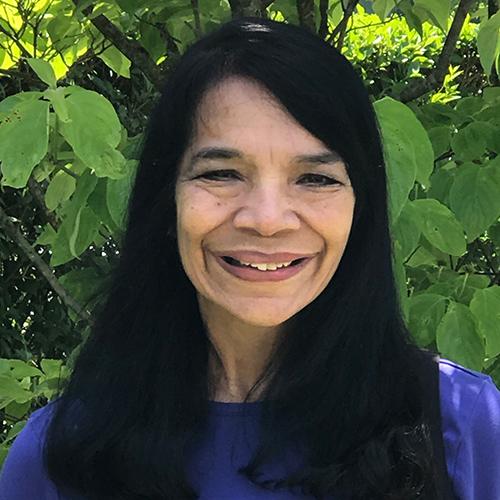
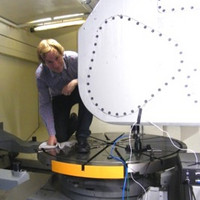
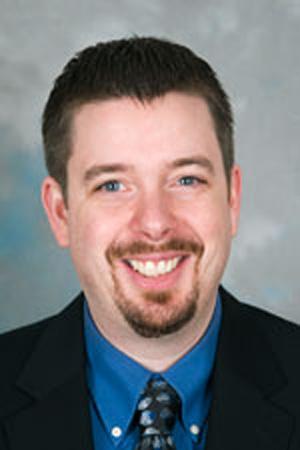
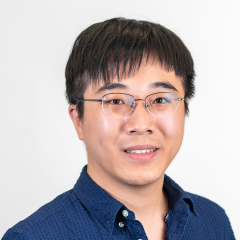
Dr. Nancy Vidal is an Associate Professor in the Communication Sciences and Disorders Department at Iona University. She holds a Ph.D. and MPhil from the Graduate Center, City University of New York, an MA from Hunter College (CUNY), and a BA from City College of New York (CUNY). With extensive clinical experience, she specializes in pediatric/adult dysphagia, language disorders, and bilingual speech pathology. Her research examines neurophysiological correlates of speech sounds in monolingual/bilingual children, socio-cultural influences on bilingual language use, animal-assisted therapy applications, and dysphagia management. She employs event-related potentials and neurocognitive measures to study language acquisition across diverse populations. Dr. Vidal's publications focus on bilingual/monolingual language processing, vowel perception, and neurodevelopmental markers in children. Her work demonstrates consistent emphasis on cross-linguistic comparisons, neurophysiological assessment techniques, and clinical applications for communication disorders spanning 1987-2016. Honors: ASHA Continuing Education Award (1997-2000) Professional Affiliations: American Speech-Language-Hearing Association (ASHA) ASHA Special Interest Divisions: Swallowing Disorders (SID13), Neurogenic Disorders (SID2), Culturally Diverse Populations (SID14) Licensure & Certifications: ASHA-Certified Speech-Language Pathologist (NY) New York State Teacher of Speech and Hearing Handicapped (TSHH) Dysphagia Audio Digest Certification P.R.O.M.P.T. Certified
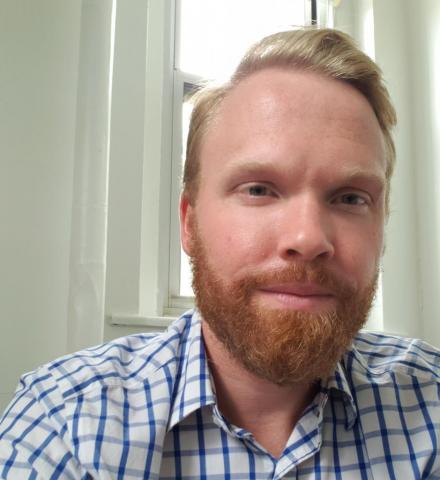
Yvette Ingram is a Professor in the Department of Biological and Health Sciences at Commonwealth University (formerly Lock Haven University), where she has taught since 1998. She holds a Ph.D. in Exercise and Sport Psychology from Temple University, an M.S. in Health Education from The Pennsylvania State University, and a B.S. Ed. in Athletic Training from Lock Haven University. Her primary courses include Psychological Aspects of Injury and Illness and Administration & Organization of Athletic Training . Her research focuses on sport psychology, mental health in athletes, psychological aspects of injury recovery, and validation of depression screening tools for collegiate athletes. She investigates topics like social support systems, gender differences in mental health, and non-traditional interventions (e.g., music therapy). Her publications demonstrate expertise in developing clinical assessment tools, analyzing temporal mental health patterns in athletes, and contributing to national sports medicine position statements. Recent work emphasizes validation of mental health surveys and factorial analysis of screening instruments. Awards & Honors: National Athletic Trainers’ Association Excellence in Leadership Award (2021) Pennsylvania Athletic Training Hall of Fame Inductee (2019) Temple University Alumni Achievement Award (2018) Pennsylvania Athletic Trainers’ Society Distinguished Merit Award (2017) National Athletic Trainers’ Association Service Award (2015) She chairs graduate capstone committees, advising 14+ Master's students on topics including motivation, social media impacts, and coach-athlete relationships. She holds leadership roles in professional organizations, including the Pennsylvania Athletic Trainers’ Society Practice Act Reform Committee and CU Senate Advancement Committee.
Dr. Deniz S. Yorulmaz Demir is an Assistant Professor at Artvin Coruh University's Faculty of Health Sciences, Department of Nursing, specializing in Nursing Fundamentals. She transitioned from Research Assistant (2019-2024) to her current role in 2024. Her educational background includes a PhD in Nursing from Selçuk University (2019-2024), a master's from Necmettin Erbakan University (2017-2019), and a bachelor's from Selçuk University (2013-2017). Her research focuses on public health nursing , vaccine literacy , and disaster response , with significant contributions to epidemiology, addiction studies, and digital health. She employs mixed-method approaches to address healthcare disparities and behavioral interventions. Recent publications (2024-2025) demonstrate a strong emphasis on vaccine hesitancy, pandemic psychology, and healthcare instrumentation. Over 80% of her work involves methodological innovations in health literacy measurement and intervention design, with recurring themes in culturally competent care and disaster preparedness. Administrative Roles: Department Deputy Chair (2025-present) Accreditation Commission Member (2024-present) Disability Unit Coordinator (2022-present) Social and Sports Activities Committee Chair (2022-present) Award: Thesis Publication Award (Selçuk University, 2025) She leads the national research project "Environmental Literacy Across Generations in Artvin" (2023) and teaches courses including Epidemiology, Public Health Nursing, and Addiction Studies. Clinical experience includes emergency nursing at Karapınar State Hospital (2013-2019).
Dr. Luc Lecavalier is a Professor in the Department of Psychology at The Ohio State University, affiliated with the College of Arts and Sciences. His research focuses on diagnostic assessment and behavioral/psychiatric challenges in individuals with developmental disabilities, particularly autism spectrum disorder (ASD) and intellectual disability (ID). He has developed screening tools such as the Behavioral Inflexibility Scale and the Parent-Rated Anxiety Scale for ASD. Lecavalier holds a PhD from Université du Québec à Montréal (2001) and a BA from the University of Ottawa (1996). Education: PhD in Psychology, Université du Québec à Montréal, 2001 BA in Psychology, University of Ottawa, 1996 His research interests emphasize improving diagnostic accuracy and addressing mental health comorbidities in IDD populations. He has pioneered studies on anxiety, sleep disturbances, and behavioral interventions in ASD. Lecavalier’s work integrates clinical trials (e.g., RUPP Autism Network studies) with parent training programs to reduce disruptive behaviors. His awards include the APA Division 33 Fellowship (2016) and the Joan N. Huber Faculty Fellowship (2019). Key contributions include validating the NIH Toolbox Cognition Battery for autistic youth and evaluating parent-mediated interventions. He collaborates with multidisciplinary teams to advance evidence-based practices in IDD care and policy.
Dr. Leonard Abbeduto is a Professor in the Department of Psychiatry and Behavioral Sciences at the University of California, Davis, and the Director of the UC Davis MIND Institute. His research focuses on language development across the lifespan in individuals with intellectual and developmental disabilities, particularly in fragile X syndrome, autism, and Down syndrome. He has authored over 200 peer-reviewed articles and secured continuous NIH funding since 1985. His current work emphasizes language outcomes, clinical trial methodologies, and telehealth interventions. Education: B.A. (1975), M.A. (1979), and Ph.D. (1982) in Psychology from the University of Illinois at Chicago. He has held leadership roles including Director of the NIH-funded MIND Institute IDDRC and co-director of the Redwood SEED Scholars program. Research Interests: Language development in neurodevelopmental disorders, family dynamics in developmental disabilities, and translational research for clinical interventions. Key areas include measuring treatment efficacy, distance technology for behavioral therapy, and comorbidity between autism and fragile X syndrome. Scientific Awards: Includes the Edgar A. Doll Career Research Award (APA, 2017), Enid Rosen Research Award (2010), and multiple fellowships. Grants/Advising: Principal Investigator of the MIND Institute IDDRC supporting 80+ projects. His grants focus on language interventions, genetic correlations in autism, and telehealth scalability. He advises on clinical trials and policy for neurodevelopmental disabilities. Labs/Teams: Leads the MIND Institute, collaborating on interdisciplinary research across psychiatry, genetics, and education. The Redwood SEED program provides inclusive college education for individuals with intellectual disabilities.
Dr. Jason Morrison is an Associate Professor and Associate Head (Undergraduate) in the Department of Biosystems Engineering at the University of Manitoba. He holds degrees in Mechanical Engineering, Computer Science, and Computational Science from McMaster and Carleton Universities. His research focuses on creating simplified data models, optimizing model fits, and analyzing process outcomes, particularly in chemical spectra modeling, biological material analysis, and 3D printer performance optimization. He has received grants in both Information Technology and Materials and Chemical Engineering, emphasizing reproducible open-source tools for additive manufacturing and spectroscopy data analysis. Dr. Morrison’s work addresses challenges in proprietary data formats that hinder reproducibility and interoperability in these fields. His teaching awards reflect his dedication to student success in engineering education. Recent research spans agricultural applications (e.g., Fusarium detection in wheat), biomaterials development (e.g., hemp fiber processing), and medical device sterilization (3D-printed plastics). His publications (2015–2021) highlight interdisciplinary approaches bridging engineering, biology, and computer science. Education: B.Eng. in Mechanical Engineering, McMaster University (1993) B.Sc. Honours in Computer Science, McMaster University (1995) M.Comp.Sc. in Computational Science, Carleton University (1997) Ph.D. in Computational Science, Carleton University (2002) Research Interests: Optimization of mathematical models and data simplification Spectroscopic analysis of chemical/biological materials Additive manufacturing (3D printing) tooling and sterilization Ergonomics of agricultural machinery design Non-destructive testing via hyperspectral imaging Grants & Awards: Grants in Information Technology and Materials Engineering (details unspecified) Teaching awards (specific names unspecified) Labs/Teams: Not explicitly mentioned in profile; focus on interdisciplinary collaborations in biosystems engineering.
Justin Karr is Assistant Professor in the Department of Psychology at the University of Kentucky, specializing in clinical neuropsychology. He earned his Ph.D. from the University of Victoria (2018), completed clinical internship at Veterans Affairs Puget Sound Health Care System, and postdoctoral training at Harvard Medical School. His research examines neuropsychological assessment methods, cognitive aging, and traumatic brain injury sequelae. Research focuses on refining concussion assessment tools, validating cross-cultural neuropsychological measures, and investigating cognitive outcomes following intimate partner violence. International collaborations span Colombia, Ghana, Taiwan, and Australia. Publications demonstrate expertise in psychometrics, athlete concussion protocols, and veteran TBI rehabilitation. Recent work emphasizes multidimensional symptom modeling in sports-related concussion and IPV-related neurotrauma.
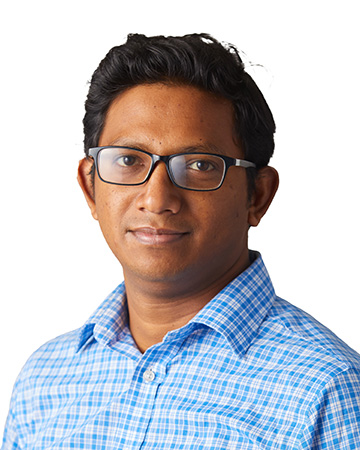
Dipankar Mitra is an Assistant Professor in the Department of Computer Science & Computer Engineering at the University of Wisconsin-La Crosse (UW-L). He holds a Ph.D. and M.S. in Electrical and Computer Engineering from North Dakota State University (NDSU), and a B.Sc. in Electrical and Electronic Engineering from Chittagong University of Engineering and Technology, Bangladesh. His research focuses on transformation optics/electromagnetics, metamaterials, 3D-printed antennas, and RF circuits for IoT and biomedical applications. He has published over 50 peer-reviewed articles and is a reviewer for several IEEE journals and conferences. Education: Ph.D., Electrical and Computer Engineering, NDSU (2021) M.S., Electrical and Computer Engineering, NDSU (2016) B.Sc., Electrical and Electronic Engineering, Chittagong University of Engineering and Technology (2013) Research Interests: Mitra’s work spans transformation-based antenna design, metamaterials, RF MEMS for IoT, 3D-printed flexible electronics, and electromagnetic applications in medicine. Recent projects include non-invasive physiological monitoring and microwave-based tissue characterization. Awards: NDSU Doctoral Dissertation Fellowship (2020-2021) UW-L Early Start Award Nominated as NDSU GTA of the Year (2019-2020) Teaching & Grants: Teaches courses in computer architecture, digital logic, and software design. His research is funded by UW-L, NASA, AFRL, and industry partners like NextFlex/Uniqarta. He collaborates with the U.S. Air Force Research Lab and Mayo Clinic. Labs & Teams: Active in the Applied Electromagnetics Lab at NDSU and the RFIC Lab. Leads UW-L projects on conformal antennas and wearable sensors.
Gang Chen is an Adjunct Professor at the Centre for Health Economics within Monash Business School and Professor at University of Melbourne. As Vice President of the Australian Health Economics Society, his research examines health economics, quality of life measurement, economic evaluation, and health policy. Methodological work focuses on preference elicitation, health state valuation, and instrument validation. Key research develops happiness-based approaches to child health valuation and analyzes behavioral responses to healthcare funding. Recent projects investigate AI adoption in cancer screening and EAP effectiveness during organizational change. He has led NHMRC, MRFF, and ARC-funded projects including the Digital Futures at Work Research Centre. Recognitions include the ARC DECRA fellowship, Dean's Research Award (Monash), and top 2% global scientist rankings.
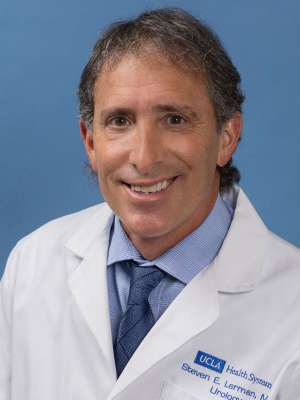
Clinical Professor of Urology at UCLA, holding the Judith and Robert Winston Chair in Pediatric Urology and serving as Director of the Clark Morrison Children's Urological Center and Chief of the Division of Pediatric Urology. Earned his MD from UCSF School of Medicine, completed residency at UCLA School of Medicine, and a pediatric urology fellowship at Rady Children’s Hospital - San Diego. Specializes in advancing minimally invasive techniques for pediatric urological conditions, including laparoscopic surgery and vesicoureteral reflux treatment. Recognized with Super Doctors® Southern California (2023) and multiple Top Doctor awards from Los Angeles Magazine (2018, 2019, 2021). Affiliated with Ronald Reagan UCLA Medical Center, UCLA Mattel Children’s Hospital, and UCLA Santa Monica Medical Center. Leads clinical trials on pediatric urological treatments and focuses on surgical innovation.
Professor Andreas Archenti is a Chair Professor in Industrial Dependability at KTH Royal Institute of Technology , focusing on Precision Engineering, Metrology, and Analytics. He serves as the Director of the Center for Design and Management of Manufacturing Systems (DMMS) and teaches courses like Advanced Manufacturing Equipment and Industrial Analytics. Education: PhD in Machine and Process Technology (2011), MSc in Mechanical Engineering (2007) Research Interests: Precision manufacturing, robotics for biomedical applications, integrated metrology, and machine tool dynamics Collaborations: University of Tokyo on robotics for scientific exploration Recent Publications highlight data-driven surface quality prediction, compliance compensation in robotics, bearing fault diagnosis, and machine tool calibration. His work spans aerospace to micro/nano fabrication, emphasizing accuracy from nanometers to large-scale systems. Key Contributions include methodologies for machine tool error compensation, dynamic interaction modeling, and transfer learning applications in manufacturing. He has authored chapters in Springer publications and holds a patent for machine parameter determination.
Prof. Dr. Thorben Cordes is the Chair for Physical Chemistry I at the Faculty of Chemistry and Chemical Biology, Technische Universität Dortmund (since 2024). His research bridges biophysical chemistry, spectroscopy, and fluorescence imaging, focusing on structural and functional analysis of biomolecules. Key research areas include: Decoding molecular mechanisms of membrane transporters and motors via single-molecule tools Developing self-healing fluorophores and photostabilization strategies Innovating biophysical assays for in vitro/in vivo (bio)chemical characterization These efforts align with advanced fluorescence applications in super-resolution microscopy (STED/STORM) and hybrid assays combining FRET/PIFE. His recent publications emphasize single-molecule fluorescence for protein dynamics , 3D-printed microscopy platforms, and photostabilization chemistry . Articles span 2010–2025, reflecting 15+ years of contributions to biophysical methodologies. Contact: thorben.cordes@tu-dortmund.de | thorben.cordes@udo.edu
Amy Marconnet is a Professor at the School of Mechanical Engineering , Purdue University, leading the Marconnet Thermal & Energy Conversion (MTEC) Lab . Her research focuses on multi-scale thermal transport in heterogeneous materials, with applications in electronics cooling, battery thermal management, phase change materials, and wearable devices . Research Highlights: Transport Phenomena in particle-filled composites using XRCT imaging and DEM simulations Nanoscale Phonon Transport studies in porous silicon for thermoelectrics Flexible Fabrics with in-plane thermal conductivity (~10 W/mK) for wearables PCM Integration in semiconductors for passive thermal solutions Membrane Distillation systems utilizing low-grade heat for desalination Scientific Awards: ASME Bergles-Rohsenow Young Investigator Award, 2020 Outstanding Graduate Student Mentor, OMEGA, 2020 Woman Engineer of the Year, ASME EPPD, 2017 Outstanding Paper Awards at ITherm 2012, InterPACK 2017, ITherm 2019 Labs & Collaborations: The MTEC Lab develops IR microscopy and multi-physics metrology tools , collaborating with the REID Lab on interdisciplinary projects like thermal hair damage modeling.
Brian J. Hafner is a Professor and Director of Research in the Division of Prosthetics & Orthotics at the University of Washington. He holds appointments as a professor in the Department of Rehabilitation Medicine within the School of Medicine and serves as an adjunct professor in the Department of Mechanical Engineering. Dr. Hafner is also a principal investigator at the University of Washington Center on Outcomes Research in Rehabilitation (UWCORR). Dr. Hafner's educational background includes: PhD in Bioengineering from the University of Washington (2003) Prosthetics Certificate from Northwestern University (2009) BS in Mechanical Engineering from Oklahoma State University (1993) Dr. Hafner's research focuses on the development, evaluation, and application of state-of-the-art outcome measures for measuring constructs such as mobility and fall-related health in people with limb loss/difference and other disabling neuromuscular and musculoskeletal conditions. His primary research interests include development of tools to improve measurement of health outcomes in lower limb prosthesis users and evaluation of advanced prosthetic technologies intended to improve performance, function, and quality-of-life in people with lower limb amputation. He has served as principal investigator on projects funded by the U.S. National Institutes of Health (NIH), U.S. Department of Defense (DOD), Orthotics & Prosthetics Education and Research Foundation (OPERF), and American Academy of Orthotists and Prosthetists (AAOP). Analysis of Dr. Hafner's recent publications reveals a strong focus on outcome measurement in prosthetics and orthotics, with particular emphasis on developing and validating patient-reported outcome measures. His work spans multiple domains including mobility assessment, fall prevention, prosthetic technology evaluation, and addressing health equity in limb loss research. A significant portion of his recent work involves the development and validation of the Orthotic Patient-Reported Outcomes-Mobility (OPRO-M) instrument and examining issues related to residual limb volume management. Dr. Hafner has received numerous prestigious awards including: Research Award from the American Academy of Orthotists and Prosthetists (2022, 2008) Certificate of Appreciation for Outstanding Performance and Lasting Contributions to O&P (2014) Thranhardt Lecture Award (2013, 2006) Thranhardt Award from the American Orthotic and Prosthetic Association (2013) Honorary Membership in the American Academy of Orthostists and Prosthetists (2011) As an educator, Dr. Hafner teaches in the Master in Prosthetics & Orthotics (MPO) Program, with primary responsibility for RHB PO 581, Outcome Measures for the Prosthetics and Orthotics Clinic. His research funding includes grants from the NIH, DOD, OPERF, and AAOP, with current work aimed at enhancing the impact of health status instruments through rigorous development, psychometric evaluation, translation, and integration into electronic health record systems. Dr. Hafner is affiliated with the University of Washington Center on Outcomes Research in Rehabilitation (UWCORR), where he conducts interdisciplinary research focused on improving outcomes for individuals with disabilities, particularly those with limb loss. His laboratory work often involves collaboration with engineers, clinicians, and researchers across multiple disciplines to develop innovative solutions for prosthetic and orthotic care.
Shu Hu holds a courtesy appointment as an Assistant Professor at Purdue University's Purdue Polytechnic Institute in Indianapolis, within the Department of Computer and Information Technology. His research focuses on Machine Learning, Digital Media Forensics, and Computer Vision, with interdisciplinary extensions into plasma physics and aerospace engineering. He earned a Ph.D. in Computer Science from the University at Buffalo (SUNY, 2022), an M.A. in Mathematics from the University at Albany (SUNY, 2020), and an M.Eng. in Software Engineering from the University of Science and Technology of China (2016). Notable achievements include a 2023 NSF award for combating deepfake AI technology and contributions to plasma diagnostics, propulsion systems, and biomedical applications. His work spans experimental plasma physics (e.g., nanosecond discharges, microwave scattering), space propulsion (liquid-fed thrusters), and electrosurgical innovations. Research highlights include developing low-voltage pulsed plasma thrusters for nanosatellites and advancing cold plasma therapies for cancer treatment. Education : Ph.D., Computer Science, University at Buffalo (2022) M.A., Mathematics, University at Albany (2020) M.Eng., Software Engineering, University of Science and Technology of China (2016) Awards : NSF Award for deepfake AI research (2023) Polytechnic research awards (2024-2025) Grants/Advising : NSF-funded deepfake mitigation project Collaborations in plasma propulsion and biomedical engineering Labs/Teams : Purdue Plasma Diagnostics Lab Aerospace Propulsion Research Group His publications emphasize plasma diagnostics (coherent microwave scattering), advanced propulsion systems (liquid-fed thrusters), and interdisciplinary applications in medicine and AI security. Current projects include optimizing nanosecond discharges for atmospheric plasmas and developing AI-driven media forensics tools.