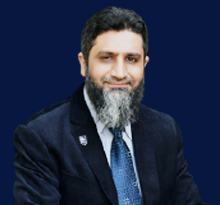
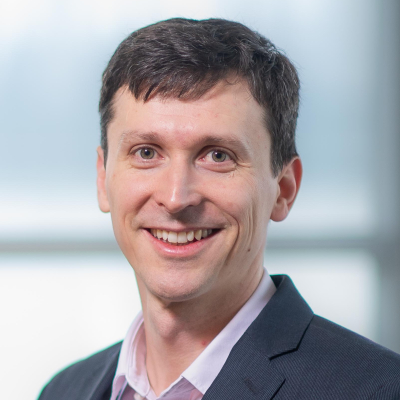
Dr. Minh Dao is a Senior Lecturer in the Department of Mathematics at RMIT University's School of Science. His research focuses on optimization theory, algorithm design, and their applications in signal processing, machine learning, and wireless communications. He has contributed to advancements in distributed optimization, nonconvex programming, and federated learning frameworks. Key research interests include operator splitting methods, DC programming, and mathematical modeling for energy-efficient systems. He has published extensively in top-tier journals and conferences such as the European Journal of Operational Research and IEEE Transactions on Intelligent Transportation Systems. Dr. Dao supervises research projects on distributed optimization for federated learning, reboot sensing MIMO systems, and DC programming approaches for clustering problems. His work integrates theoretical analysis with practical applications in telecommunications and energy networks.
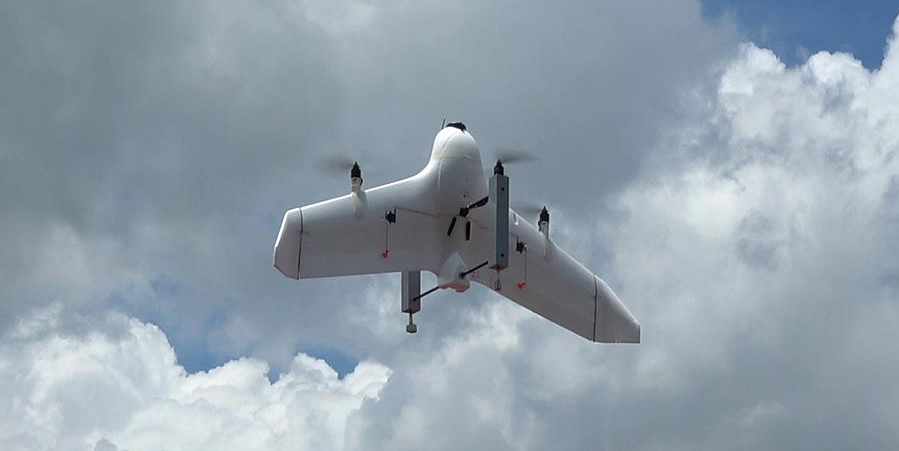
Dr. Boyang Li is a Lecturer in Aerospace Systems Engineering at the University of Newcastle, Australia. His career includes roles as Research Assistant Professor at Hong Kong Polytechnic University (2020–2023), where he founded the Autonomous Aerial Systems Laboratory (AASL), and postdoctoral research at Nanyang Technological University (Singapore) and the University of Edinburgh (UK). He holds a PhD from Hong Kong Polytechnic University and B.Eng./M.Eng. degrees from Northwestern Polytechnical University, China. Education: Doctor of Philosophy, Hong Kong Polytechnic University (2018) M.Eng., Northwestern Polytechnical University (2015) B.Eng., Northwestern Polytechnical University (2012) Research Interests: Dr. Li's work focuses on advancing uncrewed aerial vehicle (UAV) technology, including nonconventional UAV configurations (VTOL tail-sitters), flight dynamics integration with advanced control methods (e.g., Model Predictive Control), and trajectory optimization. His empirical research involves field experiments with aerial and underwater robotic systems. Key themes include autonomous navigation, sensor integration, and real-world applications in infrastructure inspection and environmental monitoring. Grants & Funding: NSW Space Research Network Project ($14,922, 2025) RuralAI Sensor Cluster Development ($15,000, 2023) Lab2Field RuralAI Kit ($15,000, 2023) AU$22.5K Start-up Fund (2023–2024) Supervision: Dr. Li has supervised/co-supervised 6 completed and 1 ongoing HDR student, focusing on UAV control systems, underwater robotics, and reinforcement learning applications. Notable advisees include Li-yu Lo (MPhil), Yefeng Yang (PhD), and Haochen Hu (MSc). Labs & Teams: He leads the Autonomous Aerial Systems Group at the University of Newcastle and collaborates with the High-speed Thermo-fluid and MAV/UAV Lab (HK PolyU). His lab develops UAV systems for applications like infrastructure inspection and advanced air mobility.
Lawrence Ong is an Associate Professor in the School of Engineering at the University of Newcastle, specializing in Electrical and Computer Engineering. His research addresses information theory challenges in wireless communication systems, focusing on network coding, index coding, and information-theoretic security for next-generation networks. Ong develops fundamental limits for communication systems and efficient coding strategies to handle increasing data demands. His current projects explore integrated sensing and communication paradigms, secure key distribution for IoT networks, and lattice-code multiple-access techniques. He holds an ARC Future Fellowship and DECRA supporting his work on high-speed wireless networks. His publications establish capacity bounds for multi-user communication systems and develop practical coding schemes. Recent articles analyze information-theoretic limits for integrated sensing/communication systems and secure key distribution frameworks. Research consistently appears in IEEE transactions and information theory venues. Ong supervises PhD students investigating wireless communications and secure networking. He collaborates internationally on projects examining federated learning for bushfire prediction and automated freight monitoring systems. As an LSST-DA Data Science Fellow, he contributes to large-scale data analysis methodologies.
Prof. Dr. Tarik Taleb is a Professor at the Faculty of Electrical Engineering and Information Technology at Ruhr University Bochum, leading the Networked Energy-Efficient Systems department. His research focuses on 5G/6G networks, IoT security, edge computing, and AI-driven network optimization. Education: Not explicitly stated; however, his academic role implies doctoral qualifications in electrical engineering or related fields. Roles: Professor, Department Head of Networked Energy-Efficient Systems, and active contributor to collaborative research projects like KI-ROJAL and PINK. Research Interests: 6G and beyond: Architecture, semantic communication, and non-terrestrial integration. Edge computing: Resource allocation, caching, and deterministic networking. Cybersecurity: Encryption as a service, DDoS detection, and federated learning-based defense mechanisms. IoT and AI: Energy-efficient IoT systems, reinforcement learning for network slicing, and digital twins. Articles Trends: Recent work emphasizes 6G innovations, edge-centric solutions, and cybersecurity in distributed systems. Key themes include energy harvesting for covert communication, semantic-aware networking, and AI-driven resource optimization. Advising & Grants: Advises on doctoral and master’s theses in his research areas. Collaborates with industry partners like Nagoya University and Purdue University through international programs. Labs/Teams: Leads the Networked Energy-Efficient Systems group, contributing to projects such as the Roads Infrastructure Digital Twin initiative and robotic teleoperation frameworks.
Dilan Senaratne is a Lecturer in the School of Electrical Engineering and Computer Science at Oregon State University, part of the College of Engineering. He joined the faculty in 2023 after completing his Ph.D. in Electrical and Computer Engineering with a minor in Artificial Intelligence at the same institution (2023), following an M.S. (2020) and B.Sc. (Honors, University of Moratuwa, Sri Lanka, 2015). His teaching portfolio includes courses on electrical fundamentals, power system analysis, protection, and smart grid technologies (ENGR 201, ECE 433/533, ECE 536, ECE 437/537). His research focuses on power system resilience, PMU data analysis, hardware-in-the-loop testing, and AI-driven solutions for energy infrastructure. He has authored publications addressing parameter correction algorithms, fault detection systems, and PMU-based event classification. Notable technical contributions include spatio-temporal analysis of PMU data for unsupervised event detection (2021) and sparse regression techniques for power network parameterization (2019). His early work included foundational contributions to 40Gbps Ethernet PCS implementation (2015). No awards or grants are explicitly listed in the provided materials. His research interests bridge electrical engineering fundamentals with modern analytical techniques, emphasizing grid stability, protection systems, and smart grid innovation. Current academic activities include advancing hardware-software co-design methods for power system testing environments.
Dionysis Kalogerias is an Assistant Professor in the Department of Electrical & Computer Engineering at Yale University. He holds a PhD from Rutgers University and previously served as an Assistant Professor at Michigan State University, with postdoctoral positions at the University of Pennsylvania and Princeton University. His research focuses on machine learning, optimization, risk-aware decision-making, and their applications in autonomous systems, wireless communications, and financial risk management. Education: PhD in Electrical & Computer Engineering, Rutgers University MEng/MSc in Electrical & Computer Engineering, University of Patras, Greece Research Interests: Dr. Kalogerias explores mathematical optimization, statistical learning, and decision-making under uncertainty, with emphasis on applications in resource allocation, autonomous systems, and financial risk management. His work bridges theory and practice, addressing challenges in wireless networks, robust control, and algorithmic trading. Awards: ICASSP Best Paper Award (2020) Rutgers SOE Outstanding Graduate Student Award (2017) Rutgers ECE Graduate Program Academic Achievement Award (2017) Advising & Grants: Recipient of NSF grant for reliable wireless autonomous networks Advising PhD student Baturay Saglam at Yale Collaborations: Active involvement in federated learning marketplaces (FEDSTR) and decentralized AI protocols.
Dr. Syed Tariq Shah holds dual roles as a Research Fellow at the University of Glasgow's School of Engineering and an Associate Professor at BUITEMS' Department of Electrical Engineering in Pakistan. He earned his Master's and PhD in Electrical and Electronic Engineering from Sungkyunkwan University, South Korea (2015 and 2018). His research focuses on 5G/6G networks, Open RAN, AI-driven wireless systems, RF energy harvesting, and intelligent reflecting surfaces. He serves as an Editor for the Electronics Journal and reviews for IEEE journals. He has secured grants including the EU-funded 'Connecting the Unconnected' initiative (€190k, 2019-2021), focusing on rural internet access. His work spans 49 publications (as of 2025), emphasizing AI in network optimization, secure vehicular communication, and energy-efficient IoT solutions. Collaborations include leading institutions globally.
Dr. Semiha Tedik Basaran is an Assistant Professor in the Department of Electronics and Communication Engineering at Istanbul Technical University (ITU), where she has held this position since 2020. Previously, she was a Researcher at Ericsson (2019–2020), focusing on 5G/6G radio networks, and a Research Assistant at ITU (2012–2019). She also held visiting researcher roles at RWTH Aachen University (2017) and Alexander Technological Educational Institute of Thessaloniki (2018). Her research focuses on 5G/6G radio access networks , including mobility management , over-the-air computation , random network coding , and non-terrestrial networks . She has contributed to projects on 5G private networks, denial-of-service attacks, and secure communication protocols. Her work emphasizes practical implementations, including software-defined radio prototyping and hardware design. Education: B.Sc. in Electronics and Communication Engineering (Ranked 2nd, ITU, 2011) M.Sc. and Ph.D. in related fields (not explicitly stated, inferred from roles and awards) Dr. Basaran has received prestigious awards, including the IEEE Turkey Best PhD Dissertation Award (2019), Istanbul Technical University Best PhD Dissertation Award , and TUBITAK scholarships. She holds multiple patents on secure communication systems, network coding, and failure prediction algorithms. Her recent work explores terahertz networks , satellite-aided relaying , and AI-driven edge computing . She teaches Communications I and Mobile Communication Systems at the undergraduate and graduate levels, respectively.
Lucy Jordan is a Professor of Social Work at James Cook University (JCU), based at the Smithfield Campus. She holds academic roles including Chair, Independent Academic, and Module Coordinator/Tutor for courses like Social Policy and Professional Development in Social Work Practice. Her research focuses on cross-cultural migration studies, global development challenges, and data-driven approaches to capacity building in nonprofits. Current projects address long-term impacts of temporary migration on families and migrants across Asia/Oceania, emphasizing mental health, financial literacy, and child well-being. Her research interests span migration's socio-cultural impacts, child protection systems, and structural inequities in global development. Notable projects include analyzing gendered dimensions of child sexual exploitation in Nepal, longitudinal studies on parental migration effects in Southeast Asia, and frameworks for social inclusion in Hong Kong. She has contributed to over 13 peer-reviewed publications since 2016, with recent work appearing in Child and Family Social Work , Violence Against Women , and Inter-Asia Cultural Studies . While no formal awards are listed, her work demonstrates significant engagement with marginalized populations, including youth in commercial sexual exploitation, left-behind children in residential care, and Afro-Chinese couples facing racialization challenges. Advising includes mentoring a doctoral candidate exploring trauma-informed social work education in Australia. She maintains active involvement in research teams addressing migration, child welfare, and urban policy.
Seyedmahmood Hosseiniimani is a Fixed-term Assistant Professor and Researcher in the Department of Energy (DENERG) at Politecnico di Torino, Italy. He is actively engaged in research and teaching in the domains of electrical energy systems, data science, and smart grid technologies. He contributes to multiple academic programs as a course collaborator and serves on several course councils. Position: Fixed-term Assistant Professor Institution: Politecnico di Torino Department: Department of Energy (DENERG) Research Focus: Data Science, Machine Learning, Electrical Energy Systems, Microgrids, Power Economics His research interests lie at the intersection of data analytics and energy systems, with a strong emphasis on applying machine learning and statistical methods to electricity markets, demand forecasting, and microgrid optimization. He explores topics such as price clustering, inter-zonal congestion, pandemic impacts on energy demand, and demand response in smart grids. The trend in his recent publications shows a consistent focus on data-driven analysis of electricity markets, particularly in the Italian context. His work combines technical modeling with economic and policy implications, targeting journals and conferences in power systems, energy informatics, and sustainable infrastructure. He frequently employs regression models, clustering algorithms, and systematic reviews to extract insights from complex energy datasets. He is a Guest Editor for the journal ENERGIES (2025–present), contributing to scholarly discourse in renewable and sustainable energy. While no formal scientific awards are listed, his editorial role reflects recognition in the academic community. Hosseiniimani supervises PhD student Erminia Consiglio in the field of Electrical, Electronic, and Communications Engineering. His teaching responsibilities include courses such as Smart Grids, Electrical Systems for Buildings, and Fundamentals of Energy Conversion, Transport, and Storage across various engineering programs. He collaborates with senior researchers like Prof. Ettore Bompard and contributes to interdisciplinary research projects aligned with UN SDGs 7, 9, 11, and 12. He is involved in research initiatives related to energy communities, prosumer integration, and data analytics for policy support, working within a dynamic research environment at DENERG focused on sustainable and intelligent energy systems.
Professor Dr. Osman Hasan is a faculty member at the School of Electrical Engineering & Computer Science (SEECS) , National University of Sciences & Technology (NUST) , Islamabad, where he currently serves as Pro-Rector (Academics). His research primarily lies in formal methods, hardware verification, reliability analysis, and embedded systems, with applications in smart grids, robotics, and cybersecurity. His research interests include: Formal Methods and Theorem Proving Hardware and Software Verification Reliability and Safety Analysis of Critical Systems Smart Grids and Power Systems Approximate Computing and Energy-Efficient Design Robotics and Biomedical Systems His recent publications show a strong trend toward formal verification of hardware and cyber-physical systems, integration of machine learning with formal methods, and applications in power systems and robotics. He frequently employs higher-order logic theorem proving (e.g., HOL, ACL2) and model checking to ensure correctness and reliability. He has been actively involved in numerous international conferences such as FMCAD, FSEN, CICM, and ICTAC, serving on program committees and organizing workshops. His leadership as Pro-Rector highlights his commitment to enhancing academic quality and research excellence at NUST. He has supervised numerous students who have co-authored papers with him, indicating an active research group. His work bridges theoretical formal methods with practical engineering applications, particularly in safety-critical domains.
Dr. Hui Lu is a Lecturer in Bioscience at the University of Manchester (UoM), affiliated with the School of Biological Sciences and the Division of Molecular and Cellular Function. She leads the Biosciences International Summer School (Bio-SISS) and holds a Royal Society University Research Fellowship (2013). Her research focuses on mitochondrial protein biogenesis, graphene oxide biomaterials, and oxidative protein folding, collaborating with experts across disciplines such as materials science and regenerative medicine. Dr. Lu earned her DPhil in protein folding at the University of Oxford under Prof. Chris Dobson. She conducted postdoctoral research at Imperial College London, UCL, and UoM before establishing her independent research group. Her work addresses mitochondrial dysfunction in diseases, graphene oxide’s biomedical applications, and improving recombinant protein production. Key research areas include: Mitochondrial protein quality control via protease Yme1 regulation Graphene oxide’s role in enhancing biomaterial properties and bioprinting Oxidative folding of therapeutic proteins like TGF-β Dr. Lu teaches undergraduate courses in biochemistry, including protein modules and research skills. She supervises MSc and PhD projects in her research areas. Recent publications (2022–2024) highlight advancements in graphene oxide composites, mitochondrial proteomics, and biomaterial mechanics. Her work aligns with UN SDGs related to health and innovation.
Ivan Beschastnikh is an Associate Professor in the Department of Computer Science at the University of British Columbia (UBC), affiliated with the Faculty of Science. He leads research in distributed systems, software engineering, and formal methods, with a focus on privacy-preserving technologies, blockchain systems, and machine learning. His work bridges theoretical foundations and practical system implementations, emphasizing empirical validation and real-world deployment. Research Interests: His primary areas include distributed systems (e.g., consensus algorithms, transaction processing), formal methods for system correctness (e.g., PGo compiler for verified implementations), and privacy in federated learning and blockchain. He also explores interdisciplinary topics like AI ethics, human-computer interaction for developers, and system security. Key Projects: Includes PGo (formal specification to Go compiler), Biscotti (decentralized federated learning), Erlay (Bitcoin transaction relay optimization), and Teleoscope (text corpus analysis tool). His work has practical impact in blockchain scalability, secure multi-party ML, and distributed system validation. Awards: Recognized with the ASPLOS Distinguished Artifact Award, UBC Faculty Teaching Award, and ESEM Best Paper Award. His contributions span academic excellence, pedagogy, and collaborative research. Lab Affiliations: Active in the Systopia Lab and Software Practices Lab (SPL) , and collaborates with UBC’s Data Science Institute and Blockchain@UBC. He emphasizes interdisciplinary research, mentoring students in both theoretical and applied systems work.
George P. Efthymoglou is a Professor at the Department of Digital Systems, University of Piraeus, Greece, since 2002. He currently serves as Department Chair and teaches courses including Advanced Topics in Wireless Communications, Signals and Systems, and Digital Signal Processing. His research focuses on digital communications with an emphasis on cellular and satellite systems, interference management, and network performance analysis. Education: B.S. in Physics, University of Athens (1991) M.S. & Ph.D. in Electrical Engineering, Florida Atlantic University, USA (1993 & 1997) Research Interests: His work spans wireless communication systems, UAV-assisted networks, 5G/6G technologies, and signal processing for interference-limited environments. He has contributed to advancing techniques for mobility management, energy efficiency, and performance evaluation in heterogeneous networks. Recent Contributions: His recent work explores joint sensing-communication in UAV systems, beacon-assisted wireless power transfer, and stochastic analysis of fading channels. His studies often bridge theoretical models with practical implementations in satellite and vehicular networks. Advising & Grants: Actively seeks student interns for research projects. Has led collaborative initiatives with industry partners like Motorola and Cadence Design Systems, focusing on 3G/5G system modeling and performance evaluation. Labs & Teams: Engages in interdisciplinary projects at the University of Piraeus, collaborating with experts in medical informatics and computer science through initiatives like the Health CASCADE Study.
Angelos Rouskas is a Professor in the Department of Digital Systems at the University of Piraeus, Greece. Previously, he held roles including Lecturer, Assistant Professor, and Director of the Computer and Communication Systems Laboratory at the University of the Aegean (2000–2009). He specializes in teaching undergraduate and postgraduate courses on wireless networks, mobile communications, and computer networking. His research focuses on next-generation mobile and wireless communication networks, with emphasis on edge computing, IoT, energy efficiency, and network optimization. Education: He holds a Diploma in Electrical Engineering from the National Technical University of Athens (NTUA), an MS in Communications and Signal Processing from Imperial College London, and a PhD in Electrical and Computer Engineering from NTUA. Research: His work spans edge computing architectures, 5G/6G networks, energy-efficient network design, and heterogeneous network optimization. He has contributed to European and Greek research projects and served as TPC co-chair for the European Wireless 2006 Conference. Teaching: Current courses include Mobile and Personal Communication Networks, Systems Simulation, Internet Protocols, and Design and Optimization of Networks. Collaborations: Affiliated with professional societies like IEEE and BCS. His work bridges academic research with industry needs, with a focus on practical network solutions.