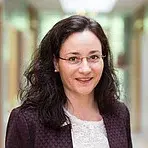
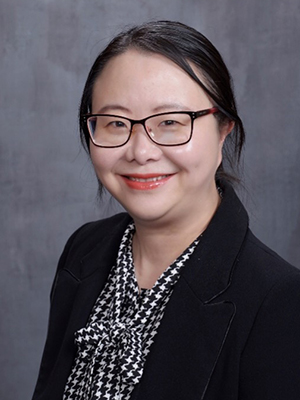
Prof. Dr. Isabelle Stauffer holds the Professorship for Modern German Literature at the Catholic University of Eichstätt-Ingolstadt , where she also serves as Vice Dean of the Faculty of Languages and Literature and Deputy Director of the Center for Religion, Church, and Society in Change (ZRKG) . She co-leads the ZRKG Research Field III on "Religiosity in Contemporary Transformation Processes" and examines intersections of literature with gender/queer studies , postcolonial theory , and cultural history of gallantry . Studied at University of Zurich and Humboldt University Berlin Doctorate (2006) and Habilitation (2015) from Johannes Gutenberg University Mainz Previously held positions at Goethe University Frankfurt, Philipps University Marburg, and Saarland University Her research spans early modern to contemporary German literature , with specializations in intermediality (film, digital media), epistolary culture , and dandyism/fashion history . Current projects include organizing the 2025 IVG congress panel "Figures of Crisis – Crisis of the Figure" and editing the complete works of Aurora von Königsmarck. She has published extensively on topics including: Postcolonial transformations in early modern texts Religious discourse in contemporary literature Intermedia reflexivity in digital age narratives Queer performativity in historical and modern contexts Translation as cultural transfer mechanism Surface aesthetics in cinema and art
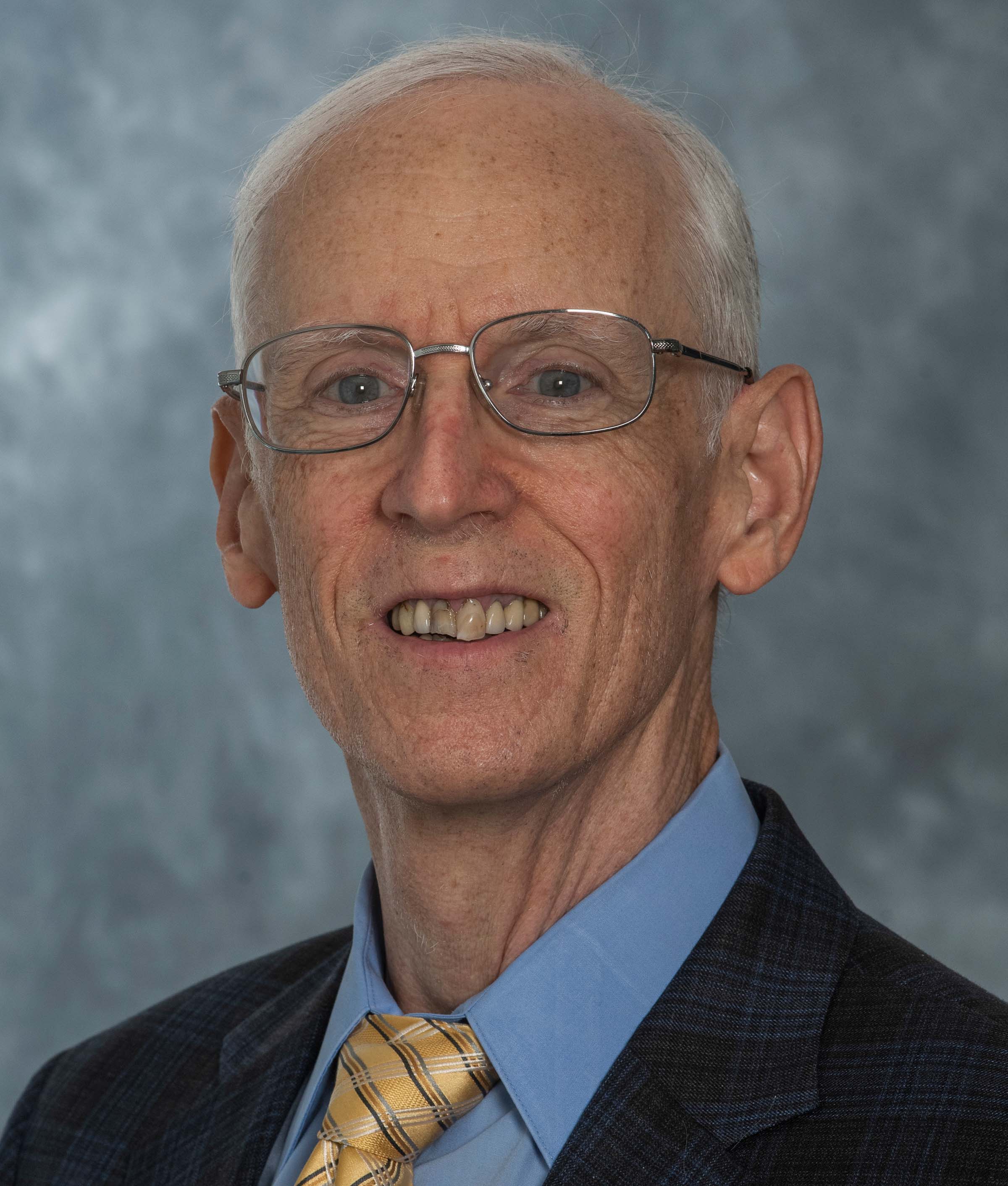
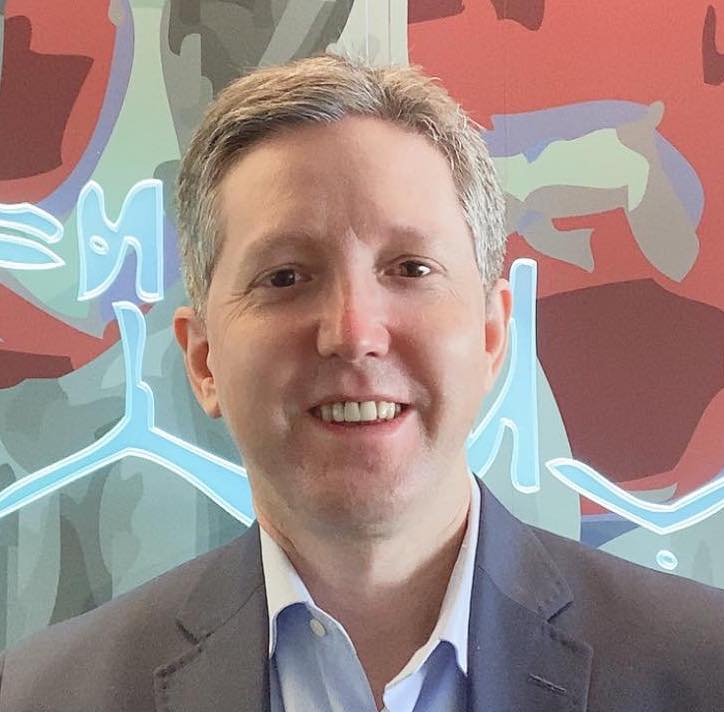
Allen N. Berger is the Carolina Distinguished Professor and H. Montague Osteen, Jr. Professor of Banking and Finance at the University of South Carolina's Darla Moore School of Business. He co-founded and co-directs the Center for Financial Institutions, chairs the Fixed Income-Financial Institutions Conference organizing committee, and is a Senior Fellow at the Wharton Financial Institutions Center. Education includes: Ph.D. in Economics, University of California, Berkeley (1983) M.A. in Economics, University of California, Berkeley (1979) B.A. in Economics, Northwestern University (1976) Research expertise spans financial institutions, with 138 refereed publications in leading finance and economics journals. Major contributions include developing liquidity creation measures used globally, analyzing bank efficiency, and examining crisis interventions. His work has received over 104,000 Google Scholar citations with an H-index of 113. Honors include the Southern Finance Association's Lifetime Service Award (2023), Best Paper Award from Review of Corporate Finance (2023), and University of South Carolina's top research award. He has addressed central banks worldwide and serves on eight editorial boards. Before academia, he spent 26 years at the Federal Reserve Board. Research areas: Bank liquidity creation and financial crises Government interventions (TARP, PPP) Bank competition and FinTech International banking comparisons Small business lending dynamics
Dong Lou is a Professor of Finance at the Hong Kong University of Science and Technology (HKUST), where he serves as Associate Dean of Business and Management (Strategic Planning and Research) and Acting Head and Chair Professor of the Department of Finance. He is also a CEPR Research Fellow at the London School of Economics (LSE). His research focuses on asset pricing, investment management, and behavioral finance, with a particular emphasis on market inefficiencies, trading dynamics, and macrofinancial linkages. PhD in Finance, Yale University, 2009 His scholarly work explores liquidity provision, arbitrage activity, investor behavior, and the impact of information dissemination on financial markets. Recent studies include the effects of dollar asset holdings on global yields, retail margin trading dynamics, and the relationship between communication rates and security prices. His publications appear in top journals like Management Science , Journal of Financial Economics , and Review of Financial Studies . His research has been recognized with numerous awards, including the Crowell Memorial Award, NASDAQ OMX Award, and multiple INQUIRE and CRSP Forum grants. He mentors PhD students in finance and co-directs the HKUST-DXM AI for Finance Joint Laboratory, advancing AI applications in financial research and practice.
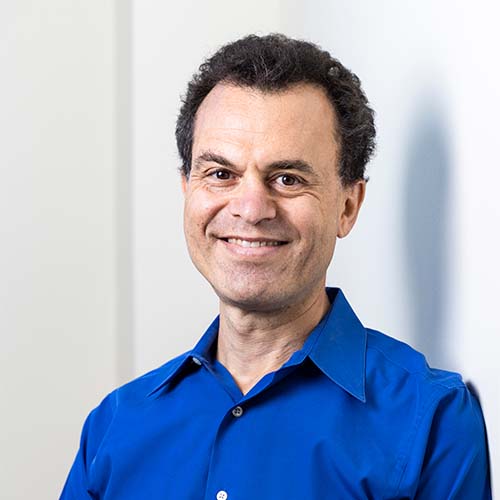
Hamsa Bastani is an Associate Professor of Operations, Information and Decisions at the Wharton School, University of Pennsylvania, with a secondary appointment in Statistics and Data Science. She co-directs the Wharton Healthcare Analytics Lab and serves as an Associate Editor for Operations Research, M&SOM and OR Letters. Her academic journey began with summa cum laude graduation from Harvard in 2012 with an A.M. in physics and A.B. in physics and mathematics. She completed her PhD in Stanford's Electrical Engineering department under Mohsen Bayati, followed by a Herman Goldstine postdoctoral fellowship at IBM Research. Professor Bastani's research focuses on developing novel machine learning algorithms for data-driven decision-making, with applications spanning healthcare operations, social good, and revenue management. Her work demonstrates particular expertise in sequential decision-making (bandits, reinforcement learning), learning from auxiliary data sources (transfer learning, meta-learning), and designing effective human-AI interfaces (interpretability, fairness). She has made significant contributions to understanding how AI systems affect and augment human behavior, with the goal of designing AI tools that help humans thrive. Her publications reveal a strong trend toward high-impact applications of machine learning in critical societal domains. A significant portion of her recent work focuses on healthcare applications, including optimizing health supply chains in low- and middle-income countries, designing clinical trial protocols, and creating targeted public health interventions. Another major theme examines the complex relationship between humans and AI systems, particularly how AI affects learning outcomes and decision-making processes. Her work frequently bridges theoretical advances with practical implementation, as evidenced by country-scale deployments in Greece and Sierra Leone. Wagner Prize for Excellence in Operations Research Practice (2021) Pierskalla Award for Best Paper in Healthcare (2021, 2019, 2016) Behavioral OM Best Paper Award (2021) Public Sector in OR Best Paper Award (2024) INFORMS Data Mining Best Paper Award (2022) Wharton Teaching Excellence Award (2019, 2020, 2021) Professor Bastani has advised numerous PhD students who have gone on to prominent positions, including Pia Ramchandani (Director of Responsible AI at PwC), Arielle Anderer (Assistant Professor at Cornell Johnson), and Kan Xu (Assistant Professor at ASU Carey). Her research has been supported by collaborations with national governments, including the Greek government where she co-designed Eva, the national-scale reinforcement learning system for targeted COVID-19 testing, and the Government of Sierra Leone where she improved patient access to essential medicines by nearly 20% via decision-aware learning. She has also conducted the first large field study deploying generative AI tutors in high school math classes. She leads the Wharton Healthcare Analytics Lab and serves on the Steering Committee for the Penn Center for Health Incentives and Behavioral Economics and on the statistics advisory committee for the AHA Food is Medicine Initiative. Outside academia, she serves on the Workday AI Advisory Board, demonstrating her commitment to translating academic research into practical applications.
Giorgio Ascoli is a University Professor in the Department of Bioengineering at George Mason University, where he has been since 1997. He is the Founding Director of the Center for Neural Informatics, Structures, & Plasticity (CN3) and Founding Editor-in-Chief of the journal Neuroinformatics . His affiliations span computational neuroanatomy, neuroinformatics, and hippocampal modeling. Education : PhD in Biochemistry and Neuroscience (1996), Scuola Normale Superiore; MS in Chemistry and Biochemistry (1993), Pisa University; BS in Chemistry and Physics (1991), Scuola Normale Superiore. Dr. Ascoli investigates the relationship between brain structure, activity, and function from cellular to circuit levels. His research focuses on anatomically plausible neural networks to model mammalian brains, particularly the hippocampus, with implications for understanding human memory and consciousness . He pioneered computational neuroanatomy, developing tools like L-Neuron for neuronal shape modeling and curating NeuroMorpho.Org , a central repository for digitally reconstructed neurons. His recent publications emphasize neuronal classification , connectome analysis , and biologically informed machine learning . Awards include the 2012 Outstanding Faculty Award (Virginia), 2022 AIMBE fellowship , and 2023 Presidential Faculty Excellence Awards . He has mentored over 20 graduate students and postdoctoral fellows, with funding from NIH, NSF, DARPA, and private foundations. Scientific Contributions : Over 137 peer-reviewed articles, 4 patents, 2 authored/edited books, and leadership in NeuroMorpho.Org and Hippocampome. Grants : $20M+ in cumulative funding, including NIH R01s, NSF BRAIN EAGERs, and Burroughs-Wellcome Trust support. Labs : Leads the Computational Neuroanatomy Group within CN3, focusing on hippocampal modeling, neuronal morphology, and consciousness theories.
Elin Org is a Professor of Microbiomics at the University of Tartu's Institute of Genomics, where she also serves as Head of the Estonian Genome Centre and Vice Director of the Institute. Her academic career spans over two decades with significant contributions to microbiome and genomic research. Education: PhD in Genetics, University of Tartu (2006) Master's Degree in Molecular Biotechnology and Biomedicine, University of Tartu (2000) Bachelor's Degree, University of Tartu (1997) Classical Singing, Heino Eller Tartu Music School (1996) Professor Org's research primarily focuses on the intricate relationships between host and gut microbiota and their influence on metabolism and common complex diseases. Her work bridges microbiomics, genomics, and complex disease research, with particular emphasis on understanding how gut microbiome composition affects human health. She has pioneered research connecting long-term antibiotic usage with microbiota-dependent effects and has made significant contributions to understanding the role of gut microbiome in conditions such as gestational diabetes, endometriosis, and polycystic ovary syndrome. Her approach integrates advanced computational methods with comprehensive health data to uncover causal relationships in microbiome research. Her recent publications demonstrate a strong trend toward integrating microbiome data with extensive digital health metrics, using machine learning approaches to identify microbial predictors of health outcomes. This work is increasingly focused on translating microbiome research into clinical applications for disease prediction and personalized medicine approaches, particularly in the context of the Estonian Biobank initiative. Major Scientific Recognition: 2025 National Science Award in medical and health sciences 2023 and 2022: Recognized among the world's top 1% most cited researchers by Clarivate Analytics 2020: Member of AcademiaNet, a portal for top female researchers 2017: EMBO Installation grant 2013: Marie Curie International Outgoing Fellowship Professor Org has secured substantial research funding as principal investigator for multiple significant projects, including 'DISCERN - Discovering the causes of three poorly understood cancers in Europe' (€245,466, European Commission) and 'Improving colorectal cancer screening and prediction using microbiome-based biomarkers' (€760,450, Estonian Research Council). She has served as an opponent for numerous PhD theses across European institutions, contributing to the development of emerging researchers in her field. As Head of the Estonian Genome Centre, Professor Org leads a multidisciplinary research team that plays a crucial role in Estonia's transition from biobanking to personalized medicine applications. She is actively involved in international collaborations through COST networks including INFOGUT (focused on in vitro colon models) and ML4Microbiome (statistical and machine learning techniques in human microbiome studies), positioning her at the forefront of global microbiome research initiatives.
Kim A. Johnston is a Professor in the School of Advertising, Marketing & PR at Queensland University of Technology (QUT). Her research focuses on public relations, community engagement, disaster management communication, and stakeholder relationships. She has authored over 90 publications, including the influential Handbook of Communication Engagement (2018). Her work bridges theory and practice, emphasizing resilience-building in vulnerable communities, social impact assessment, and organizational communication strategies. Education & Roles: Holds a PhD in Strategic Communication (QUT, 2011). Served as lead researcher in multiple projects funded by organizations like Natural Hazards Research Australia and Healthy Waterways. Research Highlights: Pioneered frameworks like the 'Authenticity Matrix for Community Engagement' (2019) and 'Co-orientation on Social Impact' (2025). Her work on disaster preparedness has informed policy through systematic reviews and toolkit development. Grants & Collaborations: Collaborated with institutions such as Bushfire and Natural Hazards CRC and Murray-Darling Basin stakeholders. Projects include assessing stakeholder engagement in water governance and evaluating community flood experiences post-2022. Labs/Teams: Active in QUT's Business School research clusters on strategic communication and CSR. Leads interdisciplinary teams in disaster resilience and employee engagement studies.
Kaka Ma is an Associate Professor in the Department of Materials Science & Engineering at Texas A&M University, specializing in advanced materials processing for energy systems and extreme environments through powder-based synthesis, additive manufacturing, and sintering technologies. Educational Background: Ph.D. in Materials Science and Engineering, University of California, Davis (2010) B.S. in Materials Science and Engineering, University of Science and Technology of China (2006) His research focuses on powder-based synthesis of metals/ceramics, laser directed energy deposition, field-assisted sintering technology (FAST), thermionic/thermoelectric energy conversion materials, and ultrahigh-temperature/hypersonic environment applications, with strong emphasis on sustainability in materials engineering. Recent publications demonstrate expertise in creating functionally graded materials via controlled thermal gradients and powder morphology optimization. Analysis of 2021-2025 publications reveals dominant trends in spark plasma sintering parameter optimization, additive manufacturing of titanium alloys, high-entropy carbide development, and nanoparticle synthesis for energy applications, consistently linking processing parameters to microstructure-property relationships in extreme-condition materials. Scientific Awards: TMS Light Metals/Extraction & Processing Subject Award – Recycling (2020) Professional memberships include The Minerals, Metals and Materials Society (TMS) and America Makes. While specific advising details and grant information are not documented in the provided materials, his extensive collaborative publication record indicates active mentorship of graduate researchers and successful acquisition of research funding. No dedicated laboratory facilities or research team structures are specified in the source documentation.
Ralf Bierig joined Maynooth University's Computer Science Department in 2017, teaching topics including information retrieval, software testing, interaction design, and virtual reality. He is the programme director of the Higher Diploma in Human-Computer Interaction (HCI) and User Experience (UX). He earned his BSc (2002) from University of Furtwangen and PhD (2008) from Robert Gordon University. Research Interests His work spans information retrieval, interactive information retrieval, personalisation, information search behavior, usability (UX), and virtual reality (VR). Recent publications focus on multimodal concept indexing, hybrid IR approaches, and contextual adaptation in search systems. Publication Trends His research combines statistical semantics, graph modeling, and multimodal data analysis across academic collaborations in Austria, Germany, and international venues like ECIR and SIGIR.
Saras D. Sarasvathy is the Paul M. Hammaker Professor at the Darden Graduate School of Business, University of Virginia, where she is a member of the Strategy, Entrepreneurship and Ethics area. A leading researcher in entrepreneurship, she advises entrepreneurship programs globally across Europe, Asia, and Africa, while serving on boards of companies including Lending Tree (Nasdaq: TREE) and Upekkha, a SaaS accelerator in Bangalore, India. Her research focuses on the cognitive basis of high-performance entrepreneurship, particularly her groundbreaking work on effectuation theory. Sarasvathy's scholarship examines how expert entrepreneurs think and act under uncertainty, challenging traditional predictive approaches to business strategy. She has developed frameworks showing how entrepreneurs create markets and opportunities through action-oriented, non-predictive methods that leverage available means rather than predetermined goals. Sarasvathy's award-winning research has generated significant scholarly attention and practical applications worldwide. Her work has spawned over a hundred scholars involved in the effectuation research program, with publications available through www.effectuation.org. Her influential book Effectuation: Elements of Entrepreneurial Expertise and co-authored textbook Effectual Entrepreneurship (winner of the 2012 Axiom Business Book Awards Gold Medal) have shaped entrepreneurship education globally. Among her numerous accolades are the 2022 Global Award for Entrepreneurship Research (the highest recognition in the field), the Academy of Management's 2019 Foundational Work Award, and recognition as one of Fortune Small Business Magazine's top 18 entrepreneurship professors. She has received honorary doctorates from multiple universities in Europe and Asia and has been named a Visiting Professor at institutions worldwide. Before academia, Sarasvathy founded and ran five successful businesses across three countries. Her doctoral research at Carnegie Mellon University was supervised by Herbert Simon, the 1978 Nobel Laureate in Economics, with whom she collaborated to discover the essential elements of entrepreneurial know-how. She holds a B.Com. from the University of Bombay, India, and an MSIA and Ph.D. from Carnegie Mellon University.
Eric W. Schmidt is a Distinguished Professor of Medicinal Chemistry at the University of Utah, with adjunct appointments in Biological Sciences and Chemistry. His research focuses on natural products chemistry, biosynthesis, synthetic biology, and pharmaceutical applications of marine animal microbiomes. University of California, San Diego (BS, PhD) Research areas include: Biosynthesis in animals and their microbiomes Synthetic biology approaches to chemical engineering Drug design from marine natural products Metagenomic analysis of symbiotic relationships Neuroactive compound discovery Antibiotic development against resistant pathogens His lab has pioneered methods for: Biosynthetic gene cluster identification Heterologous expression in E. coli Enzymatic modification of peptides Chemical analysis of marine invertebrates Recent publications highlight discoveries in: Marine animal chemical defense mechanisms Evolution of biosynthetic pathways Antibiotic resistance profiling Ionic channel-targeting compounds Peptide macrocyclization techniques Lipid-polyketide biosynthesis continuum Email: ews1@utah.edu Honors include: Distinguished Professor recognition
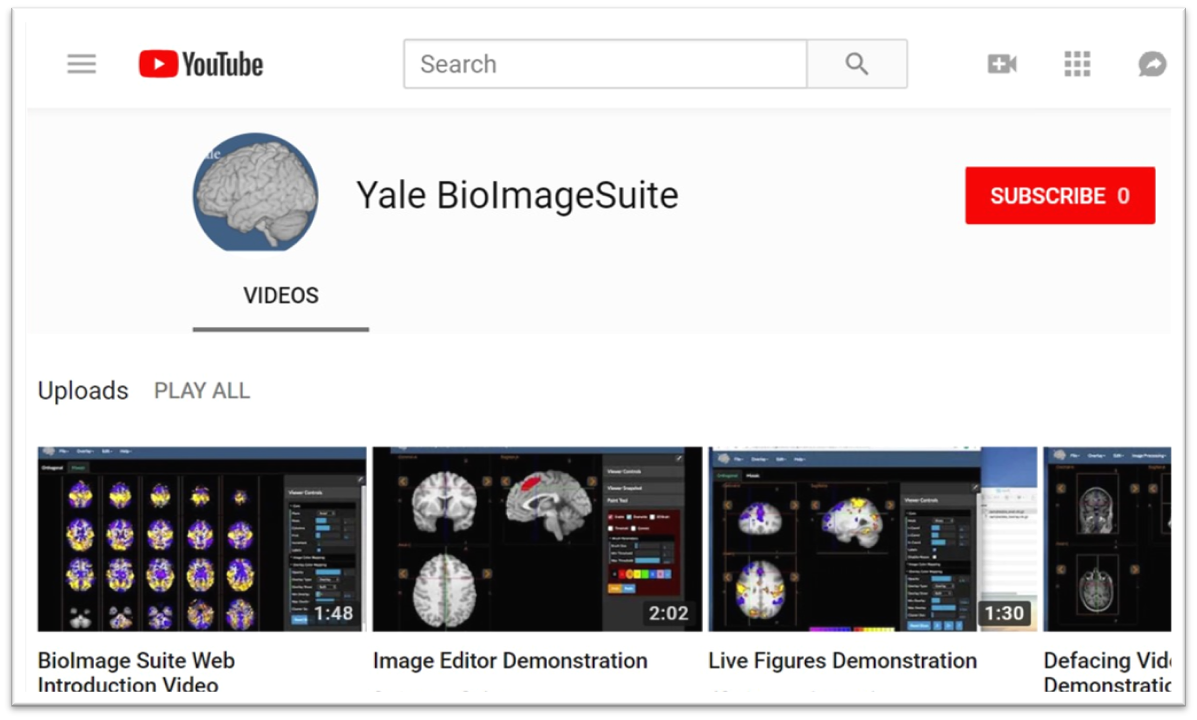
Xenophon Papademetris is a Professor of Biomedical Informatics & Data Science and Radiology & Biomedical Imaging at Yale School of Medicine. He serves as Associate Director of Biomedical Imaging Data Sciences at Yale Biomedical Imaging Institute and directs the Medical Software and Medical Artificial Intelligence Certificate Program. PhD in Electrical and Information Sciences from Yale University (2000) BA from Cambridge University (1994) Postdoctoral Fellowship at Yale University (2002) His research focuses on medical image analysis, machine learning, and biomedical software development. He has developed tools like BioImage Suite Web and contributed to standards committees at the Association for the Advancement of Medical Instrumentation (AAMI). His work spans modalities including MRI, CT, PET, and optical imaging. Recent publications emphasize neuroimaging analysis, explainable AI in healthcare, and multimodal data integration across species. He leads NIH-funded research under the BRAIN Initiative (R24 MH114805) and has authored a textbook on Medical Software published by Cambridge University Press. IEEE Senior Member Yale Brown-Coxe Postdoctoral Fellowship Harding Bliss Prize for Excellence in Engineering He directs the BioImage Suite Project, creating web-based image analysis tools using JavaScript and WebAssembly. His teaching includes both academic courses and a Coursera program on Medical Software with over 14,000 enrollments.
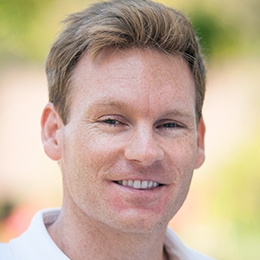
Matti Marklund is an Assistant Professor at the Bloomberg School of Public Health , Johns Hopkins University , with additional appointments at The George Institute for Global Health (Australia) and Uppsala University (Sweden). He holds a PhD in Food Science from the Swedish University of Agricultural Sciences (2012) and an MSc in Engineering Biotechnology from Umeå University (2007). His research focuses on nutrition and public health , particularly diet-disease relationships , cardiometabolic epidemiology , and food policy . Key areas include sodium and potassium intake , trans-fatty acids , dietary fat quality , and cost-effectiveness analysis of global health interventions. He has led studies on salt substitution , food pricing policies , and hypertension management . His 15 most recent publications (2025–2019) cover topics such as trans-fatty acid biomarkers in Nigeria , price elasticity of food in Australia , hypertension treatment modeling in India , and diabetes risk from fatty acid intake . These works integrate modeling , cohort studies , and systematic reviews across public health , cardiovascular medicine , and nutritional epidemiology . Scientific awards include: 2022 & 2021: Paul Dudley White International Scholar Award, American Heart Association 2017 & 2016: Dr. P Håkansson’s Foundation Research Award His work has been cited over 3,000 times and referenced in 25 policy documents (WHO, World Bank). He has collaborated with institutions in Kenya , Nigeria , India , and Bangladesh for global health interventions .
Tyler Johnson, PhD, is an Associate Professor in the Department of Natural Sciences and Mathematics at Dominican University of California's School of Health and Natural Sciences. His expertise lies in Natural Products Chemistry , Bioorganic Chemistry , and Medicinal Chemistry , with a focus on biomedical applications. Johnson's research emphasizes discovering therapeutic lead compounds and molecular probes from marine and terrestrial natural products. His research team investigates chemotypes like mycothiazole , zampanolide , fijianolide , and latrunculin from Indo-Pacific marine sponges. These compounds exhibit potent cytotoxicity (IC50 1~5 nM) against cancer cell lines through mechanisms including microfilament disruption , mitochondrial complex I inhibition , and microtubule stabilization . Current work explores mycothiazole as a molecular probe for mitochondrial aging. Key publications span 2024-2002, covering topics from sponge-derived anticancer agents to inflammation modulation and environmental toxicology. Johnson's laboratory engages in large-scale natural product isolation, spectroscopic validation, and semi-synthetic medicinal chemistry to optimize therapeutic leads. His work integrates undergraduate and graduate students into interdisciplinary biomedical research.
Professor Moses Acquaah is a Professor and Department Head of Management at the Bryan School of Business and Economics, University of North Carolina at Greensboro (UNCG). He serves as Director of the PhD Program in Business Administration. His research focuses on strategic management, emerging economies, family businesses, and sustainability in Africa. He holds a Ph.D. in Strategic Management from the University of Wisconsin-Milwaukee and multiple advanced degrees from institutions like Simon Fraser University and the University of Cambridge. Education: Ph.D. in Strategic Management and International Management, University of Wisconsin-Milwaukee M.B.A. in Accounting & Policy Analysis, Simon Fraser University M.A. in Economics (Monetary and International Economics), Simon Fraser University Graduate Diploma in Development Studies, University of Cambridge B.A. (Honors) in Social Sciences, University of Science and Technology, Ghana Research Interests: Social capital and networking in emerging economies Competitive strategy in sub-Saharan Africa Family business management and entrepreneurship Sustainability and green supply chain practices Leadership in Africa and the diaspora Global strategic alliances and institutional pressures His recent work examines pandemic impacts on African businesses, innovation strategy combinations, and leadership effectiveness. He has published extensively in journals like Journal of Cleaner Production , International Business Review , and Africa Journal of Management . Key Contributions: Pioneered studies on family businesses in sub-Saharan Africa Developed the Leadership Effectiveness in Africa and the Diaspora (LEAD) scale Edited special issues on pandemic management and sustainable development in Africa