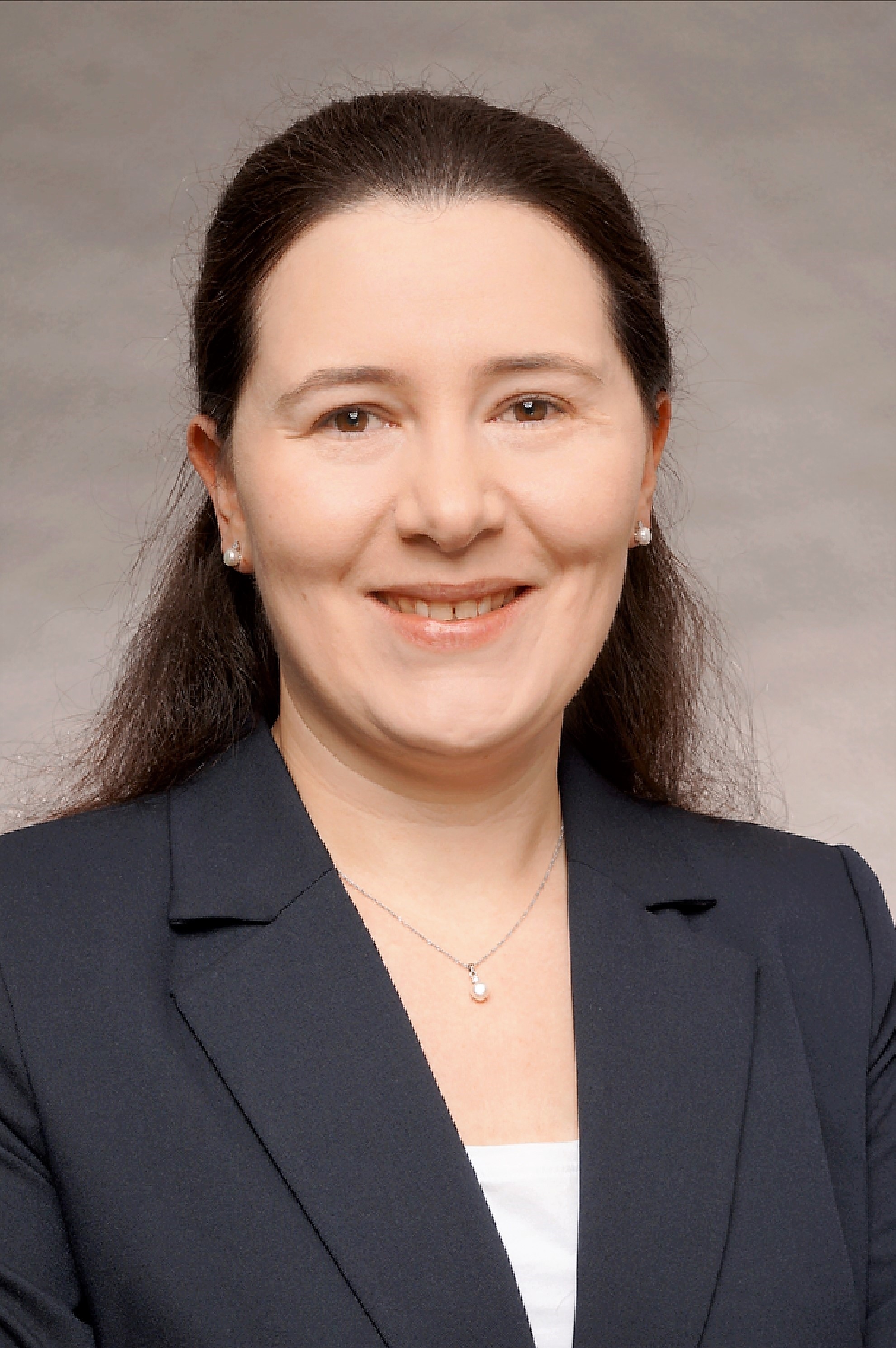
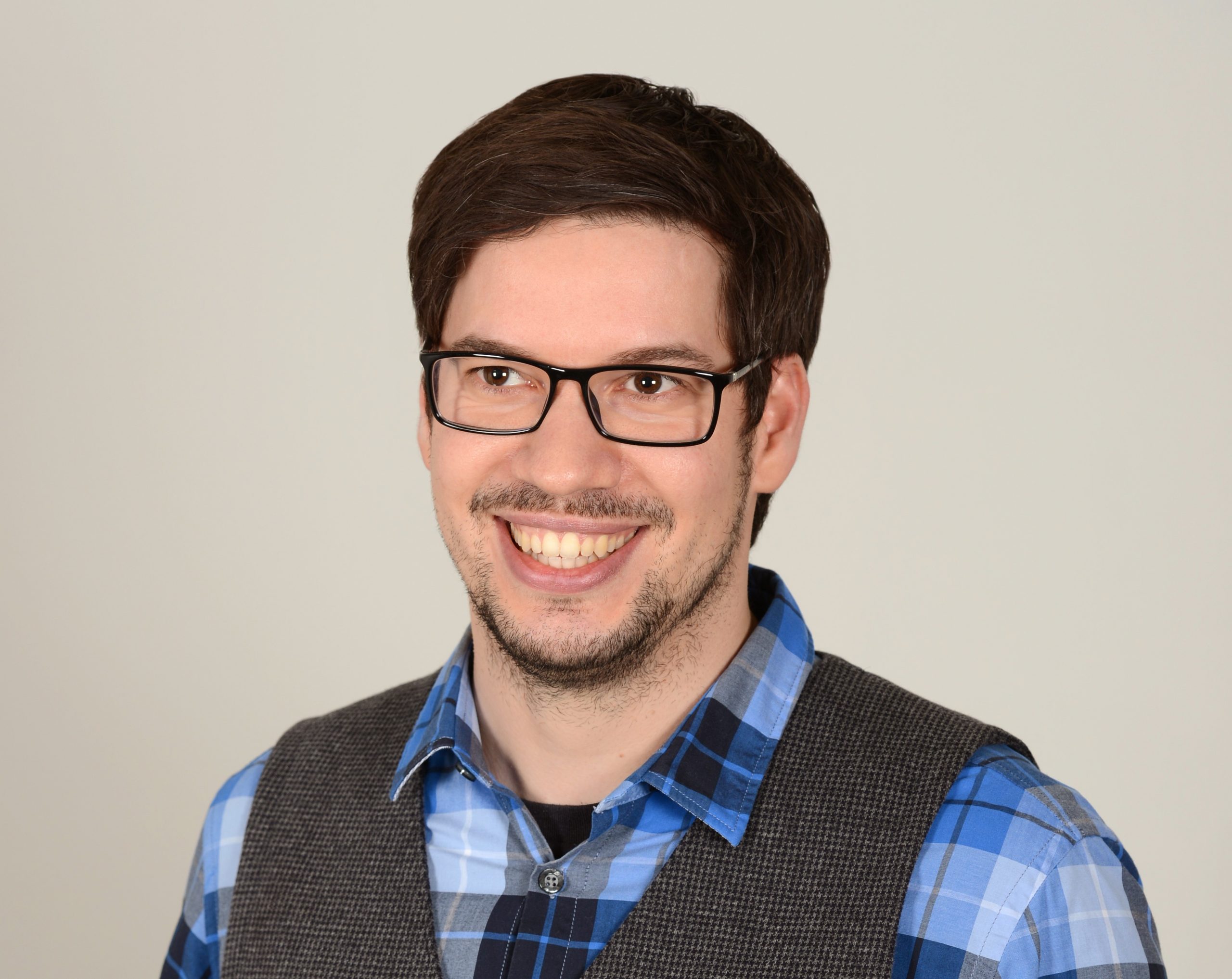
Sarah Eberle-Blick is a Senior Lecturer at the Institute of Mathematics , Goethe University Frankfurt, Department of Computer Science and Mathematics. Her work bridges numerical methods, inverse problems, and wave propagation in elasticity. Research Focus : Numerical analysis of PDEs, monotonicity methods for inclusion detection, FEM-BEM coupling, multiscale seismic data processing. Key Contributions : DFG-funded projects on elastic wave reconstruction; development of stable integral formulations for acoustic and thermoelastic wave equations; implementation of 3D wave simulations. Article Trends : Recent papers emphasize inverse problems in linear elasticity, time-harmonic wave equations, and multiscale analysis using wavelets. Collaborative work spans geophysics, computational mechanics, and mathematical modeling. Projects : Includes monotonicity-based regularization, Lipschitz stability estimation, and FEM-BEM coupling with convolution quadrature. Contact: eberle@math.uni-frankfurt.de | Room 103, Institute of Mathematics, Frankfurt am Main, Germany.
Prof. Dr. Roland Schnaubelt is a Professor at the Department of Mathematics , Karlsruhe Institute of Technology (KIT) , affiliated with the Faculty of Mathematics and the Institute for Analysis . His research focuses on qualitative properties of evolution equations, particularly hyperbolic and parabolic partial differential equations, including Maxwell equations and control theory. Current research emphasizes dispersive estimates, stability, and numerical schemes for wave-type equations. He is a principal investigator in the DFG-funded Collaborative Research Centre 1173 Wave phenomena: analysis and numerics . His work includes projects on nonlinear Maxwell equations, biharmonic wave maps, and interpolation theory.
Dr.-Ing. Anna Krause is a researcher at the Chair of Data Science (Informatik X) within the Faculty of Mathematics and Computer Science at the University of Würzburg. She leads the Deep Learning for Dynamical Systems Group and has been actively involved in teaching at the university since 2019, including courses on Machine Learning for Time Series Analysis and Data Mining. Doctoral degree in Electrical Engineering (2019), University of Hannover Diploma in Electrical Engineering (2009), Technical University Dresden Her research focuses on Environmental Sensing and Time Series Analysis , particularly on enhancing physics-based models using machine learning techniques for meteorological applications and sparse sensor networks. She has made significant contributions to explainable AI, climate modeling, and fraud detection systems. Anna's recent publications demonstrate expertise in climate modeling (ConvMOS, ICLR 2024-2025), physics-informed neural networks (TaylorPDENet, ECMLPKDD 2023), and fraud detection (MIDAS workshops, ECMLPKDD 2020-2023). She actively contributes to conferences as organizer and PC member, including ECMLPKDD and ICLR workshops. Scientific Awards Best ML Innovation Award (2020) for Deep Learning in Climate Modeling Best Student Paper Award (2020) for Multi-Task Land Use Regression Best Paper Award (2020) for Financial Fraud Detection with INALU The DynaBench dataset introduced in 2023 provides benchmark tools for learning dynamical systems from low-resolution data. Her work combines theoretical advancements with practical implementations, including edge computing applications for beekeeping monitoring systems.
Deng Cai is a Professor at Zhejiang University's College of Computer Science, working in the State Key Laboratory of CAD&CG in Hangzhou, China. He also maintains an affiliation with Tencent AI Lab, demonstrating his strong connection between academic research and industry applications in artificial intelligence. His academic background includes a PhD from the University of Illinois at Urbana-Champaign, Department of Computer Science (2009). Professor Cai's research spans multiple domains within artificial intelligence, with particular emphasis on computer vision, deep learning, and their applications. His work shows strong focus on 3D object detection, lane detection for autonomous vehicles, and the application of large language models to various vision tasks. He has made significant contributions to traffic forecasting, trajectory prediction, and CAD generation systems. His recent work increasingly integrates large language models with computer vision tasks, demonstrating the evolving nature of his research interests toward multimodal AI systems. The trajectory of Professor Cai's publications reveals a clear progression from foundational computer vision and machine learning research toward increasingly complex and applied systems. His work shows strong emphasis on practical applications in autonomous driving, with numerous papers on 3D object detection, lane detection, and trajectory prediction. More recently, his research has expanded to include generative models for CAD systems and video customization, often leveraging large language models in innovative ways. The consistent publication output across top-tier venues including CVPR, ICCV, AAAI, and NeurIPS demonstrates sustained research productivity and impact. Professor Cai has established significant research collaborations, particularly with Xiaofei He (161 joint publications), Haifeng Liu (50), Zhou Zhao (42), Wenxiao Wang (41), and Binbin Lin (39). His work appears across diverse publication venues including IEEE Transactions on Pattern Analysis and Machine Intelligence, IEEE Transactions on Image Processing, and proceedings of major AI conferences. The breadth of his publication venues reflects the interdisciplinary nature of his research spanning theoretical machine learning to applied computer vision systems. Professor Cai leads research activities within Zhejiang University's College of Computer Science, particularly focusing on the State Key Laboratory of CAD&CG. His work bridges academic research with practical industry applications through his affiliation with Tencent AI Lab. The laboratory environment supports research in computer vision, machine learning, and their applications to real-world problems in autonomous systems, content generation, and intelligent transportation.
Andreas Wagner is a researcher affiliated with Helmholtz-Zentrum Dresden-Rossendorf , with a focus on interdisciplinary research spanning computational biology, systems biology, computer science, and materials science. His work explores genotype-phenotype mappings, evolutionary innovation, and robustness in biological systems, while also contributing to machine learning, numerical methods, and positron annihilation spectroscopy in physics. Wagner collaborates internationally, with co-authors from institutions in Germany, Austria, Finland, and beyond. Research Interests : Wagner's research bridges computational biology and systems biology, analyzing evolutionary processes through genotype networks, metabolic innovation, and gene regulatory circuits. He applies machine learning techniques to energy systems, such as solar power forecasting in federated learning frameworks. His physics work involves positron annihilation spectroscopy for material defect analysis, particularly in alloys and thin films. Publications & Data Science : He has published extensively on topics like robust numerical algorithms, adaptive cruise control optimization, and data-driven approaches for systematic reviews. His recent work includes matrix-free preconditioning methods and physics-regularized multi-modal image assimilation for medical imaging. Wagner contributes to open data initiatives, including datasets on radiation damage and material porosity via RODARE.
Dr. Yifei Zhao is an academic researcher at the Mathematical Institute , University of Münster , Germany, within the Department of Mathematics and Computer Science. His work bridges arithmetic geometry, algebraic topology, and representation theory through advanced cohomology theories and geometric Langlands program research. Position: Fixed-term Academic Councilor (Akademischer Rat auf Zeit) Contact: yifei.zhao@uni-muenster.de , +49 251 83-35172, Room 100,008 Research focuses on: Langlands Correspondences : Extending to p-adic coefficients, derived categories, and geometric unification via motivic methods Moduli Spaces : Geometry of local shtukas, étale sheaves, and their cohomological properties Topological Recursion : Connections to free probability and Baker–Akhiezer kernels Cohomology Theories : Unifying étale, crystalline, and de Rham cohomology in mixed characteristics His current projects include CRC 1442 A05/D03 and EXC 2044 A1 , with publications in journals like Compositio Mathematica and Journal of the European Mathematical Society . Collaborators include James Tao and Luozi Shi. Detailed lecture notes on scheme theory and geometric Langlands are available from his courses and winter school contributions.
Dr. Fabian Wein serves as a Senior Scientist at the Chair of Applied Mathematics (Continuous Optimization) within the Department of Mathematics at Friedrich-Alexander-Universität Erlangen-Nürnberg (FAU). His research focuses on advanced optimization techniques with applications in structural design and additive manufacturing. Wein maintains an active research profile with numerous publications in leading optimization journals and collaborates extensively within Michael Stingl's research group. Wein's research interests center on topology optimization methodologies, particularly feature-mapping approaches for structural optimization. His work bridges theoretical mathematics with practical engineering applications, especially in the context of additive manufacturing technologies. He has made significant contributions to two-scale optimization of graded lattice structures, buckling analysis of cellular structures, and optimization of piezoelectric devices. His research demonstrates a consistent focus on developing computationally efficient methods that respect manufacturing constraints while achieving optimal structural performance. Analysis of Wein's recent publications reveals a strong trend toward multiscale optimization approaches that integrate microstructural design with macroscopic performance requirements. His work increasingly addresses the challenges of additive manufacturing, particularly in developing optimization frameworks that account for process-structure-property relationships. The research spans from fundamental mathematical developments to practical applications in electromechanics, fluid dynamics, and structural mechanics. Wein actively participates in academic advising and research supervision, as evidenced by his involvement with master's theses such as 'Optimization of a Solar Air Heater' (2022). His research has received substantial citations, indicating significant impact in the optimization community. The work is often supported through collaborations with institutions like the Max Planck Society and Fraunhofer Institutes, leveraging FAU's strong research ecosystem. Within the research environment at FAU, Wein contributes to the Continuum Optimization group that maintains several computational resources including openCFS (an open-source C++ FEM framework with structural optimization capabilities) and iTop (an interactive educational topology optimization platform). His work connects with broader university initiatives in advanced manufacturing and computational engineering, contributing to FAU's position as one of Germany's leading research universities with over 14,000 staff members across the Nuremberg Metropolitan Region.
Mikhail V. Solodov is a Researcher at the Institute for Pure and Applied Mathematics (IMPA) in Rio de Janeiro, Brazil, where he conducts cutting-edge research in optimization theory and algorithms. His work spans theoretical foundations and practical applications, with significant contributions to Newton-type methods, augmented Lagrangian techniques, and equilibrium problems. Dr. Solodov's educational background includes: Ph.D. in Optimization/Computer Sciences from University of Wisconsin-Madison (1995) M.S. in Computer Sciences from University of Wisconsin-Madison (1992) Diploma (with Honors) in Applied Mathematics from Moscow State University (1991) His research focuses on developing and analyzing optimization algorithms, particularly Newton and Newton-related methods for optimization and variational problems under weakened assumptions, augmented Lagrangian techniques, decomposition methods, and nonsmooth optimization (especially bundle methods). He has made significant contributions to understanding optimization problems with degenerate constraints and has developed relaxed regularity concepts for these challenging problems. Dr. Solodov's recent publications (2022-2025) show a strong trend toward applications in energy markets while maintaining theoretical rigor. His work bridges mathematical theory with practical implementation, demonstrating how optimization theory can solve real-world problems in energy systems and economic equilibrium modeling. The publications reveal increasing focus on equilibrium problems with applications to energy markets, while continuing to advance theoretical understanding of optimization algorithms. His recognition in the field is evident through his editorial appointments: Mathematical Programming, Series A (since 2005) Optimization Methods and Software (since 2002) SIAM Journal on Optimization (2009-2024) Dr. Solodov has also contributed to special journal issues dedicated to prominent figures in optimization, including a special issue on Hierarchical Optimization in Mathematical Programming (2023) and volumes dedicated to the memory of Prof. Naum Shor and Olvi Mangasarian.
PD Dr. Florian Frank is Privatdozent (senior lecturer with full teaching licence) for Applied Mathematics at Friedrich-Alexander-Universität Erlangen-Nürnberg (FAU) and heads the Bavarian research project „Parallel mesh loading and partitioning for large-scale simulation“ . His expertise spans high-performance computing, phase-field and discontinuous Galerkin methods, digital-rock physics, and reactive transport in porous media. Education & career 2022 – Venia legendi (private lecturer), Mathematics, FAU 2019 – Dr. habil., Mathematics, FAU 2013 – Dr. rer. nat., Applied Mathematics, FAU 2008 – Graduate Mathematician, University of Frankfurt 2021-2022 (acting) W2 Professor Scientific Computing, FAU 2018-2021 (acting) W2 Professor Mathematical Modelling, FAU 2017-2018 Senior Postdoc, CAAM, Rice University, USA 2014-2017 Postdoc, CAAM, Rice University, USA Research interests Frank focuses on the development and analysis of numerical schemes for partial differential equations that govern multiphase, multicomponent and reactive processes in porous or biological media. Key themes include discontinuous Galerkin and finite-volume methods , physics-preserving discretizations , high-performance computing , and digital-rock-based pore-scale simulations . He couples phase-field approaches with (Navier–)Stokes, Cahn–Hilliard, Nernst–Planck and density-gradient equations to quantify flow, transport, colloid dynamics and interfacial phenomena. Recent publications reveal a clear trend toward data-driven modelling : convolutional neural networks are trained with direct numerical simulation data to predict permeability and diffusion coefficients from 3-D micro-CT images, while advanced preconditioners and regularization techniques accelerate multiphase thermodynamic computations. Awards & recognition 2020 – Emmy-Noether-Prize der Naturwissenschaftlichen Fakultät, FAU 2017 – Promotion to Senior Postdoctoral Research Associate , George R. Brown School of Engineering, Rice University Projects, tools & supervision Frank currently leads a Bavarian state-funded project on parallel mesh handling for large-scale simulations. Together with collaborators he maintains the open-source MATLAB/GNU Octave toolbox FESTUNG for discontinuous Galerkin methods. Since 2018 he has (co-)supervised ten BSc and MSc theses on topics ranging from Stokes preconditioning to enriched Galerkin shallow-water solvers, regularly serves as reviewer for more than a dozen international journals, and is guest editor of special issues in Computational Geosciences and Oil & Gas Science and Technology .
Professor Florian Scharf is currently affiliated with the University of Kassel as a Professor of Psychological Research Methods (W1 with Tenure-Track). His research focuses on advanced quantitative techniques, particularly regularized structural equation models, electrophysiological data analysis, and linear mixed models in experimental contexts. He addresses psychometric validity/reliability and predictive mechanisms in auditory perception. Research Trends : Integration of regularization techniques in psychometric modeling, ERP data analysis, and developmental cognitive neuroscience. Methodological Expertise : Temporal PCA, latent variable modeling, and exploratory factor analysis with electrophysiological applications.
Professor Wolfgang Enard, Chair of Divisional Anthropology & Human Genomics at Ludwig Maximilian University of Munich (LMU), leads groundbreaking research at the intersection of molecular neuroscience, evolutionary biology, and genomics. As a GSN full faculty member and regular at the Munich Center for Neurosciences (MCN), he investigates evolutionary mechanisms shaping human-specific traits through advanced single-cell RNA-seq and comparative primate studies. His work spans from FOXP2 transcription factor roles in speech evolution to epigenomic regulation in neural development. Primary Research: Molecular & Developmental Neuroscience, Behavioral & Cognitive Neuroscience Key Methods: Mouse models, induced pluripotent stem cells, single-cell RNA-sequencing Collaborations: Hellmann Lab (computational approaches) Recent publications highlight his expertise in RNA sequencing innovations (Prime-seq), cross-species iPSC generation from primates, and evolutionary analysis of gene networks. His lab contributes to understanding lipid metabolism in neurodegenerative models and immune axes in thrombosis. Advisees include Dr. Aleksandar Janjic, a GSN graduate. Contact: enard@bio.lmu.de | Phone: +49 (0)89 / 2180-74 339.
Anna Rifat is a Research Associate at the Institute for Technology Assessment and Systems Analysis (ITAS) within Karlsruhe Institute of Technology (KIT), affiliated with the research group 'Philosophy of Technology, Technology Assessment and Science'. Her work focuses on interdisciplinary studies at the intersection of philosophy, history, and societal impacts of scientific developments. Education: Doctoral Candidate (2019-2023) at Friedrich Schiller University Jena, Faculty of Biosciences, completing a dissertation titled 'From Biotechnology to Bioethics: Debates on the Regulation of Genetic Engineering in the Federal Republic of Germany in the 1970s and 1980s' Master of Arts in Philosophy of Forms of Knowledge (2013-2017), University of Kassel Bachelor of Arts in Philosophy and German Studies (2009-2013), University of Kassel Research Focus: Anna's work examines ethical dimensions in scientific discourse, particularly through projects like 'MoWiKo – Moralizations in Science Communication'. Her scholarship critically analyzes historical and philosophical aspects of life sciences, feminist perspectives in science criticism, and 20th-century scientific developments with emphasis on societal implications of emerging technologies. Publication Trends: Her publications demonstrate consistent focus on ethical and historical dimensions of scientific controversies. Recent works analyze methodological frameworks in life sciences, societal debates around genetic engineering, and epistemological questions in behavioral research. Her output bridges philosophy of science with practical technology assessment. Professional Activities: Regular presenter at international conferences including the German Congress of Philosophy and Forum on Philosophy, Engineering, and Technology. Contributes to academic media productions discussing science-society interfaces.
Prof. Dr. Karsten Borgwardt is Director of the Research Department of Machine Learning and Systems Biology at the Max Planck Institute of Biochemistry in Martinsried, Germany. A leading figure in the intersection of machine learning, bioinformatics, and systems biology, he heads a multidisciplinary team that develops novel computational methods to extract knowledge from large biomedical data sets. Research Mission: The Borgwardt lab converges big data analytics and biomedical research . Two overarching goals drive their work: (1) Automatically generating new biological and medical knowledge from massive data via state-of-the-art machine-learning algorithms. (2) Understanding the molecular underpinnings of biological system function, with emphasis on personalized medicine and biomarker discovery. Their methodological toolbox spans graph neural networks, kernel methods, conformal prediction, deep learning on sequences and structures, and topological data analysis . Application domains include antimicrobial resistance prediction, protease engineering, acute-kidney-injury forecasting, coronary-artery-disease diagnostics, single-cell spatial proteomics, and Long-COVID immune profiling. Recent Publication Landscape (2023-2025): The group’s latest articles demonstrate a clear trend toward translationally relevant machine learning . High-impact venues such as Nature Communications , Science , ICLR , and RECOMB feature their work on: Data-driven protein engineering using DNA-recorded deep mutational scanning. Guaranteed antimicrobial resistance detection from MALDI-TOF spectra via conformal prediction. Graph-based biomarker discovery with theoretical guarantees. Deep phenotyping of human iPSC-derived neuronal networks to study disease mutations. Multi-modal learning that fuses genomics, proteomics, and clinical data for patient stratification. These contributions collectively advance both the theoretical foundations and real-world deployment of machine learning in medicine. Scientific Awards & Honors: While no explicit award list is provided, the breadth and impact of publications, invited book chapters, and keynote-level conference presentations (ICLR, RECOMB, ISMB/ECCB) testify to sustained international recognition. Laboratory & Collaboration Ecosystem: The Borgwardt lab operates at the Max Planck Institute of Biochemistry —a world-leading biomedical research campus. Collaborations span multiple Max Planck centers, university hospitals across Europe, and international consortia such as the EyeConic study on optogenetics therapy. The lab’s open-source footprint includes the Multi-SConES R package for multi-task network-regularized feature selection, fostering reproducible science across the community.
Martin Bastkowski, M. Ed., OStR, serves as a Lecturer in English Language Education at the Faculty of Humanities and Cultural Studies at Otto-Friedrich University of Bamberg and at the University of Hildesheim. He maintains a dual career as both an academic lecturer and a practicing school teacher at KGS Ernst-Reuter-Schule in Pattensen, where he holds the positions of Teacher and Head of Foreign Languages Department as well as Deputy Head of Secondary School I. His research and teaching interests focus on practical English language teaching methodology, with emphasis on active learning approaches, methodological diversity, communicative media use, performance assessment, and optimizing teaching and learning processes. His work bridges theoretical frameworks with classroom practice, providing valuable insights for both pre-service and in-service teachers. Bastkowski's recent publications reveal a growing engagement with digital education tools, AI applications in language teaching, collaborative learning approaches, and innovative assessment methods. His work consistently addresses practical classroom challenges while incorporating contemporary educational technologies and pedagogical approaches. Co-editor of the specialist journal 'Englisch 5-10' Co-author of the 'Lighthouse' textbook series (General and Advanced Editions) Regular contributor to professional development for English teachers Consultant for ministry commissions on English language education As an educator who maintains active classroom experience while contributing to academic discourse, Bastkowski offers valuable perspective on the practical implementation of teaching methodologies. His consultation hours at the university demonstrate his commitment to supporting teacher trainees in bridging theory and practice.
Prof. Shmuel Avidan serves as a Professor in the School of Electrical Engineering at Tel Aviv University's Iby and Aladar Fleischman Faculty of Engineering. Holding a Ph.D. from Hebrew University's School of Computer Science (1999), he brings extensive industry experience from Adobe, Mitsubishi Electric Research Labs, MobilEye, and Microsoft Research to his academic role. His educational trajectory features: Ph.D. in Computer Science, Hebrew University of Jerusalem (1999) Avidan's research centers on pixel-centric computational problems, with seminal contributions in video object tracking and 3D object modeling from 2D images. His work spans computer vision, image processing, and machine learning, emphasizing practical applications in industrial settings. Current investigations explore neural rendering, foundation models, and diffusion-based architectures for visual understanding. Recent publications (2023-2025) demonstrate concentrated innovation in neural radiance fields (NeRF), category-agnostic pose estimation, and texture-aware segmentation. These works increasingly integrate foundation models with domain-specific applications in medical imaging, autonomous systems, and materials science, reflecting a strategic shift toward scalable vision systems. Though specific awards aren't documented in source materials, his prolific publication record and sustained industry partnerships signify substantial field impact. His research group maintains active collaboration with leading technology firms, translating academic discoveries into real-world solutions. Professor Avidan mentors graduate students in computer vision while securing competitive grants for projects at the intersection of theoretical computer vision and industrial implementation. His lab focuses on developing robust algorithms for challenging visual environments, particularly in autonomous driving and medical imaging contexts. Leading an active research group within Tel Aviv University's Electrical Engineering department, he drives innovation in neural rendering and vision-language models. The team regularly contributes to premier conferences including CVPR, ICCV, and ECCV, maintaining strong industry ties through ongoing partnerships with automotive and imaging technology companies.