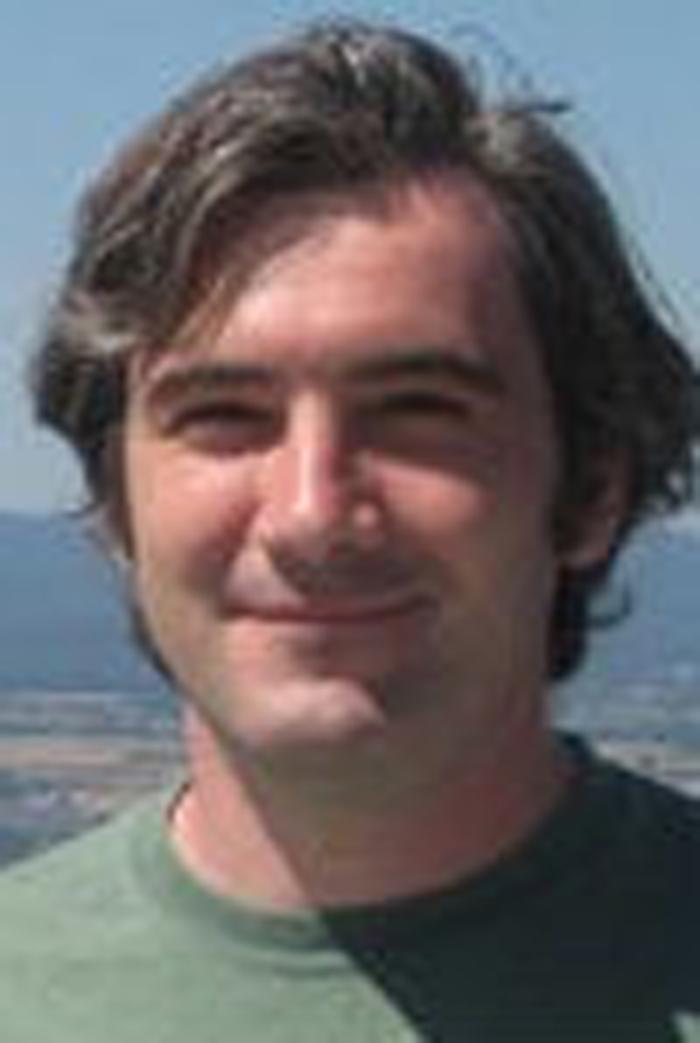
Professor Melanie Walter-Rogg is a Professor of Political Science with a focus on methods at the University of Regensburg's Faculty of Philosophy, Arts, History and Social Sciences. She has held this position since 2011, following previous academic appointments at the University of Munich and University of Stuttgart. Her work focuses on political methodology, local governance, and metropolitan politics across Europe. Her educational background includes a Master's degree in political science, sports science, and German studies from the University of Stuttgart (1995) and a summa cum laude dissertation on political power and responsiveness in urban settings. Walter-Rogg's research spans several key areas in political science, with particular emphasis on political methodology , metropolitan governance , and political responsiveness . She has made significant contributions to understanding how local political actors respond to citizen preferences, particularly in German metropolitan areas. Her work on direct democracy, political trust, and electoral behavior in urban contexts has established her as a leading scholar in European urban politics. She has conducted extensive comparative research on metropolitan governance structures across national borders. Her recent publications reveal a growing interest in environmental governance across political systems, as evidenced by her 2020 monograph "Environmental Performance in Democracies and Autocracies." She has also continued to explore the relationship between metropolitan citizenship and political attitudes, with a particular focus on how residents relate to their city-regions. Expert reviewer for Local Government Studies Expert reviewer for Swiss Political Science Review Expert reviewer for International Journal of Urban and Regional Research Member of expert committee for "Comparative Local Politics" series As an active researcher and educator, Walter-Rogg has collaborated extensively with scholars across Europe. Her methodological expertise in quantitative political analysis has made her a sought-after contributor to comparative urban politics research. She maintains regular consultation hours for students, with summer semester 2025 appointments scheduled on Wednesdays from 11-12 o'clock. She is deeply involved with several professional organizations, including the German Political Science Association (DVPW), where she participates in working groups focused on empirical methods, local policy research, and political attitudes.