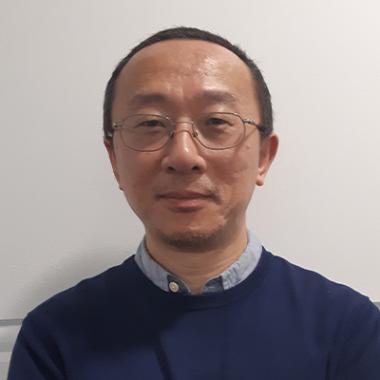
Michael Baldea is an Associate Professor in the Department of Chemical Engineering at the University of Texas at Austin . He holds a Ph.D. in Chemical Engineering from the University of Minnesota (2006), with prior degrees from 'Babeş-Bolyai' University in Romania (M.Sc. 2001, Diploma 2000). His research group develops theoretical and computational methods for Process and Energy Systems Engineering , focusing on integrated decision-making, performance optimization, and process intensification with industrial validation. Education: Ph.D., Chemical Engineering, University of Minnesota (2006) M.Sc., Interface Process Engineering, 'Babeş-Bolyai' University (2001) Diploma, Chemical Engineering, 'Babeş-Bolyai' University (2000) Research Thrusts: Integrated decision-making in chemical/energy supply chains Process performance monitoring and optimization Process integration and intensification Key applications include grid-responsive chemical plants, intensified distillation/column designs, and renewable energy integration for building systems. Scientific Awards: Frank A. Liddell, Jr. Fellowship NSF CAREER Award (2015-2020) Moncrief Grand Challenges Faculty Award (2014) AIChE Outstanding Young Researcher Award (2017) Implementation : His group has translated research into commercial tools through partnerships with industrial test beds and is working to integrate methods into commercial simulators. They explore predictive approaches for building energy management and strategic capital investment analysis in next-generation energy systems.
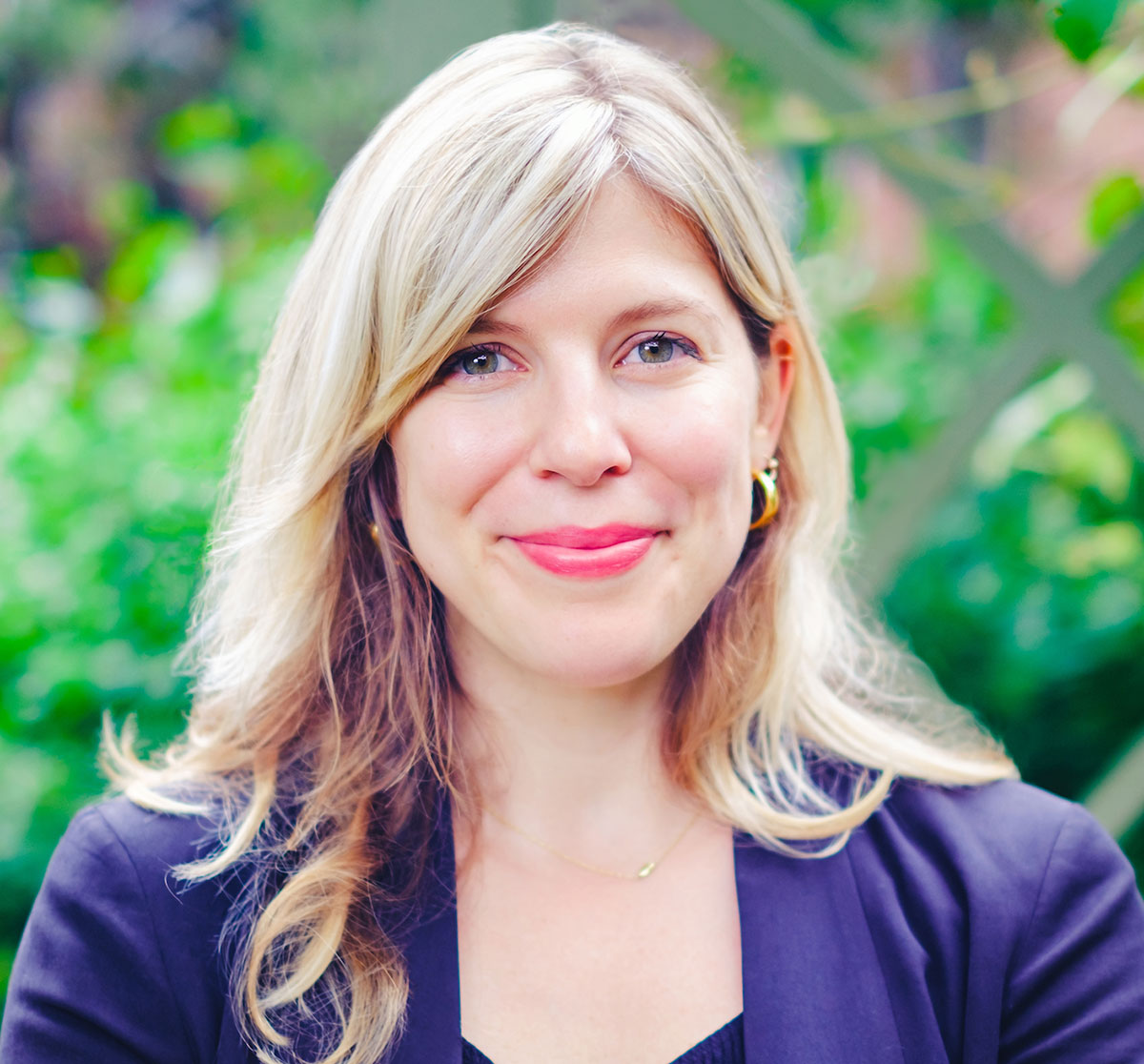
Dr Olga Petri is an Assistant Professor in Human Geography at the Department of Geography, University of Cambridge. She is a Bye-Fellow and Director of Studies in Geography (Part II) at Jesus College, and a Leverhulme/Newton Trust Early Career Research Fellow. Her research bridges cultural and historical geography, queer studies, and more-than-human geographies, with a focus on urban modernity in non-Western contexts. Born in St Petersburg, Olga holds a BA and MA in Geography from Saint-Petersburg State University, an MSc in Urban Studies from University College London (merit), and a PhD in Geography from the University of Cambridge. Olga's research explores four key areas: Queer Geographies in authoritarian urban spaces, More-than-Human Geographies analyzing human-animal relationships, Russian Arctic Studies examining environmental and geopolitical transformations, and Migration Urbanism studying cities as hubs for political refugees. Her work on Beastly St Petersburg and Winged Worlds reconfigures urban history through animal and queer lenses. Scientific awards include the Leverhulme/Newton Trust Early Career Research Fellowship and a 2020 shortlisting for Student-Led Teaching Award . She is a Junior Research Fellow at Wolfson College since 2018. Olga leads postdoctoral research on human-animal dynamics in imperial Russia. She supervises graduate students in cultural/historical geography and urban studies. Her work features in Vital Geographies research group at Cambridge.
Konstantinos Drakos is a Professor at the Department of Accounting and Finance, Athens University of Economics and Business (AUEB). Previously, he served as Assistant Professor at AUEB (2009–2012), Assistant Professor at the University of Patras (2003–2008), and Lecturer at the University of Essex (2001–2002). He holds a PhD in Economics from the University of Essex, preceded by an MSc and undergraduate studies in Economics at the University of Athens. His research focuses on Applied Financial Economics and the Economics of Security, with recent work analyzing hedge fund leverage, geopolitical risk impacts, cryptocurrency markets, and green banking. Teaching responsibilities include Macroeconomic Theory, Finance for Banking, and Risk Management at both undergraduate and postgraduate levels. Drakos' publications span over two decades, addressing topics such as terrorism's economic effects, bank lending behavior, and investment under uncertainty. His recent articles (2022–2025) emphasize cryptocurrency dynamics, geopolitical risk interactions, and financial stability in green banking. Notable themes include market volatility, capital allocation under uncertainty, and policy responses to systemic risks. No scientific awards are listed in the provided materials. His research has explored structural shifts in financial risk, macroeconomic sentiment, and cross-market linkages following major global events like 9/11 and the 2008 crisis. Drakos has advised on policy-related topics related to financial markets and regulatory frameworks, though specific grants or lab affiliations are not detailed here.
Ville Vuorinen is an Associate Professor at the Department of Energy and Mechanical Engineering, Aalto University. His research focuses on computational fluid dynamics (CFD) in energy technology, particularly using Large-Eddy Simulation (LES) and hybrid LES-RANS approaches with OpenFOAM. Research Interests: Combustion, Turbulence, Hydrogen, Emission Reduction, Biofuels, Marine Engine Hydrodynamics, Primary Atomization, Liquid Cooling. His team explores hydrogen-enriched flames, ammonia combustion, two-phase flows, and virus transmission modeling. Article Trends : Recent work spans hydrogen pre-ignition in engines, LES of ammonia/methanol flames, aerosol transmission in choir rehearsals, atomic layer deposition conformality, underwater noise analysis, and techno-economic waste-to-hydrogen systems. Keywords include combustion modeling, sustainable energy, and cross-disciplinary CFD applications. Scientific Awards Teknologiateollisuus ry Diesel- ja kaasumoottoritoimialaryhmän tunnustusapuraha (2010) Collaborations : Works closely with experimentalists. Advisees include Shervin Karimkashi Arani, Parsa Tamadonfar, Ossi Kaario, and others. Research impacts energy-efficient ships, marine engines, and biomedical applications.
Farhad Pourkamali Anaraki is an Assistant Professor in the Department of Mathematical and Statistical Sciences at the University of Colorado Denver, part of the College of Liberal Arts and Sciences. His research focuses on Machine Learning, Data Science, and Computational Mathematics, with interdisciplinary applications in engineering, materials science, and uncertainty quantification. He specializes in developing data-driven methodologies for complex systems, including composite materials, seismic response prediction, and additive manufacturing. Key research themes include probabilistic neural networks, adaptive machine learning for sparse data, and computational techniques for engineering challenges. His work integrates advanced algorithms with domain-specific problems, such as optimizing material properties and enhancing predictive models in civil and mechanical engineering contexts. Despite his prolific publication record, no specific scientific awards or grants are explicitly listed in the provided information. He maintains an active profile in teaching and mentoring, though formal advisee details are not documented here.
N.K. Anand is a Distinguished Professor of Mechanical Engineering at Texas A&M University, holding the James J. Cain III Regents Professorship. He leads research in advanced computational methods and thermal-hydraulic systems, with affiliations to Multidisciplinary Engineering and Nuclear Engineering programs. His work focuses on physics-informed machine learning, finite volume methods, and aerosol transport in nuclear reactor contexts. Education: PhD (Mechanical Engineering, Purdue University, 1983), M.S. (Kansas State University, 1979), and B.E. (Bangalore University, 1978). Awards include the ASME James Harry Potter Gold Medal (2020) and multiple teaching/administrative excellence awards from Texas A&M. Research emphasizes fluid dynamics modeling (e.g., PINNs for periodic flows, turbulent deposition studies), heat pipe systems, and nuclear reactor thermal-hydraulics. His Versatile Test Reactor (VTR) contributions include cartridge loop designs and aerosol transport experiments. Active in high-temperature reactor safety, with facilities studying pebble beds, helical coil exchangers, and HTGR upper plenum dynamics. Publications span physics-informed ML applications, finite volume techniques, and nuclear thermal systems. Grants supported development of advanced CFD tools and reactor safety infrastructure. His lab collaborates on international nuclear energy projects and emerging AI-driven simulation methodologies.
Anne E. White is the School of Engineering Distinguished Professor of Engineering and associate vice president for research administration at the Massachusetts Institute of Technology (MIT). She serves in the Department of Nuclear Science and Engineering within MIT's School of Engineering and is a key researcher at the Plasma Science and Fusion Center (PSFC). White has held significant leadership roles including NSE department head from 2019 to 2023 and co-chair of the MIT Climate Nucleus from 2021 to 2024. She currently chairs the Fusion Energy Sciences Advisory Committee (FESAC), providing federal advisory input to the U.S. Department of Energy Office of Science. White received her PhD in physics from UCLA, where she conducted research at the Electric Tokamak. Her early career included research positions at the National Spherical Torus Experiment at Princeton Plasma Physics Laboratory and the DIII-D National Fusion Facility at General Atomics before joining MIT as a faculty member. Her educational background laid the foundation for her expertise in plasma physics and fusion energy research. Professor White's research focuses on magnetic fusion energy, specifically on understanding turbulent transport in magnetically confined fusion plasmas. Her work spans diagnostic development, novel experimentation, and validation of nonlinear gyrokinetic codes. She aims to demonstrate nuclear fusion as a practical part of the world's sustainable energy future. Her group develops and uses radiometers, reflectometers, and interferometers to measure fluctuations in plasma density, temperature, and flows in tokamaks. This research is critical for improving predictive capabilities of turbulent transport models, which is essential for developing viable fusion reactors. Analysis of Professor White's recent publications reveals a strong focus on plasma diagnostics and turbulence measurements across multiple tokamak facilities. Her work spans experimental measurements on ASDEX Upgrade, Alcator C-Mod, NSTX, and DIII-D tokamaks, with particular emphasis on electron temperature fluctuations, turbulence characterization, and transport model validation. A significant theme is the development and application of novel diagnostic techniques for simultaneous measurements of multiple plasma parameters. Her research increasingly incorporates computational approaches, including gyrokinetic simulations and machine learning methods, to interpret experimental data and advance predictive capabilities in fusion plasma physics. Professor White has received numerous prestigious awards throughout her career: Fellow, American Physical Society Division of Plasma Physics (2019) Cecil and Ida Green Career Development Professor, MIT (2014) American Physical Society Katherine E. Weimer Award (2014) Fusion Power Associates Excellence in Fusion Engineering Award (2014) Junior Bose Award for Excellence in Teaching, MIT (2014) PAI Outstanding Faculty Award from MIT student chapter of the American Nuclear Society (2013) Norman C. Rosenbluth Career Development Professor, MIT (2012-2014) Department of Energy Early Career Award (2011-2016) Marshall N. Rosenbluth Outstanding Doctoral Thesis Award (2009) As an educator and mentor, Professor White has advised numerous students through MIT's Department of Nuclear Science and Engineering. She has taught courses including Principles of Plasma Diagnostics, Seminar in Fusion & Plasma Physics, and Introduction to Plasma Physics. Her leadership extends to developing educational resources, notably leading a team in 2018 to create a free MITx MOOC focused on nuclear science and engineering for global high school learners. Professor White has secured significant research funding through Department of Energy awards, including the Early Career Award (2011-2016) and various fusion energy fellowships throughout her career. Her research group at MIT's Plasma Science and Fusion Center has contributed to multiple major fusion facilities and has been instrumental in advancing understanding of plasma turbulence and transport. Professor White leads the Fusion and Plasmas Lab at MIT, which focuses on diagnostic development and turbulence measurements in fusion plasmas. Her team has made significant contributions to research on four major tokamaks: Alcator C-Mod, ASDEX Upgrade, DIII-D, and National Spherical Torus Experiment Upgrade. At MIT's Plasma Science and Fusion Center, she previously served as assistant division head for magnetic fusion energy collaborations and ran the Gyrokinetic Simulation Working Group and the Alcator C-Mod Transport Group. Her lab maintains close collaboration between experimental work, theoretical modeling, and computational simulation to advance the understanding of plasma turbulence and transport phenomena critical for fusion energy development.
Jordan Siegel is a Professor of Strategy at the Ross School of Business, University of Michigan, and a Michael R. and Mary Kay Hallman Faculty Fellow. He also serves as a Visiting Faculty member at The American College of Greece (ACG). His academic background includes a Ph.D. from MIT, and B.A. and M.A. degrees from Yale University. Professor Siegel’s research focuses on global strategy, particularly how companies leverage institutional differences across borders to gain competitive advantages through governance and human resource management strategies. His work examines institutional arbitrage—how firms exploit formal and informal rules (e.g., laws, cultural norms) to enhance performance, even in single-country operations. Notably, he investigates how foreign multinationals in Japan and South Korea exploit social biases by promoting female managers, leading to long-term performance improvements. His findings highlight the strategic use of labor market discrimination as a competitive tool. Professor Siegel’s research has been published in top-tier journals such as Management Science , Administrative Science Quarterly , and Strategic Management Journal . He is affiliated with the William Davidson Institute and Harvard Korea Institute, contributing to interdisciplinary studies on global business strategy and institutional dynamics.
Meg Rithmire serves as the James E. Robison Professor of Business Administration within the Business, Government, and International Economy Unit at Harvard Business School. She holds concurrent faculty affiliations at Harvard's Weatherhead Center for International Affairs, Fairbank Center for East Asian Studies, and Harvard Faculty Committee on Southeast Asia, where she convenes the Chinese Economy Seminar. Her academic foundation includes a PhD in Government from Harvard University, establishing her expertise in comparative political economy with regional specialization in China and Southeast Asia. Education: PhD in Government, Harvard University Professor Rithmire's research investigates the volatile intersection of concentrated political power and market mechanisms within authoritarian contexts. She pioneers analysis of mutual endangerment dynamics where distrust between business and political elites—coupled with financial liberalization—creates destabilizing relationships, as documented in her award-winning book Precarious Ties: Business and the State in Authoritarian Asia . Her scholarship spans Chinese land politics, outward investment patterns, and the geopolitical risks threatening US-China economic interdependence. Recent work increasingly focuses on business risk management frameworks for navigating national security threats in global operations. Analysis of her 15 most recent publications reveals a sharp pivot toward geopolitical risk governance, with 60% of her 2022-2025 output addressing business resilience in deteriorating US-China relations. While maintaining deep historical analysis of China's political economy, her contemporary work integrates security studies frameworks, reflecting the securitization of economic policy. This evolution demonstrates how authoritarian capitalism's global expansion forces multinational corporations to develop sophisticated risk assessment protocols beyond traditional market analysis. Awards & Honors: 2023 HBS Student Association Faculty Teaching Award for Outstanding Teaching in the Elective Curriculum 2020 Greenhill Award for Outstanding Service to the HBS Community 2015 Charles M. Williams Award for Teaching Excellence 2015 HBS Student Association Faculty Award for Outstanding Teaching in the Required Curriculum Professor Rithmire advises executive education programs on geopolitical risk management while co-chairing the U.S. Chamber of Commerce Foundation's Business Geopolitical Risk and Resilience initiative. Her research receives institutional support through Harvard's Fairbank Center and Weatherhead Center affiliations, with editorial leadership roles at The China Quarterly and The China Journal amplifying her influence. Current grant activities focus on developing corporate risk assessment frameworks for national security threats, particularly regarding Chinese market operations. She leads the Business Geopolitical Risk and Resilience initiative with the U.S. Chamber of Commerce Foundation, convening multinational executives and policymakers to develop practical risk management protocols. Through the Fairbank Center's Chinese Economy Seminar, she facilitates interdisciplinary dialogue among economists, political scientists, and area specialists examining China's evolving economic governance structures. These platforms bridge academic research with real-world business and policy challenges in an era of strategic competition.
Professor Begona Dominguez is a faculty member in the School of Economics at The University of Queensland (UQ), within the Faculty of Business, Economics and Law. She holds a Doctor of Philosophy in Economics from Universitat Autònoma de Barcelona. Her research focuses on Macroeconomics, Public Finance, and Monetary Economics, with emphasis on fiscal policy design, central bank balance sheets, and optimal taxation frameworks. Her key projects include Supporting Entry and Growth of Australian Businesses via Tax and Transfers (2022–2024) and The role of a central bank's balance sheet in shaping the economy (2021–2024) . She is available for PhD supervision and actively contributes to applied macroeconomic analysis, particularly in urban economic advantages and policy evaluation. Publications span topics like fiscal sustainability, inflation dynamics under central bank policies, and the implications of constitutional constraints on taxation. Her work bridges theoretical models (e.g., Ramsey frameworks) with empirical applications in tax policy and public debt management. Professor Dominguez maintains affiliations with the Centre for Applied Macroeconomic Analysis (ANU) and has reviewed prominent texts such as John Taylor's Reform of the International Monetary System . She is based in Room 507, Colin Clark Building at UQ.
Phillip J. Ansell is an Associate Professor in the Department of Aerospace Engineering at the University of Illinois at Urbana-Champaign (UIUC), affiliated with the Grainger College of Engineering. He directs the Center for Sustainable Aviation and the Center for High-Efficiency Electrical Technologies for Aircraft. His academic positions include Assistant Professor (2015–2021) and current role as Associate Professor since 2021. He teaches courses such as AE 416 (Applied Aerodynamics), AE 419 (Aircraft Flight Mechanics), and AE 515 (Wing Theory). Education: BS, The Pennsylvania State University, Aerospace Engineering, 2008 MS, UIUC, Aerospace Engineering, 2010 PhD, UIUC, Aerospace Engineering, 2013 Research Interests: Focuses on applied aerodynamics, sustainable aviation, distributed propulsion, flow control, and aircraft electrification. His work integrates experimental fluid mechanics and computational models to advance aviation sustainability. Key projects include hydrogen propulsion systems, cryogenics in aviation, and unsteady aerodynamics for rotorcraft. Research Contributions: Authored/co-authored books like Aircraft Cryogenics (Springer, 2024). His articles address sustainable aviation frameworks, hydrogen-electric propulsion, and high-lift aerodynamics. Recent trends emphasize decarbonization pathways and system-of-systems analysis. Awards & Honors: Dean's Award for Excellence in Research (2025) NASA Innovative Advanced Concepts Fellow (2025) AIAA Associate Fellow (2024) Forbes 30 Under 30 (2016) Advising & Grants: Advises graduate students on propulsion and aerodynamics. Secured grants from AFOSR, ARO, and NASA. Active in AIAA committees, including Electrified Aircraft Technology Technical Committee (Chair, 2020–2023). Labs & Teams: Leads the Aerodynamics and Unsteady Flows Research Group, using UIUC’s wind tunnel facilities. Collaborates on projects like the Five Circles of Sustainable Aviation framework and cryogenic propulsion systems.
Dr. Galina Miazhevich is a Senior Lecturer at the School of Journalism, Media and Culture (JOMEC) at Cardiff University, UK. Previously, she served as a lecturer at the University of Leicester's School of Media, Communication and Sociology (2013-2017) and as the Gorbachev Media Research Fellow at the University of Oxford (2008-2012). Her academic career focuses on media representations in post-communist contexts, with particular expertise in Russian and Eastern European media landscapes. Dr. Miazhevich earned her PhD from the University of Manchester, where she subsequently worked for two years as a Research Associate on an AHRC-funded project examining representations of Islam as a security threat. Her educational background has informed her research trajectory, which bridges media studies, political communication, and cultural analysis of post-Soviet societies. Dr. Miazhevich's research spans several interconnected domains: media representations of Islam and multiculturalism in Europe; media and democracy in post-communist Europe; gender, media, and emergent forms of post-Soviet identity; feminism; Eurovision and popular culture; and diaspora, transnationalism, and media. Her work consistently examines how media shapes and is shaped by political transitions, identity formation, and social movements in post-Soviet contexts, with particular attention to marginalized voices and resistance practices. Analysis of Dr. Miazhevich's recent publications reveals a consistent focus on resistance, identity, and power dynamics in post-Soviet media environments. Her work increasingly examines gender and sexuality as political categories, particularly through the lens of feminist and LGBTQ+ resistance to authoritarian regimes. The Eurovision Song Contest serves as a recurring analytical framework for understanding cultural diplomacy and nation-branding strategies. More recently, her research has pivoted toward documenting anti-war resistance following Russia's invasion of Ukraine, examining how celebrities and media figures navigate political dissent under authoritarian conditions. Dr. Miazhevich has received several notable recognitions for her scholarly contributions: AHRC Leadership grant 'A Quiet Revolution: Discursive Representations of Non-heteronormative Sexuality in Russia' (2018-2020, £250,960) Visiting Fellowship at the Davis Centre for Russian and Eurasian Studies, Harvard University (Fall 2023) Fellow of the Higher Education Academy (FHEA) Associate Editor for the Oxford Encyclopedia of Race, Ethnicity, and Communication (2024) Dr. Miazhevich actively mentors the next generation of scholars, currently co-supervising PhD students Diyana Dobreva (with Professor Martin Innes) and John Tasker (with Professor Paul Bowman). She welcomes PhD proposals in areas including digital culture and resistance, media management and misinformation, media and democracy, representation of minority groups, post-communist identity politics, gender and feminism, Eurovision and popular culture, and geopolitics and nation-branding. Her grant portfolio demonstrates sustained success in securing competitive research funding, including leadership of an AHRC grant and participation in the Academy of Finland project FEMCORUS (2021-2025). Dr. Miazhevich is deeply engaged with academic communities, serving as co-convenor of the (Digital) Media and Culture group at the British Association for Slavic and East European Studies (BASEES) since 2016 and as a member of the Advisory Board of the European Communication Research and Education Association (ECREA) since 2021. Her work extends beyond academia through public engagement, including invited talks at prestigious institutions like Harvard University and participation in policy-relevant events at Chatham House addressing LGBTQ+ politics in Russia.
Anna Levina is an Assistant Professor for Computational Neuroscience at the University of Tübingen , affiliated with the Department of Computer Science under the Faculty of Science. Her research focuses on the self-organization of neuronal activity, critical dynamics in neural networks, and the excitation/inhibition balance in cortical circuits. Current positions: Assistant Professor (since 2018), Group Leader (2017-2018), Equality Officer (Computer Science) Previous roles: IST Fellow (2015-2017), Associated Researcher (2011-2015), Postdoc/PI (2011-2015), Postdoc (2008-2011) Her research integrates mathematical modeling , statistical physics , and computational neuroscience to study criticality phenomena, neural avalanches, and adaptive network dynamics. Key interests include: Self-organized criticality in neural systems Excitation/Inhibition balance mechanisms Network topology and dynamics Timescale analysis in neural processing Stochastic modeling of neural activity Recent publications reveal trends in understanding critical dynamics across biological and artificial networks, with applications to memory systems, sensorimotor integration, and disease modeling. She has received recognition as an IST Fellow .
David Mwambari serves as Associate Professor at KU Leuven's Faculty of Social Sciences within the Unit Leuven International and European Studies (LINES). He leads the ERC-funded TMSS project on Life Narratives of Violence Among Refugees from Africa's Great Lakes Region and holds affiliations with the Oxford Consortium on Human Rights and the Centre for Mediation in Africa at the University of Pretoria. His educational background includes BA/MA in International Relations from United States International University-Africa, MA in Pan-African Studies from Syracuse University, and PhD in History from La Trobe University. He previously held academic positions at King's College London, Ghent University, and United States International University-Africa. Mwambari's research centers on memory studies with emphases on post-genocide Rwanda, colonial durabilities, and refugee narratives. His work examines how cultural memory shapes state formation, peacebuilding, and identity politics through interdisciplinary methodologies blending historical analysis, ethnography, and critical theory. Recent projects investigate vernacular memory practices during crises and the spatial dimensions of post-conflict reconstruction. His scientific contributions include the monograph Navigating Cultural Memory (Oxford University Press, 2023), co-edited volume Beyond History (Rowman & Littlefield, 2020), and editorial roles for Qualitative Research journal and Brill's 'Mobilizing Memory' series. His publications demonstrate evolving focus from leadership studies toward memory politics and decolonial research methodologies. European Research Council (ERC) Grant for TMSS Project Fellow at Churchill College, University of Cambridge African Academic Diaspora Fellow at CODESRIA FWO Postdoctoral Research Fellowship Mwambari actively mentors early-career scholars across Africa, Latin America, and East Asia while contributing to public discourse through Al Jazeera and community projects training history teachers in East Africa. His consultancy work addresses cross-disciplinary challenges in healthcare, education, and security, reflecting his commitment to applied scholarship beyond traditional academic boundaries.
Cangbai Wang is a Professor of Migration, Heritage and Language at the University of Westminster and co-founder of HOMELandS (Hub On Migration, Exile, Languages and Spaces). He holds a PhD in Asian Studies from the University of Hong Kong (2003) and previously worked as a Post-doctoral Fellow/Honorary Assistant Professor at the University of Hong Kong and Visiting Lecturer at City University of Hong Kong. Academic focus: Transnational migration, Chinese diasporas, cultural heritage Co-Director of HOMELandS since 2014 (elevated to Research Centre in 2023) External Examiner for 20 institutions including University of Birmingham (2024), University of Cambridge (2020), and Nanyang Technological University (2024) His research explores the intersection of migration and material culture , emphasizing how diasporic communities negotiate identity through heritage practices. Recent work examines museum representations of Chinese diasporas and language dynamics in multicultural London. He has led the AHRC-funded Global Diasporic Chinese Museums Network Initiative (2023-2025) and contributed to policy discussions on diaspora engagement with Chinese municipal governments. Key publication: Museum Representations of Chinese Diasporas (Routledge 2021) and Negotiating Identities, Language and Migration in Global London (Multilingual Matters 2024). Supervised PhDs include Denise Kwan’s The talking of objects: migratory experiences and Chinese women in UK (2020) and Xiao Ma’s ongoing London Chinatown: heritage making and diasporic identities . Active in academic leadership: Co-editor: Routledge Research on Museums and Heritage in Asia Editorial board: Social Transformations in Chinese Societies (since 2024) International editorial board: Chinese Overseas Review (since 2020) UKRI FLF Peer Review College member