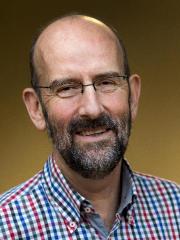
Dr Christine Younan is a Clinical Senior Lecturer at the Save Sight Institute, part of the Faculty of Medicine and Health at the University of Sydney. She specializes in ophthalmology with a focus on inflammatory eye diseases, cataract epidemiology, and autoimmune-related ocular conditions. Her research integrates clinical practice with population health studies, particularly in understanding ethnic and socioeconomic disparities in eye disease prevalence. Key research interests include uveitis treatment protocols, the impact of systemic conditions (e.g., diabetes, rheumatoid arthritis) on ocular health, and long-term outcomes of cataract surgery. She has contributed to large-scale studies like the Blue Mountains Eye Study, examining risk factors for vision-threatening conditions. Her publications span topics such as biologic therapies for uveitis, migration-related health changes, and the role of lifestyle factors in ocular disease. While no specific awards are listed, her work demonstrates significant engagement with clinical and public health challenges in ophthalmology.
Jeroen van Boxtel is an Associate Professor at the University of Canberra's Discipline of Psychology. He is affiliated with the Clinical Research Rehabilitation and Translation Area of Strength, focusing on cognitive neuroscience, autism spectrum disorders, and visual perception mechanisms. His career spans Utrecht University, Caltech, UCLA, and Monash University, where he led the Cognitive Neuroimaging group. Education: Master's in Biology (Utrecht University) and Cognitive Sciences (Université Pierre et Marie Curie & Collège de France), PhD in Cognitive Neuroscience (Utrecht University, 2008) His research combines experimental, computational, and neuroimaging methods to investigate attention-consciousness relationships, biological motion perception, and neural noise effects. Key projects include using stochastic resonance to enhance visual perception and studying attentional modulation in schizophrenia and autism traits. Recent publications explore how noise impacts perceptual performance, the neural basis of invisibility, and multisensory approaches to driver distraction. His work contributes to understanding sensory processing in neurodiverse populations and developing interventions for visual impairments. He actively supervises PhD students and collaborates on grants like Improving vision using noise in the visually impaired (2024-2026) and Just add noise: the benefits of neural and stimulus noise for perception (2022-2025). He also contributes to curriculum decolonisation initiatives. Labs and teams include the Cognitive Neuroimaging group at Monash Biomedical Imaging and interdisciplinary collaborators across neuroscience and psychology.
Luisa Holguin Colorado is a researcher at Queensland University of Technology (QUT), holding a PhD in optometry-related research (2016). Her work focuses on corneal physiology, immune cell dynamics, and ocular surface health, with particular emphasis on contact lens effects, diabetic eye complications, and dry eye disease mechanisms. She has published extensively in peer-reviewed journals since 2016, collaborating with institutions globally. Key research areas include: Corneal nerve morphology and its association with diabetes and neuropathic pain Immune cell behavior in the human cornea (dendritic cells, goblet cells) Impact of contact lenses on ocular surface health Novel imaging techniques for eyelid margin analysis Menstrual cycle effects on ocular surface parameters Her 2025 research demonstrates advancements in toric contact lens performance and dry eye-pain interconnections. Collaborations span ophthalmology, immunology, and clinical trials for ophthalmic therapies. She has contributed to 21+ peer-reviewed articles and one doctoral thesis, showcasing interdisciplinary contributions to optometry and vision science.
Clare Rossiter serves as a Senior Lecturer in the Department of Optometry and Vision Science within the School of Health and Clinical Sciences at The University of Western Australia, where she contributes to academic programs in vision science and clinical optometry. Her research focuses on core areas of optometry including visual perception mechanisms, refractive error correction, contact lens technology, and low vision rehabilitation strategies. These interests align with critical clinical challenges in eye health and vision correction methodologies. Ms. Rossiter maintains active engagement in teaching and research at UWA's Perth campus, with her work supporting advancements in vision science education and clinical practice through departmental initiatives.
Livia dos Santos Carvalho serves as an Adjunct Senior Research Fellow at the UWA Medical School, specifically within the Centre for Ophthalmology and Visual Science, which is affiliated with the Lions Eye Institute. She also holds an Honorary Fellow position at the University of Melbourne since April 2023. Her work contributes to Sustainable Development Goals related to health and well-being. The University of Western Australia (Primary Affiliation) Lions Eye Institute (Affiliated Research Institute) University of Melbourne (Honorary Fellow since 2023) Dr. dos Santos Carvalho's research focuses on vision science with particular emphasis on developing gene therapy treatments for inherited retinal dystrophies. Her work investigates cellular and molecular mechanisms behind age-related macular degeneration, uveitis, stem cells, and AAV biology. Current research platforms focus on retinal degeneration, gene therapy, and cell death mechanisms. Her fingerprint analysis reveals significant contributions to photoreceptor neuroscience (100%), retinal disease (72%), retinal degeneration (61%), photosynthetic pigments (52%), photoreceptor cells (45%), visual pigments (43%), retinal pigment epithelium (35%), and retinal diseases (34%). Analysis of her recent publications shows a strong trend toward therapeutic development for retinal diseases, with significant focus on stem cell applications, nanoparticle-based delivery systems, and innovative approaches to combat oxidative stress in retinal degeneration. Her work bridges basic science with clinical applications, particularly in gene therapy and treatment strategies for inherited retinal conditions. Travel Fellowship (2018) New Investigator of the Month Award (2016) Spotlight Award (2015) Travel grant (2015) NEI Travel Fellowship (2014) Dr. dos Santos Carvalho has secured substantial research funding, including an ARC Discovery Early Career Research Award and support from Retina Australia. Her 12 completed research projects demonstrate expertise in myopia development, zebrafish modeling, cone-mediated vision loss, and Usher syndrome gene therapy. She actively supervises research and examines PhD theses, contributing to the next generation of vision scientists. Her current projects focus on cone photoreceptor migration mechanisms and voltage-gated potassium channels in inherited retinal dystrophy. She is actively involved in the Lions Eye Institute research community and collaborates extensively across Australia and internationally. Her work with the Centre for Ophthalmology and Visual Science establishes her as a key contributor to retinal research infrastructure and therapeutic development platforms.
Lisa Jansen is a Lecturer in the School of Allied Health's Optometry and Vision Science department at The University of Western Australia. She holds a Bachelor of Optometry (Hons) from the University of New South Wales (1988), a Certificate of Ocular Therapeutics from the Australian College of Optometry (2016), and a Graduate Certificate in Tertiary Teaching from UWA (2024). Her research focuses on optometry education frameworks, clinical assessment methodologies, and ocular physiology topics like choroidal thickness and myopia. She has collaborated internationally on projects advancing optometry education standards and clinical training models. Her work includes developing feedback models for objective structured clinical examinations (OSCE) and investigating intraocular pressure effects on ocular structures. She received the UWA Citation for Outstanding Contributions to Student Learning (Early Career) in 2023. While no formal advisees are listed, her research involves collaborative projects with colleagues in optometry and medical education.
Gareth Lingham is an Adjunct Research Fellow at the Centre for Ophthalmology and Visual Science (affiliated with the Lions Eye Institute) and holds a postdoctoral position in Prof David Mackey's Genetics & Epidemiology group at The University of Western Australia (UWA). He also serves as an Honorary Research Fellow at UWA and is involved with the World Health Organization on systematic reviews of eye care interventions. His academic background includes a PhD from UWA (2020) and a Master of Orthoptics from La Trobe University (2014). Dr. Lingham's research focuses on the relationship between time spent outdoors and myopia development, leveraging both subjective and objective measurement techniques. He has contributed to major studies such as the Western Australian Atropine Treatment of Myopia (WA-ATOM) Study and the Raine Study. His work also addresses sun exposure effects on eye health, including choroidal thickness, pterygium, and UV-related ocular changes. His recent publications span topics like atropine therapy efficacy, climate-related UV impacts, and retinal nerve fiber layer dynamics. He has been recognized with the ARVO International Travel Grant (2019) and has presented at over 16 conferences. Lingham actively engages in academic community initiatives, including journal clubs and public lectures on light exposure guidelines.
Himal Kandel is a Postdoctoral Research Associate at the Save Sight Institute , affiliated with the Faculty of Medicine and Health at the University of Sydney . His work focuses on measuring and improving clinical and patient-reported outcomes in ophthalmology and optometry through initiatives like the Save Sight Keratoconus and Dry Eye Registries. Graduate in Optometry from Tribhuvan University, Nepal (2011) MSc in Public Health for Eye Care from London School of Hygiene and Tropical Medicine (2013) PhD in Optometry from Flinders University, Australia (2018) Kandel’s research spans corneal crosslinking , dry eye disease , and refractive error epidemiology , often leveraging clinical registries to analyze real-world outcomes. His recent work includes longitudinal studies on keratoconus treatment and global burden analyses for conditions like appendicitis and sickle cell disease. Notable awards include the Vice-Chancellor’s Prize for Doctoral Thesis Excellence (2018) , International Student of the Year (2018) , and multiple ARVO travel grants . He has received competitive scholarships and grants from Flinders University and the Australian Government. Kandel collaborates on translational research projects, including the FMH Bright Ideas Grant (2023) and federal funding for stem cell-based therapies in corneal diseases. His publications emphasize quality-of-life metrics and public health interventions in eye care.
Maggie Hong serves as a Lecturer in the Department of Optometry and Vision Science within the School of Health and Clinical Sciences at The University of Western Australia, located at 35 Stirling Highway, Perth, Australia 6009. Her research focuses on Health Sciences with specialization in Optometry and Vision Science, encompassing clinical vision assessment, ocular health diagnostics, and visual performance analysis. Key methodologies include refractive error measurement, binocular vision evaluation, and advanced ophthalmic instrumentation. Scientific Awards No awards listed in available information Advising and Grants Student advising details not specified Research grant information unavailable Labs and Teams Departmental laboratory affiliations not documented Collaborative research teams not mentioned Contact: maggie.hong@uwa.edu.au
Ahmed Shalaby serves as an Adjunct Senior Lecturer in the Department of Optometry and Vision Science within the School of Health and Clinical Sciences at The University of Western Australia. His research spans critical domains of eye care and visual function, with emphasis on: Diagnostic optometric techniques Visual impairment rehabilitation Refractive error management Ocular disease detection Low-vision aid development Binocular vision disorders As a part-time academic, his work bridges clinical practice and educational leadership in vision science, contributing to curriculum development and student mentorship within Australia's healthcare education framework.
Dr. Rose Ahlefeldt is a Senior Research Fellow at The Australian National University's Department of Quantum Science & Technology, affiliated with the ARC Centre of Excellence for Quantum Computation and Communication Technology. Her research focuses on quantum information processing, with emphasis on spin coherence in rare-earth ions and silicon-based quantum systems. She collaborates extensively with leading researchers like Prof. Matthew Sellars and Prof. John Close. Key contributions include advancing Erbium-doped silicon for ultra-long spin coherence (exceeding 10-hour nuclear spin storage) and developing photon echo memory technologies. Her work integrates experimental physics with computational modeling, targeting scalable quantum devices. She has published widely on topics like Zeeman/hyperfine interactions, optical spectroscopy of single ions, and material engineering for quantum applications. Notable projects include optimizing stoichiometric rare-earth crystals for quantum communication and exploring telecom-compatible quantum memory systems. Her research bridges fundamental physics with applied quantum technologies, addressing challenges in coherence time extension and noise reduction. Dr. Ahlefeldt maintains active collaborations within the ANU Research School of Physics and has been involved in multiple ARC-funded projects. Her work demonstrates a strong focus on translating theoretical concepts into experimental quantum systems with real-world applicability.
Dr Shelley Hopkins is a Senior Lecturer in the School of Optometry and Vision Science at Queensland University of Technology (QUT). She coordinates the pediatric optometry clinic within QUT Health Clinics and lectures in the Master of Optometry course. Dr Hopkins provides outreach optometry services to First Nations communities across Queensland and refugee communities of Brisbane as part of her clinical and research work. Education: Doctor of Philosophy (Queensland University of Technology) Postgraduate Diploma in Advanced Clinical Optometry (University of Melbourne) Graduate Certificate in Business Administration (Deakin University) Bachelor of Optometry (University of Melbourne) Professional Certificate in Paediatric Eye Care (Ulster University) Dr Hopkins' research focuses on children's vision with particular emphasis on pediatric optometry, vision screening methodologies, and Indigenous children's eye health. Her work investigates the relationship between vision problems and academic performance in schoolchildren, with special attention to Aboriginal and Torres Strait Islander communities. She has developed and validated visual acuity charts specifically for First Nations children and studies the effects of screen-based tasks on vision in school-aged children. Her recent publications demonstrate a strong trend toward culturally safe optometry practices, Indigenous health equity, and the implementation of specialized vision screening frameworks for diverse populations. Dr Hopkins' work bridges clinical practice with educational initiatives to improve vision outcomes for children, particularly those from marginalized communities. Scientific Awards: Vice-Chancellor's Award for Excellence (Mixed Research Team – Children's Vision Team, 2017) Vice Chancellor's Performance Award (Team - Optometry Clinic Outreach Team, 2017) Fellow of the Higher Education Academy Dr Hopkins supervises students while providing outreach optometry services to First Nations communities across Queensland and refugee communities of Brisbane. Her teaching responsibilities include coordinating OPB557 - Binocular Vision and OPN163 - Primary Care Clinic 7, and lecturing in several courses including OPB201 – Foundations of Optometry and OPN161 – Optometry in Special Needs Groups. She has been instrumental in developing culturally safe optometry education frameworks for Aboriginal and Torres Strait Islander health. Dr Hopkins is affiliated with the Centre for Child and Family Studies and the Centre for Vision and Eye Research at QUT, where she collaborates on interdisciplinary projects focused on children's vision and health outcomes.
Norman Brandon serves as a Lecturer in the Department of Optometry and Vision Science within the School of Allied Health at The University of Western Australia, based at the Perth campus in Australia. His academic role centers on advancing education and research in eye health and visual sciences, contributing to the training of future optometry professionals through curriculum development and clinical instruction. His research spans critical areas of vision care, with primary focus on: Optometry Vision Science Clinical Optometry Visual Perception Refractive Errors Ocular Disease
Melinda Goodyear is a Senior Lecturer at the School of Rural Health, Monash University. Her expertise lies in family resilience and mental health, particularly in families affected by parental mental illness or substance abuse. She leads the 'Developing an Australian-First Recovery Model' project, focusing on integrating family-focused practices into mental health services. Dr. Goodyear holds a PhD in Behavioral Neuroscience and a Master’s in Behavioral Science, with research spanning mental health interventions, child support systems, and interdisciplinary collaboration. Education: PhD in Behavioral Neuroscience (aetiology of refractive errors), Master’s in Behavioral Science (Multiple Sclerosis drug efficacy). She previously worked as a Research Fellow at MUDRIH and at The Bouverie Centre (La Trobe University). Research interests include intergenerational mental health impacts, family resilience mechanisms, and translating research into clinical practice. She has co-supervised three PhD students and contributed to over 80 publications. Dr. Goodyear’s work aligns with UN Sustainable Development Goals related to quality education and good health. Awards: 2023 Leon Piterman Prize for Social and Educational Research. Projects include co-designing interventions for children of parents with mental illness, such as the 'Village Programme' in Austria, and evaluating mental health workforce practices. Key collaborations include work with Associate Professors Darryl Maybery and Andrea Reupert, and international partnerships in Tyrol, Austria. Her research emphasizes co-production with families and stakeholders to enhance support systems.
Professor Ian Cameron holds the Chair in Rehabilitation Medicine at the University of Sydney's School of Health Sciences, Faculty of Medicine and Health. He serves as Head of the John Walsh Centre for Rehabilitation Research within the Kolling Institute, Northern Sydney Local Health District. Concurrently, he maintains Senior Staff Specialist positions at Hornsby Ku-ring-gai Hospital and Southern NSW Local Health District. His research focuses on injury-related disability and rehabilitation, with specific expertise in: Disability and health in older adults Musculoskeletal injury in compensable settings Catastrophic injury management Geriatric rehabilitation Epidemiology of injury outcomes His work integrates clinical, epidemiological, and implementation research methodologies with interdisciplinary collaboration. Recent publications reveal strong trends in: Geriatric trauma rehabilitation (hip fractures, falls prevention) Compensable injury systems analysis Spinal cord injury community integration Long-COVID rehabilitation protocols Mental health impacts of traffic injuries His research consistently addresses real-world implementation challenges in rehabilitation systems. Award highlights: 2014 Sidney Licht Lectureship Award (International Society of Physical Medicine and Rehabilitation) 2014 George Burniston Oration Award (Australasian Faculty of Rehabilitation Medicine) Professor Cameron actively contributes to national health systems through: Grant Review Panels for NHMRC and NZ Health Research Council Advisory roles for NSW State Insurance Regulatory Authority and Lifetime Care Policy development for WorkCover and Area Health Services Editorial leadership as Associate Editor of Journal of Rehabilitation Medicine His educational roles span the Royal Australasian College of Physicians and University of Sydney Medical Program. The John Walsh Centre for Rehabilitation Research serves as his primary research hub, conducting interdisciplinary studies on injury-related disability with strong partnerships across government agencies, health districts, and international consortia including ConsoRTI.