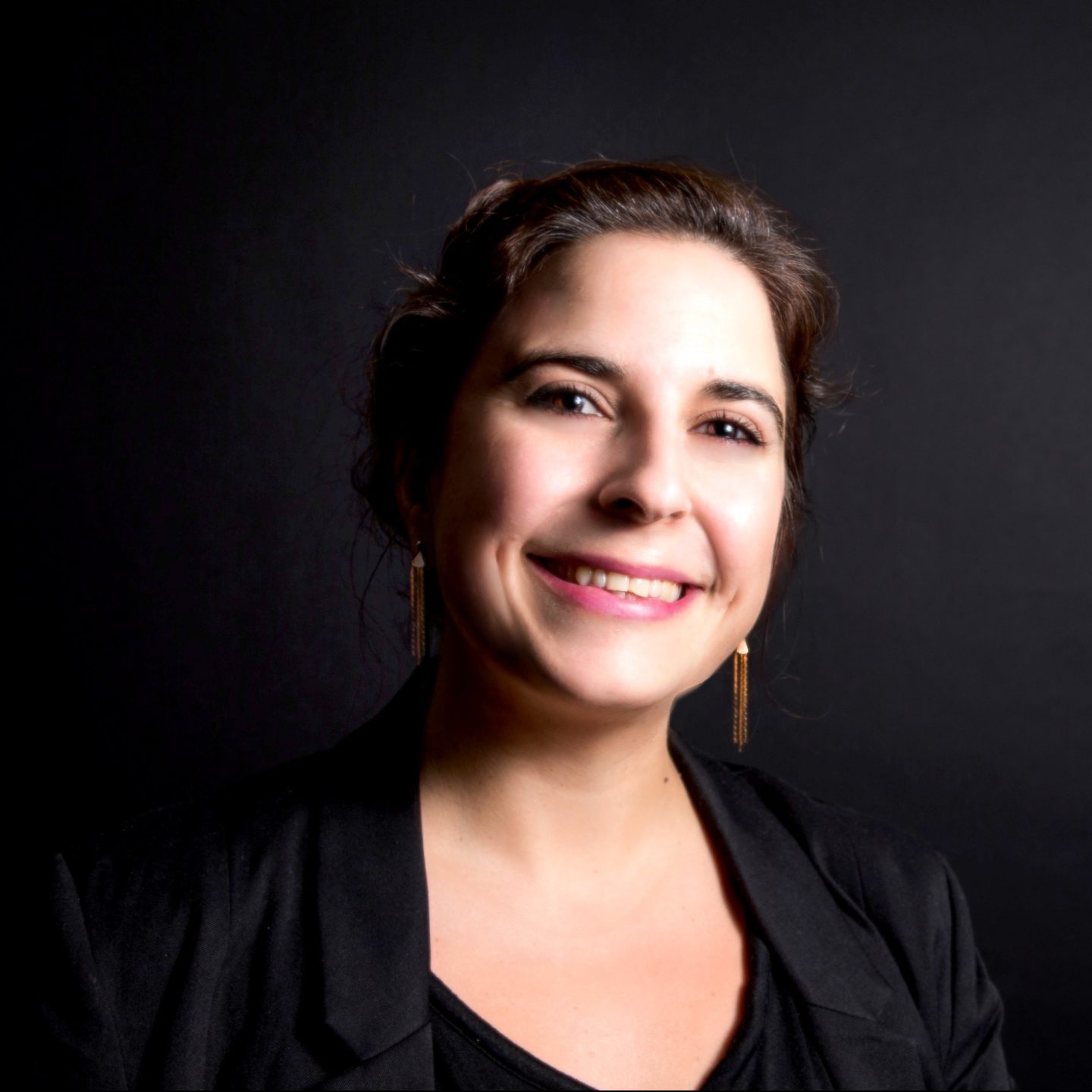
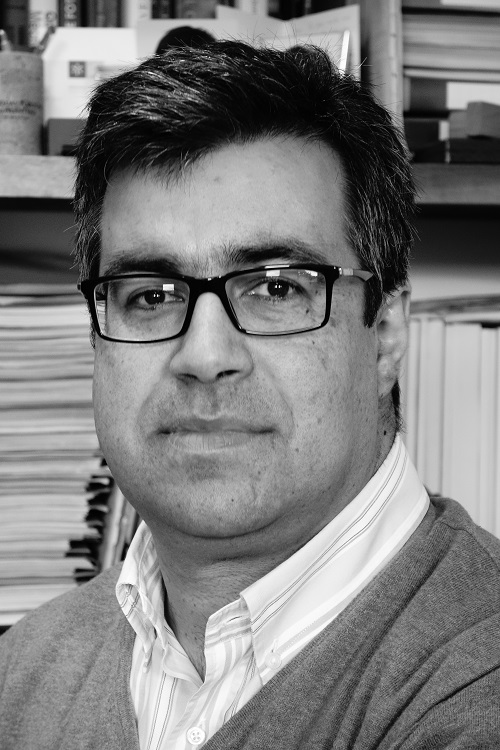
Yoshiro Okazaki is an Associate Professor (tenure-track) at the Faculty of Human Sciences, Waseda University since 2022. Holding a Doctor of Engineering degree from The University of Tokyo, his academic career spans biomedical engineering, ophthalmic devices, and medical system development. Current Affiliation: Waseda University (2022-present) Previous Industry Roles: Olympus Corporation (2007-2022), Fujifilm Corporation (2000-2007) Research Interests: Biomedical Engineering Affordable Medical Devices Point-of-Care Diagnostics e-Health Solutions Endoscopic Technology Ophthalmic Device Development His recent publications focus on smartphone-based ophthalmic diagnostics (2015-2025), including tear film analysis, refractive error assessment, and dry eye monitoring. He holds multiple international patents in endoscopic systems, optical fiber scanners, and ocular measurement devices. Professional Activities: 2024-2025: Research Grants for Point-of-Care Endoscopy and Telemedicine Systems 2024: Secretary, IEICE Technical Committee on Medical and Bio Cybernetics 2022-2024: JSPS KAKENHI funding for VR goggle tear film studies
Dr. Padraig Mulholland is a Senior Lecturer in Optometry at Ulster University's School of Biomedical Sciences, with additional affiliation to the Faculty of Life and Health Sciences. His research program centers on visual neuroscience, specializing in glaucoma pathophysiology, retinal ganglion cell function, and visual processing mechanisms in myopia. With 33+ publications, he investigates spatial/temporal summation using psychophysical and electrophysiological methods. His core research domains include: Glaucoma diagnostics via perimetric stimuli optimization Retinal ganglion cell density mapping Visual function adaptation in axial myopia Clinical applications for age-related macular degeneration Recent publications show strong focus on improving diagnostic sensitivity for glaucoma (2018-2024) and understanding visual optimization in refractive errors (2020). He leads multiple active grants including: NIHR-funded e-learning for optometrists (2022-2025) Biomedical Catalyst project on glaucoma perimetry (2021-2025) Macular degeneration summation studies (2017-2021) Dr. Mulholland currently supervises four PhD candidates researching retinal diagnostics and visual processing. He maintains active conference participation with recent presentations on perimetric stimuli at ARVO 2024.
Dr. Vincent Nguyen serves as a Senior Lecturer in Orthoptics within the Graduate School of Health at the University of Technology Sydney. With a distinguished career spanning clinical practice, research, and academia, he brings extensive expertise in visual science and rehabilitation. His academic journey began with Honours in Orthoptics (1993) followed by a Master of Applied Science (1996), culminating in a PhD from the University of Sydney (2003) focused on binocular rivalry in visual psychophysics. Dr. Nguyen's research interests focus on low vision rehabilitation, depth perception, binocular vision, and the application of virtual reality and spatial audio technologies for assistive applications. His work bridges fundamental visual neuroscience with practical rehabilitation solutions, particularly for people with visual impairments. He has pioneered research in acoustic touch interfaces, virtual reality rehabilitation environments, and spatial audio navigation systems. His publication record demonstrates a clear trajectory from fundamental visual neuroscience to applied rehabilitation technologies. Recent work emphasizes immersive virtual reality applications for communication and physical rehabilitation, as well as innovative spatial audio systems that enhance navigation for people who are blind. His research integrates principles from neuroscience, engineering, and clinical practice to develop practical assistive solutions. Dr. Nguyen has secured significant research funding including NHMRC Ideas Grants (2023-2027) for 'Fluent Mobility for the Blind Individual Using Multimodal Auditory Sensory Augmentation' and CRC-P projects like 'ARIA - Bionic Visual-Spatial Medical Device for the Blind' (2022-2024). Current projects include 'EyeBot: AI-Powered Triage for Ophthalmology Referrals' (2025) and 'Next-Generation Extended Reality, Wearable Biosensors, and Metaverse Technologies for Medical Applications' (2024). As an educator, Dr. Nguyen teaches courses in Therapy and Rehabilitation (96037), Clinical Management of Refractive Error (96031), and Eye and Visual Systems (96027). His clinical background includes appointments as a Clinical Electrophysiologist with NSW Health (2007) and work with Vision Australia assisting people with low vision (2012). His postdoctoral work at York University's Centre for Vision Research with Professor Ian Howard focused on human depth perception, building on his foundational expertise in visual neuroscience.
Associate Professor Amanda French serves as Head of Discipline (Orthoptics) and Course Director for the Master of Orthoptics in the Graduate School of Health at the University of Technology Sydney. With extensive experience in both teaching and research, she has established herself as a leading expert in orthoptic practice and vision science. Dr. French's research focuses on ophthalmic epidemiology and eye healthcare services, with particular expertise in refractive errors, pediatric eye conditions, vision screening, and neuro-ophthalmology including stroke-related vision issues. Her work on the population-based Sydney Childhood Eye Disease Studies has gained international recognition, particularly her findings on the relationship between outdoor time and myopia development. She led the multidisciplinary evaluation of the NSW Statewide Eyesight Preschooler Screening (StEPS) Program, which informed national vision screening frameworks. Her publication record demonstrates consistent contributions to understanding myopia development and prevention, with recent work focusing on intervention strategies including outdoor time recommendations and optical/pharmacological approaches. Her research has influenced clinical practice guidelines adopted by organizations including the Royal Australian New Zealand College of Ophthalmology. Learning & Teaching Award for Individual Teaching (High Commendation), 2021 As an educator, she has played a leading role in designing the UTS Orthoptics Curriculum and teaches across multiple courses including Binocular Vision, Ocular Motility, and Neurological Ocular Disorders. Her professional leadership extends to Orthoptics Australia, where she has served on the National Council, as NSW Committee Chair (2018-2021), Vice President (2020-2022), and currently as President (since 2023).
Alexandra Benavente-Perez serves as Research Professor at the State University of New York College of Optometry and Principal Investigator of a federally and industry-funded research laboratory. Her work focuses on elucidating mechanisms underlying myopia progression and associated blinding conditions through experimental models and multi-center clinical trials at the Clinical Vision Research Center since 2013. Education: Optometry and Optics, College of Science and Medicine, Valladolid, Spain MS in Investigative Ophthalmology and Vision Science, University of Manchester, UK PhD in Vision Science, Aston University, Birmingham, UK Her research program integrates molecular biology, clinical trials, and optical engineering to investigate myopia-glaucoma linkages, emmetropization mechanisms, and novel interventions including low-dose atropine and specialized contact lenses. Current work emphasizes mechanotransduction pathways in the ganglion cell complex and single-cell resolution analysis of refractive development. Scientific Awards: Josh Wallman Memorial Award/Zeiss Young Scientist Award in Myopia Research (International Myopia Conference) American Academy of Optometry Professional Career Development Award Dr. Benavente mentors early-career researchers including Fulbright Fellow Dr. Dimitra Makrynioti (dry eye syndrome in high myopia) and Jill and George Mertz Fellow Dr. Pauline Kang (foveal-peripheral optics). Her $5.2M+ research portfolio includes leadership of NIH R01 EY034086 (2023-2027) on myopia-glaucoma connections and industry partnerships with Johnson & Johnson Vision. She directs a collaborative research ecosystem spanning the Clinical Vision Research Center, with active projects at Paracelsus Medical University (Austria) and Singapore Eye Research Institute, focusing on translational applications for myopia prevention and management.
ÖMER ÖZER is a Doctor Lecturer at Niğde Ömer Halisdemir University, Faculty of Medicine, Department of Surgical Medical Sciences, Department of Ophthalmology since 2023. Previously, he served as a Research Assistant at Mersin University, Faculty of Medicine, Department of Surgical Medical Sciences, Department of Ophthalmology from 2017 to 2021. In addition to his academic role, he holds administrative positions including Education Coordinator and Commission Membership at Niğde Ömer Halisdemir University. Dr. Özer completed his medical education at Mersin University, Faculty of Medicine (2010-2016), followed by specialization in Ophthalmology at the same institution (2017-2021), where his thesis focused on 'Ocular surface changes in patients with thyroid ophthalmopathy.' His research focuses on various aspects of ophthalmology including cataract surgery, retinal diseases, ocular surface disorders, thyroid eye disease, and corneal diseases. Recent publications demonstrate expertise in diabetic retinopathy, vitreoretinal surgery, ocular trauma, and inflammatory biomarkers in eye diseases. His work spans clinical studies, case reports, and literature reviews with significant collaboration across multiple institutions. Dr. Özer's 2023-2024 publications reveal a strong focus on clinical ophthalmology research with particular emphasis on surgical outcomes, diagnostic imaging techniques, and the relationship between systemic diseases and ocular manifestations. His work frequently appears in both national and international journals, with notable contributions to journals indexed in SCI-Expanded and TR DİZİN. Grant Award from The Association for Ocular Pharmacology and Therapeutics (2021) Turkish Ophthalmology Association National Congress Best Photography Award (2020) Grant Award from The European Contact Lens Society of Ophthalmologists (2024) As Education Coordinator at Niğde Ömer Halisdemir University, Dr. Özer plays a significant role in shaping medical education programs. His research collaborations span multiple institutions and involve numerous co-authors across various ophthalmology subspecialties, demonstrating strong networking within the academic ophthalmology community.
Per Hallberg is an Associate Professor in Medical Technology at Umeå University's Department of Applied Physics and Electronics, concurrently serving as Head of Research Infrastructure at Norrland University Hospital and Director of the Center for Medical Technology and Physics (CMTF). Since 2013, he has held multiple administrative roles at Umeå University including Program Manager, Director of Studies, and Head of Department. His research spans three primary domains: sensor development for ocular biomechanics (focusing on glaucoma and corneal treatments), remote healthcare systems for inpatient/outpatient monitoring, and medical technology innovation frameworks . This interdisciplinary work bridges applied physics, clinical ophthalmology, and healthcare technology implementation. Dr. Hallberg's publications demonstrate consistent focus on ophthalmic biomechanics and medical technology innovation from 2014-2025. Recent articles explore intraocular pressure dynamics, corneal treatment efficacy, assistive technologies for visual impairment, and medical technology commercialization models, utilizing techniques ranging from MRI hemodynamics to 3D optical simulations. He leads the Center for Medical Technology and Physics, which coordinates regional expertise in biomedical engineering across northern Sweden. Current projects include MT4North (2020-2022) developing business models for medical technology innovation and ongoing sensor development for ocular diagnostics.
Prof. Dr. Eng. Borislav Aleksandrov serves as Associate Professor and Head of the Department of Geodesy and Geoinformatics at the Faculty of Geodesy, University of Architecture, Civil Engineering and Geodesy (UACEG). His academic leadership spans departmental administration and specialized instruction in marine geodesy, GIS, and precision measurement techniques. Academic Background: 1986: Engineer in Geodesy, Photogrammetry and Cartography, VIAS 2011: PhD, UACEG 2013: Academic Teaching Methodology Alexandrov's research focuses on Marine geodesy, Oceanology, and Polar research , with significant contributions to Antarctic exploration and hydrographic surveying. His work integrates advanced GNSS technologies for precision measurements in extreme environments, deformation analysis of engineering structures, and comprehensive geodetic equipment verification systems. He maintains fluency in English, Spanish, and Russian to support international collaborations. His publication record demonstrates consistent specialization in Antarctic geodetic infrastructure, tide gauge systems, and environmental monitoring. Key trends include the development of Bulgaria's first Antarctic tide station (2017), reference bases for equipment verification, and hydrographic applications for biodiversity studies. Key Projects and Leadership: Project Manager for Bulgaria's First Antarctic Tide Station (2017) Lead for National Geodetic Equipment Verification Base (2011) Director of Antarctic digital mapping projects (2015-2016) Principal Investigator for Waterfall Research System (2024-2025) Alexandrov actively participates in polar research through the Bulgarian Antarctic Institute and the Association of Young Polar Explorers. His field experience includes six Antarctic expeditions, making him the first Bulgarian surveyor to work on the continent (1998). He also contributes to mountain rescue services and underwater photography as complementary professional activities.
Professor Keziah Latham is a Professor of Optometry at Anglia Ruskin University, where she serves as Director of the Vision & Hearing Sciences Research Centre within the Faculty of Science and Engineering. She is a practicing optometrist specializing in visual assessment of people with impaired vision and runs the Low Vision Clinic in the University Eye Clinic. Her academic career spans over two decades with continuous appointments since 1997 at various institutions including Anglia Ruskin University (since 2006), Johns Hopkins University, and the University of Bradford. Professor Latham holds a BSc in Ophthalmic Optics and a PhD in 'Psychophysical investigations of human peripheral vision' from Aston University, along with a Professional Certificate in Low Vision and a PGCert(HE). She is a Fellow of the College of Optometrists (FCOptom) and a member of the General Optical Council, the Association of Optometrists, and the Higher Education Academy. Her primary research interests focus on the assessment of function and optimization of rehabilitation for people with visual impairment, particularly in low vision. This includes clinical visual function assessment, objective assessment of activities of daily living, patient reported outcome measures, and visual function in specific populations including those with autism spectrum conditions, drivers, and peripheral vision limitations. Her work has significant implications for clinical practice and rehabilitation strategies. Professor Latham has received notable recognition for her work, including the 2017 Neil Charman medal for excellence in optometric research from the College of Optometrists. Her research has evolved toward understanding the practical applications of low vision aids, reading assessment parameters, and the development of patient-centered rehabilitation approaches, with recent work focusing on wearable electronic vision enhancement systems for age-related macular degeneration. Neil Charman medal for excellence in optometric research from the College of Optometrists (2017) George Giles Prize for excellence in optometric postgraduate research (awarded to Dr Daryl Tabrett under her supervision) Professor Latham has supervised numerous PhD and Master's students including Rukaiya Anwar, Andrew Miller, Georgia Dunn, Jane Macnaughton, Ahoora Baranian, Hikmat Subhi, Maria Foteini Katsou, and Daryl Tabrett. Her research has been supported by funding from the College of Optometrists, Macular Society, and other organizations. She is actively involved in clinical practice through the Low Vision Clinic and contributes to professional development through editorial work for 'Ophthalmic and Physiological Optics' and representation on the Optometry Schools Council. She leads the Vision and Hearing Sciences Research Group at ARU, which focuses on interdisciplinary research addressing vision and hearing challenges across diverse populations and contexts. The research center bridges clinical practice with academic inquiry to develop evidence-based approaches to visual rehabilitation.
Dr. Mapa Prabhath Piyasena serves as Deputy Director of the Vision and Eye Research Institute at Anglia Ruskin University's School of Medicine in Cambridge. A Public Health Ophthalmologist from Sri Lanka, he brings extensive experience in clinical ophthalmology including vitreo-retinal surgery, eye health research, evidence synthesis, and health policy review. His academic journey spans institutions across Sri Lanka, the UK, and Ireland, with significant contributions to global eye health initiatives. Education: MBBS, Bachelor of Medicine Bachelor of Surgery, Faculty of Medicine University of Peradeniya Sri Lanka Diploma in Science, Post Graduate Institute of Science, University of Peradeniya Sri Lanka In-service Training in Ophthalmology, Clinical Ophthalmology, Post Graduate Institute of Medicine Sri Lanka Masters in Public Health for Eye Care, International Centre for Eye Health, London School of Hygiene and Tropical Medicine PhD in Public Health Ophthalmology, International Centre for Eye Health, London School of Hygiene and Tropical Medicine Fellow of Evidence Synthesis Ireland, University of Galway, Ireland MFPH, Membership through Distinction, Faculty of Public Health UK Dr. Piyasena's research interests focus on developing effective strategies for diabetic retinopathy screening in low and middle-income countries (LMICs), with particular emphasis on resource-poor settings. His work explores global eye health challenges, evidence synthesis through systematic literature reviews and meta-analyses, and health policy development informed by high-quality evidence. His research has directly informed national policies in Sri Lanka and other LMICs, particularly regarding diabetic retinopathy screening integration into public health systems. Analysis of Dr. Piyasena's recent publications reveals a strong focus on diabetic retinopathy screening implementation in LMICs, vision impairment's impact on broader health outcomes, and evidence synthesis methodologies. His work spans clinical research, policy analysis, and implementation science, with increasing attention to artificial intelligence applications in eye care and the intersection of vision health with other health domains like mental health and road safety. Scientific Awards: Research fellow in eye health recognized by HM Queen Elizabeth II at Buckingham Palace Membership through Distinction from Faculty of Public Health UK Hooper Prize for Best Dissertation at LSHTM-UK JD Williamson Prize at CPH-QUB Best Poster award at Biennial National Postdoc Conference of UK Dr. Piyasena has supervised numerous graduate students at LSHTM and Queen's University Belfast, primarily focusing on diabetic retinopathy screening, glaucoma care, and vision's impact on broader life outcomes. His research has been supported by significant grants including £175,000 from the Queen Elizabeth Diamond Jubilee Trust, £3.5 million from Wellcome Trust, and £170,000 from VisionSpring India. His work has directly informed national policy development in Sri Lanka, particularly regarding diabetic retinopathy screening implementation. As Deputy Director of the Vision and Eye Research Institute, Dr. Piyasena leads a multidisciplinary team focused on translating research into policy and practice, particularly for eye conditions affecting LMIC populations. His work bridges clinical ophthalmology, public health, and policy development to address avoidable blindness globally.
Jorge Manuel Martins Jorge serves as an Associate Professor in the Department of Physics at the University of Minho, Portugal, where he has been a faculty member since 1995. He coordinates the Optics and Vision Sciences Research Group at the Centre of Physics and maintains membership in CEORLab, contributing to the institution's research infrastructure. Education: Graduated in Applied Physics - Optics and Optometry, University of Minho, 1995 PhD in Sciences (Optometry), University of Minho, 2006 Research Interests: His scholarly focus centers on myopia development pathways and visual regulation of ocular growth, complemented by innovative work in functional visual training for athletes (sports vision). This dual emphasis bridges clinical optometry with performance science to address refractive error progression and athletic visual optimization. Professional Service: He has served on the editorial board of the PubMed Central-indexed Journal of Optometry since 2008 and performs peer review for nine ISI Web of Science-listed scientific journals, demonstrating significant contribution to scholarly discourse. Advising and Grants: The source documentation contains no references to graduate student supervision, research grants, or funded projects. Laboratory Affiliations: He leads the Optics and Vision Sciences Research Group within the Centre of Physics and participates in CEORLab activities at the University of Minho.
Dr. Marwan Suheimat is a Research Fellow at Queensland University of Technology's Faculty of Health, School of Clinical Sciences, specializing in advanced vision science research. His work focuses on ocular biometry, refractive error mechanisms, and myopia control interventions, collaborating extensively with leading researchers including Professor David Atchison. His primary research interests include Myopia Control , Accommodation Mechanisms , Peripheral Refraction Analysis , and Ocular Biomechanics . His investigations into choroidal thickness dynamics during accommodation and ciliary muscle dimension changes have provided critical insights into refractive error development. His methodological innovations in autorefractor technology and peripheral vision measurement have advanced clinical assessment protocols. Analysis of his recent publications reveals a strong emphasis on quantitative measurement techniques for studying ocular structures, with particular focus on myopia progression mechanisms and optical correction efficacy . His work bridges fundamental optical principles with clinical applications, particularly in developing improved diagnostic tools for vision science. Dr. Suheimat's research program demonstrates consistent productivity with high-impact publications in premier vision science journals including Ophthalmic and Physiological Optics , Investigative Ophthalmology & Visual Science , and Biomedical Optics Express , reflecting his significant contributions to understanding the optical and biomechanical properties of the human eye.