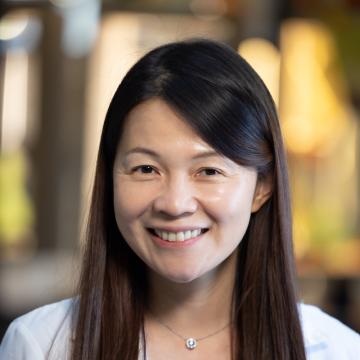
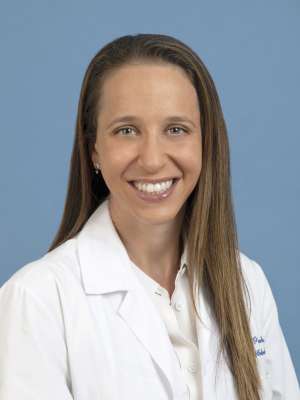
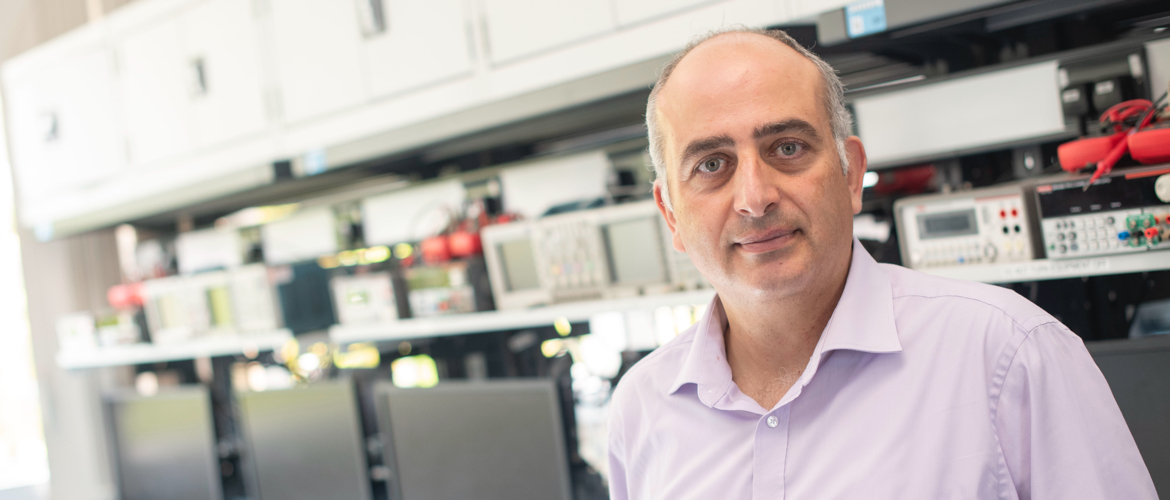
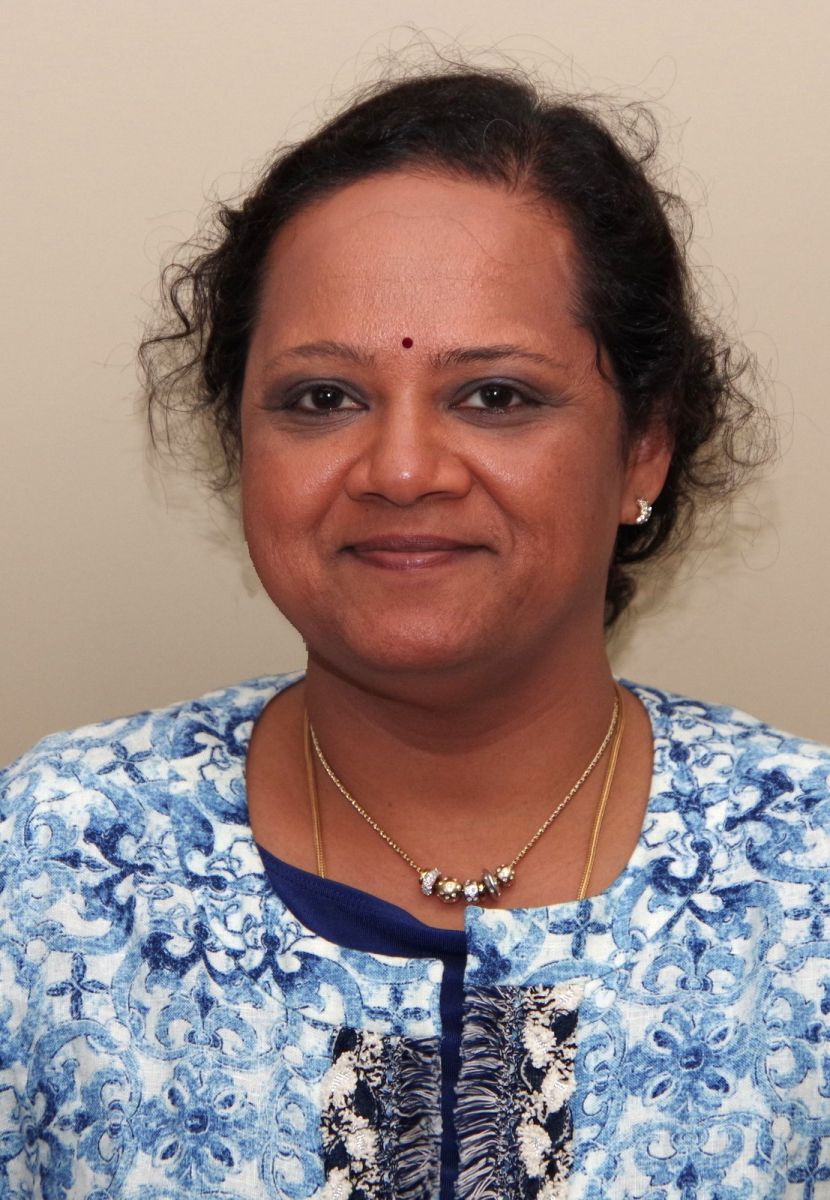
Clinical Associate Professor Keith Ong is affiliated with the University of Sydney’s Northern Clinical School, specifically within the Department of Clinical Ophthalmology & Eye Health. His clinical specialty is Ophthalmology, with a focus on corneal endothelial health, glaucoma surgery outcomes, and cataract surgical techniques. His research addresses critical areas such as postoperative ocular toxicity, intraocular lens calculations, and infection control in eye surgeries. Dr. Ong’s publications (2011–2023) consistently explore topics like corneal endothelial changes post-trabeculectomy, refractive error management post-cataract surgery, and antibiotic prophylaxis strategies. Recent work emphasizes optimizing surgical techniques to reduce complications, such as BAK-induced corneal toxicity and IOL power calculation accuracy in LASIK patients. His work demonstrates a focus on improving surgical safety and precision, with studies evaluating alternative antibiotic delivery methods and laser therapy impacts. No awards or grants are explicitly noted in the provided text, but his contributions to clinical practice and surgical protocols are evident through his publication record.
Dr. John Males is a Clinical Senior Lecturer at the University of Sydney and Director of Ophthalmology Training at Sydney Eye Hospital. His clinical and research expertise focuses on corneal surgery, cataract surgery, and laser vision correction. He pioneered Descemet's Stripping Automated Endothelial Keratoplasty (DSAEK) in Australia and is conducting clinical trials on Collagen Cross-Linking for keratoconus. His research spans corneal transplantation techniques, refractive error management, and ocular surface regeneration. Dr. Males holds roles as a consultant at major hospitals and serves as an examiner for the Royal Australian & New Zealand College of Ophthalmologists. Research interests include corneal biomechanics, surgical innovation for keratoconus, and outcomes analysis of cross-linking therapies. He leads studies on corneal densitometry, dry eye correlations, and long-term efficacy of surgical interventions. His work bridges clinical practice with translational research in regenerative medicine and ocular surface engineering. Publications span over 20 years, emphasizing corneal transplantation advancements, keratoconus management, and surgical complication resolution. His contributions to global consensus guidelines for endothelial keratoplasty highlight leadership in standardizing surgical practices.
Angela Chen is a Professor at the Southern California College of Optometry (SCCO), part of Marshall B. Ketchum University. She co-teaches Strabismus/Amblyopia Diagnosis and Management courses and provides clinical teaching to optometric interns in Vision Therapy and Pediatric Vision Care Services. Additionally, she coordinates the residency program in Pediatric Optometry, Vision Therapy, and Vision Rehabilitation. Education: BS from University of California, Davis OD and MS from State University of New York College of Optometry Residency in Pediatric Optometry and Vision Therapy at SCCO Dr. Chen's research focuses on strabismus, amblyopia, and non-strabismic binocular vision disorders, particularly in pediatric populations. She investigates diagnostic and management strategies for refractive errors in children and contributes to clinical trials through her role as a clinical investigator. Her scientific contributions include involvement in NEI-supported studies such as the Pediatric Eye Disease Investigator Group (PEDIG) and the Convergence Insufficiency Treatment Trial-Attention and Reading Trial (CITT-ART). These projects explore interventions for binocular vision issues and their impact on developmental outcomes. Scientific Awards: Fellow of the American Academy of Optometry Diplomate of the Binocular Vision, Perception, Pediatric Optometry Section Dr. Chen also oversees clinical training in the Pediatric Contact Lens Service and mentors residents, ensuring the application of advanced therapeutic techniques in vision rehabilitation settings.
Anja Liekfeld serves as Adjunct Professor of Ophthalmic Optics/Optical Device Technology at Brandenburg University of Technology since 2018 while concurrently holding the position of Chief Physician at Klinikum Ernst von Bergmann's Department of Ophthalmology in Potsdam since 2009. Her dual roles bridge academic research in optical engineering with clinical ophthalmology practice, focusing on technological advancements for eye care delivery. Her educational foundation includes medical studies at Essen and Berlin Universities (1986-1992), state examination (1992), ophthalmology residency at Charité (1994-1997), specialist certification (1997), doctoral degree magna cum laude (1997), and habilitation on capsular bag models for cataract research (2007). Liekfeld's research centers on optical properties of intraocular lenses, clinical applications of medical devices in ophthalmology, refractive surgery techniques (laser and IOLs), cataract surgery technologies, glaucoma diagnostics/therapy, and gerontological ophthalmology. Her work emphasizes translating engineering principles into clinical solutions for complex vision correction challenges. Over 25 years of publications reveal evolving expertise from molecular glaucoma research to advanced IOL development. Recent work focuses on multifocal/toric lenses, dysphotopsia analysis, and visual outcomes measurement, demonstrating consistent innovation at the optics-clinical interface with practical applications for patient care. Her accolades include: DOG/SFO Travel Grant (2000) DGII Best Presentation Award (2008) DOC Gold Medal (2011) Focus Magazine Top Doctor (2013-2021) Stern Magazine Top Doctor (2022) As an educator, she trains surgical assistants, diet technicians, and operating room staff while teaching ophthalmology to visually impaired pedagogy students at Humboldt University. She conducts international wet labs for surgeons and optometrists, serves on editorial boards for Concept and Karger Kompass Ophthalmologie, and reviews for major ophthalmology journals. Active in professional societies including DGII, ESCRS, DOG, BBAG, and BDOC, she chairs Brandenburg's Ophthalmology Examination Board since 2021 and serves on the board of Die Augenchirurginnen e.V. Her research utilizes human capsular bag models for cataract studies and maintains focus on improving optical device performance in clinical settings.
Dr. Alex Black is an Associate Professor in the School of Optometry & Vision Science at Queensland University of Technology (QUT), Faculty of Health. He serves as Course Coordinator for the Master of Optometry program and leads the Vision and Everyday Function research group within QUT's Centre for Vision and Eye Research. His expertise spans vision science, ageing-related vision decline, falls prevention, and driving safety. Dr. Black holds dual qualifications: a PhD in Vision Science (QUT, 2010) and a Masters of Public Health (University of Queensland, 2012). Teaching roles: Coordinates OP85 Master of Optometry program Research focus: Vision impairment impacts on mobility, driving safety, and academic performance Awards: FAAO (Fellow of American Academy of Optometry), FHEA (Fellow of Higher Education Academy) Research highlights include AUD $3.2 million in grants, over 100 publications, and contributions to international journals like Clinical & Experimental Optometry . His work bridges clinical practice and research, addressing real-world issues through innovative studies such as night-time pedestrian safety clothing design and advanced driver assistance system (ADAS) usability for older adults. Key collaborations include NHMRC-funded projects on injury prevention and Vision and Driving research laboratory studies. Dr. Black also serves editorial roles for Clinical & Experimental Optometry and peer review activities.
Stacy L. Pineles, MD, MS is a Professor of Ophthalmology and Residency Program Director at the Stein Eye Institute, David Geffen School of Medicine at the University of California, Los Angeles (UCLA). She also serves as Chair-Elect of the Pediatric Eye Disease Investigator Group (PEDIG), a collaborative network funded by the National Eye Institute dedicated to facilitating multicenter clinical research in strabismus, amblyopia, and other eye disorders affecting children. Dr. Pineles is affiliated with Ronald Reagan UCLA Medical Center and UCLA Santa Monica Medical Center as hospital affiliations. Dr. Pineles completed her medical training at the University of Pennsylvania in 2004, followed by ophthalmology residency at UCLA (2005-2008), pediatric ophthalmology fellowship at UCLA (2009), neuro-ophthalmology fellowship at the University of Pennsylvania (2010), and a Master's degree in Clinical Investigation at UCLA (2013). She joined the UCLA faculty in 2010 and became Residency Program Director in 2017. Her primary research interests focus on pediatric neuro-ophthalmology and strabismus, with specific emphasis on binocular vision in children and adults with eye misalignment, systemic effects of pediatric eye disease, and clinical trials in pediatric ophthalmology. Dr. Pineles serves as principal investigator of an NIH-sponsored multicenter study of pediatric optic neuritis. She runs an NIH-sponsored research program evaluating binocular vision in children and adults with eye misalignment. Analysis of Dr. Pineles' publications reveals consistent research activity in pediatric ophthalmology, neuro-ophthalmology, and strabismus, with particular focus on binocular vision, optic neuritis, and surgical outcomes. Her work spans clinical trials, diagnostic accuracy studies, and innovative surgical techniques, demonstrating expertise in both clinical care and research methodology. Super Doctors® Southern California, 2022-2025 AAPOS Young Investigator Award, 2019 University of California OptumLabs Research Credit Award, 2018 Appointment of Jerome and Joan Snyder Chair in Ophthalmology, 2017 American Academy of Ophthalmology Achievement Award, 2016 AAPOS Honors Award, 2016 Dr. Pineles serves on numerous professional committees within the American Academy of Ophthalmology, American Association of Pediatric Ophthalmology and Strabismus, and the North American Neuro-Ophthalmology Society. She travels regularly nationally and internationally to speak on topics related to her research in pediatric neuro-ophthalmology. As Residency Program Director since 2017, she oversees ophthalmology training at UCLA. She is author of more than 100 peer-reviewed publications and 10 book chapters. Dr. Pineles leads the Pediatric Ophthalmology division at the Stein Eye Institute, which is part of one of the world's leading centers of vision science. Her research program includes multicenter clinical trials and NIH-sponsored studies evaluating binocular vision and pediatric optic neuritis. She actively collaborates with the Pediatric Eye Disease Investigator Group (PEDIG), a network of over 100 participating sites with more than 300 pediatric ophthalmologists and optometrists across the United States, Canada, and the United Kingdom.
Dr. Debora M. Lee Chen is an Associate Professor of Clinical Optometry at the University of California, Berkeley’s School of Optometry & Vision Science. She serves as Co-Chief of the Binocular Vision Clinic and Chief Mentor for the Residency in Vision Therapy and Rehabilitation. Her roles also include Berkeley Optometry Disability Officer and active participation in institutional committees like the Clinical Curriculum and Instruction Committee and the Berkeley Optometry Curriculum Committee. Her research focuses on binocular vision disorders, pediatric vision, amblyopia, strabismus, traumatic brain injury, cerebral visual impairment, and innovative treatments using mobile applications. She teaches courses such as Optometry 240 (diagnosis/treatment of binocular vision anomalies), Optometry 241L (advanced strabismus management), and clinical specialty clinics (430B, 441A-C). Key research areas include pediatric vision challenges, neurodevelopmental conditions, and vision-related learning disabilities. She emphasizes community health, including barriers to eye care access and school-based screening initiatives. Her work bridges clinical practice with cutting-edge technologies like AI-driven optometry solutions. Dr. Chen’s contributions extend to neuro-optometric rehabilitation, particularly for patients with acquired brain injuries and developmental differences. She advocates for inclusive healthcare practices through her roles on the Disabled Student’s Program advisory committee and DEIB initiatives.
Dr Christos Mias is a Reader in Electrical and Electronic Engineering at the School of Engineering, University of Warwick, UK. He serves as Director of Studies for the Electrical and Electronic Engineering stream and has held roles such as UK URSI Commission B (Fields and Waves) representative from 2009-2014. His research focuses on electromagnetic shielding, computational electromagnetics, microwave engineering, antennas, periodic structures, and radiowave propagation. Dr Mias' work bridges theoretical advancements with practical applications in antenna design, frequency selective surfaces, and electromagnetic modeling. His research interests emphasize innovative solutions in antenna array analysis, periodic structure optimization, and advanced simulation techniques such as finite element time-domain (FETD) modeling. He has contributed to understanding scattering phenomena, non-reflecting boundary conditions, and molecular vs electromagnetic wave propagation comparisons. Recent studies include railway infrastructure monitoring and critiques of superlensing concepts in plasmonics. Publications highlight advancements in MoM formulations, FSS analysis, and sparse matrix methodologies for boundary condition simulations. His work often integrates computational methods with real-world engineering challenges, such as optimizing antenna performance and improving electromagnetic compatibility in complex environments. Dr Mias advises through his role as Director of Studies, fostering academic excellence in electrical engineering education. His office is located in A325, with advice hours on Fridays 10 AM-12 PM during term time.
Professor Jonathan Erichsen serves as Professor of Visual Neuroscience and Deputy Head of School within the School of Optometry and Vision Sciences at Cardiff University. With a distinguished career spanning several decades, he has established himself as a leading researcher in visual neuroscience and eye movement disorders. Professor Erichsen's research has evolved from early work on central near response pathways in the brain, including vergence and the pupillary light reflex, to a broader focus on eye movement disorders. His primary research interests include the control of visuomotor behavior, eye movement abnormalities in neurodegenerative conditions, and visual function assessment in individuals with nystagmus. He has pioneered innovative methodologies including stereotaxic surgery, immunohistochemistry, neural pathway tracing, and microstimulation in his investigations. His recent publications demonstrate a clear trend toward clinical applications of eye movement research, particularly in developing better assessment tools for visual function in nystagmus patients. The research spans from fundamental neuroanatomy to practical clinical tools, with significant contributions to understanding infantile nystagmus, Huntington's disease-related eye movement abnormalities, and visual function in children. His work increasingly integrates advanced eye tracking technologies with clinical applications. Professor Erichsen founded the Cardiff Research Unit for Nystagmus (RUN) approximately twenty years ago, establishing a large cohort of volunteers with infantile nystagmus to study how environmental factors like stress affect visual performance. More recently, he established the Eye Movement Experimental Research Group (EMERG) to expand research into eye movement abnormalities associated with neurodegenerative conditions including Huntington's disease, schizophrenia risk, and dystonia. His research has demonstrated that traditional measures of visual performance, such as visual acuity, are not significantly affected by changes in eye movements of individuals with nystagmus, suggesting the need for developing better outcome measures in clinical practice. Professor Erichsen remains actively involved in postgraduate supervision and continues to produce high-impact research in visual neuroscience.
Rob Willemsen is an Associate Professor in the Department of Clinical Genetics at Erasmus MC, a leading academic medical center in the Netherlands. His research is centered on the molecular and genetic basis of neurodevelopmental and inherited disorders, with a focus on fragile X syndrome and related conditions. He employs advanced models such as zebrafish and in vivo systems to investigate gene regulation, methylation dynamics, and disease mechanisms. His research interests span clinical genetics , molecular genetics , neurodevelopmental disorders , epigenetic regulation , and rare genetic diseases . Using zebrafish models, he explores gene function and pathogenic variants associated with conditions like pediatric cardiomyopathy, hereditary spastic paraplegia, and refractive errors. His work often bridges basic science with translational applications, including drug testing in preclinical models. The trends in his recent publications indicate a strong focus on gene discovery , functional genomics , and therapeutic intervention for monogenic disorders. His studies frequently involve international collaborations and multidisciplinary teams, leveraging high-throughput sequencing, transcriptomics, and animal modeling to validate candidate genes from GWAS and clinical findings. Rob Willemsen has supervised 14 research projects, indicating an active role in mentoring students and junior researchers. He has received significant attention for his work, with mentions in news outlets and citations in major journals, though specific grants or funding sources are not detailed in the text. His collaborations span multiple institutions and countries, reflecting a broad scientific network. His research is conducted within the Clinical Genetics department at Erasmus MC, where he contributes to both fundamental research and potential clinical applications. While no specific lab name is mentioned, his work involves molecular and cellular analysis, animal models, and collaboration with clinical teams to translate findings into patient care.
Dr. Chitra Rangan is a Professor in the Department of Physics at the University of Windsor and serves as the Associate Dean of the Faculty of Graduate Studies. She holds cross-appointments in Chemistry and Biochemistry (2008–2011) and has been a Visiting Associate Professor at the University of Michigan (2006–present). Her research focuses on quantum control, nanoplasmonics, and light-matter interactions, with applications in clinical diagnostics and quantum computing. She leads the BiopSys NSERC Strategic Network and contributes to Mathematics of Information Technology and Complex Systems (MITACS) . Education: Ph.D. in Physics, Louisiana State University (2000) M.Sc., Indian Institute of Technology, Madras (1993) B.Sc., University of Madras (1991) Affiliations: Ontario Physics Education Network (PI) NSERC Evaluation Committee (2018) International Day of Light Steering Committee (2018) Her research interests span quantum control theory, nanoplasmonic biosensors, and optimization in medical physics. She has advised over 40 students, many of whom pursue advanced degrees or careers in academia and industry. Notable grants include NSERC, CFI, and Mitacs funding. Publications highlight advancements in quantum state initialization, nanoplasmonic sensor design, and trapped-ion qubit control. Awards include the CAP Medal for Teaching and UWindsor Research Excellence (Emerging Scholars). Dr. Rangan actively promotes science outreach, organizing events like Science Rendezvous Windsor and delivering public lectures on quantum mechanics and medical physics. She has mentored dozens of students through co-op programs and summer projects, emphasizing hands-on learning and interdisciplinary collaboration.
Melanie Campbell is a Professor at the University of Waterloo, cross-appointed to the School of Optometry and Department of Systems Design Engineering. Her research focuses on the optical properties of the eye, developing imaging systems for diagnosing Alzheimer's disease and diabetic retinopathy through polarization techniques and adaptive optics. PhD in Physics from Australian National University (1982) MSc in Physics from University of Waterloo (1977) BSc in Chemical Physics from University of Toronto (1975) Research interests include: Retinal amyloid detection for Alzheimer's diagnosis Adaptive optics for high-resolution imaging Polarimetry in ocular pathology Presbyopia and ophthalmic corrections Her publications (2012-2019) demonstrate interdisciplinary applications of optics in neuroscience and diabetes research, with key contributions to: Retinal polarization imaging Two-photon therapy systems Cone photoreceptor analysis Animal models of neurodegeneration Scientific honors include: 2019 Laird Lecturer 2014 CAP-INO Medal 2004 Rank Prize in Optoelectronics Fellow of Optical Society of America As director of Campbell Labs, she leads research on retinal imaging techniques and their applications in neurological disease diagnosis.
Chris Hammond serves as the Frost Professor of Ophthalmology at King's College London's Faculty of Life Sciences & Medicine, School of Life Course & Population Sciences, and has been Head of Section for Ophthalmology Research since 2011. He is also a Consultant Ophthalmologist specializing in pediatric ophthalmology and squint surgery at St Thomas' Hospital, demonstrating a strong clinical-academic integration in his career. Professor Hammond's research primarily focuses on the genetic basis of common eye diseases including glaucoma, myopia, dry eye disease, and age-related cataract. His work integrates twin research methodologies with advanced genomic approaches to understand the heritability and genetic factors underlying these conditions. He has established himself as one of the leading scientists in ophthalmic genetics through groundbreaking research showing that many age-related eye diseases have significant genetic components. His publication record reveals a strong emphasis on large-scale genetic studies, particularly utilizing the UK Biobank resource. His research spans from basic genetic discovery to clinical applications, with particular focus on dry eye disease mechanisms, myopia development pathways, and glaucoma genetics. The work consistently involves international collaborations across multiple institutions. Professor Hammond actively leads research teams focused on ophthalmic genetics, with his laboratory work centering on understanding the genetic architecture of eye diseases through twin studies and genome-wide association studies. His research has important implications for developing better prevention strategies and personalized treatment approaches for common eye conditions.
Nicola Logan is a Professor of Optometry & Physiological Optics at Aston University, UK, within the College of Health and Life Sciences. Her research focuses on myopia development, progression, and management, including clinical trials of interventions to slow myopia in children. She leads the Optometry & Vision Science Research Group (OVSRG) and runs an active myopia research lab alongside a clinical service in myopia management. Dr. Logan has held academic roles at Aston University since 2002, progressing from Research Fellow to her current position as Professor. She holds a PhD in Optometry (1997) and an MEd (2017), alongside advanced teaching fellowships (SFHEA and FHEA). Her qualifications include registration with the General Optical Council and membership of the College of Optometrists. Her teaching responsibilities include modules on binocular vision, pediatric optometry, evidence-based practice, and myopia for optometry students and professionals. She chairs the International Myopia Institute’s Taskforce and serves on the Myopia Management Committee of the British Contact Lens Association. Key research contributions include the development of the PreMO risk indicator for predicting myopia onset, analysis of age-related myopia progression, and validation of myopia control interventions like dual-focus contact lenses. Over 66 peer-reviewed publications and two notable awards highlight her impact: the Neil Charman Medal (2018) and Life Fellowship of The College of Optometrists (2024). Her work bridges laboratory research and clinical practice, emphasizing translational studies and global collaboration. Ongoing projects include evaluating AI tools for myopia management and conducting long-term trials of novel spectacle and contact lens technologies.
Sergio Barbero is an Associate Researcher at the Visual Optics laboratory of the Instituto de Óptica (CSIC), Spain, under the supervision of Prof. Susana Marcos. He holds a BSc in Physics from the University of Zaragoza (1999) and a PhD in Visual Sciences from the University of Valladolid (2004), which earned him the Doctoral Thesis Extraordinary Award (2005). His research focuses on optical aberrations, intraocular lens design, wavefront measurement techniques, and gradient-index modeling of ocular structures. Barbero has collaborated with international groups at Indiana University (USA), University of Houston (USA), and Australian institutions. His work includes pioneering studies on crystalline lens tomography, corneal ablation algorithms, and novel wavefront sensing methods. He has authored 16 peer-reviewed publications and contributed to a US patent on wavefront reconstruction techniques. His research spans three core areas: (1) intraocular lens design using analytical tools, (2) gradient-index modeling of the human eye, and (3) in vivo measurement of crystalline lens aberrations. He has secured grants from the Spanish government (I3P-CSIC), NIH (USA), and Fulbright fellowships. Barbero has presented 33 scientific talks/posters, including invited lectures, and maintains an h-index of 9. His work bridges fundamental optics with clinical applications in ophthalmology.