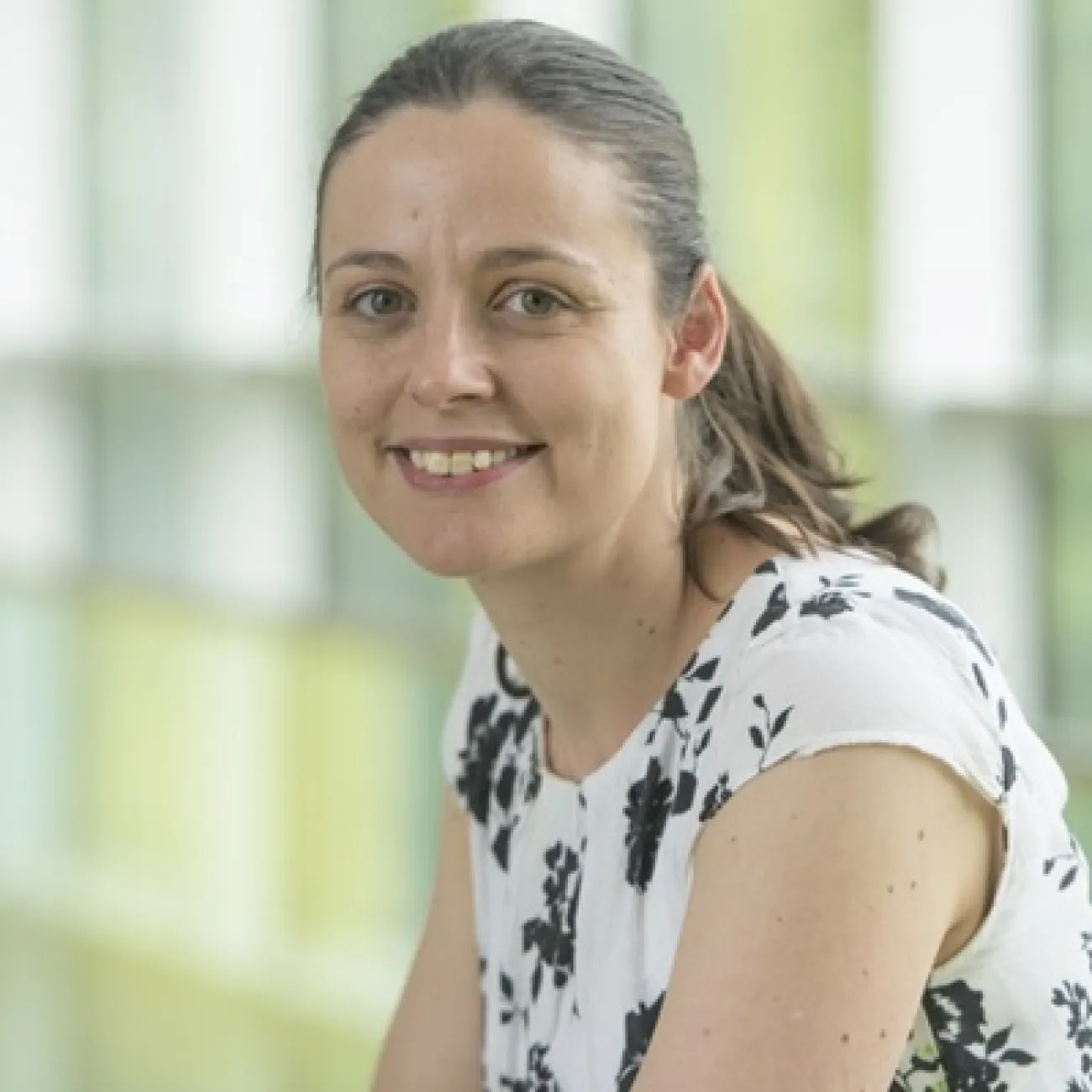
Peter D. Dragic is an Associate Professor in the Department of Electrical and Computer Engineering at the University of Illinois at Urbana-Champaign (UIUC). His research focuses on interdisciplinary advancements in optical fiber technology, materials science, and laser systems. Dr. Dragic leads efforts to overcome nonlinear limitations in optical fibers by integrating materials science innovations with waveguide engineering, targeting applications like high-power lasers, distributed sensing, and coherent LIDAR systems. Education & Affiliations: PhD in Optical Engineering (assumed based on academic rank) Director of the Micro & Nanotechnology Lab at UIUC Collaborations with Clemson University’s COMSET center Research Interests: Design of novel optical fibers using fluorosilicate, aluminosilicate, and crystalline materials Reducing quantum defects in fiber lasers to mitigate thermal effects Development of hypersonic acoustic wave-engineered fibers for Brillouin scattering suppression Laser-based remote sensing and LiDAR systems Key Achievements: Optica Fellow recognition (2020s) Over 50 peer-reviewed publications, including high-impact studies in Optics Letters and Nature Photonics Development of sapphire-derived all-glass fibers and fluorosilicate Yb-doped fibers Grants & Funding: Air Force Office of Scientific Research (FA9550-16-1-0383) U.S. Department of Defense DE JTO (N00014-17-1-2546)
Melanie Campbell is a Professor at the University of Waterloo, cross-appointed to the School of Optometry and Department of Systems Design Engineering. Her research focuses on the optical properties of the eye, developing imaging systems for diagnosing Alzheimer's disease and diabetic retinopathy through polarization techniques and adaptive optics. PhD in Physics from Australian National University (1982) MSc in Physics from University of Waterloo (1977) BSc in Chemical Physics from University of Toronto (1975) Research interests include: Retinal amyloid detection for Alzheimer's diagnosis Adaptive optics for high-resolution imaging Polarimetry in ocular pathology Presbyopia and ophthalmic corrections Her publications (2012-2019) demonstrate interdisciplinary applications of optics in neuroscience and diabetes research, with key contributions to: Retinal polarization imaging Two-photon therapy systems Cone photoreceptor analysis Animal models of neurodegeneration Scientific honors include: 2019 Laird Lecturer 2014 CAP-INO Medal 2004 Rank Prize in Optoelectronics Fellow of Optical Society of America As director of Campbell Labs, she leads research on retinal imaging techniques and their applications in neurological disease diagnosis.
Ericka Johnson is a Professor and Deputy Prefect at Linköping University, working within Gender Studies in the Department of Thematic Studies. She is affiliated with the Center for Medical Humanities and Bioethics (CMBS), Bodies Hub, and the P6: Body, Knowledge, Subjectivity research collective. Her work bridges Science & Technology Studies, medical humanities, and gender studies, with a focus on how data representation intersects with AI systems and how technologies 'refract' invisible discourses to make them visible. Johnson's research program investigates how the world becomes data, exploring connections between ontologies, epistemologies, and AI. She employs feminist science studies frameworks to examine medical technologies and material-discursive practices around the body. Her metaphor of refraction—comparing how technologies reveal hidden discourses to how prisms refract light into visible spectra—has become influential in feminist technoscience research. She is particularly known for identifying 'intersectional hallucinations' in synthetic medical data, where AI systems generate data that misrepresents complex, overlapping identities. Her major projects include 'Social complexity and fairness in synthetic medical data' (funded by WASP-HS and Vinnova), which examines how machine learning-generated data can overrepresent 'standard' patients while underrepresenting minorities, and 'The Constant Torment' project exploring prostate anxiety and its relationship to masculinity, resulting in her book 'A Cultural Biography of the Prostate.' Her recent publications span critical data studies, human-robot interaction, and the sociotechnical dimensions of AI, consistently examining how technologies shape and are shaped by social, cultural, and gendered contexts. As a supervisor, Johnson mentors doctoral students Isabel García Velázquez, Alexandra Gribble, and Dominika Lisy, as well as postdoctoral researcher Maria Arnelid. Her research is supported by major grants from WASP-HS (NetX) and Vinnova, focusing on fair and representative synthetic data, and she participates in the Wallenberg Autonomous Systems Program (WASP) Humanities and Society initiative. Johnson is actively involved in interdisciplinary research communities including the Center for Medical Humanities and Bioethics, Bodies Hub (researching bodies, identity, and gender), and the P6 research collective. These frameworks support her collaborative work at technology's intersection with gender, society, and healthcare, with practical implications for developing more equitable AI systems in medical contexts.
Chris Hammond serves as the Frost Professor of Ophthalmology at King's College London's Faculty of Life Sciences & Medicine, School of Life Course & Population Sciences, and has been Head of Section for Ophthalmology Research since 2011. He is also a Consultant Ophthalmologist specializing in pediatric ophthalmology and squint surgery at St Thomas' Hospital, demonstrating a strong clinical-academic integration in his career. Professor Hammond's research primarily focuses on the genetic basis of common eye diseases including glaucoma, myopia, dry eye disease, and age-related cataract. His work integrates twin research methodologies with advanced genomic approaches to understand the heritability and genetic factors underlying these conditions. He has established himself as one of the leading scientists in ophthalmic genetics through groundbreaking research showing that many age-related eye diseases have significant genetic components. His publication record reveals a strong emphasis on large-scale genetic studies, particularly utilizing the UK Biobank resource. His research spans from basic genetic discovery to clinical applications, with particular focus on dry eye disease mechanisms, myopia development pathways, and glaucoma genetics. The work consistently involves international collaborations across multiple institutions. Professor Hammond actively leads research teams focused on ophthalmic genetics, with his laboratory work centering on understanding the genetic architecture of eye diseases through twin studies and genome-wide association studies. His research has important implications for developing better prevention strategies and personalized treatment approaches for common eye conditions.
Professor Natalie Wheeler is a Professorial Fellow-Research at the University of Southampton, affiliated with the Optoelectronics Research Centre (ORC). Her research focuses on advanced optical fiber technologies, particularly hollow-core fibers and their applications in photonics, gas sensing, and mid-infrared light transmission. She leads or co-leads multiple projects funded by the Royal Society and EPSRC, including initiatives like FASTNET and EVacuAted Optical Fibres. Key research projects include developing low-loss hollow-core photonic crystal fibers for mid-IR applications and exploring gas-induced optical properties in fibers. Her work integrates laser machining, gas dynamics modeling, and distributed sensing techniques. Recent publications highlight breakthroughs in gas-filled fiber fabrication, pressure dynamics, and Raman spectroscopy probes. Education: Details not explicitly stated in provided texts. Affiliations: Member of Hollow Core Fibre, Gas Photonics, Fibres and Communications, and Advanced Fibre Applications research groups. Publications span journals like Optics Express , ACS Photonics , and Journal of Lightwave Technology , emphasizing fiber design, gas dynamics, and optical transmission. Current grants include EPSRC funding for next-generation optical networks and UV-to-infrared fiber systems. Her work bridges fundamental fiber physics and practical applications in sensing, communications, and biomedical imaging, with a focus on hollow-core fiber innovations.
Sheng Sang is an Assistant Professor in the Department of Engineering Sciences at Bethany Lutheran College. His research lies at the intersection of Mechanical Engineering and Biomedical Engineering, with a strong emphasis on machine learning applications in composite materials and elastic metamaterials. His research interests include: Mechanical & Biomedical Engineering Machine Learning on Composites Elastic Metamaterials and Composites Optimization of Medical Devices Finite Element Modeling and Simulation Dr. Sang's recent publications demonstrate a consistent focus on integrating deep learning techniques with mechanical systems, particularly in predicting composite microstructures, tracking particles in complex systems, and optimizing wave propagation in metamaterials. His work frequently employs 3D CNNs and other neural architectures to solve inverse problems in material science. Scientific awards and recognition include: Dr. Lehtola Fellowship Research Grant ($9,000, PI), 2021–2023 Graco Engineering Lab Development Grant ($60,000), 2020–2022 He has been actively involved in teaching a wide range of engineering courses such as Fluid Mechanics, Solid Mechanics, Thermodynamics, and Computer-Aided Design. His research is supported by external grants, indicating active supervision and project leadership. Dr. Sang has collaborated with researchers across disciplines, including neuroscience and medical imaging, particularly in studies involving deep brain stimulation and fMRI. He is affiliated with research teams working on: Active elastic metamaterials design Machine learning for material characterization Optimization of biomedical devices using swarm intelligence Development of advanced simulation tools for composite systems
Joseph Talghader is the Cymer Professor in the Department of Electrical and Computer Engineering at the University of Minnesota, where he has been a faculty member since 1997, progressing from Assistant to Full Professor. He leads the Optical Micro+Nanosystems Group and holds appointments in the College of Engineering. Dr. Talghader's educational background includes a B.S. in Electrical Engineering from Rice University, followed by an M.S. (1993) and Ph.D. (1995) from UC Berkeley, where he was awarded an NSF Graduate Fellowship. Prior to joining academia, he worked at Texas Instruments and Waferscale Integration in process development and memory design. His research spans optics and micro/nano-mechanical systems with particular focus on infrared detectors, optical coatings, heat transfer mechanisms, and microsensors. His group has developed groundbreaking technologies including the highest sensitivity uncooled thermal detectors and the first tunable multispectral thermal detectors. Recent work has expanded into applications for glacial ice analysis and high-power laser systems. His research integrates theoretical modeling with advanced fabrication techniques, particularly atomic layer deposition. Analysis of his 15 most recent publications reveals a consistent focus on infrared technologies, optical coatings, and thermal phenomena. His work demonstrates strong interdisciplinary connections between electrical engineering, materials science, and optical physics, with increasing emphasis on practical applications in environmental sensing and high-power laser systems. Among his notable recognitions are three 3M Faculty Awards and being a Finalist for the Minnesota Cup for entrepreneurs. He has served on various program committees including the Army Research Office Electronics Division strategic planning panel and has chaired multiple IEEE conferences. Dr. Talghader actively mentors students and postdocs, with numerous publications listing junior researchers as lead authors. His group has secured significant research funding, though specific grant details aren't provided in the source material. He currently serves as an Editor for the NPG journal Light: Science and Applications, demonstrating his standing in the optics research community. The Optical Micro+Nanosystems Group maintains strong industry and interdisciplinary collaborations, with research spanning from fundamental materials properties to practical device implementation. Current projects focus on improving infrared detection technologies, developing advanced optical coatings for high-power applications, and exploring novel sensing mechanisms for extreme environments.
Dr. Stephen Warren-Smith is a Senior Research Fellow at the Future Industries Institute, University of South Australia (UniSA), where he conducts cutting-edge research in optical fiber technology and photonics. He is affiliated with the Laser Physics and Photonic Devices Laboratories within UniSA STEM (Science, Technology, Engineering and Mathematics), and serves as a Research Degree Supervisor for graduate students. Dr. Warren-Smith's primary research interests span optical fiber technology, photonics, and biosensors, with a particular focus on developing novel fiber optic sensing platforms for biomedical and environmental applications. His work encompasses microstructured optical fibers, fluorescence sensing, and the integration of machine learning techniques for enhanced sensor performance. He has made significant contributions to the fields of harmonic generation in optical fibers, NV center-based quantum sensing, and multimode fiber applications. Analysis of Dr. Warren-Smith's recent publications reveals a strong trend toward developing sophisticated fiber optic sensing platforms with diverse applications. His work demonstrates increasing integration of advanced materials (like diamond with NV centers) and computational methods (particularly deep learning) to overcome traditional limitations in optical sensing. The research spans fundamental physics of light-matter interactions in fibers to practical applications in medical diagnostics, environmental monitoring, and industrial process control. A notable pattern is the development of multi-parameter sensing capabilities within single fiber platforms, enabling simultaneous measurement of various physical and chemical properties. Dr. Warren-Smith has secured significant research funding including ARC Future Fellowships (FT200100154), ARC Discovery Projects (DP190102896), and support from the Australian National Fabrication Facility (Optofab Node) utilizing Commonwealth and South Australian State Government resources. His research has received substantial citation counts, with several papers cited multiple times in Web of Science and Scopus. Dr. Warren-Smith leads research activities within the Laser Physics and Photonic Devices Laboratories at UniSA STEM. His team specializes in the design, fabrication, and characterization of advanced optical fiber devices, with particular expertise in microstructured optical fibers, suspended core fibers, and integrated photonic sensing platforms. The laboratory maintains strong connections with the Australian National Fabrication Facility (Optofab Node) for advanced device fabrication capabilities and collaborates extensively with institutions including RMIT University, University of Melbourne, University of Adelaide, and international partners in China.
Kaitlyn Crawford is an Associate Professor of Materials Science and Engineering at the University of Central Florida, with a secondary appointment in Chemistry. She directs the Functional Materials and Sensors Lab, focusing on sustainable soft materials for flexible electronics and biomedical applications. Her research integrates polymer science and engineering to develop wearable sensors for health monitoring, biodegradable materials to reduce e-waste, and natural polymer composites. Current projects include a $1.5M DHS-funded wearable for firefighter heat-stress monitoring and NASA-funded space applications. Her recent publications emphasize sustainable polymers, bionic devices, and AI-driven diagnostics. Awards include the 2024 ACS PMSE Early Investigator Award and a Jewish National Fund fellowship. She leads multiple graduate students in biomedical and materials research. Awards: 2024 ACS PMSE Early Investigator Award Faculty Fellowship Program in Israel, Jewish National Fund Faculty Excellence Honoree, Women’s History Month (UCF)
Nicola Logan is a Professor of Optometry & Physiological Optics at Aston University, UK, within the College of Health and Life Sciences. Her research focuses on myopia development, progression, and management, including clinical trials of interventions to slow myopia in children. She leads the Optometry & Vision Science Research Group (OVSRG) and runs an active myopia research lab alongside a clinical service in myopia management. Dr. Logan has held academic roles at Aston University since 2002, progressing from Research Fellow to her current position as Professor. She holds a PhD in Optometry (1997) and an MEd (2017), alongside advanced teaching fellowships (SFHEA and FHEA). Her qualifications include registration with the General Optical Council and membership of the College of Optometrists. Her teaching responsibilities include modules on binocular vision, pediatric optometry, evidence-based practice, and myopia for optometry students and professionals. She chairs the International Myopia Institute’s Taskforce and serves on the Myopia Management Committee of the British Contact Lens Association. Key research contributions include the development of the PreMO risk indicator for predicting myopia onset, analysis of age-related myopia progression, and validation of myopia control interventions like dual-focus contact lenses. Over 66 peer-reviewed publications and two notable awards highlight her impact: the Neil Charman Medal (2018) and Life Fellowship of The College of Optometrists (2024). Her work bridges laboratory research and clinical practice, emphasizing translational studies and global collaboration. Ongoing projects include evaluating AI tools for myopia management and conducting long-term trials of novel spectacle and contact lens technologies.
Stephen Boyes is a Professor of Chemistry and Director in the Division of Chemistry at the National Science Foundation, affiliated with George Washington University's Columbian College of Arts & Sciences. His research focuses on polymer synthesis, organic chemistry, polymer brushes, nanomedicines, and tissue engineering, with an emphasis on biomedical applications and surface modifications. His work spans the development of novel polymer materials, including refractive index-matched polymers and rigid-rod brushes, as well as nanoparticles for medical imaging and therapy. The Boyes Research Lab, located at 800 22nd St. NW, Washington DC, drives innovations in nanomedicine and advanced materials. Recent publications highlight advancements in lithium extraction, antifouling coatings, and gold/lanthanide nanoparticle conjugates. While no awards are explicitly listed in the provided texts, his research contributions reflect significant impact in materials and biomedical fields. His lab's interdisciplinary approach integrates polymer chemistry, nanotechnology, and surface science, addressing challenges in energy storage, medical devices, and tissue engineering.
Sergio Barbero is an Associate Researcher at the Visual Optics laboratory of the Instituto de Óptica (CSIC), Spain, under the supervision of Prof. Susana Marcos. He holds a BSc in Physics from the University of Zaragoza (1999) and a PhD in Visual Sciences from the University of Valladolid (2004), which earned him the Doctoral Thesis Extraordinary Award (2005). His research focuses on optical aberrations, intraocular lens design, wavefront measurement techniques, and gradient-index modeling of ocular structures. Barbero has collaborated with international groups at Indiana University (USA), University of Houston (USA), and Australian institutions. His work includes pioneering studies on crystalline lens tomography, corneal ablation algorithms, and novel wavefront sensing methods. He has authored 16 peer-reviewed publications and contributed to a US patent on wavefront reconstruction techniques. His research spans three core areas: (1) intraocular lens design using analytical tools, (2) gradient-index modeling of the human eye, and (3) in vivo measurement of crystalline lens aberrations. He has secured grants from the Spanish government (I3P-CSIC), NIH (USA), and Fulbright fellowships. Barbero has presented 33 scientific talks/posters, including invited lectures, and maintains an h-index of 9. His work bridges fundamental optics with clinical applications in ophthalmology.
Professor Jeremy Guggenheim is a leading researcher in myopia genetics at Cardiff University's School of Optometry and Vision Sciences. With over two decades of research experience, he has made significant contributions to understanding the genetic and environmental factors contributing to short-sightedness. His work has been instrumental in identifying over four hundred genetic variants associated with myopia susceptibility through international collaborative efforts. His research interests span myopia genetics, genomic epidemiology, and the gene-environment interactions that influence refractive error development. Professor Guggenheim employs advanced genetic techniques including genome-wide association studies, Mendelian randomization, and polygenic risk scoring to unravel the complex etiology of myopia. His work bridges basic science discoveries with clinical applications for early detection and prevention of high myopia. Analysis of his recent publications (2023-2025) reveals a strong focus on genetic risk prediction, environmental modifiers of myopia development, novel treatment mechanisms, and international consensus building for myopia management. His work increasingly incorporates machine learning approaches for disease detection while maintaining a strong foundation in genetic epidemiology. College of Optometrists Biennial Arthur Bennett Prize for Outstanding Research (2012/2013) ARVO Gold Fellow Award (2022) Professor Guggenheim has supervised numerous PhD students throughout his career and currently leads the Investigative Techniques undergraduate module. He serves on editorial boards for Ophthalmic & Physiological Optics, Translational Vision Science & Technology, and as Associate Editor for Investigative Ophthalmology and Visual Science. His research is supported through multiple international collaborations including the Consortium for Refractive Error and Myopia (CREAM) and the UK Biobank Eye and Vision Consortium.
Professor Kenneth T. V. Grattan serves as the Royal Academy of Engineering/George Daniels Professor of Scientific Instrumentation at the School of Engineering, City, University of London. He has held this prestigious position since October 1, 1983, demonstrating a long-standing commitment to advancing scientific instrumentation and sensor technologies. Professor Grattan's research spans multiple domains within optical sensing and instrumentation. His primary research interests include: Optical fibre sensors for various physical and chemical parameter measurements Laser-based sensing systems and photonics technologies Instrumentation design for industrial and biomedical applications Advanced signal processing techniques for sensor data interpretation Novel materials integration in sensor development His recent publication record demonstrates a strong focus on developing sophisticated optical sensor systems with practical applications. Professor Grattan's work shows consistent innovation in fiber Bragg grating technology, interferometric sensing approaches, and microfluidic integration. His research group has made significant contributions to dual-parameter sensing systems, environmental monitoring solutions, and biomedical sensing applications. The trend in his recent publications indicates increasing interdisciplinary collaboration, particularly with biomedical researchers and industrial partners to translate laboratory innovations into practical measurement systems. As the George Daniels Professor of Scientific Instrumentation, Professor Grattan holds one of the most prestigious named chairs in the field, supported by the Royal Academy of Engineering. This position recognizes his significant contributions to advancing measurement science and instrumentation technology. Professor Grattan has supervised numerous PhD students and research associates throughout his career, though specific names are not detailed in the available information. His research has been supported by various funding bodies and industrial partnerships, enabling the development of cutting-edge sensor technologies with real-world applications. His laboratory at City, University of London focuses on developing next-generation optical sensor systems, with particular emphasis on making measurements in challenging environments. The research group maintains strong connections with industry partners to ensure practical relevance of their developments.
Dr. Dibakar Ghosal is an Associate Professor in the Department of Earth Sciences at the Indian Institute of Technology Kanpur (IIT Kanpur). He leads the Crustal Imaging Laboratory (CIL) which is equipped with state-of-the-art seismic data acquisition setup and processing software for both land and marine seismic datasets. His research spans exploration seismology, tectonic studies, and algorithm development for subsurface imaging across diverse geological settings. Dr. Ghosal's educational background includes: PhD in Geophysics (2008-2013) from Institut de Physique du Globe de Paris (IPGP), France M.Sc. in Geophysics (2004-2006) from Indian Institute of Technology Kharagpur, India B.Sc. in Geology, Mathematics and Physics (2001-2004) from Jadavpur University, India His research focuses on three major themes: (1) Tectonic studies across Himalaya, Sumatra-Andaman, and Bay of Bengal using high-resolution seismic datasets; (2) Development of algorithms for petrophysical parameter estimation of hydrocarbon and ore reserves; and (3) Ambient Noise and earthquake data analysis. His work integrates field data acquisition, computational modeling, and advanced algorithm development to address fundamental questions in Earth sciences, with particular emphasis on crustal architecture and resource exploration. His recent publications demonstrate expertise in crustal imaging techniques, tectonic analysis of subduction zones, and algorithm development for seismic data processing. The research spans diverse geographical regions including the Himalayas, Sumatra-Andaman region, Bay of Bengal, and Southern Indian Ocean, with applications to hydrocarbon exploration, tectonic studies, and crustal architecture analysis. Dr. Ghosal has received several prestigious fellowships and awards: 2023: Scientific High Level Visiting Fellowship (SSHN) from French Institute in India (IFI) 2022: INSA visiting scientist fellowship 2019: Visiting Faculty at IPG Paris, France 2019: Visiting Faculty at NTU Singapore 2014-2015: Postdoctoral fellowship, Geocentrum, Uppsala University, Sweden 2008-2012: PhD fellowship, IPG Paris, France Dr. Ghosal actively mentors students and has supervised numerous PhD, MTech, and BS-MS students. His research is supported by multiple sponsored projects from DST-SERB, MoES, ONGC, and other funding agencies. He has successfully completed projects on topics including seismic imaging of the Himalayan foothills, gas hydrate reservoir modeling, and petrophysical property estimation. He leads the Crustal Imaging Laboratory (CIL) at IIT Kanpur, which conducts field work across various regions of India including the Himalayas and offshore areas. The laboratory is equipped with RAUs, 3C Tromino sensors, seismic thumpers, and advanced processing servers. He collaborates with national institutions including NIO Goa, IISER Pune, and NGRI, as well as international institutions such as IPG Paris, Uppsala University, and Texas A&M University.