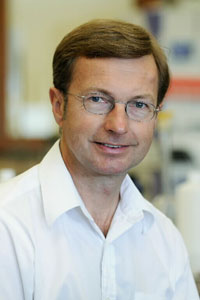
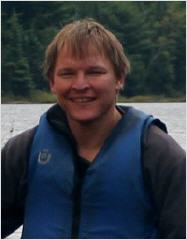
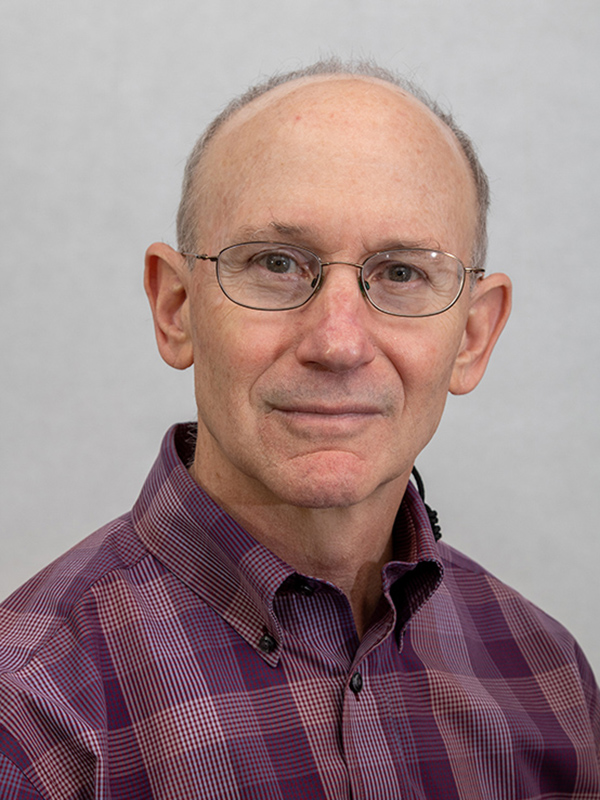
Pasi Peura is a Professor of Metals Technology at Tampere University’s Hervanta Campus, specializing in metallurgy and materials science. His research spans alloy development, additive manufacturing, welding, and heat treatment, with a focus on high-entropy alloys and advanced steels for automotive applications. Education: Doctor of Science (Technology), UMIST and The Victoria University of Manchester (1998); Licentiate of Science (Technology), Mechanical Engineering (1994) Peura’s work emphasizes understanding microstructure-property relationships through novel manufacturing techniques like wire arc additive manufacturing (WAAM) and high-speed laser cladding. His group collaborates extensively with industry, leveraging over 20 years of industrial experience. Recent publications highlight advancements in: Wear-resistant composite coatings Quench and partitioning (Q&P) steel treatments Dynamic softening mechanisms in high-entropy alloys Residual stress analysis in flame-cut steel Scientific Awards: DQ Cold Roll Award for research group (2014) He serves on international committees including the International Deep Drawing Research Group (IDDRG) and contributes to standardization efforts in steel testing.
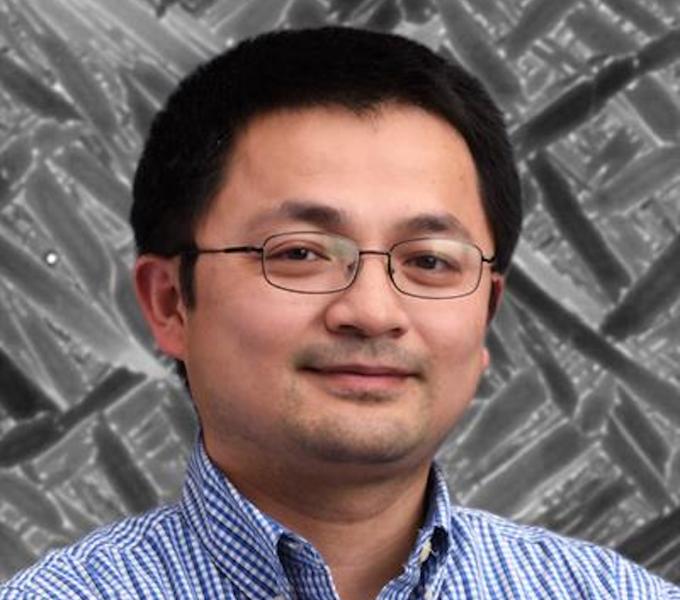
Prof. Wangzhong Mu is a Senior Lecturer (Docent) in the Department of Materials Science and Engineering at KTH Royal Institute of Technology, Stockholm. His research focuses on sustainable metallurgy, microstructure physics, and alloy design. He leads the thermo-physical property analysis section in the Hultgren Lab and is affiliated with Digital Futures at KTH. Educations: PhD in Materials Science, KTH Royal Institute of Technology (2015) MSc/Bachelor's in Materials Science, Northeastern University, China Research Interests: Inclusion engineering and microstructure-property correlations in steels High-entropy alloy design using digital tools (AI/thermodynamic modeling) In-situ characterization via confocal microscopy and multiscale analysis Recycling-oriented steel production and CO2 reduction strategies Grants/Projects (selected): SSF Strategic Mobility Grant (2023-2024): Clean steel for sustainable future VINNOVA Mobility Grant (2022-2024): Hydrogen-based metallurgy STINT Project (2022-2023): Inclusion engineering for green steel EIT RawMaterials (ENDUREIT, 2019-2021): Durable steels at intermediate temperatures Labs/Teams: Hultgren Lab (materials characterization), Digital Futures (AI-driven metallurgy), and international collaborations with Hanyang University (South Korea), IIT Bombay (India), and Tohoku University (Japan).
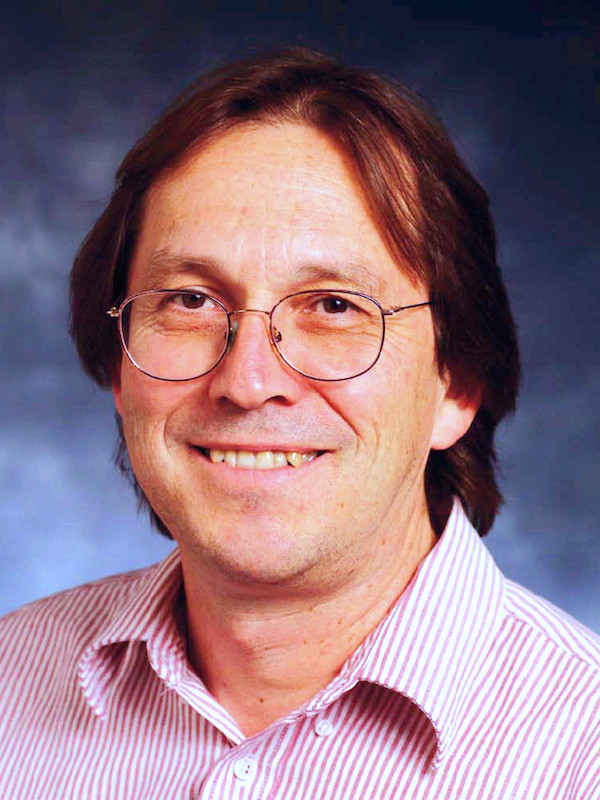
Prof. Matthias Militzer holds the Dofasco Chair in Advanced Steel Processing at the Department of Materials Engineering, Faculty of Applied Science, The University of British Columbia. He specializes in multi-scale modeling of microstructure evolution and physical metallurgy of advanced low-carbon steels, with interdisciplinary research in Cu interconnects for microelectronics. Research Interests: Multi-scale modeling of microstructure evolution during phase transformations Physical metallurgy of advanced high-strength steels (e.g., dual-phase steels, linepipe steels) Recrystallization and grain growth in electrodeposited Cu thin films Collaborations: McMaster University, ArcelorMittal Dofasco, Evraz, Dan Bizzotto (UBC), Ilya Elfimov (UBC) Recent Publications: Focus on phase transformations in Fe-Mn alloys, intercritical annealing, solute-interface interactions, and multi-scale models linking atomistic simulations to macroscopic process optimization in steels. Scientific Awards: Runner’s-up certificate as 'highly commended' in the James Clerk Maxwell Young Writers Prize (2013)
Professor Edward D Burton is a Professor (Research Scholar) in the Faculty of Science and Engineering at Southern Cross University, where he leads the Environmental Geochemistry & Mineralogy research group. His work integrates laboratory experiments, field studies, and synchrotron-based X-ray techniques to investigate metal(loid)-mineral-microbe interactions across diverse environments including acid sulfate soils, contaminated lands, and mine sites. His educational background includes a BSc(Hons) and PhD from Griffith University, establishing his foundation in earth sciences and geochemistry. Research focuses on Environmental Geochemistry and Mineralogy with emphasis on arsenic/antimony speciation , iron mineral transformations , and heavy metal dynamics in contaminated systems. His group pioneers synchrotron-based approaches to decipher contaminant retention mechanisms, particularly in acid sulfate soils and mine drainage environments, directly informing remediation strategies for water quality protection. Recent publications reveal intensifying research on climate-hydrological interactions affecting contaminant mobility, with dominant themes in antimony-arsenic co-behavior in iron mineral systems and advanced applications of X-ray spectroscopy. This reflects his strategic shift toward interdisciplinary solutions for complex environmental contamination scenarios. Key scientific awards include: Future Fellowship (Professorial Level) from Australian Research Council (2020-2024) Vice-Chancellors' Excellence in Research Award from Southern Cross University (2015) 5 Year Australian Research Fellowship from Australian Research Council (2011-2015) 3 Year Post-Doctoral Fellowship from Australian Research Council (2007-2010) Professor Burton has supervised 14 PhD students and 11 postdocs to completion, currently mentoring 5 PhD candidates, 1 MSc student, and 2 postdocs. His research is funded by 5 ARC Discovery Projects ($1.51 million), 7 ARC Linkage Projects ($2.72 million as Chief Investigator), and $2.66 million in-kind from ANSTO for synchrotron projects over the past five years. The Environmental Geochemistry & Mineralogy group operates as a multidisciplinary hub specializing in cutting-edge synchrotron techniques, with active collaborations across government agencies, mining industries, and international research institutions to address critical environmental contamination challenges.
Al Omar Mesnaoui is a Researcher at the Polytechnic University of Catalonia (UPC), affiliated with the Department of Mechanical Engineering at the Manresa School of Higher Engineering (EPSEM). He specializes in materials science, metallurgy, and robotics, focusing on the thermo-mechanical behavior of metals and advanced manufacturing processes. His work includes developing neural network models for steel processing and designing robotic systems for industrial applications. He has contributed to over 88 academic activities, including peer-reviewed articles, books, and projects funded by national and international grants. Notably, he has received the 6th Quality Prize in University Teaching. Education: Licenciado en Ciencias Físicas (Solid-State Physics) and Doctor en Ciencias Físicas (Materials Science and Metallurgical Engineering). He is part of research groups TECNOFAB and DigiFACT, focusing on advanced manufacturing and digital factory technologies. His projects include PulmoFlow (low-cost respiratory diagnostics) and AI-based education initiatives in mechanical engineering. Key research areas include microalloyed steel deformation, robotic co-workers, and biomechanical modeling of human movement post-stroke. He has collaborated extensively with colleagues like Peña-Pitarch and Alcelay on topics ranging from material processing maps to humanoid robotics. His work bridges materials science with industrial applications, emphasizing sustainable and intelligent manufacturing systems.
Prof Jodie Bradby is a Research Fellow in the Department of Materials Physics at The Australian National University. She holds a B. Appl. Sci and PhD in Physics. Her research focuses on high-pressure materials science, particularly phase transformations in silicon, carbon allotropes, and nanocrystalline materials under extreme conditions. Key areas include nanoindentation-induced phase changes, laser synthesis of novel phases, and structural analysis of materials like glassy carbon and diamond. Her work involves advanced techniques such as diamond anvil cells, transmission electron microscopy, and in-situ spectroscopy. Notable projects include synthesizing bc8-Si phases, exploring microtwinned diamond formation from glassy carbon, and studying pressure-induced polymorphs in silicon. Over 138 publications and 29 research projects highlight her contributions to understanding material behavior under compression, temperature extremes, and laser processing. Current projects focus on pressure-induced phase transitions, novel carbon phases, and functional nanomaterials. She collaborates widely, leveraging facilities like the Multiple Ion Beam Facility for microscopy and nanofabrication.
Kristina Dunkel is an Associate Professor at the Department of Geosciences, University of Oslo , specializing in Earth's crustal processes. She teaches courses in Mineralogy (GEO2110) , Petrology and Geochemistry (GEO2150) , and Petrography and Microstructures (GEO4810) . Education: MSc Geosciences, University of Münster (2013) BSc Geosciences, University of Münster (2011) Research Focus: Her work examines microstructural evolution in rocks, deep crustal earthquakes, deformation-reaction coupling, and ultramafic rock alteration. Current projects include ERC BREAK , CO2Basalt , CONTINENT , NATSORB , and REACTivity during confinement , all aiming to understand crustal dynamics and fluid-rock interactions. Publication Trends: Her recent publications emphasize stress estimation in lower crust, pseudotachylyte formation, feldspar and olivine behavior under extreme conditions, and fluid-driven metamorphism during seismic events. Collaborative work spans topics like IODP Expedition 357 studies of Atlantis Massif and Leka Ophiolite Complex deformation patterns. Research Groups: She contributes to Njord - Center for the Study of Earth Physics and CO2 storage initiatives.
Wei Xiong is the William Kepler Whiteford Faculty Fellow and Associate Professor in the Department of Mechanical Engineering and Materials Science at the University of Pittsburgh Swanson School of Engineering . Since founding the Physical Metallurgy and Materials Design (PMMD) Laboratory in 2016, he has led a multidisciplinary team that couples CALPHAD-based ICME with high-throughput experiments and additive manufacturing to create high-performance alloys for extreme environments. Education & Career Path Ph.D., Materials Science – KTH Royal Institute of Technology, Sweden (2012) Research Associate – University of Wisconsin–Madison (2012–2013) Research Associate – Northwestern University (2013–2016) Associate Professor & William Kepler Whiteford Faculty Fellow – University of Pittsburgh (2016–present) Research Interests Dr. Xiong’s research integrates computational thermodynamics (CALPHAD), kinetic modeling , and data-driven materials informatics to accelerate the design of advanced alloys. Core themes include: Phase equilibria and transformations in multi-principal element alloys Process-structure-property relationships in additive manufacturing High-temperature oxidation and corrosion resistance Space-qualified materials and extreme-environment performance Publication Trends & Impact With an h-index of 35 and >150 peer-reviewed papers since 2016, the PMMD Lab’s output spans Nature , Science Advances , Acta Materialia , and leading additive-manufacturing journals. Recent work emphasizes uncertainty quantification, machine-learning-guided alloy design, and real-time process monitoring via in-situ diagnostics. Scientific Awards & Honors ASTM AM CoE Young Professional Award in Additive Manufacturing (2024) NSF CAREER Award (2021) TMS Early Career Faculty Fellow Award (2021) APDIC Best Paper Award (2021) CALPHAD Young Leader Award (2020) Acta Materialia Outstanding Reviewer Award (2020) TMS FMD Young Leader Professional Development Award (2015) CALPHAD Journal Best Paper Awards (2012, 2013) Grants & Funding Dr. Xiong’s research is continuously supported by federal and industrial sponsors, including: NASA – High-performance space alloys via additive manufacturing Air Force Office of Scientific Research (AFOSR) – Extreme-environment materials Office of Naval Research (ONR) – Naval alloy development National Science Foundation (NSF) – CAREER and collaborative awards Department of Energy (DOE) & ARPA-E – Fossil-energy materials Nuclear Energy University Program (NEUP) – Radiation-resistant steels Laboratory & Team The Physical Metallurgy and Materials Design (PMMD) Laboratory operates >20 active research projects, hosts 5-year average PhD timelines, and has produced 3 best-graduate-student awards and 4 best-paper awards. The lab maintains collaborations with national laboratories (Argonne, NIST), federal agencies, and industry leaders (Caterpillar, GM, Thermo-Calc Software Inc.).
Prof Ed Burton is a leading environmental geochemist and mineralogist at the Faculty of Science and Engineering, Southern Cross University . He heads the Environmental Geochemistry & Mineralogy group, focusing on metal(loid)-mineral-microbe interactions using synchrotron-based X-ray techniques, laboratory experiments, and field studies. Education: BSc(Hons) and PhD from Griffith University Research Focus: Iron and sulfur cycling, metal(loid) dynamics, and water quality in acid sulfate soils, contaminated lands, and mining-impacted environments Notable Grants: $1.04M ARC Future Fellowship (2020-2024), $1.51M ARC Discovery Projects, $2.72M ARC Linkage Projects Leadership: Editor of Journal of Hazardous Materials (Impact Factor 13.6) His recent publications (2023-2025) highlight expertise in antimony/arsenic biogeochemistry, mineral transformations (schwertmannite, jarosite, ferrihydrite), synchrotron spectroscopy, and environmental remediation strategies like Lime Assisted Tidal Exchange. Awards include ARC Fellowships and Vice-Chancellor's Excellence in Research Award.
Andreas Kronenberg is a Professor and the Michael T. Halbouty Chair in Geology at Texas A&M University, serving as Associate Director of the Center for Tectonophysics. He holds dual affiliations with the Department of Geology and Geophysics and the Texas A&M College of Geosciences. His research focuses on structural geology, tectonophysics, and mineral physics, with emphasis on Earth materials' mechanical properties and deformation mechanisms at high pressure/temperature conditions. Dr. Kronenberg leads experimental studies on water weakening in quartz/feldspar, anisotropic rock behavior, and carbonate rheology in subduction zones. Education: PhD (Geology, Brown University, 1983), MS (Geology, Brown University, 1979), BS (Geology, UCLA, 1977). Research explores (1) fluid-rock interactions in deformation, (2) crystal plasticity in silicates and carbonates, and (3) high-temperature creep mechanisms. Key contributions include discovering reversible water weakening in quartz and developing StraboSpot's digital deformation data archives. He participates in AGU's Mineral and Rock Physics Focus Group and the NSF-funded In-situ Rock Deformation RCN. Award-winning educator and researcher, Kronenberg teaches graduate courses in structural petrology (Geol 665) and experimental rock mechanics (Geop 615), while mentoring students through collaborative projects. His work bridges laboratory experiments with field observations, advancing understanding of lithospheric deformation processes.
Professor Eric J Palmiere at the University of Sheffield's School of Chemical, Materials and Biological Engineering is a world-leading expert in ferrous physical metallurgy and thermomechanical processing with over 35 years of experience. His research focuses on microstructural evolution during metalworking and has collaborated with industries in automotive, aerospace, energy, and construction sectors. POSCO Chair in Iron and Steel Technology Research Theme Lead - Materials Discovery and Characterisation Research Interests: Specializes in microstructural evolution of ferrous and non-ferrous alloys, particularly examining strain-induced precipitation, recrystallization kinetics, and phase transformations under industrial processing conditions. Key projects include: Development of high-modulus steels for automotive Friction effects in multipass hot deformation Fusion energy steel development Advanced pipeline steel processing (API X70-X100) Scientific Contributions: Over 170 high-impact publications with focus on austenite decomposition, strain reversal effects, and niobium-based precipitation. Key methodologies involve EBSD analysis, thermomechanical simulation, and multiscale modeling. Awards: Recipient of the 2024 Tom Colclough Medal and IOM3's Charles Hatchett Award (1995).
Nadia Noor is a researcher at the Soil & Environmental Sciences department of the University of Wisconsin-Madison, focusing on biogeochemical processes in terrestrial ecosystems. She teaches courses including SOIL SCI/ENVIR ST 101 – Forum on the Environment SOIL SCI 302 – Meet Your Soil: Soil Analysis and Interpretation SOIL SCI/ENVIR ST 324 – Soils and Environmental Quality SOIL SCI 326 – Plant Nutrition Management . Her research explores: Iron oxide mineral transformations under fluctuating redox conditions Interactions between iron oxides and soil carbon stabilization Soil nitrogen mineralization under diverse crop management practices Ammonia volatilization dynamics from organic residues Redox-driven carbon cycling in soil mineral-organic coprecipitates Recent publications highlight interdisciplinary approaches to understanding soil nutrient dynamics and carbon sequestration, with methodological innovations in Fe isotope tracing , passive flux sampling , and biogeochemical modeling . Her work bridges soil chemistry, mineralogy, and environmental sustainability. Current affiliations include the LinkedIn profile and research visibility through Google Scholar .
Jens M. Walter is a Researcher at the Georg-August-University Göttingen in the Department of Structural Geology and Geothermal Energy . He has been actively involved in neutron diffraction research since 2007 and co-founded the MASA Institute GmbH in 2013. His work spans structural geology, archaeometry, and advanced materials analysis. Education: Doctorate in Geology (2000-2004) and Post-Doc (2004-2006) at University of Bonn Research Interests: Focus on in-situ deformation experiments , texture analysis , and recrystallization processes using neutron diffraction at POWTEX. Also specializes in archaeometric ceramic provenance and graphite characterization via Raman spectroscopy. Recent Article Trends: Publications emphasize neutron-based strain monitoring , critical metal analysis , and quantitative textural studies across geological and archaeological contexts. Key collaborations include institutions in Germany, Austria, and Italy. Instrumentation Leadership: Instrumental in designing sample environments for POWTEX Neutron Diffractometer at FRM II research reactor. Developed automated pole figure measurement systems for geological materials. Labs & Teams: Works with Geoscience Center (GZG) and co-manages MASA Institute GmbH , a university spin-off focused on material analysis and cultural heritage studies.
Ethan Grossman is a Professor and Michel T. Halbouty Chair in the Department of Geology and Geophysics at Texas A&M University's College of Geosciences. He directs the Stable Isotope Geosciences Facility and specializes in stable isotope geochemistry, clumped isotopes, and paleoclimatology. His research explores global change, ancient climates, and hydrogeochemical systems, with applications to energy resources and environmental monitoring. He holds a Ph.D. in Geochemistry (University of Southern California, 1982) and a B.S. in Geology (SUNY Albany, 1976). His work spans isotopic techniques for paleotemperature reconstructions, sedimentary basin thermal histories, and climate-ocean interactions. Key research areas include clumped isotope reordering kinetics, Phanerozoic seawater temperature trends, and the Devonian-Mississippian Climate Transition. Major grants include NSF funding for clumped isotope studies and basin thermal history analysis. Awards include AAAS and GSA Fellowships, the Michel T. Halbouty Chair, and exceptional reviewer accolades. His lab oversees the StabisoDB Earth system database and collaborates internationally on projects like Caribbean coastal evolution and Delaware Basin hydrocarbon expulsion modeling. He advises over 30 graduate students and postdocs, focusing on topics like mussels as climate proxies, Permian Basin thermal history, and clumped isotope applications.
Laurent Delannay is a Professor at the Catholic University of Louvain and a Research Director at the Institute of Mechanics, Materials and Civil Engineering (iMMC) within the Louvain Polytechnic School (EPL) . His work focuses on materials science and mechanical engineering , particularly in microstructural modeling , strain heterogeneity , and plasticity . Key research areas: Plasticity, Finite Element Modeling, Microstructure Analysis, Residual Stress, Crystal Plasticity Recent publications analyze aluminum films, tungsten deformation, and biomedical materials Affiliated with the Applied Mechanics and Mathematics (MEMA) research unit Email: laurent.delannay@uclouvain.be His work combines experimental data with computational simulations to understand material behavior under stress, thermal shocks, and mechanical processing. Research trends include grain boundary effects , texture evolution , and multiscale modeling . Teaching activities include courses on Mechanics of Materials , General Mechanics , and Durability of Materials . He leads research in the MEMA laboratory and contributes to projects related to nuclear materials and biomedical applications.