Leonardo Ricci is an Associate Professor at the Department of Physics, University of Trento , with a 28-year teaching career spanning 56 courses (31 in English) and extensive roles in the Interdepartmental Center for Mind/Brain Sciences - CIMEC (30% affiliation). His research bridges nonlinear dynamics , information theory , and neuroscience , focusing on chaos detection in time series and entropy analysis. Academic Career : From 1994 post-doc at Max-Planck-Institut to 2022 promotion to Associate Professor Teaching : Courses in Experimental Physics, Advanced Electronics, and Statistical Methods across Physics and Computer Science programs Ricci leads the NSE Lab (Nonlinear Systems and Electronics) , developing hardware/software systems for experimental research. His 2022 Entropy cover story on permutation entropy highlights his impact in information theory. Scientific Contributions : 20 patents (visibility measurement devices), collaborations with international researchers on complex systems Editorial Roles : Associate Editor for Chaos, Solitons & Fractals and Frontiers in Network Physiology
Professor Maaike Fobelets is affiliated with the Multidisciplinary Institute for Teacher Training at the Vrije Universiteit Brussel (VUB) , Belgium. Her research spans Midwifery , Professional Autonomy , Health Sciences , and Medical Education . She actively supervises doctoral students and participates in international collaborations . Research Focus: Professional Autonomy (100%), Midwifery (97%), End-of-Life Care (85%), Healthcare Simulation (77%), Chronic Pain Management (63%), Digital Literacy (51%) Recent Projects: EuroMAID (2025-2027): Medical Assistance in Dying across Europe Aha BOOST (2023-2027): Arm-hand therapy for stroke recovery InfoReady (2023-2025): Digital literacy for adults Scientific Awards: Editor's Choice (2023) Grant Collaborations: Funded by Erasmus+, Flemish Government, and Fundamental Brussels mechanisms Advocacy: Promotes interprofessional education and midwifery recognition through peer-reviewed publications and conference presentations Labs: Central contributor to simulation training platforms and data repositories
Dr. Ahmet Songur is an Assistant Professor at the Faculty of Economics and Administrative Sciences of Suleyman Demirel University , specializing in Business Administration . With a career spanning over a decade, he teaches courses like Services Marketing, Brand Management, and Consumer Behavior. Education: PhD in Business Administration (2015), Master's (2009), and Bachelor's (2006) from Suleyman Demirel University. Research focuses on export marketing, customer engagement, gender representation in advertising, and resource-based competitive strategies. Published extensively in Turkish journals (TR DİZİN) and international books, with recent works addressing digital addiction, femvertising, and pandemic impacts on aviation. His 2023–2024 publications examine brand value mediation, gender in advertisements, and export strategies. He has supervised PhD student Duygu Yaman and maintains an ORCID ID (0000-0002-9869-5394) for academic transparency.
Sandeep Gupta is a Professor and Director of the School of Computing and Augmented Intelligence at Arizona State University's Ira A. Fulton Schools of Engineering. He also serves as a Senior Global Futures Scientist. His work bridges computer science, engineering, and healthcare applications with a focus on creating reliable cyber-physical systems that interact safely with humans. Education: Ph.D. from The Ohio State University (1995) Research Interests: Professor Gupta's research spans cyber-physical systems, green and sustainable computing, mobile and pervasive computing, and parallel and distributed computing. His work increasingly focuses on human-in-the-loop systems where AI and humans collaborate safely, particularly in healthcare contexts. Recent research integrates large language models with cyber-physical systems to enhance safety and operational effectiveness in critical applications like medical monitoring and industrial automation. Research Trends: Analysis of Professor Gupta's recent publications reveals a strong focus on operational safety in human-AI collaborative systems, particularly in healthcare applications. His work combines physics-guided models with machine learning to detect "unknown-unknowns" in safety-critical systems, develops LLM-based approaches for medical image classification, and creates frameworks for ethical human-AI collaboration. The research increasingly addresses real-world challenges in diabetes management, epilepsy diagnosis, and industrial automation. Professional Service: IEEE Communication Letters Editorial Board, Area Editor (2008-Present) IEEE Journal on Special Areas in Communications - Issue on Body Area Network, Co-editor (2006-Present) Elsevier COMNET - Computer Network Journal, Reviewer (2008-Present) Technical Advisory Committee Chair for Networks (2005-Present) Advising and Grants: Professor Gupta has secured numerous research grants from NSF, NIH, Intel, Raytheon, and other organizations, totaling millions of dollars. His research portfolio includes projects on smart stadiums, mobile ECG sensing, power-aware scheduling, medical device verification, and sustainable data center management. He actively advises PhD and Master's students through thesis courses and research supervision, focusing on cyber-physical systems and healthcare applications. Labs and Research Groups: Professor Gupta leads research in cyber-physical systems with applications in healthcare, sustainable computing, and mobile networks. His work involves interdisciplinary collaboration across engineering, computer science, and medical domains, particularly through ASU's Global Futures initiatives.
Gabriele Bernardini is a Researcher at the Department of Civil, Building and Architectural Engineering within the Faculty of Engineering at Università Politecnica delle Marche (UNIVPM) in Ancona, Italy. His office is located at via brecce bianche 12, Ancona in the DICEA, Construction Section (quota 150), where he holds office hours on Wednesdays from 9-11 AM. His work focuses on the intersection of built environment safety, risk assessment, and innovative technological applications for urban resilience. Dr. Bernardini's research interests center on multi-risk assessment and mitigation in urban built environments, particularly addressing flood risks, terrorist threats, and heatwave vulnerabilities in historical contexts. His work employs innovative methodologies including virtual reality simulations, behavioral design approaches, and data-driven predictive models. He has developed frameworks for measuring user exposure and vulnerability, optimizing evacuation paths, and creating integrated wayfinding systems for emergency situations. His research bridges the gap between theoretical risk assessment and practical implementation in real-world urban settings, with a special focus on preserving historical character while enhancing safety. Analysis of his recent publications (2021-2025) reveals a consistent focus on multi-risk scenarios in urban environments, particularly examining how different hazards interact in historical settings. His work demonstrates increasing sophistication in methodology, moving from basic risk assessment to integrated multi-risk frameworks that consider user behavior, environmental factors, and technological solutions. A significant portion of his research applies virtual reality and extended reality technologies to safety training and evacuation planning, showing the evolution from theoretical models to practical applications with real-world testing. His research has practical applications across multiple domains including urban planning, emergency management, and building maintenance. Through his work on automatic detection systems using maintenance requests and predictive management approaches, he's contributing to more responsive building management practices. His case studies on specific locations like Matera demonstrate the translation of theoretical frameworks into context-specific solutions for historic urban environments.
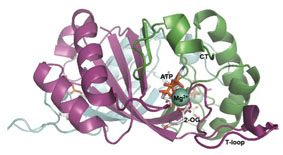
Karl Forchhammer is a full Professor at the University of Tübingen , chairing the Department of Microbiology/Organismic Interactions within the Interfaculty Institute of Microbiology and Infection Medicine Tübingen (IMIT) . He received his education at Ludwig-Maximilians-Universität München, earning a Doctorate in Microbiology with a thesis on selenocysteine biosynthesis in Escherichia coli , for which he received the VAAM Promotionspreis in 1992. His academic career includes a postdoctoral fellowship at the Institut Pasteur and associate professorship at the Justus-Liebig-Universität Giessen (1999-2007). Current Roles: Chair of Microbiology/Organismic Interactions, University of Tübingen Editor for FEBS Journal Scientific Advisory Board member, Max Planck Institute for Terrestrial Microbiology DFG panel member (Microbiology, Virology, Immunology) His research focuses on: PII Signal Transduction Proteins : Molecular mechanisms of 2-oxoglutarate sensing, ATP/ADP binding dynamics, and regulatory roles in carbon-nitrogen balance across bacteria, archaea, and chloroplasts. Nitrogen Starvation Response : Molecular basis of chlorosis in Synechocystis and Synechococcus species, including nblA gene regulation and sodium bioenergetics during dormancy. Metabolic Engineering Applications : Development of FRET sensors for metabolite detection and optimization of polyhydroxybutyrate (PHB) production in cyanobacteria. Carbon Regulation Systems : Structural analysis of SbtB redox-sensitive loops, c-di-AMP signaling in diurnal metabolism, and PirC-mediated phosphoglycerate mutase inhibition. Technological Innovations : Creation of SCAGE method for cyanobacterial transport and development of magnetic bead immunoassays for SARS-CoV-2 detection. Scientific contributions include: Discovery of plant kingdom's first glutamine sensory mechanism through PII evolution Elucidation of PII-NAGK functional conservation over 1.2 billion years Identification of 2-oxoglutarate binding site in PII proteins Demonstration of sodium bioenergetics' critical role in cyanobacterial developmental transitions Development of metabolite FRET sensors for real-time metabolic monitoring Establishment of PHB production platforms without nitrogen starvation His lab has trained 15+ PhD students and 3+ PostDocs, with collaborations spanning microbial biotechnology, structural biology, and environmental systems. Recent publications highlight: 2025 work on natural microbial community-enhanced bioplastic production 2024 structural studies of PII-regulated enzymes 2023-2024 investigations into glycogen metabolism and redox regulation 2022-2023 studies on c-di-AMP signaling and toxin-antitoxin systems
Dr. Tim Pagella is a Senior Lecturer in Forestry at Bangor University's School of Environmental and Natural Sciences. He serves as Programme Lead for three undergraduate forestry programs and Module Leader for DXX-1003 (Forestry in the 21st Century) and DXX 4505 (Natural Resource Management). His teaching contributes to modules including DDL-4004, DXX1001, and others. As a systems scientist, Pagella specializes in agroforestry systems, focusing on trees outside woodlands delivering ecosystem services and livelihood resilience. His research spans tropical and temperate regions, emphasizing local knowledge integration, socio-ecological dynamics, and gender-transformative land restoration. Collaborations include World Agroforestry (ICRAF), Natural Resources Wales, and international projects in Rwanda, Vietnam, and Indonesia. Current projects: Trilateral Agroforestry Network (2024-2025), Landscape Resilience in Comoros (2022), Climate-Smart Woodlands in Wales (2018-2023) PhD supervision: 5 current students researching topics like farmer extension models, agricultural change management, and food security metrics Key contributions: Polyscape GIS tool for ecosystem valuation, RHoMIS survey framework for smallholder analysis
Alex Coad is Professor at Waseda University’s Graduate School of Business and Finance, Faculty of Commerce, Tokyo. A 2007 PhD graduate of Université Paris 1 Panthéon-Sorbonne, he specialises in industrial dynamics, entrepreneurship and applied econometrics, with field-leading work on high-growth firms, innovation policy and firm survival. Education PhD student, Université Paris 1 Panthéon-Sorbonne, 2004-2007 Research Interests Coad’s research straddles three tightly linked domains: (i) the life-cycle of firms—how they start, grow, innovate and exit; (ii) the identification and support of high-growth enterprises (gazelles, scale-ups) and their role in job creation and productivity; and (iii) the econometric evaluation of innovation and entrepreneurship policies, including post-crisis resilience after COVID-19. He employs large micro-data panels, quasi-experimental designs and, more recently, machine-learning techniques to uncover robust empirical regularities. Publication Landscape Across 119 Scopus-indexed papers (h-index 44) and 17 000+ Google-Scholar citations (h-index 59), Coad’s recent output reveals three dominant streams: (1) policy-oriented studies on European high-growth firms and scale-ups; (2) COVID-related analyses of firm vulnerability, investment expectations and recovery paths; and (3) methodological contributions linking random-forest prediction to gazelle identification. His work consistently blends rigorous econometrics with actionable policy insight. Honours & Awards 2021 Waseda Research Award Teaching & Doctoral Supervision At Waseda he teaches graduate courses in Firm Growth & Innovation, Econometrics, Time-Series Analysis, Data-Science for Management and Japan Industry Studies, and supervises research seminars for the MSc in Finance. No individual student names are listed in the supplied material. Grants & Teams Coad leads or co-leads large EU-funded micro-data projects on productivity, innovation and COVID resilience, often involving cross-country research consortia; specific grant numbers or budgets are not disclosed in the text.
Dr. Stephanie Lansing is a Professor in the Department of Environmental Science & Technology at the University of Maryland's College of Agriculture and Natural Resources. She directs the Bioenergy and Biotechnology Lab, focusing on renewable energy systems, waste treatment, and the Food-Energy-Water Nexus. Her work spans ecological engineering, antimicrobial resistance mitigation, and sustainable bioplastic production from organic waste. College of Agriculture and Natural Resources Environmental Science & Technology Bioenergy and Biotechnology Lab Her research integrates anaerobic digestion , microbial fuel cells , and nutrient recovery to address global sustainability challenges. Recent projects examine bioplastic formation from food waste and AMR dynamics in manure systems , with fieldwork in the US, Africa, and Latin America. She co-developed the NourishNet platform combining real-time surplus food distribution ( FoodLoops ) with spoilage detection ( Quantum Nose ). Active grants exceed $6 million, including two major DOE awards for biofuel and bioplastic production from food waste. Her lab collaborates with institutions like Virginia Tech, Idaho National Laboratory, and international partners. Current team members include PhD candidates Maureen Nabulime and Adanyro Atilago, MS student Rafian Aziz, and undergrad researchers exploring waste-to-energy systems.
Rossana Bellopede is an Associate Professor at the Politecnico di Torino, affiliated with the Department of Environmental, Land and Infrastructure Engineering (DIATI) . She leads the Raw Materials (DIATI) laboratory and contributes to projects like CITERIA (critical raw material recovery) and SHOWCAVE (tourist cave impact mitigation). Her roles include coordinating PhD programs in Civil and Environmental Engineering and teaching courses on Circular Economy , Natural Stone Characterization , and Occupational Safety . Research focuses on solid waste recovery (tunnel muck, mining tailings) natural stone durability (weathering, bowing phenomena) microplastic pollution (karst systems, groundwater, caves) asbestos testing (industrial safety) Recent publications examine textile wastewater microfibers (2025), microplastic transport in karst environments (2025), and critical raw material recovery techniques (2025). Her work aligns with SDG 12 (Responsible Consumption) and SDG 11 (Sustainable Cities). Scientific participations include Advisor for ANIM (National Mining Engineers Association) Organizing committee of Heritage Stones Workshop (2021) Research network PROMETIA (2018-2025) She manages commercial projects like CE marking for Piasentina Stone , develops FAST4C circular textiles protocols (2024-2028), and supervises PhD candidates studying microplastic pollution in karst systems stone durability mechanisms sustainable construction materials
Anthony Kulas is an Associate Professor and Chair of the Department of Kinesiology at the College of Health and Human Performance , East Carolina University . His research focuses on biomechanics , particularly ACL injury prevention and rehabilitation , lower extremity joint dynamics , and musculoskeletal adaptations . Academic Role: Associate Professor & Chair in Kinesiology Institution: East Carolina University Contact: kulasa@ecu.edu | 249 Ward Sports Medicine Research Themes: ACL injury mechanisms and post-reconstruction recovery Hamstring-quadriceps muscle interactions Trunk position effects on knee joint forces Sex-specific biomechanical differences Abdominal activation strategies for movement control Dynamic joint stability during athletic tasks Article Trends (2004–2024): Focus on ACL injury risk factors , muscle-ligament interactions , and neuromuscular adaptations Analysis of landing mechanics , gait symmetry , and joint energetics Integration of clinical imaging (e.g., stress sonography) and intervention studies (e.g., Nordic hamstring training)
Dr. Johann Bilsborough is an Adjunct Professor in the School of Sport, Exercise and Rehabilitation at the University of Technology Sydney (UTS). He is affiliated with the Faculty of Health and the Human Performance Research Centre (HPRC). His research focuses on sports science, athlete performance optimization, and nutrition in team sports such as Australian Football and soccer. Key areas include athlete monitoring practices, nutritional strategies for elite athletes, and the physiological impacts of training and external factors like the pandemic. His work emphasizes understanding athlete behavior in subjective monitoring, body composition changes, and training periodization. Collaborations with organizations like UEFA highlight contributions to dietary guidelines for elite footballers. Dr. Bilsborough’s research bridges practical applications in sports medicine with biomechanical and physiological insights, aiming to enhance both individual and team performance.
Prof Long D. Nghiem is a Professor and Director of the School of Civil and Environmental Engineering at the University of Technology Sydney (UTS), and Director of the Centre for Technology in Water and Wastewater (CTWW). He holds a PhD in Environmental Engineering from the University of Wollongong and has held academic positions at institutions including the University of Wollongong, Technical University of Munich (as August-Wilhelm Scheer Visiting Professor), and Colorado School of Mines. His research focuses on water treatment technologies, membrane science, anaerobic digestion, and sustainable resource recovery. Prof Nghiem has supervised 20 PhD and 8 MPhil students. His funded research includes grants totaling over $3 million, addressing topics such as advanced water treatment, biomethane production, and microplastic filtration. He has received awards like the UOW Vice Chancellor Award for Research Partnership and Impact (2017), and the Excellence in Reviewing Award from Environmental Science: Water Research Technology (2016). His research interests span membrane separation processes (e.g., forward osmosis, membrane distillation), water purification, and microbial strategies for waste management. He leads projects on resource recovery from wastewater and innovative technologies for addressing global water challenges. His work emphasizes practical applications, such as converting food waste into energy and developing eco-friendly biolubricants from microalgae. Education: PhD in Environmental Engineering, University of Wollongong (2004–2005) MSc in Education, University of Wollongong (2008–2010) BEng in Environmental Engineering, UNSW Australia (1998–2002) Affiliations: Editorial Board Member of Environmental Science: Water Research Technology Section Editor of Current Pollution Reports Prof Nghiem’s lab (CTWW) develops cutting-edge solutions for water and wastewater challenges, including solar-driven desalination, photocatalytic pollutant degradation, and microplastic removal technologies. His interdisciplinary approach bridges engineering, chemistry, and microbiology to create scalable, sustainable environmental solutions.
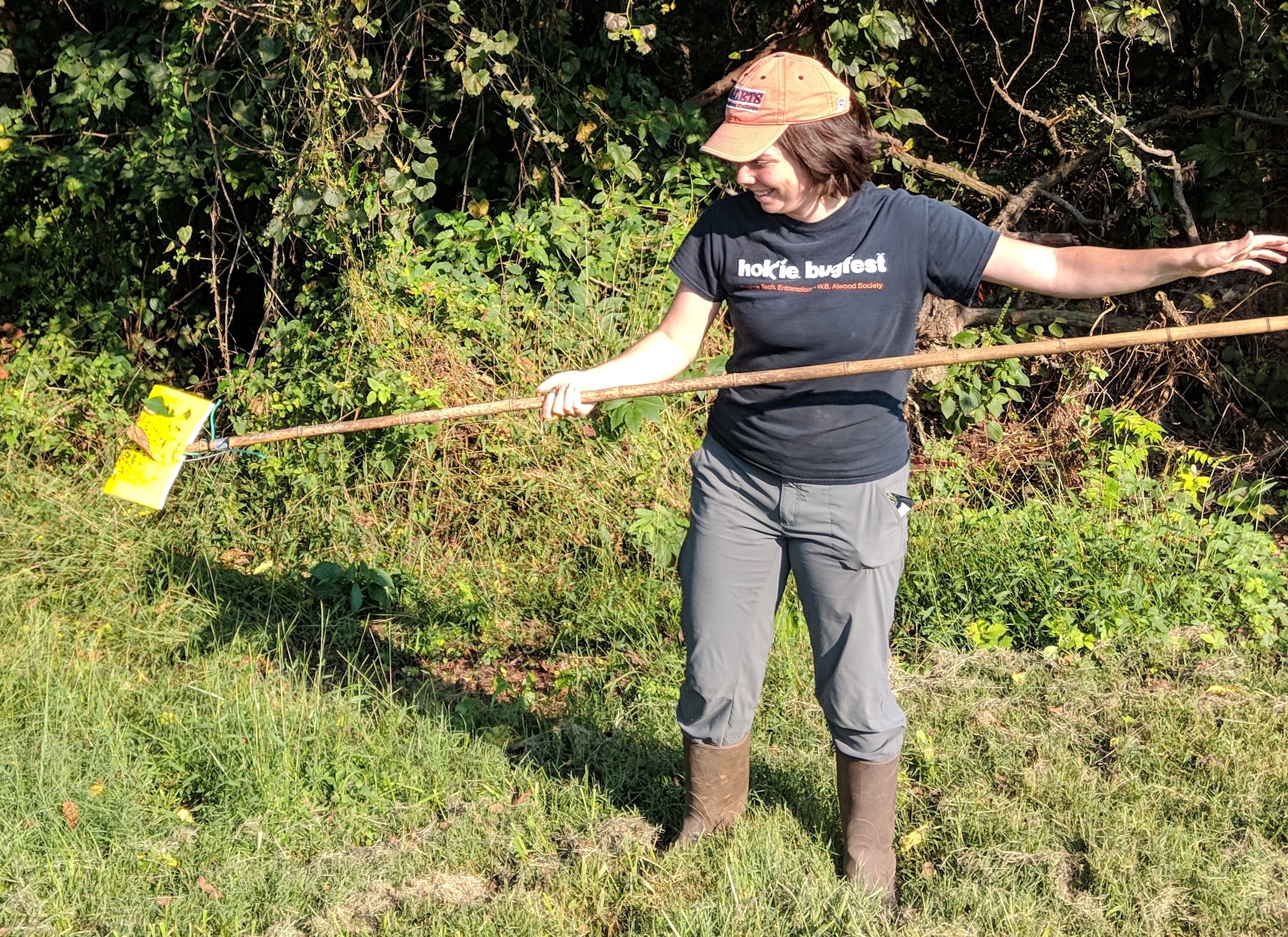
Dr. Nicole F. Quinn is an Assistant Professor of Entomology at the University of Florida's Indian River Research and Education Center, specializing in classical biological control of invasive arthropods. Her work focuses on ecologically and economically significant species like the Lebbeck mealybug and emerald ash borer. She leads research at the Norman C. Hayslip Biological Control Research and Containment Laboratory, one of Florida's premier quarantine facilities for invasive species control. Her role includes an 80% research and 20% teaching appointment, with curriculum development plans for entomology graduate programs. Education: Ph.D. dissertation on the brown marmorated stink bug, postdoctoral research at USDA-ARS and University of Massachusetts, and adjunct teaching at Towson State University. Research Interests: Biological control strategies for invasive pests, parasitoid biology, and integrated pest management. Her current projects target Nipaecoccus viridis (Lebbeck mealybug) in citrus groves and emerald ash borer in North American forests. She emphasizes sustainability and biosecurity frameworks to combat invasive species. Articles Trends: Over 10 years of work on parasitoid efficacy, invasive species management, and biological control agent development. Recent focus on Florida-specific pests like the Lebbeck mealybug and the emerald ash borer's ecological impact. Advising & Grants: No explicit grants listed, but her work at the Hayslip Lab involves federal approvals and collaborative USDA research. No listed students, but curriculum development efforts suggest graduate mentorship. Labs/Teams: Primary affiliation with the Norman C. Hayslip Lab, collaborating with USDA-ARS on biological control research. Her lab's work bridges quarantine science and field applications for invasive species control.
Daniela Andrei is an Associate Professor at Curtin University's School of Management and Marketing, affiliated with the Faculty of Business and Law. She coordinates large-scale applied research projects addressing workforce aging, safety, and employee wellbeing. Her work focuses on understanding forces shaping work experiences across the lifespan and their impacts on performance and safety. She is an Associate Investigator with CEPAR Stream 3 (Organisations and the Mature Workforce) and a member of Cost Action - LeverAGE. Research interests include aging workforce management, safety culture in high-risk industries (e.g., maritime), and HR practices for age diversity. Her studies often involve collaborations with industry and government bodies like Safe Work Australia and the International Mining for Development Centre. Her recent articles analyze interventions for aged care job demands, safety leadership behaviors, and maritime industry fatigue. Notable contributions include frameworks for 'Include, Individualize, Integrate' HR practices and meta-strategies for age-diverse workforces. She has advised on organizational metastrategies for managing younger and older workers, emphasizing inclusive design. Labs/Teams: Active in CEPAR's benchmarking surveys of the Australian workforce and the Age in the Workplace research network. Engaged in cross-disciplinary projects linking occupational health, leadership, and sustainable work design.