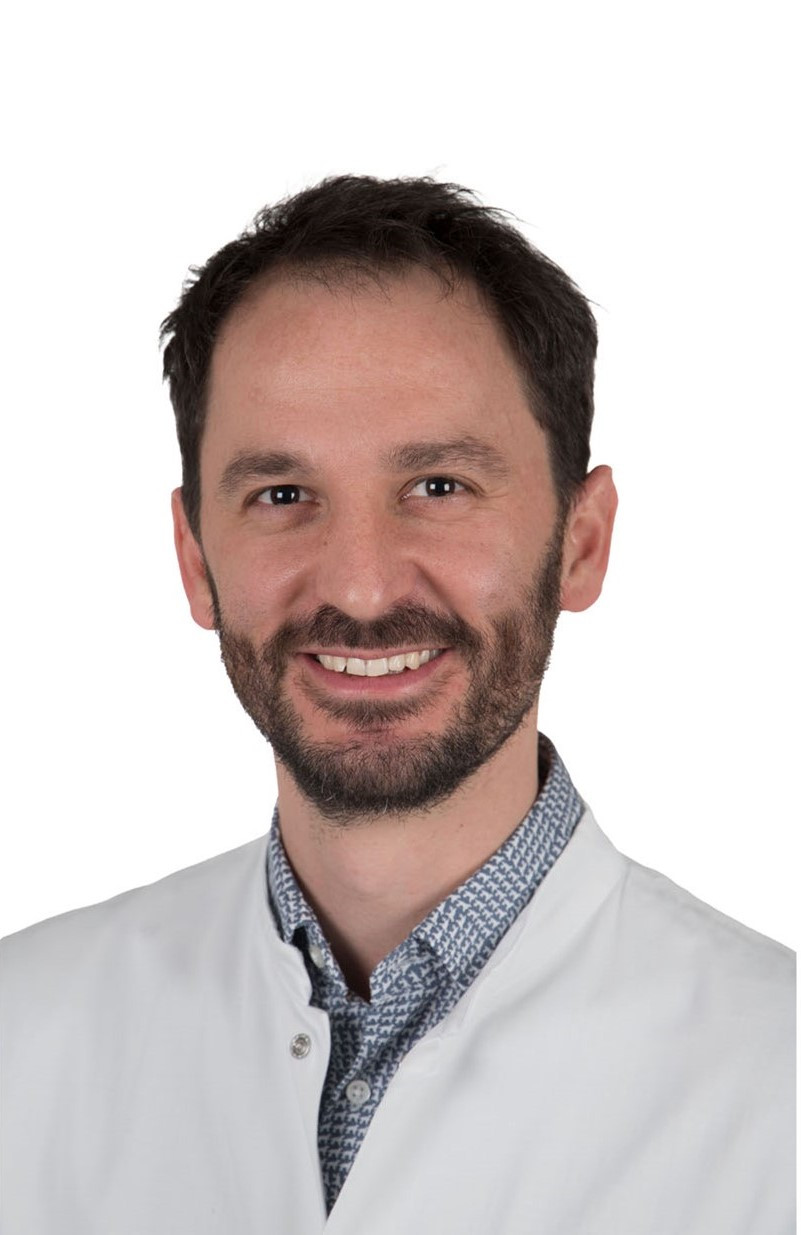
Mehrdad Salehi is a researcher at the Chair of Computer Science Applications in Medicine at the Technical University of Munich (TUM) . His work focuses on the intersection of computer science and medical imaging, with expertise in ultrasound technology, deep learning, and surgical navigation systems. Key research areas include sonification of medical data, 3D ultrasound reconstruction, and machine learning-based segmentation. He has contributed to innovative projects like PRO-TIP calibration phantoms and ColibriDoc autonomous docking systems. His publications highlight trends in acoustic feedback mechanisms, neural radiance fields for medical imaging, and real-time image analysis. He can be reached at mehrdad.salehi@tum.de .
Prof. Ajay Puri serves as Chief of Orthopaedic Oncology and Professor & Head of Surgical Oncology at Tata Memorial Centre. He holds leadership positions including President of the Indian Musculoskeletal Oncology Society, President Elect of the Asia Pacific Musculoskeletal Tumor Society, and past Chairman of the Indian Orthopaedic Association (Oncology). His research integrates clinical, biomedical, and basic science approaches to musculoskeletal tumors. Key contributions include developing low-cost indigenous megaprostheses widely adopted across Asia and Africa, pioneering biological reconstruction techniques after oncologic resection, and leading the International Sarcoma Kindred Study (ISKS) to investigate sarcoma genetics. His work bridges innovative surgical solutions with resource-limited healthcare settings. With over 100 publications and numerous book chapters, he shapes discourse in orthopaedic oncology through editorial roles at Bone & Joint-360, Sarcoma, and Frontiers in Orthopedic Surgery. As principal investigator for multiple studies, he drives translational research while mentoring through institutional frameworks at Tata Memorial Centre.
Sarah Boyd, MD is an Associate Professor specializing in Female Pelvic Medicine & Reconstructive Surgery. She focuses on optimizing patient outcomes for pelvic floor disorders through surgical and non-surgical approaches. Board-certified in Obstetrics and Gynecology (2017) and Female Pelvic Medicine & Reconstructive Surgery (2021), her expertise spans pelvic organ prolapse, urinary incontinence, and minimally invasive gynecologic procedures. Female Pelvic Medicine & Reconstructive Surgery Fellowship, Hartford Hospital (2016-2019) Obstetrics and Gynecology Residency, Christiana Care Health System (2012-2016) MD from Marshall University John C. Edwards School of Medicine (2008-2012) Her research explores adverse outcomes in pelvic reconstructive surgery, postoperative opioid consumption, catheter management, and non-surgical interventions for prolapse. She collaborates in multi-institutional research groups analyzing perioperative outcomes. Articles demonstrate trends in data-driven surgical optimization and pain management protocols. Scientific Awards: Pyrtek Research Paper Distinction Award in Clinical Research (2019)
Benjamin Shore, MD, MPH, FRCSC, is Associate Professor of Orthopedic Surgery at Harvard Medical School and a practicing pediatric orthopedic surgeon at Boston Children’s Hospital. He serves as Co-Director of the Cerebral Palsy and Spasticity Center and Director of the Pediatric Orthopaedic Surgery Fellowship. Education and Training Undergraduate: Biology, University of Victoria, 1999 MPH: Harvard School of Public Health, 2013 MD: University of Western Ontario, 2003 Residency: Orthopedic Surgery, University of Western Ontario, 2008 Fellowship 1: Pediatric Orthopedics, Royal Children's Hospital, Melbourne, 2009 Fellowship 2: Pediatric Orthopedics, Boston Children’s Hospital, 2010 Research Focus Dr. Shore’s research centers on improving outcomes for children with cerebral palsy and other complex musculoskeletal conditions. His work spans hip surveillance and reconstruction, gait abnormalities, trauma care, and the implementation of evidence-based surgical pathways. He has pioneered investigations into anesthesia protocols, infection prevention, and patient-reported outcome measures for pediatric orthopedic populations. Scientific Awards St. Giles Young Investigator Award (POSNA) Clinician Scientist Development Program Award (CSDP) Charles H. Hood Foundation Child Health Research Award Leadership & Multi-Disciplinary Teams At Boston Children’s Hospital, Dr. Shore leads a high-performance team within the Cerebral Palsy and Spasticity Center that integrates orthopedic surgery, neurology, physical therapy, and social work to deliver patient- and family-centered care. He mentors fellows and residents and actively contributes to national consensus projects using Delphi methodology to standardize surgical indications in cerebral palsy.
Dr. Stanley J. Rogers is a Professor in the Department of Surgery at the University of California, San Francisco (UCSF), School of Medicine. He holds the Ruth M. Dunn Endowed Chair in Minimally Invasive Surgery and the His Majesty King Bhumibol Adulyadej, Rama IX Distinguished Professorship of Global Surgery. He serves as Interim Division Chief of General Surgery and directs the Bariatric Surgery Center, Liver Tumor Ablation Program, and Minimally Invasive Surgery Program. He is also a staff and trauma surgeon at Zuckerberg San Francisco General Hospital and Trauma Center, where he leads videoendoscopic surgery. University: University of California, San Francisco School: School of Medicine Department: Department of Surgery Role: Professor, Interim Division Chief, Director Email: stan.rogers@ucsf.edu Dr. Rogers' research and clinical expertise focus on minimally invasive and bariatric surgical techniques, particularly laparoscopic surgery, sleeve gastrectomy, gastric bypass, and liver tumor ablation. His work explores the metabolic and skeletal consequences of bariatric procedures, with a strong emphasis on calcium metabolism, bone health, and gut microbiome changes. He has contributed extensively to understanding complications and outcomes in gastrointestinal and metabolic surgery. His recent publications show a consistent trend in studying the long-term metabolic and skeletal impacts of bariatric surgery, particularly comparing sleeve gastrectomy and gastric bypass. Key themes include bone mineral density changes, calcium absorption, hormonal regulation (e.g., PYY), and the role of the gut microbiome. Many studies involve collaborations with endocrinologists and metabolic researchers, reflecting a multidisciplinary approach to surgical outcomes. Scientific Awards and Honors: Honorary Fellow, Royal College of Surgeons (2016) His Majesty King Bhumibol Adulyadej Rama IX Distinguished Professor of Global Surgery, UCSF (2012) Ruth M. Dunn Endowed Chair in Minimally Invasive Surgery, UCSF (2011) Fellow, American College of Surgeons (1995) Dr. Rogers has supervised numerous residents and fellows and is actively involved in clinical training. He has served as Principal Investigator and Co-Investigator on multiple NIH-funded grants, including studies on calcium absorption, sleeve gastrectomy effects, and anti-reflux surgery. His work has significant implications for improving postoperative care and long-term outcomes in bariatric patients. He is affiliated with several key programs at UCSF, including the Bariatric Surgery Center, the Liver Tumor Ablation Program, the Minimally Invasive Surgery Program, the Comprehensive Cancer Center, and the Institute for Global Health Sciences. His leadership extends to clinical trials on endoscopic techniques and bariatric revision surgery.
Gokhan Kilic, MD , is a Professor in the Department of Obstetrics & Gynecology at the University of Texas Medical Branch (UTMB). He serves as Director of the Urogynecology Fellowship Program and Division Director of Gynecology, with a focus on minimally invasive and robotic surgery. Dr. Kilic holds the Endowed Faculty Chair in Obstetrics and Gynecology Honoring Alvin L. LeBlanc, MD, Harry M. Little, Jr, MD, and L Charles Powell, MD. Board Certified in Obstetrics and Gynecology Board Certified in Female Pelvic Medicine and Reconstructive Surgery Fundamental Laparoscopic Surgery Certification Dr. Kilic's research emphasizes urogynecology , pelvic floor disorders , and robotic surgical techniques . His work includes clinical studies on urinary incontinence, fall risk in older women, and innovative treatments for adenomyosis, blending laboratory research, non-human studies, and clinical trials. Recent publications highlight trends in geriatric urogynecology , robotic hysterectomy , and pharmacological interventions for pelvic health. Dr. Kilic's studies often address comorbidities in aging populations and the effectiveness of pelvic floor muscle training. Scientific Awards : Fellow of the American College of Obstetricians and Gynecologists (ACOG), Fellow of the American College of Surgeons (ACS), and Endowed Faculty Chair at UTMB. Dr. Kilic actively trains students, residents, and physicians in minimally invasive surgery. He leads research initiatives in UTMB's Obstetrics & Gynecology Department, focusing on improving pelvic health outcomes through interdisciplinary collaboration.
Nicole Griffin is a Professor in the Department of Biomedical Education and Data Science at the Lewis Katz School of Medicine, Temple University, where she integrates anthropological research with biomedical data science. Her academic trajectory spans over two decades of specialized work in human evolutionary biomechanics. Her educational foundation includes: Postdoctoral Fellowship in Evolutionary Anthropology, Duke University PhD in Hominid Paleobiology, The George Washington University BS in Evolutionary Anthropology, Rutgers University Dr. Griffin's research centers on hominin locomotor evolution , with rigorous focus on foot biomechanics and bone architecture across primate lineages. Her methodology combines comparative anatomical analysis of fossil specimens (notably Paranthropus boisei ) with biomechanical modeling to reconstruct evolutionary adaptations. Key contributions include elucidating the windlass mechanism in human foot evolution and trabecular bone adaptations in fossil hominins, bridging paleoanthropology with clinical applications in podiatry and vascular anatomy. Publication trends (2005-2025) reveal consistent specialization in lower limb biomechanics, with progressive expansion into vascular anatomy and dermatological applications. Her work demonstrates methodological evolution from descriptive fossil analysis toward integrative biomechanical modeling, maintaining strong emphasis on comparative primatology while addressing contemporary medical questions. No scientific awards were documented in the provided materials. Student mentorship and grant activities remain unreported in the available records, though her extensive publication record suggests active laboratory supervision. Collaborative patterns indicate sustained partnerships with institutions including Duke University and the Smithsonian Institution. Research infrastructure appears anchored in comparative skeletal analysis facilities, though specific laboratory names were not disclosed in the source text.
Prof. Dr. Ozan Seymen Sezen is an Associate Professor specializing in Ear, Nose, and Throat (ENT) Diseases with dual affiliations at Istanbul Okan University Hospital since 2019 and Kartal Dr. Lütfi Kırdar Training and Research Hospital since 2001. He earned his medical degree from Istanbul University Cerrahpaşa Faculty of Medicine in 1993, completed his ENT specialization in 2000 after training at the University of Michigan Medical School, and achieved associate professorship status in 2012. His educational background includes: Master's Degree from Istanbul University Cerrahpaşa Faculty of Medicine Medical Specialization in ENT at SB Dr. Lütfi Kırdar Kartal Training and Research Hospital Associate Professorship in ENT at the same institution Prof. Sezen has developed specialized expertise in facial aesthetic and plastic surgery, particularly rhinoplasty, with additional focus on snoring and sleep apnea surgery, ear diseases and surgery, and sinus diseases and surgery. His clinical practice significantly exceeds typical volumes in endoscopic sinus surgery, sleep apnea procedures, rhinoplasty, and head and neck cancer surgeries. His research spans surgical innovations, pathological studies, and interdisciplinary connections between ENT and other medical specialties. His publication record demonstrates consistent scholarly contributions over two decades, with recent emphasis on sleep apnea treatment techniques, rhinoplasty innovations, and physiological impacts of ENT interventions. The research shows strong translational focus from laboratory studies to clinical applications. Key professional recognitions include: European Otorhinolaryngology Head and Neck Surgery Certificate of Competency (2012) Fellow of the European Board of Otorhinolaryngology Head and Neck Surgery As an educator, Prof. Sezen has continuously provided scientific, practical, and surgical training to resident doctors and medical students throughout his career. He has participated in over 20 national and international courses and congresses between 2010-2018, with specialized focus on facial plastic surgery techniques. His research collaborations span multiple institutions with emphasis on advancing ENT surgical practices through evidence-based approaches. Professional affiliations demonstrate his commitment to interdisciplinary collaboration, including membership in the Turkish Otorhinolaryngology Head and Neck Surgery Association, Facial Plastic Surgery Association, Turkish Sleep Research Association, European Academy of Facial Plastic Surgery, and American Academy of Cosmetic Surgery.
Chris Bryan is an Assistant Professor in the School of Computing and Augmented Intelligence (SCAI) at Arizona State University (ASU), part of the Ira A. Fulton Schools of Engineering. He leads the Sonoran Visualization Laboratory (SVL @ ASU), focusing on data visualization, human-computer interaction, and advanced interfaces for data science. His research includes explainable AI, augmented/virtual reality, and privacy-preserving visualization techniques. Educations: Ph.D. Computer Science, University of California, Davis (2018) B.S. Computer Science, University of Arkansas (2008) Research Interests: Bryan’s work spans data visualization, human-computer interaction, explainable AI, and immersive visualization. He develops tools for collaborative analysis, privacy-aware systems, and visual analytics for complex data. Current projects involve VR/AR interfaces, bias reduction in NLP tasks, and educational visualization tools. Recent Achievements: Recipient of the 2024 and 2023 Top Five Percent Faculty Award at ASU’s Ira A. Fulton Schools of Engineering. NSF grants for privacy-preserving visualization (SaTC #2224066) and visualization education (IUSE #2216452). Multiple publications in top venues like IEEE VIS, CHI, and EuroVis, including work on differential privacy, mind wandering in visualization, and LLM prompt exploration. Advising & Grants: Advises Ph.D., MS, and undergraduate students on visualization and HCI research. Collaborates with institutions like Los Alamos National Laboratory, Phoenix Children’s Hospital, and Nankai University. Lab focuses on mentoring and preparing students for academic and industry roles in visualization and AI. Labs & Teams: Leads the SVL @ ASU, which uses advanced hardware (HTC Vive, HoloLens 2) and tools like D3.js, React, and LaTeX. The lab emphasizes interdisciplinary projects with domain experts in medicine, engineering, and security.
Prim. Clin. Assoc. Prof. PD Dr. Dietmar Dammerer, MSc PhD is the head of the Clinical Department of Orthopaedics and Traumatology at Krems University Hospital, affiliated with Karl Landsteiner Private University of Health Sciences. He has been in this role since February 2022, leading the merger of orthopedics and traumatology into a unified clinical department. A dual-trained specialist, he is recognized for his expertise in endoprosthetics and tumor orthopedics, and actively promotes interdisciplinary collaboration and team-based medicine. His educational background includes a PhD in Musculoskeletal Sciences (2015), an MSc in Advanced Orthopaedics and Traumatology (2017), and board certification in both orthopedics and traumatology (2017, 2018), culminating in habilitation in 2019. He has received prestigious Traveling Fellowships from the European Hip Society and European Musculo-Skeletal Oncology Society. Dietmar Dammerer’s research focuses on orthopedic oncology, joint reconstruction, biomechanics, and minimally invasive surgery. His work emphasizes the integration of clinical inquiry with research to improve patient outcomes. Recent publications analyze pelvic sarcoma reconstruction, spinal metastases, cartilage repair techniques, and health disparities in sarcoma care. His 15 most recent articles reflect a strong trend in musculoskeletal oncology, surgical biomechanics, and evidence-based orthopedic practice, with frequent use of systematic reviews, retrospective studies, and multicenter collaborations. Topics include implant performance, surgical safety, and global access to specialized care. Scientific awards include: Traveling Fellow Stipendium from the European Hip Society (2018) Traveling Fellow Stipendium from the European Musculo-Skeletal Oncology Society (2020) He is deeply committed to mentoring and team development, emphasizing that medical success is measured by the success of one’s colleagues. He leads a research-active department that hosts international observers, conducts training courses for physicians across Europe, the Middle East, and Africa, and maintains a high rate of peer-reviewed publication. The department collaborates closely with the Departments of Biomechanics and Anatomy and Developmental Biology, reflecting a multidisciplinary research approach.
Tim Weyrich is Professor of Visual Computing (part-time) at University College London and Professor of Digital Reality at Friedrich-Alexander University Erlangen-Nürnberg. He leads the Digital Reality Lab and has affiliations with the Virtual Environments and Computer Graphics group at UCL, Eurographics, and the EPSRC Doctoral Training Centre (SEAHA). Previously, he held a Postdoctoral Teaching Fellowship at Princeton University. Research Interests: Content creation and computational photography Appearance modeling and fabrication Point-based graphics and cultural heritage analysis Digital humanities and 3D printing Article Trends: Recent work focuses on neural radiance fields (FruitNeRF++), 3D Gaussian splatting, mmWave radar inverse rendering, and texture anomaly detection. Applications span autonomous systems, cultural heritage, and medical imaging. Scientific Awards: Best Paper Honourable Mention (BMVC 2022) Best Student Paper Award (EG Workshop on GCH 2014) Honorable Mention (Eurographics 2011) Best Student Paper Honourable Mention (BMVC 2018) ACM SIGCHI Best Paper Honourable Mention (CHI 2013)
Craig Jones is an Assistant Professor of Computer Science at Johns Hopkins University's Whiting School of Engineering. He is affiliated with the Malone Center for Engineering in Healthcare and contributes to the Precision Medicine Analytics Platform's Imaging and Data Science Subcommittees. BSc in Computer Science and Mathematics from Simon Fraser University MSc in Medical Biophysics from the University of Western Ontario PhD in Physics from the University of British Columbia His research focuses on applying artificial intelligence and neural networks to medical image processing, particularly for MRI, CT, optical coherence tomography (OCT), and ultrasound datasets. Key areas include 2D/3D image processing, anomaly detection, segmentation, and uncertainty quantification, with clinical applications in neurosurgery, ophthalmology, and oncology. Projects span robotic imaging, neuroendoscopic guidance, and cancer boundary detection. Recent publications highlight advancements in vision-language models for 3D medical imaging, automated segmentation of venous malformations, and AI-guided neurosurgical tools. Articles emphasize multimodal data fusion, self-supervised learning, and federated learning for rare cancer analytics. He received a $310,000 Department of Defense grant in 2022 to develop AI-guided treatments for venous malformations. His work bridges clinical imaging domains and computer vision as a member of the Radiology AI Lab (RAIL), a collaborative effort across Johns Hopkins Hospital, the Whiting School of Engineering, and the Applied Physics Laboratory.
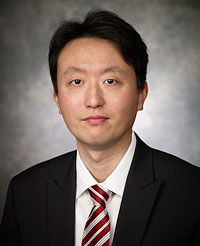
Wooram Park is an Associate Professor in the Department of Mechanical Engineering at the University of Texas at Dallas (UT Dallas), affiliated with the Erik Jonsson School of Engineering and Computer Science. He leads the Robotics and Intelligent Systems Laboratory (ROBINS Lab) and holds a PhD from Johns Hopkins University (2008), along with MS and BS degrees from Seoul National University (2003 and 1999). His research focuses on robotics, biomedical robotics, computational structural biology, and image processing. Key projects include flexible needle steering for medical applications, haptic feedback systems, and advanced algorithms for motion planning and image reconstruction. He has received notable awards such as the Creel Fellowship (2007) and Critics’ Choice Award in ArtBot Design (2004). His work spans theoretical contributions in stochastic systems and practical innovations like vibratory magnetic robots (Vimbot) and wearable haptic devices. The ROBINS Lab emphasizes interdisciplinary research at the intersection of mechanical engineering, computer science, and biomedical applications.
Jiayun (Peter) Wang is a Postdoctoral Scholar Research Associate in the Department of Computing and Mathematical Sciences at the California Institute of Technology (Caltech). His research focuses on advancing AI-driven solutions in medical imaging, computational imaging, and computer vision. Current projects emphasize applying deep learning to diagnose ocular conditions like dry eye syndrome and improving 3D reconstruction techniques. Collaborations with institutions such as UC Berkeley, Microsoft, and NVIDIA highlight his interdisciplinary approach to solving real-world medical and imaging challenges. Research Interests: Medical AI and Healthcare Analytics Deep Learning Applications in Ophthalmology 3D Reconstruction and Scene Understanding Physics-Informed Neural Networks Compressed Sensing MRI Key Contributions: Developed machine learning models predicting dry eye-related outcomes using meibography images Pioneered physics-aware neural operators for ultrasound lung aeration mapping Advanced open-vocabulary 3D object detection systems Labs/Teams: Collaborates with Caltech's AI4Health initiative and NVIDIA's research group, contributing to medical imaging advancements through interdisciplinary teams.
Dr. Robert A. Goldberg is a Professor at the Jules Stein Eye Institute, University of California, Los Angeles (UCLA), holding the Bert O. Levy Endowed Chair in Orbital and Ophthalmic Plastic Surgery. His work spans orbital decompression , thyroid eye disease , facial aging quantification , and complications of hyaluronic acid fillers . Research Focus: Orbital and ophthalmic plastic surgery, tumor histopathology, AI applications in facial aging, filler-related blindness mechanisms. Clinical Expertise: Management of proptosis, asymmetric ptosis, orbital vascular malformations, and thyroid-associated orbitopathy. Recent Trends: Publications emphasize multimodal therapies (e.g., Teprotumumab + decompression), nonoperative oncology (Bleomycin palliation), and dynamic imaging techniques (high-resolution ultrasound, CT volumetry). Collaborations: Extensive work with Rootman DB on orbital anatomy, Douglas RS on thyroid eye disease, and Ugradar S on filler complications. Technical Innovations: Described techniques for autologous tarsus banking , orbital volume expansion , and endoscopic orbital approaches .