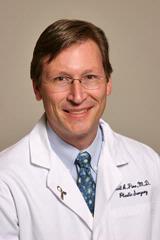
Neil A Fine, MD is a Clinical Associate Professor in the Department of Surgery (Plastic Surgery) at the Feinberg School of Medicine , Northwestern University. His clinical expertise spans aesthetic surgery, breast surgery, and reconstructive microsurgery. MD: University of California, Los Angeles (1987) Internship and Residency: Brigham & Women's Hospital (General Surgery 1988-1992, Plastic Surgery 1994) Certified by the American Board of Plastic Surgery Research focuses on quality of life in post-mastectomy patients , pediatric reconstructive outcomes , and innovations in prosthetic breast reconstruction . Recent work includes developing risk assessment tools and analyzing social media's impact on surgical reputation. Publications emphasize autologous reconstruction benefits and patient-centered care . Hospital affiliations include Northwestern Memorial Hospital , and he contributes to the Northwestern University Clinical and Translational Sciences Institute (NUCATS) .
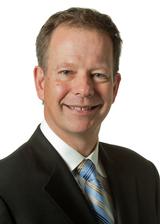
Clinical Professor of Otolaryngology (Dental Surgery) at Northwestern University Feinberg School of Medicine specializing in Oral & Maxillofacial Surgery. Affiliated with Northwestern Memorial Hospital and Ann & Robert H. Lurie Children's Hospital of Chicago. Education: DDS: Northwestern University (1987) Residency: Hospital Dentistry, Northwestern University, McGaw Medical Center (1988) Residency: Oral and Maxillofacial Surgery, Northwestern University, McGaw Medical Center (1992) Board Certification: Oral & Maxillofacial Surgery, American Board of Oral and Maxillofacial Surgery Dr. Olsson's research focuses on advanced surgical interventions including orthognathic procedures, facial reconstruction after trauma or cancer, obstructive sleep apnea correction, and dental implantology. With emphasis on minimally invasive techniques and patient-centered outcomes, their work bridges clinical practice with evidence-based innovation in craniomaxillofacial surgery. The surgical approach integrates precision medicine principles for complex facial deformities and trauma cases. Recent publications demonstrate evolving trends toward standardized outcome measurement in trauma surgery, multidisciplinary care protocols for facial injuries, and pediatric craniofacial outcomes analysis. Research increasingly incorporates patient-reported metrics alongside clinical indicators, reflecting a shift toward holistic assessment in reconstructive surgery. Scientific Recognition: Elected Fellow, American College of Surgeons (2016) Presentation Award, Great Lakes Society of Oral & Maxillofacial Surgeons (1992) Lecturer Award, Mexican Association of Oral & Maxillofacial Surgeons (1991) Omicron Kappa Upsilon Dental Society Honor (1987) AAOMS Undergraduate Achievement Award (1987) As Vice President Elect of the International Association of Oral & Maxillofacial Surgeons (2014-present) and Board Examiner for the American Board of Oral and Maxillofacial Surgery, Dr. Olsson shapes global surgical standards. Leadership roles include AO Craniomaxillofacial Faculty and Chair of Reconstructive Surgery subcommittees, driving clinical pathway development. Professional service extends to editorial positions including Section Editor for the International Journal of Oral and Maxillofacial Surgery (2001-2014). Active in over 10 professional societies including the American Cleft Palate-Craniofacial Association and International Team for Implantology, Dr. Olsson collaborates with multidisciplinary teams across Northwestern Medicine's craniofacial centers, focusing on complex trauma reconstruction and surgical innovation.
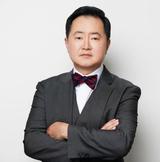
John Y Kim, MD is a Professor in the Department of Surgery (Plastic Surgery) and Dermatology at Northwestern University's Feinberg School of Medicine, where he has maintained an active clinical and research career since 2004. His practice encompasses over 10,000 surgeries focused on aesthetic procedures (breast, body, face) and cancer reconstruction (breast, skin), complemented by 191 peer-reviewed publications and 15 medical device patents. Dr. Kim earned his BA in English and American Literature from Harvard College (1991), followed by an MA in English Literature (1996) and MD (1997) from Stanford University. He completed residency training in the inaugural integrated general/plastic surgery program at Baylor Affiliated Hospitals (2003) and a hand/microsurgery fellowship at UCLA (2004). His research centers on optimizing outcomes in breast reconstruction and aesthetic surgery, highlighted by development of the Breast Reconstruction Risk Assessment (BRA) Score. Current investigations focus on surgical safety protocols, implant technology, and evidence-based techniques to enhance patient recovery and satisfaction across reconstructive and cosmetic domains. Recent 2025 publications demonstrate consistent thematic focus on procedural safety and outcome measurement, particularly regarding anticoagulation management in abdominoplasty, weight dynamics post-surgery, and immunological implications of implant rupture. This work bridges clinical practice with innovation through medical device development. His scientific contributions are recognized through extensive honors: Senior Resident Teaching Award (2024) Plastic Surgery Foundation Visiting Professorship (2020) Multiple ASPS Best Paper Awards (2013-2016) Feinberg Teaching Awards (2005-2006) Howard Hughes Medical Institute Fellowships (1994-1995) Dr. Kim mentors surgical trainees while directing research initiatives funded through industry partnerships and patent portfolios. His editorial leadership as Associate Editor of Plastic and Reconstructive Surgery (2015-present) and roles in ASPS committees amplify his influence on surgical education and standards. He leads a multidisciplinary research team at Northwestern Memorial Hospital integrating clinical data with device innovation, with current projects examining VTE prophylaxis protocols and long-term quality-of-life metrics in reconstruction patients as reported in recent Northwestern Medicine news features.
Dr. John A. LoGiudice is a Professor in the Department of Plastic Surgery at Medical College of Wisconsin with joint appointments as Associate Professor in the Departments of Orthopaedic Surgery and Surgery - General. He serves as Plastic Surgery Medical Director and Access Champion, and as Director of the Microsurgery Fellowship program. Dr. LoGiudice completed his undergraduate studies in Anthropology at the University of Notre Dame (1992-1996), followed by a PhD at Loyola University of Chicago, Stritch School of Medicine (1996-2000). He then completed an Integrated Plastic Surgery Residency (2000-2006) and a Hand and Microsurgery Fellowship (2006-2007), both at Medical College of Wisconsin. He is board certified in Plastic Surgery and the subspecialty of Surgery of the Hand. Dr. LoGiudice's research focuses on reconstructive microsurgery with particular emphasis on breast reconstruction, hand surgery, and complex wound management. His work examines outcomes of DIEP flap procedures, management of complications in microsurgical reconstruction, and innovative approaches to tissue expansion. He has published extensively on venous congestion in breast reconstruction, outcomes in obese patients undergoing microsurgical reconstruction, and management of rare complications like pyoderma gangrenosum following reconstruction. Analysis of Dr. LoGiudice's recent publications (2018-2023) reveals a strong focus on improving outcomes in breast reconstruction, particularly DIEP flap procedures, with attention to vascular complications, patient selection factors, and innovative solutions to challenging surgical scenarios. His work spans both clinical outcomes research and technical innovations in microsurgical techniques. Best Microsurgical Save of the Year, American Society of Reconstructive Microsurgery (2008) Faculty Award for Excellence in Teaching, Department of Plastic Surgery (2010, 2019) Top Physician Report for Patient Satisfaction, Froedtert Hospital (2010-2017) J.K. Hardesty MD Award - Best Poster Presentation, Plastic Surgery Research Council (2003) Dr. LoGiudice has mentored over 20 students, residents, and fellows throughout his career. As Microsurgery Fellowship Director, he oversees comprehensive training in microsurgical techniques and reconstructive principles. His leadership extends to committee service on the Admissions Committee, Credentialing Committee, Faculty Council, and Wound Care Committee at Medical College of Wisconsin. Dr. LoGiudice maintains an active clinical practice with privileges at multiple hospitals including Froedtert Memorial Lutheran Hospital, Children's Hospital of Wisconsin, and Clement J. Zablocki VA Medical Center. Dr. LoGiudice leads a productive research program focused on improving outcomes in reconstructive microsurgery. His work spans breast reconstruction, hand surgery, and complex wound management, with emphasis on technical innovations and complication management. He has established collaborations within the Sarcoma Collaborative Group and Head and Neck Cancer Collaborative Group at Medical College of Wisconsin.
Professor Romaldas Rubikas is a distinguished academic and clinician at the Lithuanian University of Health Sciences, where he serves as a Professor in the Department of Heart, Thoracic and Vascular Surgery within the Faculty of Medicine. He is also affiliated with the Heart, Thoracic and Vascular Surgery Clinic and LSMU Hospital Kauno Clinics. With a Doctor of Science degree obtained in 1989, Professor Rubikas has established himself as a leading expert in thoracic surgery in Lithuania. Professor Rubikas's research interests focus on several critical areas of thoracic surgery: Thoracic surgery techniques and innovations Lung cancer diagnosis and multidisciplinary treatment approaches Management of chest trauma, particularly penetrating injuries involving cardiac structures Surgical treatment of airway conditions including laryngotracheal stenosis Optimization of bronchial stump closure techniques to prevent postoperative complications His publication record demonstrates consistent scholarly activity with numerous research articles, conference presentations, and significant contributions to medical literature. Professor Rubikas has authored the first Lithuanian-language textbook on thoracic surgery and has been instrumental in developing multiple editions of national treatment guidelines for lung cancer since 2007. His work bridges clinical practice, academic research, and medical education. Professor Rubikas has made notable contributions to advancing thoracic surgical care in Lithuania through: Standardizing lung cancer diagnosis and treatment protocols Developing practical surgical techniques for complex thoracic procedures Training generations of medical students and surgical residents Establishing evidence-based practice guidelines adopted nationally His research on penetrating chest trauma management has demonstrated that prompt coordinated and multidisciplinary approaches can lead to good survival rates even from severe intrathoracic organ injuries. His experimental work on bronchial stump closure techniques has provided valuable insights for reducing post-pneumonectomy complications.
Peter Viktor Vester-Glowinski serves as a Clinical Associate Professor at the Department of Clinical Medicine, Faculty of Health and Medical Sciences, University of Copenhagen, with specialized focus in Plastic Surgery. His clinical and research activities are centered at Blegdamsvej 9, 2100 Copenhagen Ø, Denmark, within the Danish healthcare system. His research spans Plastic Surgery and Surgical Oncology with concentrated expertise in breast reconstruction complications, sarcoma pathology, and nationwide surgical outcomes. Key interests include capsular contracture mechanisms, histopathological analysis of implant failures, and prognostic studies of rare cutaneous malignancies like angiosarcoma and leiomyosarcoma. This work bridges aesthetic surgery with oncological rigor through large-scale epidemiological approaches. Analysis of his 2025 publications reveals dominant themes in breast implant safety and sarcoma management, characterized by registry-based cohort designs involving thousands of Danish patients. His methodology emphasizes translational pathology—from transcriptome analysis of capsular contracture to nationwide cancer registries—demonstrating consistent collaboration across surgical, dermatological, and oncological disciplines within Denmark's integrated healthcare research infrastructure.
Susan A. Higgins, MD is a Professor of Therapeutic Radiology and of Obstetrics, Gynecology, and Reproductive Sciences at Yale School of Medicine. She serves as Vice Chair for Wellness and Engagement in Therapeutic Radiology and as Medical Director for Radiation Oncology at Shoreline Medical Center, Yale New Haven Hospital. Dr. Higgins is affiliated with multiple programs at Yale Cancer Center including the Breast Cancer Radiotherapy Center, DNA Damage and Genome Integrity Program, and Gynecologic Oncology Program. Dr. Higgins received her MD from the University of Rochester in 1990, completed her internship in internal medicine at St. Mary's Hospital, University of Rochester in 1991, and pursued residency training in therapeutic radiology at Yale University in 1992. She is board certified in Radiation Oncology by the American Board of Radiology, with original certification in 1995 and latest recertification in 2016. Dr. Higgins specializes in breast cancer radiotherapy and gynecologic oncology, with research focusing on optimizing radiation therapy techniques to maximize tumor targeting while minimizing impact on healthy tissue. Her clinical expertise includes deep inspiration breath hold technique to reduce radiation exposure to the heart and lungs during breast cancer treatment, and high-dose-rate vaginal brachytherapy for gynecologic cancers. She has published extensively on endometrial carcinoma, uterine serous carcinoma, and breast cancer outcomes, with her most recent publication appearing in 2024 on a phase 2 clinical trial for rectal cancer treatment. Dr. Higgins has been recognized in Yale Medicine's 'Top Doctors' lists for 2023 and 2024. Her collaborative research approach is evident in her work with colleagues across multiple departments and institutions, particularly in multi-institutional studies examining radiation oncology education and clinical outcomes. Yale Medicine 'Top Doctors' 2023 Yale Medicine 'Top Doctors' 2024 As Vice Chair for Wellness and Engagement, Dr. Higgins demonstrates a commitment to faculty well-being and professional development. Her leadership in developing medical student clerkship curricula in radiation oncology highlights her dedication to education and training the next generation of oncology specialists.
Dr. Antoine Lyonel Carré is an Assistant Clinical Professor in the Division of Plastic Surgery, Department of Surgery at City of Hope (2021–present). His academic trajectory includes foundational training at UCSF (MD) and UC Berkeley (MPH), followed by residencies at Stanford and Harvard, a microsurgery fellowship at USC, and postdoctoral research at Albert Einstein College of Medicine. His research explores three interconnected domains: Reconstructive Oncology : Optimizing breast/extremity reconstruction post-cancer resection Wound Healing : Molecular mechanisms of scarless repair (Wnt pathways, nanoparticle applications) Surgical Outcomes : Risk mitigation in complex reconstructions (lymphedema, sarcoma) Recent publications (2016-2020) show a focus on evidence-based surgical techniques and translational wound healing research. Awards highlight dual excellence in teaching and research: Harvard Resident Teaching Awards (2011-2013) Stanford Research Resident of the Year (2010) ACS Owen Wangensteen Research Excellence Award (2009) Hagey Fellowship for wound healing research (2007-2009) Clinical leadership includes roles in diversity initiatives (USC), wound care committees (Kaiser Permanente), and strategic planning. His practice integrates microsurgical innovation with oncologic reconstruction at City of Hope's Duarte Cancer Center.
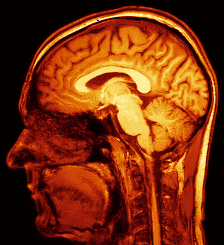
Professor Franklyn Howe serves as Professor of Magnetic Resonance Imaging and Director of the Neuroscience & Cell Biology Research Institute at City St George's, University of London (formed from the August 2024 merger of St George's, University of London and City University of London). With a career spanning since 1988 at St George's, he has established himself as a leading expert in multimodal MRI applications for disease diagnosis and treatment monitoring, particularly in brain tumor analysis. His work bridges physics, medical imaging, and clinical applications across multiple disease areas. Professor Howe earned his BA in Physics from the University of Oxford, followed by a DPhil on 'Magnetisation and microwave absorption in rare earth metal alloys' from the same institution in 1984. He completed postdoctoral research evaluating MRI contrast agents at St Bartholomew's Hospital and in MR image analysis at the Royal Postgraduate Medical School (now part of Imperial College School of Medicine) before joining St George's. Howe's research centers on developing automated analysis of multimodal MRI to aid diagnosis of brain tumors, using various MRI methods including perfusion and diffusion imaging for structural and functional information, and magnetic resonance spectroscopy (MRS) for biochemical data. He applies pattern recognition techniques to optimally combine data from different MRI methods, aiming to develop biomarkers for diagnosis, prognosis assessment, and treatment response monitoring. His work extends beyond brain tumors to dementia, Tourette syndrome, cerebrovascular disease, chronic obstructive pulmonary disease, lupus, lymphedema, osteoarthritis, and normal aging. In 1992, he was instrumental in developing MR Neurography at St George's, a non-invasive method for detailed nerve imaging. Analysis of Professor Howe's recent publications (2021-2024) reveals consistent focus on advancing MRI techniques across multiple clinical applications. His work demonstrates strong interdisciplinary collaboration, with significant contributions to lymphatic imaging, brain tumor characterization, neurodegenerative disorders, and quantitative MRI methodology. The publications show progression from fundamental technical improvements in MRI acquisition and processing toward increasingly sophisticated clinical applications, particularly in neuroimaging and vascular disorders. Chair of ISMRM MRS Study Group Co-founder and Chair of Pediatric MR Study Group Long-standing member of International Society of Magnetic Resonance in Medicine Professor Howe actively supervises lab-based MRes and BSc student research projects and library-based Special Study Courses on Biomedical Applications of Magnetic Resonance. He has secured substantial research funding from diverse sources including the Medical Research Council, Cancer Research UK, Alzheimer's Research UK, and St George's Hospital Charity. His collaborative approach is evident in the wide range of clinical research studies he participates in across multiple departments. As Director of the Neuroscience & Cell Biology Research Institute, Howe leads a research team including Ian Storey (Image Analyst) and Mike Mills (MRI physicist). He maintains extensive collaborations within St George's with Dr Thomas Barrick, Dr Atticus Hainsworth, Mr Timothy Jones (Neurosurgery), Dr Jeremy Isaacs (Neurology), Dr Pia Ostergaard, Prof Sahar Mansour (Clinical Genetics), Prof Nidhi Sofat (Rheumatology), and Mr Michael Hart (Neurosurgery), creating a robust interdisciplinary research environment focused on translating MRI advances into clinical practice.
Michael Mørk Petersen serves as a Clinical Professor within the Department of Clinical Medicine at the University of Copenhagen, specializing in Orthopaedic Surgery with emphasis on oncological applications. His institutional base operates through Region Hovedstaden (Capital Region of Denmark), with clinical and research activities centered at Copenhagen addresses Blegdamsvej 9 (2100) and Blegdamsvej 3 (2200). His research program spans Orthopaedic Oncology , Sarcoma Prognostication , and Complex Joint Reconstruction , with particular focus on cutaneous/subcutaneous sarcomas (angiosarcoma, leiomyosarcoma) and biomechanical aspects of knee arthroplasty. Methodologically, he leverages nationwide Danish registry data for epidemiological studies while employing radiostereometric analysis and ovine fracture models for biomechanical validation. His work bridges clinical orthopaedics, dermatologic oncology, and surgical innovation to address metastatic bone disease and soft tissue tumor management. Analysis of his 2025 publications reveals three dominant research vectors: (1) Comparative prognosis studies of rare sarcomas using population cohorts (e.g., angiosarcoma, leiomyosarcoma), establishing evidence-based follow-up protocols; (2) Biomechanical optimization of knee arthroplasty through implant migration analysis and revision surgery patient experience mapping; and (3) Development of novel fracture fixation systems validated against conventional techniques. This output demonstrates consistent interdisciplinary collaboration across orthopaedic surgery, dermatology, and oncology departments using high-impact registry science and experimental models.
Mai-Britt Tolstrup serves as a Clinical Associate Professor at the Department of Clinical Medicine, Faculty of Health and Medical Sciences, University of Copenhagen, while simultaneously holding the position of Chief Surgeon at the Department of Surgery, Copenhagen University Hospital NOH since 2021. She maintains a dual appointment between the Capital Region of Denmark and the University of Copenhagen, reflecting her integrated clinical and academic career spanning over 20 years in emergency surgery. Dr. Tolstrup's research interests center on intra- and postoperative surgical strategies, particularly focusing on emergency abdominal procedures. Her work extensively examines patient morbidity and mortality, risk prediction models, and both short- and long-term patient-reported outcomes following emergency surgeries. She has developed significant expertise in areas such as burst abdomen management, small bowel anastomosis techniques, sarcopenia assessment, and delirium prevention protocols in the surgical population. Analysis of her recent publication record (2019-2025) reveals a consistent focus on improving outcomes in emergency abdominal surgery, with particular emphasis on preventing complications like burst abdomen, incisional hernias, and postoperative delirium. Her research demonstrates a methodological evolution from case-control and retrospective cohort studies toward interventional approaches and systematic reviews, indicating maturation of her research program toward evidence-based practice implementation. As a clinical educator and researcher, Dr. Tolstrup has contributed significantly to the understanding of emergency surgical care pathways, with her work being cited extensively across international surgical literature. Her research has practical implications for surgical decision-making, particularly regarding bowel obstruction management, anastomosis techniques in emergency settings, and risk stratification for high-mortality patient populations such as those with liver cirrhosis.
Kenneth Geving Andersen serves as a Clinical Associate Professor in the Department of Clinical Medicine at the University of Copenhagen's Faculty of Health and Medical Sciences, with clinical duties at the Capital Region of Denmark (Region Hovedstaden) in Anaesthesiology. His research spans pain management, breast cancer care, and surgical recovery protocols across multiple clinical settings. His primary research focuses on neuropathic pain mechanisms following surgery, quantitative somatosensory assessments for chronic pain conditions, rehabilitation interventions for breast cancer patients, and psychological support frameworks. Key contributions include validation of the NeuPPS pain scale and systematic analyses of persistent pain after hernia repair, demonstrating methodological rigor in clinical pain assessment. Analysis of his 2022-2024 publications reveals strong thematic continuity in surgical pain management and breast cancer care, with emphasis on clinical validation studies, systematic reviews, and randomized trials. His work consistently addresses patient-centered outcomes through interdisciplinary collaboration, particularly in developing standardized protocols for enhanced recovery and psychological support. Dr. Andersen maintains active clinical-research integration through the Capital Region of Denmark network, though specific laboratory structures or grant funding details are not documented in the provided materials.