Prof. Dr.-Ing. Robert Baumgartl is a faculty member at the Dresden University of Applied Sciences , affiliated with the Faculty of Computer Science/Mathematics . He teaches courses on Operating Systems , Real-Time Systems , and Information Security , with a focus on practical implementations and system-level programming. Research Interests: Real-time task scheduling and resource management Operating system design and optimization Embedded systems and hardware-software co-design Security protocols for distributed systems Low-level programming with Rust and safety-critical applications Contact: Room Z357, HTW Dresden. Office hours: Thursdays, 10:00-11:00 a.m. (SS 2025). Email: robert.baumgartl@htw-dresden.de .
Prof. Dr.-Ing. Holger Blume serves as Vice President for Research and Transfer at Leibniz University Hannover while maintaining his academic position as Professor in the Architectures and Systems Section within the Faculty of Electrical Engineering and Computer Science. He holds multiple leadership positions including Chairperson of the Research Commission and Central Ethics Committee, Executive Board member of eNIFE (Leibniz Research Initiative for Neurosciences), and membership in both the Laboratory of Nano and Quantum Engineering and L3S Research Centre. His research interests span computer architecture, hardware design, signal processing, AI accelerators, hearing aid technology, and biomedical engineering. His work bridges theoretical computer science with practical applications in automotive systems, medical devices, and quantum engineering. Professor Blume's research demonstrates strong interdisciplinary connections between electrical engineering, computer science, and biomedical applications, with particular emphasis on hardware-oriented solutions for real-world problems. Analysis of his recent publications (2023-2025) reveals a strong focus on hardware acceleration for AI and signal processing applications, particularly in automotive radar/LiDAR systems and hearing aid technology. His work shows consistent innovation in RISC-V processor design, specialized hardware for mathematical functions, and biomedical applications of engineering principles. The research demonstrates a clear trajectory toward energy-efficient, specialized computing architectures for specific application domains. As Vice President for Research and Transfer, Professor Blume oversees significant research initiatives at Leibniz University Hannover, which hosts multiple Clusters of Excellence including PhoenixD (Photonics, Optics, and Engineering), QuantumFrontiers, and Hearing4all. The university participates in numerous collaborative research centers and junior research groups funded by DFG, BMBF, and EU programs. Professor Blume is actively involved in multiple research facilities including the Laboratory of Nano and Quantum Engineering and the L3S Research Centre. His work connects with Leibniz University's research focuses on optical technologies, quantum optics and gravitational physics, and biomedical research and technology. His leadership positions indicate strong involvement in shaping the research strategy and ethical framework of the university's scientific endeavors.
Prof. E.K.A. Gill is a faculty member at the Faculty of Aerospace Engineering , Delft University of Technology (TU Delft) , specializing in Space Systems Engineering . His work focuses on satellite systems, spacecraft autonomy, and space debris mitigation. Academic Rank: Professor Key Affiliation: TU Delft Research Focus: Dr. Gill's research spans satellite communication systems, autonomous space robotics, and space debris risk analysis. He actively explores neural network applications for fault detection and multi-layer optimization strategies for space missions. Recent Trends: GNSS-assisted clock systems for small satellites Key Domains: RF engineering, spacecraft attitude control, debris removal mechanics Scientific Recognition: INCOSE Fellow (2021) - Recognized for contributions to systems engineering in aerospace Collaborations: Maintains extensive international collaborations in space systems research, with a recent focus on miniaturized spacecraft technologies and heterogeneous clock synchronization.
Dr Thamo Sutharssan is a Senior Lecturer at the University of East London within the Department of Engineering & Construction, School of Architecture Computing and Engineering. A Chartered Engineer and Chartered Manager, he leads both the BEng Aeronautical Engineering and BSc Railway Engineering programs, leveraging extensive prior experience at the University of Portsmouth, Havering College, Derby College, and Rolls-Royce Aerospace Academy. His academic qualifications include a BSc in Electrical & Electronic Engineering, an MSc in Aeronautical Engineering, and a PhD in Computing and Mathematics. Dr Sutharssan's research spans Aeronautics, Embedded systems, System integration, Machine learning, and Prognostics and Health Management (PHM). His work addresses critical reliability challenges in engineering systems, with significant contributions to fuel cell monitoring (2017 review cited 261 times) and data-driven PHM approaches (2015 review cited 145 times). Recent publications demonstrate expansion into AI-driven medical imaging and autonomous robotics. His publication trajectory reveals consistent expertise in prognostics evolving toward cutting-edge AI applications, with highly influential reviews establishing foundational methodologies now widely adopted in energy systems and electronics reliability engineering. Scientific recognition includes: Fellow of the Higher Education Academy Research leadership encompasses a £177,500 Knowledge Transfer Partnership project on fuel cell Balance of Plant systems, alongside academic service as Review Manager for the Prognostics and Health Management Society conferences since 2014. His industry collaborations include Scottish and Southern Energy and Sustainable Energy Technologies. Current academic partnerships involve Heriot-Watt University and New Mansoura University (Egypt), focusing on energy systems integration and engineering education development.
Oum El Kheir Aktouf is a Professor in Computer Science at Grenoble Institute of Technology (Esisar Engineering School) and a member of the LCIS laboratory, France. She previously served as a Visiting Professor at San José State University, USA, during a sabbatical leave. Education : Master and PhD in Computer Science from Grenoble Institute of Technology Her research focuses on dependability, safety, and security of embedded and interconnected systems, including sensor-based applications and multi-agent architectures. She employs runtime testing, diagnosis, and monitoring approaches. Her work spans mobile application testing, fault diagnosis in RFID and wireless sensor networks, and security frameworks for autonomous systems. Recent publications highlight trends in Android security benchmarking , decentralized cryptography , and multi-agent resilience . She has participated in 12 funded national and international research projects and supervised courses in operating systems, real-time systems, distributed computing, and system dependability.
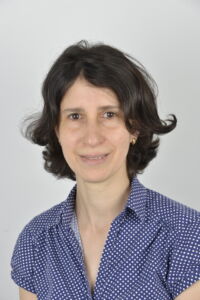
Tarik Graba is a Lecturer at Télécom Paris and a member of the Secure and Safe Hardware (SSH) research team within the Information Processing and Communication Laboratory (LTCI) department. His work focuses on hardware security, embedded systems, and cryptographic implementation. Education: Not explicitly mentioned Current Affiliations: Télécom Paris (Faculty), LTCI, SSH Team His research explores designing secure and reliable integrated systems , with emphasis on managing complexity, power consumption, and flexibility in embedded environments. He contributes to side-channel analysis , lightweight cryptographic algorithms , and hardware-based security mechanisms . The 15 most recent publications highlight his work in lightweight cryptography , hardware security , and embedded system optimization , particularly focusing on RISC-V extensions , side-channel leakage , TRNG circuits , and secure cryptographic processors . Scientific Awards Academic Palms award, Télécom Paris (2021) Tarik Graba collaborates extensively in hardware security research and has advised multiple projects on physical security countermeasures and embedded cryptographic systems . He works with teams like the SSH Laboratory to develop secure hardware architectures.
Anthony Kelly serves as a Postdoctoral Research Fellow in the Department of Electronic and Computer Engineering within the Faculty of Science and Engineering at the University of Limerick, Ireland, with his office located in E2-006. His affiliation spans both engineering and healthcare domains through interdisciplinary research initiatives. His research demonstrates dual expertise in artificial intelligence applications for healthcare and advanced power electronics. In healthcare AI, he develops interpretable mental health models, diabetes management chatbots, and comorbid condition interventions with emphasis on clinician trust and safety evaluation. In power systems, he pioneers digital control techniques for DC-DC converters, FPGA power management, and machine learning-integrated circuit designs. This bifurcated focus reveals a strategic transition from hardware-centric research (2005-2019) toward AI-health convergence (2024-2025). Analysis of his 15 most recent publications shows a pronounced shift toward healthcare AI since 2024, with 80% of current work addressing mental health modeling, diabetes chatbots, and comorbid condition management. Earlier publications (2009-2019) consistently focused on power electronics innovations including current-sharing algorithms, adaptive controllers, and FPGA-based systems, establishing foundational expertise later applied to healthcare technology development.
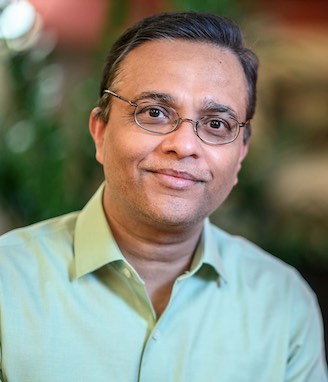
Jignesh M. Patel is a Professor in the Computer Science Department at Carnegie Mellon University, where he leads research on efficient data analysis methods. His work focuses on improving both system efficiency (e.g., high-performance data algorithms) and human efficiency (e.g., user productivity with data systems). Research Focus: Patel's group specializes in database systems, query optimization, hardware acceleration, and human-data interaction. Their interdisciplinary work spans: Transactional processing and real-time analytics Query optimization techniques Hardware-algorithm co-design Natural language interfaces for data systems Memory-efficient data processing Professional Activities: Co-founded four technology companies (Paradise, Locomatix, Quickstep, DataChat). Serves on program committees for premier conferences including SIGMOD and CIDR (as co-chair). Teaches database systems courses at CMU. Awards: Received Best Paper Award at DaMoN 2010 for work on cluster efficiency.
Karim Cherifi is a Researcher at the Institute of Mathematics , Technical University of Berlin, within the College of Mathematics and Natural Sciences. His academic journey includes a PhD in Control Theory (2015–2019) and postdoctoral work at the Max Planck Institute Magdeburg (2019–2020). Since 2021, he contributes to the ProFIT project "Electric Drives 2.0" at the Werner von Siemens Centre (WvSC). 2010–2013: Bachelor in Electrical and Electronic Engineering 2013–2015: Master in Control Engineering 2015–2019: PhD in Control Theory His research focuses on Control Theory , Numerical Analysis , and Port-Hamiltonian Systems , with applications in Linear Systems , Data-driven Modeling , and Model Reduction . Key trends include geometric formulations for discrete-time systems, dissipativity analysis, and integration of energy-based models with machine learning. Notable scientific recognition includes the DAAD Scholarship (2018) . His work spans publications on topics like structure-preserving interconnections, digital twin simulations, and data-driven realization techniques. Affiliated with the Institute of Mathematics at TU Berlin, he is based in Room MA 469 and collaborates within the Numerical Analysis research group.
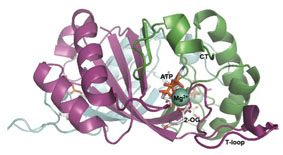
Karl Forchhammer is a full Professor at the University of Tübingen , chairing the Department of Microbiology/Organismic Interactions within the Interfaculty Institute of Microbiology and Infection Medicine Tübingen (IMIT) . He received his education at Ludwig-Maximilians-Universität München, earning a Doctorate in Microbiology with a thesis on selenocysteine biosynthesis in Escherichia coli , for which he received the VAAM Promotionspreis in 1992. His academic career includes a postdoctoral fellowship at the Institut Pasteur and associate professorship at the Justus-Liebig-Universität Giessen (1999-2007). Current Roles: Chair of Microbiology/Organismic Interactions, University of Tübingen Editor for FEBS Journal Scientific Advisory Board member, Max Planck Institute for Terrestrial Microbiology DFG panel member (Microbiology, Virology, Immunology) His research focuses on: PII Signal Transduction Proteins : Molecular mechanisms of 2-oxoglutarate sensing, ATP/ADP binding dynamics, and regulatory roles in carbon-nitrogen balance across bacteria, archaea, and chloroplasts. Nitrogen Starvation Response : Molecular basis of chlorosis in Synechocystis and Synechococcus species, including nblA gene regulation and sodium bioenergetics during dormancy. Metabolic Engineering Applications : Development of FRET sensors for metabolite detection and optimization of polyhydroxybutyrate (PHB) production in cyanobacteria. Carbon Regulation Systems : Structural analysis of SbtB redox-sensitive loops, c-di-AMP signaling in diurnal metabolism, and PirC-mediated phosphoglycerate mutase inhibition. Technological Innovations : Creation of SCAGE method for cyanobacterial transport and development of magnetic bead immunoassays for SARS-CoV-2 detection. Scientific contributions include: Discovery of plant kingdom's first glutamine sensory mechanism through PII evolution Elucidation of PII-NAGK functional conservation over 1.2 billion years Identification of 2-oxoglutarate binding site in PII proteins Demonstration of sodium bioenergetics' critical role in cyanobacterial developmental transitions Development of metabolite FRET sensors for real-time metabolic monitoring Establishment of PHB production platforms without nitrogen starvation His lab has trained 15+ PhD students and 3+ PostDocs, with collaborations spanning microbial biotechnology, structural biology, and environmental systems. Recent publications highlight: 2025 work on natural microbial community-enhanced bioplastic production 2024 structural studies of PII-regulated enzymes 2023-2024 investigations into glycogen metabolism and redox regulation 2022-2023 studies on c-di-AMP signaling and toxin-antitoxin systems
Zhiqiang Que is a Research Associate in the Department of Computing at Imperial College London, affiliated with the Faculty of Engineering and the Centre for High-Throughput Digital Electronics and Machine Learning. His research focuses on computer architecture, embedded systems, high-performance computing, and CAD tools for hardware design optimization. His research interests include FPGA-based acceleration of machine learning models, hardware-software co-design, and real-time signal processing for scientific applications such as particle physics and gravitational wave experiments. He has contributed to projects involving low-latency graph neural networks (GNNs), Bayesian neural networks, and efficient stream processing on FPGAs. Recent work includes advancements in trustworthy design flows for deep learning acceleration, reconfigurable architectures for recurrent neural networks, and optimizing FPGA-based systems for high-energy physics experiments at the HL-LHC.
Dr. Sharmin Jahan serves as a tenure-tracked Assistant Professor in the Department of Computer Science at Oklahoma State University since August 2022. Her research centers on dynamic security assurance for autonomous systems (self-adaptive systems) through explainable AI models that interpret uncertain operational environments to enable autonomous security decision-making and compliance maintenance. Her educational background includes a Ph.D. and Master's in Computer Science from the University of Tulsa (2018-2021), and a B.Sc. in Computer Science and Engineering from Bangladesh University of Engineering and Technology (2007-2012). She teaches Introduction to Computer Security (CS 4243/5243) and leads Dr. Jahan's Lab focused on security for autonomous systems. Research interests span Explainable AI in Cyber Security, IoT Security, Self-Protecting Systems, and Micro-service Security. Her work develops frameworks that embed security awareness in dynamic systems, using XAI to interpret environmental uncertainty and maintain security compliance through autonomous adaptation. Current projects explore machine learning models for security analysis and XAI challenges in domain-specific security applications. Recent publications (2025-2020) demonstrate concentrated research on security assurance in self-adaptive systems, particularly for IoT and microservice architectures. Key trends include XAI-driven anomaly detection, security profile extraction from operational data, and risk-adaptive access control. Subfield specializations cover service mesh security, blockchain-based access frameworks, runtime trust evaluation, and autonomous threat containment. Scientific awards include: Principal Investigator for 2023 Arts and Sciences Summer Research Award on XAI-enhanced security awareness in autonomous systems Senior personnel on 2022 NSF RET Grant for Big Data and Machine Learning research experiences She advises M.Sc. student Masrufa Bayesh and teaches graduate/undergraduate security courses. Her lab actively investigates frameworks for security assurance in dynamic environments, with emphasis on IoT and microservice architectures requiring continuous adaptation to environmental changes while maintaining security compliance. Dr. Jahan's research team develops analysis and assessment models to determine security compliance degradation risks and optimal adaptation strategies, enhancing system resiliency through separate analytical frameworks integrated with her PhD-developed assessment methodology.
Dr. Davi V. Q. Rodrigues is an Assistant Professor in the Department of Electrical and Computer Engineering at the University of Texas at El Paso (UTEP). His research focuses on microwave/millimeter-wave circuits and signal processing for radar, communication systems, and smart living applications. He holds a B.S. in Communications Engineering from the Military Institute of Engineering (Brazil) and a Ph.D. in Electrical Engineering from Texas Tech University. Prior to academia, he served in the Brazilian Navy and Army, and worked at Uhnder, Inc., Abbott Laboratories, and Dell Technologies. His work emphasizes radar-based smart home, healthcare, and autonomous systems, with contributions in structural health monitoring, human activity recognition, and joint communication-sensing technologies. Dr. Rodrigues has received prestigious awards including the 2022 IEEE MTT-S Tom Brazil Fellowship and the 2023 Texas Tech Horn Distinguished Professors Award. His research group, the Microwave Circuits & Sensing Systems Group, develops algorithms and hardware for biomedical sensing, non-contact health monitoring, and 6G-enabled applications. He actively seeks motivated graduate students interested in radar systems, signal processing, and wireless technologies. Education: B.S., Communications Engineering, Military Institute of Engineering (2017) Ph.D., Electrical Engineering, Texas Tech University (2023) Research Interests: Microwave/mm-wave radar systems Human activity monitoring and gesture recognition Structural health monitoring 6G/ B5G communication-sensing fusion Passive and opportunistic RF sensing His publications span radar-based smart living solutions, biomedical sensors, and reconfigurable intelligent surfaces (IRS). He is an IEEE MTT-S member and has contributed to industry partnerships through collaborations with Uhnder and Dell Technologies. Current projects integrate AI-driven radar signal analysis and low-cost sensor networks for healthcare and infrastructure monitoring.
Schloss Dagstuhl - Leibniz Center for InformaticsGermany
Kyle Montague is an Associate Professor in the School of Computing at Newcastle University, specializing in Human-Computer Interaction with a strong emphasis on accessibility, inclusive design, and community-centered technology development. His research bridges theoretical frameworks with practical applications to create more equitable technology experiences for marginalized communities. Montague completed his PhD at the University of Dundee in 2013 with research on 'SUM: an exploration of Shared User Models and interface adaptations to improve accessibility of mobile touchscreen interactions.' His academic trajectory shows a clear evolution from foundational work on accessibility technologies to more recent explorations of feminist ethics in community-based design. His research interests span multiple critical areas in contemporary HCI: developing accessible mobile interfaces for blind and visually impaired users, creating tools for citizen-led personalization of user interfaces, exploring digital civics and community engagement through technology, and investigating ethical frameworks for community-led design. Montague's work consistently emphasizes participatory approaches, centering marginalized communities in the design process to create technologies that truly serve their needs. An analysis of his recent publications reveals an evolving research trajectory from technical accessibility solutions toward more socially conscious design frameworks. While early work focused on practical accessibility tools (like non-visual text entry methods), his recent research engages with feminist care ethics, digital citizenship, and community-led technology development. This evolution reflects a growing emphasis on ethical considerations and social justice in HCI research, with increasing attention to AI's role in community engagement and ethical design practices. Montague has established significant collaborations with researchers across institutions, particularly with Hugo Nicolau, Tiago João Vieira Guerreiro, and Reem Talhouk. His work appears consistently in top-tier venues including CHI, ASSETS, and CSCW, demonstrating recognition by the HCI community for both technical innovation and socially impactful research. His lab at Newcastle University focuses on developing practical tools for community engagement while advancing theoretical frameworks for ethical technology design. Current projects include AI-generated tools for academic conferences, frameworks for feminist community-led ethics, and platforms for citizen-led interface personalization, all reflecting his commitment to democratizing technology development and ensuring it serves diverse community needs.
Mohammad T. Khasawneh is a SUNY Distinguished Professor and Director of the School of Systems Science and Industrial Engineering at Binghamton University. He leads the Watson Institute for Systems Excellence (WISE) and the Healthcare Systems Engineering Center. His roles include Director of the Manhattan Graduate Program in Health Systems. Education: BS and MS in Mechanical Engineering from Jordan University of Science and Technology (1998, 2000), PhD in Industrial Engineering from Clemson University (2003). Research focuses on healthcare systems engineering, operations management, and data science. His work optimizes healthcare systems for improved patient outcomes and cost efficiency. Key areas include predictive analytics, hospital resource utilization, and clinical performance improvement. He has generated over $15M in external funding and led projects with U.S. hospital systems. Notable achievements include developing the Executive Master of Science in Health Systems and an MS in Healthcare Systems Engineering. His research has produced 60+ journal articles and 120+ conference papers. Awards include SUNY Chancellor’s Awards for Teaching (2011) and Scholarship (2021), University Awards for Graduate Director (2015) and International Education (2016). He is an IISE Fellow and holds honorary visiting professorships at Hebei University of Technology (China) and Vellore Institute of Technology (India). Grants and funding: $2.5-3M annually via WISE, $39M in software/equipment grants. Lab/Initiatives: Healthcare Systems Engineering Center, WISE, and multiple hospital partnerships.