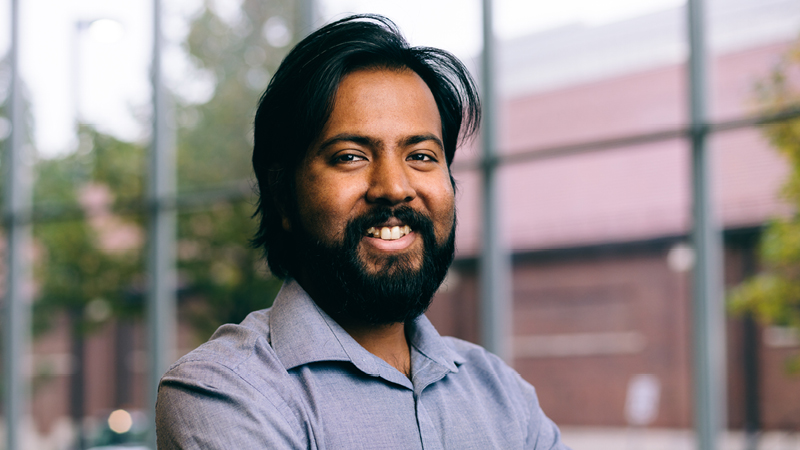
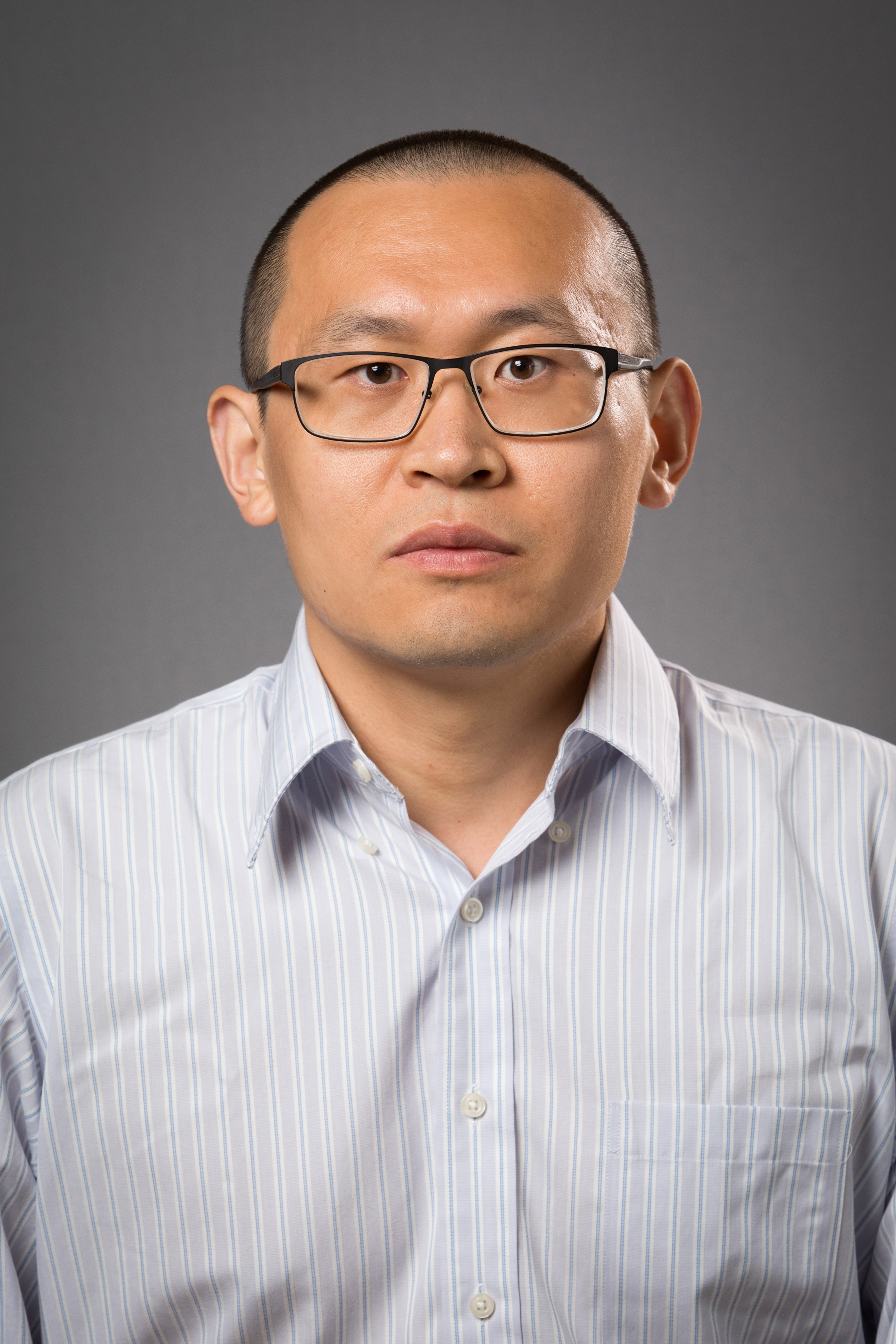
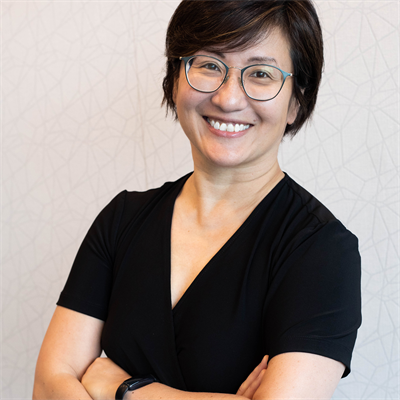
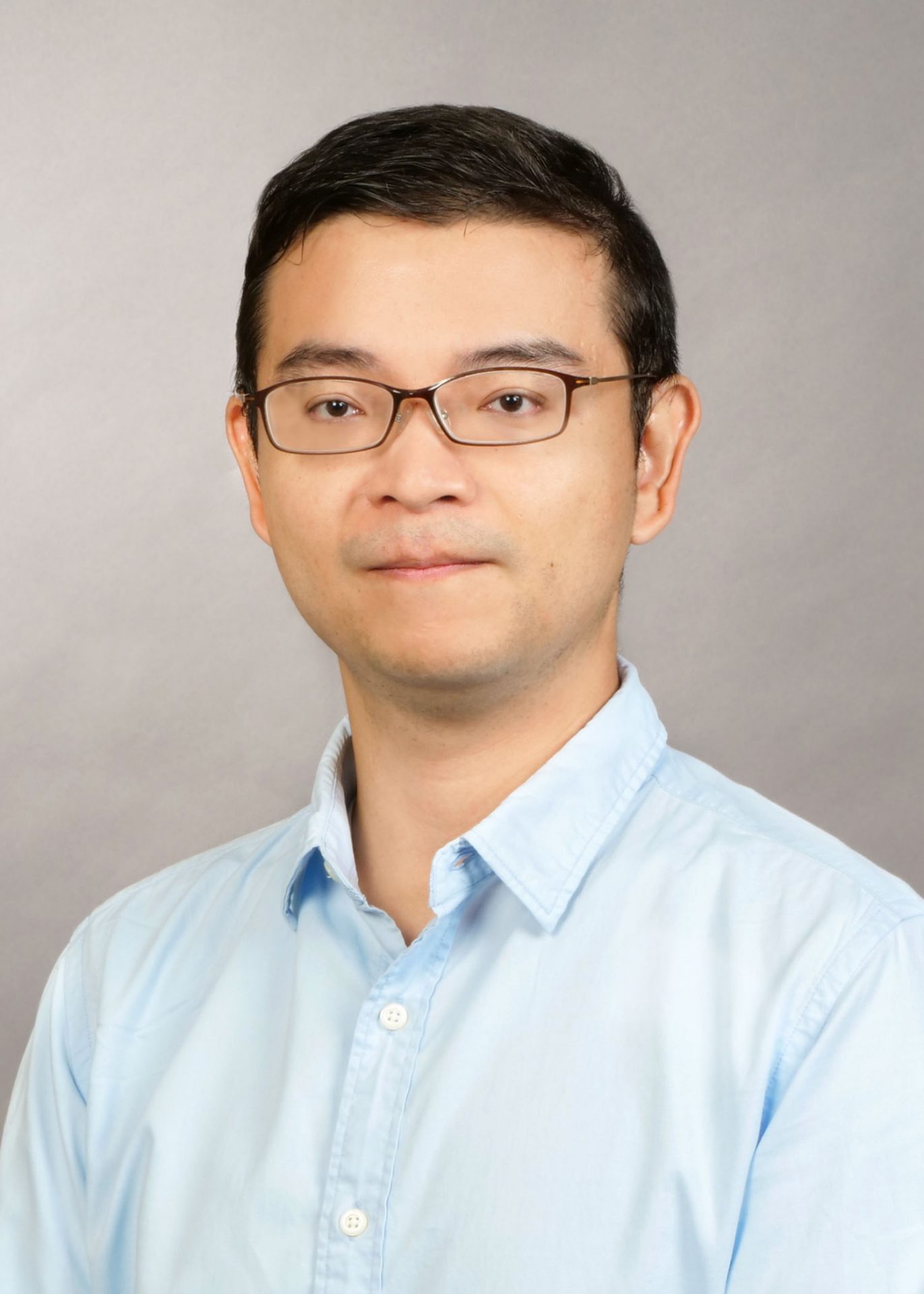
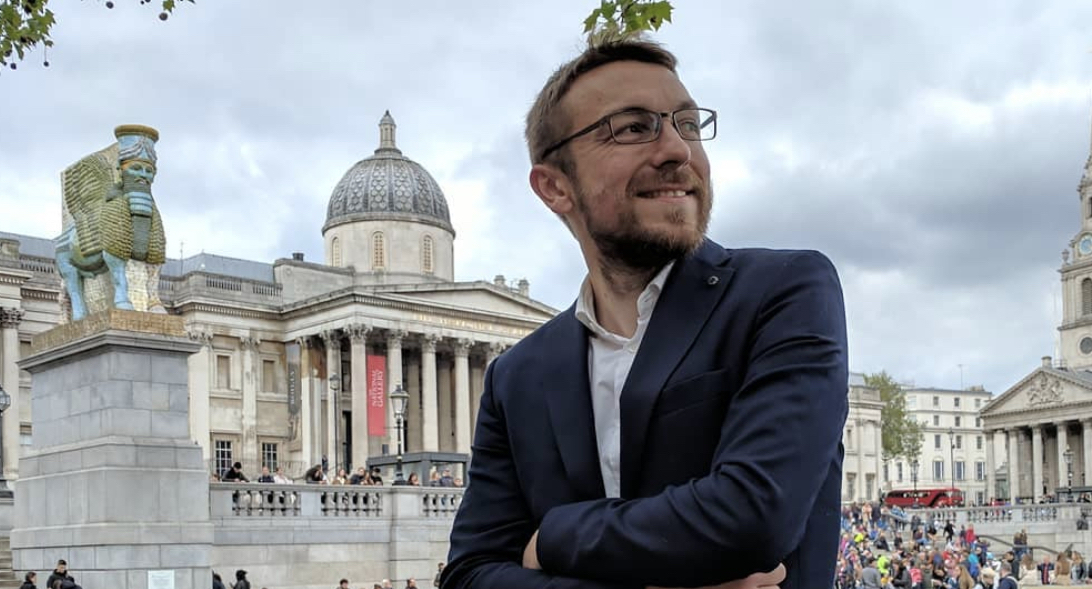
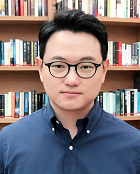
Aniket Bera is an Associate Professor in the Department of Computer Science at Purdue University and an Adjunct Professor at the University of Maryland, College Park. He holds a Ph.D. from the University of North Carolina at Chapel Hill (2017). His research focuses on Affective Computing, Computer Graphics (AR/VR), Social Robotics, Autonomous Agents, and AI-driven mental health solutions. He founded Project Dost and co-leads initiatives like the IEEE RA-L Senior Editor role and ACM SIGGRAPH MIG 2022 Conference Chair. Education: Ph.D. in Computer Science from UNC Chapel Hill (2017). Previous roles include Research Assistant Professor at UNC Chapel Hill and collaborations with Disney Research, Intel, and CDAC. His work spans interdisciplinary areas combining machine learning, computational psychology, and physically-based simulation to model human behavior. Research highlights include emotion-aware social robotics, real-time 3D scene reconstruction (e.g., Scenethesis), and multimodal affective analysis. Over 65+ publications (1,900+ citations) with awards at top graphics/VR conferences. Collaborates with UMD Baltimore Medical School on AI for mental health diagnostics. Featured in CBS, WIRED, Forbes, and others. Labs and teams: Active in Purdue's DSAI lab and affiliated with industry research partners like Disney and Intel. Advises multiple M.S. and Ph.D. students. Current projects include ARTEMIS (AI-driven emergency medical systems) and DanceAnyWay (beat-guided 3D dance synthesis).
Dr. Jie Gu is an Associate Professor in the Department of Electrical and Computer Engineering at Northwestern University’s McCormick School of Engineering. His research focuses on energy-efficient computing architectures, machine learning accelerators, and AI-driven biomedical devices. Key areas include neuromorphic computing, edge computing systems, and hardware-software co-design for real-time applications. Education : Ph.D. Electrical and Computer Engineering (University of Minnesota), M.S. (Texas A&M University), B.S. (Tsinghua University) Labs : VLSI Research Lab His work emphasizes mixed-signal computing, with innovations in neural interface systems and physics-informed AI accelerators. Recent projects include headset-integrated brain-computer interfaces and scalable robotic control systems.
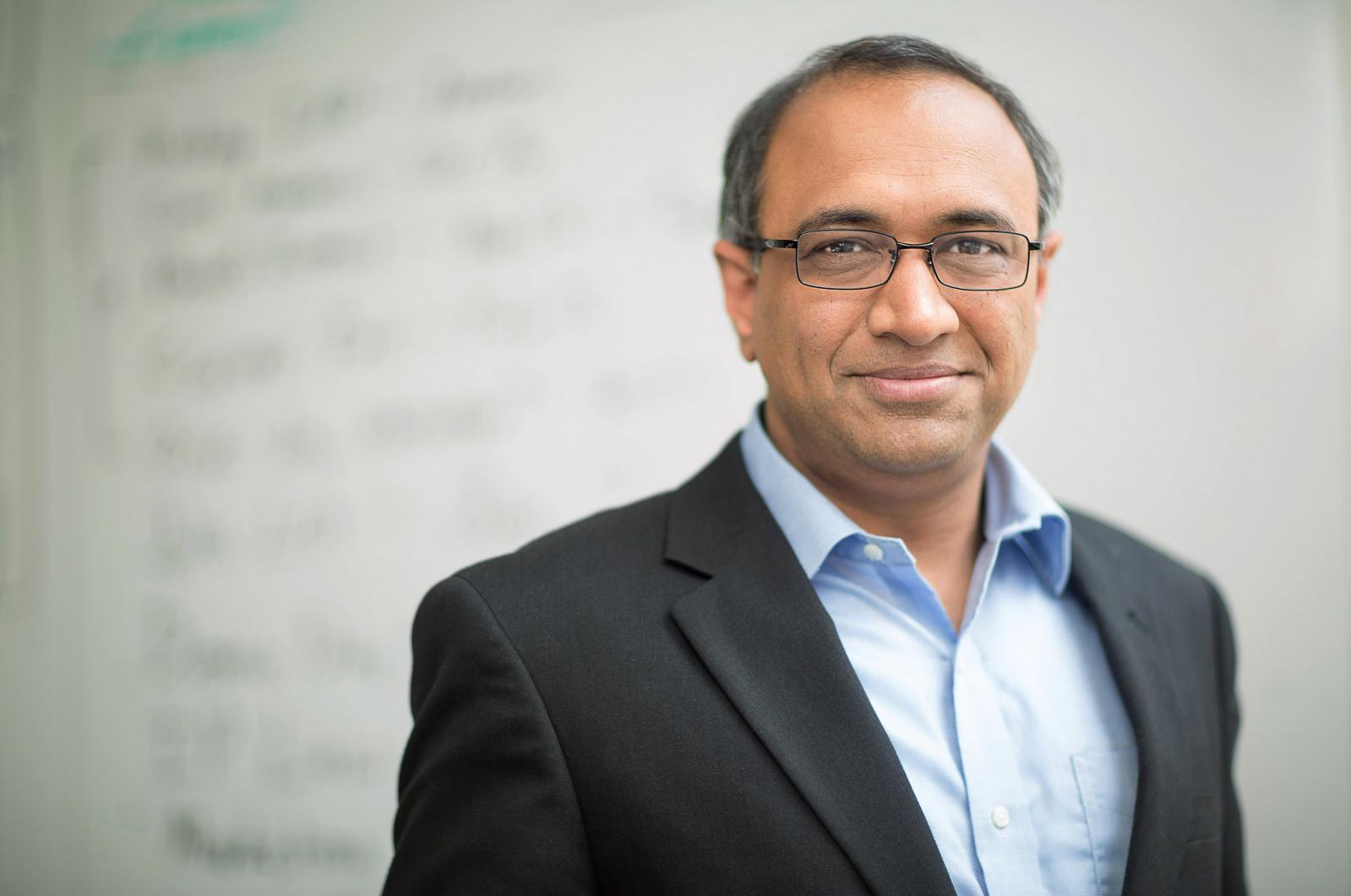
Sanjay Sarma is the Fred Fort Flowers (1941) and Daniel Fort Flowers (1941) Professor of Mechanical Engineering at MIT, currently on leave. He previously served as President, CEO and Dean of the Asia School of Business and as VP for Open Learning at MIT. Sarma co-founded the Auto-ID Center at MIT and developed key technologies behind the EPC suite of RFID standards used worldwide. He was also founder and CTO of OATSystems, acquired by Checkpoint Systems in 2008. Bachelor's Degree, Indian Institute of Technology (1989) Master of Engineering, Carnegie Mellon University (1992) Ph.D., University of California at Berkeley (1995) Professor Sarma's research spans multiple interdisciplinary fields with a focus on RFID, sensors, and Internet of Things technologies. His work in automotive and autonomous systems explores innovative applications of sensing technology. In augmented reality and brain-computer interfaces, he investigates novel human-machine interaction paradigms. His research in digital learning examines how technology can transform educational experiences at scale, with particular interest in university design and operations. Analysis of Professor Sarma's recent publications reveals a strong focus on integrating physical and digital systems. His work demonstrates increasing convergence between RFID technology, energy harvesting, and machine learning applications. Key themes include self-powered sensor networks, augmented reality interfaces for IoT devices, and security frameworks for connected systems. The research shows progression from foundational RFID work toward more complex integrated systems that combine sensing, computation, and communication. Scientific Awards NSF Career Initiation Grant (1997) Cecil and Ida Green Career Development Chair (1999) Den Hartog Teaching Excellence Award (2001) Joseph H. Keenan Award for Innovation in Undergraduate Education (2002) MacVicar Fellowship (2008) Industry Recognition Information Week's Innovators and Influencers (2003) Business Week's e.biz 25 Innovators (2003) New England Business and Technology Award (2005) MIT Global Indus Award (2005) Fast Company Magazine's "Fast 50" (2005) Boston Magazine's 40 under 40 (2006) RFID Journal Special Achievement Award (2010) Professor Sarma has advised numerous doctoral and master's students, though specific names are not listed in the available information. His grant portfolio includes significant funding from the National Science Foundation and industry partnerships. He serves on the boards of GS1US and Hochschild Mining, and advises several startup companies including Top Flight Technologies. His research has been supported by both government agencies and industry collaborators interested in RFID, IoT, and digital learning applications. Sarma leads research in the Auto-ID Labs, which he co-founded, focusing on RFID and sensor technologies. He has also been involved with the Office of Digital Learning at MIT and edX. His work extends to developing world applications through projects focused on low-cost sensing solutions. The research environment he has cultivated brings together electrical engineers, computer scientists, and mechanical engineers to tackle interdisciplinary challenges in sensing and connectivity.
Cunxi Yu is an Assistant Professor in the Department of Electrical and Computer Engineering (ECE) at the University of Maryland, College Park, and an affiliated faculty member in the Department of Computer Science (CS). He holds a Ph.D. from UMass Amherst (2017) and has held postdoctoral positions at Cornell University and EPFL. His research focuses on novel algorithms, systems, and hardware designs for computing and security, with notable contributions in formal verification, logic synthesis, and optical neural networks. He has received prestigious awards including the NSF CAREER Award (2021) and Best Paper Awards at ASPLOS (2025) and DAC (2023). Dr. Yu's academic journey includes prior roles at the University of Utah and industry collaborations with IBM Research. He advises a dynamic research group with PhD students in ECE and CS, and mentors undergraduate researchers. His work bridges formal methods with machine learning, emphasizing practical tools like BoolE (Best Paper Nomination, DAC 2025) and SmoothE (Best Paper Award, ASPLOS 2025). He actively contributes to conferences such as ASAP, ICCAD, and DAC through organizing committees and TPC roles. Key research areas include: - Formal Verification: Algebraic techniques for arithmetic circuits, equivalence checking, and e-graph-based reasoning. - Optical Computing: Design frameworks like LightRidge for diffractive optical neural networks. - Hardware Automation: Reinforcement learning for logic synthesis (e.g., MapTune, Gamora) and EDA tool development. - Security: Reverse engineering of camouflaged circuits and cryptographic hardware verification. His grants include a $900K NSF grant (2024) with Prof. Zhiru Zhang (Cornell) for hardware synthesis. Recent milestones include NVIDIA Academic Research Awards (2025) and DARPA funding for combinatorial optimization.
Brygg Ullmer is a Professor at Clemson University's School of Computing and Chair of the Human-Centered Computing Division. He leads the Tangible Visualization group, focusing on Tangible User Interfaces (TUIs) Computational Genomics Interactive Computational STEAM Rapid Physical/Electronic Prototyping Computationally-Mediated Art and Design His work bridges physical and digital domains, with applications in K-12 education, high-performance computing, and culturally-rooted design. Research trends from his 15 most recent articles show a focus on Generative AI for cyberphysical systems Shape-changing interfaces Token+Constraint interaction models Genomics data visualization Hybrid tangible-gestural interfaces Multi-display collaboration These span both theoretical and applied work in computer science, biology, and design. Ullmer has held significant roles including Postdoctoral work at Zuse Institute Berlin Associate Professor at Louisiana State University (CCT & Computer Science) Visiting Lecturer at Hong Kong Polytechnic University Contributions to IBM Systems Journal and special editions of Springer's Personal and Ubiquitous Computing He has also co-edited journal special issues and served on conference committees. His scientific contributions include co-invented U.S. patents (6164541, 6263507, 6259441) related to Invisible hyperlinking Audiovisual data browsing Digital video time-shifting These patents reflect early innovations in tangible interface technology that have influenced modern interactive systems.
Zhenkai Zhang is an Assistant Professor at the School of Computing, Clemson University. Previously, he held an academic position at Texas Tech University (2019–2021). His research focuses on computer systems security, cyber-physical systems, and hardware vulnerabilities. He holds a Ph.D. from Vanderbilt University (supervised by Prof. Xenofon Koutsoukos), an M.S. from the University of Chinese Academy of Sciences, and a B.S. from Beijing Institute of Technology. His research interests include GPU security, side-channel attacks, memory corruption exploits, and defensive techniques leveraging physical layer information. Recent work involves GPU cache attacks, DNN backdoor insertion, and electromagnetic side-channel exploitation. Received "Distinguished Reviewer" award at CCS'24 . Notable contributions include Graphics Peeping Unit (Oakland 2022), Leveraging EM for Rowhammer Detection (Oakland 2020), and BitJabber (HOST 2020). Current Ph.D. advisees include Hongyue Jin and Fatemeh Moradihaghighi. Alumni Zihao Zhan and Sisheng Liang now hold academic positions. Active grants include NSF projects on rowhammer defenses and secure CPS control. Professional activities include TPC roles at CCS, Oakland, and EuroS&P, plus editorial and organizational roles in security conferences.
Martin Eisemann is Professor of Computer Science and Director at the Computer Graphics Lab within the Computer Science Department of the College of Engineering at Technical University of Braunschweig. Previously, he served as full professor for Computer Graphics at TH Köln (2015-2020) where he co-founded and led the Advanced Media Institute. His academic journey includes a Diploma (2006) from University of Koblenz-Landau and PhD (2011) from TU Braunschweig, followed by post-graduate work at TU Delft. His research spans visual computing with emphasis on computer vision, image/video processing, computer graphics, ray tracing, Monte-Carlo simulations, information visualization, and visual analytics. Recent work demonstrates strong focus on neural rendering techniques including neural point clouds, Gaussian splatting, and holography applications, reflecting evolving trends toward AI-integrated graphics pipelines and immersive visualization systems. His publications consistently address real-time performance challenges while advancing visual quality metrics. VMV'16 Best Paper Award EGSR'16 Best Paper Award ACM Multimedia 2015 Best Student Paper Award Graphics Interface 2015 Best Student Paper Award SAP 2025 Best Student Paper Honorable Mention As Dean of Studies (2023-2027) and former Audit Committee member, he actively shapes academic policy. His community service includes program committee roles for SAP, WACV, and Computational Visual Media conferences. Current research includes a planned sabbatical (April-October 2025) focusing on visual computing challenges. The Computer Graphics Lab maintains active collaborations with DLR, Ford, and European institutions through projects spanning planetary visualization, video conferencing security, and ADHD cognitive support tools.
Elaine Chen is the Cummings Family Professor of the Practice in Entrepreneurship and Director of the Derby Entrepreneurship Center at Tufts University's School of Engineering. She holds a BS and MS in Mechanical Engineering from MIT. Her expertise spans entrepreneurship education, corporate innovation, and mission-driven ventures. She oversees the Entrepreneurship Minor program and co-curricular initiatives like accelerators and internships, fostering diverse student engagement. Previously, she served as Senior Lecturer at MIT's Martin Trust Center, developing scalable entrepreneurship programs. She is a board member at the Center for Open Science and Cybernetix Ventures. Notable awards include the MIT Monosson Prize for mentoring and recognition as an Invention Ambassador by AAAS and the Lemelson Foundation. Education: Master of Science, Mechanical Engineering, MIT, 1993 Bachelor of Science, Mechanical Engineering, MIT, 1991 Research Interests: Elaine focuses on advancing entrepreneurship education through equitable access, corporate innovation strategies, and supporting startups and non-profits. Her work emphasizes mentorship, digital infrastructure, and global entrepreneurship, particularly in Asia-Pacific regions. Awards: MIT Monosson Prize for Entrepreneurship Mentoring Invention Ambassador, AAAS and Lemelson Foundation Advising & Grants: She advises students through experiential courses like Entrepreneurial Internship and Field Study. Her consulting firm, ConceptSpring, assists corporations in innovation across healthcare, FinTech, and government sectors. She holds 22 patents and has led product development at companies like Rethink Robotics and Zeo. Labs & Teams: Leads the Derby Entrepreneurship Center, fostering cross-disciplinary innovation and student ventures through workshops, accelerators, and grants.
Alexander Rath is a researcher at Saarland University's Computer Graphics Lab within the College of Informatics. His work focuses on advanced rendering techniques and light transport simulation. Key research areas include: Importance sampling in computer graphics Wave optics modeling Lens design optimization Machine learning for rendering Path guiding algorithms Recent publications address: 2024: MARS algorithm for multi-sample allocation 2024: Neural BVH data structures 2023: Focal point identification in rendering 2022: EARS efficiency-aware sampling 2020: Variance-aware path guiding Additional contributions include open-source implementations on GitHub with MIT-licensed C++ code for focal path tracing experiments.
Dr. Rui Xie is an Associate Professor in the Department of Statistics and Data Science at the University of Central Florida’s College of Sciences. He specializes in developing statistical sketching and sampling methods for large-scale streaming data, with applications in healthcare, environmental science, and engineering. His interdisciplinary collaborations span computer science, geophysics, and biomedical research. Education : B.S. (2011), Xiamen University M.S. (2013), Georgia Institute of Technology Ph.D. (2019), University of Georgia Research Interests : Dr. Xie focuses on advancing statistical methodologies for big data analytics, including streaming online learning, decentralized computing, and IoT-driven data processing. His work addresses real-world challenges such as fall risk prediction in elderly populations, climate-related health disparities, and microbiome analysis in critical care settings. He employs machine learning, time series modeling, and optimization techniques to solve interdisciplinary problems. Key Research Trends : Recent work emphasizes leveraging machine learning for healthcare (e.g., fall prevention technologies, maternal health disparities) and environmental science (e.g., climate impacts on vulnerable populations). His publications highlight innovative applications of statistical sketching in signal reconstruction, sensor data normalization, and high-dimensional data analysis. Awards & Grants : No specific awards mentioned. Active in securing funding for community-based health interventions and data science infrastructure projects. Collaborations & Labs : Engages in multidisciplinary teams across UCF and international partners, focusing on translational research in aging, public health, and computational statistics.
Dr. Franck Vidal is a Senior Lecturer and Acting Director of Research at the School of Computer Science & Electronic Engineering at Bangor University, where he is also a member of the Visualization and Medical Graphics (VMG) Group and the Research Institute of Visual Computing (RIVIC). His educational background includes: PhD in Computer Science from Bangor University (2008) Postgraduate Certificate in Higher Education (2016) Diplôme d'études approfondies Images et Systèmes from Institut National des Sciences Appliquées de Lyon (2003) Master of Science in Computer-Aided Graphical Technology Applications from Teesside University (2002) Dr. Vidal's research focuses on X-ray imaging and simulation, non-destructive testing by ionising radiation, inverse problems, optimisation and artificial evolution, high performance computing, computer vision, image analysis and machine learning, and image-based simulation. His work has significant applications in medical imaging and medical physics, including X-ray, CT, MRI, PET and radiotherapy. He applies evolutionary algorithms to solve complex inverse problems in medical imaging. His recent publications demonstrate a strong focus on GPU-accelerated X-ray simulation technologies, particularly through the gVirtualXRay library, which enables real-time simulation of X-ray images and CT volumes. His work bridges the gap between computational physics, medical imaging, and practical clinical applications, with significant contributions to PET reconstruction algorithms using the Fly algorithm. Among his notable achievements: 2nd place in the Eurographics 2009 Medical Prize for ImaGINe-S David Duce Prize for the Best Short Paper (2019) Best Poster Presentation award (2022) Development of the gVirtualXRay open source library Multiple publications on evolutionary algorithms for medical imaging Dr. Vidal has supervised multiple research students including Julien Lavauzelle and Adrien Dutertre from ENSTA ParisTech. He has secured funding for significant projects including Fly4PET (focused on PET reconstruction for radiotherapy) and RAMPVIS (visualization for pandemic response). He actively collaborates with institutions worldwide, including INRIA in France and the University of California, San Diego. He leads the development of several innovative projects including gVirtualXRay (a GPU-based X-ray imaging library), Fly4Arts (evolutionary art using the Fly algorithm), and RASimAs (a regional anaesthesia simulator and assistant), demonstrating his ability to translate theoretical research into practical applications across medical and non-medical domains.
Nelson Lim serves as an Associate Professor of Practice at the University of Texas at Dallas within the Harry W. Bass Jr. School of Arts, Humanities, and Technology. A creative technologist with 15+ years of industry experience, he bridges academic instruction with professional practice in computer graphics and visual effects. He holds a Bachelor of Computing - Communications and Media (Honours) from the National University of Singapore (2009). His career spans Industrial Light and Magic, Brazen Animation, and Lucasfilm, where he contributed to major Hollywood productions and commercial projects. Lim's research focuses on Computer Graphics, Visual Effects, and Real-time Graphics with applications in Animation, Games Development, and XR technologies. He actively integrates industry workflows into pedagogy, emphasizing VFX, Houdini, and real-time engines to prepare students for technical art careers. As founder of Tech Arts Meetups and co-chair of the Visual Effects Society Texas Section Education Committee, Lim mentors students through industry-academia partnerships. His professional service includes organizing educational initiatives and consulting for institutions on visual effects curriculum development.
Dr. Michael Shekelyan is a Lecturer (Assistant Professor) in Computer Science at Queen Mary University of London (2023–present), part of the School of Electronic Engineering and Computer Science. He holds a PhD in Computer Science from the Free University of Bozen-Bolzano (2018) and a Diploma in Media Informatics from Ludwig Maximilian University of Munich (2014). Previously, he worked as a Research Associate at King's College London (2021–2023) and a Research Fellow at the University of Warwick (2018–2021). His academic journey includes roles as a Meta-Reviewer for NeurIPS and ICDT Proceedings Chair (2024), with extensive service as a reviewer for top conferences like ICML, NeurIPS, ICLR, and journals such as TKDE and IEEE T-IFS. Research Interests: Focuses on algorithms and data structures for managing large/sensitive datasets, including differential privacy, random sampling (e.g., Hidden Shuffle Method), and multidimensional data summarization (e.g., DigitHist). His work bridges theoretical guarantees with practical applications in data management and machine learning. Notable contributions include privacy-preserving top-k selection, efficient sampling over joins, and error-bounded data summaries. Publications: Over 15 peer-reviewed articles in top venues including SIGMOD, ICDE, EDBT, AISTATS, and PVLDB. Key works include 'Streaming Weighted Sampling over Join Queries' (EDBT'23), 'Sequential Random Sampling Revisited' (AISTATS'21), and 'Sparse Prefix Sums' (Information Systems'19, which won an ADBIS award). Grants/Awards: Received the ADBIS'17 Award for Sparse Prefix Sums. Active in organizing conferences and mentoring early-career researchers through reviewing roles. Current projects include a PhD studentship on privacy-preserving algorithms for medical data sharing. Labs/Teams: Leads the Privacy-Preserving Algorithms initiative at Queen Mary, collaborating with international research networks in database systems and data privacy.
Jihoon Ryoo is an Associate Professor in the Department of Computer Science at SUNY Korea, where he has been employed since 2017. He directs the AI2S Lab and co-founded the startup IDCITI. He holds a Ph.D. from Stony Brook University (2017) and M.S./B.S. degrees from Korea University. Research Interests: Dr. Ryoo's work focuses on practical implementations in wireless networking and mobile systems, including backscatter communication, IoT connectivity, saliency-based video streaming, and GNSS-independent localization. His projects span uGPS (metro localization), SALI360 (360° video optimization), and autonomous anti-drone systems, often leveraging deep learning and RF analytics. Awards & Grants: Incheon City Mayor Award (Entrepreneur, 2024 & S/W Hackathon, 2020) Prime Minister Awards (ICT Colloquium & Applied Data Competition, 2020) IITP Excellence Research Award (2019) Grants: National XR-Lab initiatives (MSIT), Incheon-RISE program (2025–2030), NRF streaming platform research, and multiple Incheon Techno Park projects. Teaching & Service: Courses include Computer Networks, Computer Vision, Algorithms, and Wireless Networks. Service includes TPC roles (MobiSys, ICCCN), Director of SUNY Korea's ICT CCP Program (2018–2020), and XR-Lab Director (2021–2023).
Anthony Estey is an Assistant Teaching Professor and Acting Experiential Learning Coordinator in the Department of Computer Science at the University of Victoria. His work focuses on innovative educational technologies, quantum computing pedagogy, and studio-based learning models in game design. He holds roles in both the Faculty of Engineering and Computer Science and coordinates experiential learning initiatives. Research interests include developing interactive tools to lower learning barriers in quantum computing (e.g., QNotation/QGrover), applying extended reality for immersive education, and analyzing student behavior through programming workflows. His publications span educational technology, game design pedagogy, and interdisciplinary collaboration strategies. Recent work emphasizes real-time systems for motion capture in performances and predictive analytics for student support. Though no scientific awards are listed, his contributions to educational tool development are highlighted through publications in 2024-2010. He coordinates experiential learning programs but no grants or specific lab affiliations are noted in available data.