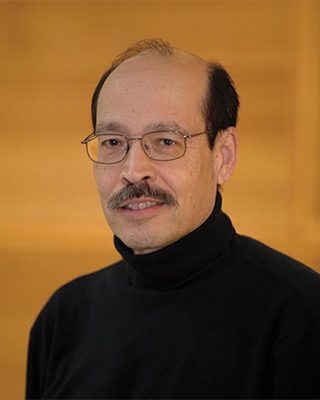
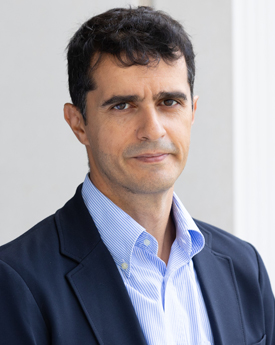
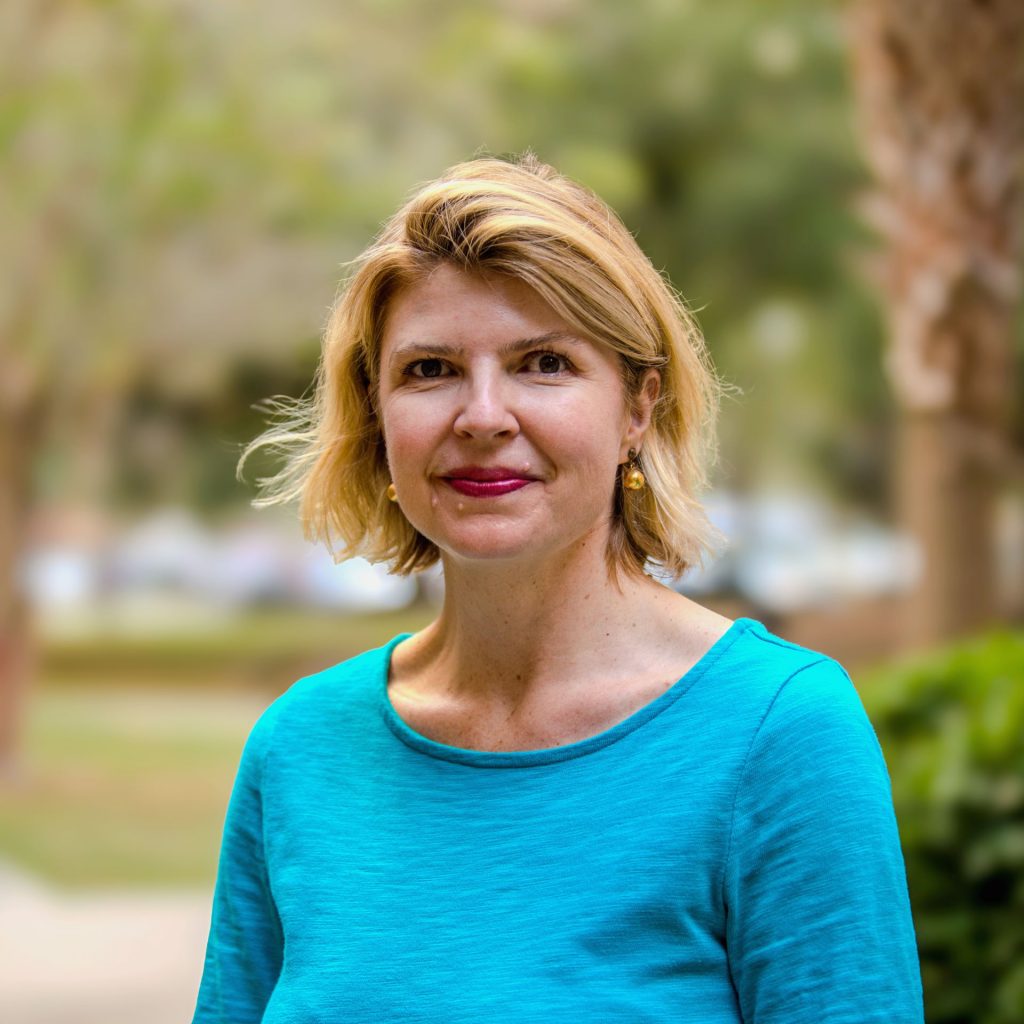
Dr. Sam Ferguson is a Senior Lecturer at the School of Computer Science, University of Technology Sydney (UTS), with a multidisciplinary background in music performance, cognitive science, and psycho-acoustics. His research explores the intersection of sound, music, and human experience through creative coding, machine learning, and interactive systems. Key Research Areas: Sound and Music Computing, Human-Computer Interaction, Creative Coding, Cognitive Science, Installation Art, and Acoustics. Current Projects: ARC Linkage project on creative coding and multiplicitous media; industry collaborations on IoT-based audiovisual systems. Recent Publications: Focus on spatial audio complexity, gestural interaction with networked sound, music emotion recognition frameworks, and robotic performance through genre-based cultural platforms. Leadership Roles: Director of Teaching & Learning Engagement; former Deputy Head of School (Teaching and Learning); active in ACM Creativity and Cognition Steering Committee. Teaching: Courses like Digital Media Studio , Prototyping Physical Interaction , and Data Processing using R within UTS's interdisciplinary Software Development Studio.
Steve Tanimoto is a Professor at the Paul G. Allen School of Computer Science & Engineering at the University of Washington, with an adjunct appointment in the Department of Electrical & Computer Engineering. His work focuses on human-centered computing, particularly in educational technology and collaborative problem-solving environments. He has made significant contributions to the understanding of liveness in programming environments and their application to education, including a keynote at the International Conference on Live Coding (2015) that traced historical influences leading to widespread use of liveness in modern software environments. Dr. Tanimoto's research spans several interconnected domains: Novice programming environments and educational technology Collaborative problem-solving environments and tools Technology for educational assessment, particularly using pattern-recognition methods for teaching written language on tablets Liveness in programming environments and its applications Image processing from interdisciplinary perspectives (as detailed in his MIT Press book "An Interdisciplinary Introduction to Image Processing: Pixels, Numbers, and Programs") His recent publications demonstrate a consistent focus on the intersection of computing education, human-computer interaction, and collaborative problem-solving. A notable trend is the exploration of "liveness" in programming environments and how this concept can enhance educational experiences. His work increasingly integrates AI technologies with educational applications, particularly in the areas of writing instruction and collaborative problem-solving, with significant NIH funding support (P50 HD071764 and U54 HD083091). His notable recognition includes: VL/HCC Best Showpiece Award in 2015 for "Solving Problems by Drawing Solution Paths" Dr. Tanimoto has advised several graduate students through to completion, including Robert Thompson (2019), Sandra Fan (2013), and Tyler Robison (2012). He currently advises Emilia Gan (co-advised with B. Mako Hill) and Edward Misback. His research has been supported by NIH grants for work on computerized writing and reading instruction for students with learning disabilities. His CoSolve research group has developed experimental facilities for collaborative problem-solving, exploring tools that support problem formulation, visualization of problem spaces, and team collaboration dynamics, with applications in education, design, and various problem-solving domains.
Professor Efthymios Pavlidis is a faculty member in the Department of Economics at Lancaster University Management School (LUMS). He holds the rank of Professor and specializes in macroeconomics, international finance, and time series econometrics. His research focuses on housing market dynamics through collaborations like the International Housing Observatory (with the Federal Reserve Bank of Dallas) and the UK Housing Observatory. He is a Fellow of the Higher Education Academy, reflecting his commitment to academic excellence in teaching and research. His research interests include speculative bubble detection, real estate price forecasting, and testing parity conditions in financial markets. Pavlidis actively supervises PhD students in applied time series econometrics, emphasizing practical applications in financial markets and housing economics. He is involved in numerous academic activities, including organizing conferences and workshops such as the Dynare Conference and the Lancaster Economics Seminar. Key contributions include developing econometric methods for detecting market exuberance and analyzing real exchange rates. His work bridges theoretical econometrics with practical policy implications, particularly in housing and energy markets. Pavlidis collaborates internationally, evidenced by his participation in global academic networks and institutions like the European Economic Association and the Royal Economic Society. His teaching includes the course ECON222 Intermediate Macroeconomics I, and he maintains an office in the Management School (B015), with weekly office hours on Tuesdays. A comprehensive overview of his research and projects is available at his personal webpage: https://sites.google.com/view/etpavlidis/ .
Mario A. Svirsky is the Noel L. Cohen Professor of Hearing Science and Professor of Neuroscience at NYU Grossman School of Medicine. He leads the Laboratory for Translational Auditory Research, focusing on auditory neural prostheses like cochlear implants and their impact on speech perception and neuroplasticity. His work bridges clinical care and scientific discovery, addressing how the brain adapts to sensory deprivation and degraded auditory input. Education: PhD in Biomedical Engineering from Tulane University (1988). Postdoctoral training at MIT and prior academic appointments at Indiana University and Purdue University before joining NYU in 2005. Research: Explores cochlear implant performance optimization, speech perception in hearing-impaired individuals, and neuroplasticity mechanisms. Collaborates with the Froemke Lab on animal models of cochlear implantation. Active in developing computational models and signal processing techniques to improve implant efficacy. Funding: Principal investigator on multiple NIH grants (e.g., R01 DC016839, R01 DC016834) and industry partnerships. His lab’s work has advanced clinical management strategies for cochlear implant users, including those with contralateral hearing aids. Labs/Teams: Directs the Laboratory for Translational Auditory Research, collaborating with multidisciplinary teams including engineers, neuroscientists, and clinical audiologists. Mentors postdocs, audiologists, and medical students in auditory research.
David Palmer is an Affiliate Associate Professor in the Department of Astronomy and Astrophysics. He is affiliated with Los Alamos National Laboratory (LANL). His research focuses on speech recognition, natural language processing, and multilingual systems, with particular emphasis on information extraction from audio and speech data. His work bridges computational linguistics and machine learning, addressing challenges in automated systems for audio comprehension and cross-language processing. Key research interests include robust information extraction from speech transcriptions, error detection in speech recognition, and multilingual processing for operational users. He has contributed to advancements in speaker identification, text preprocessing techniques, and domain adaptation in speech processing systems. His publications span over two decades, reflecting a consistent focus on improving automated systems for handling audio and text data in dynamic environments. While no specific awards or grants are listed, his extensive publication record highlights sustained contributions to the fields of speech technology and computational linguistics. His work at LANL likely involves collaborative research in applied computational sciences, though specific lab affiliations or teams are not explicitly mentioned.
E. Lea Johnston is the Clarence J. TeSelle Professor and Professor of Law at the University of Florida Levin College of Law. She is a leading expert in mental health law, criminal law, and criminal procedure, with her work appearing in top law reviews and peer-reviewed interdisciplinary journals. Her scholarship has been widely cited by legal scholars, appears in leading treatises, and has received attention from courts and social scientists. Her theory of sentencing forms part of the theoretical framework for the standard textbook for forensic psychiatry fellowship programs. Professor Johnston earned her A.B. from Princeton University and her J.D. (cum laude) from Harvard Law School. Before entering academia, she worked as a litigation associate at Arnold & Porter LLP in Washington, D.C., served as director of the Maryland Public Interest Research Group, and clerked for Judge Richard Tallman of the U.S. Court of Appeals for the Ninth Circuit. Johnston's research primarily focuses on the intersection of mental health and criminal justice. Her work examines how mental illness impacts criminal responsibility, competence to stand trial, sentencing, and diversion programs. She has made significant contributions to understanding diminished responsibility doctrines, insanity defenses, mental health courts, and assisted outpatient treatment. Her scholarship often employs interdisciplinary approaches, integrating legal analysis with insights from psychology, psychiatry, and behavioral sciences to develop more humane and just approaches to mentally ill offenders within the criminal justice system. Her publications demonstrate consistent scholarly output with significant impact across multiple disciplines. The trajectory of her work shows an evolution from foundational analyses of legal standards for mentally ill defendants toward more comprehensive reform proposals addressing systemic issues in how the criminal justice system handles mental illness. Elected to American Law Institute (2020) Former Chair of Criminal Justice Section, American Association of Law Schools Former Chair of Law and Mental Disability Section, American Association of Law Schools Member of Legal Scholars Committee, American Psychology-Law Society Professor Johnston has significantly influenced both legal scholarship and practice through her theoretical contributions and practical recommendations. Her work on sentencing theory for mentally ill offenders has been incorporated into forensic psychiatry training materials, demonstrating real-world impact beyond academia. While specific grant information isn't detailed in the provided text, her extensive publication record and leadership roles suggest substantial research support throughout her career. Her scholarship serves as a critical bridge between legal doctrine and clinical mental health practice, offering frameworks that balance therapeutic needs with justice considerations.
Andrea Bunt is a Full Professor and Associate Head (Graduate) in the Department of Computer Science at the University of Manitoba, where she co-directs the HCI lab. She has established herself as a leading researcher in human-computer interaction with significant contributions to software learnability, rural computing, and technologies for children and families. Her work bridges theoretical and practical aspects of HCI, with strong community engagement through student supervision and collaborative projects. Dr. Bunt completed her B.Sc. at Queen's University, followed by an M.Sc. in 2001 and Ph.D. in 2007 at the University of British Columbia. Prior to joining the University of Manitoba, she was a Postdoctoral Fellow at the University of Waterloo in the Human-Computer Interaction Lab. This educational trajectory has provided her with a strong foundation for her interdisciplinary research approach. Her research interests span multiple areas within human-computer interaction, with particular focus on software learnability for diverse user groups, improving computing experiences in rural and remote communities, and designing technologies specifically for children and families. Her work on explainable AI, gender inclusivity in technology, and collaborative learning dynamics represents cutting-edge contributions to the field. Recent projects include Stream Assistant for live streamers, digital interventions for adolescent tech disengagement, and gender-inclusive approaches to online question-and-answer platforms. Analysis of her recent publications reveals a strong emphasis on user-centered approaches to technology design, particularly focusing on vulnerable or underserved populations. Her work consistently bridges theoretical HCI principles with practical applications, demonstrating how technology can be made more accessible, inclusive, and effective for diverse user groups. There's a clear trajectory toward addressing societal challenges through HCI, with increasing focus on ethical considerations in AI systems. CS-Can | Info-Can Young Researcher Award (2018) NSERC Accelerator Supplement (2015-2018) Multiple Best Paper Awards at premier conferences including CHI, Graphics Interface, and FDG Consistent recognition for methodological innovation and impactful research contributions Dr. Bunt actively mentors a diverse group of students at all levels, from undergraduate research assistants to Ph.D. candidates. Her lab receives funding from NSERC Discovery Grants and other sources to support research on intelligent interactive systems. She has successfully guided numerous students through their academic journeys, with many going on to impactful careers in academia and industry. Her collaborative approach extends to interdisciplinary partnerships across computer science, education, and social sciences. The HCI lab she co-directs serves as a vibrant research hub focusing on real-world applications of human-computer interaction principles. Current projects address critical challenges including technology use in rural communities, digital wellbeing for adolescents, and inclusive design practices. The lab fosters a collaborative environment where students and researchers work together to develop innovative solutions to complex HCI problems.
Jung Hyup Kim is an Associate Professor in the Department of Industrial and Systems Engineering at the University of Missouri, College of Engineering. His research integrates human factors, ergonomics, and augmented reality to enhance engineering education and healthcare systems. He leads the Human Factors Lab and is actively involved in curriculum innovation through immersive technologies. Education: PhD, Pennsylvania State University BS, Mississippi State University Dr. Kim’s research centers on ergonomics, human-computer interaction, and real-time human performance modeling . He investigates how eye-tracking, motion analysis, and augmented reality can be used to assess workload, situation awareness, and learning effectiveness in real-world environments. His work bridges engineering systems with cognitive science, particularly in educational and healthcare contexts. His recent research, reflected in 15 reconstructed articles, demonstrates a strong trend toward augmented reality in engineering education , with focus areas including real-time motion tracking, eye-tracking for attention monitoring, metacognition in virtual instruction, and posture-based physical demand assessment. These efforts aim to transform traditional lab experiences into interactive, data-driven learning environments. Scientific Awards: No awards explicitly mentioned in the text. Dr. Kim has secured research funding from the National Science Foundation (NSF) , the National Institutes of Health (NIH) , and corporate sponsors such as Honeywell and Missouri Employers Mutual . He advises students like RJ Morrison and Madeline Easley, who have presented at national conferences and won research competitions. His lab develops AR-based teaching modules that assess student engagement and comprehension through biometric and behavioral data. His lab, the Human Factors Lab ( humanfactorslab.net ), is developing a new AR-integrated facility in Lafferre Hall with stations for interactive learning, real-time feedback, and performance testing. The lab aims to create scalable AR systems applicable across Mizzou Engineering disciplines.
Michael J. Spivey is a Professor of Cognitive Science at the University of California, Merced, affiliated with the School of Social Sciences, Humanities and Arts. His research focuses on understanding human cognition through embodied and dynamic systems approaches, with particular expertise in eye-tracking methodologies and real-time language processing. As a faculty member in the Cognitive and Information Sciences department, he contributes to interdisciplinary research that bridges psychology, linguistics, and neuroscience. Dr. Spivey's educational background includes: Ph.D. in Brain and Cognitive Sciences from the University of Rochester (1996) M.A. in Brain and Cognitive Sciences from the University of Rochester (1995) B.A. from the University of California, Santa Cruz (1991) His research interests span psycholinguistics, visual perception, sensorimotor processing, embodied cognition, and dynamical systems theory. Dr. Spivey investigates how cognitive processes unfold in real-time through eye movements and other behavioral measures, challenging traditional modular views of cognition. His work emphasizes the continuous interaction between perception, action, and cognition, demonstrating how language processing is deeply embedded in our sensorimotor experiences. He has made significant contributions to understanding the time course of language comprehension, the role of visual context in linguistic processing, and the dynamic nature of cognitive representations. Analysis of Dr. Spivey's recent publications reveals a strong focus on embodied and dynamic approaches to cognition. His work spans diverse areas including eye-tracking and mouse-tracking methodologies, team cognition, creativity research, bilingual language processing, and the application of foraging theory to cognitive processes. A recurring theme across these publications is the investigation of real-time cognitive dynamics using continuous behavioral measures. His research increasingly incorporates ecological approaches, examining cognition in more naturalistic contexts while maintaining experimental rigor. The interdisciplinary nature of his work is evident in collaborations across psychology, linguistics, neuroscience, and even music cognition. Dr. Spivey is affiliated with the Center for Human Adaptive Systems and Environments and collaborates with researchers at Western University, Northwestern University, Brown University, and UCLA. His work with students likely focuses on training in advanced methodologies for measuring real-time cognitive processes.
Helder Carvalho is an Associate Professor at the University of Minho's School of Engineering, Campus de Azurém, where he also serves as Director of the Department of Textile Engineering and Director of the Master's program in Textile and Accessories Product Design and Innovation. His academic career spans over three decades, with a focus on textile engineering and its intersection with electronics and automation systems. His educational background includes: PhD in Textile Engineering (2004) from University of Minho, School of Engineering MSc in Textile Engineering (1998) from University of Minho, School of Engineering BSc in Electrotechnical and Computer Engineering (1992) from University of Porto, Faculty of Engineering Professor Carvalho's research primarily focuses on smart textiles, textile sensors, and instrumentation systems for industrial sewing machines. His work bridges the gap between traditional textile manufacturing and modern electronics, creating innovative solutions for interactive textiles and wearable technology. He has particular expertise in developing flexible sensors that can be integrated into fabrics for applications ranging from sports performance monitoring to healthcare. His recent publications demonstrate a strong trend toward sports applications of smart textiles, with numerous papers on fencing apparel, karate body protectors, and general athletic performance monitoring. The research spans material science, sensor development, and user experience design, showing a comprehensive approach to creating functional and attractive smart textile products. Professor Carvalho has received recognition through research funding from major institutions: BE@T Bioeconomy Textile and Clothing (current) Greenauto - Green Innovation for the Automotive Industry (current) Factor ST+ (2021-2023) FAMEST (2017-2020) TSSIPRO (2016-2019) He has directed multiple academic programs including the Master's in Textile and Accessories Product Design and Innovation, and coordinated educational initiatives like the CET 'Fashion Commerce' program. His work at the Textile Science and Technology Centre demonstrates a commitment to translating research into practical applications across sports, healthcare, and industrial manufacturing sectors.
Christos Makris is an Associate Professor in the Department of Computer Engineering and Informatics at the University of Patras, Greece. His academic career spans over two decades with significant contributions to computer science, particularly in data structures, algorithms, and information systems. He maintains active research collaborations and supervises graduate students in his areas of expertise. Dr. Makris's research spans several key areas in computer science with a strong focus on efficient data organization and processing. His work encompasses Data Structures , Information Retrieval , Data Mining , String Management and Processing Algorithms , Computational Geometry , Internet Technologies , Bioinformatics , and Multimedia Databases . His interdisciplinary approach bridges theoretical computer science with practical applications across various domains including web technologies, bioinformatics, and emergency response systems. Analysis of Dr. Makris's publication record reveals a consistent research trajectory focused on efficient algorithms for information management. His work demonstrates evolution from foundational data structure research in the 1990s to more applied work in web technologies, social media analysis, and machine learning applications in recent years. A notable pattern is his ability to adapt core algorithmic techniques to emerging application domains while maintaining theoretical rigor. Dr. Makris maintains an impressive scholarly record with over 3,000 citations, an h-index of 29, and an i10-index of 71 according to Google Scholar metrics. These indicators reflect the significant impact of his research within the computer science community. As an active faculty member, Dr. Makris maintains regular office hours on Tuesdays from 18:00-20:00 and Thursdays from 12:00-14:00. He is accessible via email at makri@ceid.upatras.gr or makri@upatras.gr for academic inquiries and student supervision.
Professor Jyh-Hone Wang holds a faculty position in the Department of Mechanical, Industrial and Systems Engineering at the University of Rhode Island (URI). His research focuses on transportation human factors, driving safety, and intelligent transportation systems, with particular emphasis on variable message sign (VMS) design, driver behavior analysis, and automation technology acceptance in elderly drivers. He has conducted studies on dynamic message sign efficacy, traffic flow management, and roadway safety improvement strategies. Education: Ph.D. and M.S. in Industrial Engineering from the University of Iowa (1989 and 1986), and B.S. in Industrial Engineering from Tunghai University, Taiwan (1980). Recent grants include a 2020 National Institute for Undersea Vehicle Technology grant (Co-PI) on stress monitoring via wearable devices, and a 2017 Rhode Island Department of Transportation grant (PI) assessing sidewalk quality compliance. His work bridges engineering principles with human factors to enhance traffic safety and transportation efficiency. Key research contributions include optimizing VMS message design for clarity, analyzing driver responses to automation levels, and addressing tailgating issues through behavioral interventions. He has advised multiple graduate students and collaborated on interdisciplinary projects involving traffic data analysis and manufacturing process optimization.
Min Peng is a Professor at Wuhan University's School of Computer Science. His research focuses on artificial intelligence, machine learning, natural language processing, and knowledge graphs. He has collaborated extensively with institutions like Hefei University of Technology and the University of Chinese Academy of Sciences. His work bridges theoretical advancements in AI with practical applications in finance, social media analysis, and network optimization. Recent contributions include neural-symbolic reasoning frameworks, contrastive learning for knowledge graphs, and financial benchmarking with large language models. Research interests emphasize scalable machine learning models for complex reasoning tasks, explainable AI, and domain-specific applications in finance and social networks. Over 100 publications span venues like WWW, ACL, and NeurIPS, highlighting interdisciplinary impact. Notable projects include SymAgent (neural-symbolic agent frameworks), PIXIU (financial LLM benchmark), and DTC (commonsense machine comprehension). Key technical trends include integrating large language models with structured data, temporal knowledge graph reasoning, and transfer learning across domains. His work often addresses real-world challenges in data efficiency, interpretability, and cross-domain scalability. Current efforts explore financial LLMs, agent-based reasoning systems, and multimodal applications. While no specific grants or awards are listed in the provided data, his prolific publication record indicates sustained research excellence. Collaboration networks include teams in computer science, electrical engineering, and finance disciplines.
Rong Xu is a Professor of Biomedical Informatics at Case Western Reserve University School of Medicine, where she also serves as Director of the Center for AI in Drug Discovery. She is a member of the Cancer Genomics and Epigenomics Program at the Case Comprehensive Cancer Center. Dr. Xu's research focuses on developing innovative computational approaches including artificial intelligence, natural language processing, data mining, machine learning, and knowledge representation to advance biomedical discovery. Her work spans both computer science and biomedical science domains. Her computer science research interests include Artificial Intelligence, Natural Language Processing, Machine Learning, Deep Learning, Systems Biology, Data Mining, Graph Theory, and Ontology. Her biomedical science interests encompass Drug Discovery, Drug Repositioning, Disease Gene Discovery, Gene-Environment Interactions, Human Gut Microbiome, Drug Target Discovery, Drug Toxicity Prediction, Cancer Drug Toxicity, Drug Addiction, and Neuroscience Informatics. Dr. Xu's recent publications demonstrate a strong focus on applying AI and computational methods to drug discovery, particularly for neurological conditions, diabetes-related complications, and substance use disorders. Her work prominently examines the effects of GLP-1 receptor agonists like semaglutide on various health outcomes, including Alzheimer's disease, opioid use disorder, and cancer. Fellow of American College of Medical Informatics (FACMI) 2020 American College of Medical Informatics Research Scholar 2016 American Cancer Society New Investigator Award 2015 American Medical Informatics Association AACR INNOVATOR Award 2015 Landon Foundation Director's Innovator Award 2014 National Institutes of Health Siebel Scholar 2004 Dr. Xu directs the Center for AI in Drug Discovery and has received significant grant funding for her research, including a $1.4 million grant from NIDA for developing AI technologies to identify potential medications for cocaine use disorder. Her work bridges computational science with clinical applications, focusing on translating AI discoveries into practical healthcare solutions.
Lucy Arendt serves as Professor of Business Administration – Management and Co-Director of the Center for Exceptional Leadership at St. Norbert College's Schneider Business School, where she teaches organizational behavior, leadership, and strategic management at undergraduate and graduate levels. Her global teaching initiatives include leading student cohorts to Europe for leadership studies and Mexico for international business immersion since joining the institution in 2016 after 26 years at UW-Green Bay. Her educational credentials include a B.S. and M.S. from the University of Wisconsin-Green Bay and a Ph.D. from the University of Wisconsin-Milwaukee. B.S., University of Wisconsin-Green Bay M.S., University of Wisconsin-Green Bay Ph.D., University of Wisconsin-Milwaukee Dr. Arendt's research centers on decision-making dynamics within disaster contexts, spanning mitigation through recovery phases. Her fieldwork across 15+ disaster zones—from New Orleans post-Katrina to Nepal's earthquake aftermath—examines how formal and informal leaders drive organizational and community resilience. This interdisciplinary work bridges business strategy with emergency management, emphasizing leadership's role in crisis navigation and long-term recovery. Her publication trajectory reveals evolving focus from early humor studies in organizational behavior toward comprehensive disaster resilience frameworks. Recent works analyze transformational leadership failures (2024), tornado recovery systems (2023), and engineered resilience metrics like the PEOPLES framework (2016), demonstrating consistent integration of organizational theory with real-world disaster response challenges across healthcare, infrastructure, and community systems. Notable recognition includes the UW-Green Bay Founders Association Award for Excellence in Teaching (2008-09) and a University Award for Collaborative Achievement (2013-14) for innovative international education programming. UW-Green Bay Founders Association Award for Excellence in Teaching (2008-09) UW-Green Bay Teaching Award for Experienced Teacher (2010) University Award for Excellence in Collaborative Achievement (2013-14) Her advisory impact extends through FEMA and NIST consultations, federal earthquake hazards committee leadership, and the Housner Fellows Leadership Development Program. She has directed disaster-reconnaissance teams for EERI across four continents, translating field insights into policy recommendations for governmental and nonprofit entities including Procter & Gamble and the U.S. Chamber of Commerce. As EERI board secretary/treasurer and federal Advisory Committee chair, she drives cross-sector collaboration on seismic safety standards. Her Center for Exceptional Leadership initiatives foster student development through experiential learning, while ongoing research partnerships with international agencies advance community resilience metrics for global disaster-prone regions.