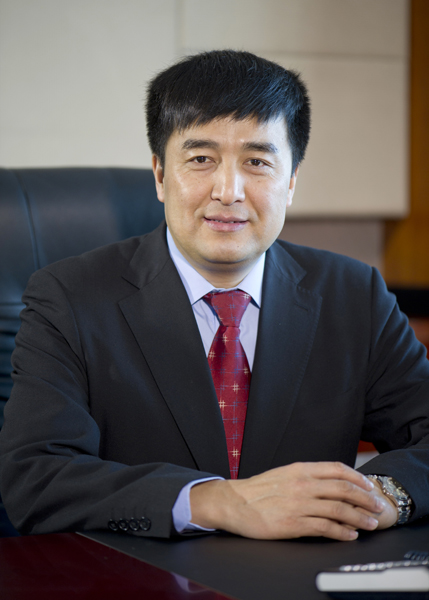
Liangzhong Yao is a Professor and Director of the Smart Grid Research Institute at Wuhan University, China. He holds dual roles as Fellow of IEEE and IET, and has served in leadership positions such as Vice President of China Electric Power Research Institute (CEPRI) and Chair of IEC TC122. His expertise spans renewable energy grid integration, HVDC systems, smart grid technologies, and energy storage. Yao has led over 25 years of R&D projects with combined funding exceeding GBP 20 million and RMB 90 million, resulting in applied technologies in wind farms and HVDC grids. He has been awarded over 10 national and international accolades, including the IEC 1906 Standard Award and China Science and Technology Innovation Awards. Research focuses include AC-DC hybrid systems, distributed energy resource integration, and high-renewable energy grid operation. He has authored/co-authored 350+ publications, 60+ patents, and 4 books. Yao currently supervises 8 PhD and 10 Master's students, and serves on editorial boards of journals like CSEE Journal of Power Energy & Systems. His leadership roles in global standards bodies like IEC and CIGRE further highlight his contributions to advancing electrical engineering standards and practices.
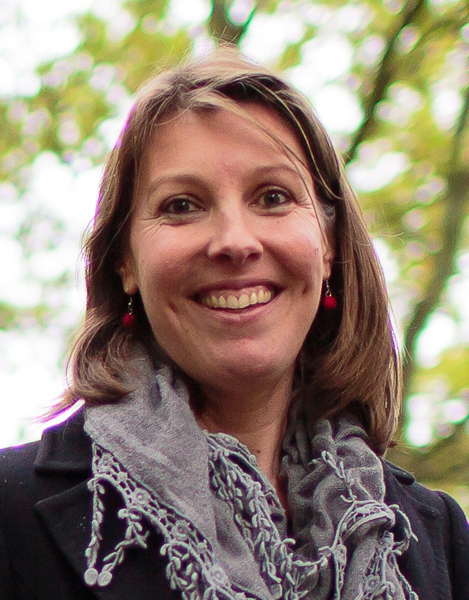
Jia Min Chin is an Associate Professor at the Faculty of Chemistry , affiliated with the Institute of Functional Materials and Catalysis . Her research focuses on advanced materials, particularly Metal-Organic Frameworks (MOFs), Gold nanoparticles, and N-Heterocyclic Carbene (NHC) chemistry, with applications in catalysis, environmental remediation, and sustainable technology. Her scientific work contributes to United Nations Sustainable Development Goals (SDGs) through innovations in functional materials and catalytic systems. Key projects include Breaking the ice – novel energy efficient hybrid de-icing systems and DYNAMOF: Electric Field Assisted Dynamic MOF Alignment , funded by major research grants. She received the prestigious ERC Grant in 2020 for her contributions to materials science. Chin's research spans MOF-based nanocomposites, photonic assemblies, and biomedical applications. Her publications highlight trends in Stimuli-responsive materials (electric/magnetic fields) Green catalytic systems Anti-icing and humidity-sensing coatings Cancer therapy platforms Scientific Awards ERC Grant (2020) She collaborates globally on cutting-edge topics like MOF alignment, nerve agent decomposition, and CO2 reduction, with recent activities including lectures at international conferences and workshops on material structuring.
University of Natural Resources and Life Sciences ViennaAustria
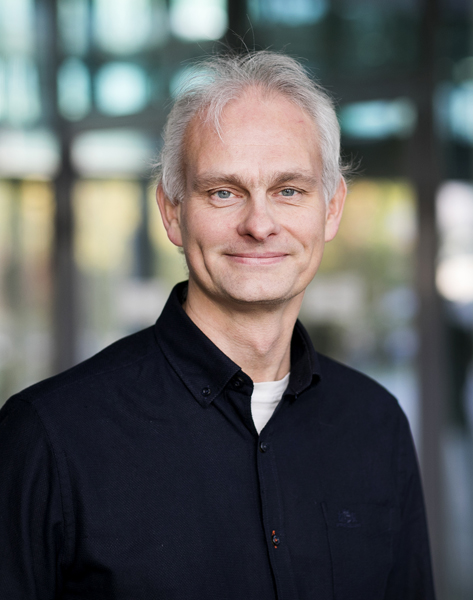
Roland Ludwig is an Associate Professor at the Institute of Food Technology, Department of Food Science and Technology, University of Natural Resources and Life Sciences, Vienna (BOKU). He is also the current Senate Chairman at BOKU, demonstrating strong institutional leadership. His research is centered on enzyme technology, biocatalysis, biosensors, and electrochemistry, with a particular focus on oxidoreductases such as cellobiose dehydrogenase (CDH) and lytic polysaccharide monooxygenases (LPMOs), which are crucial in biomass degradation and bioenergy applications. His research interests span food biotechnology, enzyme technology, biocatalysis, biosensors, process engineering, electrochemistry, and nanobiotechnology. He investigates the molecular mechanisms of electron transfer in redox enzymes, their application in biosensors and biofuel cells, and their role in the depolymerization of lignocellulosic biomass. His work integrates biochemical, electrochemical, and structural approaches to understand and engineer enzyme function. The recent publication trends highlight a strong focus on LPMOs and CDHs, with studies on their kinetics, substrate specificity, domain dynamics, electron transfer mechanisms, and engineering for improved stability and activity. These works frequently appear in high-impact journals such as ACS Catalysis and Bioelectrochemistry, reflecting the significance and innovation of his research in biocatalysis and bioelectrochemistry. International DropSens Award for Applied Electroanalytical Chemistry Medal of Honour, Faculty of Food Technology and Biotechnology, University of Zagreb RIZ Genius Award for Innovative Sensor Technology Austrian APART Fellowship INiTS Award 2007 (Life Science) Förderpreis der Österreichischen Gesellschaft für Biotechnologie Roland Ludwig actively supervises students and leads multiple externally funded research projects from FWF and EU, including grants focused on electron transfer in oxidoreductases and the kinetic analysis of oxidative biomass-degrading enzymes. He collaborates with international research groups and is a frequent speaker at major scientific conferences. His research contributes to sustainable bioprocesses, green chemistry, and the development of novel bio-based technologies. He is involved in research teams and collaborative projects such as the FWF-funded Doktoratskolleg "Biomolecular Technology of Proteins" and participates in interdisciplinary initiatives bridging food technology, biotechnology, and materials science. His lab focuses on enzyme characterization, protein engineering, and the development of bioelectrochemical devices.
Annemie Bogaerts is a Full Professor at the University of Antwerp since 2014 and head of the PLASMANT research group , which she established independently after her supervisor's retirement. The group now has 37 members including 2 professors, 15 postdocs, 18 PhD students, and 2 technical coworkers. Academic Career: Lecturer (2004-2007), Senior Lecturer (2008-2011), Francqui Distinguished Research Professor (2013-2016), Full Professor (2012-now) Current Leadership Roles: Chair of Department of Chemistry, Head of PLASMANT group Research Focus : Computer modeling of plasmas, plasma-surface interactions, plasma catalysis for CO 2 conversion into value-added chemicals. Her work combines experimental and computational approaches to develop sustainable plasma-based chemical processes. Scientific Achievements : Over 400 peer-reviewed publications (H-index 52 in Web of Science, 64 in Google Scholar) 11,000+ citations (16,000+ in Google Scholar) 20+ major scientific awards including: Winter Plasma Award 2009 for laser ablation modeling Lester W. Strock Award 2008 for plasma/surface modeling Academia Europaea member since 2011 Koninklijke Vlaamse Academie member since 2012 Academic Service : Editor of Spectrochimica Acta Part B , guest editor for 10 special issues including 'Plasma & Cancer', Chair of International Symposium on Plasma Chemistry (2015), and active in university governance through multiple commissions.
Prof. Julio Lloret-Fillol is a Group Leader at the Institute of Chemical Research of Catalonia (ICIQ) and an ICREA Research Professor since 2015. His work bridges homogeneous catalysis , material science , and automation to develop sustainable chemical processes and solar fuels. He earned his PhD in 2006 from Universidad de Valencia under Prof. Lahuerta and J. Pérez-Prieto, followed by postdoctoral research at University of Heidelberg (MEyC and Marie Curie Fellowships). Awards: 2024 RSEQ-GEQO Award on Excellence 2023 Fellow of the Royal Society of Chemistry 2022 Ramón Areces Grant 2019 Thieme Chemistry Journals Award 2017 Young Academy of Europe 2015 Young Researcher RSEQ Award Research Interests: Water oxidation catalysis CO₂ reduction to value-added chemicals Artificial photosynthesis Electrocatalytic hydrogen generation Spin-off technologies for green hydrogen and photoreactors Notable Publications: 2024: Angew. Chem. Int. Ed. (electrocatalytic ketones from CO₂) 2024: ACS Catal. (Fe-doped NiO for OER) 2023: ACS Catal. (COF-based cobalt catalysts) 2022: JACS (OER mechanism with cobalt complexes) 2022: Angew. Chem. Int. Ed. (chloroalkane activation) Spin-offs: Treellum Technologies (photoreactors) JOLT Solutions (electrodes for hydrogen production)
University of Natural Resources and Life Sciences ViennaAustria
Nikolaus Müllner is a researcher at the Institute of Safety and Risk Sciences at the University of Natural Resources and Life Sciences, Vienna (BOKU). His work centers on nuclear safety, reactor technology, risk assessment, and thermal-hydraulic modeling, particularly for VVER-type reactors. He actively contributes to international nuclear safety discourse through conferences and peer review. His research interests include nuclear reactor safety, severe accident analysis, licensing of small modular reactors, best estimate plus uncertainty (BEPU) methods, and environmental impact assessments in nuclear contexts. He applies simulation tools like RELAP5, MELCOR, and SCDAPSIM to analyze accident scenarios and validate safety systems. His expertise spans both technical and policy aspects of nuclear energy. Müllner has delivered numerous lectures at international conferences such as NURETH, ICONE, and IAEA events, focusing on topics like core damage frequency, station blackout scenarios, and aging management. His recent publications reflect a trend toward integrating technical safety analysis with regulatory and societal considerations, particularly in European contexts. He has served as a reviewer for journals including Energy Strategy Reviews , Progress in Nuclear Energy , and International Journal of Disaster Risk Reduction , contributing to the scientific quality of research in energy and risk domains. Supervision and Community Engagement: Supervised master’s theses on topics such as small modular reactor safety, RELAP5 modeling, and environmental aspects of nuclear licensing. Active in international research networks like INRAG (International Nuclear Risk Assessment Group). Engaged in public knowledge transfer through lectures and media contributions on nuclear policy and safety. Laboratories and Research Groups: While not explicitly tied to a specific lab, his work is closely associated with nuclear simulation and risk assessment frameworks, likely involving collaboration with experimental facilities such as the PSB-VVER test facility. His research is conducted within the interdisciplinary environment of BOKU’s Safety and Risk Sciences department.
Jan van Hest is a Full Professor of Bio-organic Chemistry at Eindhoven University of Technology (since 2016), concurrently affiliated with the Department of Chemical Engineering & Chemistry and Biomedical Engineering. Previously, he held a Full Professorship at Radboud University (1999-2016). He leads the Institute for Complex Molecular Systems (ICMS) as Scientific Director since 2017, focusing on nanomedicine and artificial cell research. His work integrates polymer science and protein engineering to create smart biomaterials for medical applications like cancer treatment and immunology. Education: PhD in Macro-Organic Chemistry (Eindhoven University of Technology, 1996) Postdoc at University of Massachusetts (1996-1997) under Prof. D.A. Tirrell Research Interests: Design of biohybrid systems, synthetic vaccines, adaptive nanomaterials, and artificial organelles. Van Hest has secured major grants including the ERC Advanced Grant (2016), VICI grant (2010), and two 10-year Gravitation Programmes (Functional Molecular Systems (2012) and Interactive Polymer Materials (2022)). He is a Spinoza Award recipient (2020), the Netherlands' highest scientific honor, and a member of the Royal Netherlands Academy of Arts and Sciences (2019). He co-founded start-ups Encapson, FutureChemistry, Noviosense, and Noviotech. His lab develops life-like compartments for drug delivery and synthetic biology, emphasizing biomimetic approaches to address challenges in nanomedicine and regenerative medicine.
Angela Hofmann is a Senior Lecturer and Professor of Process Engineering at the Management Center Innsbruck, part of the University of Innsbruck. She leads the Josef Ressel Center for the production of powdered activated carbon from municipal residues and serves on strategic boards for renewable energy in Tyrol. Her roles span academia, research, and industry collaboration, focusing on sustainable energy systems and biomass valorization. Dr. Hofmann holds a Dr. techn. in Process Engineering from the Technical University of Vienna (2018) and advanced qualifications in project management, mediation, and environmental technology. Her teaching emphasizes process engineering, renewable energy systems, and synthetic biofuels. Her research centers on thermochemical biomass conversion, gasification technologies, activated carbon production from waste, and circular economy applications. Notable projects include the PowerBox gasification system, Tirol 2050 energy scenarios, and investigations into biochar properties and wastewater treatment applications. Dr. Hofmann has supervised over 40 theses and contributed to peer-reviewed journals and conferences. She actively participates in professional societies, including the German association of higher education and the International Energy Agency (IEA).
University of Natural Resources and Life Sciences ViennaAustria
Markus Drapalik is a researcher at the Institute for Safety and Risk Sciences within the Department of Landscape, Water and Infrastructure at the University of Natural Resources and Life Sciences, Vienna (BOKU). His work spans risk research, renewable energy systems, radiation protection, and technology assessment, with a strong focus on wind energy safety, particularly ice throw phenomena. He holds a doctoral degree in Natural Resources and Life Sciences and previously pursued physics doctorate studies at the University of Vienna. His research interests include risk assessment in renewable energy, particularly urban small wind turbines, photovoltaics, biogas, and nuclear safety. He has led multiple research projects on ice throw simulation, risk analysis of small wind turbines, and safety considerations for small modular reactors. His work integrates experimental physics, engineering modeling, and policy-relevant technology assessment. His recent publications reflect a strong trend in renewable energy risk mitigation, especially concerning wind turbine icing, alongside contributions to nuclear safety standards and advanced materials assessment. These works appear in journals related to cold regions science, sustainable energy, and safety research, demonstrating interdisciplinary engagement. Scientific awards: No specific awards listed in the provided text. Advising and Grants: Markus Drapalik has supervised numerous master’s theses on topics including wind turbine recycling, seasonal energy storage, and photovoltaic applications. He has been involved in multiple externally funded research projects, supported by entities such as FFG, EU, and the Austrian Federal Environment Agency, often serving as project leader or key contributor in areas of energy risk and safety. Labs and Teams: He is a core member of the research team at the Institute for Safety and Risk Sciences at BOKU, collaborating with colleagues such as Friederike Frieß, Nikolaus Müllner, and Christian Gepp. He has co-organized the Vienna Nuclear Symposium series and contributed to EU-level foresight projects on security scenarios and disaster management.
Javier Mateos is an Assistant Professor in the Department of Organic Chemistry at the Faculty of Chemistry. His research focuses on photochemistry, catalytic methodologies, and the development of sustainable synthetic strategies. He specializes in light-driven reactions, heterogeneous catalysis, and microfluidic technologies for chemical synthesis. His work emphasizes the design of novel photocatalysts, such as naphthochromenones, and explores reaction mechanisms under varying light conditions and steric factors. Education: Holds BSc, MSc, and PhD degrees in Chemistry (specific institutions not detailed in text). His academic background supports his expertise in organic synthesis and catalysis. Research interests include: Light-mediated organic reactions Asymmetric catalysis and fluorine chemistry Green chemistry and sustainable synthesis Microfluidic reactor applications Reaction mechanism studies His publications highlight contributions to nitrate reduction chemistry, heterogeneous catalyst design (e.g., halloysite nanotubes), and the development of bimodal photocatalysts. He has pioneered studies on aryldiazonium chemistry safety improvements and the synthesis of complex heterocyclic compounds. Labs/Teams: Active in research groups dedicated to light-driven synthesis and photocatalyst innovation, though specific lab names are not mentioned.
Signe Kjelstrup is a Full Professor at the Department of Chemistry, Norwegian University of Science and Technology (NTNU), and holds a part-time professorship at TU Delft. She has held visiting positions at the University of Barcelona, University of Kyoto, University of Leiden, and Medical College of Ohio. Her career includes roles as Assistant Professor at the University of Rochester and NTNU. Her research focuses on non-equilibrium thermodynamics , energy optimization , and transport phenomena . Key areas include: Heat and mass transfer in biological, chemical, and energy systems Molecular dynamics simulations of ion pumps and membrane transport Thermodynamic efficiency in industrial processes and renewable energy Interfacial phenomena and phase equilibria Recent publications (2011-2012) emphasize molecular-scale thermodynamics , with applications in hydrogen purification, clathrate hydrates for energy storage, and biological ion pumps. Work frequently combines theoretical modeling with molecular simulations to analyze energy conversion and transport. Awards and honors: Nansen Foundation Award (1980) Honorary professorships in China, Japan, and Spain Major grants from Research Council of Norway Memberships in Norwegian Academy of Technology, Royal Norwegian Society of Science, and Norwegian Academy of Sciences She leads research on non-equilibrium thermodynamics at NTNU and collaborates internationally on projects involving sustainable energy and membrane technology.
Prof. Nguyen Thanh Thi Kim is a Full Professor in Nanomaterials and Vice Dean for Innovation and Enterprise at UCL's Faculty of Mathematical & Physical Sciences. She leads research on magnetic/plasmonic nanomaterials for biomedical applications such as MRI contrast agents, cancer therapy, and drug delivery systems. Her work emphasizes scalable synthesis and functionalization of nanoparticles, with a focus on clinical translation. Positions: 2021–Present: Vice Dean for Innovation & Enterprise, UCL 2013–Present: Professor in Nanomaterials, UCL Department of Physics & Astronomy Research Focus: Cutting-edge synthesis of nanoparticles (e.g., iron oxides, gold nanorods) for diagnostics (MRI), therapeutics (hyperthermia, drug delivery), and environmental applications. Key areas include: Biomedical nanomaterials functionalization Magnetic nanoparticle heating mechanisms Continuous-flow manufacturing of nanoparticles Awards: 2023 IUPAC Distinguished Women Award 2023 SCI/RSC Graham Prize 2019 Royal Society Rosalind Franklin Medal 2014 Founder of Vietnam Young Academy Editorial Roles: Editor-in-Chief of Royal Society of Chemistry's Nanoscience & Nanotechnology series, and Associate Editor of Nanoscale . She has edited 7 theme issues and authored/co-authored 2 seminal books on magnetic nanoparticles. Impact: Over 168 publications, 19,743 citations, and 100+ patents/patent applications. Her research bridges academia and industry, notably advancing MRI contrast agents and hyperthermia treatments.
University of Natural Resources and Life Sciences ViennaAustria
Werner Fuchs is an Associate Professor at the Institute of Environmental Biotechnology, Department of Agricultural Sciences, University of Natural Resources and Life Sciences, Vienna (BOKU). He is based in Tulln an der Donau and is actively engaged in research and teaching in environmental biotechnology, with a focus on wastewater treatment, biogas, and resource recovery. His research interests center on sustainable environmental technologies, particularly anaerobic digestion, nutrient and energy recovery from waste streams, membrane bioreactor systems (including the MESH filtration process), syngas fermentation, biohydrogen production, and CO₂ sequestration using enzymatic methods. His work bridges fundamental microbiology with applied engineering for circular economy solutions. The recent publications highlight a strong trend toward innovative bioconversion processes, including electro-fermentation, microbial electrolysis cells, artificial microbial consortia, and trickle-bed bioreactors for gas fermentation. These works reflect an interdisciplinary approach combining biotechnology, chemical engineering, and environmental science to address climate change and resource scarcity. Dr. Fuchs has led and participated in numerous research projects funded by the EU (e.g., ManureEcoMine, FABbiogas), FFG, and industry partners, focusing on biogas innovation, nutrient recovery, and waste valorization. He has supervised multiple master’s and doctoral theses, contributing to academic training in the field. He is actively involved in knowledge transfer, having authored popular science articles, technical reports, and delivered lectures at national and international conferences on topics such as biogas technology, digestate treatment, and membrane applications in water and wastewater management.
David Fernandez Rivas is Professor at the University of Twente , Faculty of Science and Technology, within the Mesoscale Chemical Systems Group . Since 2017 he is also a Research Affiliate at the MIT Department of Mechanical Engineering and a Visiting Professor in the Dermatology Department of Erasmus MC, Rotterdam. His work bridges physics, chemical engineering and biomedicine. Education BSc & MSc in Nuclear Engineering (2004, 2006) – Higher Institute of Science and Technology, Havana, Cuba PhD (2012) – University of Twente, Netherlands Research Interests David’s core expertise lies at the intersection of microfluidics and cavitation phenomena . He exploits controlled bubble collapse to achieve needle-free injection , process intensification , water treatment , and solar-to-fuel conversion . His ERC-funded BuBble Gun project aims for painless, cost-effective drug delivery, while spin-offs BuBclean and FlowBeams commercialize ultrasonic cleaning and ink-delivery technologies. Scientific Awards & Recognition European Research Council Starting Grant 2019 (€1.5 M) NWO VIDI Grant 2023 NWO Stairways to Impact Award 2021 KIVI Prince Friso Engineer of the Year 2021 KHMW Pieter Langerhuizen Fonds Prize 2016 Elected member, Global Young Academy (2020) & Young Academy of Europe Advising & Grants David has successfully transferred research into society via two start-ups and several European consortia. He co-chairs the COST Action Greenering and mentors numerous PhD and master students within the TechMed Centre and MESA+ Institute at Twente. Labs & Teams He leads the BuBble Gun research team and collaborates closely with the Mesoscale Chemical Systems laboratory, MIT Bioinstrumentation lab, and Erasmus MC Dermatology department.
Harald Raupenstrauch serves as Professor and Chair of the Department of Thermal Processing Technology, maintaining an active research profile with over 340 publications and theses. His work bridges fundamental thermal engineering with industrial applications in metallurgy and waste management systems. His research spans thermal processing, pyrometallurgy, waste management, and recycling technologies. Key focus areas include landfill fire prevention, slag treatment for metal recovery, lithium-ion battery recycling, and risk communication in environmental disasters. He develops computational models for metallurgical systems while addressing sustainability challenges in industrial processes. Recent publications (2024-2025) demonstrate a clear trajectory toward sustainable resource recovery, with emphasis on phosphide formation in slag treatment, battery recycling via the InduRed reactor, and thermo-mechanical modeling of converters. His work consistently integrates environmental risk mitigation with metallurgical innovation, particularly in Balkan waste management contexts. No scientific awards are documented in the provided materials. Dr. Raupenstrauch has supervised 146 academic works, indicating substantial mentorship activity. His international collaborations—evidenced by activities at institutions like the Technical University of Crete—and high publication output suggest robust grant funding for thermal processing research despite specific grants not being detailed. As Department Chair, he leads research on the InduRed reactor for battery recycling and thermo-mechanical modeling of metallurgical systems. His team maintains active international partnerships, including recent work with Serbian researchers on landfill fire mitigation and ongoing projects at Greek academic institutions.