Jerik Mathew Valera Lauridsen is a Postdoc researcher at the Department of Chemistry, Faculty of Science, University of Copenhagen, located at Universitetsparken 5, 2100 København Ø. He can be contacted at +4535324207 or jerik@chem.ku.dk. His research program centers on carbon dioxide chemistry and sustainable synthesis, with particular expertise in: CO2 reactivity and utilization mechanisms Green chemical processes using CO2 as reagent Organic transformations mediated by carbon dioxide Heterocyclic compound synthesis Development of carbon capture technologies Dr. Lauridsen's publication record demonstrates significant contributions to sustainable chemistry, with his 2025 Chemical Society Reviews article representing a major synthesis of CO2 reactivity principles. His work consistently bridges fundamental chemical understanding with practical environmental applications, particularly in transforming CO2 from waste product to valuable chemical feedstock. With six research outputs between 2020-2025 including a comprehensive PhD thesis, he has established productive collaborations, particularly with J.-W. Lee. His publications have gained substantial recognition, with multiple papers accumulating citations in Scopus and attention on academic networking platforms like Mendeley and X.
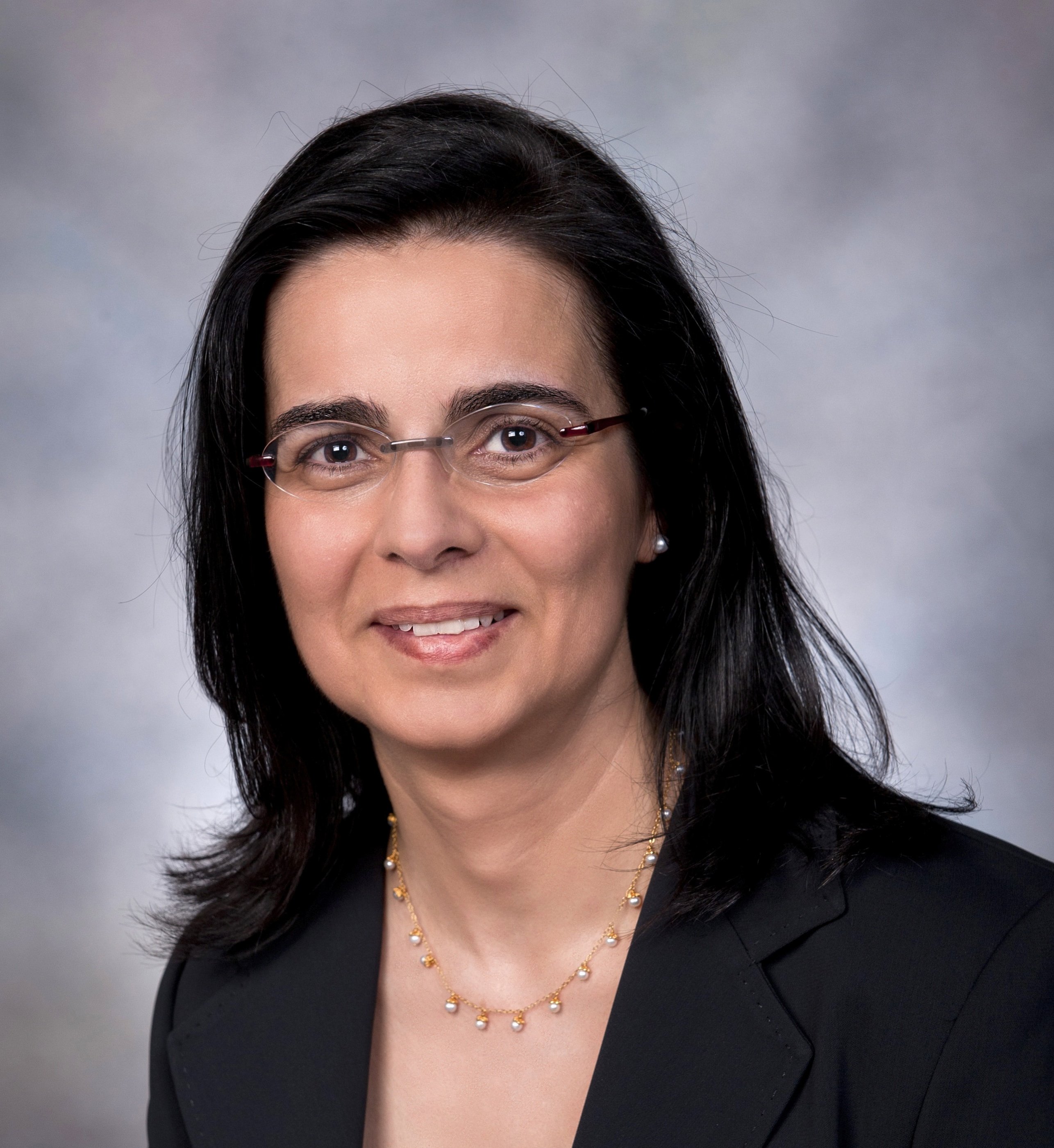
Lydia E. Kavraki is the Noah Harding Professor of Computer Science and Professor of Bioengineering, Electrical and Computer Engineering, and Mechanical Engineering at Rice University . As Director of the Ken Kennedy Institute , she leads initiatives in AI, data science, and computing across seven schools and 27 departments. B.A., University of Crete (1989) Ph.D., Stanford University (1994) Her research bridges robotics , AI , and computational biomedicine . In robotics, she pioneered sampling-based motion planning (OMPL library) and recently developed microsecond-level planning frameworks. In biomedicine, her work focuses on peptide-HLA interactions , personalized immunotherapy , and drug metabolite prediction , with tools like APE-Gen and DINC. Recent publication trends highlight her interdisciplinary work: 2022 PNAS Nexus study on HLA charge interactions , 2020 Frontiers in Immunology work on TCR cross-reactivity , and 2017 structural modeling of immune checkpoints. Themes include structure-based drug discovery , AI-driven motion planning , and ethical AI considerations . Scientific honors include: IEEE Frances E. Allen Medal (2023) ACM-AAAI Allen Newell Award (2020) ACM Athena Lecturer (2017) Three National Academy memberships (NAS/NAE/NAM) NSF CAREER, Sloan Fellowship, Whitaker Investigator Kavraki actively mentors students and postdocs, with over 40 alumni in academia and industry. Her Ken Kennedy Institute leadership spans AI in Health Conference organization and industry partnerships .
Dr. Iva Manasi is a Senior Research Fellow at the School of Physics, University of Bristol , specializing in quantum and soft matter systems with a focus on deep eutectic solvents (DES) and nanomaterial synthesis. Her work bridges materials science, physical chemistry, and sustainable chemistry. BSc Hons, BA, MSci, MSc, PhD in Physics and related disciplines Active in Nanotechnology , Green Chemistry , and Colloid Science Published extensively on DES applications in nanoparticle synthesis, surfactant self-assembly, and solvent nanostructure Her research explores how DES modify chemical reactivity, micelle formation, and material morphology. Recent work includes gold nanoparticle synthesis , chiral solvent analysis , and plant stress responses to eutectic solvents. She contributes to open-access datasets for materials science studies. Key collaborations span neutron/X-ray reflectivity analysis and food science applications like molten chocolate rheology . Her 15 most recent publications (2012-2025) demonstrate expertise in solvent engineering, nanostructure characterization, and biomaterial interactions.
Jean-François Lutz is a Research Professor and Director of the Institute for Supramolecular Science and Engineering (ISIS) at the University of Strasbourg since January 2024. He also directs the Laboratory of Informational Macromolecule Chemistry (LCIM) and leads the Chemistry of Informational Macromolecules research team at ISIS. His academic journey includes: PhD in Chemistry from the University of Montpellier Postdoctoral fellowship at Carnegie Mellon University under Professor Krzysztof Matyjaszewski Research position at Fraunhofer-Gesellschaft in Potsdam, Germany (2003-2010) Research Director at CNRS since 2010 Leader of the Precision Macromolecular Chemistry team at the Charles Sadron Institute (2010-2022) Editor-in-Chief of Progress in Polymer Science since January 2021 Lutz's research focuses on macromolecular chemistry, particularly sequence-controlled polymers. His recent work centers on developing synthetic polymers for digital information storage and exploring their applications in xenobiology. His innovative approaches have positioned him at the forefront of molecular information science, bridging traditional polymer chemistry with cutting-edge data storage technologies and synthetic biology. His publication portfolio reflects a strong emphasis on molecular information storage systems, with trends showing increasing focus on practical applications and integration with biological systems. Recent works explore the intersection of synthetic polymers with digital technologies, demonstrating potential for revolutionary data storage solutions that could surpass current limitations of electronic and biological storage media. Among his notable recognitions: 2024 Langevin Prize from the French Academy of Sciences 2024 GFP-Academic Innovation Prize CNRS Silver Medal (2018) Multiple ERC awards including an ERC Laureate (2010) Consistently ranked as a Highly Cited Researcher since 2015 Lutz has successfully mentored numerous graduate students and postdoctoral researchers, fostering the next generation of polymer scientists. His research has attracted significant grant funding from European and national agencies, supporting his ambitious work in molecular information science. His laboratory at ISIS serves as a hub for interdisciplinary collaboration, bringing together chemists, materials scientists, and engineers to tackle fundamental challenges in macromolecular design and application. The Chemistry of Informational Macromolecules team operates within state-of-the-art facilities at ISIS, with specialized equipment for polymer synthesis, characterization, and information encoding/decoding. The team collaborates extensively with researchers across Europe and maintains strong industry partnerships to explore commercial applications of their discoveries.
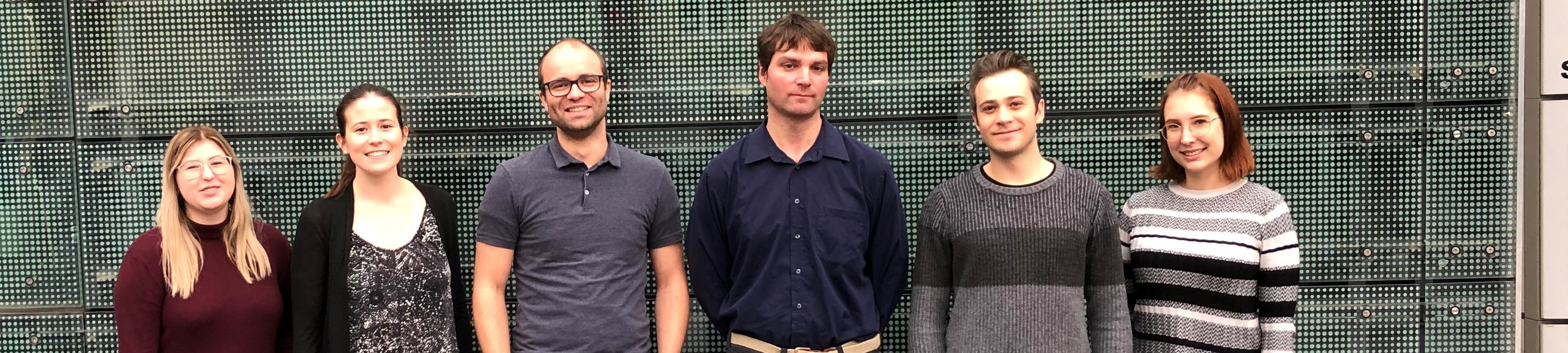
Dr. Michael Haas is an Assistant Professor at the Department of Inorganic Chemistry, College of Engineering, Technical University Graz. His research focuses on synthetic inorganic chemistry and materials manufacturing for solar energy, catalysis, and photochemistry applications. Education: PhD in Technical Chemistry (2015), Habilitation in Photoactive Derivatives (2023) Key Skills: Group 14 Chemistry, Electrochemistry, Photochemistry, Spectroscopy Research interests include: Synthesis of novel low-valent Group 14 compounds Design of acyl Group 14 photoinitiators Development of bottom-up approaches for material synthesis Recent publications highlight advancements in: Germanium-based photoinitiators for biomedical applications Single-source precursors for silicon-carbon hybrid films Heavier carbon homologue aldol reactions Collaborative projects with physical and analytical chemistry groups Scientific awards include the FWF-Schrödinger Fellowship. Current students include Thomas Lainer, Nilanjana Sen, Madeleine Heurix, and others working on photoinitiator systems and material synthesis. The Haas group utilizes advanced equipment like 400 MHz NMR spectrometers, gloveboxes for inert environments, and custom photochemical reactors. They collaborate with Prof. Trimmel (semiconductor physics), Prof. Kothleitner (microscopy analysis), and Air Liquide (Christian Doppler Laboratory project).
Laurence Feray is a Professor at Aix-Marseille Université, affiliated with the School of Chemistry and part of the Molecular Organic Chemistry team (CMO). Her research focuses on radical chemistry methodologies and organometallic chemistry, particularly exploring ynamide reactivity and organic photocatalysts. Equipe Chimie Moléculaire Organique (CMO) Director, École Doctorale des Sciences Chimiques (ED250) Research Interests: • Radical chemistry methodologies development • Organometallic chemistry applications • Reactivity of ynamides in radical processes • Synthesis of α-sulfonyl amides and persubstituted aminofurans Recent Trends: Recent publications highlight her work on UV light-promoted synthesis using ynamides, stereoselective radical additions, and iron/copper-mediated carbozincation reactions. Her research emphasizes regioselectivity, stereoselectivity, and development of novel organic synthesis pathways.
Yohann Guillaneuf is a 1st Class Research Fellow at CNRS , affiliated with the Organic Radical Chemistry and Specialty Polymers Team (CROPS) at Aix-Marseille Université (AMU) . His work is centered on the design and synthesis of advanced polymers with targeted applications in health, energy, environment, and electronics , using radical polymerization and nitroxide-mediated processes . Research Focus: Radical Ring-Opening Polymerization for degradable vinyl polymers Nitroxide-Mediated Polymerization for precision control and surface grafting Antibacterial and anti-adhesive biomaterials for medical devices 3D/4D printing resins with degradable and functional properties Thionolactone-based comonomers for tunable degradation and functionalization His recent publications (2024–2025) showcase a strong trajectory in degradable thermosets , antibacterial polyurethane biomaterials , thionolactone copolymerization , and photopolymerization techniques for micro- and macro-scale 3D printing. These works reflect a convergence of macromolecular design , mechanistic polymer chemistry , and applied materials science . Contact: 📧 yohann.guillaneuf@univ-amu.fr 📞 +33 4 13 94 57 80
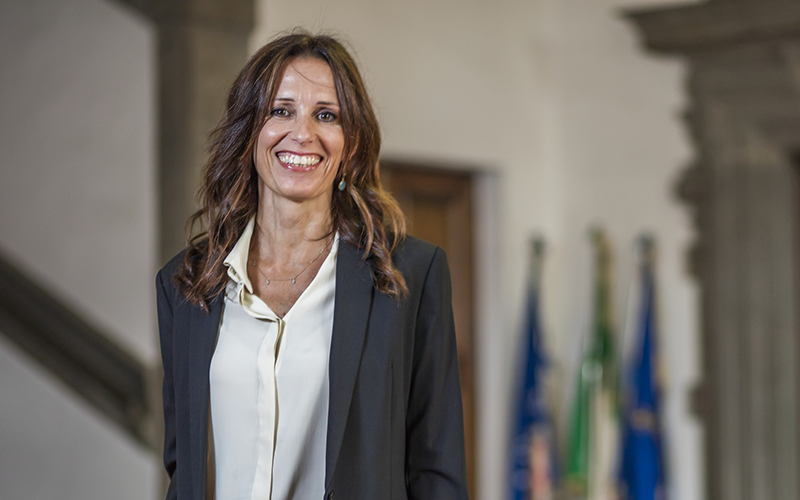
Professor Chiara Galletti is a full professor of Principles of Chemical Engineering at the University of Pisa, where she serves in the Department of Civil and Industrial Engineering within the School of Engineering. She holds several important institutional roles including being a member of the Department's Board of Directors, the department's Job Placement coordinator, and the Delegate for Business Relations at the University of Pisa. Professor Galletti also directs the "Computational Fluid Dynamics for Reactive and Multiphase Flows" laboratory. Professor Galletti earned her honors degree in Chemical Engineering from the University of Pisa in 2001 and completed her PhD in Chemical and Materials Engineering from the same institution in 2005. She furthered her academic experience with a Visiting Research Associate position at King's College London from 2002 to 2005 and a Visiting Scholar role at the University of California, San Diego, in 2012. Her academic career progressed from trainee researcher at the University of Pisa in 2005 to full-time researcher in 2008, associate professor in 2016, and full professor since 2023. Professor Galletti's research focuses on the fluid dynamics of equipment in process and energy industries, with particular emphasis on design and optimization using computational and experimental fluid dynamics techniques. Her work explores innovative combustion technologies for ecological transition through sustainable fuels, especially in hard-to-abate industrial sectors, and process intensification using flow reactors including microfluidic systems. Her expertise spans hydrogen and ammonia combustion technologies, pollutant formation and control, and microfluidic applications in chemical engineering. Analysis of Professor Galletti's recent publications reveals a strong focus on decarbonization technologies, particularly hydrogen and ammonia combustion systems for industrial applications. Her work addresses critical challenges in the energy transition, including NOx emissions control, flashback phenomena in hydrogen combustion, and the development of sustainable fuel alternatives. There is also a consistent thread of microfluidic research examining droplet formation, nanoparticle production, and reaction yield optimization in various microreactor configurations. Professor Galletti has demonstrated exceptional commitment to education and mentorship, having supervised over 110 master's theses across chemical, energy, and aerospace engineering disciplines, as well as 11 doctoral theses. Her teaching primarily focuses on computational fluid dynamics, chemical reaction engineering, pollutant formation and control in combustion, and process intensification in chemical engineering within master's degree programs. As director of the "Computational Fluid Dynamics for Reactive and Multiphase Flows" laboratory, Professor Galletti leads a research team that bridges computational modeling with experimental validation. Her laboratory work supports collaborations with leading companies in the process and energy industries, and she serves as the scientific director for these industrial partnerships. The laboratory's research spans from fundamental fluid dynamics to applied industrial solutions for the energy transition.
Nicholas Hud , a Regents' Professor at the Georgia Institute of Technology , is a leading researcher in the School of Chemistry and Biochemistry . His work explores the chemical and physical principles underlying nucleic acid assembly, with implications for understanding life's origin, evolution, and applications in biotechnology. B.S., Loyola Marymount University (1986) Ph.D., University of California, Davis (1992) Postdoctoral Fellow, Lawrence Livermore National Lab (1992–1995) NIH Postdoctoral Fellow, UCLA (1995–1999) His research focuses on the origin of nucleic acids , nonenzymatic replication , and prebiotic chemical evolution . Key areas include: Chemical pathways for RNA/DNA formation Interactions of cations/solvents with nucleic acids Supramolecular assembly mechanisms Environmental factors in molecular evolution Recent publications highlight his exploration of viscous solvents , noncanonical nucleobases , and depsipeptide systems that model early life chemistry. These studies emphasize the role of physical forces (e.g., hydration cycles, redox switching) in driving molecular self-organization and replication. Notable awards include: Best Georgia Tech Faculty Research Paper (2001) Research Corporation Innovation Award (2000) His lab investigates molecular mutualism, condensation processes, and the co-evolution of proto-polymers , contributing to both foundational knowledge and practical applications in diagnostics (e.g., SalivaSTAT for SARS-CoV-2 surveillance).
Dr hab. inż. Agnieszka Kącka-Zych is a Lecturer at the Department of Organic Chemistry and Technology (C-2) within the Faculty of Chemical Engineering and Technology at Cracow University of Technology . She holds a PhD, DSc, and Engineer degree in Chemical Sciences from the University of Lodz (2025) and Cracow University of Technology (2018), where she completed her Eng. (2013) and MSc Eng. in Light Organic Technology (2014). Education : Eng. in Renewable Energy Sources Engineering (2013) MSc Eng. in Light Organic Technology (2014) Dr. Eng. in Chemistry (2018) PhD, DSc in Chemical Sciences (2025) Her research focuses on theoretical and experimental organic reaction mechanisms , particularly cycloaddition reactions involving conjugated nitroalkenes, nitronates, and related systems. She applies Molecular Electron Density Theory (MEDT) and Density Functional Theory (DFT) to investigate regioselectivity, stereoselectivity, and environmental sustainability in organic synthesis. Recent work includes green synthesis protocols, CO₂ utilization, and pharmaceutical applications of nitrocompounds. International Experience : Maria Curie-Skłodowska University (Poland, 2012) Universidad Andrés Bello (Chile, 2020) Universidad de Valencia (Spain, 2016, 2019) She teaches Organic Chemistry and specialized topics like Nitrogen Compounds and Ionic Liquids in laboratory settings for both Biomedical Engineering and Organic Technology programs. A key project is her 2018-2019 Polish grant C-2/493/2018/DS-M on environmentally friendly synthesis of bioactive nitrocompounds.
Karolina Kula serves as a Lecturer at the Department of Organic Chemistry and Technology within the Faculty of Chemical Engineering and Technology at Tadeusz Kościuszko Cracow University of Technology. Her academic career is deeply rooted at this institution where she completed all her degrees. Eng. (Bachelor of Engineering) in Light Organic Technology, 2015 MSc Eng. (Master of Science in Engineering) in Light Organic Technology, 2016 Dr. Eng. (Doctor of Engineering) in Organic Chemistry, 2019 Her research centers on organic synthesis with emphasis on cycloaddition reactions of nitro-functionalized compounds and quantum-chemical reaction modeling . She employs Molecular Electron Density Theory (MEDT) to investigate reaction mechanisms and stereoselectivity, while expanding into biodegradable materials for sustainable electronics and environmental impact analysis of chemical processes. Her work bridges experimental synthesis with computational validation to advance green chemistry applications. Analysis of her 15 most recent publications (2023-2025) reveals dominant themes in [3+2] and [4+2] cycloadditions involving nitroalkenes and nitrones, consistently integrating DFT calculations with experimental results. She increasingly addresses environmental sustainability through biodegradable substrates and GHG conversion studies, while maintaining strong focus on heterocyclic compound synthesis with pharmaceutical potential. No scientific awards were documented in the provided information. Student advising activities and research grant details were not specified in available materials, though her publication record indicates active collaboration. Laboratory facilities and research team compositions remain unreported in the source texts.
Jialong Li is an Assistant Professor (non-tenure-track) at the Waseda Institute for Advanced Study. His research focuses on dynamic responsibility allocation in human-software collaboration, with applications in autonomous driving, robotics, and adaptive systems. He employs techniques such as discrete controller synthesis and large language models to address runtime environmental changes. Key research themes: human-robot collaboration, self-adaptive software, autonomous systems Technical approaches: Discrete Controller Synthesis, LLM integration, reinforcement learning Recent publications emphasize multimodal human-AI collaboration, prompt engineering for software development, and ethical considerations in adaptive systems. His work bridges theoretical modeling (e.g., requirements analysis, stochastic control) with real-world applications like warehouse robotics and color-blind accessibility tools. While no formal awards are listed, his research has been presented at top conferences in software engineering and autonomous systems.
Seijiro Hosokawa is an Associate Professor in the School of Advanced Science and Engineering at Waseda University, where he has been since 2007. His research focuses on synthetic organic chemistry, particularly the development of remote asymmetric induction reactions and strategies for polyketide and natural product synthesis. He earned his Ph.D. from Nagoya University and an MS from Hokkaido University, both in chemistry-related fields. Education Ph.D., Nagoya University (Agricultural Sciences) MS, Hokkaido University (Chemistry) Hosokawa's work spans total syntheses of complex natural products like borolithochromes , poecillastrin C , and hibarimicinone , emphasizing stereochemical control through Diels-Alder, Mukaiyama aldol, and Corey-Chaykovsky reactions. His methodologies often involve chiral auxiliaries and biomimetic approaches. Recent publications highlight trends in synthetic organic chemistry , including macrolide synthesis , spiroborate formation , and remote asymmetric bromination . These studies frequently employ techniques like HPLC separation, NMR analysis, and computational ECD studies for structural determination. Scientific Awards Thieme Journal Award (2010) Incentive Award of Synthetic Organic Chemistry, Japan (2008) Organic Synthesis Society Planning Award (Sankyo Co., Ltd.) (2003) He is affiliated with major professional societies including the Society of Synthetic Organic Chemistry and Chemical Society of Japan . His contributions extend to collaborative grants and biomimetic strategies for synthesizing marine-derived compounds with therapeutic potential.
Danny Broere is an Associate Professor in the Faculty of Science at Utrecht University, affiliated with the Department of Organic Chemistry and Catalysis . His research focuses on designing and characterizing novel metal complexes for catalytic applications, with emphasis on reaction mechanisms and ligand effects. Research Interests: Dr. Broere investigates fundamental aspects of organometallic chemistry and catalysis. His work spans: Development of dinuclear metal complexes (Cu, Ru, Co, Fe) for hydrogenation/dehydrogenation Ligand design strategies including pincer, naphthyridine, and carbene systems Mechanistic studies of catalytic processes using spectroscopic and structural methods Bio-inspired catalysis and small molecule activation Publication Trends: Recent articles (2022-2025) demonstrate consistent focus on multimetallic systems and catalyst design , with growing emphasis on: Earth-abundant metal catalysts (Cu, Fe) Spectroscopic characterization of electronic structures Stereoselective transformations Reaction mechanism elucidation Awards: No scientific awards mentioned in available sources.
Armando Solar-Lezama is an Associate Professor at the Massachusetts Institute of Technology (MIT) where he leads the Computer Aided Programming Group within CSAIL. His research bridges programming languages, formal methods, and machine learning to advance program synthesis techniques for real-world applications. His primary research focuses on software synthesis with applications spanning high-performance computing, information flow security, and probabilistic programming. He investigates how to automatically generate correct and efficient programs from specifications, with recent work emphasizing neurosymbolic approaches that combine neural networks with symbolic reasoning for complex synthesis tasks. Analysis of his publication trends (2021-2025) reveals a strategic evolution from foundational synthesis algorithms toward practical applications in probabilistic programming and security-critical systems. His work consistently integrates machine learning with formal verification, demonstrating growing emphasis on coarse-to-fine synthesis methods and knowledge compilation techniques for discrete probabilistic models. Award highlights: SIGPLAN Milner Award As leader of MIT's Computer Aided Programming Group, Solar-Lezama mentors graduate researchers and collaborates across institutions. His extensive service as Program Chair for POPL 2025 and committee roles at premier conferences (PLDI, POPL, SPLASH) demonstrates significant community leadership. While specific grant details aren't provided, his sustained publication output in top venues indicates robust funding support. He directs the Computer Aided Programming Group at MIT CSAIL, which develops tools for program synthesis, verification, and analysis. Current projects focus on neurosymbolic programming frameworks, probabilistic program synthesis, and security-aware compilation techniques that integrate information flow control with high-performance computing optimizations.