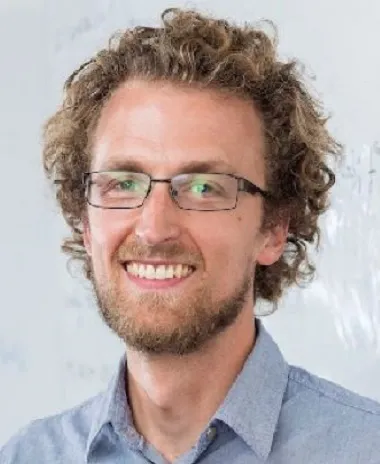
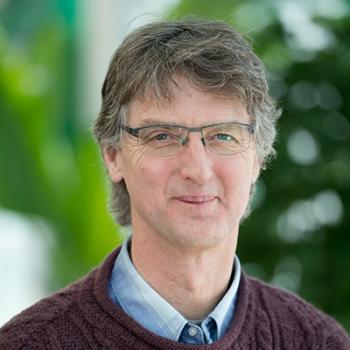
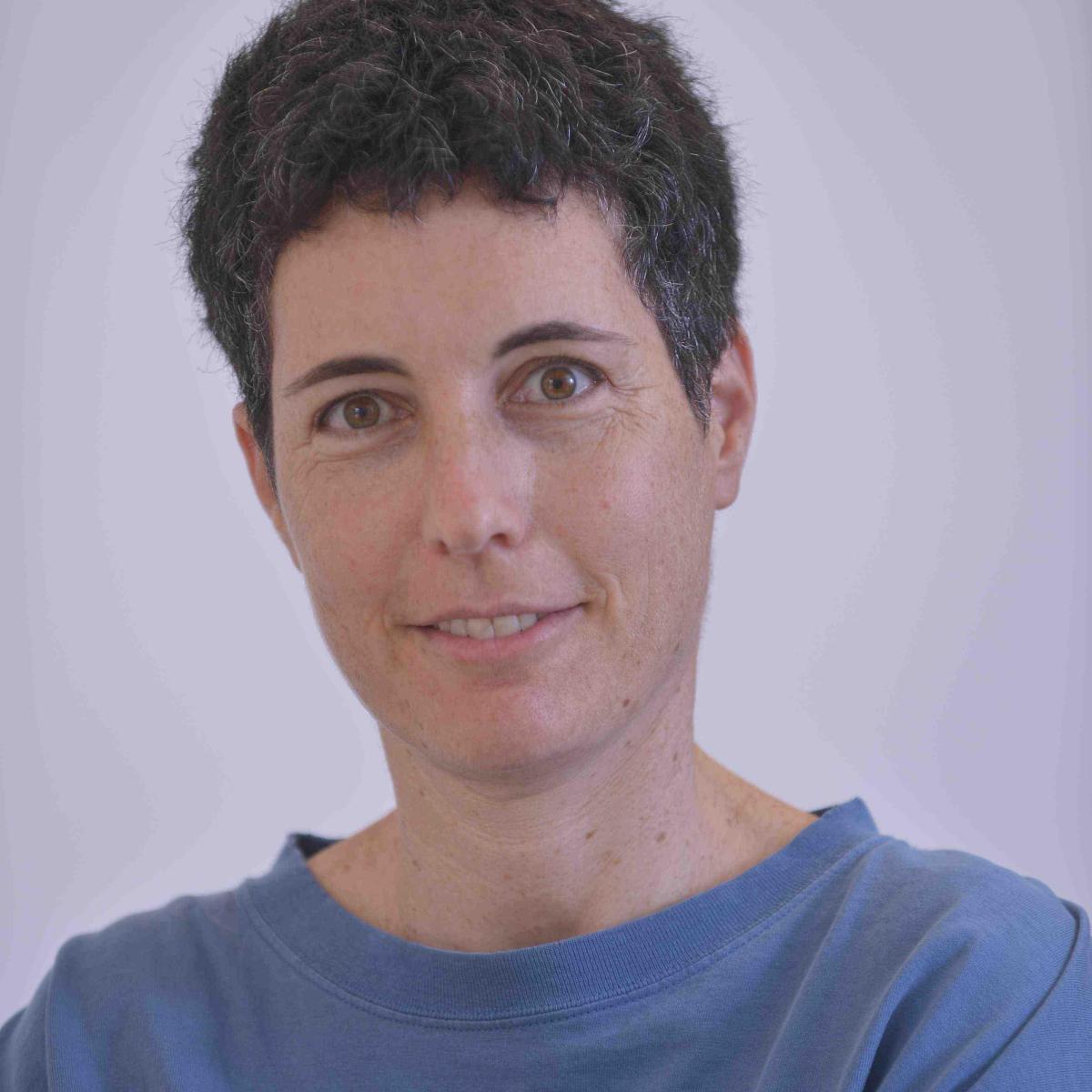
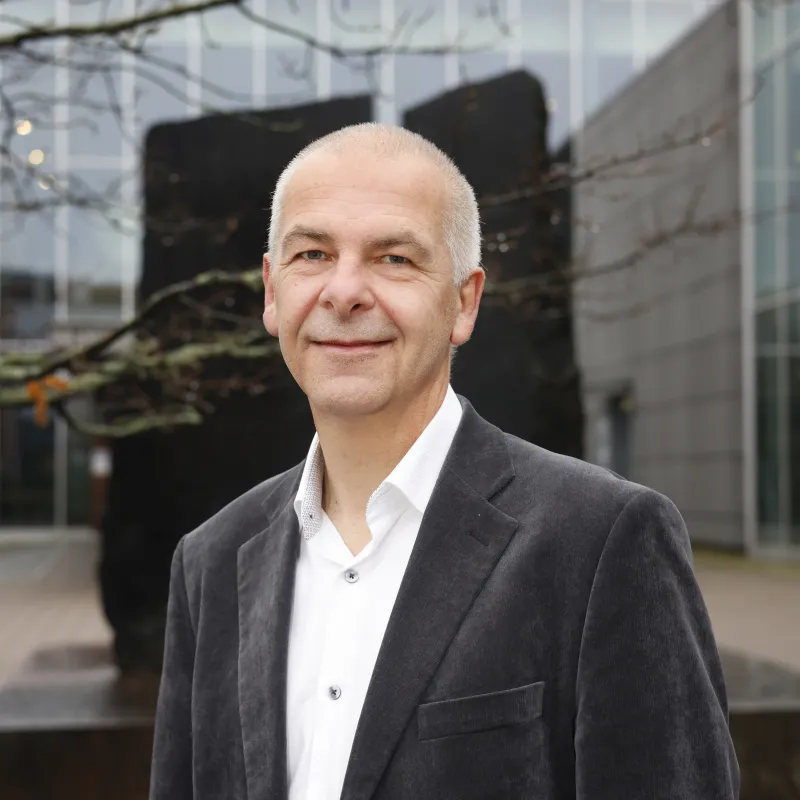
Nils Napp is an Assistant Professor in the School of Electrical and Computer Engineering at Cornell University , where he directs the Napp-lab. He also holds a Visiting Professor appointment at the Cluster of Excellence IntCDC at the University of Stuttgart. His research bridges algorithm design and robotics, focusing on systems that operate in uncertain environments, with applications in autonomous construction, digital agriculture, and design synthesis. His work emphasizes mapping mathematical insights to physical systems, enabling novel robotic behaviors through self-organization, noise management, and distributed reactive strategies. Collaborations with biologists inform his bio-inspired approaches to multi-robot systems. Recent projects include self-assembly of agents and large-scale robotic structures. NSF CAREER award (2019) Best paper awards finalist: RSS10, DARS12, DARS18, RSS18 Students in his lab, such as Andrew and Aaron, have presented at major robotics conferences (ICRA, IROS). His lab recently launched a new website to showcase ongoing work in robotic construction and algorithm robustness.
Dr. Andriy Lyubchyk is an Assistant Professor at the Nanotechnologies and Nanomaterials Department , Universidade Lusofona (Portugal) since 2021. He holds a PhD in Chemical Engineering (2013, Portugal) and an MSc in Physical Chemistry (2007, Ukraine). His career spans roles as Principal Investigator at Universidade NOVA de Lisboa (2016-2019) and Director of Research at SME NANOTECH Ltd (2019-2022). He has coordinated groundbreaking projects like the HUNTER Project (6.4M Euro, 2015-2019) SShare Project (871284, Horizon 2020) CATCHER Project (Horizon Europe, 2022-2026) focused on 'humidity to electricity' conversion technologies. His research bridges Zirconia-based nanomaterials , Surface Science , and Energy Conversion Systems , with over 46 scientific publications and an h-index of 1062. Recent work explores Structural stability of yttria-stabilized zirconia Potential barrier formation in oxide composites Porosity engineering for enhanced energy output Nanostructured materials for biological gas sensors . Dr. Lyubchyk leads international collaborations under Horizon Europe and H2020-MSCA-RISE frameworks, focusing on Net Zero Energy Buildings and Advanced Sensor Technology . His scientific awards include coordination roles in multi-million Euro projects, emphasizing Renewable Energy and Material Innovation .
Philip Brown is an Associate Professor in the Department of Computer Science at the University of Colorado at Colorado Springs. He received his PhD in Electrical and Computer Engineering from the University of California, Santa Barbara in 2018 under the supervision of Jason R. Marden. His research focuses on the intersection of technology and society, utilizing game theory, optimization, and multiagent systems to study incentive mechanisms, cybersecurity, and smart infrastructure. Current Projects: CAREER: Endogenous Information Design for smart transportation networks AFOSR YIP: Robust multiagent coordination with randomized algorithms Deriving satellite maneuver intent via game theory Past Projects: Socially Networked Autonomy: Autonomous vehicle routing COVID-19 Policy Optimization: Localized decision frameworks Value-Based Access Control: Path security mechanisms Dynamic Aviation Routing: Weather-aware path selection Research Areas: Dr. Brown's work spans game theory applications in cyber-social systems, robust network games, and strategic security modeling. He explores how financial/informational incentives shape crowd behavior in smart cities, cybersecurity vulnerabilities from mis-modeled attackers, and the paradoxes of altruism in transportation networks. Publication Trends: His recent articles focus on endogenous Bayesian games for information design, altruism dynamics in congestion games, security modeling for autonomous systems, and pandemic policy analysis. Key subfields include network robustness, incentive mechanisms, and human-machine interaction in infrastructure systems. Scientific Awards: NSF CAREER award (2025) UCCS Outstanding Teacher Award (2024) AFOSR Young Investigator Award (2022) CCDC Best PhD Thesis Award (2018) Best Paper awards at EAI GameNets, IEEE conferences Advising: Dr. Brown has advised 2 PhD graduates (Joshua Seaton & Brandon Collins) and multiple Master's/undergraduate researchers. His lab (DeSCon) investigates decision-making mathematics in infrastructure, epidemiology, and multiagent systems.
Stephen T. Pratt is a Senior Chemist and Argonne Distinguished Fellow at Argonne National Laboratory, where he leads the Fundamental Interactions Theme and the Gas-Phase Chemical Dynamics group in the Chemical Sciences and Engineering division. He joined Argonne in 1982 as a postdoctoral researcher and has since published over 150 journal articles. His work combines laboratory laser experiments with synchrotron-based studies at international facilities like SOLEIL and FERMI. Education: Ph.D., M.Phil., M.S. in Chemistry, Yale University B.A. in Chemistry, Bennington College Pratt's research explores photoionization and photodissociation dynamics in small molecules, focusing on energy transfer mechanisms in energized systems. His investigations include: Absolute photoionization cross sections for reactive radicals Near-threshold phenomena in molecular nitrogen using high-resolution spectroscopy Ultrafast processes studied with vacuum-ultraviolet/X-ray free-electron lasers Systematic behavior of photoabsorption in alkynes and combustion intermediates His recent publications emphasize autoionizing states, Auger electron dynamics, and photoelectron angular distributions, reflecting expertise in molecular spectroscopy and chemical dynamics using advanced light sources. Awards: Fellow of the American Physical Society (1995) for fundamental contributions to molecular physics, including studies of photoionization, predissociation, and autoionization. Pratt leads experimental initiatives at the Gas-Phase Chemical Dynamics group, developing techniques like photoelectron-photoion coincidence imaging and double-resonance spectroscopy to probe molecular systems. His group collaborates extensively with synchrotron facilities worldwide.
Jeffrey Weiss is a Professor of Biomedical Engineering at the University of Utah, with adjunct appointments in Orthopaedics and the School of Computing. He is also a Faculty Member in the Scientific Computing and Imaging Institute. His academic journey began with bachelor's and master's degrees in Bioengineering from UC San Diego, followed by a PhD in Bioengineering from the University of Utah in 1994. After postdoctoral training at Lawrence Livermore National Laboratory (1994-96), he joined the University of Utah faculty. His educational background includes: BS in Bioengineering, University of California, San Diego (1989) MS in Bioengineering, University of California, San Diego (1990) PhD in Bioengineering, University of Utah (1994) Postdoctoral training in Applied Mechanics, Lawrence Livermore National Laboratory (1994-96) Professor Weiss's research focuses on experimental and computational biomechanics, with applications to musculoskeletal and cardiovascular soft tissues. His key areas include the mechanics of angiogenesis, development of patient-specific analysis methods, structure-function relationships in ligaments and tendons, and computational biomechanics software development. With Gerard Ateshian at Columbia, his lab develops FEBio, an open-source finite element software suite widely used in biomechanics research. His extensive publication record demonstrates a consistent focus on advancing computational methods in biomechanics, with recent work emphasizing patient-specific modeling, multiscale approaches, and open-source software tools. His research bridges engineering principles with biological applications, particularly in cardiovascular and orthopedic contexts. His notable scientific achievements include: Whitaker Foundation Research Grant (1995) NSF CAREER Award (2002) ASME YC Fung Young Investigator Award (2002) Election to Fellow of the AIMBE (2006) ASME Van C. Mow Medal (2013) Election to Fellow of the ASME (2018) Distinguished Research Award from the University of Utah Multiple Best Paper awards Editor's Choice Award (2023) Honored as a Top 15% Graduate Level Instructor in the College of Engineering (2022) Professor Weiss has successfully secured numerous NIH-funded research grants supporting computational biomechanics, cardiovascular modeling, and tissue engineering. His development of the FEBio software suite has created a valuable resource for the biomechanics community. He is actively involved in teaching, with courses focused on biomechanics and computational methods, and has received consistent recognition for teaching excellence. He leads a research group that develops and applies advanced computational methods to solve challenging problems in biomechanics, collaborating extensively with clinicians and researchers across disciplines, particularly in orthopedics and cardiovascular medicine, to translate computational advances into clinically relevant applications.
Peter DiGennaro serves as Professor in the Department of Plant Pathology at the University of Wisconsin-Madison's College of Agricultural and Life Sciences, where he leads research on molecular mechanisms of plant-nematode interactions. His program integrates genomic, biochemical, and AI-driven approaches to address agricultural challenges posed by root-knot nematodes. Education: B.S. in Biochemistry, State University of New York at Geneseo (2007) Ph.D. in Functional Genomics, NC State University (2013) Research Focus: Dr. DiGennaro's laboratory investigates root-knot nematode pathogenesis with emphasis on nematode signaling molecules (particularly C-terminally Encoded Peptides) that manipulate plant nitrogen assimilation and form specialized feeding sites. His team employs temporal transcriptomics to map diurnally regulated gene networks during infection and develops monoclonal antibody diagnostics for field applications. Recent work increasingly incorporates deep learning for nematode identification in complex samples and examines climate change impacts (elevated CO2) on nematode-plant interactions. Research Trends: Analysis of his 2021-2025 publications reveals three converging trajectories: (1) Molecular dissection of nematode effectors influencing plant nutrition, (2) AI/bioinformatics integration for nematode diagnostics and management, and (3) Expansion into zoonotic nematode systems (e.g., Trichinella , Pseudoterranova ) with food safety applications. His work consistently bridges fundamental mechanisms with agricultural solutions, particularly for tomato and cowpea systems. Educational Impact: Dr. DiGennaro actively engages students through Course-Based Undergraduate Research Experiences (CUREs) and developed the university's online DNA Day program, which significantly improved high school students' science perceptions. His outreach extends to rural Florida high schools through plant health career initiatives and the Plant Disease Diagnostics Clinic's public services. Laboratory Infrastructure: Based in Russell Laboratories, his research leverages UW-Madison's Plant Pathology core facilities for genomic sequencing, proteomics, and nematode culturing. Collaborations span entomology (parasitoid genomics), plant breeding (cowpea diversity), and data science teams to address complex nematology challenges.
Orna Kupferman is a Professor at the School of Computer Science and Engineering at the Hebrew University of Jerusalem. She received her PhD in 1995 from the Technion and has established herself as a leading researcher in theoretical computer science with a focus on formal methods. Her research centers on the theoretical foundations of formal verification and synthesis of computer systems, with special emphasis on automata theory and game theory applications. Kupferman's work bridges abstract theoretical concepts with practical verification challenges, developing frameworks for analyzing and constructing reliable computer systems. Her research has consistently explored the intersection of logic, computation, and strategic behavior in system design. Analysis of her recent publications reveals a strong focus on game-theoretic approaches to system verification and synthesis, with increasing attention to privacy concerns, weighted objectives, and uncertainty modeling. Her work spans multiple prestigious venues including ATVA, CONCUR, TACAS, and ICALP, demonstrating both depth and breadth in theoretical computer science. Professor Kupferman actively contributes to the academic community through teaching courses such as Formal Verification of Reactive Systems and maintaining a robust publication record that continues to grow with significant contributions through 2025. She is also engaged in broader societal issues, as evidenced by her participation in Israel's democracy movement.
Michael Helmut Boy is a tenured Professor at the University of Helsinki, affiliated with the Institute for Atmospheric and Earth System Research. His work spans atmospheric chemistry, aerosol dynamics, and climate modeling, with a focus on biogenic volatile organic compounds and their role in nanoparticle formation. University of Helsinki (2022–present): Professor University of Helsinki (2009–2022): University Researcher Ludwig-Maximilians-Universität München (1998–present): Master in Meteorology His research integrates computational models with field measurements to understand atmospheric processes in boreal forests and urban environments. Key themes include: Secondary organic aerosol formation Climate feedback mechanisms OH and NO3 reactivity Forest-atmosphere interactions Urban pollution dynamics Recent publications highlight neural network emulators for atmospheric chemistry and studies on highly oxygenated molecules in boreal climates. Scientific awards include Academy Research Fellow at the Academy of Finland.
George Anderson is a Senior Research Scientist at the Yale School of Medicine, with primary appointments in the Child Study Center and Laboratory Medicine. He serves as Director of the Core Resource Laboratory of the Yale Interdisciplinary Research Consortium on Stress, Self-Control and Addiction, and Director of the Laboratory of Developmental Neurochemistry within the Child Study Center. Dr. Anderson earned his PhD from McGill University in 1978 and has established a distinguished career spanning over four decades in neurochemical research, particularly focusing on childhood neuropsychiatric disorders and substance abuse. His research program encompasses studies on the neurobiology of autism spectrum disorders, Tourette syndrome, ADHD, depression, PTSD, and addiction. A central theme in his work involves serotonin research, particularly examining platelet serotonin distribution in autism and related conditions. His laboratory also investigates pineal function, sleep problems in autism, and the relationship between β-endorphin, pain reactivity, and self-injurious behavior. Collaborative studies with primate facilities have examined neurotransmitter system development and the effects of SSRIs in rhesus monkeys. Dr. Anderson's extensive publication record includes over 250 papers in biological psychiatry, psychopharmacology, and analytical chemistry. His recent work has focused on maternal serotonin levels in relation to autism, plasma serotonin measurement methodologies, and connections between serotonin pathways and conditions like Long COVID-19. His research demonstrates strong interdisciplinary connections between neurochemistry, genetics, and clinical outcomes in neurodevelopmental disorders. He has served on the scientific advisory boards of Cure Autism Now and Autism Speaks, and currently serves on the editorial boards of Autism Research Journal of Autism and Developmental Disorders Dr. Anderson maintains active collaborations with several prominent Yale researchers including Fred Volkmar, Joel Gelernter, Linda Mayes, Andrés Martin, Paul Kirwin, and Robert King. His ongoing research activities span neurochemical research (since 2008) and autism research (since 2003).
Oliver Mason is a Professor at Maynooth University's Faculty of Science & Engineering , specializing in Mathematics and Statistics . His academic career includes significant contributions to systems theory, matrix analysis, and data privacy. PhD in Lyapunov Stability Theory (2004, Maynooth University) Prior work in satellite communications and Institute of Technology sector Research Interests : Systems and Control Theory for switched systems with time-delay and uncertainty Matrix Theory including D-stability and diagonal stability Mathematics of Data Privacy with focus on differential privacy Max-Algebra applications in asymptotic behavior analysis Wave Energy Converters (WECs) performance optimization Recent Publications show expertise across Ecological Modeling (2023), Control Theory (2022-2018), Linear Algebra (2018-2015), and Data Privacy (2020-2016). Teaching includes modules like Numerical Analysis, Mathematical Biology, and Computational Tools for Research. Professional Roles : Organizer of Hamilton Institute Workshops, TPC member for multiple international conferences.
Professor Ronald Plotnikoff is the Founding Chair in Physical Activity and Population Health Education at the University of Newcastle , where he also serves as Director of the Priority Research Centre for Physical Activity and Nutrition . He co-leads the Hunter Medical Research Institute (HMRI) Cardiovascular Program , with a research focus on physical activity interventions for chronic disease prevention (particularly Type 2 Diabetes), health promotion, and behavioral epidemiology. His work spans schools, clinics, workplaces, and communities across Australia and Canada. PhD in Medicine (University of Newcastle) Bachelor of Arts (Education) (Eastern Washington University) Master of Educational Studies & Master of Education (University of Newcastle) Ronald Plotnikoff has published over 417 journal articles and 111 conference papers , with significant contributions to understanding: Physical activity in Type 2 Diabetes management Behavioral interventions for sedentary populations Urban planning impacts on exercise habits Gender-specific health programs Digital health (mHealth) applications Community-based obesity prevention His research team has received major honors including: NHMRC Senior Research Fellowship (2012) CIHR Applied Public Health Chair (2007) Killam Professorship (2007) University of Alberta Researcher of the Year (2002) Plotnikoff has supervised over 60 graduate students and 10 postdoctoral fellows , with funding exceeding $55 million over his career. His interdisciplinary collaborations include the Schools of Education, Health Sciences, Biomedical Sciences, Pharmacy, and Medicine and Public Health.
Prof. Jan Dirk Jansen (Delft University of Technology) specializes in systems and control theory applied to subsurface flow and geomechanics. His research spans induced seismicity , geothermal energy , reservoir simulation , and data assimilation . Current projects include co-leading the NWO-funded NEPTUNUS initiative on transient induced seismicity and previously researching seismicity mitigation in Dutch gas fields through the Science4Steer program. Expertise in numerical reservoir simulation History matching & model-order reduction Optimization of fluid injection/production He authored the textbook Nodal Analysis of Oil and Gas Production Systems , with significant contributions to closed-form geomechanical solutions and scalable numerical schemes . Contact: J.D.Jansen@tudelft.nl
Dr. Dag Aarsland is a prominent neurodegenerative disease researcher at Newcastle University, specializing in dementia with Lewy bodies (DLB), Alzheimer's disease, and Parkinson's-related cognitive impairment. As a key contributor to the DLB Consortium, he has shaped international diagnostic criteria through multiple consensus reports. His work bridges molecular mechanisms, clinical diagnostics, and therapeutic development. His research focuses on: Diagnostic criteria development for prodromal and mild cognitive impairment stages Sex-specific neurodegeneration patterns and biomarker validation Multimodal neuroimaging (EEG, MRI) and molecular pathway analysis Therapeutic target identification for amyloid-β and tau pathologies Analysis of his 2017-2025 publications reveals consistent leadership in DLB research, with increasing emphasis on multicenter validation studies (2025 EEG work), AI-driven diagnostics (2020 deep learning MRI), and sex-differentiated analysis (2024 brain atrophy study). His work demonstrates strong translational impact through DLB Consortium guidelines while maintaining rigorous basic science investigation. Dr. Aarsland maintains extensive national and international collaborations, particularly through the DLB Consortium, working with leading researchers including Professor Ian McKeith, Professor John-Paul Taylor, and Dr. Clive Ballard. His continuous publication record indicates active grant funding supporting multicenter clinical studies and translational research programs.
Roles and Affiliation: Emelie Shanks is a Senior Lecturer and Associate Professor at Stockholm University , affiliated with the Department of Social Work . She serves as Vice Head of Department and co-leads the research group on Marketisation and Competitive Tendering for Social Work . Research Interests: Her work focuses on the implications of marketisation and privatisation for social work, including: Marketisation of municipal social services Workforce management and agency workers in public social services Residential care for children and youth Workplace violence in home-based and non-institutional social work Organisational conditions for social work managers Publication Trends: Recent articles examine client-initiated violence in home care, privatisation of child residential care, and the role of market logic in therapeutic content decisions. Her work spans both empirical studies and theoretical analyses of professional identity under managerialism. Leadership and Collaborations: Dr. Shanks collaborates with researchers like Tommy Lundström and David Pålsson. She contributes to interdisciplinary projects such as Social services as an arena for crime prevention , which involves the Department of Criminology and the Social Affairs Administration of Stockholm.
Evren M. Ozbayoglu is the Jonathan B. Detwiler Endowed Chair Professor in Petroleum Engineering at The University of Tulsa, where he directs the TU Drilling Research Projects (TUDRP). Previously a faculty member at Middle East Technical University (METU) until 2009, he earned his B.Sc. (1996) and M.Sc. (1998) from METU and a Ph.D. in Petroleum Engineering from The University of Tulsa (2002). Research Focus : Drilling mechanics, wellbore stability, multiphase flow, non-Newtonian fluid dynamics, and machine learning applications in drilling operations. Notable Contributions : Co-author of specialized drilling engineering textbooks and over 200 peer-reviewed papers, with industry impact in underbalanced drilling, managed pressure drilling, and hole cleaning optimization. Recognition : Recipient of multiple SPE awards, Chevron Fellowships, and the Allen Chapman Distinguished Ph.D. Student Award. Expertise : Combines experimental and computational approaches to drilling challenges, with recent work on cement sheath integrity, thermal stability in HPHT drilling, and AI-driven drilling performance optimization. Current Projects emphasize real-time drilling data analysis, fluid dynamics modeling, and machine learning integration for predictive drilling solutions. His work bridges fundamental research with industrial applications through TUDRP.