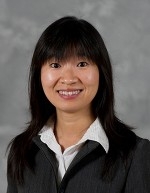
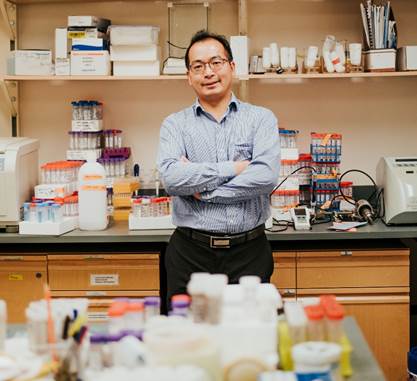
Ramses Martinez is an Assistant Professor in the Department of Industrial Engineering and Biomedical Engineering at Purdue University . He holds a B.A. in Applied Physics from Universidad Autonoma de Madrid (2004) and a Ph.D. in Physics and Materials Science from the Spanish National Research Council (CSIC) in 2009. Prior to joining Purdue, he conducted postdoctoral research in the lab of Prof. George M. Whitesides at Harvard University, focusing on nanofabrication, microfluidics, and soft robotics. Education B.A. in Applied Physics, Universidad Autonoma de Madrid (2004) Ph.D. in Physics and Materials Science, Spanish National Research Council (CSIC) (2009) His research bridges soft robotics , flexible electronics , and nanofabrication , with a focus on creating self-powered e-textiles , omniphobic paper-based devices , and programmable mechanical metamaterials . His work has led to over 25 publications and 9 patents, emphasizing practical applications in health monitoring and industrial automation . Notable projects include waterproof electronic decals for biofluid monitoring, smart bandages for chronic wound detection, and laser nanoforming methods for scalable metallic structures. His research has been recognized through the Fulbright Fellowship and the Marie Curie IOF Grant .
Dawson Kidgell is an Associate Professor in the Department of Physiotherapy at Monash University, Faculty of Medicine. He is an active researcher and PhD supervisor with a strong focus on the neurophysiology of exercise, particularly neuroplasticity and motor cortex responses to strength training and non-invasive brain stimulation techniques such as Transcranial Magnetic Stimulation (TMS) and transcranial direct current stimulation (tDCS). His research interests include understanding how the nervous system adapts to exercise, rehabilitation, and neuromodulation. He employs advanced electrophysiological methods—TMS, tDCS, EMG, and spinal reflex testing—to explore corticospinal excitability, intracortical inhibition, and motor learning. His work has significant implications for sports science, rehabilitation of neuromuscular injuries, and aging populations. Recent publications (2020–2024) highlight a strong trend in systematic reviews and meta-analyses on tDCS, corticospinal responses to training, and clinical applications in tendinopathy, concussion, and aging. His research frequently investigates bilateral transfer, cross-education of strength, and the neural mechanisms underlying rehabilitation interventions. Scientific Awards: University of Jyväskylä Visiting Fellow grant (2023) Research Funding and Supervision: Associate Professor Kidgell has secured over $2.5 million in research funding. He has successfully supervised 11 PhD students to completion and currently mentors 5 additional PhD candidates. His research projects include NHMRC-funded studies on neurophysiological markers of balance and equipment grants for advanced neurostimulation tools. Laboratories and Research Teams: His work is conducted within neurophysiology and exercise neuroscience labs at Monash, often in collaboration with interdisciplinary teams focusing on motor control, rehabilitation, and sports medicine.
Professor Tomasz Kapitaniak is a distinguished academic in the field of nonlinear dynamics and theoretical mechanics. He serves as a Professor of Theoretical and Applied Mechanics and Head of the Division of Dynamics at the Faculty of Mechanical Engineering, Technical University of Lodz, Poland. His career spans over three decades at the university, where he has made significant contributions to the understanding of nonlinear systems, chaos theory, and mechanical oscillations. Professor Kapitaniak holds advanced degrees in both mechanics and applied mathematics from the Technical University of Lodz and the University of Lodz. His educational background includes: M.Sc. in mechanics, Faculty of Mechanical Engineering, Technical University of Lodz (1982) M.Sc. in applied mathematics, Faculty of Mathematics, Physics and Chemistry, University of Lodz (1985) Ph.D. in mechanics, Faculty of Mechanical Engineering, Technical University of Lodz (1985) D.Sc. in mechanics, Faculty of Mechanical Engineering, Technical University of Lodz (1988) Professor of technical science, title given by the President of Poland (1995) His research focuses on nonlinear dynamics, with particular emphasis on mechanical oscillations, stability, bifurcations and chaos, stochastic dynamics, and applications of nonlinear dynamics in mechanical engineering. Professor Kapitaniak is renowned for his work on the development of methods for controlling chaos without feedback, identification of new types of bifurcations, synchronization mechanisms in coupled mechanical oscillators, and explaining the origin of randomness in mechanical systems. His research has evolved from fundamental theoretical work to increasingly applied studies involving complex networks, biological systems, and engineering applications. Professor Kapitaniak has published over 300 scientific papers in renowned journals, cited over 8,000 times. His work exhibits a consistent focus on understanding complex nonlinear phenomena across various physical systems. The trend in his recent publications shows continued exploration of synchronization phenomena, extreme events in dynamical systems, and applications of nonlinear dynamics to biological, mechanical, and physical systems. His most recent work demonstrates a growing interest in multistability, chimera states, and the prediction of tipping phenomena in complex systems. Among his notable scientific achievements and distinctions are: Election as a member of the Polish Academy of Sciences (corresponding member in 2013, ordinary member in 2019) Election to Academia Europaea in 2021 Honorary doctorates from Saratov State University (Russia, 2001) and Lublin University of Technology (Poland, 2014) Multiple prestigious fellowships including the British Council Fellowship (1989), King Abdul Aziz Award Fellowship (1990), and Fulbright Fellowship (1997) Editorial roles including Associate editor of Chaos, Solitons and Fractals since 1990 and member of editorial boards of several other prestigious journals Throughout his career, Professor Kapitaniak has been actively involved in mentoring the next generation of researchers, having supervised numerous PhD students including Jerzy Wojewoda, Anton van Wyk, Barbara Błażejczyk-Okolewska, Andrzej Stefański, Andrzej Kozłowski, and Przemysław Szumiński. He has secured significant research funding from various national and international sources including the Ministry of Science and Higher Education (Poland), Deutscher Akademischer Austauschdienst, The Royal Society of London, and others. His research team has maintained strong international collaborations with institutions worldwide, including universities in the United States, United Kingdom, Germany, Brazil, Russia, and Ukraine. He leads the Division of Dynamics at the Technical University of Lodz, which serves as a hub for research in nonlinear dynamics, mechanical oscillations, and related fields. The division maintains strong international collaborations with institutions worldwide and continues to produce cutting-edge research in the field of nonlinear dynamics and its applications.
Professor Doraiswami Ramkrishna is the Harry Creighton Peffer Distinguished Professor of Chemical Engineering at Purdue University's Davidson School of Chemical Engineering. His research focuses on applying mathematical methods to chemical and biochemical systems, including population balance modeling, stochastic processes, and cybernetic frameworks for metabolic networks. His work spans crystallization processes, cancer chemotherapy modeling, and personalized medicine. Education: B.S. from the University of Bombay (1960), Ph.D. from the University of Minnesota (1965). He joined Purdue in 1976 after faculty roles at Indian institutions. His awards include membership in the U.S. and Indian National Academies of Engineering, the AIChE Wilhelm and Thomas Baron Awards, and the 2021 William H. Walker Award for Chemical Engineering Literature. Research Interests: Cybernetic modeling of biological systems, population balances in particulate systems, stochastic modeling of rare events, and mathematical approaches to cancer treatment optimization. His group collaborates on projects involving metabolic networks, drug resistance mechanisms, and personalized hydroxyurea therapy for sickle cell disease. Awards: Over 30 honors including the 2021 Walker Award, NAE membership, and Platinum Award from Mumbai University. Advising: Mentored numerous graduate students and research associates, with notable work on lipid metabolism, chemotherapy-induced neuropathy, and crystallization dynamics. Labs/Teams: Leads the Ramkrishna Research Group, collaborating internationally on projects like cancer care engineering and metabolic engineering of bioethanol production.
Felix Leach is an Associate Professor of Engineering Science and Shell-Pocock Fellow at Keble College, University of Oxford. He holds a DPhil from Oxford (Oxon), is a Chartered Engineer (MIMechE), and a Fellow of the Higher Education Academy. His research focuses on thermal propulsion systems and air quality, with projects like Ammospray (green-ammonia propulsion) and OxAria (air pollution monitoring in Oxford). He collaborates with Jaguar Land Rover, Siemens, and local governments on emissions reduction and policy. Education: DPhil (Oxford), MEng. Awards include the 2021 ASME ICED Most Valuable Technical Paper Award and multiple SAE recognitions. He co-authored the prize-winning book *Racing Toward Zero: The Untold Story of Driving Green*. Research interests span engine efficiency, alternative fuels (hydrogen, ammonia), and public health impacts of emissions. He leads interdisciplinary projects combining experimental and computational methods, such as machine learning for flow field analysis and sensor networks for urban pollution monitoring. Grants include EPSRC, NIHR, and NERC funding. He advises on policy for Oxford City Council and serves as associate editor for the ASME Journal of Engineering for Gas Turbines and Power. His work bridges academic research, industry collaboration, and public engagement to address climate and air quality challenges.
Travis B. Thompson, Ph.D. is an Assistant Professor in the Department of Mathematics and Statistics at Texas Tech University, leading the TM4 (Texas Tech Translational and Theoretical Mathematical Modeling and Machine Learning in Medicine) research group. His academic journey includes postdoctoral work at Rice University, Simula Research Laboratory, and the University of Oxford, focusing on mathematics applied to neurodegenerative diseases. Education: Ph.D. in Mathematics from Texas A&M University (2013) Dr. Thompson develops theoretical mathematical models and applies scientific computing and machine learning to study neurological pathologies, particularly Alzheimer’s disease. His work explores complex biological processes on networks, translational healthcare applications, and nutritional security implications. Current research trends integrate neuroimaging data with finite element simulations to model tau progression , amyloid beta dynamics , and glymphatic clearance in age-related diseases. Scientific awards and honors were not explicitly mentioned in the provided materials. Dr. Thompson’s interdisciplinary approach connects computational neuroscience with biomedical engineering , utilizing techniques like diffusion tensor imaging and level set methods to analyze pathological protein spread and brain tissue mechanics . The TM4 research group focuses on network neurodegeneration , personalized medicine , and machine learning diagnostics . Their work spans from microfluidic cancer detection to computational modeling of brain clearance mechanisms , addressing challenges in both neurodegenerative diseases and biomedical engineering through rigorous mathematical frameworks.
Dr Christine Staatz is an Associate Professor at the University of Queensland 's School of Pharmacy and Pharmaceutical Sciences , specializing in Quality Use of Medicine and Pharmacometrics . Her career spans both clinical pharmacy practice and academic research, with international experience at the University of Glasgow and Uppsala University. B.Pharm (Hons I), University of Queensland (1996) PhD, University of Queensland (2002) Pharmacist registration: Australia (1997), UK (2003) Her research focuses on individualized drug therapy for transplant recipients and critically ill patients, particularly optimizing immunosuppressants (tacrolimus, mycophenolate) and antibiotics (beta-lactams, gentamicin). Recent publications examine age-related pharmacokinetics and microsampling techniques to reduce patient burden. Key contributions include 15+ peer-reviewed articles in 2024-2025 addressing: Bayesian forecasting of drug exposure Free vs total plasma drug concentrations Time-dependent clearance in pediatric chemotherapy Immune-related adverse effects in transplant recipients NHMRC Neil Hamilton Fairley Fellowship (2004) Lions Medical Research Fellowship National grants exceeding AUD$2 million With 14+ completed PhD/MPhil supervisees and ongoing projects in autoimmune diseases and hematopoietic transplantation , she actively mentors students in clinical pharmacology and drug monitoring research.
Professor Geraint Jewell is affiliated with the University of Sheffield , serving as Director of the Rolls-Royce University Technology Centre in Advanced Electrical Machines (since 2006) and Director of the EPSRC Future Electrical Machines Manufacturing Hub (since 2019). He is a graduate of the university (BEng 1988, PhD 1992) and has held academic roles since 1994. EPSRC Advanced Research Fellowship (2000-2005) Royal Society Industry Fellowship at Rolls-Royce (2006-2008) Former Faculty Director of Research and Innovation (2008-2011) Former Head of Department (2013-2019) His research focuses on power-dense electrical machines for aerospace applications , including permanent magnet machines , switched reluctance machines , and linear actuators . He has supervised ~20 PhD students and led collaborations with Rolls-Royce on high-temperature devices (up to 800°C) and aero-engine starter-generators. Recent publications analyze stator insulation thermal degradation , eddy current control in additively manufactured materials , and magnetic loss prediction in silicon steel. His work spans electromagnetic modeling , core loss calculation , and advanced manufacturing techniques for electrical machines. EPSRC Advanced Research Fellowship (2000-2005) Royal Society Industry Fellowship (2006-2008) He has advised PhD students across topics like consequent-pole PM machines , doubly salient SynRMs , and core loss characterization . His Electrical Machines and Drives Research Group explores modular motor design and magnetic material optimization for aerospace and electric vehicles.
Hong Wang is a Professor in the Department of Mathematics at the University of South Carolina, part of the McCausland College of Arts and Sciences. He specializes in numerical analysis and differential equations, with a focus on numerical methods for fractional and variable-order equations. His work addresses complex boundary conditions, optimal control, and scientific computing challenges in advection-diffusion systems. Education Ph.D. in Mathematics, University of Wyoming (1992) Research Interests His research emphasizes numerical approximation techniques for differential/integral equations, particularly fractional diffusion-wave equations, variable-order models, and stochastic systems. Key areas include finite element methods, spectral methods, and fast algorithms for solving high-dimensional and time-dependent problems. He explores applications in optimal control, viscoelasticity, and multi-scale modeling. Recent Work Trends Recent publications highlight advancements in fractional calculus applications, including variable-exponent diffusion, distributed-order equations, and stochastic fractional differential equations. His work often combines theoretical analysis with computational efficiency, addressing challenges like nonsmooth parameters and singular density functions. Grants and Advising No specific grants or advisees are listed, but his research collaborations span computational mathematics, applied physics, and engineering systems. Labs/Teams No dedicated lab or team is explicitly mentioned, though his research aligns with computational and applied mathematics groups at the University of South Carolina.
Nga Lee "Sally" Ng is a Professor at the Georgia Institute of Technology, holding appointments in the School of Chemical & Biomolecular Engineering (primary), School of Earth & Atmospheric Sciences (joint), and School of Civil & Environmental Engineering (courtesy). Her research focuses on aerosol chemistry, with expertise in atmospheric nanoparticle formation, aerosol health effects, and advanced instrumentation development. She leads the Ng Research Group, which uses laboratory chamber experiments and field measurements to study aerosol dynamics. Dr. Ng has pioneered initiatives like the $12M NSF-funded ASCENT network for nationwide atmospheric measurements and served in leadership roles including Chair of AIChE's Environmental Division (2020) and AAAR Conference Chair (2019). She has received prestigious awards such as the AGU Atmospheric Sciences Ascent Award (2023), Love Family Professorship, and EPA STAR Early Career Award. Research interests: Aerosol chemistry, health impacts, instrument development, and climate interactions. Key contributions: Pioneering work on secondary organic aerosol formation, wildfire smoke health risks, and urban air quality monitoring networks. Her work bridges fundamental science and public health, with recent focus on quantifying aerosol toxicity using high-throughput assays and advancing low-cost sensor technologies for real-time air quality assessment.
Dr. Jianbing Li is a Professor and Professional Engineer (P.Eng.) in the Environmental Engineering Program at the University of Northern British Columbia (UNBC), holding prestigious fellowships from CSCE, CSSE, EIC, and Engineers Canada. His research program addresses critical environmental challenges with significant real-world impact, particularly in northern and remote communities of British Columbia. Education: PhD in Environmental Systems Engineering, University of Regina Research Focus: Dr. Li's work centers on environmental pollution control , petroleum waste management , soil and groundwater remediation , environmental modeling , risk assessment , and oil spill response . His innovative approaches integrate machine learning, advanced materials, and sustainable engineering principles to develop practical solutions for complex environmental problems, with particular emphasis on resource recovery from waste streams. Publication Trends: Analysis of his 15 most recent publications (2023-2025) reveals a strategic focus on oil spill response technologies, wastewater treatment innovations, and waste valorization. Key advancements include nano/micro bubble flotation systems, chitosan-based adsorbents, and machine learning models for pyrolysis optimization, demonstrating his leadership in translating laboratory research to field applications. Scientific Recognition: 2024 Fellow of Engineers Canada and Engineering Institute of Canada 2023 CSCE Dr. Albert E. Berry Medal (Canada's top environmental engineering award) Multiple UNBC Research Excellence Awards (2010, 2014, 2019, 2023) 2013 Northern BC Business and Technology Award with Husky Energy Best paper awards from International Academy of Science and Environmental Geotechnology Society Research Leadership: Dr. Li has secured over $800,000 in 2023 and $1.9 million in 2020 for oil spill response research through NSERC, DFO, and NRCan. His current portfolio includes groundwater protection for Indigenous communities, next-generation decanting technologies, and water security for remote regions. He actively mentors PhD, MSc, and MASc students while serving on NSERC evaluation committees and co-directing the UNBC/UBC environmental engineering program (2013-2017). Collaborative Networks: Dr. Li leads multi-institutional partnerships with UBC, government agencies, industry (including Husky Energy), and Indigenous communities like Lheidli T'enneh First Nation. His work through the Multi-Partner Research Initiative addresses practical challenges in rural British Columbia while advancing fundamental knowledge in environmental systems engineering.
Martin Andersen is an Associate Professor with the Water Research Laboratory and School of Civil and Environmental Engineering at the University of New South Wales (UNSW). His research focuses on hydrogeology, groundwater dynamics, and surface water-groundwater interactions, with particular emphasis on coastal zone processes and reactive flow and transport modeling. Dr. Andersen's research interests span several critical areas in hydrogeology and environmental science. His work on reactive flow and transport modeling examines how chemical reactions affect water movement through geological formations. He investigates geochemical processes and groundwater dynamics in coastal zones, which is crucial for understanding saltwater intrusion and managing coastal aquifers. His research on surface water-groundwater interactions helps inform sustainable water resource management, particularly in Australia's diverse hydrological environments. Andersen has made significant contributions to understanding how climate variability affects groundwater recharge processes and the implications for water security in arid and semi-arid regions. Analysis of Dr. Andersen's recent publications reveals a strong focus on understanding complex hydrological systems through innovative methodologies. His work spans multiple disciplines including hydrogeology, climate science, biogeochemistry, and computational modeling. A key trend in his research is the investigation of groundwater dynamics in various environmental contexts - from arid zone aquifers to coastal wetlands and fractured rock systems. He employs diverse approaches including field monitoring networks, laboratory experiments, statistical modeling, and paleoclimate reconstructions to address pressing water resource challenges. His research has significant implications for sustainable groundwater management, climate adaptation strategies, and ecosystem conservation. Dr. Andersen is actively involved in several research teams and laboratories. As an Associate Director in the School of Civil and Environmental Engineering at UNSW, he contributes to the Water Research Laboratory's mission of advancing water science and engineering. His work often involves interdisciplinary collaborations across hydrology, geology, environmental science, and climate research. Through his leadership in establishing monitoring networks and conducting field experiments, he has helped build valuable infrastructure for ongoing water research in Australia.
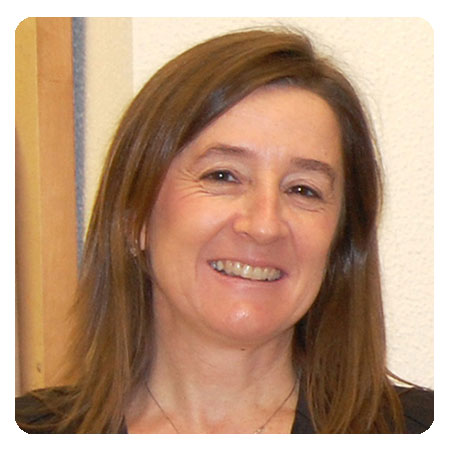
Maria Pilar Coy Fuster is a Full Professor at the University of Murcia , affiliated with the Faculty of Veterinary Medicine and the Department of Physiology . Her research focuses on reproductive physiology, in vitro fertilization (IVF), oviductal mechanisms, epigenetics, and assisted reproductive technologies (ART) in mammals, particularly pigs and cattle. Education : Degree in Veterinary Medicine, University of Murcia (1987) PhD in Veterinary Medicine, University of Murcia (1991) Diplomate in Animal Reproduction, European College of Animal Reproduction (2001) Research Interests encompass understanding oviductal glycoproteins like OVGP1 that regulate polyspermy, genomic and proteomic analysis of reproductive fluids, epigenetic impacts of ART, and developing biobanks for reproductive biofluids. She co-discovered a conserved oviductal mechanism in ungulates (absent in humans) that enhances IVF efficiency, leading to a PNAS publication and a patent. Scientific Awards include: Mention of Quality by the Spanish Ministry of Education Mention of Excellence by the Spanish Ministry of Education She has secured substantial funding, including a €3.8 million European Horizon 2020 grant for the Rep-Biotech Marie Sklodowska-Curie program, producing 15 international PhDs. Currently, she leads the AFRODITA network. Teaching Contributions include designing the internationally recognized Master and PhD programs in Reproductive Biology and Technology at the University of Murcia. She plays a leadership role as an Associate Editor for journals like Molecular Reproduction and Development and Molecular Human Reproduction .
Professor Melanie Wilke is a leading figure in cognitive neurology at the University Medical Center Göttingen, where she serves as Director of the Department of Cognitive Neurology and Head of the MR Research Unit. She is also a Co-Investigator in the 'Decision and Awareness' group at the German Primate Center. Her work bridges human and non-human primate neuroscience to investigate the neural basis of perception, awareness, and movement planning. Her research focuses on understanding how distributed neural activity supports spatial awareness and decision-making. Key areas include thalamocortical interactions, neural mechanisms of spatial neglect, and translational models of cognitive disorders. She employs multimodal methods such as fMRI, electrophysiology, brain stimulation (tACS, tDCS, TMS), and inactivation techniques in both human and monkey models. Analysis of her recent publications reveals a strong emphasis on visual consciousness, neural connectivity, and sensorimotor integration. Her work frequently explores the role of the pulvinar and parietal cortex in attention and awareness, using innovative paradigms including no-report tasks and microstimulation. There is a clear translational trajectory from basic mechanisms to clinical applications in stroke and Parkinson’s disease. Fellows Award for Excellence in Biomedical Research, National Institutes of Health, USA (2008) Prof. Wilke leads a dynamic research group and mentors students within several graduate programs, including Systems Neuroscience and the International Max Planck Research School (IMPRS). Her team conducts cutting-edge research using advanced imaging and stimulation techniques. She has secured long-term support through the Herman and Lilly Schilling Foundation Professorship (2011–2022) and continues to lead major projects in cognitive neurology and brain network dynamics. Her laboratory, embedded in the Heart & Brain Center Göttingen, fosters interdisciplinary collaboration and focuses on developing novel therapeutic interventions for cognitive deficits following brain injury. The MR Research Unit under her leadership is central to advancing non-invasive brain imaging and stimulation in both research and clinical contexts.
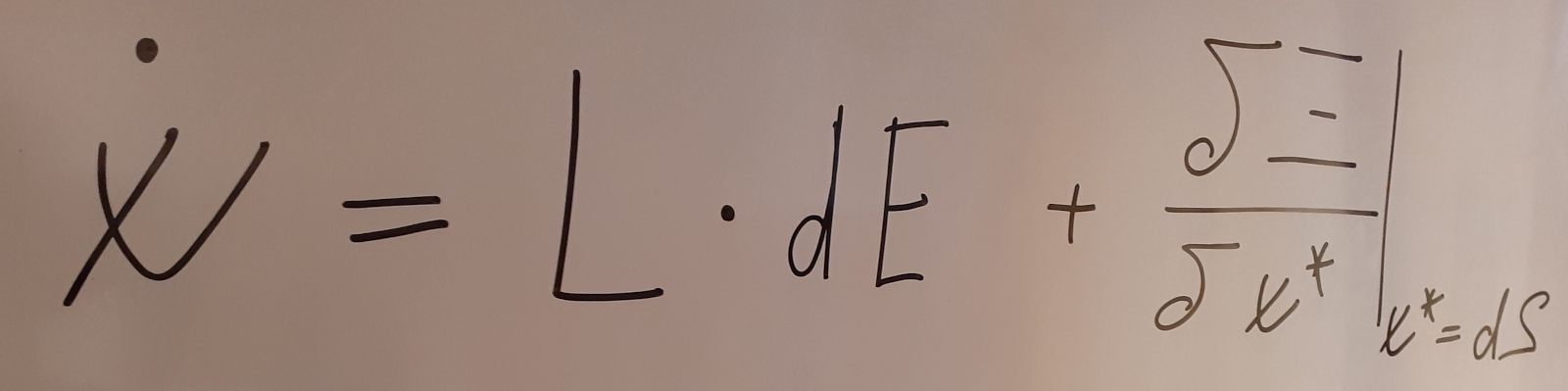
Michal Pavelka is an Associate Professor at the Division of Mathematical Modeling, Mathematical Institute, Faculty of Mathematics and Physics, Charles University, Prague, Czech Republic. His career spans roles from Postdoc (part time) at the Institute of Chemical Technology to positions at École Polytechnique de Montréal and New Technologies Research Centre. He earned his Ph.D. in 2015 and M.Sc. in 2012 at Charles University under František Maršík. Michal Pavelka's research integrates Non-equilibrium Thermodynamics , Geometric Mechanics , and Machine Learning . His work bridges advanced mathematical frameworks like GENERIC and Extended Irreversible Thermodynamics with practical applications in electrochemical systems (fuel cells, batteries) and quantum fluids . Notably, he has contributed to Smoothed Particle Hydrodynamics and Hamiltonian mechanics in complex systems. His recent publications focus on Multiscale Thermodynamics , Superfluid Modeling , and Machine Learning in Physics . Scientific awards include the Best paper award, Entropy (2021) and Czech Grant Agency President's award (2020). He has secured significant grants, including a €363k Czech Grant Agency award (2023–2025) for geometric multiscale thermodynamics of complex fluids. Scientific Awards: Best paper award, Entropy (2021) Czech Grant Agency President's award (2020) High quality monographs of Charles University competition (1st-3rd place, 2020) Current Projects: He leads research on geometric multiscale thermodynamics and co-supervises projects on zinc-air batteries and solid oxide fuel cells. His lab develops the SmoothedParticles.jl Julia package for fluid dynamics simulations.