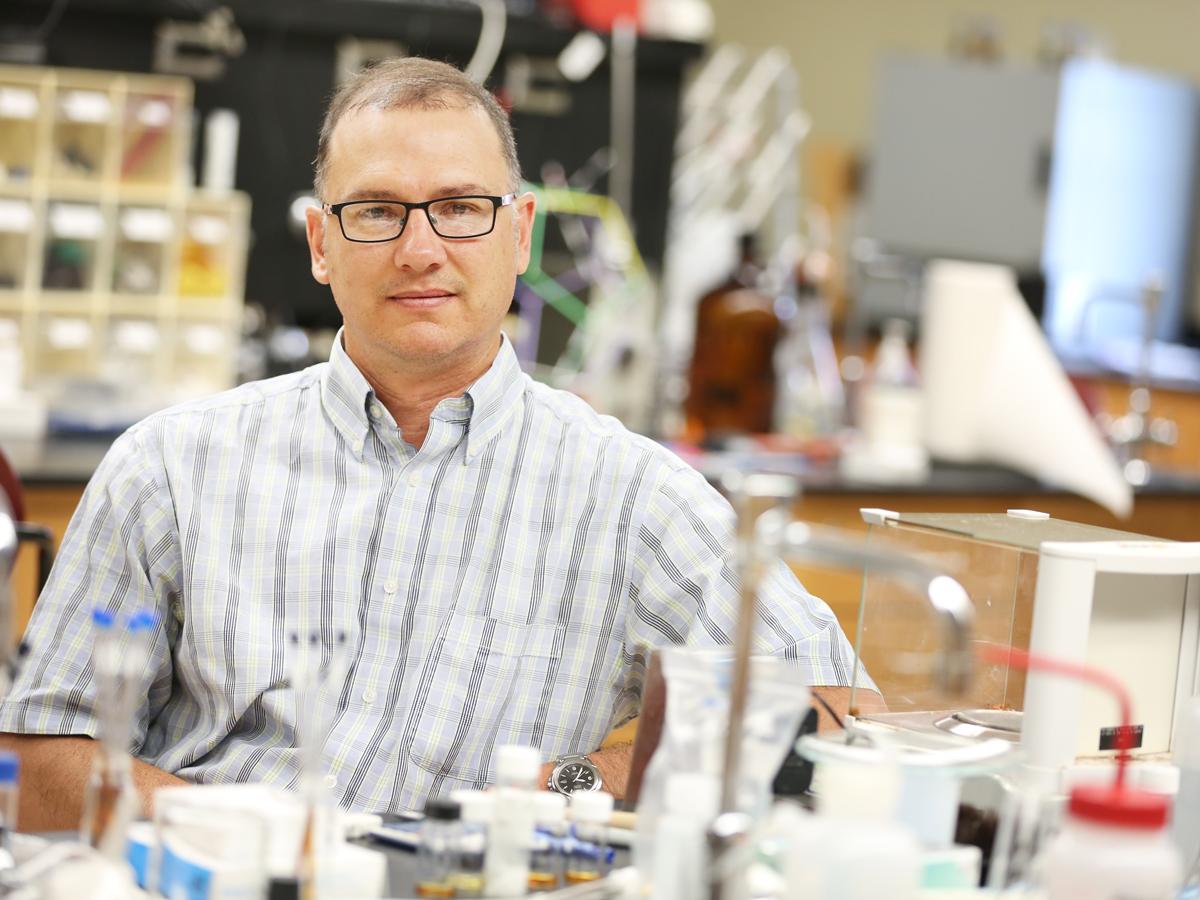
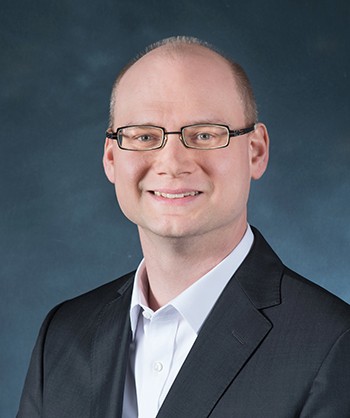
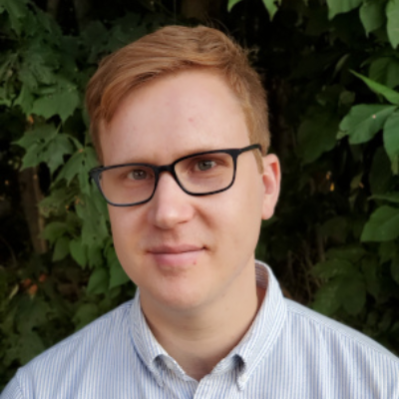
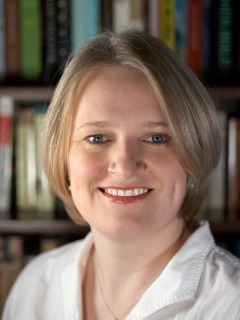
Dr. Jochen Ballof is a Staff Scientist in the Superheavy Element Chemistry department at GSI Helmholtzzentrum für Schwerionenforschung GmbH, Germany. Previously, he worked as a Research Associate at the Facility for Rare Isotope Beams (FRIB) and as a Senior Fellow at CERN-ISOLDE. His academic background includes a PhD in Nuclear Chemistry from Johannes Gutenberg University Mainz and a Dipl.-Chem. in Chemistry from the same institution. Education: PhD in Nuclear Chemistry (Johannes Gutenberg University Mainz, 2022) Diploma in Chemistry (Johannes Gutenberg University Mainz, 2014) Ballof's research focuses on nuclear chemistry, superheavy element production, and innovative ion source development. He specializes in radioactive molecular beams, gas-phase chemistry of transactinides, and experimental techniques for fundamental symmetry studies. His work bridges nuclear physics and chemical separation methods through projects like EDM 3 and TASCA. Recent publications highlight his contributions to superheavy element discovery (2025), radioactive molecule production (2024), and ion source optimization (2023). His expertise spans computational modeling of ion transfer, experimental target design, and cryogenic spectroscopy of unstable isotopes. Presentations: Invited Talk: 14th International Conference on Stopping and Manipulation of Ions (2023) Contributed Talk: Fundamental Symmetries at FRIB Workshop (2022) Poster: ISOLDE Workshop and Users Meeting (2022) Contributed Talk: 19th International Conference on Electromagnetic Isotope Separators (2022) Contributed Talk: 19th International Conference on Ion Sources (2021) Dr. Ballof mentors students Katharina Hermainski and Felix Sprunk in PhD and Master’s research. His collaborations with institutions like CERN-ISOLDE, FRIB, and Johannes Gutenberg University Mainz drive advancements in nuclear chemistry and rare isotope studies.
Bernd Flemisch is an Adjunct Professor at the University of Stuttgart, affiliated with the Department of Hydromechanics and Modelling of Hydrosystems within the Institute for Modelling Hydraulic and Environmental Systems. He holds a Dr. rer. nat. habil. (2013) and has been active in academic research since 2001. Education: 2001: M.Sc. in Mathematics, Iowa State University 2006: Doctoral Degree (Dr. rer. nat.), University of Stuttgart 2013: Habilitation (Dr. rer. nat. habil.), University of Stuttgart Research Interests: Flemisch specializes in discretization methods, solvers, and research software development for porous media flow. His work focuses on numerical simulation of multiphase systems, coupled flow processes, and adaptive multi-scale modeling. Key areas include computational geosciences, fluid mechanics, and energy storage solutions such as hydrogen and CO₂ sequestration. Professional Activities: Since 2024: Project leader in CRC 1667 and Base4NFDI/Jupyter4NFDI Since 2023: Dean of Studies for Civil Engineering at University of Stuttgart Leadership roles in NFDI4Ing (National Research Data Infrastructure for Engineering) Co-developer of open-source simulators like DuMuX and Frackit Lab & Teams: Engages in collaborative projects such as the FluidFlower CO₂ storage experiment and the Stuttgart Center for Simulation Science (SC SimTech). His work emphasizes reproducible research and sustainable software practices.
Michael R. Salazar is the Chair and Professor of Chemistry at Union University's College of Arts & Sciences. He holds a Ph.D. from the University of Utah (1998) and a B.S. from New Mexico State University (1993), with additional study at Los Alamos Laboratory. His research focuses on molecular dynamics simulations, quantum mechanics methodologies, and polymer degradation processes. Education: Ph.D. in Chemistry (University of Utah, 1998), B.S. in Chemistry (New Mexico State University, 1993) Affiliations: Chair of Chemistry Department, Union University Dr. Salazar's work emphasizes computational chemistry and materials science, with notable contributions to gas-phase reaction modeling and explosive materials analysis. He has secured grants totaling over $165,000 from the National Science Foundation and Petroleum Research Foundation. Key achievements include developing adaptive multilevel QM/MM simulation techniques and studying the aging mechanisms of poly(ester urethane) elastomers in PBX 9501. Recent research includes molecular dynamics studies of Al + H₂ reactions and kinetic modeling of polymer hydrolysis. He has presented widely on topics like multilevel QM/MM methods and free-radical oxidation processes.
Matthias Waegele is an Associate Professor of Chemistry at Boston College, specializing in heterogeneous catalysis and electrochemical interfaces. His research focuses on designing efficient catalysts for renewable fuels by studying interfacial dynamics using advanced spectroscopic techniques like surface-enhanced infrared absorption and Raman spectroscopy. Key interests include CO₂ reduction, water oxidation, and understanding cation effects on reaction pathways. Education: B.S., Technical University Munich; Ph.D., University of Pennsylvania. Notable awards include the 2019 NSF CAREER Award and the 2012 John G. Miller Award for Outstanding Doctoral Thesis. Research emphasizes probing molecular events at electrified interfaces, such as copper electrodes in alkaline conditions, to uncover mechanisms behind product selectivity and catalytic activity. Recent work explores how hydrogen bonding and electric double-layer dynamics influence CO electroreduction to ethylene. Scientific awards highlight his contributions to catalysis and spectroscopy. His NSF-funded research project aims to elucidate interfacial control of CO₂ reduction selectivity, integrating experimental and theoretical approaches. Grants and advising details are not explicitly listed, but his NSF CAREER grant underscores sustained research support. His lab focuses on spectroscopic innovation for real-time reaction monitoring, with collaborations involving advanced materials and sustainable energy systems.
Chang Geun Yoo is an Associate Professor in the Department of Chemical Engineering at the State University of New York College of Environmental Science and Forestry (SUNY ESF) since April 2024, having previously served as an Assistant Professor from July 2018 to March 2024. His research focuses on developing sustainable technologies for biomass conversion, with particular emphasis on biological and thermochemical pathways to transform lignocellulosic biomass into valuable fuels, chemicals, and bio-based materials. He leads the ESF Biomass Engineering Laboratory (BEL), which investigates innovative approaches to lignocellulosic biorefinery processes and sustainable material applications. Ph.D. in Agricultural and Biosystems Engineering (Major), Biorenewable Resources and Technology (Minor), Iowa State University (2008-2012) M.S. in Chemical Engineering, Hanyang University, Seoul, Korea (2006-2008) B.S. in Chemical Engineering, Hanyang University, Seoul, Korea (1998-2006) Dr. Yoo's research centers on elucidating biomass and bio-product properties while developing advanced lignocellulosic biorefinery processes. His work spans thermochemical and biological conversion pathways, with particular focus on deep eutectic solvents for biomass processing, lignin valorization strategies, and innovative approaches for enhancing biomass digestibility. His laboratory investigates the fundamental mechanisms behind biomass recalcitrance and develops novel pretreatment methods to improve conversion efficiency. The research integrates experimental work with computational modeling to optimize biomass fractionation processes and maximize product yields from renewable resources. Dr. Yoo's recent publications reveal a strong focus on lignin valorization and biomass conversion technologies, with increasing integration of computational approaches to optimize processes. His work spans multiple dimensions including lignin-based polyurethane foams, deep eutectic solvent applications, catalytic processes for biomass conversion, and novel biorefinery approaches. There's growing emphasis on sustainability metrics, economic considerations, and practical implementation challenges in bio-based material development, reflecting the maturation of the field toward commercial applications. Dr. Yoo has received numerous prestigious awards recognizing his research excellence and teaching: SUNY Chancellor's Award for Excellence in Scholarship and Creative Activities (2025) ACS Energy & Fuels Rising Stars (2024) NSF CAREER Award (2023) ESF Exemplary Researcher (2023) ACS ENFL Early Career Investigator Spotlight (2023) ACS CNY Section Award (2021) Dr. Yoo actively mentors PhD students in Paper & Bioprocess Engineering and related fields, with current advisees including Nara Han, Seongsu Park, Jiae Ryu, and Chaehwi Yoon. His NSF CAREER Award (2023) supports innovative work in biomass conversion technologies, while his research group maintains strong collaborations with Oak Ridge National Laboratory, University of Wisconsin-Madison, and various industry partners to advance biorefinery concepts from laboratory to practical applications. His editorial roles with Advances in Industrial Engineering Chemistry, Frontiers in Chemical Engineering, and Applied Sciences demonstrate his leadership in the field. Dr. Yoo leads the ESF Biomass Engineering Laboratory (BEL), which maintains strong industry and national laboratory collaborations. His research group actively participates in outreach programs including the Water Research Spring Workshop and Sustainable Material Summer Workshop, engaging students and community members in sustainability research. The laboratory's work bridges fundamental science with practical applications, focusing on technologies that can transition from laboratory to commercial scale while maintaining environmental sustainability.
Dr. Mitchell Rushton is an Assistant Professor in the Department of Automotive and Mechatronics Engineering at the University of Ontario Institute of Technology, part of the Faculty of Engineering and Applied Science. His expertise lies in robotics, vibration control, and cable-driven parallel robots. He holds a PhD in Mechanical and Mechatronics Engineering from the University of Waterloo (2022), along with a MASc (2016), BASc (2013), and a Certificate in University Teaching (2020). Education: PhD, Mechanical and Mechatronics Engineering, University of Waterloo (2022) Certificate in University Teaching, University of Waterloo (2020) MASc, Mechanical and Mechatronics Engineering, University of Waterloo (2016) BASc, Mechatronics Engineering, University of Waterloo (2013) Research Interests: Dr. Rushton focuses on advancing robotics and mechatronics systems, particularly in cable-driven parallel robots, vibration control mechanisms, and continuum robotics. His work addresses challenges in dynamic stabilization, obstacle avoidance, and efficient actuator design. Recent research includes innovative solutions for vibration regulation and adaptive control in robotic systems. Publications: His research spans theoretical and applied robotics, with a focus on vibration control and cable-driven systems. Key contributions include studies on configuration-space modeling, reaction-based stabilization, and hybrid robotic architectures. Awards: No scientific awards explicitly mentioned. Advising & Grants: No listed advisees or grants. His work is primarily driven by academic research collaborations and institutional support. Labs/Teams: While specific lab affiliations are not detailed in the text, his research aligns with the broader automotive and mechatronics engineering initiatives at the University of Ontario Institute of Technology.
Dr. Christopher Hutchison is a Researcher in the Department of Life Sciences at Imperial College London, managing the Laser Lab within the Faculty of Natural Sciences. His research focuses on ultrafast spectroscopic techniques, nonlinear optics, and structural biology. He is affiliated with the Frontiers of Ultrafast Measurement initiative, advancing methodologies in femtosecond crystallography and laser-based instrumentation. His work bridges chemistry and physics, with key contributions to understanding photoactive protein dynamics, chromophore interactions, and high-order harmonic generation in plasmas. Notable projects include XFEL beamline development for ultrafast science and the application of serial femtosecond crystallography to study light-driven biological processes. Publications highlight innovations in ultrafast structural dynamics, laser-induced temperature-jump spectroscopy of zeolites, and optical control of protein systems. Hutchison’s research emphasizes interdisciplinary collaboration, particularly in developing cutting-edge instrumentation for time-resolved studies.
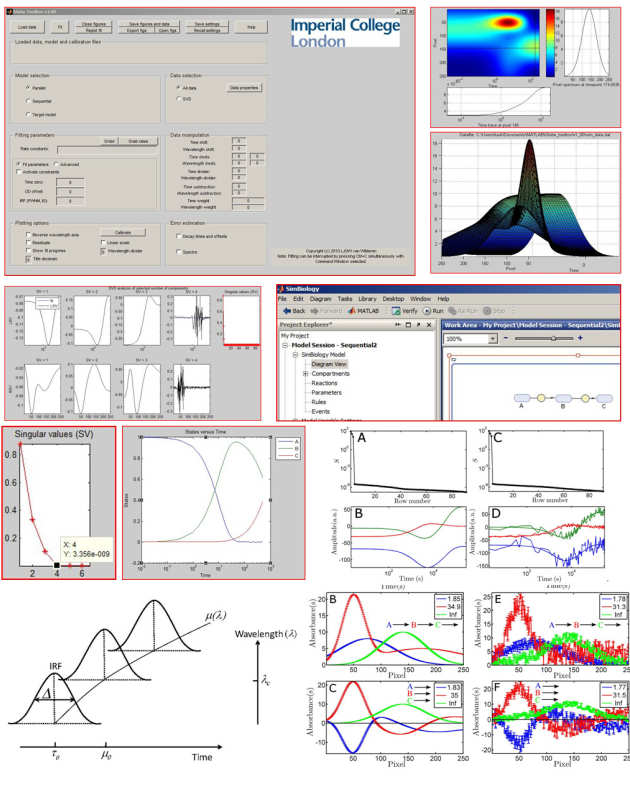
Professor Jasper van Thor is a faculty member at Imperial College London's Department of Life Sciences, part of the Faculty of Natural Sciences. He holds the title of Professor of Molecular Biophysics and leads the Ultrafast Spectroscopy Laboratory and Molecular Biophysics group. His research focuses on ultrafast molecular dynamics using techniques like femtosecond crystallography and spectroscopy, particularly studying light-sensitive proteins such as photoreceptors, fluorescent proteins, and photosynthetic systems. He has pioneered work on structural dynamics using X-ray free electron lasers (XFELs) and developed open-source software tools like the Ultrafast Spectroscopy Modelling Toolbox and PyLDM for data analysis. Education: MSc (1993) and PhD (1999) in Chemistry from the University of Amsterdam, followed by postdoctoral research at the University of Oxford under Dame Louise Johnson, supported by EMBO and HFSP fellowships. He joined Imperial College in 2007, establishing the Ultrafast Spectroscopy Lab. Research Interests: Ultrafast structural changes in proteins, photoactivation mechanisms, coherent vibrational dynamics, XFEL applications in biology, and theoretical modeling of population dynamics. His work bridges molecular biophysics, chemistry, and materials science, with contributions to understanding photosynthesis and protein signaling. Key Achievements: Director of Imperial's Frontiers of Ultrafast Measurement network and PI of the LUXD lab. Developed novel methods for femtosecond infrared crystallography and revealed mechanisms like the 'hula-twist' isomerization in fluorescent proteins. Authored influential papers on protein structural dynamics and spectroscopic analysis tools. Awards: EMBO Research Fellowship (2000), HFSP Long-Term Fellowship (2000), Royal Society University Research Fellowship (2002). Recognized for contributions to ultrafast structural biology. Grants & Labs: Active in XFEL collaborations globally (LCLS, SACLA, European XFEL). Oversees the Electron Microscopy Centre and Energy Futures Lab affiliations. His lab develops open-source software for data analysis, emphasizing reproducibility and accessibility.
Peter Rayner is an Associate Lecturer in the Department of Chemistry at the University of York, affiliated with the Centre for Hyperpolarisation in Magnetic Resonance. He holds an MChem (2009) and a PhD in Organic Chemistry (2013), both from the University of York. His research focuses on developing synthetic and catalytic chemistry for biomedical applications, particularly leveraging the SABRE (Signal Amplification by Reversible Exchange) technique to enhance nuclear magnetic resonance (NMR) imaging for diagnostic purposes. Key areas include designing isotopically labeled substrates and novel ligands for SABRE catalysts to improve hyperpolarization and prolong magnetic lifetimes. He has presented at conferences such as the Dalton Division Northern Meeting and the NMR Discussion Group, and his work spans interdisciplinary collaborations in analytical chemistry, catalysis, and materials science. Rayner’s research emphasizes translating SABRE advancements into pre-clinical MRI applications for disease diagnosis. His publications highlight innovations in catalyst design, hyperpolarization methods, and applications in drug scaffolds, including tuberculosis treatments. Over 30 peer-reviewed articles and seven datasets underscore his contributions to SABRE’s development and its biomedical potential. His lab utilizes techniques like X-ray crystallography and mass spectrometry to study structure-activity relationships, driving advancements in hyperpolarized MRI probes and pharmaceutical agents.
Stefano Di Stefano is a Full Professor of Organic Chemistry at the University of Rome La Sapienza, Department of Chemistry. He holds a PhD (2000) and undergraduate degree from the same institution. His academic career spans postdoctoral research at La Sapienza, progressing through Researcher, Associate Professor roles before achieving Full Professorship in 2007. He has conducted research at Universidad Autónoma de Madrid (Spain) and Albrecht Christian Universität Kiel (Germany). Research : Focuses on supramolecular chemistry, dynamic combinatorial chemistry, and non-heme metal catalysis for C-H bond oxidation. Key projects include dissipative systems (fuel-driven molecular machines), supramolecular catalyst design, and understanding macrocyclization equilibria. Collaborates with researchers from Tor Vergata Rome, Parma, Bologna, Eindhoven, Cambridge, Girona, Manchester, and Mainz. Teaching : Teaches Organic Chemistry II, IV, and specialized courses for Chemical Sciences. Awarded the Excellent University Teaching Prize four times (2014, 2017, 2018, 2021) for his instruction in Physical Organic Chemistry. Awards : Recipient of the Italian Chemical Society's 2020 national prize for methodological advances in organic chemistry. Recognized for pioneering work in chemical fuels for molecular machines and dissipative systems. Laboratory : Based in Cannizzaro Building (office/lab 329/324), his group develops novel catalytic systems and fuel-driven devices. Recent work includes transient polymers, pH-responsive nanodevices, and biomimetic oxidation catalysts.
Bo Cederwall is a Professor of Physics at the Department of Nuclear Science and Engineering at KTH Royal Institute of Technology. His research focuses on experimental and applied nuclear physics, including studies of nuclear reactions at international facilities like GANIL (France), JYFL (Finland), and FAIR (Germany). He leads the Swedish participation in the AGATA project and pioneered the Neutron Gamma Emission Tomography (NGET) for nuclear waste characterization. Education: Master of Science in Engineering Physics, KTH (1987) PhD in Experimental Nuclear Physics, KTH (1992) Research Interests: Experimental nuclear physics, nuclear structure, radiation detection technology, and applications in nuclear safety, medical diagnostics, and nonproliferation. His work bridges fundamental research and practical solutions, such as NGET, which won the EURATOM Innovation Prize (2022). Notable Projects: AGATA (nuclear structure), NGET (waste imaging), and DESPEC (gamma spectroscopy). He has secured funding from the EU, Swedish Research Council, and Wallenberg Foundation. Awards: Royal Swedish Academy of Engineering Sciences' Innovation Top 100 (2021), EURATOM Innovation Prize (2022). Labs/Teams: AGATA collaboration, DESPEC project, and the Nuclear Physics Division at KTH (2011–2023).
Dr. Chelsea Yao is an Associate Professor (Senior Lecturer) in Accounting and Finance and Director of the PhD program at Lancaster University Management School. She holds a Visiting Research Professor position at New York University Stern School of Business (2015, 2019–present). Her research focuses on ESG ratings, AI-driven financial analysis, momentum strategies, and seasonality effects in markets. Yao earned her PhD in Finance from the University of Melbourne and a Master's in Finance from Durham University. Education: PhD in Finance (University of Melbourne, Australia), MSc Finance (Durham University, UK). Research interests span ESG disclosure mechanisms, climate-related financial reporting, and the application of textual analysis to mutual fund disclosures. Notable work explores how corporate social responsibility correlates with executive horizons and how profitability changes influence stock returns. Her studies often address market anomalies like January seasonality and mutual fund performance cycles. Awards include the CFA Asia-Pacific Research Exchange Award Finalist (2024), multiple research grants from Lancaster University Management School, and semifinalist placements at the Financial Management Association (2020, 2016). She has presented at leading conferences such as the European Finance Association and AFA Annual Meetings. Advising and grants: Active in PhD supervision and has secured funding for projects on ESG rating determinants and ETF rebalancing impacts. Her work frequently intersects with industry, as seen in collaborations with asset managers like Quoniam and presentations at investment forums. Labs/teams: Engaged with Lancaster's finance research groups and co-organizes quantitative finance workshops with Manchester University. Her research network includes NYU Stern and Tsinghua University.
Sumit Mazumdar is a Professor of Physics, Chemistry, and Optical Sciences at the University of Arizona. As a Primary Faculty member, he leads research in strongly correlated-electron systems, spanning from superconductors to carbon-based nanomaterials. His work focuses on understanding unconventional superconductivity, charge-ordering phenomena, and photophysics in organic semiconductors. Mazumdar holds a Ph.D. from Princeton University (1980) and has made significant contributions to the field through collaborations with experimentalists in nonlinear optics and ultrafast spectroscopy. His research interests include the theoretical analysis of quasi-1D/2D systems, such as organic charge-transfer solids and polycyclic aromatic hydrocarbon superconductors. He explores the interplay between electronic correlations and material properties, with applications in organic lasers, solar cells, and transistors. Notable achievements include the development of the valence transition model for copper oxides and the study of paired-electron liquids in frustrated systems. Honors: APS Fellow (2003), Koffler Prize (2006), Outstanding Referee (2010) Key Focus Areas: Superconductivity, Exciton Dynamics, Quantum Phase Transitions Collaborative Work: Partnerships with experimental groups on ultrafast spectroscopy and nonlinear optics Recent studies highlight his exploration of singlet fission in organic materials, triplet-pair correlations, and pressure-induced phase transitions in superconductors. His theoretical frameworks bridge experimental observations with fundamental physics principles in condensed matter systems.
Patricia Smith is a Professor and Department Head at Texas A&M University's College of Agriculture & Life Sciences. She holds a B.S. in Management (1992, Oklahoma State University), M.S. in Biosystems and Agricultural Engineering (1996, Oklahoma State), and a Ph.D. in Biological and Agricultural Engineering (2000, North Carolina State University). Her research focuses on hydrologic modeling, land-use impacts on hydrologic processes, and Total Maximum Daily Load (TMDL) development for bacterial stream impairment. She has received notable awards, including the 2019 Margaret Annette Peters Advising Award and the 2015 USDA Excellence in Teaching Award. Her interdisciplinary work spans environmental engineering, climate change mitigation, and water resource management. Recent publications explore carbon sequestration, neonatal care, and transboundary water policies. She contributes to Texas A&M AgriLife Research and Extension programs, addressing agricultural and ecological challenges through collaborative, data-driven approaches. Key research interests include AI-enhanced hydrological modeling, sustainable water policies, and environmental engineering solutions. Her articles highlight innovative methods in carbon dioxide removal, maternal-neonatal health outcomes, and invasive species management. Awards : 2019 Margaret Annette Peters Award 2015 USDA Excellence in Teaching Award Her work integrates engineering, ecology, and policy to address global challenges like water scarcity and climate adaptation.
Heidi Søgaard Christensen is an Assistant Professor at the Department of Clinical Medicine, Faculty of Medicine, Aalborg University (AAU), Denmark. She is also affiliated with the Center for Clinical Data Science, reflecting her dual expertise in clinical research and data analytics. Her work integrates real-world evidence, population-based cohort studies, and advanced statistical methods to improve understanding and outcomes in complex diseases such as inflammatory bowel disease (IBD) and cancer. Her research interests are centered around clinical data science , inflammatory bowel disease , oncology , immunotherapy , pharmacoepidemiology , and biostatistical methodology . She leverages large Danish national registries to conduct high-impact studies on treatment patterns, drug safety, and disease progression. The 15 most recent publications highlight a strong trend toward real-world evidence generation, particularly in IBD and non-small cell lung cancer. Her work spans clinical outcomes, genetic risk prediction, imaging diagnostics, and methodological innovations such as extensions to Bland-Altman plots for multiple observers. These articles reflect interdisciplinary collaboration across gastroenterology, oncology, radiology, and statistics. PhD supervision: 1 student supervised Media coverage: 1 item, including social media mentions on X (formerly Twitter) Datasets contributed: 7, including those related to immune checkpoint inhibitors, abdominal aortic imaging, and statistical methods She has been actively publishing since 2016, with increasing output over time, demonstrating sustained research productivity. While no formal scientific awards are listed, her contributions to open science via figshare datasets and preprints in medRxiv underscore her commitment to transparency and reproducibility.