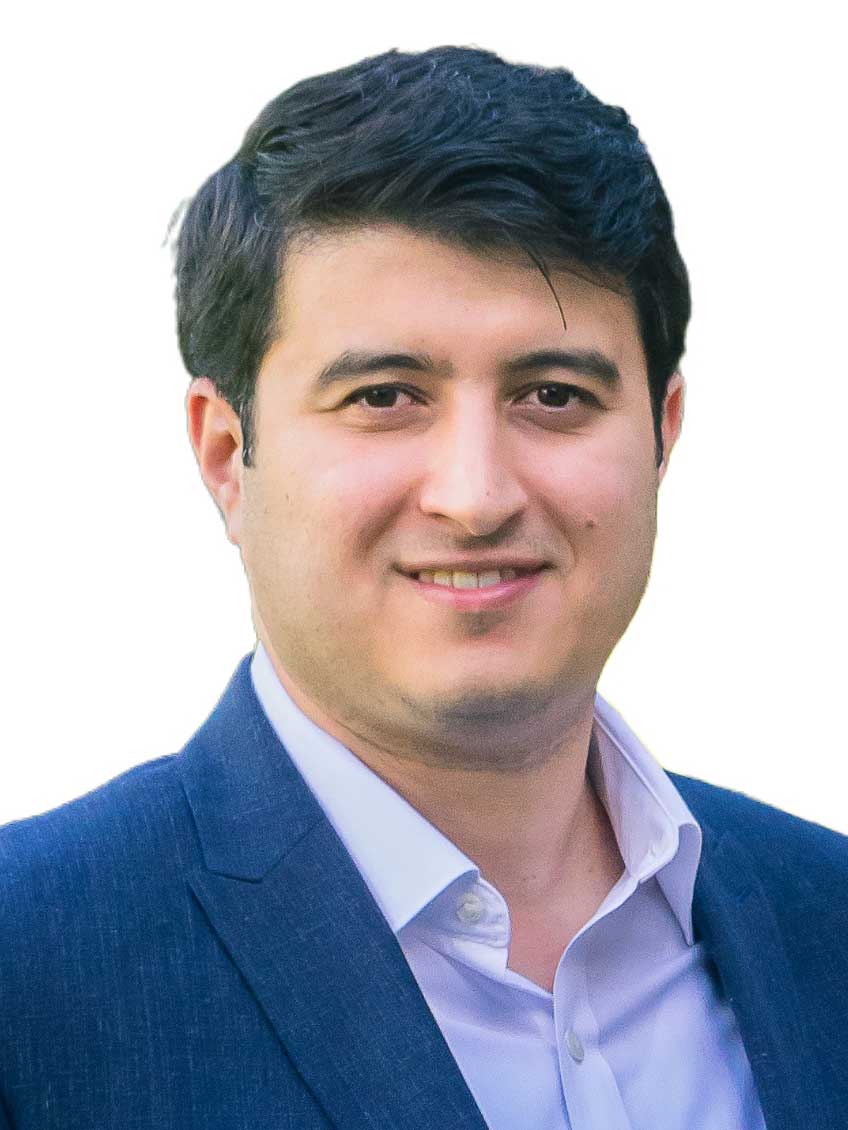
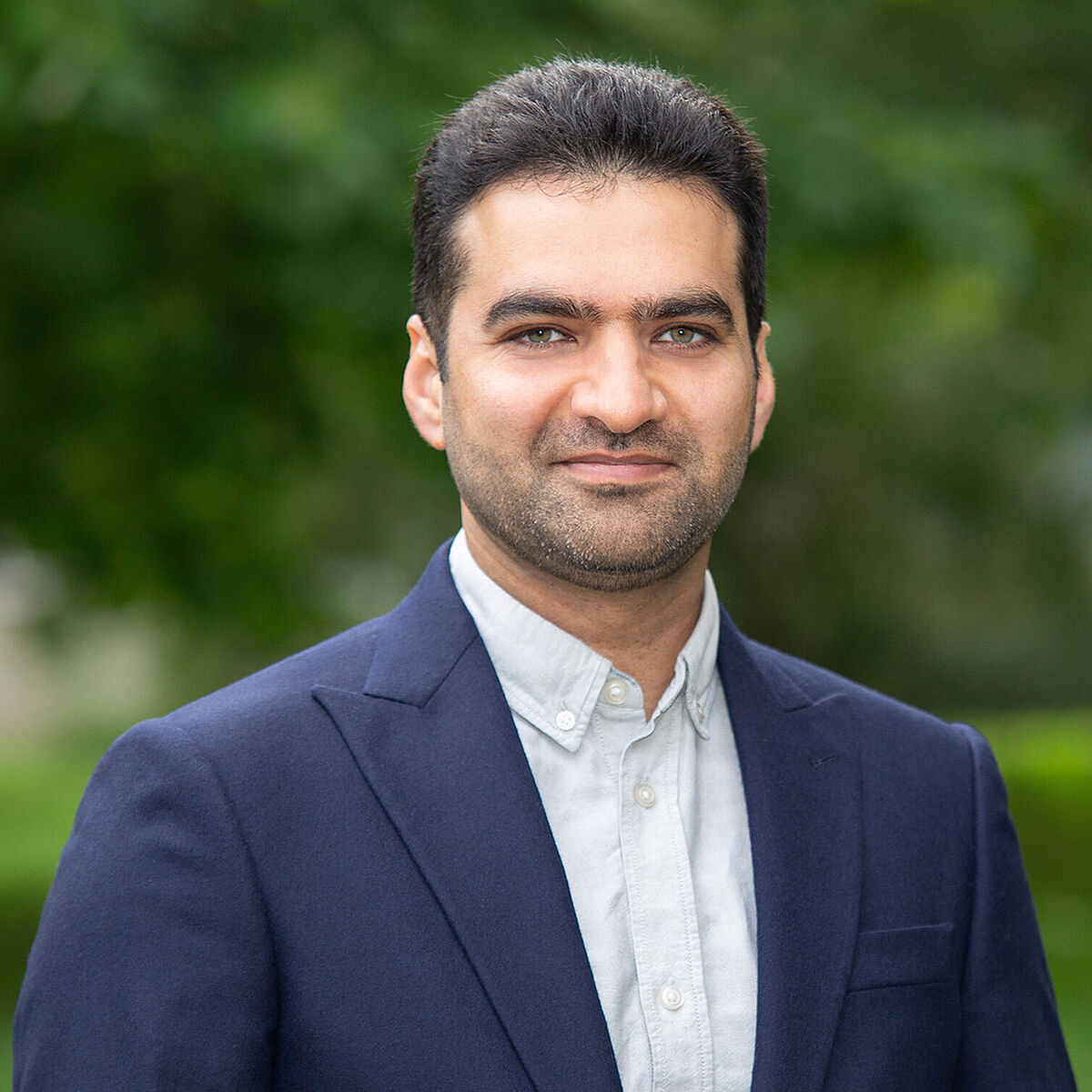
Michael McAlpine is a Professor in the Mechanical Engineering department at the University of Minnesota . He also holds affiliations with the Biomedical Engineering and Electrical and Computer Engineering departments. His research focuses on 3D printing functional materials & devices , Nanoscale inks , Biomedical devices , Bioelectronics , and Flexible Microsystems . Research Interests : 3D Printing, Biomedical Engineering, Nanotechnology, Flexible Electronics, Microfluidics Labs : ME 361/363 Contact : mcalpine@umn.edu , (612) 626-3303, ME 117 Recent Research Trends include 3D Printed Biomedical Devices , Flexible Electronics , and Bioprinting Applications . His work spans from Spinal Organoid Formation to Programmable Drug Release Capsules . Scientific Award : Circulation Research 2020 Best Manuscript Award
João F. Mano is a Full Professor at the Department of Chemistry, University of Aveiro, and Director of the Doctoral Program on Biotechnology. He leads the COMPASS Research Group and serves as Vice-Director at CICECO - Aveiro Institute of Materials. His academic appointments include Invited Professor at University of Lorraine (France), Visiting Professor at KAIST (South Korea), and Adjunct Professor at Ajou University (South Korea). Education: PhD in Chemistry (1996, Technical University of Lisbon); D.Sc. in Tissue Engineering, Regenerative Medicine and Stem Cells (2012, University of Minho) Research Interests focus on Biomaterials for Regenerative Medicine , integrating Nanotechnology , Microtechnology , and Biofabrication . His group develops Bioinspired Materials using polymer chemistry, Decellularized Extracellular Matrix , and 3D Bioprinting to engineer Cell Microenvironments for therapeutic applications. Recent Publications highlight advancements in Human-Derived Hydrogels , Photopolymerizable Scaffolds , Magneto-Responsive Biomaterials , and Programmable Bioinks . Trends show emphasis on Organ-on-a-Chip integration, Smart Living Materials , and Green Bioprinting methodologies. Scientific Awards include: European Research Council Advanced Grants (2015, 2020) Fellow at IUPAC, European Academy of Sciences, and American Institute of Medical and Biological Engineering ERC Proof of Concept Grants Doctor Honoris Causa from University of Lorraine and Utrecht UNESCO Chair on Biomaterials George Winter Award (European Society for Biomaterials) Supervisions & Collaborations encompass 74+ MSc, 26+ PhD students, and 40+ postdocs. He co-founded METATISSUE and CELLULARIS Biomodels , and serves as Editor-in-Chief of Materials Today Bio .
G. Kane Jennings is a Professor of Chemical and Biomolecular Engineering at Vanderbilt University's School of Engineering, where he also serves as Director of Graduate Recruiting. His research focuses on molecular design of smart surfaces and biohybrid materials for applications in solar energy conversion, responsive coatings, and nanoscale lubrication. He leads the Jennings Lab, training students in bioinspired materials science. Jennings holds a Ph.D. from MIT and specializes in self-assembly techniques and surface-initiated polymerizations. Education: Ph.D., Chemical Engineering, Massachusetts Institute of Technology M.S., Chemical Engineering, Massachusetts Institute of Technology B.S., Chemical Engineering, Auburn University Research Interests: Jennings develops adaptive materials such as anionic chameleon coatings, biohybrid solar systems using Photosystem I proteins, and high-throughput membrane fabrication via spin coating-ROP integration. His group explores nanoscale defect detection in 3D-printed materials and corrosion-resistant surface treatments. Lab Innovations: Highlights include the mMSIP micromolding technique for customizable superhydrophobic coatings and the scROMP method enabling rapid polymer film synthesis. Collaborations with civil engineering and chemistry departments advance energy-minimizing surfaces and bioelectrochemical systems. Awards: No explicit awards listed, though his work has been funded through interdisciplinary initiatives at Vanderbilt's VINSE and Process Innovation Center.
Benyamin Davaji serves as an Assistant Professor in the Department of Electrical and Computer Engineering at Northeastern University, where he joined in January 2022. He holds additional appointments as a Center Member of The Plastics Center and Core Faculty of the Institute for NanoSystems Innovation (NanoSI). His work bridges microsystems engineering, nanofabrication, and data science to develop next-generation sensing technologies. Dr. Davaji's educational background includes: Postdoctoral Associate in Electrical and Computer Engineering at Cornell University (2016-2021) Ph.D. in Electrical Engineering from Marquette University (2016) His research centers on integrated microsystems with emphasis on mechanical wave-based sensing and computation, ultrasound transducers, bio-interfaces, and microcalorimetry. The Autonomous Integrated Microsystems (AIMS) Laboratory combines physics with AI/ML to invent novel sensors and computational devices through advanced nanofabrication. Key thrusts include power-sustaining architectures and analog/digital computational integration. Recent publications (2024-2025) reveal strong trends in MEMS/NEMS optimization using digital twins, plasmonically enhanced infrared detection, ferroelectric actuators for high-speed scanning, and ultrasound-enabled metrology. His work increasingly integrates machine learning for design automation and process optimization across semiconductor manufacturing and flexible hybrid electronics. Dr. Davaji advises graduate students including Yilmaz Arin Manav (PhD'28), who won the FLEX 2024 Future Student Poster Award. He has secured over $3 million in competitive funding as PI/Co-PI, including a $550k NSF grant for MEMS actuators, $330k NSF grant for quantum detectors, and $2M DARPA grant for inertial sensors. He directs the interdisciplinary AIMS Laboratory focused on MEMS, ultrasound, and calorimetric technologies. The lab collaborates extensively with NanoSI and The Plastics Center, developing autonomous microsystems for biomedical, environmental, and industrial applications through advanced manufacturing techniques.
Daniel A. McAdams is the Robert H. Fletcher Professor in Mechanical Engineering at Texas A&M University and serves as the NSF Program Director of Convergent Activities. His research develops design theory and methodology with focus on functional modeling, bio-inspired design, and technology evolution. Educational Background: PhD in Mechanical Engineering from University of Texas at Austin MS in Mechanical Engineering from California Institute of Technology BS in Mechanical Engineering from University of Texas at Austin His research investigates innovation in concept synthesis through computational methods, bio-inspired design approaches, and technology evolution applied to product development. Current projects include function-sharing principles in biological systems, digital twin architectures, and patent mining for technology forecasting. Recent publications explore applications of speculative fiction in design ideation, graph-theoretic approaches for digital twins, and automated assessment in engineering education, demonstrating cross-disciplinary innovation across design science. Awards and Honors: ASME Design Theory and Methodology Award Distinguished Achievement Award for Student Relations Multiple Faculty Fellow awards Design Studies Best Paper Award Outstanding Faculty Mentor Award He leads the Product Synthesis Engineering Lab, advancing design methodologies for complex engineered systems through computational approaches and biological analogies.
Guillermo A. Ameer serves as the Daniel Hale Williams Professor of Biomedical Engineering at Northwestern University's McCormick School of Engineering and Professor of Surgery in the Feinberg School of Medicine. He directs the Center for Advanced Regenerative Engineering (CARE) and maintains affiliations with the Simpson-Querrey Institute, Chemistry of Life Processes Institute, and the IBiS Graduate Program. His leadership extends to founding the Regenerative Engineering Laboratory, which pioneered citrate-based antioxidant biomaterials known as polydiolcitrates. Americas' leading innovator in regenerative engineering, Ameer's research spans vascular, orthopaedic, and bladder tissue engineering. His lab developed Nanonets™ thermoresponsive oligomers and photoresponsive liquid polymers for applications including wound healing, islet transplantation, and 3D-printed vascular scaffolds. Notable breakthroughs include bioresorbable stents, bladder regeneration scaffolds, and diabetic wound healing technologies that have received FDA clearance and commercial implementation through companies like Acuitive Technologies and VesselTek BioMedical. His publication record demonstrates consistent innovation in biomaterials science, with research trends showing progression from fundamental polymer chemistry to sophisticated clinical applications. Recent work focuses on electroactive bladder scaffolds, 3D-printed vascular devices, and wearable health monitoring systems, reflecting his commitment to translating laboratory discoveries into tangible medical solutions. The 2025 launch of the Regenerative Engineering Institute underscores his growing institutional impact. Percy L. Julian Award (2024) BMES Athanasiou Medal of Excellence in Translational Bioengineering (2023) Election to National Academy of Medicine (2021) National Academy of Inventors Fellow (2019) AAAS Fellow (2018) AIChE Fellow (2017) Ameer has mentored over 30 PhD and Master's students who now lead research at institutions including Penn State, USC, and the FDA. His lab secures substantial NIH funding, including an American Recovery and Reinvestment Act Challenge Grant for liquid cast arterial stents. Current projects include the development of citrate-based biomaterials for bladder regeneration, diabetic wound healing, and bioresorbable vascular scaffolds, with multiple technologies transitioning to clinical applications through partnerships with medical device companies. The Regenerative Engineering Laboratory maintains a collaborative interdisciplinary environment with approximately 20 researchers spanning engineering and natural sciences disciplines. Recent initiatives include the development of wearable skin gas sensors (2025) and CITREPORE™ bone void filler (2024), demonstrating the lab's capacity to address diverse clinical challenges through biomaterials innovation.
Professor Jyh-Hone Wang holds a faculty position in the Department of Mechanical, Industrial and Systems Engineering at the University of Rhode Island (URI). His research focuses on transportation human factors, driving safety, and intelligent transportation systems, with particular emphasis on variable message sign (VMS) design, driver behavior analysis, and automation technology acceptance in elderly drivers. He has conducted studies on dynamic message sign efficacy, traffic flow management, and roadway safety improvement strategies. Education: Ph.D. and M.S. in Industrial Engineering from the University of Iowa (1989 and 1986), and B.S. in Industrial Engineering from Tunghai University, Taiwan (1980). Recent grants include a 2020 National Institute for Undersea Vehicle Technology grant (Co-PI) on stress monitoring via wearable devices, and a 2017 Rhode Island Department of Transportation grant (PI) assessing sidewalk quality compliance. His work bridges engineering principles with human factors to enhance traffic safety and transportation efficiency. Key research contributions include optimizing VMS message design for clarity, analyzing driver responses to automation levels, and addressing tailgating issues through behavioral interventions. He has advised multiple graduate students and collaborated on interdisciplinary projects involving traffic data analysis and manufacturing process optimization.
Ramses Martinez is an Assistant Professor in the Department of Industrial Engineering and Biomedical Engineering at Purdue University . He holds a B.A. in Applied Physics from Universidad Autonoma de Madrid (2004) and a Ph.D. in Physics and Materials Science from the Spanish National Research Council (CSIC) in 2009. Prior to joining Purdue, he conducted postdoctoral research in the lab of Prof. George M. Whitesides at Harvard University, focusing on nanofabrication, microfluidics, and soft robotics. Education B.A. in Applied Physics, Universidad Autonoma de Madrid (2004) Ph.D. in Physics and Materials Science, Spanish National Research Council (CSIC) (2009) His research bridges soft robotics , flexible electronics , and nanofabrication , with a focus on creating self-powered e-textiles , omniphobic paper-based devices , and programmable mechanical metamaterials . His work has led to over 25 publications and 9 patents, emphasizing practical applications in health monitoring and industrial automation . Notable projects include waterproof electronic decals for biofluid monitoring, smart bandages for chronic wound detection, and laser nanoforming methods for scalable metallic structures. His research has been recognized through the Fulbright Fellowship and the Marie Curie IOF Grant .
Dr. Amir K. Miri is an Assistant Professor in the Department of Biomedical Engineering at New Jersey Institute of Technology (NJIT) and Director of the Advanced Biofabrication Lab. His work focuses on additive manufacturing for biomedical applications, particularly bioprinting technologies for tissue regeneration and disease modeling. After receiving his PhD in Mechanical Engineering from McGill University (2013) and completing postdoctoral training at the MIT-Harvard Division of Health Sciences and Technology, he began his academic career at Rowan University before joining NJIT. PhD, Mechanical Engineering, McGill University (2013) MSc, Mechanical Engineering, Sharif University of Technology (2007) BSc, Mechanical Engineering, Iran University of Science and Technology (2005) Dr. Miri's research spans advanced bioprinting platforms, including multi-axial extrusion, handheld printers, and digital light projection systems. His work emphasizes the development of biomimetic models for cancer, vocal fold tissue, and vascular systems, with a particular focus on microfluidic integration and material optimization for bioprinting. He has pioneered low-cost prototyping solutions for resource-limited settings and explored the role of extracellular matrix mechanics in cellular behavior. Key trends in his publications include 3D bioprinting for tumor modeling, microfluidic device applications in drug screening, and the use of hydrogels like GelMA in cancer research. His group has also advanced acoustic metasurface technology for biomedical wave manipulation and investigated the interplay between biomaterial rheology and bioprinting resolution. Dr. Miri leads a research team at NJIT focused on biofabrication and microfluidics, though specific student advisees are not listed in the provided information. His lab emphasizes interdisciplinary collaboration, particularly in the development of multi-material and multi-scale tissue constructs.
Dr. rer. nat. Abdullah Riaz is a Researcher and Working Group Leader in sintering technology at the Chair of Microfluidics, University of Rostock. He leads research on Field-Active Sintering/Spark Plasma Sintering and is involved in the development of rapid tooling for metal injection molding using additive manufacturing. He is also an associated scientist in the DFG Collaborative Research Center ELAINE, focusing on electrically active implants. Research Interests: Sintering Technology (FAST/SPS) Nanostructured Ceramics and Piezoelectric Materials Additive Manufacturing and Rapid Tooling Electrically Active and Orthopedic Implants Microfluidics and Materials for Biomedical Applications His work bridges advanced materials processing with biomedical engineering, particularly in developing implantable devices with improved integration into biological systems. The piezoelectric properties of nanostructured calcium titanate, which resemble natural bone, are a key focus. His current projects involve integrating additive manufacturing with sintering technologies for functional tooling and implant development. Dr. Riaz is actively contributing to collaborative research within SFB ELAINE, a major DFG-funded initiative. He is responsible for developing novel sintering processes and tools, indicating leadership in applied research and engineering development. Labs and Teams: Working Group: Field-Active Sintering / Spark Plasma Sintering Chair of Microfluidics, University of Rostock Associated Scientist, SFB ELAINE – Electrically Active Implants (DFG Collaborative Research Centre)
Andrew J Whelton is a Professor of Civil and Construction Engineering at Purdue University's College of Engineering, with concurrent appointments in Sustainability Engineering and Environmental Engineering. He serves as Director of the Healthy Plumbing Consortium and Lead for the Center for Plumbing Safety, focusing on water quality, chemical contamination, and public health in building plumbing systems. Professor, Civil and Construction Engineering Professor, Sustainability Engineering Professor, Environmental Engineering Director, Healthy Plumbing Consortium Lead, Center for Plumbing Safety His research spans environmental engineering and public health, with key themes including chemical contamination from plastic pipe degradation, post-disaster water system recovery, wildfire-related water quality impacts, and microbial risks in premise plumbing. Recent work addresses crises like the East Palestine chemical spill and Maui wildfires, while also developing predictive models for water quality and evaluating sustainable infrastructure materials. Scientific awards and recognitions include: Rapid Response Research (RAPID) Grants from NSF for disaster-related studies Environmental Protection Agency (EPA) support for building water quality programs Leadership in interdisciplinary consortia focused on plumbing safety Development of novel tools for water quality monitoring and remediation His publications reveal trends in: Chemical leaching from plastic piping materials Environmental justice in water contamination crises Integration of machine learning for water quality prediction Microbial ecology in stagnant plumbing systems Policy recommendations for disaster response Sustainable material innovation for infrastructure
Dr. Julia Hahn is a Scientific Associate at the Karlsruhe Institute of Technology (KIT), working within the Institute for Technology Assessment and Systems Analysis (ITAS) in the Research Group 'Sociotechnical Futures and Policies'. She serves as co-project leader for the 'Participatory Procedures and Processes in Research Organizations' (PaFo) project and leads the HGF project 'Airborne transmission of the SARS coronavirus – from basic research to efficient air purification systems (CORAERO)'. Her work spans across multiple institutions including German Electron Synchrotron (DESY), German Aerospace Center (DLR), and other Helmholtz Association members. Dr. Hahn completed her doctorate in 2019 at KIT's Faculty of Humanities and Social Sciences with her thesis 'Towards a Global Technology Assessment - Insights from Cases in Germany, China, India and Beyond'. She earned her Master's degree in Applied Cultural Studies from Leuphana University Lüneburg in 2010, followed by a research assistant position there before joining ITAS in 2011. Her research focuses on the intersection of technology, society, and governance, with particular emphasis on global technology assessment frameworks. She examines how participatory procedures can enhance technology assessment processes and influence research agendas. Her work explores responsible research and innovation (RRI) from both theoretical and practical perspectives, analyzing how different institutional contexts shape approaches to responsibility in science and technology. Dr. Hahn investigates policy engagement mechanisms that connect scientific knowledge with decision-making processes, particularly during crises and periods of rapid technological change. Her research often addresses the challenges of transnational technology governance in an increasingly interconnected world. Analysis of Dr. Hahn's recent publications reveals strong thematic continuity in technology assessment methodology, with increasing attention to crisis contexts and pandemic response. Her work demonstrates a clear evolution from national to global technology assessment frameworks, with growing emphasis on comparative international studies. The publications show consistent interdisciplinary collaboration across social sciences, engineering, and health disciplines, reflecting her commitment to transdisciplinary approaches. Recent work increasingly integrates digital methods like bibliometric analysis while maintaining strong theoretical grounding in sociotechnical systems theory. Dr. Hahn has been instrumental in several significant projects including 'Piloting RRI in Industry' (PRISMA), 'Responsible Industry', 'Responsible Research and Innovation in Practice' (RRI Practice), and the 'Citizens' Dialogue on Future Technologies'. Her project work demonstrates consistent engagement with both theoretical frameworks and practical implementation of technology assessment methodologies. She has contributed to multiple European collaborative projects including PACITA (Parliaments and Civil Society in Technology Assessment), showing her commitment to strengthening democratic technology governance across borders. As part of her role at ITAS, Dr. Hahn contributes to the institute's mission of conducting integrated technology assessment that provides 'continuous reflection' for research projects, analyzing social, legal, and ethical implications while considering public trust and acceptance. Her work with the globalTA network demonstrates her commitment to international collaboration in technology assessment.
Dr. Fatemeh Pourhossein Alamdari is a Research Fellow at Coventry University's Centre for Health and Life Sciences, specializing in bioleaching and circular economy applications. Her work focuses on sustainable recovery of metals from electronic waste, leveraging microbial processes for environmental and industrial solutions. She holds a Ph.D. in Chemical Engineering (Biotechnology) from Tarbiat Modares University (2020), with postdoctoral research in Iran and Italy. Currently, she leads initiatives optimizing bioleaching techniques for critical metals extraction from e-waste. Educational Background: Ph.D., Chemical Engineering (Biotechnology), Tarbiat Modares University, 2015–2020 M.Sc., Chemical Engineering, Babol Noshirvani University of Technology, 2012–2015 B.Sc., Chemical Engineering, Babol Noshirvani University of Technology, 2008–2012 Research Interests: Bioleaching of indium, gold, and precious metals from LCD panels and PCBs Circular economy strategies for e-waste valorization Development of bio-based remediation technologies Design of sustainable bioreactor systems Professional Activities: Guest co-editor for Applied Sciences journal Reviewer for Journal of Environmental Management , Resources, Conservation and Recycling , and others Her research bridges microbiology and engineering to address global challenges in resource recovery and environmental sustainability, contributing to UN Sustainable Development Goals 9 (Industry, Innovation) and 12 (Responsible Consumption).
Thomas Schnabel is a Research Group Leader and Senior Researcher in Design and Green Engineering at Salzburg University of Applied Sciences, where he heads the Green Materials and Processing research group and leads the Salzburg Center for Smart Materials 2.0 initiative. His work bridges academic research with practical industrial applications in sustainable materials science. His research focuses on: Valorization of wood byproducts, particularly tree bark extracts for multiple applications Development of natural fiber insulation materials from recycled wood residues Life cycle assessment of sustainable material production processes Application of bioactive compounds from bark for biomedical uses Green chemistry approaches to material processing and purification Dr. Schnabel's publication record shows a cohesive research trajectory focused on extracting maximum value from wood processing byproducts. His recent articles demonstrate increasing sophistication in characterizing bark extracts and developing practical applications across construction, biomedical fields, and sustainable manufacturing. The research directly contributes to UN Sustainable Development Goals related to responsible consumption, climate action, and industry innovation. He leads multiple significant research initiatives including: NETTLE: Cross-border cooperation for alpine plant bioactive compounds (2024-2026) DRWO4.0: Danube Region Wood Industry Transformation toward Industry 4.0 (2024-2025) SCSM 2.0: Salzburg Center for Smart Materials 2.0 (2023-2026) User-centered teaching materials development in forestry and bioeconomy (2023-2026) His collaborative network spans the Danube region and beyond, reflecting the international significance of his work in advancing sustainable materials science and engineering practices.
Paulo Jorge Da Silva Bartolo is a Professor at the School of Mechanical & Aerospace Engineering, Nanyang Technological University (NTU), and Executive Director of the Singapore Centre for 3D Printing (SC3DP). He holds the President's Chair in Additive Manufacturing and has previously served as Chair Professor of Advanced Manufacturing at the University of Manchester (2014-2021) and founded the Centre for Rapid and Sustainable Product Development at the Polytechnic Institute of Leiria (2007-2013). Current: Professor, NTU Singapore 2014-2021: Chair Professor, University of Manchester 2007-2013: Director, Centre for Rapid and Sustainable Product Development (Portugal) His research spans the interface of biology and engineering , focusing on additive manufacturing for medical applications. Key areas include 3D-printed scaffolds for bone tissue engineering , graphene composites , biomanufacturing , and functionally graded materials in construction. His work integrates materials science with mechanical engineering to advance regenerative medicine and sustainable manufacturing. Prominent trends in his recent publications include multi-material scaffolds for bone regeneration, electrospinning techniques , and smart nanogels for environmental sensing. These studies emphasize nanotechnology integration , biomimetic design , and precision manufacturing across biomedical and civil engineering domains. Fellow of CIRP (International Academy of Production Engineering) Commendation from Portuguese Government (2021) Commendation from Polytechnic Institute of Leiria (2014) Council Award Afonso Lopes Vieira for Innovation (2009) With over 600 publications, 22 edited books, and 16 patents, Bartolo's work drives cross-disciplinary innovation. He has served on evaluation panels for the European Research Council , EPSRC , BBSRC , and funding agencies across Portugal, Italy, Netherlands, Belgium, France, Canada, Switzerland, and South Africa. As Academic Lead for Industry 4.0 at the Thomas Ashton Institute and former Head of the Manufacturing Group at the University of Manchester, he bridges digital manufacturing with health and safety research. His leadership extends to the EPSRC Global Challenges Research Fund and Manufacturing Futures panels.