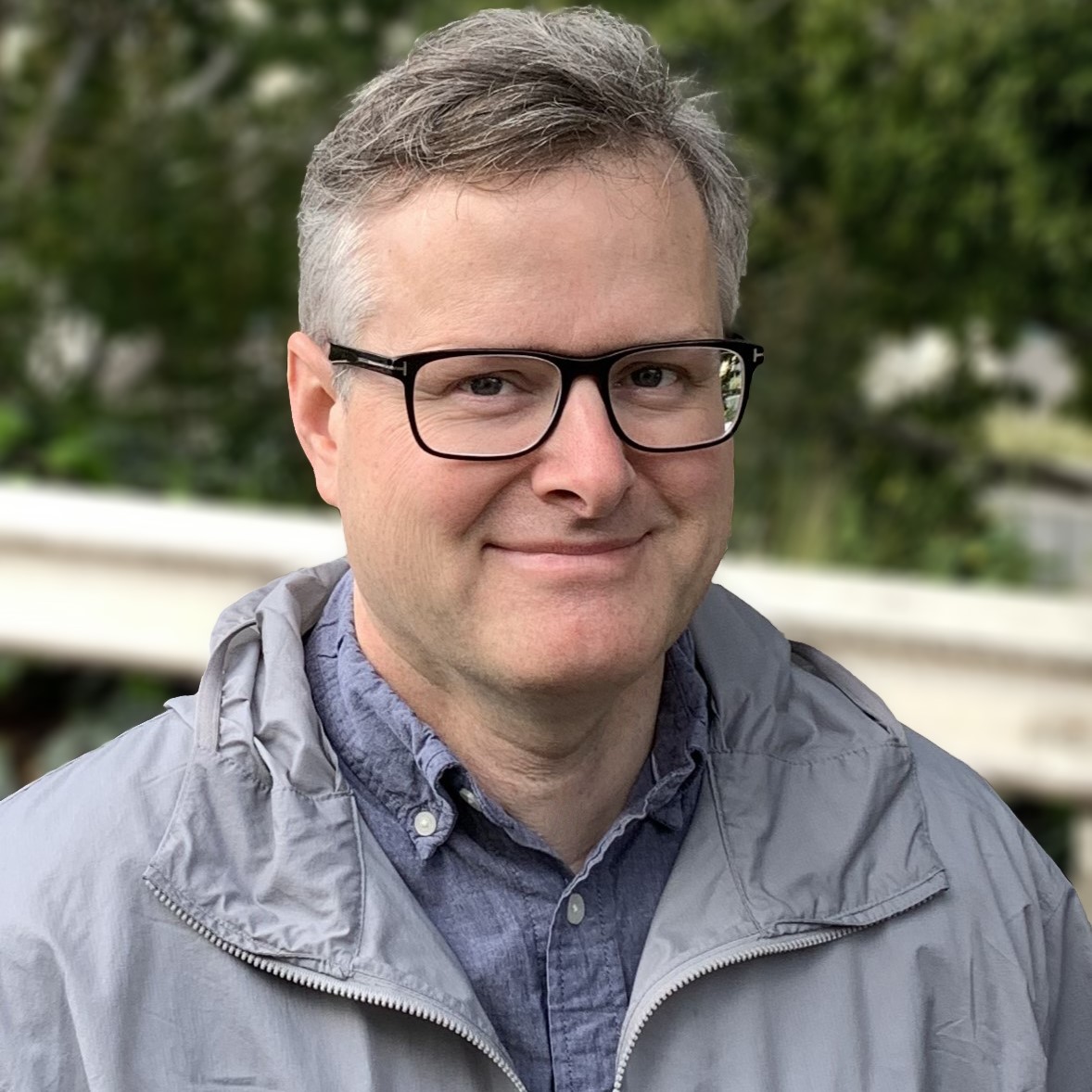
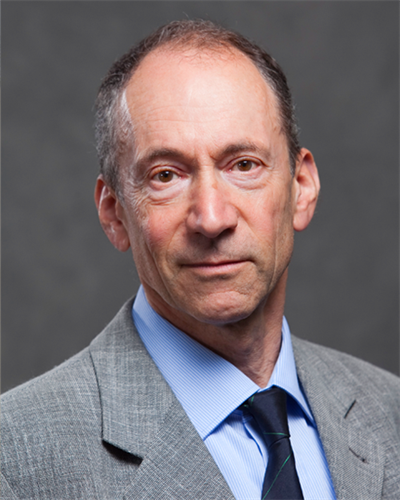
Paul Milewski is the Department Head and Professor of Mathematics at the Department of Mathematics, The Pennsylvania State University, affiliated with the Eberly College of Science. His research focuses on applied mathematics, numerical methods, fluid mechanics, and nonlinear waves. Education: Ph.D. in Mathematics from the Massachusetts Institute of Technology (1993). Research interests include fluid dynamics phenomena such as gravity-capillary waves, nonlinear wave interactions, and hydroelastic wave dynamics. He has contributed to studies on Faraday pilot-wave dynamics, three-dimensional flexural-gravity waves, and the mathematical modeling of geophysical flows. His work often bridges theoretical analysis with computational methods. Recent research trends involve modeling complex fluid systems like droplet rebounds, internal solitary waves, and compressor surge prediction. Collaborations include special issues dedicated to peers like Professor Jean-Marc Vanden-Broeck. His research has been published in journals such as Journal of Fluid Mechanics and Studies in Applied Mathematics , with a focus on advancing understanding of nonlinear wave behavior and fluid-structure interactions.
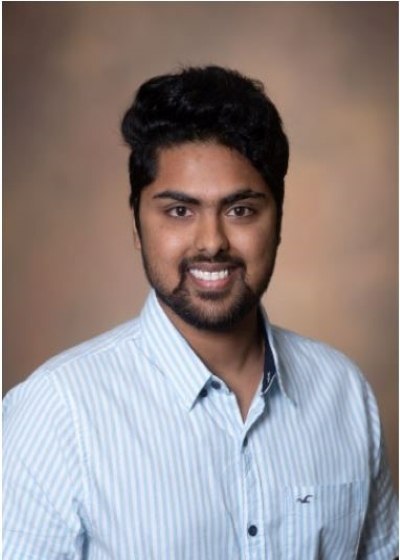
Alexei Novikov is a Professor in the Department of Mathematics at Pennsylvania State University, affiliated with the Eberly College of Science. He holds a Ph.D. from Stanford University (1999). His research focuses on applied analysis, probability, stochastic processes, and their applications in fluid dynamics, imaging science, and materials modeling. Key areas include wave propagation in complex media, sparse signal recovery, and homogenization techniques for heterogeneous systems. His teaching includes advanced courses such as Functional Analysis (Math 503), Stochastic Calculus (Math 519), and Differential Equations (Math 251). He has led NSF-funded research on transport phenomena in heterogeneous media and contributed to algorithm development for imaging in complex environments. Notable works include studies on eddy viscosity in cellular flows, network approximation methods, and fractional kinetic processes. Novikov’s recent work emphasizes interdisciplinary applications, including neural network approaches for super-resolution imaging and stochastic models for knowledge diffusion. His publications span journals like Communications on Pure and Applied Mathematics , SIAM Journal on Mathematical Analysis , and Inverse Problems .
Dr. Anca Delia Jurcut is an Assistant Professor in the School of Computer Science at University College Dublin (UCD), leading the DNS Research Lab. She holds a PhD in Security Engineering from the University of Limerick and a BSc in Computer Science and Mathematics from West University of Timisoara. With over 16 years of academic and industry experience, her research focuses on cybersecurity, including formal verification of security protocols, IoT security, and machine learning applications for threat detection. She has secured €1.5M+ in EU and national grants and authored over 120 peer-reviewed publications. Notable awards include the 2023 Best Paper Award from JNCA and inclusion in the World’s Top 2% Scientists (2024). Education: PhD (University of Limerick), BSc (West University of Timisoara) Research Interests: Cybersecurity, Attack Detection, Formal Verification, Blockchain, Quantum-Resistant Protocols Awards: World’s Top 2% Scientist, IEEE Senior Member, UCD Women in Science Award Research Highlights : Pioneered SDN attack datasets (InSDN), developed formal verification tools (CDVT/AD), and advanced ransomware classification frameworks. Current projects address quantum-resistant protocols, MEC security, and resilient IoT systems. Grants & Funding : Lead researcher on EU H2020 projects (e.g., AIDA), SFI grants (Machine Learning Labs), and NATO-funded studies on insider threats. Collaborates internationally on cybersecurity frameworks and edge computing security. Labs & Teams : DNS Research Lab (UCD), co-founder of the InSDN Dataset initiative, and contributor to the CDVT/AD formal verification tool.
Dr. Daniel Mittleman is a Professor of Engineering at Brown University's School of Engineering, leading the Mittleman Lab focused on terahertz science and technology. He holds academic appointments in both Engineering and Physics. His research spans terahertz spectroscopy, wireless communications, metamaterials, and nano-optics. Dr. Mittleman earned his B.S. from MIT and Ph.D. from UC Berkeley, with postdoctoral work at Bell Labs and Rice University before joining Brown in 2015. Key research interests include terahertz wave manipulation, security in high-frequency communications, and applications in imaging and sensing. He has pioneered advancements in terahertz antennas, beam steering, and secure wireless systems. His lab collaborates on projects funded by NSF, DoD, and industry partnerships, focusing on 6G and beyond technologies. Scientific recognition includes Optica, APS, and IEEE Fellowships, the Humboldt Research Award, and leadership roles in international terahertz societies. Dr. Mittleman advises over 30 graduate and postdoctoral researchers, with active projects in sub-THz communications, nonlinear optics, and material characterization. His lab maintains strong ties with industry through technology transfer and device prototyping.
Theresa Anne Jorgensen is an Associate Professor in the Department of Mathematics at The University of Texas at Arlington (UTA), where she has made significant contributions to mathematics education, teacher preparation, and interdisciplinary research connecting mathematics with geoscience. She holds a PhD in Mathematics from the University of Nebraska Lincoln (2000) and has been recognized with numerous teaching awards including the University of Texas System Regents Outstanding Teaching Award (2010) and membership in the UTA Academy of Distinguished Teachers (2016). Her educational background includes: PhD in Mathematics, University of Nebraska Lincoln, 2000 MS in Mathematics, University of Nebraska Lincoln, 1997 BA in Mathematics, University of Saint Thomas Minnesota, 1993 Dr. Jorgensen's research focuses on mathematics education with particular emphasis on teacher preparation, K-12 mathematics education, and the integration of geoscience contexts into mathematics courses. She has developed innovative approaches to teaching precalculus and algebra by connecting mathematical concepts to real-world geoscience applications, creating new pathways for students interested in geosciences while addressing mathematics bottlenecks. Her work on vertical alignment of mathematics concepts across grade levels has been influential in teacher preparation programs. Recent research examines equity and identity in general education mathematics courses, thinking classroom strategies, and the mathematical knowledge of graduate teaching instructors. Dr. Jorgensen has received several prestigious awards including: Travel Award, NSF DUE-2408993 (May 2024) Association for Women in Mathematics Chapter Award for Sustainability and Fundraising (August 2017) Member of Academy of Distinguished Teachers, UTA Academy of Distinguished Teachers (2016) Faculty Fellow for Service Learning, UTA Center for Service Learning (2014) Provost's Research Excellence Award, UTA (2010) University of Texas System Regents Outstanding Teaching Award (2010) Honors College Distinguished Faculty Award, UTA Honors College (2006) Provost's Award for Excellence in Teaching, UTA (2005) As an advisor, Dr. Jorgensen has mentored numerous graduate and undergraduate students through dissertation committees, thesis committees, and research projects. She has served in leadership roles for the Association for Women in Mathematics at UTA and has been actively involved in professional service at the departmental, college, and university levels, including committee work focused on curriculum development, student success, and faculty development. Her recent work has emphasized building professional learning communities to support mathematics education initiatives and creating inclusive learning environments that address equity and identity in mathematics education.
Chatzakos Dimitrios is an Assistant Professor at the Department of Mathematics, University of Patras. He holds a Ph.D. in Mathematics from University College London (UK), an M.Sc. and B.Sc. from the National and Kapodistrian University of Athens. His research interests focus on Number Theory, Algebra, and Dynamical Systems, with particular emphasis on hyperbolic geometry and analytic number theory. He teaches undergraduate courses in Algebra I and Real Analysis II, and a postgraduate course on Topics in Analysis. His research addresses prime geodesic theorems, hyperbolic lattice point problems, and quantum ergodicity in arithmetic settings. He has collaborated with researchers such as Olga Balkanova, Giacomo Cherubini, and Niko Laaksonen, producing impactful work published in journals like Mathematische Zeitschrift and Transactions of the American Mathematical Society . His contributions span topics including spectral theory, automorphic forms, and equidistribution phenomena in hyperbolic spaces.
Nathan G. Dodder is an Adjunct Professor in the School of Public Health at San Diego State University (SDSU), with affiliations in the College of Health and Human Services. He holds a Ph.D. in Analytical Chemistry from Indiana University and a B.A. in Chemistry from Minnesota State University Moorhead. His research focuses on analytical method development for contaminant quantification, environmental survey design, and software tools for mass spectrometry and statistical analysis. Key roles include Co-Principal Investigator on NOAA-funded projects assessing DDT+ impacts in marine ecosystems and leading research on thirdhand smoke contamination. He has received the 2023 Non-Tenure Track Faculty Research Award and contributed to over 60 peer-reviewed publications on topics like marine pollutants, tobacco residue, and environmental toxins. His expertise spans environmental chemistry, toxicology, and public health, with grants totaling over $5 million. He advises on SDSU thesis committees and collaborates with organizations like the SCCWRP and TRDRP. Notable contributions include identifying novel DDT+ compounds in marine mammals and developing silicone wristband tools for exposure assessment.
Ke Qiu is a Professor and Graduate Program Director in the Department of Computer Science at Brock University, part of the Faculty of Mathematics & Science. He holds a BSc from Harbin Institute of Technology, an MSc in Computer Science and a second MSc in Applied Mathematics from the University of California, Davis, and a PhD from Queen’s University in Ontario, where he worked in the Parallel Computation Group. His research focuses on Algorithms and Parallel Computation , particularly in interconnection networks and graph theory. His work spans algorithm design, graph topology analysis, and network optimization, with applications in parallel computing architectures. Recent research trends include studies on interconnection network properties (e.g., surface area calculations for star graphs and arrangement graphs), fault tolerance in networks, and parameterized algorithmic approaches. He has also contributed to interdisciplinary studies in medical research, such as investigating clinical outcomes for head and neck cancers and auditory disorders. No scientific awards are explicitly listed, but his extensive publication record reflects sustained academic contributions. He advises the graduate program but no specific student names are provided. His work aligns with computational and interdisciplinary challenges in both computer science and healthcare domains.
Dr. Charan Gudla is a Clinical Assistant Professor in the Department of Computer Science and Engineering at Mississippi State University's Bagley College of Engineering. His research focuses on cybersecurity, machine learning applications in security, and emerging threats in networked systems. Research interests span cybersecurity, artificial intelligence, cloud security, and network defense with applications in malware detection, DDoS mitigation, and secure infrastructure development. Publications focus on cybersecurity applications of machine learning, including malware detection, network defense, blockchain security, and emerging attack vectors. Recent work explores deep learning in healthcare security, cloud-based DDoS detection, and infrastructure resilience. Active in science communication through cybersecurity news platforms, covering topics including malware analysis, data breaches, AI security implications, and emerging cyber defense technologies.
Dr. Yaowu Hao is a Professor in the Department of Materials Science and Engineering at the University of Texas at Arlington. He holds joint appointments in both Materials Science and Engineering and Bioengineering departments. His academic journey began with a BS and MS in Metal Physics and Chemistry from the University of Science and Technology in Beijing, followed by an MS in Materials Science and Engineering from the University of Florida, and culminated with a PhD in Materials Science and Engineering from MIT in 2003. After completing a postdoctoral fellowship at Johns Hopkins University, he joined UT Arlington in 2005, progressing from Assistant Professor to Associate Professor and ultimately to his current position as Professor since 2018. Dr. Hao's research focuses primarily on nanomedicine, with specific interests in plasmonic metal and semiconductor nanoparticles for biomedical imaging and drug delivery applications, as well as radioactive copper-based inorganic nanoparticles for biomedical imaging and therapeutic applications. His work spans nanotechnology, nuclear medicine, plasmonics, and magnetic materials, with a strong emphasis on developing novel nanomaterials for cancer diagnosis and treatment. His laboratory has made significant contributions to the fields of hollow nanoparticles, surface-enhanced Raman scattering (SERS) substrates, and nanotheranostic agents. Analysis of Dr. Hao's recent publications reveals a consistent focus on nanomaterial synthesis and biomedical applications. His work demonstrates expertise in creating various nanostructures (gold, silver, tungsten disulfide) with specific morphologies for targeted applications, particularly in cancer therapy and diagnostics. There's a clear progression from fundamental nanomaterial synthesis to increasingly sophisticated theranostic applications, with recent work focusing on radiolabeling strategies, improved memory devices, and advanced SERS substrates for sensitive detection. US patent 9,040,157: Hollow nanoparticles and nanocomposites and methods of making hollow nanoparticles and nanocomposites (issued May 26, 2015) US patent 9,801,962 B2: Radioactive nanoparticles and methods and using of the same (issued October 31, 2017) Dr. Hao has mentored numerous graduate students through their PhD and MS research projects, with current advisees including Christopher Pickering, Aseem Athavale, Shahab Ranjbar Bahadori, and Ryan Hart. His research has been generously supported by multiple federal grants from NIH and NSF, as well as state funding from organizations like the Cancer Prevention & Research Institute of Texas. Current major projects include "Radiotherapeutic Nanoseeds for Internal Radiation Therapy of Unresectable Solid Tumors" (NIH-funded) and "Collaborative Research: Hollow Nanoparticle Synthesis" (NSF-funded). Dr. Hao leads the Hao Research Group, which focuses on developing novel nanomaterials for biomedical applications. The group maintains strong collaborations with researchers in bioengineering and oncology, particularly in developing nanotheranostic agents for cancer treatment. Current projects involve radioactive nanoseeds for glioblastoma treatment, renal clearable nanoparticles, and advanced SERS substrates for sensitive molecular detection.
Mirza Karamehmedovic is an Associate Professor at the Department of Applied Mathematics and Computer Science, Technical University of Denmark (DTU). His research focuses on computational mathematics, photonics, and inverse problems, with applications in optical surface metrology and numerical methods for engineering systems. He leads projects involving uncertainty quantification, inverse problem formulations, and bio-nanomaterials. Key research areas include electromagnetic scattering models, failure probability estimation using Gaussian processes, and spectral analysis of random media. His work bridges theoretical mathematics with practical engineering solutions, particularly in photonics and microscopy. Supervised PhD students include L. Baalbaki (Bayesian inverse problems), K. Linder-Steinlein (source localization in random media), and J. Bravo Gadea (geometric analysis). Active in international conferences presenting on topics like photonic nanojets and Helmholtz equation applications.
Timothy Sun is an Assistant Professor of Computer Science at San Francisco State University (SFSU), serving as Graduate Coordinator and Advisor. His research focuses on combinatorics and theoretical computer science, particularly topological graph theory. He holds a Ph.D. (2019) and B.S. (2013) in Computer Science from Columbia University, advised by Xi Chen and Rocco Servedio in the Theory Group. He previously held positions at Emory University (2019–2020) and Columbia University (2018). His Erdős number is 3. Education: Ph.D. Computer Science, Columbia University (2019); B.S. Computer Science, Columbia University (2013, magna cum laude) Research emphasizes graph embeddings, genus calculations, and algorithmic design. Notable contributions include work on complete graph embeddings, cycle-finding algorithms, and Rubik’s Cube group commutators. Teaching includes Analysis of Algorithms I/II at SFSU and courses at Emory/Columbia. Publications span graph theory and topology, with recent work on Jungerman ladders, nonorientable genus calculations, and algorithm visualization tools like AAnim. Awards include three bronze medals in speedcubing at the 2009 World Championships. Advising activities include graduate student coordination at SFSU. No listed grants are detailed in the provided texts. Maintains a lab focused on theoretical computer science and algorithmic visualization.
Henry Boateng is an Associate Professor in the Department of Mathematics at San Francisco State University (SFSU), affiliated with the College of Science & Engineering. His research focuses on scientific computing, computational chemistry, and numerical analysis with applications in particle methods, materials science, and randomized linear algebra. He develops advanced algorithms for electrostatic interactions, treecode methods, and hierarchical clustering. Education details are not explicitly stated but inferred from his academic role. His work integrates computational mathematics with interdisciplinary applications, supported by grants from NSF and the U.S. Department of Energy. He has developed multiple software tools in C++, Fortran, and Python for treecode implementations, including the Periodic Coulomb Tree Method and tricubic interpolation-based algorithms. Research interests include mesh-free methods, multipolar electrostatics, and high-performance computing. His publications emphasize algorithm design for efficiency and accuracy in large-scale particle systems. He teaches courses in linear algebra, numerical analysis, and computational mathematics at SFSU and previously at Bates College.
Mark Kachanov is a Professor of Mechanical Engineering and Civil and Environmental Engineering at Tufts University's School of Engineering. He has held academic positions since 1982, becoming a full professor in 1988. His research focuses on micromechanics of materials, including heterogeneous materials, microstructure-property relationships, and applications to coatings, geo-materials, and piezoelectrics. He currently serves as Editor-in-Chief of the International Journal of Engineering Sciences and Letters in Fracture and Micromechanics . Education Ph.D., Brown University, United States (1981) Candidate of Sciences, Leningrad Polytechnic Institute, Russian Federation (1974) M.Sc., Leningrad State University, Saint Petersburg, Russia (1969) Research Interests Dr. Kachanov’s work emphasizes micromechanics of materials , exploring connections between material microstructure and macroscopic properties. Key areas include crack mechanics, effective properties of heterogeneous systems, and applications in advanced materials like ceramics and composites. His research often involves industry collaboration. Grants & Advising His extensive grants and industry partnerships support applied and theoretical studies. He advises graduate students in mechanical engineering and materials science. Notable contributions include modeling fracture behavior and developing methodologies for material property prediction. Labs/Teams He leads research teams focusing on material failure mechanisms and computational micromechanics within the Department of Mechanical Engineering at Tufts.
Cristian Staii is an Associate Professor in the Department of Physics and Astronomy at Tufts University, School of Arts and Sciences. He holds a PhD in Physics and Astronomy from the University of Pennsylvania (2005), and prior degrees from institutions in Romania and France. His research focuses on biological physics, condensed matter physics, and quantum mechanics, with emphasis on neuronal network formation, scanning probe microscopy, and quantum transport phenomena. Education: PhD Physics and Astronomy, University of Pennsylvania, 2005 MS Physics, University of Bucharest, 1998 DEA (Diplôme d’Etudes Approfondies), Joseph Fourier University, 1997 BS Physics, University of Timisoara, 1997 Research Interests: His work combines experimental and theoretical approaches to understand neuronal growth dynamics, cellular biomechanics, and quantum phenomena. Key areas include: Physical principles governing neuronal network formation Quantum transport in nanoscale systems (e.g., graphene, carbon nanotubes) Decoherence in quantum systems and quantum-classical transitions High-resolution microscopy techniques (AFM, fluorescence microscopy) Grants and Funding: National Science Foundation grants for biomaterial designs and neuronal growth studies Tufts Springboard funding for tunable biomaterial substrates MRI funding for advanced microscopy systems Teaching: He teaches courses in Optics and Wave Motion, Quantum Theory, and supervises graduate research. Recent courses include Quantum Theory I/II and thesis supervision. Labs and Collaborations: His lab integrates biophysics, materials science, and quantum mechanics. Collaborations include projects on silk-based biomaterials, neuronal network modeling, and nanoscale electronic transport.