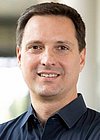
Madhavan Rajanمشاهده پروفایل
استاد مهمان
Madhavan Rajan serves as Visiting Professor of Ophthalmic and Visual Sciences at Anglia Ruskin University's Vision and Eye Research Institute within the School of Medicine, while concurrently acting as Clinical Lead of the Cornea and Cataract Service at Addenbrooke's Hospital, Cambridge, and principal supervisor for the corneal fellowship programme. His academic credentials include: MBBS MS (Ophthalmology) FRCS Ed (Ophthalmology) FRCS Glasg. (Ophthalmology) MRCOphth, London MD, University of London FRCOphth, London Professor Rajan's research pioneers advanced treatments for corneal and cataract disorders through: Development of Microthin DSAEK endothelial keratoplasty technique Cell therapy approaches for corneal blindness using endothelial precursors Optimization of multifocal/toric intraocular lenses Femtosecond laser-assisted surgical innovations Corneal drug delivery systems and graft thickness analysis Visual outcome enhancement in transplantation procedures His publication portfolio demonstrates consistent advancement in corneal transplantation science, particularly endothelial keratoplasty (DSAEK/DMEK) with biomechanical and cellular investigations, while extending into healthcare delivery optimization through community-based cataract shared care models. Key recognition includes: NHS Health Enterprise Innovation Award for Microthin DSAEK development He mentors corneal/ cataract fellows and ophthalmic trainees alongside completing a PhD studentship on corneal endothelial transplantation. Research support encompasses: Cambridge Eye Trust grant enabling first NHS femtosecond laser surgery in UK Fight for Sight randomized trial comparing DSAEK vs DMEK outcomes Anglia Ruskin PhD studentship for corneal endothelial cell therapy IRIS grant funding MD thesis on in vitro corneal models At the Vision and Eye Research Institute, he directs a multidisciplinary corneal research team comprising basic scientists and PhD candidates investigating transplantation techniques, therapeutics, stem cells, and intraocular lens technology.