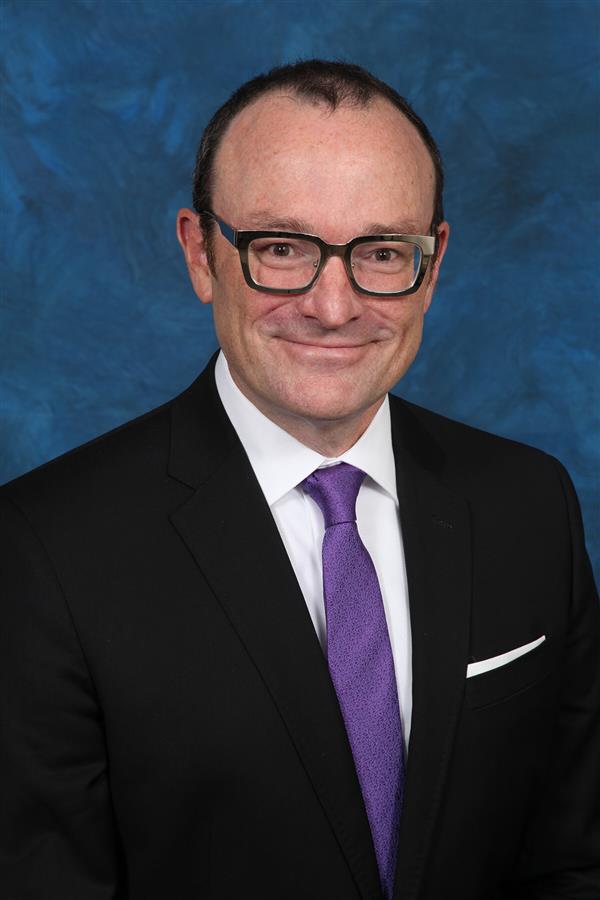
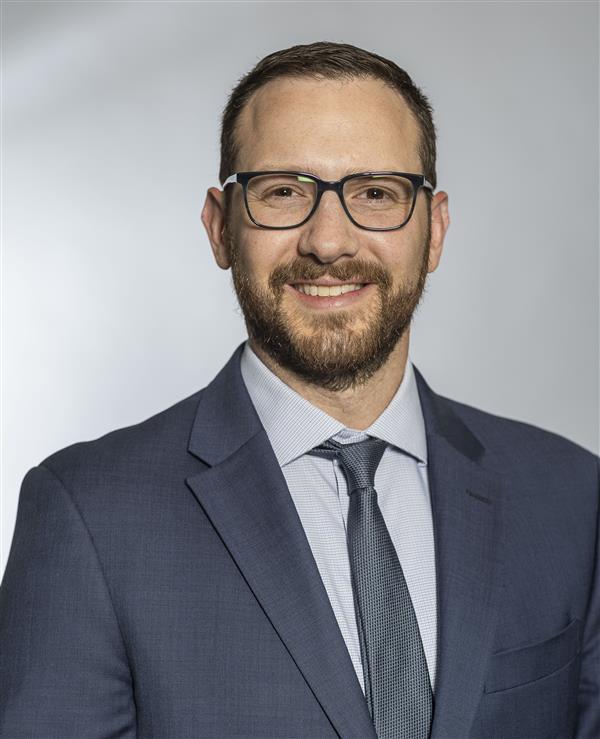
Dr. Saree Alnaghy is an Honorary Associate Professor at the University of Wollongong's Faculty of Engineering and Information Sciences, affiliated with the Centre for Medical Radiation Physics. She holds a Bachelor of Medical and Radiation Physics (Honours) and a PhD in Physics from the University of Wollongong (2009–2017). Her research focuses on advanced medical imaging and radiation therapy technologies, including photon counting detectors, dosimetry systems, and robotic motion phantoms for quality assurance. Key research areas include: Development of novel X-ray detectors for radiotherapy guidance High-resolution dosimetry techniques using silicon and polymer-based systems Integration of real-time imaging in radiation therapy Robotic systems for motion management in oncology Her work has been supported by grants such as 'Sharper Targeting, Brighter Future' (2024) and 'Bringing Colour to Radiotherapy' (2021–2025). She currently supervises PhD and MRes students on projects involving photon counting CT scanners and radiotherapy imaging. Alnaghy also serves as a Radiation Oncology Medical Physics Registrar at the Nelune Comprehensive Cancer Centre.
Zion Zibly, MD, MBA is an Associate Professor in the Department of Neurosurgery at Yale School of Medicine . He holds multiple leadership roles including Director of the Center of Neuromodulation , Director of the Center of Neurosurgical Cancer Pain , and Head of Stereotactic & Functional Neurosurgery and the Focused Ultrasound Institute . Previously served as Chair of Neurosurgery at Sheba Medical Center after graduating from Technion’s Faculty of Medicine (MD) and Coller School of Management (MBA). Research Interests: Specializes in Neuromodulation for movement disorders (Parkinson’s, tremors, dystonia), Deep Brain Stimulation , Gene Therapy for pediatric neurodegenerative conditions, Oncological Neurosurgery , and Neurological Pain Management . Combines Functional Neurosurgery with Focused Ultrasound technology. Scientific Contributions: Participated in pioneering Alzheimer’s brain stimulator procedures and Gene Therapy applications. Active member of the North American Association of Functional Neurosurgery and Israeli Neurosurgical Society . Clinical Expertise: Implantation of electrostimulators for Parkinson’s and essential tremor, treatment of Benign/Malignant CNS Tumors , and management of Neurological Pain Conditions . Affiliated with Yale Cancer Center and Center for Brain & Mind Health .
Dr. Sotirios Stathakis is Chief of Physics at the Mary Bird Perkins Cancer Center (2023–Present) and Associate Director of the Medical Physics Division at the University of Texas Health Science Center San Antonio (2017–2022). He holds an Adjunct Professor position at Louisiana State University's Department of Physics and Astronomy (2023–Present). His expertise lies in radiation oncology and medical physics, with a focus on patient-specific quality assurance, dose verification, and advanced treatment techniques like adaptive radiation therapy and SBRT. Education: Ph.D., Medical Physics, University of Patras (2005) M.S., Medical Physics, University of Aberdeen (1997) B.S., Physics (minor in Mathematics and Computer Science), University of Waterloo (1995) Research Interests: Patient-specific quality assurance Daily dose verification Treatment planning techniques Adaptive radiation therapy Stereotactic body radiation therapy (SBRT) Automation and workflow optimization in radiation oncology Publications: Over 20 peer-reviewed articles since 2020, focusing on topics like Monte Carlo simulations, AI-driven beam analysis, and AAPM task group recommendations for IMRT verification. Key themes include improving dose accuracy, equipment validation, and clinical implementation of advanced radiation technologies. Grants & Awards: Not explicitly listed in provided text. Labs/Teams: Collaborates with institutions like Fox Chase Cancer Center, South Texas Veterans Health Administration, and LSU on medical physics research and clinical applications.
Huixiao Chen is an Assistant Professor and Clinical Medical Physicist II in the Department of Therapeutic Radiology at Yale School of Medicine. She holds a primary appointment in Therapeutic Radiology and is actively engaged in clinical and research activities related to radiation oncology physics. Assistant Professor, Department of Therapeutic Radiology, Yale School of Medicine Clinical Medical Physicist II, Therapeutic Radiology Education: Resident, Yale University (2016) Postdoctoral Fellow, Harvard University (2013) Postdoctoral Fellow, Virginia Commonwealth University (2011) PhD, University of Heidelberg, Germany (2010) MS, Zhejiang University, China (1998) BS, Zhejiang University, China (1995) Huixiao Chen's research centers on medical physics in radiation oncology, with a focus on treatment planning optimization, dosimetry, and image-guided radiotherapy. Her work includes the development and evaluation of advanced radiotherapy techniques such as VMAT and SBRT, with applications in spine, lung, and prostate cancers. She has contributed to improving the accuracy of dose calculations using Monte Carlo methods and has explored the impact of patient motion on treatment delivery. Her research also extends to the design of clinical devices to support safe and effective radiotherapy for diverse patient populations. Her recent publications demonstrate a consistent focus on enhancing the precision and efficiency of radiotherapy. Key themes include multicriteria optimization in treatment planning, dosimetric validation of radiochromic films, and the development of supportive devices for image-guided radiotherapy. These works reflect a strong commitment to advancing clinical medical physics through both computational and engineering innovations. Scientific Contributions: Characterization of GafchromicTM EBT4 film for clinical dosimetry Design of a small-footprint couch-top support for heavy patients in IGRT Application of multicriteria optimization in VMAT planning for spine and prostate cancers Comparison of Monte Carlo vs. pencil beam algorithms in lung SBRT Analysis of diaphragm motion effects on spine SBRT Huixiao Chen has collaborated with researchers such as Emily Draeger and Zhe Jay Chen on various projects. While no formal students or grants are listed, her role as a clinical medical physicist and faculty member suggests active mentorship and potential involvement in funded research. She is a key contributor to the medical physics team at Yale, ensuring high standards in treatment planning and delivery.
Brian Kavanagh, MD, MPH is a Professor and Department Chair of Radiation Oncology at the University of Colorado Anschutz Medical Campus School of Medicine. He serves as Department Chair and maintains clinical practice at multiple UCHealth locations including the University of Colorado Cancer Center, Cherry Creek Medical Center, Longs Peak Medical Center, and the Rocky Mountain Gamma Knife Center. His leadership extends to serving as Chair of the American Society for Radiation Oncology since 2017. MD, Tulane University School of Medicine (1988) MPH, Tulane University (1988) BSE, Tulane University (LA) (1984) Internship: Tulane University Program (1989) Residency: Duke University Hospital Program, Radiation Oncology (1993) Dr. Kavanagh's research primarily focuses on stereotactic body radiation therapy (SBRT), functional lung avoidance radiation therapy using 4DCT-ventilation imaging, and treatment of brain metastases from oncogene-driven lung cancers. His work bridges clinical practice, medical physics innovation, and outcomes research, with particular emphasis on optimizing radiation therapy techniques while minimizing toxicity. Recent publications demonstrate his leadership in developing novel approaches to image-guided radiation therapy, including antiscatter grid technology for CBCT imaging and functional avoidance techniques for lung cancer treatment. Analysis of Dr. Kavanagh's recent publications (2019-2024) reveals a strong focus on precision radiation therapy for lung cancer and brain metastases. His research spans technical innovations in medical physics (such as 2D antiscatter grid development), clinical trials evaluating functional avoidance radiation therapy, and studies examining outcomes for patients with oncogene-driven cancers. A significant portion of his work addresses the integration of radiation therapy with targeted therapies for lung cancer with brain metastases, reflecting the evolving treatment paradigms in this field. Top Doctor, 5280 Magazine (2023) Dr. Kavanagh has been instrumental in developing national radiation oncology curriculum frameworks through stakeholder consensus processes. His leadership in the American Society for Radiation Oncology has positioned him to influence practice guidelines and educational standards in the field. His research has been supported through multi-institutional clinical trials and collaborations with major cancer centers across the United States. Dr. Kavanagh leads research efforts in the Rocky Mountain Gamma Knife Center and contributes to the University of Colorado Cancer Center's radiation oncology program. His work with 4DCT-ventilation imaging has established a clinical research program focused on functional avoidance radiation therapy, which aims to preserve lung function while effectively treating tumors.
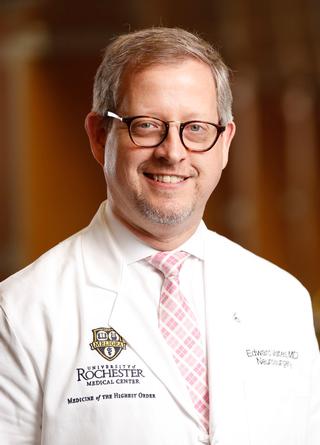
George E. Vates, MD, PhD, is a Professor in the Department of Neurosurgery and the Department of Medicine (Endocrine/Metabolism) at the University of Rochester Medical Center. He serves as neurosurgeon co-director of the University of Rochester Multidisciplinary Neuroendocrinology Clinic and is a key member of the University of Rochester Medical Faculty Group (URMFG), which comprises over 900 providers across 19 departments. Dr. Vates specializes in pituitary tumor surgery, cerebrovascular disorders, and skull base procedures, having performed over 120 transsphenoidal pituitary surgeries. Dr. Vates completed his academic training with exceptional distinction: Duke University: Bachelor's degree, summa cum laude (1988, Phi Beta Kappa) Rockefeller University: PhD in Neuroscience Weill Medical College of Cornell University: MD (1997, Alpha Omega Alpha) University of California, San Francisco: Neurosurgery Residency (1998-2003) Brigham and Women's Hospital, Harvard Medical School: Cerebrovascular/Skull Base Fellowship (2003-2004) His research focuses on pituitary tumor biology, neuroendocrinology, and surgical innovation. He established the Multidisciplinary Neuroendocrinology Clinic as a regional referral center for complex pituitary cases, integrating neurosurgical and endocrinological expertise. Current work emphasizes neuroprotective mechanisms in pituitary adenomas, surgical simulation technology, and optimizing outcomes for elderly glioma patients. Analysis of his 15 most recent publications reveals evolving research trajectories: contemporary studies (2019-2022) concentrate on pituitary tumor management, surgical simulation, and neurosurgical education, while earlier work (2002-2009) explored cerebrovascular anomalies, neural pathway mapping, and vascular malformations. Persistent themes include surgical technique refinement, tumor biology, and clinician training. Dr. Vates' scientific contributions have been recognized through: Phi Beta Kappa (1988) and Alpha Omega Alpha (1991) academic honors Neurosurgery Research and Education Foundation Fellowship (2006) Anspach Award for Cerebral Ischemia Research (2007) AANS Leadership Scholarship and Cone Pevehouse Award (2009) Ongoing service as St. Michael's Hospital Animal Care Committee reviewer As an educator, he mentors neurosurgery residents through clinical supervision and curriculum development, notably publishing on palliative care communication training. His research initiatives, including the 3D-printed cervical laminectomy simulator, demonstrate commitment to advancing surgical education. Current grants focus on neuroprotective strategies in pituitary tumors and resident training methodologies. Dr. Vates co-directs the Multidisciplinary Neuroendocrinology Clinic with endocrinologist Dr. Calvi, fostering collaboration between neurosurgery, endocrinology, and oncology. His clinical team manages complex pituitary cases across Rochester and Hornell campuses, while his research group develops surgical innovations and investigates tumor microenvironment interactions to improve patient outcomes.
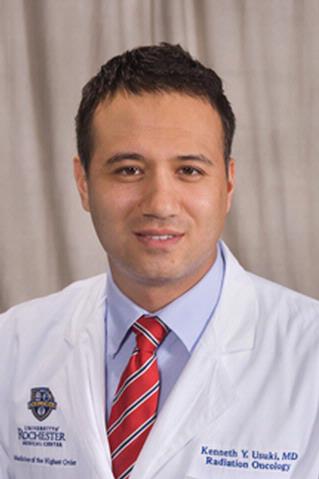
Dr. Kenneth Y. Usuki serves as an Associate Professor in the Department of Radiation Oncology at the University of Rochester School of Medicine and Dentistry. He is a board-certified Radiation Oncologist actively practicing at the Wilmot Cancer Center and Strong Memorial Hospital, specializing in neuro-oncology, radiosurgery, and gastrointestinal cancers. His clinical leadership includes roles as Co-Director of the Spinal Radiosurgery Program, Associate Radiation Oncology Residency Director, and Medical Student Clerkship Director. Dr. Usuki earned his MD from Jefferson Medical College (2004), completed a Transitional Year Internship at Penn Presbyterian Medical Center (2004-2005), and underwent Radiation Oncology Residency at the University of Rochester Medical Center (2005-2009), where he served as chief resident. His research focuses on optimizing radiation techniques for brain/spine tumors, skin cancers, and gastrointestinal malignancies. His research demonstrates consistent innovation in stereotactic radiosurgery, with recent publications (2023-2024) emphasizing brain metastasis management, cognitive preservation during whole-brain radiation, and advanced dosimetry techniques. Key trends include hippocampal avoidance protocols, multi-target radiosurgery planning, and systemic disease interactions with CNS control – reflecting his dual focus on technical precision and patient-centered outcomes. His work frequently appears in high-impact journals like International Journal of Radiation Oncology, Biology, Physics and Advances in Radiation Oncology . Dr. Usuki actively mentors residents and medical students through formal educational leadership roles. His departmental responsibilities include residency program oversight, medical student clerkship direction, and serving as Wellness Representative for the Department of Radiation Oncology. He contributes to major collaborative trials including NRG Oncology CC001. As Co-Director of the University of Rochester Spinal Radiosurgery Program, he leads a specialized team applying cutting-edge techniques like Brain Lab Cranial Elements SRS, VMAT, and Image-Guided Radiation Therapy to complex spinal pathologies. The program emphasizes multidisciplinary collaboration between radiation oncology, neurosurgery, and medical oncology teams.
Tyler Robin, MD, PhD is an Associate Professor in the Department of Radiation Oncology at the University of Colorado Anschutz Medical Campus School of Medicine. He serves as the Director of Genitourinary Radiation Oncology and is actively involved in clinical care, research, and education. Dr. Robin is affiliated with multiple clinical sites including UCHealth Radiation Oncology, the University of Colorado Cancer Center, and the Rocky Mountain Gamma Knife Center, all located on the Anschutz Medical Campus in Aurora, Colorado. Dr. Robin earned his BA from Colorado College in 2007, followed by a PhD from the University of Colorado Health Sciences Center in 2012, and an MD from the University of Colorado Denver School of Medicine in 2014. He completed his residency in Radiation Oncology at the University of Colorado, serving as Chief Resident in 2019. He is a member of the American Society for Radiation Oncology (ASTRO) and the American Brachytherapy Society (ABS). His primary research interests focus on genitourinary cancers, particularly prostate cancer, as well as metastatic disease management, brachytherapy, and stereotactic radiation techniques including SBRT and SRS. His work often examines treatment patterns, disparities in care, and outcomes for patients with genitourinary malignancies. Dr. Robin's research demonstrates strong collaboration across multiple institutions, with a particular emphasis on improving prostate cancer care through clinical trials and real-world evidence. His recent publication record shows significant contributions to prostate cancer guidelines, with multiple appearances as a co-author on NCCN Guidelines® Insights for Prostate Cancer (Versions 3.2024 and 4.2023). His research spans technical aspects of radiation delivery, clinical outcomes, healthcare disparities, and global implementation of radiation therapy techniques. Top Doctor, 5280 (2021) Dr. Robin is committed to providing personalized, compassionate, patient-centered care with an emphasis on effective communication and shared decision-making with patients and their families. His clinical practice focuses on genitourinary cancers including prostate, bladder, and kidney cancer, metastatic disease, brachytherapy, and stereotactic radiation techniques. He actively participates in professional organizations and contributes to national guidelines development in prostate cancer management.
Dr. Shahram Shirani is a Professor and holds the L.R. Wilson/Bell Canada Chair in Data Communications in the Department of Electrical & Computer Engineering at McMaster University. He also serves as Acting Chair of the department. His research focuses on multimedia communications, image/video processing, medical imaging, and hardware architectures. He teaches courses like Image Processing (COMPENG 4TN4) and 3D Image Processing and Computer Vision (ECE 736). Shirani earned his B.Sc. from Isfahan University of Technology (1989), M.Sc. from Amirkabir University of Technology (1994), and Ph.D. from the University of British Columbia (2000). His achievements include the Faculty of Engineering Leadership Fellowship (2014–15) and leadership roles in editorial boards for IEEE Transactions on Multimedia and Circuits and Systems for Video Technology. Research interests include video quality assessment, biomedical signal processing, and edge computing for traffic monitoring. His lab develops algorithms for multimedia representation, compression, and hardware implementation. Recent work includes AI-driven medical sound datasets, real-time noise removal in MRI, and efficient CNN pruning techniques. He advises over 15 graduate students and collaborates on projects like the HLS-CMDS dataset and cardiac segmentation reviews. His lab’s contributions span biomedical engineering, autonomous systems, and smart sensor technologies.
Dr. Patrick Oh serves as an Assistant Professor of Therapeutic Radiology at Yale School of Medicine, practicing as a radiation oncologist at Yale Cancer Center and Smilow Cancer Hospital. He specializes in treating thoracic and genitourinary cancers, as well as hematologic, cutaneous, and metastatic malignancies with an emphasis on individualized, holistic patient care to optimize both disease outcomes and quality of life. His educational background includes: BS from Duke University MD from Stony Brook University School of Medicine Preliminary Medicine Intern at NYU Langone Hospital-Long Island Resident Physician in Radiation Oncology at Yale New Haven Hospital (served as Chief Resident) Gamma Knife Cranial Radiosurgery Certification from Cleveland Clinic Dr. Oh's research focuses on reducing radiation-induced toxicities, particularly cardiopulmonary effects, and expanding the role of radiation therapy across various cancer types. His clinical expertise encompasses advanced radiotherapy techniques including stereotactic body radiation therapy (SBRT), intensity-modulated radiation therapy (IMRT/VMAT), and image-guided radiation therapy (IGRT). Professional recognition includes: RSNA Roentgen Resident Research Award (awarded June 7, 2025) Dr. Oh is dedicated to medical education, actively mentoring residents and medical students with emphasis on communication skills and patient-centered care. He maintains active professional memberships including the American Society for Therapeutic Radiology (2021-present), where he serves on the Board of the Korean American Society for Therapeutic Radiation Oncology (2024-present), and the American Society of Clinical Oncology (2018-present). He treats both adult and pediatric patients and accepts new appointments through Yale Medicine.
Thuy T. Le is a Professor of Electrical Engineering at San Jose State University's College of Engineering. With a distinguished career spanning several decades, he teaches graduate and undergraduate courses in digital system design, computer architecture, microprocessor systems, and related fields. His academic journey began with earning B.S., M.S., and Ph.D. degrees from the University of California, Berkeley. Professor Le's research interests encompass a broad spectrum of cutting-edge technological domains. His primary focus areas include System-on-Chip (SoC) and Embedded System Design, Hardware Accelerators for complex algorithms, Quantum Computing, implementation of Probability theory and Monte Carlo simulation, and radiation effects on electronic devices and systems. His work bridges traditional electrical engineering with emerging computational paradigms, demonstrating a consistent ability to adapt to evolving technological landscapes while maintaining strong foundations in core engineering principles. Analysis of Professor Le's publication record reveals a consistent trajectory from nuclear reactor physics and computational methods toward modern hardware acceleration and quantum computing. His early work focused on nuclear reactor simulation and radiation shielding, then evolved to parallel computing and distributed systems, and has recently centered on hardware acceleration for complex algorithms, quantum computing applications, and AI hardware. This progression demonstrates his ability to transition between major technological paradigms while maintaining expertise in computational methods and hardware implementation. Professor Le has demonstrated significant leadership in professional service, having served as keynote speaker, general chair, technical program chair, session chair, reviewer, and committee member for numerous international conferences. His service extends beyond academia through his role as Co-Founder and Advisor of the Vietnamese Strategic Ventures Network and Chairman of the Board of the United States–Vietnam Foundation. In his educational role, Professor Le has made substantial contributions to engineering curriculum development and assessment. He has taught a wide range of courses including EE271 (Advanced Digital System Design), EE210, EE250, and various project/thesis courses. His research advising spans digital system design, ASIC, SOC, and hardware accelerators. He has also collaborated with local companies on projects related to high-performance system architectures, parallel algorithms, digital arithmetic, and System-on-Chip verification.
Professor Michael D. Jenkinson holds the Sir John Fisher / RCS England Chair of Surgical Trials at the University of Liverpool , where he is also Professor of Neurosurgery. His work focuses on meningioma management, brain metastases, and interventional clinical trials, with funding from MRC, Brain Tumour Charity, and NIHR. PhD in Neuroscience (Imaging and Biology of Oligodendroglial Tumours) Consultant Neurosurgeon at The Walton Centre (2010–present) Chief Investigator on NIHR-funded trials: ROAM, STOP 'EM, SPRING, ReStart Research Interests: Meningioma growth modeling and personalized monitoring Seizure prophylaxis in neurosurgery Surgical trials methodology Quality of life assessments in neuro-oncology Leadership Roles: Chair, SBNS Academic Committee Chair, EORTC Meningioma Committee Member, NIHR HTA Prioritisation Committee Co-Investigator on PROSSPER and FUTURE GB trials
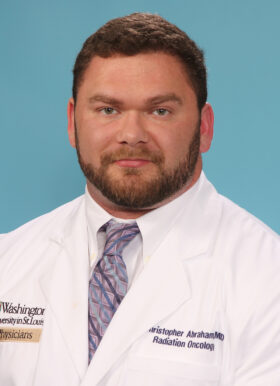
Christopher D. Abraham, MD is an Associate Professor of Radiation Oncology and Associate Professor of Medicine at Washington University School of Medicine in St. Louis. He is affiliated with the Siteman Cancer Center, Brain Tumor Center, and Institute of Clinical and Translational Sciences (ICTS). Dr. Abraham practices at multiple locations including the Center for Advanced Medicine Radiation Oncology Center, Barnes-Jewish West County Hospital, and Siteman Cancer Center – North County. His clinical work focuses on radiation oncology with expertise in treating brain tumors and other cancers. Dr. Abraham completed his Medical Degree at Saint Louis University School of Medicine in 2011 and his Residency in Radiation Oncology at Barnes-Jewish Hospital and Washington University School of Medicine in 2016. He earned his BS in Radiologic Science from the Medical College of Georgia in 2004. Dr. Abraham's research focuses on advancing radiation therapy techniques, particularly in stereotactic radiosurgery for brain metastases, hippocampal-avoidance whole brain radiation therapy, and innovative approaches for glioblastoma treatment. His work demonstrates a strong emphasis on optimizing radiation delivery while minimizing neurocognitive side effects. He has pioneered simulation-free radiation therapy techniques that expedite treatment planning, particularly for palliative care patients. His research also explores the integration of AI and large language models in radiation oncology workflows and insurance appeals processes. Analysis of Dr. Abraham's recent publications reveals a clear research trajectory focused on improving precision in radiation therapy for brain tumors, with particular attention to hippocampal protection, adaptive planning techniques, and combined modality approaches. His work spans clinical trials, technical innovations in treatment planning, and translational research connecting imaging with treatment outcomes. The increasing citation counts of his work, particularly his 2023 paper on simulation-free radiation therapy which has 34 citations, demonstrates growing impact in the field. While specific awards are not listed in the provided information, Dr. Abraham's work has accumulated 536 citations according to Scopus metrics, indicating significant scholarly impact. His research has been referenced in clinical guidelines and policy sources, demonstrating translational relevance to clinical practice. Dr. Abraham actively collaborates with multidisciplinary teams including neurosurgeons, medical oncologists, and physicists. His work on the NRG Oncology/RTOG 0631 trial demonstrates involvement in large cooperative group studies. He has contributed to efforts examining insurance policy adherence to radiation oncology guidelines, showing engagement with healthcare systems issues. As a key member of the Brain Tumor Center at Siteman Cancer Center, Dr. Abraham participates in comprehensive brain tumor care teams that integrate surgical, medical, and radiation oncology approaches. His work with the Institute of Clinical and Translational Sciences highlights his commitment to translating research findings into clinical practice. Current research directions include exploring simulation-free radiation therapy techniques, optimizing hippocampal-sparing approaches, and investigating novel combinations of radiation with immunotherapies.
Sameer Nath, MD, is an Associate Professor in the Department of Radiation Oncology at the University of Colorado Anschutz Medical Campus School of Medicine. He holds leadership roles as Vice Chair of Clinical Affairs, Clinical Practice Director at Anschutz Medical Campus, and Medical Director of Radiation Oncology at Highlands Ranch Hospital. Dr. Nath is board-certified in Radiation Oncology and practices at UCHealth Radiation Oncology and Rocky Mountain Gamma Knife Center. MD: University of California, San Diego School of Medicine (2010) Internship: University of California, San Diego (2011) Residency: Yale-New Haven Medical Center, Chief Resident in Radiation Oncology (2015) His research focuses on radiation therapy applications for prostate and lung cancers, brain metastases management, and immunotherapy-radiation combinations. He has pioneered work in stereotactic body radiation therapy (SBRT), tumor hypoxia, radiation pneumonitis prevention, and medical imaging innovations for treatment planning. Recent publications examine oligoprogressive prostate cancer management, radiation oncology nurse education, and deep learning applications in patient positioning. Dr. Nath's 15 most recent publications (2024-2017) demonstrate expertise in prostate cancer (4 articles), lung cancer (4 articles), brain metastases (4 articles), and medical imaging/education (3 articles). Key research themes include SBRT optimization, immunotherapy response monitoring, and radiation toxicity management. American Society of Radiation Oncology (ASTRO) Member Practice locations: UCHealth Radiation Oncology - Anschutz Medical Campus (Aurora, CO) and Rocky Mountain Gamma Knife Center - Anschutz Medical Campus (Aurora, CO) Hospital affiliations: UCHealth Highlands Ranch Hospital and University of Colorado Hospital
Dr. S. Marshal Isaacs is a distinguished Professor of Emergency Medicine at the University of Texas Southwestern Medical School and a senior faculty member at Parkland Hospital's Emergency-Trauma Center. As Medical Director of the Dallas Fire-Rescue Department (DFR), he oversees one of the nation's busiest EMS systems (500 daily incidents, 400+ paramedics). His career includes 12 years as Medical Director for the San Francisco Fire Department, renowned for advancing prehospital care, AED programs, and clinical trials. He collaborates closely with EMS leaders like Drs. Ray Fowler and Kathy Rinnert to enhance Dallas' BioTel System, a 15-municipality EMS federation. Dr. Isaacs' academic roles include NIH-funded research through the ROC consortium and teaching EM residents. His clinical expertise spans otology/neurotology, surgical innovation (e.g., endoscopic ear surgery), and radiation oncology for skull base tumors. He co-authored key NAEMSP texts and pioneered bacteriophage therapy for mastoiditis. Awards include the prestigious Michael K. Copass Award for EMS excellence. Education: Union College, SUNY Stony Brook Medical School (1988), residency at Allegheny General Hospital (Pittsburgh), and a Stanford University EMS fellowship. He served as SFGH's Chief Flight Physician and UCSF faculty before joining UTSW. Current initiatives include the Dallas EMS Vision Process and interdisciplinary NIH projects.