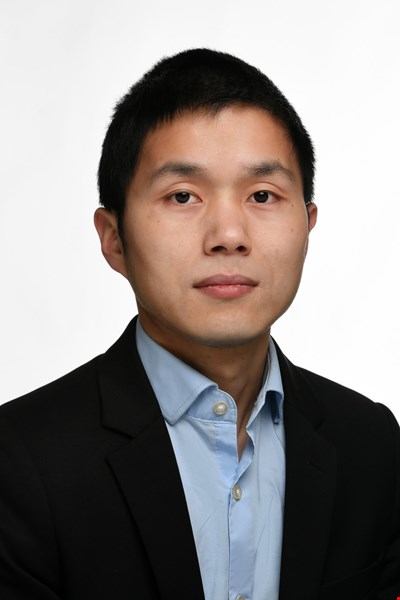
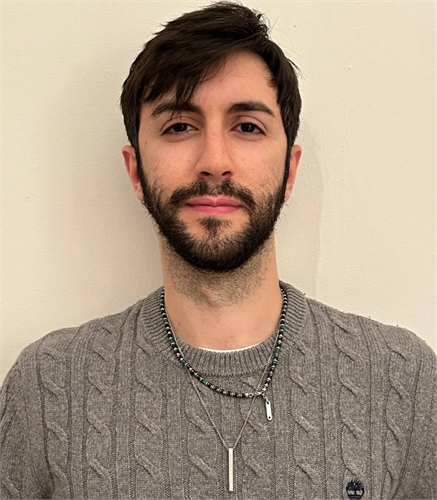
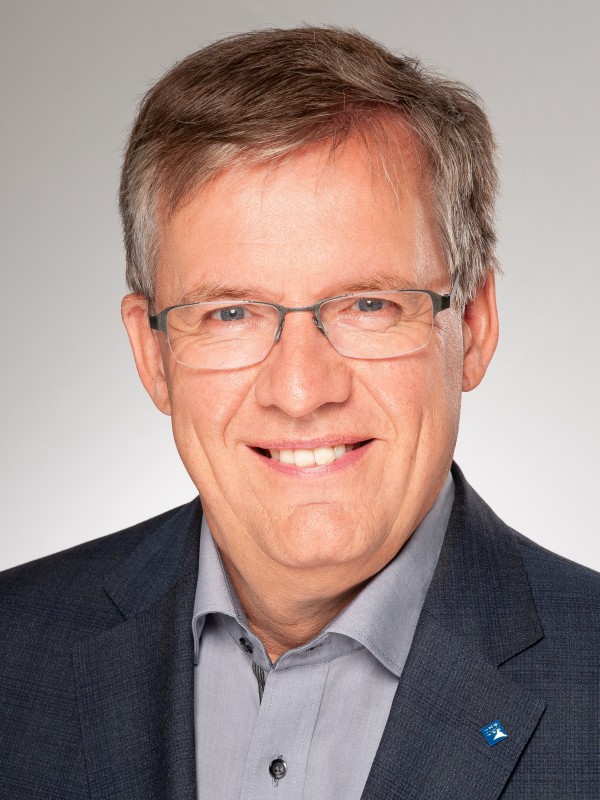
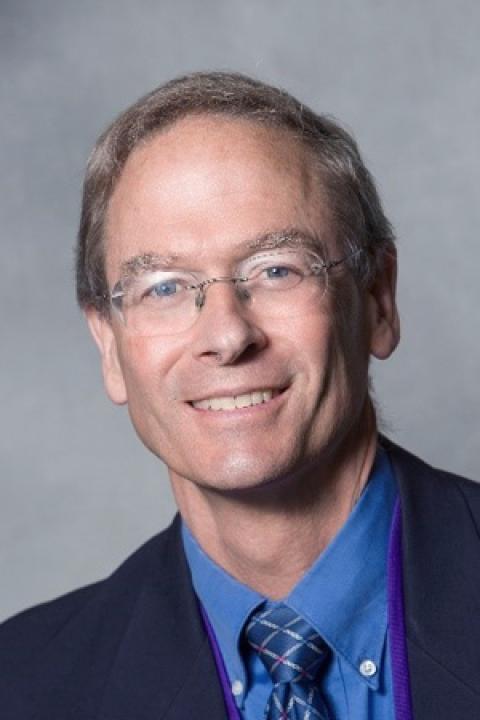
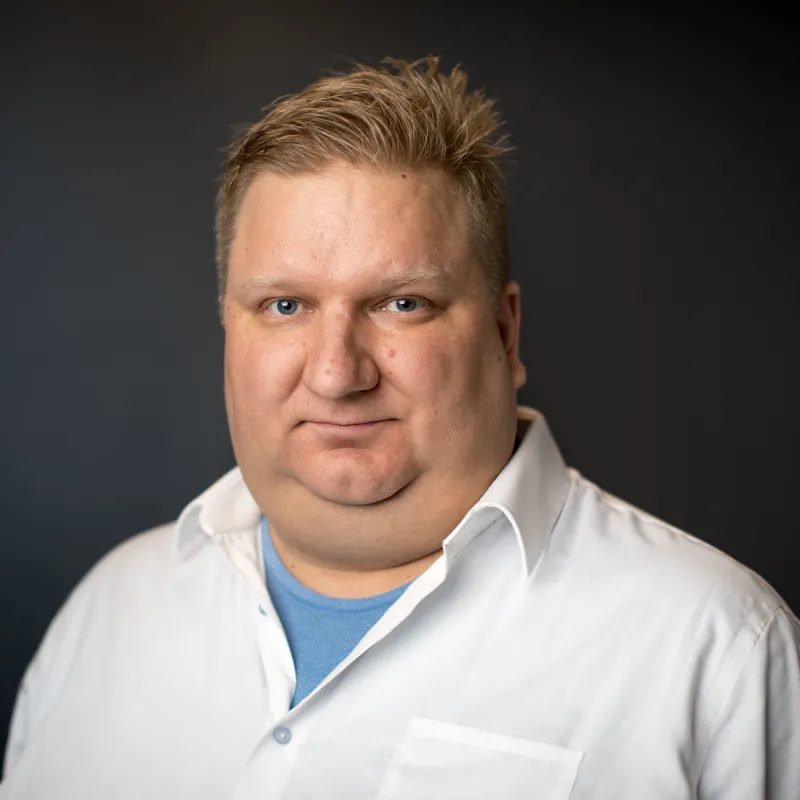
Piet Wambacq is a professor at the Department of Electronics and Informatics, Vrije Universiteit Brussel. He is actively engaged in research and development across analog and digital integrated circuit design, with a focus on 6G applications and biomedical technologies. Research Interests Analog and mm-Wave IC design CMOS circuit and device technology co-design High-efficiency power amplifiers and low phase noise oscillators Silicon photonics and biomedical equipment Research Output Trends His recent publications emphasize 6G wireless communication, high-frequency analog circuits, silicon photonics reliability, and biomedical signal processing, with significant contributions in gallium nitride (GaN) and III-V semiconductor technologies. Advising and Projects Wambacq supervises PhD students and collaborates on projects like FWOSB180, FWOSB181, and IOF3016, addressing future health technologies and advanced communication systems.
Dr. Shaoqing Hu is a Lecturer in Electronic and Electrical Engineering at Brunel University of London's College of Engineering, Design and Physical Sciences, and serves as an Adjunct Professor at Hangzhou Dianzi University. He holds a PhD from Queen Mary University of London (2020), with prior degrees from University of Electronic Science and Technology of China. His academic roles include Departmental Level 4 Coordinator, Brunel University London Pathway College liaison tutor, and external reviewer. His educational background includes: B.Eng in Vacuum Electronics (UESTC, 2013) M.Eng in Physical Electronics (UESTC, 2016) PhD in Electronic Engineering (QMUL, 2020) Dr. Hu's research centers on millimeter wave/THz security detection, sparse imaging, antennas, and wireless communication. His work bridges theoretical signal processing with practical security applications, particularly in personnel screening and target detection systems. Current projects focus on MIMO mmWave 3D imaging for future screening systems and advanced millimeter-wave imaging with sparse arrays. His group develops specialized hardware including 220 GHz imaging systems and multi-band antennas. Analysis of his recent publications reveals strong emphasis on sparse array configurations (MIMO planar/sparse arrays), algorithmic innovations (back-projection, low-rank matrix recovery), and emerging applications in security screening (2025 Signal Processing Magazine overview). The research spans THz to microwave frequencies with increasing integration of deep learning techniques since 2022. His scientific recognition includes: Fellow of the Higher Education Academy (2024) First Prize Best Student Paper Award (UCMMT 2020) Student Paper Award (IEEE AP CAP 2015) VinFuture Prize Official Nominator (2023) Dr. Hu actively supports early-career researchers through supervision of PhD students (including Shiwei Hu and Wenyi Yan) and MSc candidates. He has secured multiple research grants including Brunel Research Initiative and Enterprise Fund (BRIEF 2022-23), Brunel Research Development Fund, and NSFC collaboration grants. He serves as referee for major awards like UK Doctoral Researcher Award and supports fellowship applications including RAEng and Marie Curie schemes. His laboratory specializes in mm-wave/THz sparse imaging systems, featuring a 1.5m x 1.5m planar scanning setup and 220 GHz MIMO imaging capabilities. The team develops specialized antennas including GNSS arrays, dual-polarized horns, and quasi-Yagi structures for applications ranging from security screening to health sensing.
Dr. Susanna Spinsante is an Associate Professor at the Department of Information Engineering, School of Engineering, Università Politecnica delle Marche (UNIVPM), Italy. Her research focuses on electrical measurements, IoT-enabled sensor systems, and machine learning applications for fault detection and health monitoring. Academic Rank: Associate Professor Department: Information Engineering University: Università Politecnica delle Marche Her research spans wearable devices for physiological signal analysis, radar-based vibration monitoring for UAV/drone security, and IoT applications in digital health. She has published extensively on skin conductance monitoring, radar signal processing, and assisted living technologies. Recent work includes unsupervised learning techniques for physical fatigue detection, mmWave radar applications in vehicle safety, and covert communication channels for UAV security. Her 2025 articles highlight advancements in nitrate detection via Raman spectroscopy and industrial fan quality inspection using 77 GHz radar. Key collaborations involve projects like vINCI and HealthyIoT conferences, emphasizing ambient assisted living and biomedical sensor validation.
Aslak Grinsted is an Associate Professor at the Physics of Ice, Climate and Earth section within the Niels Bohr Institute at the University of Copenhagen . His research focuses on ice flow modeling , particularly through computational simulations of glaciological processes and climate-ice interactions. His work spans multiple subfields including ice stream dynamics , firn densification , subglacial hydrology , anisotropic ice mechanics , and Greenland Ice Sheet stability . Recent publications analyze 2D firn densification , crystal fabric anisotropy , and subglacial drainage cascades , with specific applications to the Northeast Greenland Ice Stream and Dome C ice cores. Collaboration networks show extensive work with institutions like University of Copenhagen , DARK Cosmology Centre , and Technical University of Denmark . Research outputs frequently appear in journals such as Journal of Glaciology , Nature Communications , and The Cryosphere , covering topics like ice failure strength , temperature-ice volume relationships , and grounding line migration .
Prof. Dr. Lutz Maicher is a Professor at HTWK Leipzig's Faculty of Business Administration and Industrial Engineering. He specializes in Digital Transformation , Business Administration , and Blockchain Technology . With prior roles including Junior Professor at the University of Jena and leadership positions at Fraunhofer IMW, his work focuses on SME digitalization and intellectual property management. Current: Professor at HTWK Leipzig 2014–2022: Junior Professor for Technology Transfer, University of Jena 2011–2019: Head of Working Group at Fraunhofer IMW His research explores digital collaboration tools for low-IT-skill organizations, including the open-source project samarbeid , and addresses intellectual property challenges in blockchain-based innovation. He has led projects like FiberConnect (AI radar for circular economy) and HOME (Digital Commerce in social work). Recent publications highlight trends in AI-driven process optimization and blockchain applications for SMEs. His work bridges semantic technologies, data management, and industrial digitalization . Awards DFG Research Training Group Fellow German Academic Scholarship Foundation recipient As managing director of das Schwarzen Brett UG , he drives strategic development of digital entrepreneurship technologies. He advises on technology transfer and digital governance , with notable contributions to the Schumpeter Centre and INFAI institute.
Andrea Cannata is a Full Professor of Solid Earth Geophysics at the University of Catania , Italy. He serves as a key researcher at the National Institute of Geophysics and Volcanology (INGV-OE) , contributing to multidisciplinary studies in volcanology , seismology , and microseism analysis . His career spans institutions like the University of Perugia (2015–2018) and collaborations with global entities such as the Berkeley Seismological Laboratory and NIED, Japan . Education: PhD in Geodynamics and Seismotectonics (University of Catania, 2009), Master’s in Theoretical and Applied Geophysics (University of Pisa, 2004), Bachelor’s in Geological Sciences (University of Catania, 2002). Research Focus: Analysis of seismic and infrasound signals in volcanic environments, magma dynamics, volcano-earthquake interaction, seismic noise interferometry, and machine learning applications in geophysics. Publications highlight his expertise in volcanic tremors , lava fountain monitoring , microseism-storm correlation , and Antarctic seismo-climatic studies . His work spans 75+ ISI JCR papers , book chapters , and scientific reports , with significant contributions to machine learning in volcano monitoring and COVID-19 lockdown seismic noise analysis . Projects include i-waveNET for Mediterranean sea state monitoring and multiparametric studies of Mount Melbourne and Stromboli paroxysms . His Antarctic expeditions (2016–2017) advanced understanding of glacial seismicity and volcanic degassing .
Riccardo Garofalo is a Research Fellow and PhD student in Aeronautical and Space Engineering at the Space Systems and Space Surveillance Laboratory (S5Lab) of Sapienza University of Rome. His research fellowship (June 2023–June 2024) focuses on "On-board electronic systems for two-phase flow experiments in microgravity," aligning with his doctoral work in advanced space technologies. Education: Master's Degree in Aeronautical Engineering, Roma Tre University (2022) Bachelor's Degree in Aerospace Engineering, Sapienza University of Rome (2019) Research Focus: His work spans thermal management in microgravity, CubeSat sensor networks, and innovative tracking systems for stratospheric balloons and space vehicles. Key areas include two-phase cooling systems (e.g., Baridi-Sana project), IoT applications for wildlife monitoring via CubeSats, and software-defined radio navigation (STRAINS/TARDIS experiments). Publications: Garofalo's 13 articles emphasize experimental aerospace engineering, with recurring themes in thermal regulation, satellite navigation, and educational CubeSat projects. Trends show strong interdisciplinary integration of thermodynamics, materials science, and AI-assisted systems for space missions. Technical Proficiencies: LabVIEW, MATLAB, Python, C/C++, GNURadio, and STK for aerospace simulations, alongside expertise in Linux/Windows environments. Affiliations: Active contributor to ESA educational programs and S5Lab's CubeSat initiatives (GreenCube, WildTrackCube-SIMBA).
Prof. Jörn Ostermann is a Full Professor and Head of the Institut für Informationsverarbeitung at Leibniz Universität Hannover since 2003, with prior roles at AT&T Bell Labs and AT&T Labs-Research. He served as Dean of the Faculty of Electrical Engineering and Computer Science (2011–2013) and member of the Senat (since 2020). His research spans video coding, computer vision, machine learning, 3D modeling, and computer-human interfaces , with applications in SAR imaging, predictive maintenance, children's speech analysis, and cochlear implants. Key projects include Next Generation Video Coding , Conditional Coding for Learned Compression , and GreenAutoML4FAS . Notable trends in his recent publications (2025–2023) include Neural network-based video compression Uncertainty estimation in speech recognition Zero-delay coding for cochlear implants Domain adaptation for aerial image segmentation 3D mesh compression standards Error concealment in VVC coding Scientific recognitions: AT&T Standards Recognition Award (1998) ISO Award (1998) IEEE Fellow (2005) Distinguished Lecturer, IEEE CAS Society (2002/2003) MPEG Convenor (2020–2023) He co-authored a graduate textbook on Video Communications , holds >30 patents, and has led >20 research projects. His work bridges academic research and industrial standardization, particularly in MPEG and IEEE committees.
Murat Üçüncü is an Associate Professor in the Department of Electrical and Electronics Engineering at Başkent University . He holds a PhD (1989), MSc (1985), and BSc (1983) from Boğaziçi University, and an additional BSc from Kara Harp Okulu (1980). His academic career spans over 35 years, with a focus on RF systems, control theory, and defense technologies. PhD, Boğaziçi University (1989) MSc, Boğaziçi University (1985) BSc, Boğaziçi University (1983) BSc, Kara Harp Okulu (1980) His research interests include RF power amplifier design, MEMS-IMU systems, underwater communication, and graph signal processing for automotive RADAR. Recent work emphasizes adaptive Kalman filtering, avionics network simulations, and autonomous systems for UAVs. Key article trends show expertise in RF circuit optimization , Kalman filter adaptation , and graph-based classification algorithms . No scientific awards are mentioned in the provided data. Advised 21+ students in areas spanning control systems, avionics, and defense technologies Led projects on shaped charges, underwater communication systems, and avionics networks
Kim Lowell serves as a Research Scientist at the University of New Hampshire's Center for Coastal & Ocean Mapping (CCOM), with concurrent appointments as Adjunct Professor in Analytics and Data Science and Affiliate Research Professor in the Earth Systems Research Centre. His work centers on advancing bathymetric charting through machine learning and geospatial analytics at the Chase Ocean Engineering Lab in Durham, NH. His academic credentials include: M.Sc. in Forest Biometrics from University of Vermont Ph.D. in Forest Biometrics from Canterbury University, New Zealand M.Sc. in Data Science and Analytics from University of New Hampshire Lowell's research integrates machine learning, deep learning, and geospatial analysis to solve complex problems in ocean mapping and land management. He specializes in processing optical, radar, and lidar imagery while rigorously accounting for data uncertainties, with applications spanning bathymetric charting, hydrological modeling, and environmental monitoring systems. His technical expertise bridges computational science and environmental applications. Analysis of his 2017-2025 publications reveals consistent innovation in quantifying bathymetric uncertainty through machine learning, with recent work focusing on hydrographic survey optimization, underwater image reconstruction, and multi-temporal change detection. These contributions demonstrate interdisciplinary synergy between marine geodesy, computer vision, and spatial statistics. No scientific awards or honors are referenced in available materials. As instructor for IAM 999: Doctoral Research, Lowell supervises graduate work though specific advisees aren't listed. Grant funding details remain unspecified in the source text. He operates within UNH's Center for Coastal & Ocean Mapping (CCOM), a NOAA-affiliated research hub developing next-generation ocean mapping technologies through collaborative geospatial research.
Chris Hinds serves as the Robertson Fellow in Digital Phenotyping at the Nuffield Department of Population Health, University of Oxford, where he leads the Oxford Digital Phenotyping Laboratory. He holds key roles as Principal Investigator for the GameChanger study (Alzheimer's Society collaboration), Digital Biomarkers for Dementia project (Roche/Lilly co-funded), and IMI RADAR-AD European study, while also serving as Digital Device lead for the Oxford Health Biomedical Research Centre and Investigator in HDR UK and MRC Pathfinder initiatives. His educational background includes a BA (Hons) in Computation, MSc, and DPhil – all completed at Oxford University Computing Laboratory. Dr. Hinds' research centers on developing novel digital phenotyping methodologies to create eCohorts for early disease detection. His work pioneers smartphone applications like Mezurio and the True Colours platform (which has collected over 1 million self-reports from 35,000+ patients), focusing on remote monitoring of Alzheimer's disease, dementia progression, and chronic conditions like psoriatic arthritis through passive data collection and cognitive assessments. Analysis of his 2020-2024 publications reveals consistent innovation in remote monitoring technologies, with 70% targeting Alzheimer's applications. Key trends include smartphone-based cognitive testing (Gallery Game, Mezurio app), wearable device validation for functional assessment, and digital biomarker development – demonstrating interdisciplinary integration of computer science, neurology, and rheumatology to transform clinical trial methodologies. His scientific recognition includes: Robertson Foundation Fellowship Dr. Hinds has secured major funding from Alzheimer's Society, Roche, Lilly, and the Innovative Medicines Initiative for dementia-focused projects. While no formal students are listed, his leadership of the Oxford Digital Phenotyping Laboratory and extensive lecturing for Oxford's Software Engineering Programme indicate significant mentorship activities. His grant portfolio emphasizes real-world validation of digital tools across European clinical networks. He directs the Oxford Digital Phenotyping Laboratory, which develops the Mezurio assessment platform and maintains the True Colours remote monitoring system. His work involves collaboration with the UK Dementias Research Platform, European RADAR-AD consortium, and industry partners to deploy technologies across 15+ clinical sites, with current efforts focused on scaling passive monitoring for pre-symptomatic Alzheimer's detection.
Bernhard Egger is a junior professor (adidas Stiftungsprofessur) at the Chair of Visual Computing, Cognitive Computer Vision Lab at Friedrich-Alexander-Universität Erlangen-Nürnberg (FAU) . His research bridges human/machine perception of faces and shapes with synthetic data generation. Formerly, he was a postdoc at MIT's Computational Cognitive Science Lab and Computer Science & AI Lab, following a PhD in facial image annotation at the University of Basel. Research Focus: 3D Morphable Models, Statistical Shape Modeling, Inverse Rendering, AI in Mental Health, Medical Imaging. Education: PhD (University of Basel, 2017), MSc/BSc in Computer Science (University of Basel), Teaching Diploma (University of Applied Sciences Northwestern Switzerland). Notable Awards: Best Poster Award (2024, Cognitive Computational Neuroscience) Best Paper Award (CVPR Workshop 2019) Honk Award (SIGBOVIK 2020) Publications Trends: Recent work spans implicit surface modeling (ICLR 2025), 3D scene decomposition (3DV 2025), medical shape models (BVM 2025), and multimodal AI (npj Mental Health 2024). Labs: FAU's Cognitive Computer Vision Lab (advisor to 8+ students/researchers).
Gian Domenico AMENDOLA is a Professor at the Department of Computer Engineering, Modeling, Electronics and Systems at the University of Calabria, Italy. His research focuses on microwave engineering, antenna design, and advanced wireless communication systems for 5G, satellite, and automotive applications. Research areas include phased arrays, millimeter-wave systems, dielectric spectroscopy, and RF front-end design. Recent publications highlight innovations in Ka/Ka-band duplexers, E-band backhaul antennas, and AI-driven control for phased arrays. He contributes to technologies for SatCom on the Move user terminals and high-frequency waveguide transitions. Key collaborations involve BiCMOS-based millimeter-wave components and multilayer frequency-selective surfaces.
Alain Gaugue is a Senior Lecturer at the University of La Rochelle, affiliated with the Institute of Technology (IUT) and serving as Director of the Networks and Telecommunications Department since 2004. His research focuses on microwave imaging, terahertz applications, and ultra-wideband radar technologies for civil security applications. Research Themes Detectors for centimeter/millimeter/submillimeter wavelengths Through-the-wall localization and detection systems Microwave imaging techniques Professional Roles Elected to University of La Rochelle boards (2004-2008 and ongoing) President of R&T Department Directors Assembly Member of National Educational Commissions Collaborations SIC-XLIM (University of Poitiers) ONERA - DEMR Toulouse Télécom ParisTech - Comelec Paris Teaching CM: 40h, TD: 60h, TP: 150h annually Focus on undergraduate (L) education
Lassi Roininen is a tenured Professor of Applied Mathematics at LUT University's School of Engineering Sciences, holding this position since September 2022 after serving as Assistant Professor there from 2018 to 2022. He maintains significant adjunct appointments as Associate Professor at University of Oulu, Assistant Professor at Bahir Dar University (Ethiopia), and faculty member at AIMS Rwanda, demonstrating strong international academic engagement. Education: Master of Science (Engineering), Tampere University of Technology Doctorate in Applied Mathematics, University of Oulu (2015) - conducted at Sodankylä Geophysical Observatory His research integrates Statistics, Geophysics, and Applied Mathematics with core expertise in Bayesian inference, uncertainty quantification, and inversion problems. He develops computational frameworks for geophysical imaging, climate modeling, and industrial applications, emphasizing robust statistical methodologies for real-world data challenges. Recent work shows increasing focus on African climate adaptation and medical/industrial tomography. Analysis of his 15 most recent publications reveals dominant trends in Bayesian approaches to climate science (particularly East African adaptation studies), medical/industrial imaging (tomography and fault detection), and geophysical modeling. His work consistently bridges mathematical innovation with practical applications across environmental science, healthcare, and manufacturing sectors. Research support includes Academy of Finland postdoctoral funding. Through AIMS Rwanda, he actively mentors African mathematicians and contributes to capacity building in computational sciences across the continent. His collaborative projects demonstrate commitment to solving region-specific challenges through advanced statistical methods. His work is closely tied to geophysical research networks including Sodankylä Geophysical Observatory, with recent expansions into East African climate resilience initiatives. Current projects integrate multi-instrument atmospheric data with Bayesian frameworks to address pressing environmental challenges in developing regions.