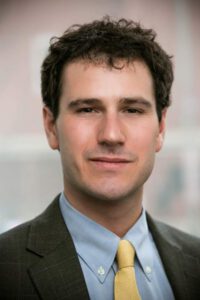
Marshall Steinbaum is an Assistant Professor of Economics at the University of Utah and a Senior Fellow in Higher Education Finance at the Jain Family Institute. His empirical research focuses on employer power in labor markets, with applications to antitrust policy, student debt, and economic inequality. He holds a Ph.D. in Economics from the University of Chicago and a B.A. (Hons) in Philosophy, Politics, and Economics from Oxford University. Steinbaum's research investigates: The dynamics of labor market concentration and its impact on wages Antitrust enforcement in franchising and gig economies Student debt crises and higher education financing Historical and policy-driven causes of economic inequality His recent publications analyze trends in franchising restrictions, mergers' labor market effects, and student debt cancellation impacts. Articles consistently emphasize employer power, regulatory gaps, and structural inequities across labor and education sectors.
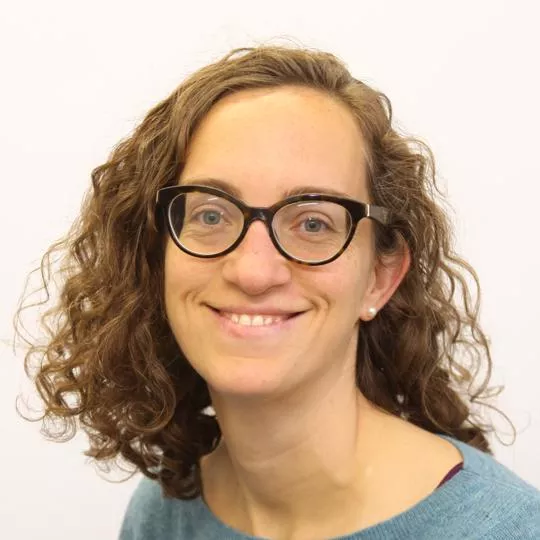
Laia Becares is a Professor of Social Science and Health at King's College London, part of the School of Global Affairs and the Department of Global Health & Social Medicine. She previously held roles at the University of Sussex (2018-2022) and the University of Manchester (2010-2018), where she maintains an Honorary position. She serves as an Editor of Sociology of Health and Illness and on the Academic Reference Group of the NHS Race and Health Observatory. Her work is funded by organizations such as the Nuffield Foundation and the Health Foundation. Laia holds a PhD in Social Epidemiology from University College London (UCL) and a Master's in Public Health from Boston University School of Public Health. Her research employs an interdisciplinary approach, collaborating with sociologists, psychiatrists, geographers, and demographers to understand how discrimination and marginalization perpetuate social and health inequities. Key areas include racism, homophobia/heterosexism, LGBTQ+ inequalities, and the impact of systemic oppression across life stages. She co-developed the Queerantine Study on pandemic impacts on LGBTQ+ communities and leads the ESRC Centre for Society and Mental Health, fostering student mentorship in health inequality topics. Her scientific awards include ESRC/MRC Postdoctoral Research Fellowship (2010-2012), Hallsworth Research Fellowship (2012-2016), and ESRC Future Research Leader Fellowship (2012-2015). Recent work focuses on ethnic healthcare disparities in multimorbidity and longitudinal studies of racism's effects on health outcomes. Ongoing projects include LGBTQ+ policymaking networks and the GHSM Anti Racism Steering Group, addressing structural inequities in academia and healthcare. Laia’s grants include Nuffield Foundation funding for ethnic inequalities in later life and Health Foundation support for healthcare equity studies. She advocates for integrating lived experiences into research design, particularly through the Evidence for Equality National Survey (EVENS). Her lab affiliations include Queer@King’s and the ESRC Centre for Society and Mental Health, emphasizing collaborative, community-driven approaches.
Stephen M. Rich serves as the Maurice Jones, Jr. – Class of 1925 Professor of Law and Vice Dean for Academic Research and Intellectual Life at the University of Southern California's Gould School of Law, where he teaches employment discrimination law, constitutional equality law, and civil procedure. His educational background includes: JD from Yale Law School MA and BA in African American Studies from Yale University Rich also received a Fulbright Scholarship to study music in Fes, Morocco, and was awarded the A. Bartlett Giammati Fellowship during his undergraduate studies. Rich's research critically examines antidiscrimination law through interdisciplinary lenses, blending statutory and constitutional analysis with sociology and social psychology. His work challenges conventional approaches to racial classifications, prejudice, and diversity frameworks, arguing for nuanced understandings of social injustice and the practical limitations of legal enforcement. Recent scholarship focuses on reimagining diversity beyond affirmative action to advance equal opportunity. His publications from 2011-2016 reveal consistent thematic evolution: early work analyzed social psychology's role in discrimination enforcement ( Against Prejudice , 2011), progressed to examining textualism's impact on employment law ( A Matter of Perspective , 2014), and culminated in reconceptualizing diversity's relationship to equal opportunity ( What Diversity Contributes , 2016). Rich's accolades include: William A Rutter Distinguished Teaching Award (first junior faculty recipient at USC Gould) Fulbright Scholarship and Reginald Lewis Fellowship Yale prizes for senior essay and master's thesis Olin Fellowship at Yale Law School As Vice Dean, Rich shapes academic research initiatives while maintaining an active scholarship profile. His career trajectory—from Ninth Circuit clerkship to Cleary Gottlieb litigation practice before entering academia—infuses his work with practical legal insight. Though specific current grants aren't detailed, his Reginald Lewis Fellowship supported race and political equality research at Harvard Law School.
Christiane Fellbaum serves as Lecturer with Rank of Professor in Princeton University's Program in Linguistics and Department of Computer Science, where she has been a senior research scholar since returning in 1987 after postdoctoral work at the University of Paris. Her foundational contributions to computational linguistics include co-developing WordNet and co-founding the Global WordNet Association. Her educational background features: Ph.D. in Linguistics, Princeton University (1980) Postdoctoral Fellowship, University of Paris Fellbaum's research integrates theoretical linguistics with computational applications, specializing in lexical semantics, corpus analysis, and semantic network construction. Her work bridges computational linguistics and lexicography through projects like WordNet and Medical WordNet, with recent emphasis on multilingual resources, bias analysis in embeddings, and African language technology development. She examines semantic phenomena including idioms, verb alternations, and emotion scales through both corpus linguistics and formal ontological frameworks. Analysis of her publication trajectory reveals sustained innovation in lexical resource development since the 2000s, evolving from foundational WordNet studies to contemporary work on large language model adaptation and social bias mitigation. Current research demonstrates increasing interdisciplinary collaboration across NLP, cognitive science, and social justice applications. Her scientific recognition includes: Wolfgang Paul Prize from the German Humboldt Foundation (2001) Antonio Zampolli Prize (2006) Fellbaum has secured continuous research funding from the U.S. National Science Foundation, European Union Seventh Framework, Frank Moss Foundation, and Tim Gill Foundation. She actively mentors junior researchers through Princeton's Independent Work seminars and hosts the North American Computational Linguistics Olympiad (NACLO), while leading major international collaborations including the KYOTO and SIERA European projects. As director of the WordNet project and permanent fellow at the Berlin-Brandenburg Academy of Sciences, she maintains leadership in global lexical resource initiatives through the Princeton Language and Intelligence initiative and Natural and Artificial Minds research group.
Iona Cheng is a Professor in the Department of Epidemiology and Biostatistics at the University of California, San Francisco (UCSF), where she conducts groundbreaking research in cancer epidemiology. She serves as co-Investigator of the SEER Greater Bay Area Cancer Registry and is Principal Investigator of multiple NIH- and foundation-funded projects examining genetics, lifestyle factors, and neighborhood characteristics in relation to cancer risk. Dr. Cheng has developed an extensive research program focused on racial/ethnic differences in cancer risk and leads population-based cancer surveillance studies that document variations in cancer incidence and mortality patterns across diverse racial and ethnic groups. University of California, Davis, BS, 1990–1994, Physiology Yale University, MPH, 1999–2001, Chronic Disease Epidemiology University of Southern California, PhD, 2001–2005, Epidemiology University of California, San Francisco, Postdoc, 2006–2008, Genetic and Molecular Epidemiology Dr. Cheng's research spans multiple disciplines within cancer epidemiology, with particular emphasis on understanding how environmental exposures, genetic factors, and social determinants interact to influence cancer risk and outcomes across different racial and ethnic populations. Her work frequently examines the impact of air pollution, endocrine-disrupting chemicals, and neighborhood characteristics on cancer development and survival. She has made significant contributions to understanding cancer disparities among Asian American, Native Hawaiian, and Pacific Islander populations, bringing attention to the unique cancer risks and outcomes within these understudied groups. Her research often leverages the Multiethnic Cohort Study, one of the largest prospective studies of cancer incidence and mortality across diverse racial/ethnic populations. Analysis of Dr. Cheng's recent publications reveals a consistent focus on environmental and social determinants of cancer risk across multiple organ sites. Her work demonstrates a sophisticated integration of epidemiological methods with environmental exposure assessment, genetic analysis, and health disparities research. Many of her studies examine the intersection of environmental exposures and racial/ethnic disparities in cancer outcomes, particularly regarding breast cancer, lung cancer, and other malignancies. She has published extensively on the impact of air pollution on cancer risk and survival, as well as the effects of endocrine-disrupting chemicals like bisphenol A, parabens, and phthalates. American Association for Cancer Research Scholar-in-Training Award (2007) National Institutes of Health Loan Repayment Award (2007) National Institutes of Health Loan Repayment Renewal Award (2009) American Association for Cancer Research Faculty Scholar Award (2011) National Institutes of Health Loan Repayment Renewal Award (2011) National Institutes of Health Loan Repayment Renewal Award (2013) American Journal of Epidemiology/Society of Epidemiology Research Top 10 manuscripts (2014) Cancer Prevention Institute of California Mentoring Award (2015) American Society of Human Genetics Top poster As Principal Investigator of multiple NIH-funded projects, Dr. Cheng oversees substantial research grants focused on cancer epidemiology and health disparities. Her work often involves large interdisciplinary collaborations with researchers across multiple institutions, including the Multiethnic Cohort Study which follows over 200,000 participants from diverse racial/ethnic backgrounds. She has demonstrated leadership in mentoring junior researchers, particularly those from underrepresented backgrounds in science, as evidenced by her Cancer Prevention Institute of California Mentoring Award. Her research program integrates data from cancer registries, electronic health records, and geospatial information to provide comprehensive insights into cancer patterns and risk factors. Dr. Cheng's research is closely connected to the UCSF Helen Diller Family Comprehensive Cancer Center and leverages collaborations with Lawrence Berkeley National Laboratory, which provides advanced technological resources for cancer research. Her work benefits from access to extensive cohort data, sophisticated exposure assessment methods, and interdisciplinary expertise in genetics, environmental science, and computational biology available through these institutional partnerships. She frequently collaborates with researchers studying the genetic and environmental determinants of cancer across multiple organ systems, contributing to a more comprehensive understanding of cancer etiology and prevention strategies.
Professor Sujit Sivasundaram is a leading scholar in world history at the University of Cambridge, with affiliations as a Fellow of Gonville and Caius College and director of the Centre of South Asian Studies. His academic journey includes a Research Fellowship at Gonville and Caius College (2001), a Lectureship in South Asian History at the London School of Economics, and his current role as Professor of World History since 2019. Research Interests : Imperial history, history of science, environmental history, cultural history, history of race, and Indian/Pacific Ocean history with a focus on marginalized regions and material culture. Professional Leadership : President of The Pacific Circle , co-editorial roles in Cambridge Oceanic Histories and World Environmental History series, and EDI work at the Faculty of History (2024). Scientific Awards : British Academy Prize for Global Cultural Understanding (2021) Bentley Book Prize for World History (2021) Philip Leverhulme Prize for History (2012) Fellow of the British Academy (elected 2023) Publications emphasize oceanic histories, environmental fragments, and critical re-examinations of Euro-Atlantic historiography. His recent work explores materialist approaches to world history using objects like fossilized ferns and sea cucumbers to challenge universalist narratives.
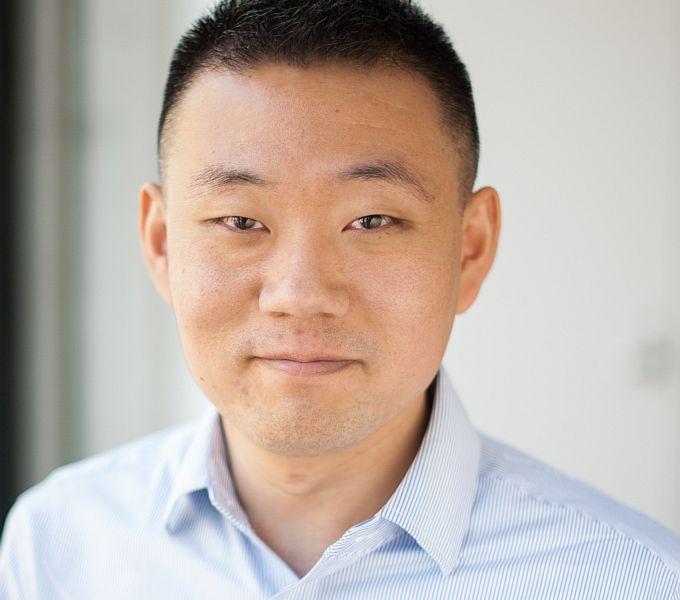
Yan Ma serves as Professor and Chair of Biostatistics at the University of Pittsburgh, with additional appointments in Orthopaedic Surgery and Clinical and Translational Science. Previously, he was Professor and Vice Chair at George Washington University Milken Institute of Public Health (2014-2022) and Assistant Professor at Hospital for Special Surgery/Weill Cornell Medical College (2008-2014). His educational background includes: PhD in Statistics, University of Rochester (2008) MA in Statistics, University of Rochester (2004) MS in Mathematics, Syracuse University (2003) BS in Statistics, Beijing Normal University (2001) Ma's research centers on advanced statistical methodologies including missing data imputation, machine learning, meta-analysis, causal inference, and longitudinal methods, applied across orthopedics, anesthesiology, health disparities, and emergency medicine through team science and translational research frameworks. His publication trajectory demonstrates sustained innovation from methodological foundations (2008-2012) to contemporary applications in health disparities and machine learning (2016-2022), consistently addressing complex biomedical challenges through high-impact journals like JAMA and Health Services Research. His scientific recognition includes: ASA's Statistics in Epidemiology Young Investigator Award (2010) Interorganizational Team Science Award (2012) ORISE FDA Research Fellowship (2017) APHA Achievement in Academia Award Ma has secured R01 funding from NIH/AHRQ for missing data methods in health disparities research while serving as Associate Editor for ASA journals and reviewer for NIH/PCORI/VA panels, demonstrating leadership in statistical methodology development and interdisciplinary collaboration. His team-science approach bridges statistical innovation with clinical implementation across orthopedics and anesthesiology, driving evidence-based practice through methodological rigor and cross-disciplinary partnerships.
Troy Duster is the Chancellor’s Professor at the University of California, Berkeley, and a Senior Fellow at the Warren Institute on Law and Social Policy. He holds a Ph.D. in Sociology from Northwestern University (1962), an M.A. from UCLA (1959), and a B.S. in Journalism from Northwestern (1957). His career includes roles as Silver Professor at New York University (1999–2012) and Professor at UC Berkeley (1979–99), alongside leadership positions such as Director of the Institute for the Study of Social Change (1979–1997) and Chair of the Sociology Department (1985–88). Research Interests focus on the intersection of race, genetics, criminal justice, and science policy. Key areas include the social consequences of genetic research, the ethics of DNA databases, and the historical and cultural dimensions of race. His work critiques how scientific advancements like genetic testing and forensic databases perpetuate racial disparities. Publications span over five decades, with notable works such as Backdoor to Eugenics (2003) and Whitewashing Race (2003). His articles address topics like the misuse of genetic data, the implications of the Human Genome Project, and the sociological challenges posed by behavioral genetics. Awards include the DuBois-Johnson-Frazier Award (2001) and a Guggenheim Fellowship (1971–72). He has advised institutions like the National Institutes of Health on ethical issues in genetics and contributed to public debates through media appearances and museum collaborations. Professional Contributions include over 20 years on advisory boards for organizations like the National Advisory Council for the Human Genome Research and the American Sociological Association. His work bridges academia and public policy, advocating for equitable science practices and social justice.
Prof. Serena Does is an Endowed Professor of Social Inequality & Resilience at VU Amsterdam's Faculty of Social Sciences and Humanities, Department of Political Science and Public Administration. She also serves as a scientific advisor and senior researcher at the Verwey-Jonker Institute, with her chair funded by the Dutch Ministry of Social Affairs and Employment via the Knowledgeplatform for an Inclusive Society (KIS). Her research focuses on intergroup relations, the psychology of social inequality, and resilience, published in journals like American Psychologist and featured in outlets such as Harvard Business Review . Previously: Senior Researcher & Acting Director at UCLA's Office of Equity, Diversity & Inclusion Education: MSc (cum laude) and PhD in Social & Organizational Psychology from Leiden University Postdoctoral training at UCLA Psychology, Harvard Kennedy School, and UCLA Anderson School of Management Her work addresses societal inequality through lenses of psychology, policy, and institutional equity. Recent studies include partisan perceptions of democracy, demographic trends in healthcare workforces, and workplace discrimination in public institutions. Advising: Open to students researching social inequality. Grants include Ministry-funded research on inclusive societies. Collaborations involve Verwey-Jonker Institute and KIS platforms.
Gerald Voorhees is an Associate Professor and Chair of Communication Arts at the University of Waterloo. He holds a Ph.D. from The University of Iowa (2008) and a B.S. in Speech Communication from the University of Texas at Austin, where he was a Senior Fellow in the Honors Program of the College of Communication. His research explores games and new media as platforms for identity and cultural construction, with a focus on public discourse around gaming and rhetorics of race and ethnicity. Dr. Voorhees has held significant academic roles, including Vice-President of the Canadian Game Studies Association and former membership on the Executive Board of the Digital Games Research Association. He previously taught at Oregon State University and developed the Game and Interactive Media Design track at High Point University. His teaching spans communication theory, media studies, and game design, with courses such as DAC 204 (Game Design) and COMMST 430 (Communication and Social Justice). His research integrates critical theory with digital media analysis, examining topics like gender representation in games, neoliberal masculinity in esports, and racial dynamics in gaming cultures. He has co-edited influential volumes such as Masculinities in Play (2018) and Feminisms in Play (2018), contributing to foundational discussions in game studies. His recent work addresses intersectional feminism in gaming and the cultural implications of shooter game genres. Dr. Voorhees actively engages with professional organizations and academic publishing, serving as co-editor of the Approaches to Game Studies book series (Bloomsbury) and managing editor of the Gender in Play trilogy (Palgrave Macmillan). His scholarship bridges theoretical frameworks with empirical analysis, shaping interdisciplinary dialogue on digital media's societal impact.
Olga Dvorkina is an Associate Professor of Medicine in the Rheumatology Division at SUNY Downstate Health Sciences University. She specializes in systemic lupus erythematosus (SLE) research and clinical trials, focusing on disease activity, nephritis, and therapeutic interventions. Education : MD from Kaunas Medical Institute (1984) Training : Fellowship in Rheumatology (SUNY Downstate, 1997-1999), Residency in Internal Medicine (St. John's Episcopal Hospital, 1994-1997), Internship (Leningrad City Hospital #38, 1984-1986) Her research interests include clinical trials for SLE therapies, such as abatacept and belimumab, and investigating associations between lupus and comorbidities like atherosclerosis, malignancies, and neuropsychiatric manifestations. She contributes to the development of lupus classification criteria and flare assessment tools. Her recent publications and abstracts focus on SLE treatment safety, corticosteroid use, infections, and multi-center registry analyses. She collaborates with pharmaceutical companies (Ocean Blue, GSK, Aurinia, Takeda) and national consortia, including the Lupus Clinical Trials Consortium and Systemic Lupus International Collaborating Clinics. Notable projects include Phase 3 trials for belimumab and voclosporin in lupus nephritis. She mentors Rheumatology fellows and participates in educational initiatives through textbook authorship and clinical research training.
Gary M. Shaw is the Rosemarie Hess Professor and Professor (Research) at Stanford University , with courtesy appointments in the Department of Epidemiology and Population Health and Department of Obstetrics & Gynecology - Maternal Fetal Medicine . He serves as Co-PI of the March of Dimes Prematurity Research Center at Stanford and PI of the California Center for Finding Causes and Preventives of Birth Defects . His research focuses on the Epidemiology of birth defects Gene-environment interactions in perinatal outcomes Nutritional factors in reproductive health . He has developed machine learning approaches for precision parenteral nutrition and predictive models for preterm birth, while investigating persistent metabolomic signatures following hypertensive pregnancy disorders. Shaw's recent work explores Climate change impacts on reproductive health Maternal-fetal immune interactions Epigenetic mechanisms in perinatal disease with applications of multiomics to neonatal intensive care units. As a member of Bio-X and the Maternal & Child Health Research Institute , he contributes to translational research networks while serving as Associate Editor for Birth Defects Research and American Journal of Medical Genetics . He supervises Med Scholar Project student Richard Liang Doctoral co-advisor for Saskia Comess and Richard Liang Master's advisor for Lenae Joe while leading the Division of Neonatology as Associate Chair for Clinical Research (2012-2025). His laboratory work integrates Metabolomic profiling Proteomic analysis Computational modeling Machine learning for biomedical data to advance neonatal care through precision medicine approaches.
Samuel Jean Bassetto is an Associate Professor in the Department of Mathematics and Industrial Engineering at Polytechnique Montréal. He serves as Director of the Continuous Improvement Laboratory (LABAC) and holds membership in multiple prestigious research groups including the Research Group on Globalisation and Management of Technology (GMT), Poly-Industries 4.0 Laboratory, Interuniversity Research Centre on Enterprise Networks, Logistics and Transportation (CIRRELT), and Institute for Data Valorization (IVADO). Dr. Bassetto's research spans multiple disciplines, focusing on continuous improvement through the integration of engineering, artificial intelligence, cognitive science, psychology, and design. His primary sphere of excellence is in New Frontiers in Information and Communication Technologies, with secondary expertise in Modeling and Artificial Intelligence and Human Health. He develops tools that place humans at the center of technology to enhance organizational performance while respecting human rhythms and cognitive limitations. His recent publication portfolio reveals a strong interdisciplinary approach, with research bridging industrial engineering, cognitive neuroscience, and AI ethics. His work addresses practical challenges in lean manufacturing assessment, racial bias in medical AI systems, cognitive data collection in natural environments, and condition monitoring for industrial machinery. The research consistently demonstrates a commitment to developing practical solutions that integrate human factors with technological innovation. NSERC Synergy Prize for Innovation recipient Principal investigator on multiple research grants from NSERC, FRQ, and MITACS Collaborations with over a dozen institutions across multiple countries Supervision of over 150 highly qualified personnel throughout his career Dr. Bassetto teaches specialized courses including CAP7011 (Creativity in Research), IND8444 (Continuous Improvement), IND8203 (Industrial Launch), and previously taught IND8178 (Production). His teaching philosophy emphasizes practical application, with courses featuring hands-on exercises, real-world scenarios, and gamification techniques to enhance learning. His supervision portfolio includes numerous Ph.D. and Master's students working on topics ranging from human-technology collaboration to reinforcement learning for production management. Through LABAC, Dr. Bassetto leads research initiatives focused on developing human-centered tools for continuous improvement in organizational settings. The laboratory conducts projects related to industrial IoT applications, cognitive aspects of process improvement, and the development of practical frameworks for organizations to enhance performance while maintaining respect for human rhythms and cognitive capabilities.
Aliya Saperstein is a Professor of Sociology and the Benjamin Scott Crocker Professor in Human Biology at Stanford University. She holds a Ph.D. in Sociology and Demography from the University of California, Berkeley (2008) and a B.A. in Sociology from the University of Washington. Her research focuses on the social processes through which racial and gender categories are constructed, how these classifications create and sustain inequality, and how methodological choices in survey research affect findings on stratification and health disparities. Stanford University faculty since 2011 Visiting Scholar, Sciences Po and Russell Sage Foundation Expert committee member for National Academies of Sciences consensus studies on race/ethnicity (2024) and gender measurement (2022) Her work has been recognized with multiple awards including the Population Association of America Early Achievement Award (2016) , Oliver Cromwell Cox Best Article Award (2014) , and IPUMS Research Award (2013) . She leads the Lab for Social Research at Stanford, which trains undergraduate researchers and collaborates with interdisciplinary teams. Research trends in her publications reveal a progression from foundational work on racial fluidity (2012-2014) to contemporary analyses of genetic ancestry testing's sociological implications. Her recent projects examine how direct-to-consumer genetic testing affects racial self-identification patterns and challenges traditional survey methodologies, particularly in multiracial populations and gender categorization. Scientific contributions include: Transforming sex/gender questions in the 2018 General Social Survey Key findings on how genetic ancestry testing increases multiracial identification Experimental evidence showing ancestry question order affects racial reporting Theoretical advancements in racial formation theory
Carolyn Rouse is the Ritter Professor of Anthropology at Princeton University and an HMEI Associated Faculty member in the Grand Challenges Program. Her work interrogates the intersections of race, religion, healthcare disparities, and development through ethnographic and visual anthropological methods. Research Interests: Development, medical anthropology, visual anthropology, resistance, critical race theory, consciousness, North America, Ghana, environmental humanities, and environmental policy/ethics. Key Affiliations: Department of Anthropology, Princeton University; Environmental Humanities and Environmental Policy and Ethics through HMEI Grand Challenges Program. Her research critically examines how evidence shapes narratives of social inequality, particularly in healthcare access, racial disparities, and international development. She authored Engaged Surrender , Uncertain Suffering , and Televised Redemption , and created the Ethnographic Data Visualization Lab (VizE Lab) in 2016 to bridge biological and social scientific data. Recent publications explore necropolitics, liberal bias in the Trump era, and epistemological challenges in evidence-based policy. Her films include Chicks in White Satin (Academy Award-nominated), Purification to Prozac , and Listening as a Radical Act . Scientific Awards: 1995 American Anthropological Association Award for Excellence ( Tales from Arab Detroit ) Academy Award nomination for Chicks in White Satin