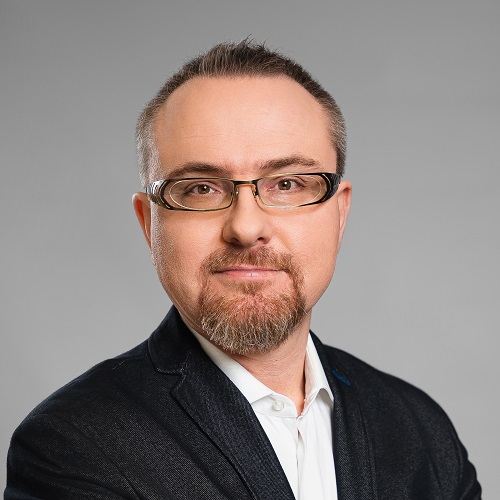
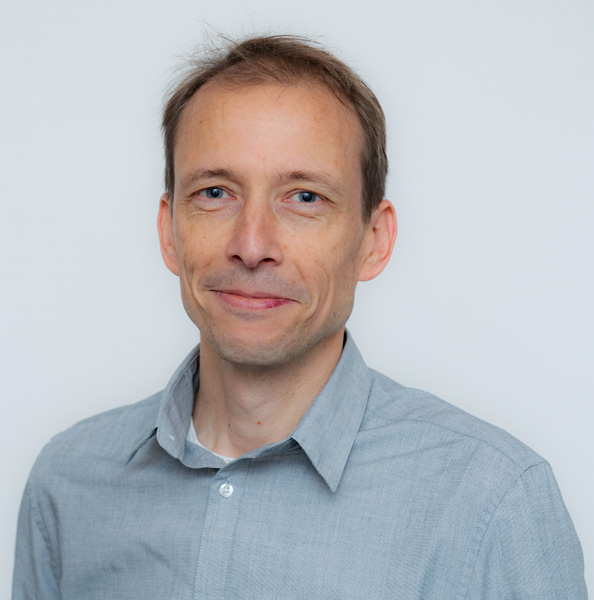
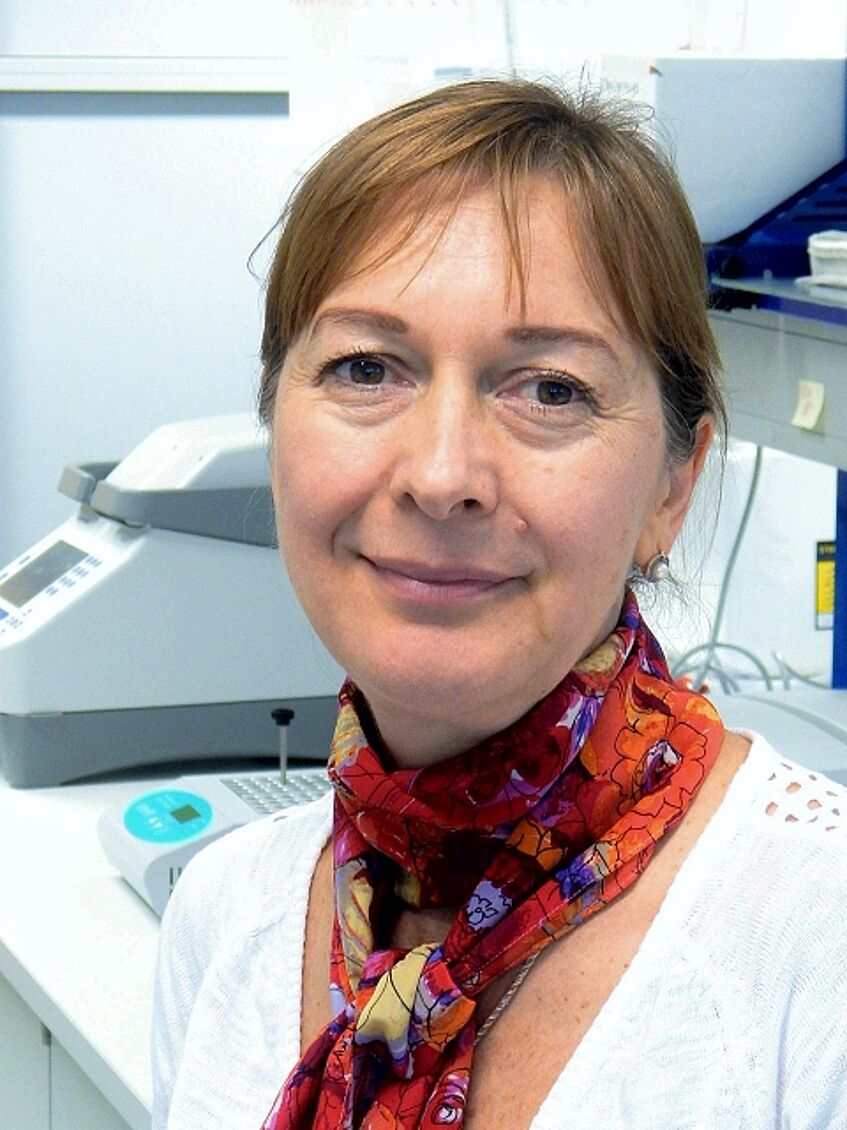
Janusz Bujnicki is a Professor and head of the Laboratory of Bioinformatics and Protein Engineering at the International Institute of Molecular and Cell Biology in Warsaw (IIMCB), Poland. He holds concurrent roles in science policy advisory bodies, including the European Commission's Group of Chief Scientific Advisors (2015-2020, then expert) and the Polish Academy of Sciences’ advisory panel (2024-). He is also a founding member of the Association of ERC Grantees (AERG) and serves on the Scientific Advisory Board of Life Science Center at Vilnius University. Academia Europaea Member (2018-) EMBO Member (2018-) Leadership Academy for Poland (2018) His research spans structural biology, RNA modification, computational biology, and molecular evolution. He has pioneered computational methods like ModeRNA, SimRNA, and ClaRNA for RNA structure prediction and analysis, and developed databases like MODOMICS for RNA modification pathways. His work has applications in understanding RNA function and drug design targeting RNA-processing enzymes. The 15 most recent publications focus on RNA structural modeling (e.g., ModeRNA, ClaRNA, SupeRNAlign), RNA-ligand interactions (LigandRNA), and RNA modification biology (MODOMICS database). These works bridge computational methods with experimental validation in RNA enzymology and structure-function relationships. Scientific Awards: ERC Starting Grant (2010), EMBO Member (2018), Crystal Brussels Sprout (2016), Prime Minister’s Award (2014), Knight’s Cross of Polonia Restituta (2014) Grants & Leadership: Founded RNA bioinformatics infrastructure at IIMCB, led EU science policy advisory groups, and organized international research competitions (RNA Puzzles)
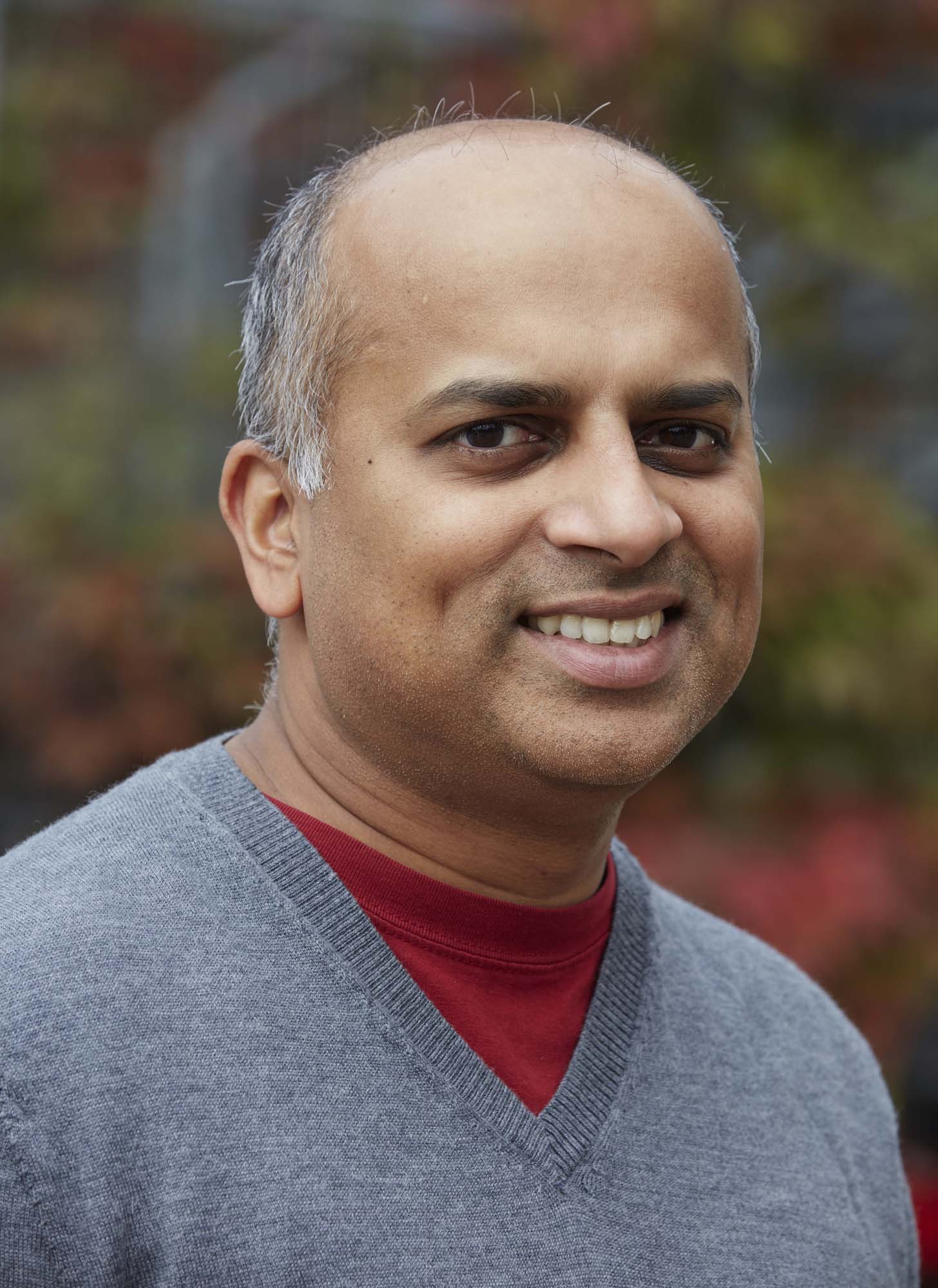
Ramesh Shanmughom Pillai is a Full Professor at the Department of Molecular Biology, University of Geneva, Switzerland. He holds additional roles as a Visiting Professor at the University of Kumamoto, Japan, and has been a Group Leader at EMBL Grenoble and a postdoctoral fellow at the Friedrich Miescher Institute. His research focuses on RNA modifications, epigenetics, and piRNA pathways in germline biology. Pillai has received prestigious awards including the ERC Consolidator Grant and The RNA Society Scaringe Award. Education: BSc Botany (University of Kerala, India) MSc Biotechnology (IIT Roorkee, India) PhD in Cell Biology (University of Bern, Switzerland) Research Interests: Pillai’s work centers on RNA biology, particularly the role of RNA modifications (e.g., m6A, m6Am) in development and fertility. He investigates piRNA biogenesis, transposon silencing, and the molecular mechanisms of RNA-protein interactions. His studies bridge biochemistry, genetics, and structural biology to elucidate how RNA molecules regulate critical biological processes. Teaching & Service: At the University of Geneva, he teaches Molecular Biology courses (BSc/MSc levels) and advises 5 PhD students and 4 postdocs. He chairs the ERC Consolidator Grant Review Panel and organizes major conferences like the PIWI/piRNAs Meeting and Swiss RNA Workshop. Pillai also serves on editorial boards for Nucleic Acids Research and RNA . Awards: ERC Consolidator Grant (2015) Best PhD Thesis Award (2003) RNA Society Scaringe Award (2005) Grants & Labs: Funded by ERC Starting and Consolidator Grants, his lab explores RNA modification networks in germ cells. Former trainees include Professors Simon Conn (Flinders University) and Hao Wu (CAS, China).
Yuri Y. Gleba is a renowned academic scientist affiliated with the Institute of Cell Biology and Genetic Engineering at the Ukrainian Academy of Sciences in Kiev, Ukraine. As Founder and Director (1989–2010) and current Honorary Director, he has shaped plant biotechnology research through pioneering work in transient expression systems and molecular farming. Key Roles: Founder and Director of Institute of Cell Biology and Genetic Engineering (1989–2010), Honorary Director (2010–present) Research Interests Plant genetics , plant physiology , and biotechnology underpin his work in genetic engineering , viral vector systems , and transgenic plant applications . His innovations include the Magnifection platform for rapid plant-based vaccine production and methods for RNA silencing enhancement in molecular farming. Scientific Recognition includes membership in six international academies (World Academy of Arts and Science, Academia Europaea, Leopoldina, Ukrainian Academy of Sciences, Lithuanian Academy of Science, Bavarian Academy of Sciences) and prestigious awards like the Koerber Prize , A. von Humboldt Prize , and state prizes from the USSR and Ukraine. His work has appeared in top journals including Proceedings of the National Academy of Sciences USA and FEBS Letters . Publications : Gleba's 15 most recent articles (2004–2010) focus on plant biotechnology applications, viral vector engineering, and molecular farming. Key trends include plant-based pharmaceutical production , transient expression systems , and transgene containment strategies . Laboratory and Collaborations : Founded and led the Institute of Cell Biology and Genetic Engineering, fostering international collaborations in plant biotechnology and genetic engineering research.
Matthias Peter is a Professor of Biochemistry at ETH Zurich, leading research into mechanisms governing cell growth and division. His laboratory focuses on ubiquitin-dependent regulation of DNA replication and mitosis, and autophagy's role in cellular quality control. He chairs the Department of Biology (2011-2015) and holds leadership roles in Switzerland's research infrastructure, including Vice Chair of ScopeM's microscopy platform. His academic career includes roles at ISREC (1996-2002) and postdoctoral training at UCSF (1991-1996). Education: PhD in Biochemistry from ISREC (1991), ETH Zurich diploma in Gene Technology (1987). Research interests span molecular mechanisms of cell division, ubiquitin systems, and autophagy. Awards include ERC Advanced Grant (2011) and UBS Excellence in Research (2002). Leadership: Member of Swiss National Research Council, SNF selection committee, and SWTR council. Over 20 years of committee service in national research programs. His lab's work is published in top journals like Science, Nature, and Molecular Cell.
Professor Nikolaus Pfanner, a leading figure in mitochondrial biogenesis and protein transport, has held the Chair of Biochemistry and Molecular Biology at the Institute of Biochemistry and Molecular Biology, University of Freiburg, since 1992. His leadership roles include serving as President of the German Society for Biochemistry and Molecular Biology (2009–2011) and Council Member of the University of Freiburg (since 2008). His research focuses on the targeting, translocation, and folding of mitochondrial proteins , biogenesis of mitochondria , and protein structure and function . Key contributions include elucidating the TOM complex’s role in protein import and the SAM complex in β-barrel assembly. Recent publications explore mitochondrial import stress , complexome analysis , and MIMAS mega-assembly . His work integrates structural biology , proteomics , and kinase regulation . Awarded the Leibniz Prize (2004), Stein and Moore Award (2014), and Hector Research Award (2011), Pfanner is a member of EMBO , Leopoldina , and Academia Europaea . He has mentored numerous researchers, including Thomas Becker , Chris Meisinger , and Nils Wiedemann . His lab receives funding from the Deutsche Forschungsgemeinschaft (DFG) and EXZ BIOSS (since 2010).
Professor Ronald van Rij holds the position of Professor of Experimental Virology and Head of the Laboratory of Experimental Virology at Radboud University Medical Center in Nijmegen, Netherlands. He also serves as a Guest Professor at the University of Pavia, Italy. His research focuses on antiviral mechanisms in insects, particularly the roles of RNA interference (RNAi) and piRNA pathways in Drosophila melanogaster and Aedes aegypti mosquitoes. He has pioneered studies on viral defense in insects and vector competence, with translational work on antiviral compounds against pathogens like Zika and SARS-CoV-2 through the international 'COVID Moonshot' project. Education includes a PhD from the University of Amsterdam (2002) and postdoctoral fellowships at UCSF (USA) and the Hubrecht Institute (Netherlands). He has received prestigious grants such as ERC Consolidator and VICI awards, and was honored as Lecturer of the Year (2019) and PhD Supervisor of the Year (2017). Awards: ERC Proof of Concept Grant (2020), NWO VICI (2017), ERC Consolidator (2014), NWO VIDI (2008), EMBO Fellowship (2002). Teaching: Coordinates courses on virology, non-coding RNA, and innate immunity at Radboud University. Labs: Manages a BSL-3 facility for studying vector-borne pathogens in mosquitoes. His work bridges basic science and translational medicine, with emphasis on small RNA pathways and arbovirus control.
Professor Yi Lyu is a faculty member at the Department of Hepatobiliary Surgery, College of Medicine, Xi’an Jiaotong University, with extensive leadership roles including Vice President of the university and Director of the First Affiliated Hospital. His research bridges hepatobiliary surgery, magnetic surgery, and biomedical engineering, focusing on innovative surgical devices and transplantation immunity. Bachelor's, Master’s, and Doctorate in Clinical Medicine and General Surgery from Xi’an Medical College Postdoctoral training in Surgery at Nippon Medical School Hospital, Tokyo His research interests span hepatobiliary surgery, magnetic surgery applications, cancer therapy, transplantation immunity, and biomedical engineering. Recent work emphasizes magnetic devices for vascular reconstruction during liver transplantation and immunomodulation via nanotherapeutics. Article trends reflect a strong focus on magnetic surgical technologies (6/15), cancer-related applications (4/15), and immune/gut microbiome interactions (3/15). High-impact publications (IF >15) include work on nanotherapeutics for muscle regeneration and catalytic systems in alkaline seawater. 2023 : Editor-in-Chief of Magnetic Medicine , National Key R&D Program grant (¥12M) 2022 : National Teaching Achievement Award, Annals of Surgery publications 2018 : Chinese Medical and Technology Award, NSFC Project grant 2015 : Ministry of Education Technology Invention Award
University of Natural Resources and Life Sciences ViennaAustria
Joseph Strauss is a Full Professor at the University of Natural Resources and Life Sciences Vienna (BOKU), leading the Institute of Microbial Genetics. With a career spanning over three decades, he has focused on fungal genetics, epigenetics, and bioactive metabolite discovery, particularly in filamentous fungi and pathogens. His work bridges fundamental research with applications in agriculture, medicine, and environmental biotechnology. Research Focus: Epigenetic regulation of fungal secondary metabolism, chromatin dynamics, bioactive compounds, nitrate signaling, and microbial interactions. Projects: Leads multiple grants from Austrian Science Fund (FWF), European Commission, and industry partners, including studies on chromatin engineering, fungal biotechnology, and toxin biosynthesis. His recent publications highlight advancements in chromatin proteomics, fungal pathogenicity, and novel bioactive molecules like luteapyrone and rasfonin. Articles emphasize broad disciplines such as Fungal Genetics, Epigenetics, and Natural Product Discovery, with subfields including secondary metabolite clusters, histone modifications, and stress response mechanisms. Scientific Awards: 2021 - Keratinophyton straussii fungal species named after him 1999 - START Preis 1995 - EMBO Stipendium 1994 - OTTO LOEWI Stipendium He has supervised over 69 theses and contributed to 186 publications, reflecting his leadership in fungal genomics and its applications. Projects like 'Bioaktive Mikrobielle Metaboliten' and 'TASSMATA' underscore his commitment to translating research into sustainable solutions.
Thomas Carell is a Professor of Organic Chemistry at the Faculty of Chemistry and Pharmacy, Ludwig Maximilian University of Munich, Germany, a position he has held since 2003. He has established himself as a leading researcher in the fields of epigenetics, DNA repair mechanisms, and prebiotic chemistry. His work bridges chemistry and biology, with significant contributions to understanding epigenetic modifications and the origins of life. Dr. Carell's educational background includes chemistry studies at Münster and Heidelberg Universities, where he completed his PhD under Professor Staab. He then pursued postdoctoral research at MIT with Professor J. Rebek, focusing on chemical compound libraries and projects bridging chemistry and biomedicine. Professor Carell's research interests center on the chemical analysis of epigenetic modifications and processes, particularly focusing on DNA/RNA lesion processes using nucleotide analogues, tracers, and high-end mass spectrometry. His laboratory has made groundbreaking contributions to understanding prebiotic chemistry and the origins of life, developing innovative technologies for non-canonical nucleoside and nucleotide synthesis. A significant portion of his work explores the organic chemistry of modified nucleosides and nucleotides, with implications for understanding fundamental biological processes and potential therapeutic applications. His research has evolved from early work on nucleic acid chemistry at ETH Zurich to pioneering studies on photolyase reactions and DNA repair at Marburg, culminating in his current work on epigenetic control mechanisms and prebiotic chemistry at LMU Munich. His extensive publication record demonstrates a consistent trajectory of high-impact research, with articles appearing in top-tier journals including Nature, Science, and Cell. The research themes span from fundamental organic chemistry to biological applications, with a particular emphasis on epigenetic mechanisms and prebiotic chemistry. His most recent work suggests an early RNA-peptide world, potentially revolutionizing our understanding of life's origins, building on his earlier discoveries regarding DNA lesion-induced mutations, DNA repair mechanisms, and epigenetic control via oxidative DNA methylation. Professor Carell's scientific achievements have been recognized with numerous prestigious awards: Supervisory Board member of BASF SE (2019) Alexander Todd-Hans Krebs Lectureship, Royal Society of Chemistry (2017) Windaus Memorial Lecture, Göttingen (2017) Inhoffen-Medal for Excellence in Natural Product Research of the Helmholtz Society (2016) Gait-Lecture Award, Royal Society of Chemistry (2014) Werdelmann Lecture, University-Essen Duisburg (2013) Melvin Calvin Lecture in Organic Chemistry, University of California, Berkeley (2011) Šorm Award of the Academy of Sciences of the Czech Republic (2011) Order of Merit from the Federal Republic of Germany (2010) Van 't Hoff Lecture, Royal Dutch Academy of Sciences (2009) Ferdinand Lecture, University of Sheffield (2008) Otto Bayer Award, Bayer Schering Foundation (2008) Philip Morris Research Award (2006) Gottfried Wilhelm Leibniz Award of the DFG (2004) Lady Davis Award, Technion, Israel (2004) Pasteur Medal of the JCO, Ecole Polytechnique (2001) Professor Carell leads an active research group (the Carell Group) at LMU Munich, supervising numerous PhD and Master's students working at the intersection of chemistry and biology. His laboratory has secured significant research funding to support their innovative work on epigenetic modifications, DNA repair mechanisms, and prebiotic chemistry. The group maintains strong international collaborations, as evidenced by Professor Carell's numerous visiting professorships at institutions worldwide, including University Descartes in Paris, Australian National University, Consiglio Nazionale delle Ricerche in Bologna, and Technion Israel Institute of Technology. The Carell laboratory operates state-of-the-art facilities for organic synthesis, mass spectrometry, and molecular biology, enabling their interdisciplinary research approach. The group consists of chemists, biochemists, and molecular biologists working collaboratively to address fundamental questions in chemical biology. Professor Carell's election to the Supervisory Board of BASF SE in 2019 highlights the translational impact of his research and his standing in both academic and industrial chemistry communities.
Bojan Zagrovic is a Professor at the Department of Structural and Computational Biology , University of Vienna. His research focuses on the interplay between protein structure, RNA interactions, and molecular dynamics, particularly in phase separation, enzyme mechanisms, and disease-related mutations. Key research areas: Structural Biology, Computational Biophysics, RNA-Protein Interactions, Phase Separation, and Protein Aggregation. Recent work includes studying FUS RGG3 phase separation, α-mannosidase pathophysiology, and SPOC domain interactions. His publications span molecular dynamics simulations, RNA modifications (e.g., N6-methyladenosine), and structural insights into ciliary proteins like CFAP410. He teaches courses in computational structural biology, molecular biophysics, and quantitative biology.
Carlos Ibanez is a Professor in Neuroscience at the Department of Neuroscience, Karolinska Institute, Stockholm, Sweden. His research focuses on neuronal growth factors, neurodevelopment, and neurotrophins. He has held his current position since 1996 and is affiliated with the Carlos Ibanez Lab @ KI, collaborating with institutions like Peking University and NUS. His work spans molecular biology, stem cell research, and genomics. Education and career: Ibanez earned his academic credentials and has been a member of prestigious organizations, including Academia Europaea (since 2007) and the European Molecular Biology Organization (EMBO, since 2006). He has received awards like the Goran Gustafssons prize in Molecular Biology (1998) and the Erik K. Fernstrom Young Researcher Prize. Research Interests: His lab investigates neurotrophin signaling, stem cell biology, and genomic approaches to neural development. Notable contributions include studies on neurotrophin-4, cholinergic neuron regulation, and spatial transcriptomics of the medial ganglionic eminence. Awards: Beyond his memberships, Ibanez has been recognized for contributions to molecular biology and neuroscience, including grants from the Swedish Cancer Society and the Swedish Research Council. His lab hosts international collaborations under networks like Molpark and Endocyte. Grants and Funding: Current grants include support from the Swedish Cancer Society (2019–2022) and the Swedish Research Council (2021–2024). His work integrates multidisciplinary approaches to understand neural development and disease mechanisms. Labs and Teams: The Ibanez Lab collaborates globally, with satellite groups at Peking University (CIBR) and NUS. Alumni include researchers like Sabrina Zechel and Pawel Zajac, contributing to genomics and stem cell projects.
Professor Alexandra Lusser serves as Professor and Deputy Head in the Department of Molecular Biology at Innsbruck Medical University, where she leads the Chromatin and Epigenetics Laboratory. Her research focuses on understanding the molecular mechanisms of chromatin assembly, remodeling, and epigenetic regulation at both DNA and RNA levels. Professor Lusser completed her PhD at the University of Innsbruck in 1998, followed by postdoctoral training at the University of California, San Diego (2001-2004) in the laboratory of Professor JT Kadonaga. She joined Innsbruck Medical University as Assistant Professor in 2004, achieved her Habilitation for Molecular Biology in 2008, was promoted to Associate Professor, and became a full Professor in 2019. Her research program investigates how eukaryotic DNA is organized in chromatin and how this organization affects DNA metabolism processes including transcription, replication, repair, and recombination. A significant portion of her work examines ATP-dependent chromatin assembly and remodeling mechanisms, variant histone assembly, and epigenetic mechanisms at the mRNA level, particularly mRNA base modifications such as 5-methylcytosine and their roles in mRNA metabolism and translation. Her publications reveal a strong focus on developing and applying innovative biochemical and genomic techniques to study RNA modifications and chromatin dynamics. Professor Lusser's extensive publication record spanning from 1996 to the present demonstrates consistent contributions to the fields of chromatin biology and RNA epigenetics. Her recent work shows particular emphasis on developing novel sequencing methods for RNA modification analysis, exploring the functional consequences of RNA modifications, and investigating the relationship between chromatin remodeling factors and neurological functions. HOECHST Award (1998) APART 3-year postdoctoral fellowship from the Austrian Academy of Sciences (2001) START Prize from the Ministry of Science and Research (2005) Member of the Young Curia of the Austrian Academy of Sciences (2008-2016) Research Award from the State Capital Innsbruck (2009) As Deputy Head of the Department of Molecular Biology, Professor Lusser contributes to departmental leadership while maintaining an active research program. Her laboratory has developed several important methodologies including TUC-Seq for measuring mRNA transcription and degradation rates, bisulfite sequencing for detecting 5-methylcytosine in RNA, and other innovative approaches for studying RNA modifications. Her work bridges molecular biology, biochemistry, and genomics, with implications for understanding fundamental biological processes and potential applications in disease research.
André Sentenac is a Professor and Research Director at the French Alternative Energies and Atomic Energy Commission (CEA), heading the Joliot-Curie Biology Department at the Saclay center since 1999 and serving as Scientific Advisor for the Life Science Division since 2003. His pioneering research in molecular biology focuses on eukaryotic gene transcription mechanisms using yeast models. His laboratory isolated and characterized RNA polymerases I, II, and III, revealing their subunit composition (14, 12, and 17 subunits respectively), evolutionary relationships, and phosphorylation modifications. Key discoveries include the shared subunits across polymerases, the TATA-binding factor's role in Pol III transcription, the six-subunit TFIIIC factor's promoter binding mechanism, and the facilitated reinitiation pathway enabling high-efficiency RNA polymerase III transcription. Dr. Sentenac's scientific contributions have been recognized with prestigious honors: EMBO Membership (1985) CNRS Silver Medal (1987) Prix des Sciences Biologiques et Médicales (1995) Officier des Palmes Académiques (1995) Prix Charles-Léopold Mayer (1997) French Academy of Sciences Membership (1999/2007) Academia Europaea Membership (1999) Chevalier de l'Ordre National du Mérite (2001) Chevalier de la Légion d'Honneur (2007) He has advised 46 PhD students and published 180 papers, with major contributions spanning RNA polymerase purification, transcription factor characterization, and the discovery of the MAF1 repressor for Pol III transcription. His leadership spanned the "Transcription of DNA" Laboratory (1970), Biochemistry Service (1972), and Biochemistry and Molecular Genetics Service (1990) at CEA/Saclay.
Michiel Vermeulen is a Full Professor in Proteomics and Chromatin Biology at the Department of Molecular Biology, Radboud University Nijmegen, Netherlands. He previously held positions as Associate and Assistant Professor at University Medical Center Utrecht (2009-2014) and completed postdoctoral work at Max Planck Institute for Biochemistry (2005-2009) and a PhD at Radboud University (2000-2005). His research focuses on integrative omics approaches to study gene expression regulation in development and disease, particularly through chromatin interactions and post-translational modifications. Education: PhD in Molecular Biology, Radboud University Nijmegen (2000-2005) Postdoc in Proteomics & Signal Transduction, Max Planck Institute Munich (2005-2009) His work pioneers quantitative mass spectrometry technologies to analyze chromatin-associated proteins, including m6A RNA modifications and ubiquitin signaling. He has published 97 papers and received multiple accolades, including ERC Starting and Consolidator Grants, a VIDI award, and membership in the Oncode Institute. His lab leads collaborative studies on chromatin readers, DNA damage response, and transcriptional regulation. Scientific Awards: ERC Consolidator Grant (2017) ERC Starting Grant (2012) Vernieuwingsimpuls VIDI award (2009) Max Planck Institute Junior Research Award (2008) Van Nieuwenhoven Award for Best Master Student (2000) Oncode Institute Founding Member (2017) Vermeulen's lab collaborates internationally and mentors 6 PhD students, 6 postdocs, and technicians, emphasizing high-impact interdisciplinary research in chromatin biology and systems-level gene regulation.
Olga Sekurova is a researcher at the University of Vienna's Faculty of Life Sciences, specifically within the Department of Pharmaceutical Sciences' Division of Pharmacognosy. She works on Pharmaceutical Biotechnology , focusing on Genetics and Biochemistry of Natural Products with specific interests in Antibiotic Biosynthesis , Gene Cluster Manipulation , and Streptomyces Synthetic Biology . Her work includes EU StrepSynth Project for engineered bacterial systems.