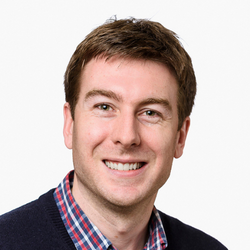
Dr. Peter Rugg-Gunn is a Group Leader at the Cambridge Stem Cell Institute and Head of Public Engagement at the Babraham Institute . His research focuses on the epigenetic regulation of pluripotency and early human development , investigating how chromatin organization, transcription factors, and non-coding RNA interact to shape cellular identity. Key areas include stem cell-based embryo models , heterochromatin dynamics , and age-related epigenetic changes in neural progenitors. Research Themes : Epigenetic programming in human embryogenesis, stem cell differentiation, and regenerative medicine applications Techniques : Single-cell multi-omics, promoter interactome mapping, chemical reprogramming protocols His work has influenced ISSCR guidelines for stem cell-based embryo models and revealed species-specific differences in X chromosome inactivation mechanisms. Current projects explore chromatin-based lineage barriers and epigenetic stability in human pluripotent stem cells.
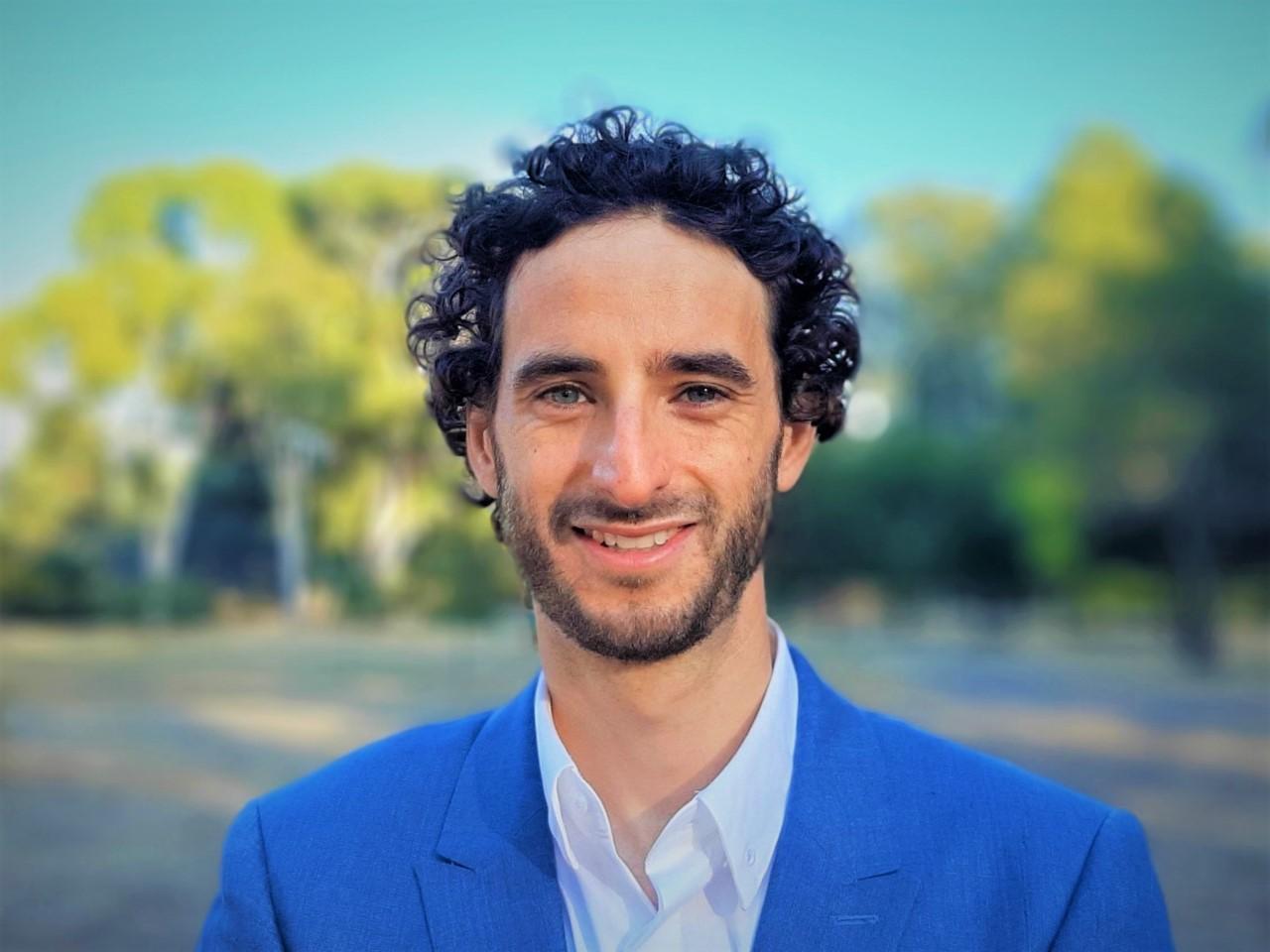
Riccardo Beltramo is an Assistant Professor and University Lecturer in Neurophysiology at the Department of Physiology, Development and Neuroscience, University of Cambridge. As a Sir Henry Dale Fellow, he leads research on neural circuits in visual processing, spatial navigation, and cognitive control. His lab investigates how ancient and modern brain regions like the superior colliculus and visual cortex interact to produce adaptive behaviors. Key techniques include chronic electrophysiology, two-photon imaging, optogenetics, and virtual reality behavioral paradigms, focusing on stress-induced anxiety and sensory processing pathologies. Recent publications highlight studies on tecto-thalamic pathways, somatosensory cortical dynamics, and evolutionary integration of visual systems. His work combines single-cell RNA sequencing, structured illumination, and advanced photonic tools to dissect neural circuitry. Eppendorf & Science Prize (2020) Sir Henry Dale Fellowship Current students include PhD researchers Sally Zeidan and Maja Skretowska. Lab contact: beltramolab@gmail.com
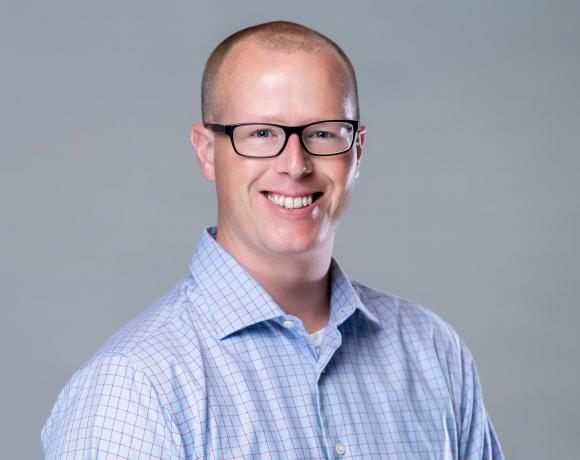
Eduardo Cobo is an Associate Professor (Teaching & Research) at the Faculty of Veterinary Medicine, University of Calgary , with dual affiliations to the Snyder Institute for Chronic Diseases and Inflammation Research Network . His research investigates the antimicrobial and immunomodulatory functions of cathelicidin and defensin peptides in mucosal innate immunity, focusing on intestinal infections and pathogen regulation across species. Doctor of Philosophy in Comparative Pathology (University of California - Davis, 2009) Doctor Veterinary Medicine (National University of La Plata, 2004) D.V.M. in Veterinary Medicine (National University of La Plata, 1996) M.S. in Animal Production (National University of Mar del Plata, 2001) M.S. in Comparative Pathology (University of California, Davis, 2006) His work on cathelicidins spans colitis models , bovine mastitis , and protozoal infections , revealing mechanisms of epithelial barrier regulation and inflammatory response modulation . Recent studies employ single-cell RNA sequencing and computational modeling to map immune cell dynamics during infections. Outstanding Achievement in Graduate Supervision (2018) Research Mentor Award (BHSc O'Brien Centre, 2018) Eyes High Doctoral Recruitment Scholarship (2017) URGC Conference Travel Grant (2015) Shaffer Award (2014) He mentors students including Samantha Cortez (MSc) and Niloofar Mirzadzare (PhD), leading the Cobo Lab with team members like Lab Manager Rita Hannawayya . Research emphasizes translational applications in veterinary and human health, supported by grants from institutions like the University of Calgary's Office of Vice President (Research).
Dr. Andrew Roth is an Assistant Professor in the Departments of Pathology & Laboratory Medicine and Computer Science at the University of British Columbia, with additional appointments at the BC Cancer Research Centre and BC Cancer Agency's Department of Molecular Oncology. His interdisciplinary work bridges computational science and cancer biology, focusing on developing novel methods to understand tumor evolution and heterogeneity. Dr. Roth's research centers on applying statistical machine learning to high-dimensional cancer biology, with expertise in probabilistic graphical models, non-parametric Bayesian methods, and computational statistics. His primary focus is developing computational methods for studying clonal population structures and tumor evolution. His work leverages variational and sequential Monte Carlo methods to extract biologically interpretable insights from complex genomic datasets, with significant implications for understanding cancer progression, treatment resistance, and metastasis. Dr. Roth's publication record demonstrates consistent innovation in computational cancer genomics, particularly in clonal evolution, tumor heterogeneity, and single-cell analysis. His methodological contributions (including PyClone, ReMixT, and TITAN) have advanced our ability to reconstruct evolutionary histories of tumors and identify critical transitions in cancer progression across multiple cancer types including breast, ovarian, and medulloblastoma. Scientific Recognition Publications in high-impact journals including Nature, Nature Methods, Genome Biology, and Genome Research Work applied in high-profile studies of breast and ovarian cancer published in Nature and Nature Genetics Academic Supervision Dr. Roth actively mentors graduate students across Bioinformatics and Computer Science programs. His lab currently includes PhD student Eric Lee working on 'Computational approaches for exploring the spatial dynamics of the cellular ecosystem,' along with numerous other graduate students and trainees. He has supervised Master's theses on liquid biopsies for cancer monitoring, differential RNA expression analysis using Bayesian phylogenetic modeling, and spatial characterization of tumor microenvironments with spatially aware clustering methods. Research Environment Dr. Roth leads a research group at the BC Cancer Research Centre within the Genome Sciences Centre, a high-throughput genome sequencing facility recognized as a leader in genomics and bioinformatics. His lab collaborates extensively with clinicians, molecular biologists, and bioinformatic scientists to develop and apply single-cell multiomic methods for studying cancer evolution, particularly in follicular lymphoma. The lab operates within one of Canada's premier cancer research environments with access to robust computational and sequencing technology facilities.
Frank Riemers is a Researcher at Utrecht University's Faculty of Veterinary Medicine, Department of Clinical Sciences (Surgery of Companion Animals). He obtained a Bachelor of Life Sciences from Hogeschool Utrecht (1998) and a Master's in Bioinformatics and Systems Biology from UVA/VU Amsterdam (2019). His research integrates wet-lab and computational approaches, focusing on RNA/protein analysis and bioinformatics. Riemers investigates tissue repair mechanisms, cancer biology, and regenerative medicine, with emphasis on intervertebral disc regeneration, osteoarthritis, and replication stress in cancer. He collaborates on projects like the EU-funded iPSpine initiative and KWF cancer research, leveraging single-cell transcriptomics and molecular profiling. His publications (2017–2025) reveal interdisciplinary trends: 40% focus on regenerative medicine (disc/join regeneration), 30% on cancer mechanisms (replication stress, oncogenes), and 30% on immunology/cell biology. Key methodologies include single-cell analysis, iPSC models, and hydrogels for therapeutic delivery. Riemers contributes to teams at the Hubrecht Institute and orthopaedic research groups, advancing translational studies in veterinary and human medicine. Current projects explore notochordal cell therapies and FOXM1-mediated stress responses.
Per Hydbring is a Senior Research Specialist and Lecturer at the Department of Oncology-Pathology, Karolinska Institutet, where he leads his research team focused on coding and non-coding RNAs in cancer. His work intersects with Simon Ekman's Precision Cancer Medicine in Lung Cancer group, emphasizing targeted therapy resistance and RNA-based drug delivery. Academic Affiliation: Department of Oncology-Pathology, Karolinska Institutet Research Focus: MicroRNA mechanisms in therapy-resistant lung and breast cancers, cell cycle regulation via CDKs/cyclins, and systemic RNA delivery using lipid nanoparticles His research employs systematic genomic screens to identify RNA regulators of tumor refractoriness to tyrosine kinase inhibitors (TKIs) like osimertinib, with applications in patient outcome prediction and drug development. Collaborations include teams led by Dr. Simon Ekman and Dr. C. Norberg, supported by the Swedish Research Council and Stockholm Cancer Society. Dr. Hydbring obtained his Docent degree at Karolinska Institutet in 2023.
Sandhya Kumar, M. Sc. serves as a Research Associate at the Institute for Particle Technology (iPAT) within the Faculty of Mechanical Engineering at Technische Universität Braunschweig. She works in the division of Nanomaterials at the Center of Pharmaceutical Engineering (PVZ), focusing on advanced drug delivery systems and nanomedicine applications. Her educational background includes an M.Sc. in Biotechnology from the National University of Ireland and a B.Tech in Biotechnology from Dr D. Y. Patil Vidyapeeth in Pune, India. Dr. Kumar's research interests span multiple cutting-edge areas in pharmaceutical sciences with emphasis on nanomedicine and advanced therapeutic delivery systems . Her work bridges engineering principles with biomedical applications, particularly in the development of functionalized nanoparticles for targeted drug delivery. She has significant expertise in magnetic particle imaging techniques for tracking drug carriers and is actively involved in RNA-based therapeutic development through the RNApp Project. Her background in 3D bioprinting of micro-tumor environments further demonstrates her multidisciplinary approach to solving complex pharmaceutical challenges. Her current research activities center around two major projects: the measurement and in-vivo tracking of functionalized superparamagnetic iron oxide nanoparticles (SPIONs) for inhalation drug delivery applications, and advancing RNA-based therapeutics through multidisciplinary innovation. At the Institute for Particle Technology, Dr. Kumar contributes to the PVZ (Center of Pharmaceutical Engineering) research facility, which houses specialized laboratories for pharmaceutical process engineering and nanoparticle research. Her work aligns with TU Braunschweig's strategic focus on life sciences and contributes to the university's research profile in pharmaceutical technology and biomedical engineering.
Ivano Legnini is a Research Group Leader at Human Technopole in Milan, Italy, where he leads the Legnini Group within the Genomics center. He established his independent laboratory at Human Technopole in March 2023 after completing an EMBO fellowship at the Max Delbrück Center – Berlin Institute for Medical Systems Biology. Legnini earned his degree in Genetics and Molecular Biology from Sapienza University of Rome in 2012 and completed his PhD there in 2016, working on non-coding RNA and post-transcriptional regulation in Irene Bozzoni's laboratory. His research focuses on gene regulation, particularly RNA metabolism and processing, using innovative approaches that combine optogenetics with spatial transcriptomics in organoid models. His group has developed technologies such as FLAM-seq for studying poly(A) tail regulation. Current research areas include understanding mRNA isoform selection, spatial regulation of gene expression in neurodevelopment, and viral encephalitis modeling. His recent publications reveal a strong focus on developing and applying cutting-edge genomic technologies to understand RNA regulation in three-dimensional biological systems. His work spans from fundamental RNA biology to disease modeling, with particular emphasis on neurodevelopment and cancer. EMBO fellowship recipient Legnini mentors several students and postdocs in his lab, including PhD students and postdoctoral researchers working on RNA dynamics and spatiotemporal gene regulation. His group actively develops genomic technologies for gene expression perturbation and profiling. The Legnini Group combines molecular and systems biology approaches, using synthetic biology and optogenetics to engineer cells and organoids to reproduce complex regulatory cascades, then applying integrative transcriptomics techniques to understand gene regulation principles.
Milena Hasan is a Researcher at the Institut Pasteur in Paris, France, specializing in UTechS Single Cell Biomarkers unit. Her work focuses on cutting-edge single-cell transcriptomics , immune profiling , and cytometry data analysis across diverse conditions including viral infections, autoimmune diseases, and cancer immunotherapy. Lead investigator for multiple projects (TPAI, TTP, VARIANCE) involving single-cell technology training and advanced immune response analysis Key contributor to the Milieu Intérieur program studying immune system heterogeneity She actively develops tools for multi-omics data integration and leads courses on Single Cell Gene Expression and Beyond (2022, 2025) and Advanced Immunology (2025). Her research spans host-pathogen interactions , T cell dynamics , and inflammatory disease mechanisms through innovative technologies like spectral cytometry and single-cell proteomics.
Priya Samuel is a Lecturer in Physiology and Medical Sciences at Oxford Brookes University. Her research focuses on extracellular vesicles (EVs) in cancer biology, particularly their roles in drug resistance , metastasis , and intercellular communication . She teaches courses such as Human Biosciences, Biomedical Science, and Medical Science at the undergraduate level. Education : PhD in Cancer Biology (Oxford Brookes University), Medicine (undergraduate) Research Themes : EVs in cancer progression and therapy resistance Mechanisms of EV uptake by recipient cells miRNA regulation in ovarian cancer Stress-response miRNA networks (via miRStress database) Article Trends : Her publications span EV-based diagnostics , miRNA mechanisms , and glycobiology in cancer. Key subfields include drug resistance , tumor-stroma interactions , and non-invasive biomarker discovery . Collaborations : Works with researchers like Dr. David Carter, Prof. Sally Brooks, and Dr. Richard Pink on cancer-EV interactions.
Adam Haber is an Assistant Professor of Computational Biology and Environmental Health at the Harvard T.H. Chan School of Public Health. His research focuses on understanding the interplay between environmental exposures, cellular mechanisms, and public health outcomes, with a particular emphasis on respiratory diseases, infectious disease sequelae, and the impact of climate change. He integrates computational approaches with experimental biology to study epithelial cell biology, immune responses, and disease pathogenesis. Key research areas include: lung epithelial development and repair, mechanisms underlying asthma and chronic respiratory conditions, long-term effects of SARS-CoV-2 on sensory systems, and environmental justice related to housing conditions and asthma disparities. His work bridges basic science and translational research, with recent studies exploring lipid metabolic reprogramming in chronic chemosensory dysfunction, myeloid cell dysregulation in post-COVID conditions, and the role of Hic-5 in bronchial epithelial mechanotransduction. His studies frequently employ single-cell profiling, spatial transcriptomics, and proteomic analyses to dissect cellular heterogeneity and signaling pathways. Notable findings include identifying Hic-5 as a master regulator of mechanical responses in asthma, linking poor housing conditions to childhood asthma rates in urban areas, and characterizing molecular circuits governing lung epithelial cell fate plasticity. His research also addresses climate change impacts on allergic disease prevalence and fungal pathogen interactions with airway epithelia. Despite his prolific publication record, no specific awards or grants are explicitly mentioned in the provided texts. His research team collaborates across disciplines, leveraging computational biology tools to address pressing public health challenges.
Associate Professor Bernadette Saunders is a cellular immunologist specializing in infectious diseases at the University of Technology, Sydney (UTS), School of Life Sciences. She holds dual roles as an Associate Professor and Director of Postgraduate Coursework Programs within the Faculty of Science. Her research focuses on host immunity, inflammation control, and developing diagnostics/therapies for mycobacterial diseases (including TB and M. avium), Lymphangioleiomyomatosis (LAM), and Alzheimer’s vaccines. She leads projects on biomarker discovery, macrophage function, microRNA regulation, organoid models, and nanocage vaccine technology. Education and Training: Saunders trained at the University of Melbourne, completed postdoctoral studies at Colorado State University and the Centenary Institute, and joined UTS in 2015. Research Interests: Her work spans Novel biomarkers for TB diagnosis and treatment monitoring Macrophage mechanisms in infection control Mycobacterial therapy development MicroRNA roles in immunity and inflammation Organoid models for LAM and TB Nanocage-based vaccines Grants and Collaborations: Her funded projects include NIH-supported vaccine adjuvant research, NHMRC grants on miRNA therapies, and Dementia Australia-funded Alzheimer’s vaccine development. Collaborations involve UTS teams and international partners in virology and microbiology. Labs and Teams: Saunders’ group develops organoid models and tests novel therapies, particularly for LAM and mycobacterial infections. She actively collaborates on nanotechnology-based vaccine platforms.
Shana Kelley is a Professor in the Department of Chemistry at Northwestern University's Weinberg College of Arts & Sciences, with joint appointments in Biomedical Engineering and Biochemistry. As President of the Chan Zuckerberg Biohub Chicago, she leads multidisciplinary research developing tools for disease diagnosis and therapy, including biomolecular sensors, phenotypic screening platforms, and molecular delivery vectors. Her group utilizes CRISPR, nanoscale cytometry, and electrochemical techniques. Research focuses include reagent-free biomolecular analysis, tumor-infiltrating lymphocyte recovery, and aptamer selection for programmable binding affinities. Prof. Kelley directs three active companies and mentors trainees who hold positions at top universities globally. Her honors include the 2023 National Academy of Inventors election and the 2022 Guggenheim Fellowship. Recent publications highlight innovations in continuous inflammation monitoring, mitochondrial probes, and microfluidic immunomagnetic sorting for cancer therapeutics.
Professor Paul Riley is a leading academic in cardiovascular development and regenerative medicine. He holds roles as Professorial Fellow in Medicine at Jesus College, British Heart Foundation Professor of Regenerative Medicine, and Chair of Development and Cell Biology at the University of Oxford's Department of Physiology, Anatomy and Genetics. He also directs the Institute of Developmental & Regenerative Medicine. His research focuses on cardiac regeneration, lymphatic vasculature, and macrophage biology, with a particular interest in translating developmental mechanisms to adult heart repair. Paul has received prestigious awards, including the European Society of Cardiology's Outstanding Achievement Award (2008) and Fellowship of the Academy of Medical Sciences (2014). Education: BSc Zoology (Leeds, 1987-1990); PhD Zoology (UCL, 1992-1995) Positions: Postdoctoral training at Mount Sinai Hospital (Toronto) and Oxford, followed by roles at UCL-Institute of Child Health before moving to Oxford in 2011. His research interests include transcriptional control of heart development, congenital heart disease modeling, and stem cell-derived cardiac repair. He teaches undergraduate and postgraduate courses at Oxford and UCL, covering topics like cardiovascular development and stem cell biology. His lab investigates epicardial progenitor cells, cardiac lymphatics, and macrophage interactions in regeneration. Scientific achievements include discovering epicardial cell potential for heart regeneration and elucidating lymphatic roles in post-injury repair. His work bridges basic science and clinical applications, aiming to develop novel regenerative therapies for heart disease.
Lucas Schirmer is the Heisenberg Professor of Translational Neurobiology and Division Chief of Neuroimmunology at the Department of Neurology, Medical Faculty Mannheim, Heidelberg University. His research focuses on neuroinflammatory diseases, particularly multiple sclerosis (MS) and myositis, with expertise in single-cell genomics, multi-omics approaches, and translational neuroscience. The Schirmer Lab integrates experimental models and human tissue analysis to understand cellular and molecular mechanisms in neuroinflammation. Key research themes include glial cell diversity, neuro-glial interactions, and developing precision therapies. He leads major grants such as the DFG-funded NeuroFlame project (2024–2028) and the EU ERC Starting Grant DecOmPress (2021–2025). His work spans projects on iron homeostasis in neuroinflammation, liquor signatures in long-COVID, and gut microbiota-CNS interactions in MS. Collaborations include institutions like the Mannheim Institute for Innate Immunoscience (MI3) and teams across immunology and neurology. Research highlights include identifying neuron vulnerability in MS, mapping cell-type specific responses in lesions, and discovering astrocyte reactivity induced by microglia. The lab advocates translational approaches to support repair pathways and maintain cellular resilience in inflamed tissues.