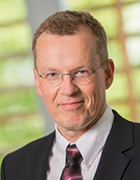
G. Petur Nielsen, MD is a Professor of Pathology at Harvard Medical School and serves as Subspecialty Head, Bone and Soft Tissue Pathology at Massachusetts General Hospital . With a clinical focus on bone and soft tissue tumors, his expertise spans diagnostic pathology, molecular genetics of neoplasms, and ancillary testing applications. Research interests center on Pathology and biology of bone/soft tissue tumors Molecular genetics of bone and soft tissue neoplasms Chordoma and sarcoma research Epithelioid vascular tumor differentiation Mesenchymal tumors of the female genital tract His work includes landmark studies on tumor misdiagnosis rates, immunohistochemical profiling, and genomic analysis of chordomas. Scientific contributions appear in leading journals like Nature and American Journal of Surgical Pathology , with major emphasis on Molecular tumor classification Mutational signature analysis Translational oncology Diagnostic accuracy improvement Genomic instability mechanisms
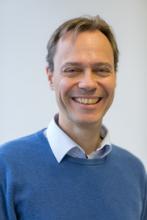
Dr. Lara Urban is a Principal Investigator at Helmholtz Munich and Helmholtz AI, and a TUM Junior Fellow at the Technical University of Munich's Life Sciences School. Her research integrates genomics and artificial intelligence to address One Health challenges, focusing on environmental health, biodiversity conservation, and pathogen surveillance. She holds a PhD from EMBL-EBI and the University of Cambridge (2019) and Master's degrees from Julius-Maximilians-University of Würzburg (2015). Her work leverages portable genomic technologies for real-time data analysis in clinical, environmental, and conservation contexts. Key areas include studying bioaerosols, pathogen detection, and genomic diversity in endangered species like the kākāpō. Awards include the Young Scientist of the Year 2022 and Humboldt Research Fellowship. Her team has published on nanopore sequencing applications, antibiotic resistance, and conservation genomics. Collaborations span institutions like the University of Zurich and ETH Zurich, funded by EU Horizon Europe, BMBF, and Helmholtz grants. Current initiatives include fieldwork in Chile and advancing genomic equity through democratized tools.
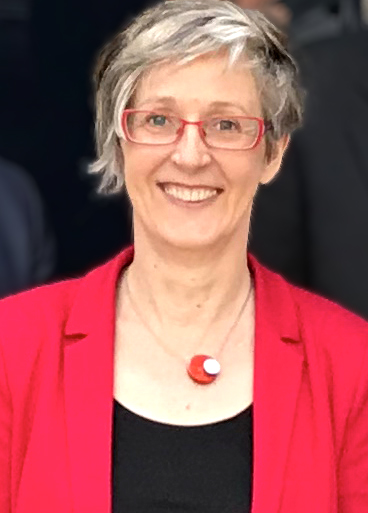
Rainer Böckmann is a Professor of Computational Biology in the Department of Biology at Friedrich-Alexander-University Erlangen-Nürnberg (FAU), Germany, where he leads the Group for Theoretical and Computational Membrane Biophysics. His research integrates molecular dynamics simulations with biophysical analysis to study membrane structure, dynamics, and function. Research Interests: His work focuses on computational biophysics, particularly lipid bilayers, membrane proteins, molecular dynamics, and structural bioinformatics. He investigates how lipid composition, cholesterol, and embedded peptides influence membrane organization, curvature, and permeability, with applications in antimicrobial strategies and mRNA vaccine delivery systems. Recent Research Trends: His recent publications reflect a strong emphasis on lipid nanoparticles (LNPs), particularly their phase behavior, pH-dependent protonation, and structural transitions relevant to mRNA vaccines. He also explores antimicrobial peptides, membrane domain formation, and the role of cholesterol in modulating membrane properties. His group develops and applies advanced simulation techniques, including constant-pH MD and coarse-grained modeling. Member of Editorial Board, Biophysical Journal (2024–present) Elected Member, DFG Review Board for Biophysics (2020–present) Chairman, Molecular Biophysics Section, German Biophysical Society (2011–2012) Leadership and Service: Böckmann is actively involved in academic governance, serving on editorial boards, DFG committees, and as a guest editor for special issues in Frontiers journals. He contributes to graduate education and high-performance computing initiatives at FAU, including the NHR@FAU and Life@FAU Graduate School. He has organized major conferences and workshops in biophysics and membrane modeling. Laboratory and Collaboration: He leads a research group focused on biomembrane physics, collaborating with experimentalists and theorists. His lab develops and applies simulation tools to study membrane systems, bridging computational insights with biological function.
Prof. Dr. Andreas Beyer holds a faculty position at the University of Cologne, affiliated with the Cluster of Excellence Cellular Stress Responses in Aging-Associated Diseases (CECAD) and the Cologne Excellence Cluster for Cellular Mechanisms in Cancer (CMMC). His research focuses on systems-level analysis of aging processes in humans and model organisms, integrating genomic, proteomic, and computational approaches. Key interests include understanding how genetic variation influences protein networks, developing algorithms for big data analysis, and exploring epigenetic mechanisms related to longevity. Research projects include studying age-associated changes in transcriptional elongation, molecular networks in kidney disease, and the impact of dietary restriction on aging. His group develops tools for proteomics and systems biology, such as methods for analyzing limited proteolysis data and single-cell resolution imaging. Collaborative efforts emphasize translational research in aging-related diseases and drug discovery. Prof. Beyer’s work spans computational biology, molecular genetics, and translational medicine. Notable contributions include identifying epigenetic changes linked to longevity and developing predictive models for age-related disease progression. His lab’s projects often involve multi-omics integration and network-based analyses to uncover disease mechanisms. His research has implications for personalized medicine, cancer biology, and interventions to extend healthspan. Current efforts include optimizing drug combinations targeting aging processes and advancing proteomic technologies for clinical applications.
Andreas Maier is a Researcher at the University of Hamburg's Faculty of Mathematics, Informatics and Natural Sciences, affiliated with the Computational Systems Biology department. He began his PhD in May 2021 with Cosy.Bio (Center for Systems Biology) at UHH, focusing on drug repurposing projects such as REPO-TRIAL. Previously, he completed a Bioinformatics master's thesis at TUM (Technical University of Munich), developing a web application for analyzing molecular disease networks. His research interests emphasize network medicine, drug repurposing, and computational tools for biomedical discovery. He has contributed to platforms like NeDRex-Web, Drugst.One, and BioCypher, which democratize access to systems medicine workflows. His work bridges heterogeneous data integration, federated learning for rare diseases, and quantum computing applications in genetics. Maier's publications highlight innovations in knowledge graph-based drug discovery, privacy-preserving federated learning, and single-cell network analysis. He actively develops open-source bioinformatics tools to address challenges in disease module identification and patient stratification. His projects align with the REPO4EU consortium and other collaborative initiatives in translational bioinformatics.
Professor Erez Raz serves as Director of the Institute of Cell Biology at the University of Münster and is affiliated with the Center for Molecular Biology of Inflammation (ZMBE). He is a prominent member of the Cluster of Excellence "Cells in Motion" and serves on the board of the CiM-IMPRS graduate program. His research group "AG Raz: Cell biology in vivo - Germ-cell development" investigates fundamental mechanisms of cell migration in living organisms. Professor Raz's research focuses on cell migration, cell-fate maintenance, and organogenesis within live vertebrate embryos. His laboratory primarily employs zebrafish as a model organism due to its transparent embryos that develop externally, enabling high-resolution live imaging of cellular processes. His work has revealed critical mechanisms of how cells navigate within developing organisms, with significant implications for understanding pathological conditions like cancer metastasis and inflammatory processes where cell migration becomes dysregulated. His recent publications demonstrate a sustained focus on molecular mechanisms controlling germ cell migration, including the roles of RNA-binding proteins like Dnd1, bleb formation dynamics, mitochondrial regulation of germ cell fitness, and tissue microenvironment influences on cell protrusion types. His research uniquely integrates approaches from cell biology, biophysics, genetics, and mathematical modeling to gain comprehensive insights into cellular migration dynamics. Over 100 publications spanning two decades Extensive collaborations across disciplines Methodological innovations in cell imaging and manipulation Professor Raz has successfully mentored numerous doctoral students and postdoctoral researchers, fostering interdisciplinary collaborations between biologists, physicists, mathematicians, and clinicians. His laboratory has developed innovative techniques for cell ablation, mRNA labeling, and in vivo manipulations using optical tweezers, contributing significantly to methodological advances in the field. His laboratory participates in the Multiscale Imaging Centre and the "Cells in Motion" research network, providing access to state-of-the-art imaging capabilities for studying cellular dynamics at multiple scales, from molecular interactions to whole-organism development.
Paul J. Kennedy is a Professor at the University of Technology Sydney's Centre for Artificial Intelligence. He holds a PhD from the same institution (1999). His research focuses on machine learning applications in healthcare, bioinformatics, medical imaging, and data mining. Key areas include developing algorithms for genomic data analysis, healthcare pathway modeling, and edge-cloud frameworks for omics data. Education: PhD in Artificial Intelligence (1999, UTS). Research interests span machine learning, health informatics, and data compression. Notable work includes studies on administrative health records, lung nodule detection, and virtual reality-based cancer cohort analysis. He has co-authored over 100 publications across journals like BMC Bioinformatics, IEEE Transactions, and Artificial Intelligence in Medicine. Advising: Collaborates extensively with students/researchers but no explicit student list provided. Grants and labs: Active in interdisciplinary projects involving medical and computational teams, though specific grants are not detailed here.
Prof. Can Dincer is a Professor of Sensors and Wearables for Healthcare at the TUM School of Computation, Information and Technology, Technische Universität München (TUM). His research focuses on bioanalytical materials, wearable sensors, and AI-driven diagnostics for One-Health applications, integrating disposable sensor technology with data science. He holds a doctorate from the University of Freiburg (summa cum laude, 2016) and worked as a visiting scientist at Imperial College London before joining TUM in 2024. He is a member of the Munich Institute of Biomedical Engineering (MIBE). Key research interests include: Development of wearable biosensors for real-time health monitoring CRISPR-based diagnostics for nucleic acids and proteins AI integration for therapeutic drug monitoring in sepsis and other critical conditions Environmental health connections via point-of-need diagnostics Notable achievements include the 2021 Biosensors & Bioelectronics Best Paper Award and inclusion in Stanford's World's Top 2% Scientists since 2022. His work spans clinical applications, microfluidic platforms, and nanotechnology-based solutions for healthcare challenges. Publications highlight innovations like optogenetic bioassays (Science Advances, 2024), CRISPR-powered multiplexed biosensors, and wearable systems for continuous biomarker monitoring. His research bridges material science, electrical engineering, and biomedicine to create practical diagnostic tools. Prof. Dincer collaborates across disciplines, focusing on translating lab innovations into clinical and commercial applications through advanced sensor technologies.
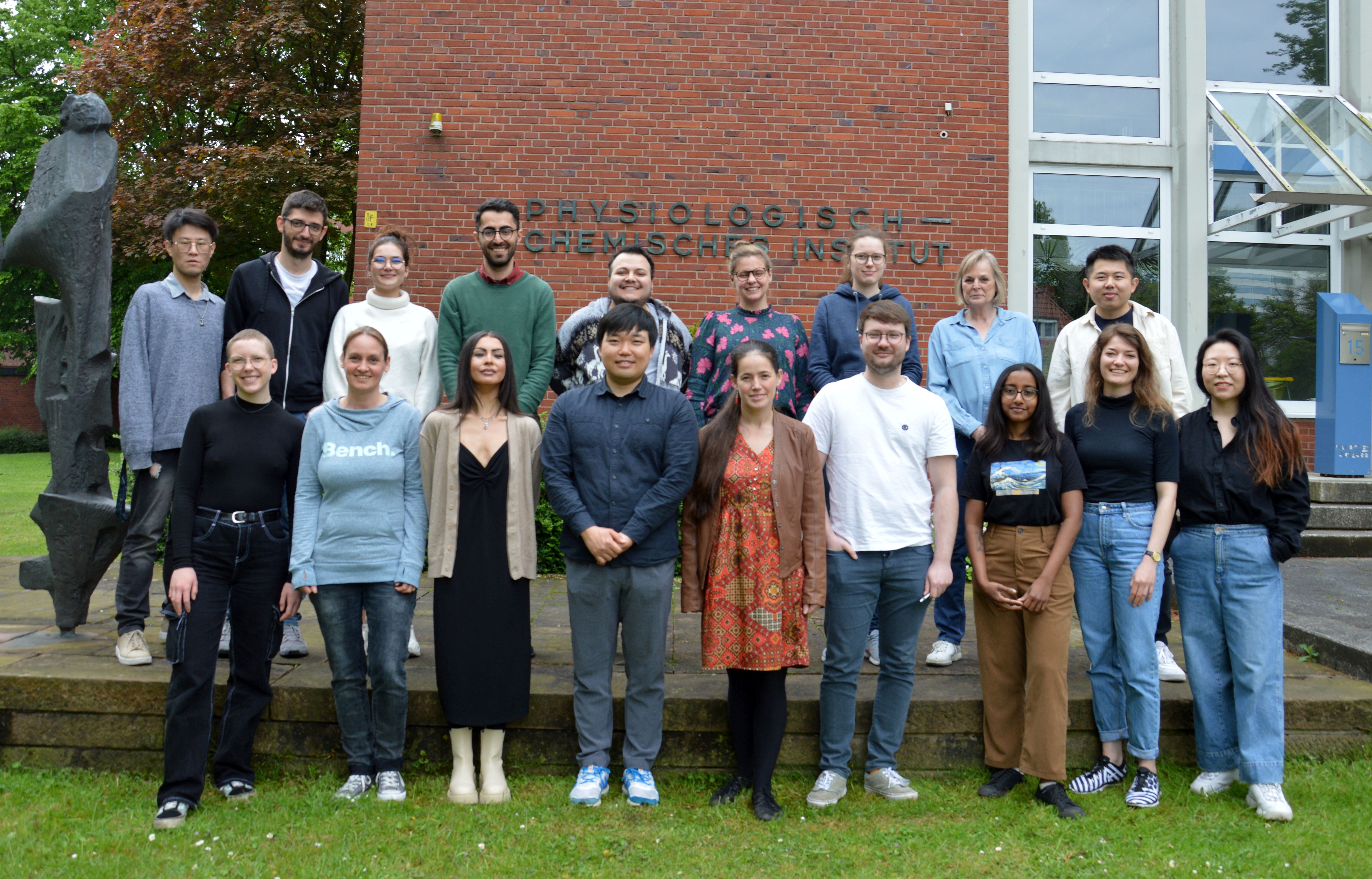
Seraphine V. Wegner is a Full Professor at the Institute of Physiological Chemistry and Pathobiochemistry within the Medical Faculty of the University of Münster. She leads an active research group focused on the spatiotemporal control of cell-material and cell-cell interactions using visible light. Her work bridges synthetic biology, cell biology, and photochemistry to create innovative approaches for tissue engineering and minimal cellular systems. Dr. Wegner's educational background includes a PhD from the University of Chicago (2005-2010) and undergraduate studies at Middle East Technical University in Turkey (2002-2005). Her career path has taken her through prestigious institutions including the Max Planck Institutes in Mainz and Heidelberg, where she established her independent research before joining the University of Münster as a Full Professor in 2019. Her research spans several interconnected areas including light-controlled minimal cellular systems, photoswitchable cell-cell interactions for tissue engineering, light-controlled cell-material interactions, and engineering designer biofilms with light. These research themes share a common thread of using light as a non-invasive tool to precisely control biological processes with high spatial and temporal resolution. Dr. Wegner's publication record shows consistent high-impact output across leading journals in cell biology, synthetic biology, and materials science. Her recent work demonstrates increasing sophistication in multi-color light control systems and applications in both fundamental biological questions and potential therapeutic approaches. ERC Consolidator Grant (2024): LIGHTHOUSE - Light as a signal for nonchemical cell-to-cell communication ERC Starting Grant (2018): ARTIST - Artificial cell-cell interactions for light switchable cell organization and signaling Young Leaders in Science Program, Schering Foundation (2016) MaxSynBio Independent Group Leader, BMBF/MPG (2015) Her research group actively collaborates across disciplines, with projects spanning from fundamental biophysics of cell adhesion to potential medical applications in tissue engineering and bacterial therapeutics. Dr. Wegner has established herself as a leader in the emerging field of optogenetic control of multicellular systems.
Dr. Stephanie de Alcantara Fernandes is a Minerva Fast Track Group Leader at the Max Planck Institute for Biology of Ageing in Cologne, Germany, where she leads research on muscle metabolism and aging. Her laboratory investigates how spatial and functional regulation of mTORC1 signaling influences skeletal muscle health, growth, and regeneration throughout the lifespan, with implications for understanding and promoting healthy aging. Dr. Fernandes completed her academic training through a distinguished path: PhD in Biology (Summa cum laude, with distinction), University of Cologne/Max Planck Institute for Biology of Ageing (2017-2023) Master of Science in Genetics, University of São Paulo (2015-2017) Bachelor of Science in Biological Sciences, University of São Paulo (2009-2014) Exchange year at University of Birmingham, UK (2013) Her research focuses on skeletal muscle biology, particularly the balance between anabolic and catabolic processes that maintain muscle health. Dr. Fernandes investigates how mTORC1 (mechanistic Target of Rapamycin Complex 1), a central signaling hub, is spatially organized within cells to selectively regulate specific cellular functions in response to different nutrient sources. Her work reveals that mTORC1 is not simply "on or off" but can be finely tuned to control distinct processes in different cellular compartments, particularly in skeletal muscle cells. A key aspect of her research examines how these regulatory mechanisms change with age, contributing to age-related muscle loss (sarcopenia). By understanding the molecular basis of muscle maintenance and regeneration, her laboratory aims to identify targets for interventions that could promote healthier aging and prevent age-related decline in muscle function. Analysis of Dr. Fernandes' publication record shows a clear trajectory of increasingly independent research focused on mTORC1 signaling, nutrient sensing, and their roles in aging and muscle biology. Her most recent work demonstrates sophisticated understanding of mTORC1's spatial regulation, revealing how different pools of mTORC1 respond to distinct amino acid sources to control specific cellular processes. This research bridges fundamental cell biology with translational applications for aging-related conditions. Dr. Fernandes has received numerous prestigious awards recognizing her scientific excellence: Minerva Fast Track Fellowship (2025) - Group Leader Position for Outstanding Female Scientists from Max Planck Society Graduate School for Biological Sciences (GSfBS) doctoral award for 2023 (2025) World Muscle Society Fellowship (2016) Cologne Graduate School of Ageing Research fellowship (2017-2020) Master's scholarship from São Paulo Research Foundation (2015-2017) Science Without Borders Scholarship from Brazilian Council for Scientific and Technological Development (2013) As a newly appointed Group Leader through the Minerva Fast Track program, Dr. Fernandes is establishing her independent research program with substantial institutional support. Her laboratory combines advanced techniques including high-throughput omics approaches (proteomics, metabolomics), molecular biology, biochemistry, cell biology, and super-resolution microscopy. She utilizes multiple model systems including mouse models, skeletal muscle cell lines, and iPSC-derived skeletal muscle cells to identify evolutionarily conserved mechanisms relevant to human health. Dr. Fernandes leads the Minerva Fast Track Group at the Max Planck Institute for Biology of Ageing, which focuses specifically on "Muscle metabolism and aging." Her team investigates how selective mTORC1 signaling is coordinated between different skeletal muscle cell types and how it changes with age, with the ultimate goal of understanding how muscle health can be maintained throughout life.
Prof. Dr. Michael Sattler is a Full Professor of Biomolecular NMR at the Technical University of Munich (TUM) and Director of the Institute of Structural Biology at Helmholtz Zentrum München. He leads the Molecular Targets & Therapeutics Center and directs the Bavarian NMR Center. His research focuses on integrative structural biology, elucidating molecular mechanisms of biological pathways through advanced NMR techniques combined with cryo-EM, SAXS, and crystallography. Key areas include RNA regulation (alternative splicing, non-coding RNAs), disease mechanisms (e.g., spinal muscular atrophy), and structure-based drug discovery for cancer and infectious diseases. Education & Career PhD in Chemistry (1995) from Goethe University Frankfurt Postdoc at Abbott Laboratories (Chicago) and EMBL Heidelberg (Group Leader, 1997–2007) Full Professor at TUM since 2007 Director roles at Helmholtz Munich and Bavarian NMR Center since 2007 Research Highlights Prof. Sattler's work has revealed structural insights into RNA:protein interactions (e.g., SF1-RNA, U2AF), SMN Tudor domain recognition, and drug discovery strategies targeting Hsp90 and viral proteases. His lab pioneered integrative structural biology approaches and established high-end NMR facilities like the 1.2 GHz spectrometer. Awards & Recognition ERC Synergy Grant (2023) Leopoldina Membership (2017) EMBO Membership (2012) Erwin Schrödinger Prize (2020) Teaching & Leadership He teaches advanced courses in NMR spectroscopy, biochemistry, and structural biology at TUM. Leads EU Horizon-funded training networks (AEGIS, RNAct) and organizes international conferences on NMR and drug discovery.
Prof. Heike Krebber is a Professor for Molecular Genetics at Georg-August University Göttingen, Germany. Her research focuses on mRNA quality control and non-coding RNA functions, using the model organism Saccharomyces cerevisiae. She has held positions at the DKFZ (Heidelberg), Harvard Medical School, and Philipps-Universität Marburg. Her work addresses how mRNA processing defects contribute to diseases like cancer and neurodegeneration. Education & Positions: PhD (1996), Deutsches Krebsforschungszentrum Heisenberg Fellow (2006) Habilitation in Molecular Biology (2005) Professor since 2010 at Georg-August University Research Interests: Her lab investigates: RNA quality control mechanisms ensuring proper mRNA maturation and export Functions of non-coding RNAs (e.g., lncRNAs in iron metabolism and telomerase) Ribosome assembly and translation termination pathways Stress-induced bypass of mRNA quality control Awards: Heisenberg Fellowship (2006) Grants & Teams: Leads the Molecular Genetics group at the Institute for Microbiology and Genetics. Collaborates with the IMPRS Molecular Biology and GZMB (Molecular Biology of Cells) programs. Labs & Affiliations: Her group is part of the GGNB network, focusing on Microbiology and Biochemistry. The lab’s work spans fundamental molecular mechanisms with translational disease relevance.
Christian Freund is Professor of Protein Biochemistry at the Institute for Chemistry & Biochemistry, Freie Universität Berlin, holding this W2 professorship since 2011. He serves as Coordinator of the FU Berlin-UCSF Collaborative Initiative and Founding Member/Vice-chair of the DFG Collaborative Research Centre SFB/TRR 186 on Molecular Switches in Cellular Signal Transmission, leading interdisciplinary research across Berlin and Heidelberg institutions. His academic foundation includes Chemistry studies at Heinrich-Heine-Universität Düsseldorf (1983-1986) and Ludwig-Maximilians-Universität München (1986-1989), followed by a PhD in Structural Biology at the Max-Planck-Institute of Biochemistry (1994) and Habilitation in Biochemistry at Freie Universität Berlin (2005). Freund's research integrates structural biology, biophysics, and immunology to investigate molecular mechanisms of antigen presentation and cellular signaling. His work centers on MHC class II dynamics, protein conformational switches, and nanoscale organization of signaling complexes, employing NMR spectroscopy, quantitative proteomics, and molecular engineering to dissect immune recognition pathways and neuronal signaling mechanisms. Analysis of his 2010-2019 publications reveals consistent focus on MHC-mediated antigen presentation (60% of works), with significant contributions to understanding peptide exchange dynamics and HLA-DM editing functions. Secondary research streams explore synaptic protein networks (25%) and T cell signaling machinery (15%), demonstrating methodological breadth across structural biology, proteomics, and cell biological approaches. His scientific recognition includes: Biofuture award from the German Ministry of Education and Research (1999) Swiss National Funds Post-doctoral Scholarship (1997) Innovationswettbewerb Medizintechnik grant (2009) As research group leader at Leibniz-Institute of Molecular Pharmacology (2000-2011) and current FU Berlin professor, Freund has secured major collaborative funding through DFG SFB/TRR 186 and the UCSF partnership. His mentorship spans postdoctoral fellows at Harvard/Dana-Farber and Leibniz-Institute, with current supervision of graduate students in the Berlin biochemistry program. Freund directs a research group within FU Berlin's Institute for Chemistry & Biochemistry, operating as core component of SFB/TRR 186. His laboratory maintains active collaborations with UCSF's QBI (Nevan Krogan) and Heidelberg-based structural biology teams, utilizing advanced NMR, cryo-EM, and single-molecule imaging facilities across the Berlin-Heidelberg research alliance.
Prof. Dr. Bettina Siebers is a full Professor at the University of Duisburg-Essen, Faculty of Chemistry, where she leads the research group Molecular Enzyme Technology and Biochemistry (MEB). Her work is embedded in the Zentrum für Medizinische Biotechnologie (ZMB) and focuses on hyperthermophilic archaea, central carbohydrate metabolism, and biotechnological applications of extremozymes. She is actively involved in funded research projects, including a major €1.4 million grant from the VolkswagenStiftung for sustainable bio-production. Research Interests: Her research spans archaeal biochemistry, systems biology, metabolic engineering, and enzyme technology. She investigates the unique metabolic pathways in archaea, particularly under extreme conditions, combining classical biochemistry with genomics, transcriptomics, and computational modelling. Her group explores transcription regulation, stress responses, and protein phosphorylation in archaea as simplified models for eukaryotic processes. Publication Trends: Her recent publications emphasize enzyme cascade optimization, extremozyme discovery, metabolic pathway modelling (e.g., Weimberg pathway), and archaeal gene regulation. The interdisciplinary work bridges microbiology, biotechnology, and systems biology, with strong applications in sustainable bioproduction and industrial biocatalysis. Scientific Recognition: Lead Principal Investigator, VolkswagenStiftung 'Biofabrik' Project (€1.4 million) Active publications in high-impact journals including Nature , Nature Communications , FEMS Microbiology Reviews , and Nucleic Acids Research Member of ZMB and contributor to DFG, EU, and NRW-funded research programs Advising and Grants: While specific students are not listed, her group includes postdocs and researchers such as Dr. Christopher Bräsen. She leads major funded projects, including the VolkswagenStiftung initiative to replace microplastics with microbial lipids. Her work is supported by national and international collaborations, particularly with TU Wien. She integrates fundamental research with translational biotechnological applications. Labs and Teams: The MEB group at the University of Duisburg-Essen comprises a dedicated team including a laboratory manager, secretariat, and researchers. The group is part of the ZMB and collaborates within the Faculty of Chemistry and beyond, focusing on extremophile biochemistry and sustainable biotechnology.
Johannes Soeding is a Research Group Leader in the Computational Biology department at the Max Planck Institute for Multidisciplinary Sciences in Göttingen, Germany. His work bridges physics, bioinformatics, and molecular biology, focusing on computational methods for biological data analysis. His research interests include computational biology, protein structure and function prediction, metagenomics, transcriptional regulation, and statistical genomics. He develops widely used software tools such as HH-suite, HHpred, MMseqs2, and Foldseek for protein sequence and structure analysis. The recent publications demonstrate a strong focus on high-throughput biological data, particularly in protein structure search (e.g., Foldseek), metagenomic gene discovery (e.g., MetaEuk), and regulatory genomics. His work combines algorithm development with deep biological insights, often published in top-tier journals like Nature Biotechnology , Science , and Nature Methods . He has been involved in significant methodological advances in sequence clustering, contact prediction, and eQTL analysis, showing a consistent trend toward scalable, data-driven approaches in genomics and proteomics. Soeding has contributed to major projects in gene regulatory networks and RNA biology, often in collaboration with experimental groups. His leadership in developing open, efficient bioinformatics tools has had a broad impact on the scientific community. He is affiliated with several graduate programs including IMPRS Physics of Biological and Complex Systems, Biomolecules: Structure - Function - Dynamics, and Genome Science, indicating active participation in training the next generation of scientists.