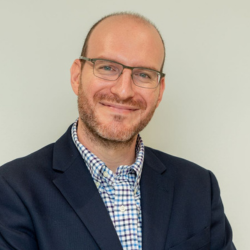
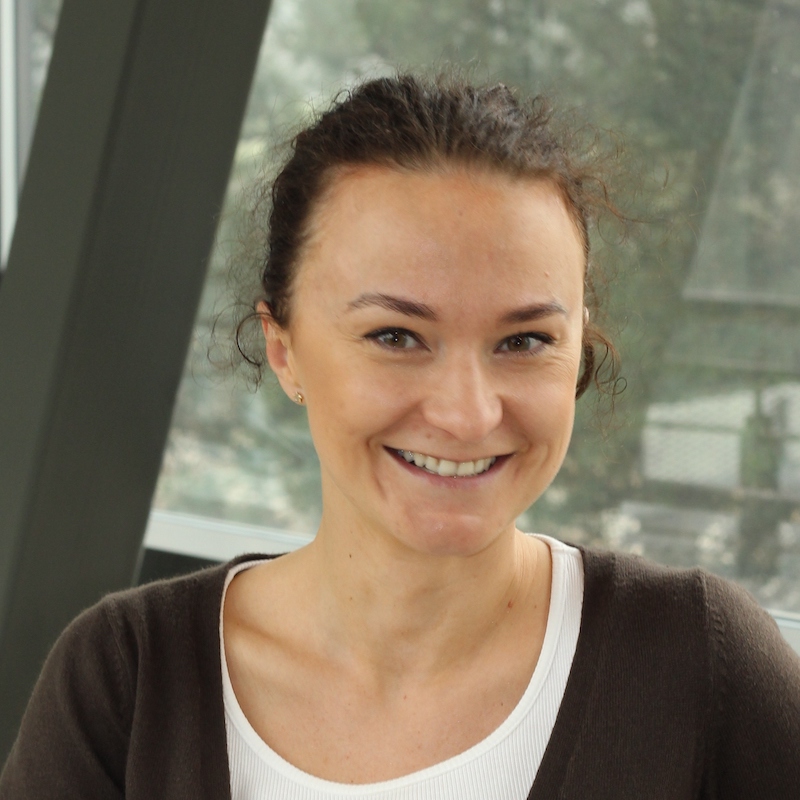
Jean-Christophe Marine is a full professor at the KU Leuven Faculty of Medicine , leading the Laboratory for Molecular Cancer Biology (VIB-KU Leuven). His work focuses on unraveling molecular mechanisms in melanoma and pancreatic cancer, with a particular emphasis on metastasis, immunotherapy resistance, and tumor microenvironment dynamics. Head, Laboratory for Molecular Cancer Biology (VIB-KU Leuven) Head, VIB-KU Leuven Center for Cancer Biology - Administrative Core Member, VIB-KU Leuven Center for Cancer Biology Member, LISCO - KU Leuven Institute for Single Cell Omics Senior academic staff, Faculty of Medicine Council His research spans cell state plasticity , lipid metabolism in metastasis , epitranscriptomic regulation , and novel spatial analysis technologies . Recent projects include studying extracellular vesicles in pre-metastatic niche formation and developing AI-driven pipelines for cancer cell mapping. Publications highlight discoveries in NK cell-mediated immunotherapy resistance , alternative translation in metastasis , and oncofetal reprogramming in colorectal cancer. Collaborative work includes defining stromal lipid species as metastatic drivers and mapping melanoma subclone plasticity using single-cell multi-omics. Current affiliations include leadership roles in cancer biology centers and advisory positions in institutional councils. His work intersects basic research and clinical translation , with major implications for precision oncology.
Finn Kirpekar is an Associate Professor at the Department of Biochemistry and Molecular Biology , University of Southern Denmark. His research spans Methyltransferase enzymes, RNA modification , antimicrobial resistance , and proteomics . Key research themes include: RNA methylation mechanisms (16S rRNA, 28S rRNA) Antibiotic resistance in Klebsiella pneumoniae and Escherichia coli Marine microbiology in deep-sea Trench ecosystems Base excision repair pathways in immunoglobulin gene diversification Recent publications focus on 16S rRNA methyltransferases , colistin resistance proteomics , and ZCCHC4-mediated RNA modifications . He serves as a peer reviewer for journals like Pathogens and International Journal of Molecular Sciences , and has conducted teaching activities in Beijing.
Miguel Angel Fidalgo Perez is a Professor at the Department of Physiology, Faculty of Pharmacy, University of Santiago de Compostela. He is part of the MeMoEn research group (Molecular mechanisms of disease) within the Center for Research in Molecular Medicine and Chronic Diseases (CIMUS). His research focuses on molecular biology, cellular signaling, and metabolic regulation, particularly in liver diseases and pluripotent stem cells. He obtained his PhD in 2010 from the University of Santiago de Compostela with a thesis on the functional study of SOK1 and PDCD10, supervised by Dr. Juan Zaldive Torrente and Dr. Celia María Pombo Ramos. His work spans liver pathologies like nonalcoholic steatohepatitis (NASH), epigenetic mechanisms in stem cell reprogramming, and metabolic pathways. Recent studies include targeting p63 for fibrosis amelioration, exploring O-GlcNAc modifications in mitochondrial function, and developing novel methods for pluripotent cell analysis. His interdisciplinary approach integrates molecular biology, genomics, and clinical implications. Key contributions include uncovering roles of ADAR1 in RNA editing during reprogramming, elucidating the role of hepatic p63 in glucose metabolism, and advancing understanding of OCT4's phase separation in cell fate decisions. Despite no explicit awards listed, his prolific publication record reflects significant scholarly impact. He maintains active collaborations, as seen in interviews discussing epitranscriptomics in stem cell research.
Raquel Garcia Vilchez is a Researcher in the Department of Physiology at the University of Santiago de Compostela, affiliated with the Center for Research in Molecular Medicine and Chronic Diseases (CIMUS). She holds a doctorate from the University of Salamanca (2023), where her thesis focused on the role of guanosine-7 tRNA methylation in prostate cancer progression, supervised by Dr. Sandra Blanco Benavente. Her work explores RNA epigenetics, particularly tRNA modifications and their impact on cancer biology and aging. Her research interests center on RNA modifications (e.g., m7G, m5C), their roles in translational control, and their implications in diseases like prostate cancer. She investigates how epitranscriptomic changes influence tumor progression, stress responses, and therapeutic targets. Her findings bridge basic molecular mechanisms with clinical applications in oncology. Raquel’s publications highlight advancements in detecting RNA modifications (e.g., m7G at single-nucleotide resolution) and their functional consequences. Her recent work emphasizes the interplay between transposable elements, aging, and epigenetic regulation, offering new insights into cellular stress adaptation. Despite no listed awards, her contributions to cancer epigenetics are notable in the field. While no specific grants or students are documented here, her affiliation with CIMUS suggests participation in collaborative research projects targeting chronic diseases. Her work is part of the GENOMES-DISEASE research group, focusing on genomic and epigenomic mechanisms underlying disease pathogenesis.
Sadequr Rahman is a Professor at the School of Science, Monash University, Malaysia. He holds a PhD in Biochemistry from the University of London and a BA in Natural Sciences from the University of Cambridge. His academic work spans research, teaching, and leadership in molecular biology, genetics, and genomics. His research focuses on the applications of molecular biology, genetics, and genomics to food security and environmental health. Key areas include microbial genomics, plant biotechnology, conservation biology, and environmental biomonitoring. His work contributes to several UN Sustainable Development Goals, particularly those related to health and environmental sustainability. His recent research publications (2023–2025) highlight a strong trend in microbial pathogenesis, particularly in Acinetobacter baumannii , using transcriptomics and RNA modification studies. Additionally, his work extends to plant biotechnology for enhancing medicinal compound production and environmental health through biomonitoring of urban pollutants using avian species. Scientific recognition includes: Monash-Sunway Decarbonization initiative: Microalgae farming and Native Tree Planting (Other distinction, 2018) Rahman actively supervises and collaborates on major research projects, including the Asian Microbiome Library and conservation genomics of hornbills in Malaysia. He has contributed expert commentary in the media, notably on antimicrobial resistance (AMR), and teaches courses such as GEN3051 (Medical and Forensic Genetics) and BTH3820 (Plant Biotechnology). His research is supported by multiple active grants, and he collaborates extensively across disciplines and international boundaries. He is involved in several research projects: Asian Microbiome Library (2022–2025) Conservation genomics for Helmeted and Rhinoceros hornbills in Malaysia (2023–2025) Enhancing rosmarinic acid production in Lamiaceae plants using LED lights (2020–2022) Genomics of heat stress in weedy rice (2020–2024) Host-microbiome interactions in obesity and intestinal inflammation (2020–2024)
Mati Karelson is a distinguished Professor of Molecular Technology at the University of Tartu since 2005, holding a full-time position (1.00 FTE). He previously served as a Professor at Tallinn University of Technology (2004–2014) and an Adjunct Professor at the University of Florida (1996–2014). His academic journey began with a Doctor’s Degree in Theoretical Chemistry from Tartu State University (1975), where he also initiated his research career in chemical kinetics and catalysis. Karelson’s work spans theoretical chemistry, molecular engineering, and epigenetic mechanisms, with notable contributions to neuroprotection and drug discovery. His research interests include RNA epitranscriptomics, molecular modeling of viral inhibitors, and neurotrophic factor mechanisms. He has led major initiatives such as directing the Centre of Strategic Competence at Tartu (1999–2002) and advising Estonia’s Prime Minister on R&D (2005–2014). Karelson’s achievements are recognized through prestigious awards including the Ostwald Medal (2014), Honorary Citizenship of Tartu (2008), and the National Science Prize (2001). Education: Tartu State University (1967–1972), Doctorate in Theoretical Chemistry (1975). Administrative Roles: Director of the Centre of Strategic Competence (1999–2002), Head of the Laboratory of Chemical Kinetics and Catalysis (1988–1992). Professional Memberships: Estonian Academy of Sciences, International Academy of Mathematical Chemistry, American Chemical Society. His research has explored diverse fields, from HIV latency reactivation mechanisms to CDNF’s neuroprotective effects in Parkinson’s disease. Karelson’s publications highlight innovative approaches in molecular modeling, QSAR analysis, and small molecule drug development.
Dr. Konstantinos Tzelepis is a leading researcher in epitranscriptomics and stem cell biology at the Cambridge Stem Cell Institute, University of Cambridge. He leads a research group focusing on RNA modifications in normal and malignant hematopoiesis, particularly acute myeloid leukemia (AML). His work combines CRISPR screening technologies with biochemical approaches to uncover novel therapeutic targets. Currently based at the Jeffrey Cheah Biomedical Centre, he previously held a Wellcome Trust Sir Henry Wellcome Fellowship at Harvard University and the University of Cambridge. Dr. Tzelepis' educational background includes: B.S. in Biomedical Sciences, University of West Attica (2009) M.S. in Cancer Biology, National and Kapodistrian University of Athens (2010) Ph.D. in Molecular Genetics from the Wellcome Sanger Institute and University of Cambridge (2017) His research explores how RNA modifications regulate stem cell fate, aging, and cancer progression. Key areas include: Epitranscriptomic regulation of hematopoietic stem cells Role of m6A and m7G modifications in leukemia pathogenesis Development of RNA-targeted therapies, such as METTL3 inhibitors Mechanisms linking RNA modifications to clonal hematopoiesis Scientific Awards: Wellcome Trust Sir Henry Wellcome Fellowship (2017-2020) His lab's work has been supported by grants focusing on epitranscriptomics and leukemia biology. He mentors a team of researchers including Ajay Edakkara, Maria Eleftheriou, and others, contributing to both basic science and translational research in oncology. He leads the Tzelepis Group within the Cambridge Stem Cell Institute, collaborating with interdisciplinary teams across the University of Cambridge and international institutions to advance RNA biology and therapeutic development.
Anna M. Kietrys is an Assistant Professor in the Department of Chemistry at Carnegie Mellon University, with affiliation to the Center for Nucleic Acids Science and Technology. Her research bridges chemical biology and neurodegeneration, focusing on RNA structure-function relationships in cellular signaling and disease progression. Ph.D. in Chemistry/Biochemistry (2013) from Institute of Bioorganic Chemistry Polish Academy of Sciences Postdoctoral Fellow at Stanford University (2015–2019) in the Kool Laboratory Research Associate at Institute of Bioorganic Chemistry (2013–2015) Kietrys' research explores the dynamic RNA world, particularly circular RNAs (circRNAs) and ultra-small RNAs (usRNAs), to uncover their structural and epitranscriptomic profiles. She develops universal acylating reagents using 2'-OH acylation to study RNA interactomes and proposes RNA-based therapeutic approaches for Parkinson's disease. Her work combines chemical, biochemical, and bioinformatics tools to decode RNA-mediated signaling in neurodegeneration. Her recent publications highlight advancements in RNA functionalization, epitranscriptomic mapping, and transcriptome-wide drug interactions. Key trends include reversible RNA acylation for CRISPR control, circRNA structural analysis, and small RNA regulatory roles in aging. Awards include the Kwolek Fellowship and Harrison Legacy Graduate Fellowship. Kwolek Fellowship in Chemistry Edwin N. Lassettre Graduate Travel Award John & Nancy Harrison Legacy Graduate Fellowship Kietrys teaches multidisciplinary courses in Bioorganic Chemistry and Toxicology, integrating organic chemistry with biological applications. Her lab provides hands-on experience in modern biological methods and emphasizes RNA chemistry for therapeutic innovation.
Jacopo Vigna is a Research Fellow at the University of Trento's Department of Cellular, Computational, and Integrative Biology (CIBIO), with additional tutoring roles in the Department of Physics. His research focuses on molecular mechanisms of cancer therapy, DNA interactions in bioactive solvents, and natural product-derived drug design. He contributes to interdisciplinary projects involving medicinal chemistry, biophysics, and synthetic organic chemistry. Teaching activities include laboratory assistance for undergraduate courses in chemistry and bioanalytical methods, emphasizing hands-on training in laboratory techniques and theoretical concepts. Key collaborations involve Prof. Ines Mancini and Prof. Graziano Guella, with frequent co-authorship on studies addressing glioblastoma, neuroblastoma, and mitochondrial translation inhibition. Research highlights include pioneering work on EGCG-based therapies for neuroblastoma, structural analysis of DNA in deep eutectic solvents, and development of streptogramin A derivatives targeting cancer stem cells. His methodologies bridge computational modeling (molecular dynamics) with experimental approaches (UV Resonance Raman spectroscopy). Publications (2021-2024) span International Journal of Molecular Sciences , Scientific Reports , and ACS Pharmacology & Translational Science , reflecting a strong focus on translational biomedical research.
Dr. Peter Moffett is a Research Professor specializing in plant innate immunity , viral pathogenesis , and RNA silencing mechanisms . His work utilizes model organisms like Arabidopsis , tobacco, and tomato to investigate plant-pathogen interactions involving viruses, viroids, and bacteria. Research themes include: Decoding phytohormone networks (jasmonic acid, salicylic acid) regulating antiviral defenses Mechanistic studies of Argonaute proteins (AGO2, AGO5) and NLR immune receptors Pathogen strategies to manipulate apoplastic microenvironments for virulence Article trends show strong focus on plant virology , RNA-based defense systems , and genetic variation in immune components. Key collaborations span Ohio State University (David Mackey), Michigan State University (Sheng-Yang He), Université de Strasbourg (Christophe Ritzenthaler), and institutions in China, Spain, and Japan.
Mirta Mittelstedt Leal de Sousa serves as a Senior Researcher in the Department of Clinical and Molecular Medicine at the Norwegian University of Science and Technology (NTNU), Faculty of Medicine and Health Sciences. Her laboratory is situated at Laboratoriesenteret, Øya campus in Trondheim, Norway. Her educational background includes a PhD in Molecular Medicine (2012) from NTNU's Department of Cancer Research and Molecular Medicine, an MSc in Molecular Biology (2003) from the University of Brasília, Brazil, and a BSc in Chemistry (2000) from the same institution. She completed extensive postdoctoral training at NTNU (2012-2020) and at Lawrence Berkeley National Laboratory/Joint Bioenergy Institute in California (2012-2013). Dr. Sousa's research spans proteomics, neuroscience, biochemistry, DNA repair mechanisms, and cancer biology. Her work consistently investigates how oxidative DNA damage impacts cellular function, with particular emphasis on base excision repair pathways, epitranscriptomic modifications, and their roles in neurodegenerative disorders, immunodeficiency, and oncogenesis. Recent publications demonstrate her pivot toward pandemic-related research, examining DNA repair activation in severe COVID-19 and epitranscriptomic alterations in critical illness. Analysis of her 15 most recent publications reveals strong thematic continuity in DNA damage response mechanisms while expanding into clinical applications including cancer therapeutics, neurodevelopmental disorders, and diagnostic nanotechnology. Her work frequently employs advanced proteomic and genomic techniques to elucidate molecular pathways in disease contexts. Her scientific contributions include development of NAxtra magnetic nanoparticles for nucleic acid isolation, characterization of OXR1's role in histone methylation, and mechanistic studies of DNA glycosylases in neurological dysfunction and cancer. Collaborative work spans international institutions including University of California, University of Oslo, and University of Brasília. Dr. Sousa maintains active research in multiple high-impact areas including oxidative stress response, epigenetic regulation, and translational applications of DNA repair knowledge. Her laboratory continues to produce significant findings in both fundamental molecular mechanisms and clinically relevant disease processes.
Jingsong Bian serves as Chair Professor and Department Head of Pharmacology at Southern University of Science and Technology's School of Medicine in Shenzhen, China. He previously held academic positions at National University of Singapore (2003-2020), where he served as Assistant Professor (2003-2008), Associate Professor with tenure (2009-2020), Deputy Director of the Drug Development Unit, and Research Director of the Department of Pharmacology. Dr. Bian earned his PhD in Physiology from the University of Hong Kong (1997-2000), where he was awarded the Dr. KP Stephen Chang Gold Medal. He completed post-doctoral training under an American Heart Association Fellowship at Albert Einstein College of Medicine (2000-2003). His educational background also includes an M.Sc. in Pharmacology from Nanjing Medical University (1990-1993) and an MBBS in Medicine from Xuzhou Medical University (1985-1990). His primary research interests focus on pulmonary hypertension mechanisms , novel functions of Na+/K+ ATPase , and biology of endogenous mediators like hydrogen sulfide . His work explores how these molecular mechanisms contribute to cardiovascular and pulmonary diseases, with particular emphasis on identifying therapeutic targets. His research has significant translational potential, bridging basic molecular discoveries with clinical applications for conditions like pulmonary hypertension, diabetic complications, and neurodegenerative disorders. Dr. Bian has published over 140 papers in high-impact journals including Circulation , Immunity , Circulation Research , Science Advances , and Signal Transduction and Targeted Therapy , accumulating more than 14,000 citations with an H-index of 65. His recent work demonstrates consistent focus on molecular mechanisms of cardiovascular diseases, with particular emphasis on redox signaling, RNA modifications, and novel therapeutic targets. Top 2% of Scientists Worldwide (Annual and Lifetime Impact) Elsevier Highly Cited Scholar in China Global Highly Influential Scholars List Shenzhen Municipal Government Special Allowance Research Excellence Award, NUS Yong Loo Lin School of Medicine (2017) Dr. KP Stephen Chang Gold Medal, University of Hong Kong (2000) American Heart Association Fellowship (2001) Dr. Bian serves as Associate Editor and Editorial Board Member for numerous international journals including Antioxidant Redox Signaling , Journal of Alzheimer's Disease , and Frontiers in Pharmacology . He has delivered over 70 invited lectures at international scientific meetings and serves on advisory committees for organizations including the International Conferences on the Biology of Hydrogen Sulfide and the Asian Society for Vascular Biology. His laboratory maintains active research programs investigating pulmonary hypertension mechanisms and Na+/K+ ATPase signaling pathways, with collaborations spanning multiple international institutions.
Dr. Shengjian Ji serves as Associate Professor with Tenure in the Department of Neuroscience at Southern University of Science and Technology's School of Life Sciences, concurrently holding the position of Associate Dean for Academic Affairs at Shude College. His laboratory is internationally recognized for pioneering research on mRNA modification mechanisms in neuronal development and function, with particular emphasis on posttranscriptional regulation in axons. Dr. Ji's academic foundation includes: Doctor of Science (Ph.D.) from Peking University (1998-2003) Bachelor of Science from Yantai University (1994-1998) His research program centers on mRNA modifications (m 5 C and m 6 A), local axonal translation, and retrograde signaling pathways critical for neuronal development. The lab employs advanced techniques including microfluidic axonal analysis and molecular neuroscience approaches to investigate how RNA-binding proteins regulate neurogenesis, axon guidance, and dendrite maintenance in cortical, retinal, and cerebellar systems. Analysis of Dr. Ji's 2018-2025 publications reveals a dominant focus on RNA epitranscriptomics in neural development, with emerging applications in aging and disease models. His work demonstrates how m 6 A and m 5 C modifications orchestrate local translation in axons through readers like YTHDFs and Ybx1, influencing processes from embryonic neurogenesis to age-related visual decline. Major recognitions include: National Natural Science Award of China, Second Prize (2011) Ministry of Education University Scientific Research Award, First Prize in Natural Science (2008) Peking University's Ten Most Academically Outstanding Graduate Students (2003) Dr. Ji actively mentors graduate students and postdoctoral researchers, with recent master's thesis defenses by Jiaxin Yuan and Pingrui Zhang. His laboratory maintains active funding evidenced by student Yu Jun's 2024 NSFC Young Scientists Fund award, and consistently recruits talent through SUSTech's postdoctoral and graduate programs. The lab currently investigates RNA modification mechanisms across multiple neural systems using cutting-edge molecular and bioengineering approaches, with ongoing projects spanning cortical development, retinal neurodegeneration, and axon guidance pathways.
Erin Prestwich is an Assistant Professor in the Department of Medicinal and Biological Chemistry at the University of Toledo within the College of Pharmacy and Pharmaceutical Sciences. Her research focuses on leveraging analytical chemistry, mass spectrometry, and chemical biology to explore nucleic acid modifications in disease pathophysiology, particularly in bacterial biofilms and inflammatory conditions. Ph.D. in Chemistry, Boston College (2006) B.A. in Chemistry, Wellesley College (1999) Her laboratory investigates how epigenetic and epitranscriptomic changes influence biofilm behavior, antibiotic resistance, and pathologies like diabetes and inflammatory bowel disease. This involves developing robust methods for RNA and DNA modification quantification, MALDI-based imaging techniques, and studying oxidative stress responses in microbial and mammalian systems. Recent publications highlight trends in RNA and DNA damage analysis, biofilm subpopulation characterization, and pharmaceutical development. These span fields such as mass spectrometry, microbiology, immunology, and disease biomarker discovery. Contact: erin.prestwich@utoledo.edu
Prof. Dr. Daniel Schindler is a Visiting Scientist at the Max Planck Institute for Terrestrial Microbiology in Marburg, Germany, affiliated with the DNA Service Unit . His work focuses on synthetic biology, genetic engineering, and RNA-based technologies. Research Interests : Daniel Schindler's research spans synthetic biology and microbial genomics, with emphasis on RNA engineering, DNA assembly techniques, and metabolic pathway optimization. He explores the application of Golden Gate cloning, synthetic secondary chromosomes, and CRISPR tools for precise genetic manipulation. Recent Publications : His work highlights advancements in synthetic small RNA design, high-throughput DNA assembly, and phage engineering. Themes include microbial systems biology, enzyme evolution, and scalable genome modification. Contact : Email: daniel.schindler@mpi-marburg.mpg.de Phone: +49 6421 178 530 Address: Karl-von-Frisch-Strasse 10, 35043 Marburg, Germany