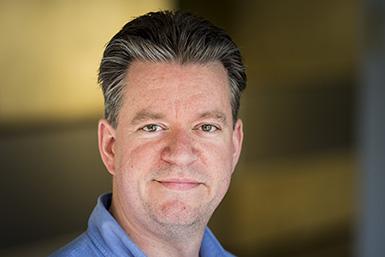
Dr. Gary Brewer is a Professor in the Department of Entomology at the University of Nebraska-Lincoln, with a 60% research and 40% teaching appointment. He has served as department head at NDSU (1997-2006) and UNL (2006-2018). His research focuses on field crops entomology, IPM of pasture cattle flies, salt creek tiger beetle conservation, and pollinator health. He has pioneered a push-pull strategy using coconut oil-derived repellents and led curriculum design for Rwanda’s Conservation Agriculture program. Education: B.S. in Zoology, University of Nebraska-Lincoln (1974) M.S. in Entomology, University of Nebraska-Lincoln (1978) Ph.D. in Entomology, Kansas State University (1984) Research Interests: Brewer’s work spans insect ecology, pest management, and conservation. Key areas include stable fly and horn fly control, pollinator protection, and endangered species recovery (e.g., Salt Creek tiger beetle). His lab develops natural product-based pest repellents and evaluates biopesticides for sustainable agriculture. Grants & Contributions: $362,150 USDA grant for undergraduate research in beneficial insect protection (2018) $325,000 USDA grant for multi-tactic stable fly control (2017) NE Game and Parks funded salt creek tiger beetle reintroduction programs Labs & Teams: Brewer’s team collaborates with industry (e.g., Vestergaard Frandsen) and international partners to advance IPM strategies. His work bridges field research with applied solutions for farmers and conservationists.
Dr. Carla Vilela is an Assistant Professor in the Department of Chemistry at the University of Aveiro and Principal Researcher at CICECO. She coordinates the Sustainable Materials research line and leads projects on cellulose-based materials and circular economy. Her research focuses on sustainable materials from cellulose and renewable resources for applications in water remediation, food packaging, and textiles. Education includes a PhD in Chemistry from the University of Aveiro and postdoctoral work at CICECO and ISIS Neutron and Muon Source (UK). Research interests include: Development of cellulose-based functional materials Nanocomposites for biomedical applications Sustainable packaging solutions Biopolymer modification and characterization Publications demonstrate strong focus on cellulose nanocomposites, bioprinting bioinks, and active packaging. Recent articles frequently involve nanocellulose modifications, drug delivery systems, and sustainable material design. Awards include being named among World's Top 2% Scientists annually since 2020. Funding includes national projects (Cell4Janus) and EU collaborations (PRIMA Im-Pack). Leads the BioPol4Fun research group and supervises 6 PhD students. Current projects explore cellulose-based microrobots, resin valorization, and marine biopolymers.
Dr. Gabriele Schweikert is a Senior Lecturer and Principal Investigator with a joint appointment between the Division of Computational Biology in the School of Life Sciences at University of Dundee and Cyber Valley in Tuebingen. Her research focuses on applying machine learning techniques to understand epigenetic mechanisms and molecular processes in living cells. Dr. Schweikert completed her PhD at the Max Planck Institute Tuebingen working with Schoelkopf, Weigel, and Raetsch labs on machine learning for computational gene finding. She subsequently joined Adrian Bird's lab at the Wellcome Trust Center for Cell Biology in Edinburgh, a pioneer in epigenomic research. Prior to her current position, she held prestigious Marie Curie and EMBO Fellowships at the School of Informatics, University of Edinburgh. Her research interests center on using machine learning to decode epigenetic mechanisms that determine cellular identity and function. She investigates how cells with identical DNA can differentiate into specialized cell types through epigenetic regulation, with particular focus on applications in understanding tumorigenesis where epigenetic machinery malfunctions. Her work combines high-throughput epigenomic data with advanced computational approaches to address complex biological questions. Analysis of her recent publications reveals a strong focus on epigenomic data analysis, machine learning applications in biology, and computational approaches to understanding gene regulation. Her work spans from fundamental epigenetic mechanisms to practical applications in disease research, with growing emphasis on individual-specific epigenomic analysis and explainable AI in biomedical contexts. UKRI Future Leaders Fellowship (2020, £1.6 million) Marie Curie Fellowship EMBO Fellowship Dr. Schweikert actively supervises PhD students and has received significant research funding for projects including 'Machine Learning Methods to Re-Annotate Histone Modifications,' 'Unlocking The Alternative Splicing Code,' and 'GPU-Based Machine Learning System For Fundamental Biological Research.' She is involved in multiple interdisciplinary collaborations and frequently presents her work at major conferences including ELLIS Health program retreat, Epigenetics Meetings, and RECOMB workshops. She maintains active research laboratories in both Dundee and Tuebingen, fostering international collaboration between computational biologists, machine learning experts, and experimental biologists to advance our understanding of epigenetic regulation in health and disease.
Kathrin Lang is a Full Professor at the Department of Chemistry and Applied Biosciences, ETH Zurich, and Head of the Organic Chemistry Laboratory. Her research focuses on chemical biology, particularly the development of tools for genetic code expansion to incorporate non-canonical amino acids into proteins and advance bioorthogonal chemistries for studying biological processes. Keywords: Genetic Code Expansion, Bioorthogonal Chemistry, Protein Engineering, Ubiquitylation Networks, Post-Translational Modifications. Lang’s work emphasizes proximity-triggered crosslinking reactions, bioorthogonal labeling, and in vivo chemistries to address challenges in protein interaction mapping and structural elucidation. Her group’s recent publications highlight methodologies for dual protein labeling, deciphering ubiquitin code, and enhancing cycloaddition reactivity. Current projects include exploring cyclopropene-fused dibenzocyclooctynes for improved labeling and investigating methylated lysine as a conformational regulator in Hsp90. Funding sources include the ERC (Ubl-tool), DFG (SFB1035, SPP1926), and ETH Zurich. She contributes to education through courses like Genetic Code Expansion for Studying Posttranslational Modifications and Chemical Biology and Synthetic Biochemistry . Collaborative efforts span structural biology, microbiology, and synthetic biochemistry, with applications in ubiquitin research and cellular imaging.
Dr. Jacques Archambault is a Professor in the Department of Microbiology and Immunology at McGill University , and an associate member of the Division of Experimental Medicine since 2016. His research focuses on the molecular biology and pathogenesis of human papillomaviruses (HPVs) and polyomaviruses (HPyVs), with an emphasis on their replication mechanisms as episomes in host cells. The Archambault laboratory employs functional genomics, proteomics, and chemical biology approaches to identify cellular pathways exploited by these viruses and develop high-throughput assays for screening small molecule inhibitors of viral replication. Analysis of his recent publications reveals a strong focus on HPV and HPyV replication machinery, including studies on the E1 helicase, UAF1-USP1 interactions, and structural characterization of viral proteins involved in DNA replication. His work bridges virology, oncology, and drug discovery, particularly targeting oncogenic HPV types implicated in anogenital and oropharyngeal cancers, as well as HPyVs like BKPyV and JCPyV that cause pathologies in immunosuppressed patients. Current efforts in the lab aim to elucidate the molecular mechanisms by which HPVs and HPyVs replicate their genomes and to develop antiviral therapies targeting these processes. Techniques such as fluorescence anisotropy, NMR spectroscopy, and crystallography are frequently employed to study protein-DNA and protein-protein interactions critical to viral replication.
Theresa Raimondo is the Manning Assistant Professor of Engineering at Brown University, with a secondary appointment in the Division of Biology and Medicine. She joined the Brown Engineering faculty in January 2024 after completing her postdoctoral training at MIT's Koch Institute. Dr. Raimondo leads the Raimondo Research Lab, which focuses on chemically modifying RNA and designing nanoparticles for therapeutic delivery to the body, an immunotherapy concept that holds immense promise in the field of immunoengineering. Her educational background includes: PhD in Engineering Sciences – Bioengineering from Harvard University (2019) MEng from Harvard University (2019) Sc.B. in Chemical and Biochemical Engineering from Brown University (2011) Dr. Raimondo's research is broadly focused on the design of targeted drug-delivery vectors and novel RNA-based therapeutics for applications in cancer, immunotherapy, and tissue regeneration. Her work primarily centers on developing novel lipid nanoparticles (LNPs) for RNA-based therapies, contributing to adjuvanted mRNA-based vaccines and siRNA-based cancer immunotherapies. By optimizing LNP formulation and modulating RNA constructs, she seeks to understand how RNA-LNPs modulate immunity and develop new therapeutic approaches. Her expertise spans biomaterials, drug delivery, biomolecular engineering, nanomedicine, tissue engineering, and regenerative medicine. Analysis of Dr. Raimondo's recent publications reveals a strong focus on RNA delivery systems and lipid nanoparticle technology. Her work spans from fundamental studies on nanoparticle design to applications in cancer immunotherapy, vaccine development, and tissue regeneration. A significant portion of her research involves optimizing lipid formulations for improved mRNA delivery and exploring how these systems interact with the immune system. Her publications demonstrate a trajectory from basic biomaterials research to increasingly translational work with therapeutic applications. Dr. Raimondo has received numerous prestigious awards: 2025 NAE Symposium selection (Grainger Foundation Frontiers of Engineering) 2025 appointment to the inaugural Early Career Board of ACS Applied Bio Materials 2024 selection as MIT Faculty Founder Initiative finalist 2022 Convergence Scholar fellowship from MIT's Marble Center for Cancer Nanomedicine National Science Foundation graduate research fellowship Harvard's Smith family graduate fellowship Dr. Raimondo is actively involved in mentoring students through courses including ENGN 0931L - Biomedical Engineering Design and Innovation II, ENGN 1490 - Biomaterials, and ENGN 1931L - Biomedical Engineering Design and Innovation II. Her research program is supported by various grants, though specific funding sources aren't detailed in the provided text. The Raimondo Research Lab represents a dynamic environment where engineering principles are applied to solve complex biological challenges in drug delivery and regenerative medicine. The Raimondo Research Lab at Brown University serves as a hub for innovation in RNA delivery and biomaterials design. The lab brings together expertise in chemical engineering, molecular biology, and immunology to develop next-generation therapeutic platforms. Current research directions include optimizing lipid nanoparticle formulations, exploring novel RNA modifications, and investigating immune responses to RNA therapeutics across various disease contexts.
Memorial Sloan Kettering Cancer CenterUnited States
Dr. Christina Leslie is a Research Professor and Member of the Computational & Systems Biology Program at Memorial Sloan Kettering Cancer Center (MSK). She leads an active research laboratory focused on developing computational approaches to understand complex biological systems. Dr. Leslie earned her PhD from the University of California, Berkeley and has established herself as a leading computational biologist in cancer research and immunology. Computational & Systems Biology Program, Memorial Sloan Kettering Cancer Center Gerstner Sloan Kettering Graduate School of Biomedical Sciences Dr. Leslie's research focuses on developing novel computational methods to study cellular biological systems from a global and data-driven perspective. Her lab exploits diverse high-throughput functional and genomic data to understand molecular networks underlying fundamental cellular processes, including transcription regulation, pre-mRNA processing, signaling, and post-transcriptional gene silencing. Her algorithmic methods draw heavily on machine learning to build accurate predictive models from noisy and high-dimensional biological data. Key areas of interest include modeling cell-type specific transcriptional programs and dissecting co- and post-transcriptional regulation, particularly microRNA-mediated gene regulation. Analysis of Dr. Leslie's publication record over the last five years reveals a strong focus on computational approaches to cancer genomics, immunology, and epigenetics. Her work bridges multiple disciplines, with a particular emphasis on developing machine learning methods to interpret complex biological data. The publications demonstrate increasing sophistication in integrating multiple data types (genomic, transcriptomic, epigenomic) to understand cancer biology and immune responses. Recent work shows a growing emphasis on single-cell technologies and spatial analysis of tumor microenvironments. Introduction of string kernel methodology for SVM classification of biological sequences Development of algorithms for predictive modeling of gene regulation First systems-level analyses of competition between microRNAs and between target transcripts Dr. Leslie actively mentors numerous graduate students and research associates, with current lab members including Vianne Gao, Alireza Karbalaghareh, Erik Ladewig, and several others. Her lab has received significant research funding to support their work on computational approaches to cancer biology and immunology. The Leslie Lab maintains close collaborations with multiple experimental groups at MSK, facilitating the translation of computational insights into biological understanding. The Leslie Lab operates within the Computational & Systems Biology Program at MSK, with strong ties to both the research and clinical missions of the institution. The lab maintains state-of-the-art computational infrastructure for analyzing large-scale genomic and proteomic datasets and collaborates extensively with wet-lab researchers to validate computational predictions experimentally.
University of Illinois Urbana-ChampaignUnited States
Pablo Perez-Pinera is an Associate Professor in Biomedical and Translational Sciences at the Carle Illinois College of Medicine, University of Illinois. He leads the Genome Engineering and Transcriptional Regulation Laboratory, focusing on developing gene editing technologies for treating neurodegenerative and neuromuscular diseases. His research integrates cutting-edge genome engineering tools with innovative delivery systems to address previously incurable conditions. Dr. Perez-Pinera's research interests center on developing CRISPR-based genome editing technologies for therapeutic applications. His laboratory specializes in base editing approaches for exon skipping, particularly targeting diseases like Duchenne muscular dystrophy, Huntington's disease, Parkinson's disease, Alzheimer's disease, and ALS. His team develops novel delivery systems using AAV vectors to enable precise in vivo genome editing, with a particular focus on neurological and muscular disorders. The lab's work bridges fundamental molecular biology with translational applications, aiming to move promising technologies from bench to bedside. His laboratory has made significant contributions to the field of therapeutic genome editing, particularly in developing the SPLICER platform for efficient exon skipping through simultaneous splice site editing. His publications demonstrate expertise in base editing for neurodegenerative diseases, with multiple first-author and corresponding author papers in high-impact journals. His research has been supported by several NIH grants including R01 GM131272, UL1 TR001422, R01 GM141296, among others. Dr. Perez-Pinera actively mentors a diverse team of researchers including postdoctoral fellows, graduate students, and undergraduates. His laboratory includes researchers such as Devyani Swami (Postdoctoral Fellow), Michael Gapinske, Jackson Winter, Shraddha Shirguppe, Angelo Miskalis, and others who contribute to various aspects of genome engineering research. His grant funding supports both basic research on genome editing mechanisms and translational work toward therapeutic applications. The Genome Engineering and Transcriptional Regulation Laboratory maintains state-of-the-art facilities for molecular biology, cell culture, and in vivo studies. The team collaborates extensively with clinicians and researchers across the University of Illinois campus to translate genome editing discoveries into potential therapies for patients suffering from neurodegenerative and neuromuscular conditions.
Ying Ge is a Professor at the University of Wisconsin–Madison, jointly appointed in the Department of Cell and Regenerative Biology and the Department of Chemistry. Her research integrates chemistry, biology, and medicine, focusing on advanced mass spectrometry-based proteomic and metabolomic technologies to address cardiovascular diseases. Education: B.S., Peking University (1997) Ph.D., Cornell University (2002) Ying Ge's work centers on developing ultra high-resolution mass spectrometry platforms for top-down proteomics and metabolomics, applied to systems biology studies of heart failure and regenerative medicine. Key projects include myofilament protein modification mapping, stem cell therapy evaluation, and biomarker discovery for cardiac conditions. The 15 most recent articles highlight her lab's methodological innovations (e.g., photocleavable surfactants, native mass spectrometry) and biological discoveries in AMPK structural heterogeneity, RBM20-mediated cardiotoxicity, and sarcomere-metabolism cross-talk during regeneration. These publications span proteomics, metabolomics, structural biology, and clinical applications.
Janusz Bujnicki is a Professor and head of the Laboratory of Bioinformatics and Protein Engineering at the International Institute of Molecular and Cell Biology in Warsaw (IIMCB), Poland. He holds concurrent roles in science policy advisory bodies, including the European Commission's Group of Chief Scientific Advisors (2015-2020, then expert) and the Polish Academy of Sciences’ advisory panel (2024-). He is also a founding member of the Association of ERC Grantees (AERG) and serves on the Scientific Advisory Board of Life Science Center at Vilnius University. Academia Europaea Member (2018-) EMBO Member (2018-) Leadership Academy for Poland (2018) His research spans structural biology, RNA modification, computational biology, and molecular evolution. He has pioneered computational methods like ModeRNA, SimRNA, and ClaRNA for RNA structure prediction and analysis, and developed databases like MODOMICS for RNA modification pathways. His work has applications in understanding RNA function and drug design targeting RNA-processing enzymes. The 15 most recent publications focus on RNA structural modeling (e.g., ModeRNA, ClaRNA, SupeRNAlign), RNA-ligand interactions (LigandRNA), and RNA modification biology (MODOMICS database). These works bridge computational methods with experimental validation in RNA enzymology and structure-function relationships. Scientific Awards: ERC Starting Grant (2010), EMBO Member (2018), Crystal Brussels Sprout (2016), Prime Minister’s Award (2014), Knight’s Cross of Polonia Restituta (2014) Grants & Leadership: Founded RNA bioinformatics infrastructure at IIMCB, led EU science policy advisory groups, and organized international research competitions (RNA Puzzles)
Ramesh Shanmughom Pillai is a Full Professor at the Department of Molecular Biology, University of Geneva, Switzerland. He holds additional roles as a Visiting Professor at the University of Kumamoto, Japan, and has been a Group Leader at EMBL Grenoble and a postdoctoral fellow at the Friedrich Miescher Institute. His research focuses on RNA modifications, epigenetics, and piRNA pathways in germline biology. Pillai has received prestigious awards including the ERC Consolidator Grant and The RNA Society Scaringe Award. Education: BSc Botany (University of Kerala, India) MSc Biotechnology (IIT Roorkee, India) PhD in Cell Biology (University of Bern, Switzerland) Research Interests: Pillai’s work centers on RNA biology, particularly the role of RNA modifications (e.g., m6A, m6Am) in development and fertility. He investigates piRNA biogenesis, transposon silencing, and the molecular mechanisms of RNA-protein interactions. His studies bridge biochemistry, genetics, and structural biology to elucidate how RNA molecules regulate critical biological processes. Teaching & Service: At the University of Geneva, he teaches Molecular Biology courses (BSc/MSc levels) and advises 5 PhD students and 4 postdocs. He chairs the ERC Consolidator Grant Review Panel and organizes major conferences like the PIWI/piRNAs Meeting and Swiss RNA Workshop. Pillai also serves on editorial boards for Nucleic Acids Research and RNA . Awards: ERC Consolidator Grant (2015) Best PhD Thesis Award (2003) RNA Society Scaringe Award (2005) Grants & Labs: Funded by ERC Starting and Consolidator Grants, his lab explores RNA modification networks in germ cells. Former trainees include Professors Simon Conn (Flinders University) and Hao Wu (CAS, China).
James Shorter is a Professor of Biochemistry and Biophysics at the Perelman School of Medicine, University of Pennsylvania. He is affiliated with multiple prestigious institutes, including the Institute on Aging (IOA), the Institute for Translational Medicine and Therapeutics (ITMAT), the Penn Center for AIDS Research (CFAR), the Chemistry-Biology Interface (CBI), and the Penn Institute for RNA Innovation. He mentors several training programs such as the Penn Summer Undergraduate Internship Program (SUIP), PennPREP, and the Translational Research Immersion Program (TRIP), and serves as a Primary Trainer at the Center for Neurodegenerative Research (CNDR). Ph.D. in Cell Biology, University of London, 2000 M.A. in Biology, University of Oxford, 1995 Dr. Shorter’s research focuses on protein homeostasis, particularly the mechanisms of protein disaggregation and the role of prion-like domains in neurodegenerative diseases such as ALS, Alzheimer’s, Parkinson’s, and frontotemporal lobar degeneration. His lab investigates the Hsp104 disaggregase from yeast and has engineered variants to combat human proteinopathies. They also identified the mammalian disaggregase system (Hsp110/Hsp70/Hsp40) and explore how small molecules and nuclear import receptors can reverse pathological phase transitions of RNA-binding proteins like TDP-43 and FUS. His work bridges structural biology, genetics, and translational neuroscience. His recent publications highlight trends in targeting TDP-43 and FUS proteinopathies, engineering Hsp104 for selective detoxification, understanding mitochondrial disaggregases like Skd3, and modulating phase transitions with nuclear import receptors. His research spans from fundamental mechanisms of protein folding to therapeutic development for neurodegenerative diseases. Faculty Member, Institute on Aging (IOA) Faculty Member, Institute for Translational Medicine and Therapeutics (ITMAT) Mentor, Penn Summer Undergraduate Internship Program (SUIP) Primary Trainer, Center for Neurodegenerative Research (CNDR) Faculty Member, Penn Center for AIDS Research (CFAR) Member, Penn Institute for RNA Innovation Mentor, Translational Research Immersion Program (TRIP) Dr. Shorter advises numerous graduate students and postdoctoral researchers through the Biochemistry and Molecular Biophysics, Pharmacology, Neuroscience, and Cell and Molecular Biology graduate groups. His lab receives funding from NIH and other sources to support research on protein disaggregation, phase separation, and neurodegenerative disease mechanisms. He has trained many scientists now active in academia and biotech. His lab, located in Stellar-Chance Laboratories, operates at the intersection of biochemistry, cell biology, and translational medicine, with active projects on Hsp104 engineering, mitochondrial proteostasis, and the role of RNA-binding proteins in disease. The lab collaborates widely across Penn and with international partners to advance understanding and treatment of protein misfolding disorders.
Dr. Xi Chen is a Professor in the Department of Chemistry at the University of California, Davis, where he has been a faculty member since 2003. His research spans carbohydrate chemistry, glycobiology, and cancer biology, with notable contributions to chemoenzymatic methods for glycoconjugate synthesis. Dr. Chen's work focuses on developing hybrid chemical-enzymatic approaches to synthesize complex carbohydrates and glycoconjugates, characterizing glycosyltransferase mechanisms, and designing enzyme mutants for improved catalysis. He also investigates carbohydrate-based diagnostics and therapeutics, particularly in cancer and inflammatory diseases. His recent publications highlight interdisciplinary studies linking carbohydrate metabolism to p53 tumor suppression pathways and RNA-binding protein regulation in cancer. Awards include AAAS Fellow (2015), ACS Isbell Award (2012), and NSF CAREER Award (2006). He earned his Ph.D. at Wayne State University (2000) and B.S. at Xiamen University (1994). Scientific Awards American Association for the Advancement of Science Fellow (2015) Dean's Team Award for Excellence (2013) Carbohydrate Research Award for Creativity (2013) ACS CARB Horace S. Isbell Award (2012)
Swiss Federal Institute of Technology in LausanneSwitzerland
Nicolas Thomä is a Full Professor and head of the Thomä Lab at the École Polytechnique Fédérale de Lausanne (EPFL), where he holds the Paternot Chair in Cancer Research. He is affiliated with the School of Life Sciences (SV) and the Institute of Chemical and Biological Technology (ISREC), leading the UPTHOMAE research unit. His work bridges structural biology, chemical biology, and cancer research, with a focus on transcriptional regulation and targeted protein degradation. His research interests center on chromatin biology and the molecular mechanisms by which transcription factors access gene promoters within chromatin. He investigates how multi-protein complexes regulate gene expression, particularly focusing on the role of E3 ubiquitin ligases and molecular glues in targeted protein degradation. His lab combines structural techniques (including cryo-EM), biochemical assays, and functional genomics to unravel how small molecules can rewire protein interactions and induce degradation of disease-relevant proteins, especially transcription factors involved in cancer. The recent publications of his lab demonstrate a strong trajectory in understanding the structural basis of transcription factor binding to nucleosomes (e.g., OCT4-SOX2, MYC-MAX, CLOCK-BMAL1) and the mechanism of action of molecular glues like thalidomide. These studies highlight a shift toward therapeutic innovation through chemical biology, aiming to develop novel strategies for targeting 'undruggable' proteins in human diseases. Scientific Awards No specific awards listed in the provided text. Advising and Grants Thomä actively supervises a team of PhD students and postdoctoral researchers, including David Domjan, Laurin Tim Kanis, Alessandro Minafra, and Pierre Alexander Miranda Herrera. His lab is supported by institutional funding from EPFL and likely external grants related to cancer research, structural biology, and chemical biology, though specific grants are not mentioned. The lab’s interdisciplinary approach suggests collaboration with pharmaceutical and biotech partners. Labs and Teams The Thomä Lab, based at EPFL’s SV building, includes a multidisciplinary team of scientists, technical specialists, and administrative support. Key members include Fiona Bello (Technical Specialist), Regina Baur, Alexandra Bendel, Manuel Carminati, and others. The lab is structured around two main research pillars: Transcription Factors in Chromatin Biology and Ubiquitin Biology and Molecular Glues, reflecting its dual focus on fundamental mechanisms and therapeutic applications.
Prof. Casper Hoogenraad is a full professor in Molecular Neuroscience at the Department of Cell Biology, Faculty of Science, Utrecht University. His research focuses on understanding how intracellular protein trafficking underlies neuronal development and function, with particular emphasis on the microtubule cytoskeleton, synaptic cargo trafficking, and synaptic plasticity. He leads an active research group within Utrecht University's Cell Biology department and collaborates extensively with other neuroscience research groups. Education: PhD, Erasmus University Rotterdam (1996-2001) Postdoc, Massachusetts Institute of Technology (2002-2005) Hoogenraad's research spans three main themes: cytoskeleton dynamics during neurodevelopment and synaptic plasticity, motor proteins and adaptors as regulators of synaptic transport, and psychiatric and neurologic disease disorders linked to intracellular transport. His work combines genetics, biochemistry, molecular, and cellular biology methods in in vitro (neuron cultures), ex vivo (brain slices), and in vivo (mice) systems, along with advanced microscopy techniques including immunofluorescent confocal microscopy, high-resolution live cell imaging, and photo-activated localization microscopy (PALM). Analysis of Hoogenraad's recent publications reveals a strong focus on microtubule organization, neuronal polarity, and the molecular mechanisms underlying synaptic function and dysfunction. His work frequently explores how disruptions in intracellular transport contribute to neurological disorders including Alzheimer's disease, schizophrenia, and autism spectrum disorders, with particular attention to the relationship between cytoskeletal organization and cargo transport in neuronal compartments. Scientific Awards and Memberships: ZonMW-VIDI (2004) European Young Investigators (EURYI) award (2005) NWO-ALW VICI (2011) ERC Consolidator grants (2013) FENS-Kavli Network of Excellence (2014) European Molecular Biology Organization (EMBO) (2015) Young Academy of Europe (YAE) (2015) IBRO Kemali Prize (2016) Hoogenraad leads a research group studying neuronal development and function, with a particular focus on how intracellular transport mechanisms contribute to both normal brain function and neurological disorders. His laboratory employs a multidisciplinary approach combining molecular, cellular, and systems neuroscience techniques to investigate the molecular basis of neuronal polarity, synaptic plasticity, and the pathogenesis of neurological disorders. He has secured significant research funding through prestigious grants including ERC Consolidator grants. The Hoogenraad lab operates within the Cell Biology department at Utrecht University, collaborating with other research groups focusing on cellular dynamics, biophysics, and neurobiology. The lab utilizes advanced microscopy techniques including immunofluorescent confocal microscopy, high-resolution live cell imaging (spinning disc microscopy and total internal reflection fluorescence microscopy), and quantitative analysis using advanced high-resolution microscopy (photo-activated localization microscopy). Current lab technicians include Phebe Wulf and Bart de Haan.