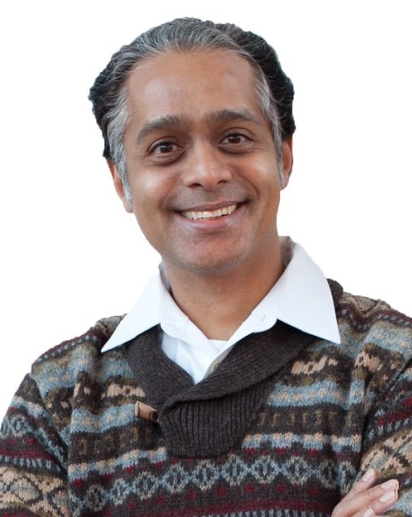
Dr. Michael Baym is an Associate Professor of Biomedical Informatics at Harvard Medical School with affiliate appointments in Microbiology and the Laboratory of Systems Pharmacology, and as an Associate Member of the Broad Institute. He leads the Baym Lab, which studies microbial evolutionary genomics and antibiotic resistance through a hybrid of experimental, computational, and theoretical approaches. His research focuses on: Antibiotic Resistance Evolution and practical interventions Mobile Genetic Elements (plasmids, phages, transposons) Computational Genomic Algorithms for big data analysis Synthetic Biology tools and technologies Key recent publications explore phage discovery systems , phylogenetic compression of microbial genomes, and RNA-guided gene drives in plasmids. His work is supported by multiple NIH/NIGMS and NSF grants including a MIRA award. Scientific honors include: Packard Fellowship (2018) Pew Biomedical Scholarship (2020) Sloan Research Fellowship (2020) A. Clifford Barger Excellence in Mentoring Award (2021) SSQBio Mentorship Award (2022) The lab actively trains PhD students and postdoctoral fellows with alumni occupying academic and industry positions globally. Current team members include researchers from interdisciplinary backgrounds working at the intersection of experiment, computation, and theory .
Nozomu Togawa is a Professor at Waseda University's Faculty of Science and Engineering, School of Fundamental Science and Engineering, specializing in Computer Science. He has held this position since 2009 and also serves as Chief Scientific Officer (CSO) of Quanmatic Inc. since 2022. With a PhD in Engineering from Waseda University (1997), his academic journey includes positions at Waseda University and the University of Kitakyushu before his current professorship. His research interests focus on integrated system design , quantum computation , and information security . Togawa has published extensively with over 368 papers and significant citation metrics (Scopus h-index: 23, Google Scholar h-index: 28). His work bridges theoretical quantum computing with practical security applications, particularly in hardware security and IoT systems. Togawa's research demonstrates a clear progression from traditional hardware security toward quantum-inspired computing solutions. His recent publications focus on Ising machines, quantum annealing, and hardware Trojan detection, showing how quantum approaches can solve complex optimization problems in security contexts. He has made significant contributions to applying quantum computing techniques to practical problems like course selection optimization, travel planning, and hardware security verification. Among his notable recognitions are the Minister of Education, Culture, Sports, Science and Technology Award for Science and Technology (2018), SCOPE Results Development Promotion Award (2022), and multiple Best Paper Awards. He serves on important committees including the Ministry of Internal Affairs and Communications Cyber Security Task Force and the Institute of Electronics, Information and Communication Engineers' VLSI Design Technology Research Committee. Togawa actively mentors students who frequently appear as co-authors on his publications. His research group produces high-impact work in quantum computing applications and hardware security, with strong industry connections through his CSO role at Quanmatic Inc. He has received substantial research funding supporting his innovative work at the intersection of quantum computing and security.
Dana Pe'er is a Professor and Chair of the Computational and Systems Biology Program at the Sloan Kettering Institute (SKI) of Memorial Sloan Kettering Cancer Center. She is also an Investigator of the Howard Hughes Medical Institute and holds the Alan and Sandra Gerry Endowed Chair. Dr. Pe'er leads an interdisciplinary research group that combines advanced genomics approaches with machine learning to address fundamental questions in biomedical science, with particular focus on cancer biology, developmental biology, and immunology. Dr. Pe'er earned her PhD from Hebrew University in Jerusalem, Israel. Her academic journey includes a postdoctoral fellowship with George Church at Harvard Medical School. Before joining Memorial Sloan Kettering Cancer Center in 2016, she held faculty positions at Columbia University. Dr. Pe'er's research focuses on understanding cellular plasticity, the consequences of intra-tumor heterogeneity, cancer evolution and metastasis, and the mechanisms by which regulatory circuits go awry in disease. Her lab combines single-cell and spatial profiling technologies with machine learning approaches to investigate gene regulation, cellular plasticity, and cell-cell communication in the contexts of cancer, immunity, and development. They are particularly interested in how organisms develop from a single cell to generate diverse cell types, how epigenetic control rewires during development, and how cells communicate to execute multicellular responses. Analysis of Dr. Pe'er's recent publications reveals a strong focus on developing computational methods for single-cell and spatial genomics data analysis. Her work spans cancer types including pancreatic, prostate, colorectal, and breast cancer, with emphasis on tumor heterogeneity, metastasis mechanisms, and cellular plasticity. A significant portion of her research involves creating novel algorithms and tools like CellRank, REUNION, and SEACells that enable researchers to extract meaningful biological insights from complex genomic datasets. 2023 Class of 2023 Inductee - American Academy of Cancer Research (AACR) Academy 2023 Innovator Award - International Society for Computational Biology (ISCB) 2021 Fellow - International Society for Computational Biology (ISCB) Howard Hughes Medical Institute Investigator (2021) 2019 Ernst W. Bertner Memorial Award - University of Texas MD Anderson Cancer Center 2016 Lenfest Distinguished Faculty Award - Columbia University 2014 Director's Pioneer Award - National Institutes of Health 2014 Overton Prize - International Society for Computational Biology (ISCB) Dr. Pe'er is known for her dedicated mentorship approach, describing herself as "a mama bear" who cares deeply about her trainees while expecting independence, innovation, and hard work. She mentors numerous PhD students and postdocs in her lab. Her HHMI Investigator award provides approximately $9 million over seven years, enabling ambitious research directions. She also collaborates extensively with the Single-cell Analytics and Innovation Lab (SAIL) at MSK to generate new data from emerging technologies, working closely with wet-lab collaborators at MSK and beyond to apply computational methods to cutting-edge datasets across multiple disease areas. The Pe'er Lab is an interdisciplinary group of computational biologists with diverse backgrounds ranging from pure mathematics to clinical medicine. They work closely with wet-lab collaborators to apply their computational methods to cutting-edge datasets across cancer, immunology, and developmental biology. The lab is described as open, supportive, collaborative, and fun, with access to world-class facilities at the Sloan Kettering Institute. Dr. Pe'er's work continues to push the boundaries of computational biology and cancer research, with the ultimate goal of developing more effective, personalized therapies for cancer patients.
Ana Damjanovic is an Assistant Research Professor in the Thomas C. Jenkins Department of Biophysics at Johns Hopkins University (JHU), affiliated with the Zanvyl Krieger School of Arts & Sciences. Her research focuses on ion channels, protein and membrane electrostatics, and computational biophysics. She holds a Ph.D. in Physics from the University of Illinois at Urbana-Champaign, where she studied quantum physics of photosynthetic light harvesting under Prof. Klaus Schulten. Subsequent postdoctoral research included work on photosynthesis with Prof. Graham Fleming at UC Berkeley, and molecular dynamics studies of protein ionization at JHU. Her current lab investigates ion channel mechanisms, protonation dynamics, and electrostatic effects in biological systems using advanced computational tools. Group members include graduate student Nauman Sultan (co-supervised with NIH's Bernard Brooks) and undergraduates Marianne Ri and Vivek Booshan. Past advisees include Ada Chen (now a NIH postdoc) and Maggie Li. Key research contributions include developing pH replica exchange methods, protein pKa prediction using machine learning, and structural-functional studies of voltage-gated sodium channels. Her work has been published in high-impact journals like Proceedings of the National Academy of Sciences and Biophysical Journal . Lab affiliations include the Computational Biophysics Group at JHU, with access to cutting-edge simulation techniques and experimental validation platforms. Ongoing projects explore ion channel selectivity, membrane protein dynamics, and computational modeling of protonation-dependent phenomena.
Esteban G. Tabak is a Professor of Mathematics at the Courant Institute of Mathematical Sciences, New York University. He holds a Ph.D. in Mathematics from MIT (1992) and a Hydraulic Engineer degree from the University of Buenos Aires (1988). His research spans fluid dynamics, data science, and optimization, with notable contributions to optimal transport theory, atmospheric and ocean modeling, and machine learning methodologies. He leads the Research and Training Group in Mathematical Modeling and Simulation at NYU. Research Interests include Data Analysis, Optimal Transport, Applied Mathematics, and Physics, particularly in fluid dynamics and geophysical flows. His work bridges theoretical advancements with practical applications, such as sea ice dynamics, internal waves, and turbulence modeling. Publications highlight innovations in density estimation, constrained optimization, and energy spectrum analysis of oceanic internal waves. Collaborations span disciplines, including biomedical applications (e.g., heart transplant diagnostics) and climate science. His methodologies, such as dual ascent algorithms and prototypal analysis, emphasize data-driven solutions to complex systems. Teaching includes courses on partial differential equations, fluid dynamics, and mathematical modeling. His work has been supported by grants addressing stratified flows, internal wave energy spectra, and turbulent mixing.
Yousif Shamoo is the Ralph and Dorothy Looney Professor of BioSciences at Rice University, where he has been a faculty member since 1998. He previously served as Vice Provost for Research (2014-2022) and Director of the Institute of Biosciences and Bioengineering (2008-2014). He holds a Ph.D. in Molecular Biophysics and Biochemistry from Yale University (1988). His research focuses on combating multi-drug resistant bacteria through experimental evolution and biophysical approaches. Key interests include: Evolutionary trajectories of antibiotic resistance in pathogens like Enterococcus and Acinetobacter Biochemical basis of adaptation using microfluidics, genomics, and structural biology Discovery of novel antimicrobial strategies targeting cell membrane stress pathways Microbial interactions in spatially structured environments Publications emphasize antimicrobial resistance mechanisms, evolutionary biophysics, and microfluidic technology development. Recent work explores daptomycin resistance pathways ( LiaFSR ), membrane lipid signaling, and high-throughput evolution platforms. Awards & Honors: AAAS Fellow (2024) Ralph and Dorothy Looney Professorship (2020) George R. Brown Award for Excellence in Teaching (2015) George R. Brown Superior Teaching Award (4×, 2009 onward) ASM Distinguished Lecturer (2011-2013) He leads an active research group funded by NIH and DoD, advising 15+ graduate students. Current projects integrate synthetic biology with Streptomyces-derived drug discovery and microfluidic biosurveillance platforms.
Dr. Gabriele Schweikert is a Senior Lecturer and Principal Investigator with a joint appointment between the Division of Computational Biology in the School of Life Sciences at University of Dundee and Cyber Valley in Tuebingen. Her research focuses on applying machine learning techniques to understand epigenetic mechanisms and molecular processes in living cells. Dr. Schweikert completed her PhD at the Max Planck Institute Tuebingen working with Schoelkopf, Weigel, and Raetsch labs on machine learning for computational gene finding. She subsequently joined Adrian Bird's lab at the Wellcome Trust Center for Cell Biology in Edinburgh, a pioneer in epigenomic research. Prior to her current position, she held prestigious Marie Curie and EMBO Fellowships at the School of Informatics, University of Edinburgh. Her research interests center on using machine learning to decode epigenetic mechanisms that determine cellular identity and function. She investigates how cells with identical DNA can differentiate into specialized cell types through epigenetic regulation, with particular focus on applications in understanding tumorigenesis where epigenetic machinery malfunctions. Her work combines high-throughput epigenomic data with advanced computational approaches to address complex biological questions. Analysis of her recent publications reveals a strong focus on epigenomic data analysis, machine learning applications in biology, and computational approaches to understanding gene regulation. Her work spans from fundamental epigenetic mechanisms to practical applications in disease research, with growing emphasis on individual-specific epigenomic analysis and explainable AI in biomedical contexts. UKRI Future Leaders Fellowship (2020, £1.6 million) Marie Curie Fellowship EMBO Fellowship Dr. Schweikert actively supervises PhD students and has received significant research funding for projects including 'Machine Learning Methods to Re-Annotate Histone Modifications,' 'Unlocking The Alternative Splicing Code,' and 'GPU-Based Machine Learning System For Fundamental Biological Research.' She is involved in multiple interdisciplinary collaborations and frequently presents her work at major conferences including ELLIS Health program retreat, Epigenetics Meetings, and RECOMB workshops. She maintains active research laboratories in both Dundee and Tuebingen, fostering international collaboration between computational biologists, machine learning experts, and experimental biologists to advance our understanding of epigenetic regulation in health and disease.
Rahul Sarpeshkar is a Professor of Engineering, Microbiology & Immunology, Physics, and Molecular & Systems Biology at Dartmouth College, holding the Thomas E. Kurtz Professorship and chairing the Neukom Computational Science Cluster. His research bridges analog circuits with quantum physics, synthetic biology, and ultra-low-power systems. BS in Electrical Engineering and Physics from MIT (1995) PhD in Computation and Neural Systems from Caltech (1998) His research focuses on analog synthetic biology , quantum circuit design , and bio-inspired supercomputing , emphasizing noise, thermodynamics, and energy efficiency. He develops cytomorphic chips to model biochemical networks and quantum-inspired circuits for spectrum analysis. Recent work integrates quantum and classical computation for biological simulations, drug cocktail formulation , and ATP energy measurement in living cells. Patents highlight innovations in quantum emulation and medical devices. Scientific awards include: Fellow, National Academy of Inventors (2018) IEEE Fellow (2018) NSF CAREER Award ONR Young Investigator Award Packard Fellow Award Junior Bose Teaching Award, MIT He leads a wet lab for synthetic microbial circuit implementation and a dry lab for quantum and nanoelectronics, mentoring a multidisciplinary team of physicists, bioengineers, and computer scientists.
Celeste Sagui is a Professor in the Department of Physics at North Carolina State University (NC State), affiliated with the College of Sciences. She holds additional roles as a faculty affiliate in Genomics Sciences at NC State and is a member of the Center for High Performance Simulation. Her research focuses on computational biophysics, biomolecular simulations, and free energy methods applied to nucleic acid structures, protein dynamics, and nanotechnology systems. She has contributed to the AMBER simulation package development, co-authoring versions from 10 to 14. Education: Doctorate in Physics, University of Toronto (1995) Licentiate degree, National University of San Luis, Argentina Research Interests: Sagui’s work explores DNA/RNA structure and phase transitions, electrostatic interactions, and methodologies for large-scale molecular simulations. Recent studies include nucleic acid hairpin instabilities linked to neurodegenerative diseases, polyglutamine aggregation mechanisms, and novel DNA motifs like the eGZ structure in Z-DNA. She employs quantum chemistry, density functional theory, and phase-field models to investigate systems ranging from biomolecules to nanomaterials. Publications: Her recent work emphasizes nucleic acid dynamics, free energy landscapes, and computational methods for studying diseases such as Friedreich’s ataxia and polyglutamine disorders. Key contributions include advancements in laser-driven simulations and infrared spectroscopy analysis of protein structures. Labs/Teams: Active in the Center for High Performance Simulation, focusing on high-throughput computational modeling and collaborative software development for biomolecular research.
Anders Krogh is a Professor at the Department of Computer Science, University of Copenhagen, and also holds a position at the Department of Public Health in the Section for Health Data Science and AI. He serves as the head of the Center for Health Data Science (HeaDS) in the Faculty of Health and Medical Sciences. Previously, he was affiliated with the Department of Biology at the University of Copenhagen until 2020. Dr. Krogh earned his PhD in theoretical physics but transitioned into machine learning and bioinformatics during his doctoral studies. His research spans both theoretical foundations and practical applications in these fields. He is particularly renowned for his pioneering work on hidden Markov models for biological sequences, which has had significant impact in computational biology. In recent years, Krogh's research has focused on deep generative models applied to gene expression data and other biomedical applications. His work bridges computer science with healthcare, developing AI-driven approaches for precision medicine, cancer diagnostics, and analysis of complex biological systems. His current research integrates machine learning with quantum computing applications in biomolecular modeling. Analysis of his recent publications reveals a strong trend toward applying artificial intelligence to healthcare challenges, particularly in rare diseases, cancer diagnostics, and personalized medicine. His work increasingly incorporates federated learning approaches to address privacy concerns while enabling collaborative research across institutions. There's also a growing emphasis on quantum computing applications in biomolecular modeling and drug discovery. As head of the Center for Health Data Science, Krogh leads interdisciplinary research efforts that bring together computer scientists, medical researchers, and clinicians. His team develops novel computational frameworks like MOSAIC for multimodal analysis of rare cancers and multiDGD for multi-omics data integration. These tools are designed to translate AI innovations into clinical practice while addressing the unique challenges of medical data.
James C. Gumbart is an Adjunct Professor in the School of Physics at Georgia Institute of Technology, with additional affiliation to the School of Chemistry and the Institute for Bioengineering and Bioscience . His research leverages molecular dynamics simulations to decode the atomic-level mechanisms of bacterial proteins and cellular structures. B.S., Physics and Mathematics, Western Illinois University, 2003 Ph.D., Physics, University of Illinois at Urbana Champaign, 2009 Dr. Gumbart's work bridges computational biophysics and biochemistry to understand: Mechanisms of bacterial membrane protein insertion and nutrient import Structural dynamics of cell wall mechanics SARS-CoV-2 spike protein interactions with ACE2 Free-energy calculations for protein-ligand binding Applications of machine learning in biomolecular simulations His publications reflect trends in membrane protein biophysics , viral dynamics , and computational drug design , with a strong emphasis on interdisciplinary techniques. Awards include multiple fellowships and grants from NSF , DOE , and NIAID . He has mentored numerous PhD students, including Zijian Zhang , David Ryoo , and Andrew Pang , whose work has advanced understanding of bacterial systems and viral proteins. The Gumbart Lab integrates high-powered supercomputing and advanced software to model biomolecular processes, fostering collaborations with institutions like the National Institutes of Health and Argonne National Laboratory .
Ki-Woong Park is a tenure-track full Professor in the Department of Computer and Information Security at Sejong University. He leads the System Security and Computer Engineering Research (SysCore) Lab, which focuses on system security research with numerous ongoing projects funded by major Korean research institutions including IITP, NRF, and KRIT. Sejong University, Department of Computer and Information Security System Security and Computer Engineering Research (SysCore) Lab Leader Member of IEEE, IEEE Computer Society, and ACM Education: Ph.D. in Electrical Engineering & Computer Science, KAIST (Advisor: Prof. Kyu-Ho Park) M.S. in Electrical Engineering & Computer Science, KAIST (Advisor: Prof. Kyu-Ho Park) B.S. in Computer Science, Yonsei University (Summa Cum Laude) Exchange Student at University of California, Los Angeles (UCLA) Professor Park's research focuses on designing, building, and analyzing secure systems, particularly for cloud computing, networked systems, and embedded systems. His work often involves reevaluating existing security mechanisms and actual system implementations with subsequent evaluation in real computing environments. He has made significant contributions to areas including cloud security, IoT security, ransomware detection, moving target defense, and metaverse security. His research approach emphasizes both theoretical foundations and practical implementation, with numerous publications in top-tier security and systems venues. His recent publications (2023-2024) demonstrate a strong focus on emerging security challenges in modern computing environments, particularly in metaverse platforms, UAV systems, and edge computing. These works span both theoretical security frameworks and practical implementations, with an emphasis on visualization techniques, hardware-based security mechanisms, and AI-enhanced security analysis. His research shows a clear progression from traditional cloud and network security toward next-generation security challenges in immersive virtual environments and cyber-physical systems. Scientific Awards: Microsoft Research Fellowship (2009-2010) Best Poster Gold Award at WISA 2020 Best Paper Award at MobiSec'18 Professor Park actively mentors numerous graduate and undergraduate students through the SysCore Lab, with current members including Ph.D. students, MS students, and undergraduate researchers. His research is supported by multiple significant grants, including the NRF Outstanding Researcher-Mid-career Researcher project, IITP Information Security Core Source Technology Development, and Defense Technology Advancement Research Institute projects. These grants total tens of billions of Korean won and address critical national security challenges in cyber defense, cloud security, and metaverse technologies. The SysCore Lab, under Professor Park's leadership, maintains a strong industry and government collaboration network, with part-time researchers from organizations including Hyundai Duty Free, Astron Security, Korea University, and various military cyber commands. This unique structure enables the lab to address both theoretical security challenges and practical implementation issues in real-world systems.
Donald Rio holds the Richard and Rhoda Goldman Distinguished Chair in the Biological Sciences and is a Professor of Biochemistry, Biophysics, and Structural Biology. He is affiliated with the Division of Biochemistry and Molecular Biology and the Center for Integrative Genetics. His lab focuses on nucleic acid transactions, including transposable element mobilization (P elements) and RNA binding protein mechanisms controlling alternative splicing. Research highlights include studies on THAP9 proteins in humans/zebrafish, cryo-EM structural analysis of transposase-DNA complexes, and splicing regulation in neurodegenerative diseases like ALS and Parkinson’s. His work combines biochemical, genetic, and computational approaches, including the development of the Junction Usage Model (JUM) for splicing analysis. Research interests span transposition mechanisms linked to HIV integration, immune system recombination, and evolutionary genome dynamics. His team investigates how RNA binding proteins like hnRNPA1 influence splicing in disease contexts, with projects involving CRISPR-based models and patient RNA-seq data analysis. Collaborations include studies on splicing accuracy across tissues and age, and the impact of splicing defects in neurodegenerative disorders. Key awards include the Goldman Chair. His lab’s contributions bridge fundamental molecular mechanisms with translational applications in genetic disease modeling and drug discovery. Recent work focuses on isogenic stem cell models (iSCORE-PD) for Parkinson’s research and structural biology insights into transposase function. Grants and projects involve NIH funding for ALS splicing studies and collaborations with institutions like the Buck Institute. His lab actively publishes in top journals such as Genome Research , PNAS , and Nature , with a strong emphasis on cryo-EM and bioinformatic methods.
Ian Bradley is an Assistant Professor in the Department of Civil, Structural and Environmental Engineering at the University at Buffalo, State University of New York. His research focuses on creating sustainable biological processes to address needs in engineered and natural systems for water and wastewater treatment and resource recovery. Education: PhD in Environmental Engineering, University of Illinois at Urbana-Champaign (2017) MS in Environmental Engineering, University of Illinois at Urbana-Champaign (2011) MS in Civil Engineering (Structures), University of Illinois at Urbana-Champaign (2010) Research Interests: Dr. Bradley specializes in microalgal-based nutrient recovery, wastewater surveillance for public health monitoring, PFAS degradation using nanomaterials, and sustainable resource recovery systems. His work integrates biological processes with environmental engineering to optimize wastewater treatment efficiency and develop predictive models for water quality and health outcomes. Publications: His recent research includes advancements in microalgal cultivation (EcoRecover process), wastewater-based epidemiology for SARS-CoV-2 tracking, and computational enzyme design for PFAS remediation. These studies demonstrate interdisciplinary expertise spanning environmental engineering, biotechnology, and public health analytics.
Jerelle A. Joseph is an Assistant Professor at Princeton University , affiliated with the Department of Chemical and Biological Engineering and the Omenn-Darling Bioengineering Institute . They also hold associated faculty roles in the Department of Chemistry , Andlinger Center for Energy and the Environment , Princeton Institute for Computational Science and Engineering , and the Biophysics Graduate Program . Research Interests : The Joseph Group investigates the physicochemical principles governing biomolecular condensate formation, dissolution, and misregulation . Their work focuses on phase separation mechanisms , computational modeling of protein-RNA interactions , and engineering condensates for biomedical and sustainability applications , including therapeutic targeting of neurodegenerative diseases and design of synthetic microreactors . Scientific Awards : NIGMS MIRA (R35) Award (2024) Biophysical Society Award Lecture (2024) Chan Zuckerberg Initiative Investigator (2023) Postdoctoral Award, Biophysical Society IDP Subgroup (2022) Rising Star in Soft and Biological Matter (University of Chicago, 2020) Advising : Dr. Joseph advises graduate students including Ananya Chakravarti , Dominic Curtis , and Pablo Garcia . The group develops chemically-specific coarse-grained models using molecular dynamics , Monte Carlo sampling , and machine learning to study condensate microstructure , aging dynamics , and surface electrostatics .