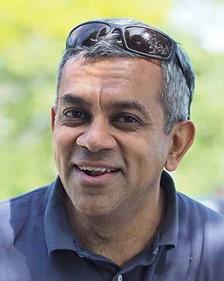
Professor Sankar Bhattacharya is a distinguished academic at Monash University's Department of Chemical & Biological Engineering within the Faculty of Engineering. His career spans industry roles in India, Thailand, Australia, and France, followed by an academic focus on advanced coal and biomass utilization, gasification, biofuels, and catalysis. He leads a research group of 16 PhD students and two research fellows, having supervised 12 PhD completions. His work contributes to UN SDGs related to affordable and clean energy, industry innovation, and climate action. Research focuses on gasification of coal/biomass/algae, liquid fuels from brown coal, and CO₂ utilization. He advises Japan's METI on clean coal and the IEA's Cleaner Fossil Fuels program. Awards include Fellow of the Australian Institute of Energy and membership in the American Chemical Society. Key projects include leadership in ARC Research Hubs for carbon waste valorization and battery recycling. His 240+ publications span catalysis, energy systems, and waste-to-value technologies. Research highlights include catalyst development for hydrogen production, critical metal recovery from coal ash, and ammonia fuel cell innovations. Teaching commitments include courses on energy-environmental systems and biorefinery processes. Collaborations span global institutions, emphasizing sustainable energy solutions and circular economies.
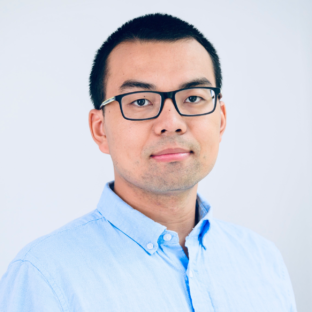
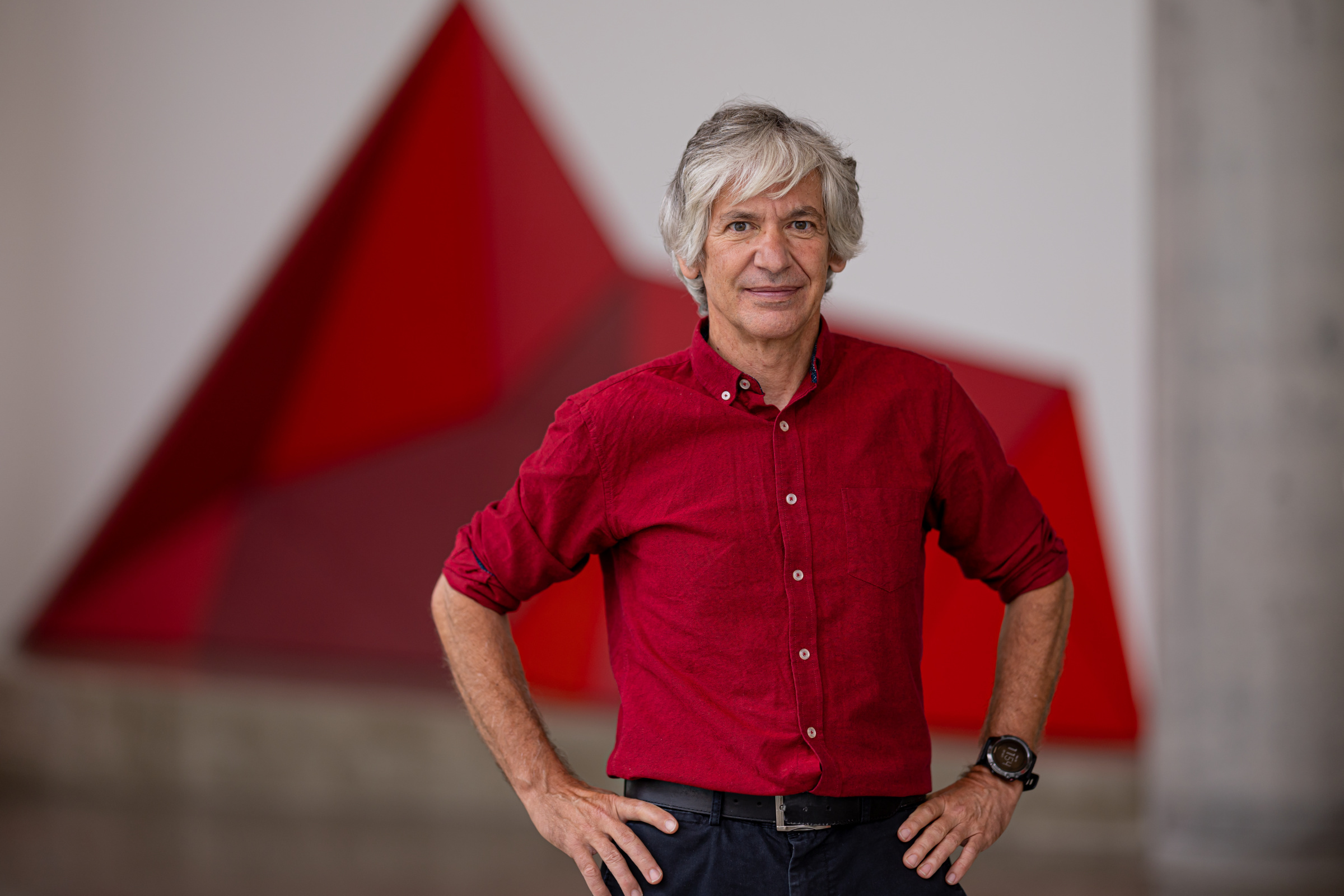
Xing-Dong Yang is an Associate Professor of Computer Science at Simon Fraser University (SFU) and holds an adjunct appointment as Assistant Professor at Dartmouth College. He directs the XDiscovery Lab and focuses on Human-Computer Interaction (HCI), particularly in developing interactive systems for smart everyday objects such as wearables, garments, and appliances. His research emphasizes accessibility for visually impaired users and prototyping tools for non-specialists. He earned his PhD from the University of Alberta, following degrees from the University of Manitoba and University of Alberta. Affiliations: Simon Fraser University (School of Computing Science), Dartmouth College (Adjunct) Education: PhD, Computer Science, University of Alberta MS, Computer Science, University of Alberta BS, Computer Science, University of Manitoba His research explores novel interactive systems, including tactile interfaces for education, assistive technologies for visual impairments, and innovative input methods for wearables. Key projects include MakeBronze (cultural preservation through interactive crafts), AccessibleCircuits (inclusive electronics for blind users), and systems like iWood and MicroFluID that merge materials science with HCI. His work has been recognized with awards such as the Best Paper Award at UIST'19 and multiple Honorable Mentions at CHI and UIST conferences. He advises a dynamic team of PhD and MSc students, emphasizing hands-on prototyping and industry collaborations through internships at companies like Google, Microsoft, and Apple. Yang has secured grants including an NSF CRII grant for device modulation and an NSF CSR Large grant for health-focused earpiece technology. His lab fosters interdisciplinary innovation, bridging computer science with design, engineering, and cultural studies.
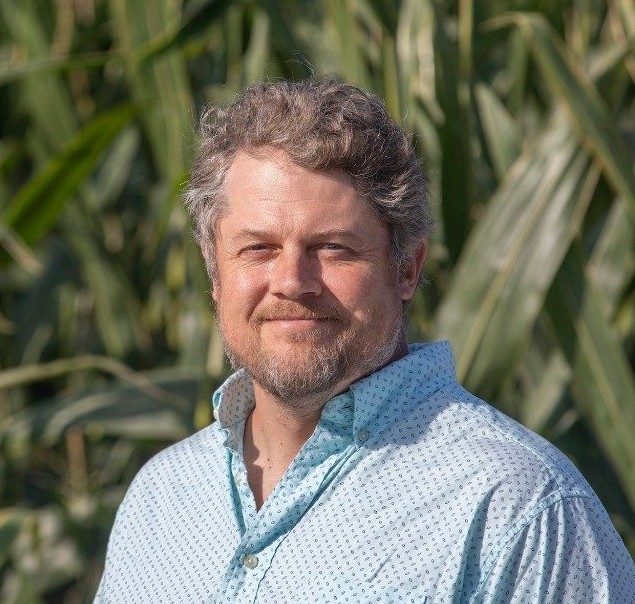
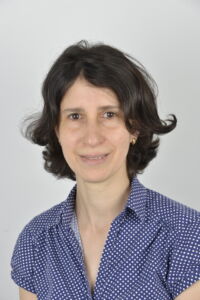
Matthew Chappell is a Professor and Director at the Virginia Tech Tidewater Agricultural Research and Extension Center (TAREC), affiliated with the School of Plant and Environmental Sciences. Previously, he held faculty positions as Assistant, Associate, and full Professor & Extension Specialist in the Department of Horticulture at the University of Georgia, where he conducted research and extension work on ornamental nursery crops and plant breeding. His research interests include Plant Breeding & Genetics , Specialty Crop Production Systems , Controlled Environment Agriculture , Integrated Pest Management (IPM) , and Inventory Management using sUAS platforms . His work emphasizes the development of superior plant varieties, optimization of production systems, and adoption of innovative technologies such as sensor-based irrigation and drone-assisted inventory. The most recent publications reflect a strong trend in precision horticulture, focusing on automated irrigation systems, responses to saline irrigation, plant propagation protocols, and the integration of RFID and drone technologies for nursery inventory. These works span disciplines in agricultural engineering, plant physiology, and sustainable production. Honors and awards include multiple recognitions from the American Society for Horticultural Science and the Southern Region for outstanding extension education materials, particularly in IPM and irrigation management. He also received the UGA Horticulture Professor of the Year award and Career Advocate Recognition from the UGA Career Center. 2015 Southern Region of the Am. Soc. for Horticultural Sci. Extension Communications Award 2015, 2017, 2018 ASHS Outstanding Education Materials Award 2017 Southern Region Blue Ribbon Extension Publication Award (twice) 2017-18 UGA Horticulture Professor of the Year 2019, 2020 UGA Career Center Career Advocate Recognition Dr. Chappell has led and contributed to numerous extension programs, including the Southern Nursery IPM Working Group, and has advised students in plant propagation, breeding, and sustainable horticulture. His work is supported by collaborative grants and institutional funding focused on improving economic and environmental outcomes in specialty crop production. He has been instrumental in developing experiential learning workshops and mobile applications like IPMPro to enhance grower adoption of best practices. He leads research and extension initiatives at TAREC, working with interdisciplinary teams to advance technologies in plant inventory, irrigation efficiency, and disease management. His lab integrates field trials, controlled environment studies, and digital agriculture tools to support the nursery and ornamental industry.
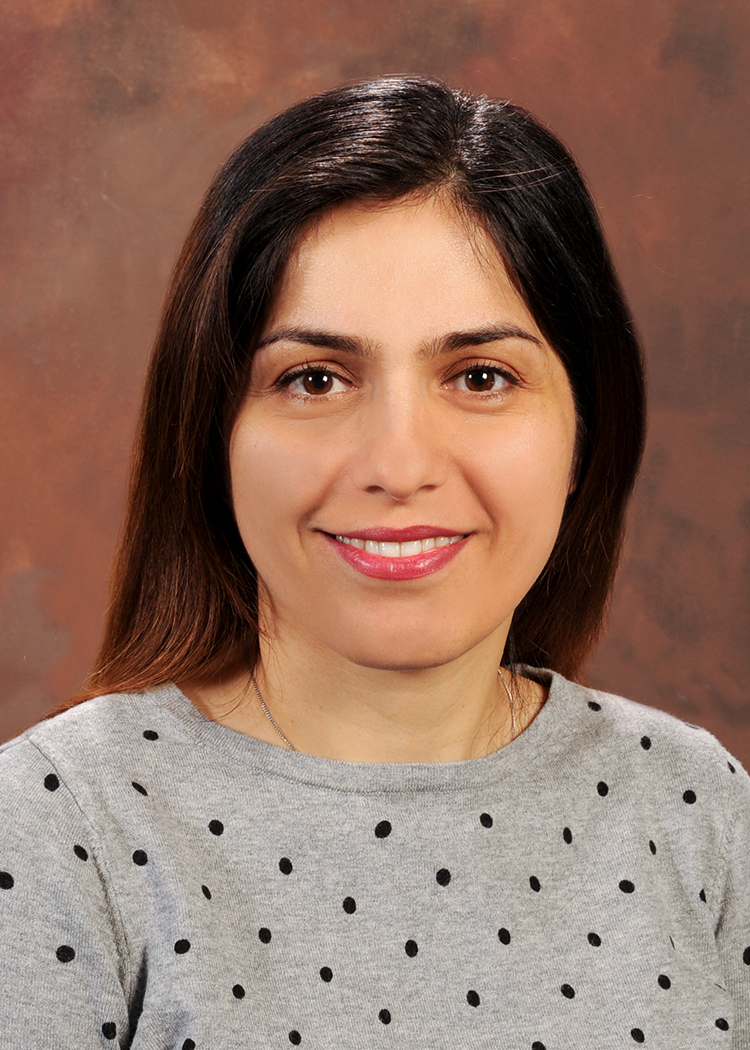
Alex Citurs serves as Associate Professor and Department Associate Chair in the Department of Accounting and Business Information Systems at Eastern Connecticut State University. With prior industry experience at Allied Group, IBM, and State Farm Insurance, he brings practical insights to his academic role while consulting on project management and technology adoption initiatives. His educational background includes a PhD in Management Information Systems from Case Western Reserve University and an MBA in Management Information Systems and Operations Research from the University of Iowa: PhD: Case Western Reserve University (Management Information Systems) MBA: University of Iowa (Management Information Systems and Operations Research) Dr. Citurs' research centers on Knowledge Management, Project Management of Information Systems, Technology Adoption, and Student IS Experiential Learning. His work bridges theoretical frameworks with practical business applications, particularly examining how organizations implement emerging technologies and how students develop information systems competencies through hands-on learning. This dual focus creates valuable connections between academic theory and real-world business challenges. Analysis of his publication history reveals consistent contributions to RFID technology adoption research (2005-2007), user acceptance models (2004), and innovative pedagogical approaches in information systems education (2009, 2015). His work demonstrates an evolving trajectory from foundational studies on virtual teams and organizational time-space dynamics toward contemporary applications in educational assessment and service-learning integrations. His scientific recognition includes: 2009 Outstanding Faculty Advising Certificate of Merit from National Academic Advising Association 2010 Community Service Award from Connecticut Department of Higher Education 2010 Outstanding Dedication to Students Award from ECSU Center for Community Engagement 2011 National AITP Student Chapter Faculty Advisor “Extra Mile” Award 2011 Faculty Student Club Advisor of the Year 2011 US News & World Report recognition for impactful course design 2017 Excellence in Teaching Faculty Award As primary advisor for the ECSU BIS-Association of IT Professionals Student Chapter, Dr. Citurs has mentored nationally competitive DB Driven Website teams that achieved Top 10 finishes eight times in ten years (2008-2017), including the 2010 National Championship, third place in 2015, and fourth place in 2017. His advising excellence extends to course development, notably creating BIS 377 recognized by US News & World Report as one of "Ten College Classes that Impact the Outside World". Dr. Citurs actively cultivates student success through the AITP student chapter and database competition framework, creating sustained experiential learning opportunities that consistently produce nationally competitive student teams in information systems applications.
Stephan Kessler is a researcher at the Technical University of Munich , affiliated with the Department of Mechanical Engineering and the Chair of Conveying Technology, Material Handling, and Logistics . His work focuses on construction logistics, digital twins, and IoT integration in building processes. Contact: stephan.kessler@tum.de Key research areas: Digital Twin, BIM, DEM simulations, IoT in construction Collaborates with Prof. Johannes Fottner on construction automation projects His research emphasizes digitalization of construction processes through technologies like RFID, machine learning, and simulation tools. Recent publications address tower crane planning, co-robot integration, and bulk material handling standards. Article trends show consistent focus on construction automation (IoT, digital twins, BIM), material flow optimization (DEM simulations, screw conveyor standards), and equipment lifecycle management (telematics, RFID identification). Kessler contributes to industry-university collaborations through projects like BauFlott (fleet management systems) and TEP (Tower Crane Deployment Planner). His work bridges theoretical research with practical implementations in construction site logistics.
Haijian Sun is an Assistant Professor at the University of Georgia's School of Electrical & Computer Engineering. His research focuses on advanced wireless communication systems, including 5G/6G networks, federated learning, mobile edge computing, and physical layer security. He explores cutting-edge topics like reconfigurable intelligent surfaces (RIS), hybrid active-passive symbiotic radio systems, and UAV-enabled communication. His work integrates machine learning and optimization techniques to address challenges in channel modeling, energy efficiency, and network security. Recent projects include autonomous agricultural monitoring via drones and energy-harvesting sensors, as well as secure IRS-VLC communication strategies. Publications highlight innovations in dynamic wireless charging for electric vehicles, graph-based phishing detection, and radio radiance field modeling. While no specific awards are listed, his contributions reflect significant engagement with industry-relevant 6G research. Research collaborations involve digital twin networks, IoT systems, and smart grid applications. His team develops practical solutions for real-world communication challenges, emphasizing both theoretical rigor and deployable technologies.
Dr. Hamid Zargariasl is a Researcher in the Computer Engineering Department at BTU Cottbus-Senftenberg. His work focuses on IoT systems, RFID technology, social network analysis, and distributed computing. He leads the UBICO Team and contributes to the Computer Engineering Group, exploring interdisciplinary applications of telecommunications and sensor networks. His research integrates theoretical frameworks with practical implementations, addressing challenges in smart city infrastructure, healthcare systems, and educational technology. Key research areas include optimizing RFID and sensor performance, analyzing social object interactions in IoT networks, and developing protocols for distributed computing. His experimental studies bridge academic performance metrics with mobile social network dynamics, and he has pioneered methodologies for network integration and centrality analysis in evolving systems. Publications span 15 years (2009–2024), emphasizing real-world data analysis and system optimization. Notable work includes enhancing digital thread functionality in aerospace engineering and evaluating smart parking sensor technologies. His contributions inform both technical systems and socio-economic policy recommendations. Dr. Zargariasl collaborates within interdisciplinary teams, contributing to the BTU's research initiatives while maintaining active engagement in the academic community through lectures and student mentorship.
Ultan McCarthy is a Lecturer in the Department of Land Management at South East Technological University (SETU). He also serves as the IEEE CRFID Associate Vice President of Finance (2023–2025) and has been recognized as an IEEE CRFID Distinguished Lecturer. His research focuses on improving supply chain management and cold chain logistics using technologies like RFID and wireless sensors to enhance food security and sustainability. Education: PhD in Biosystems Engineering (2009), University College Dublin – Investigated RFID for food supply chain traceability. MBA (2010), Focused on electronic traceability as a competitive tool for sustainable advantage. Masters in Food Science (2005), University College Dublin – Explored milk coagulation kinetics using NIR spectroscopy. Research Interests: McCarthy’s work spans smart food supply chains, cold chain optimization, and food safety. He emphasizes technologies like RFID, IoT, and analytical tools to reduce waste and support UN Sustainable Development Goals (SDGs), particularly in agriculture and food systems. Awards: IEEE CRFID Distinguished Lecturer (2023) IEEE CRFID Associate Vice President of Finance (2023) Advising & Leadership: Currently accepting PhD students and actively contributing to IEEE technical committees. Previously held roles as a post-doctoral researcher at the University of South Florida and Research Centre Manager at IMaR Technology Gateway. Labs & Networks: Affiliated with SETU’s Eco Innovation Research Centre and collaborates globally on agri-food electronics through initiatives like the IEEE Conference on AgriFood Electronics (CAFE).
Salvatore Rampone is an Associate Professor at the Department of Law, Economics, Management and Quantitative Methods (DEMM) of Università degli Studi del Sannio (Unisannio). His research focuses on Machine Learning , Internet of Things (IoT) , and Cybersecurity , with applications in intrusion detection, bioinformatics, and financial systems. Research Interests : Privacy-preserving Machine Learning Hybrid Cloud-IoT Architectures Genetic Programming Neural Network Applications Data Processing in Distributed Environments Recent Publication Trends : His work spans federated learning for IoT security ( 2025 ), DNA splicing site prediction ( 2020 ), meningitis classification ( 2019 ), RFID-based traceability systems ( 2015 ), and geological data analysis using neural networks ( 1995-1996 ). Key technologies include Apache Spark , MLlib , and Wavelet Transform . Teaching Activities : He teaches courses like Applied Machine Learning and Principles of Computer Sciences across multiple degree programs including Statistical and Actuarial Sciences and Economics and Management .
Aggelos Bletsas Aggelos Bletsas is a Professor at the School of Electrical and Computer Engineering (ECE) at the Technical University of Crete (TUC). He holds a PhD from MIT and has expertise in wireless communication, backscatter radio, and IoT. His research focuses on ultra-low-cost sensor networks and ambiently-powered systems. Education PhD in Media Arts and Sciences, MIT (2005) MSc in Media Arts and Sciences, MIT (2001) 5-year Diploma in Electrical & Computer Engineering, Aristotle University of Thessaloniki (1998) Research Interests Bletsas' work spans scalable wireless networks, backscatter radio, RFID systems, and energy harvesting. He pioneers batteryless IoT devices and environmental sensing technologies. His lab develops hardware and algorithms for low-cost, long-range communication. Awards & Recognition IEEE Fellow (2023) 2012-2013 TUC Research Excellence Award Multiple Best Paper Awards (ISWCS, RFID-TA, SENSORS) IEEE ComSoc and RFID Council Distinguished Lecturer (2022-2025) Labs & Projects Bletsas leads the Telecommunications Laboratory at TUC, focusing on batteryless sensors, scatter radio, and robotic inventory systems. Key projects include 'Internet of Plants' and ambiently-powered inference networks.
Vic Matta is a Professor of Analytics & Information Systems at Ohio University's College of Business. He holds a Ph.D. in Industrial Systems (2008) and an M.S. from Ohio University. His research focuses on consumer behavior, pedagogy, user motivation, and technology adoption. He teaches courses in business analytics, information systems, and strategic IT use, and has received multiple teaching awards including the COB Faculty Excellence in Professional Activity & Service (2020) and Senior Teaching Fellow at the Bruning Academy. His professional experience includes IT project management, systems administration, and database administration. Dr. Matta's research spans educational technology innovations, such as plagiarism prevention in Excel assignments and automated grading systems. He has published extensively on topics like team formation algorithms, digital detox behaviors, and RFID adoption in supply chains. He serves as Industry Editor and Co-Editor for the Journal of IT & Case Application Research. His work emphasizes practical applications of technology in education and industry, with a focus on improving learning outcomes and organizational effectiveness.
Ricardo Izquierdo is a Professor in the Department of Electrical Engineering at École de technologie supérieure (ÉTS), where he holds a prominent position as Director of the LACIME (Communications and Microelectronic Integration Laboratory). He earned his B.Ing., M.Sc.A., and Ph.D. in Physics Engineering from Polytechnique Montréal. His research spans multiple interdisciplinary fields, with a focus on printed electronics, nanomaterials, and sustainable energy systems. Department: Department of Electrical Engineering Research Laboratories: LACIME (Director), ÉDÉ Sustainable Energy Laboratory Office: A-2475 Email: ricardo.izquierdo@etsmtl.ca Professor Izquierdo's research interests center on micro- and nanosystems (MEMS/NEMS), nanotechnology, printed electronics, biosensors, organic solar cells, and embedded systems for sports equipment. His work bridges fundamental materials science with practical applications in healthcare, environmental monitoring, and sustainable energy. He has developed innovative approaches to printed flexible sensors, photonic curing techniques for solar cells, and graphene-based materials for gas sensing applications. An analysis of his 15 most recent publications reveals a strong focus on printed flexible electronics for sensing applications, advanced photonic curing techniques for perovskite solar cells, and novel materials for energy applications. His work demonstrates a consistent trend toward developing practical, manufacturable solutions that address real-world challenges in healthcare monitoring, environmental sensing, and renewable energy conversion. Professor Izquierdo has received significant recognition through his extensive publication record, with numerous articles in high-impact journals including ACS Omega, Nanomaterials, and IEEE Sensors Journal. His research has practical applications in smart packaging, wearable health monitoring, and sustainable energy systems. He actively supervises a large cohort of graduate students across multiple project types including doctoral theses, master's theses, applied projects, and industry interventions. His students work on cutting-edge topics such as printed temperature and pH sensors, perovskite solar cells, microfluidic biosensors, and graphene-based gas sensors. His research has attracted funding for projects related to printed electronics, sustainable energy systems, and biomedical applications. As Director of LACIME, Professor Izquierdo leads a research group focused on six key areas: functional materials, micro- and nanofabrication processes, integrated circuit design, hybrid components fabrication, photonic and electronic microsystems, and signal processing and communication. The laboratory serves as a hub for innovation in printed electronics and microsystem technologies.
Asier Perallos Ruiz is a Professor in the Faculty of Engineering at the University of Deusto, specializing in the Department of Computing, Electronics and Communication Technologies. His research focuses on RFID technology, wireless sensor networks, and computational intelligence applications with significant contributions to intelligent transport systems and antenna design. Dr. Perallos Ruiz's research interests span multiple domains with a focus on RFID technology , Wireless sensor networks , Internet of Things (IoT) , Computational intelligence , Evolutionary algorithms , and Intelligent transport systems . His work bridges theoretical advancements with practical applications, particularly in transportation systems, healthcare, and industrial automation. His research often involves interdisciplinary collaboration across engineering disciplines. His publication portfolio shows a consistent trend toward improving RFID systems, developing efficient anti-collision protocols, and applying computational intelligence to real-world problems. Recent work has focused on polarization-diversity rotation sensing, customizable RFID platforms, and the integration of RFID with IoT applications. His research demonstrates a progression from foundational RFID technology to more complex system integration and application-specific solutions. Dr. Perallos Ruiz has supervised several graduate students including Muralter Florian (2021), Arjona Aguilera Laura (2018), Cmiljanic Nikola (2018), Lopez Garcia Pedro (2016), and Moreno Emborujo Asier (2016). His research has been supported by various projects focusing on RFID technology, intelligent transportation systems, and wireless communication applications. He leads research teams focused on RFID systems development, wireless sensor networks, and computational intelligence applications. Current work appears to be advancing RFID sensing capabilities, energy-efficient protocols, and system integration for practical applications in transportation and industry.
Oum El Kheir Aktouf is a Professor in Computer Science at Grenoble Institute of Technology (Esisar Engineering School) and a member of the LCIS laboratory, France. She previously served as a Visiting Professor at San José State University, USA, during a sabbatical leave. Education : Master and PhD in Computer Science from Grenoble Institute of Technology Her research focuses on dependability, safety, and security of embedded and interconnected systems, including sensor-based applications and multi-agent architectures. She employs runtime testing, diagnosis, and monitoring approaches. Her work spans mobile application testing, fault diagnosis in RFID and wireless sensor networks, and security frameworks for autonomous systems. Recent publications highlight trends in Android security benchmarking , decentralized cryptography , and multi-agent resilience . She has participated in 12 funded national and international research projects and supervised courses in operating systems, real-time systems, distributed computing, and system dependability.
Hoda Maleki is an Assistant Professor in the Department of Computer & Cyber Sciences at Augusta University's School of Computer and Cyber Sciences. She holds a Ph.D. (2019) and an M.S. in Computer and Information Sciences from the University of Connecticut. Her research focuses on cybersecurity, blockchain technology, digital forensics, and secure access control systems. She has contributed to frameworks like ForensiBlock, exploring blockchain for data provenance and auditability, and has published extensively on topics including machine learning in healthcare cybersecurity and multi-dimensional encryption techniques. Dr. Maleki serves on Augusta University committees including the Faculty Affair Committee and the MS Cybersecurity degree development workgroup. She advises the Women in Cybersecurity Club and the VIVID team. Her professional service includes roles as a grant proposal reviewer for NSF and CICI-NSF, and committee membership for conferences like CCSW'24 and IPDPS. Her recent work emphasizes integrating blockchain with AI for secure systems, such as DLACB (Deep Learning-Based Access Control using Blockchain) and ForensiBlock. Awards include the 2023 Faculty Inclusive Excellence Initiative and 2022 Faculty Recruitment and Retention honors. She teaches advanced courses on cybersecurity topics like secure pollbook systems and cryptographic protocols.