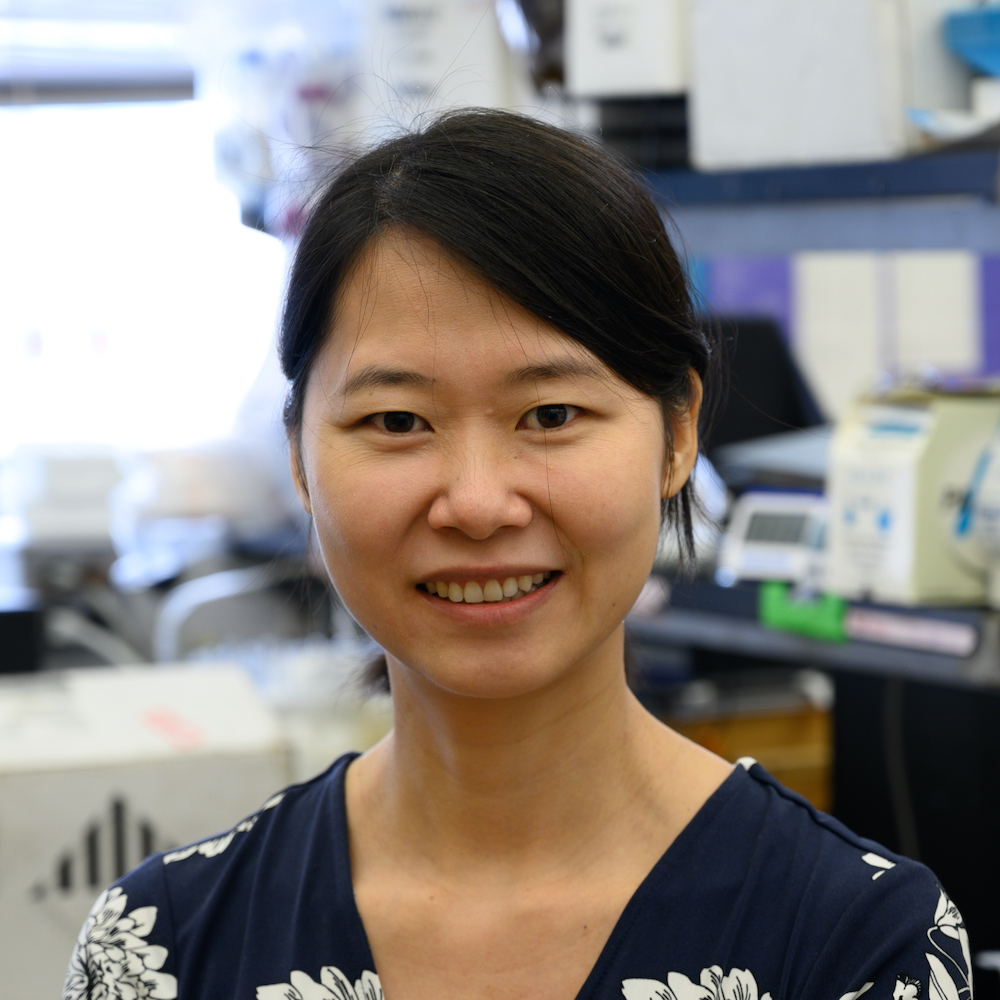
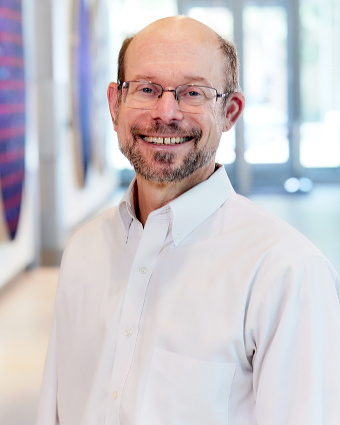
Chita R. Das is a Professor at Pennsylvania State University, known for extensive contributions in computer architecture, machine learning, and high-performance computing. Their research focuses on optimizing hardware-software co-design for edge computing, cloud infrastructure, and energy-efficient systems. Key areas include FPGA acceleration, GPU optimization, and serverless computing frameworks. Das collaborates frequently with institutions like AMD and Intel, addressing challenges in parallel computing and distributed systems. Their work bridges theoretical advancements with practical applications in recommendation systems, bioinformatics, and real-time video processing. Research interests span across hardware acceleration techniques, cloud resource management, and sustainable computing. Notable projects include adaptive training frameworks for intermittent power environments and neural-augmented game streaming for mobile platforms. Das's publications often address performance bottlenecks in modern architectures and propose novel solutions for latency and energy efficiency. Recent articles highlight innovations in serverless computing cost optimization, low-bandwidth VR streaming, and FPGA-based bioinformatics tools. Their contributions are characterized by interdisciplinary approaches combining computer architecture with machine learning and embedded systems.
Martin Burke is the May and Ving Lee Professor for Chemical Innovation and Professor of Chemistry at the University of Illinois Urbana-Champaign , with additional appointments in Biochemistry, Biomedical & Translational Sciences, and multiple campus institutes including the Beckman Institute and the Carl R. Woese Institute for Genomic Biology. Education B.S. Johns Hopkins University , 1998 Ph.D. Harvard University , 2003 M.D. Harvard Medical School , 2003 Research Interests Burke’s program centers on molecular prosthetics : the design, synthesis and application of small molecules that replicate or replace missing or dysfunctional proteins. His group pioneered iterative cross-coupling (ICC) using MIDA-protected haloboronic acids to automate the construction of complex natural products and function-oriented small molecules. Current projects target ion-channel replacement in cystic fibrosis, iron-transport restoration in anemia, and non-toxic antifungals that overcome drug resistance. Scientific Awards & Honors National Academy of Medicine (2021) AAAS Fellow (2021) ASCI Member (2021) iCON Award (2019) Mukaiyama Award, Japan (2019) ACS Nobel Laureate Award for Graduate Education (2017) Thieme-IUPAC Prize in Synthetic Organic Chemistry (2014) Elias J. Corey Award (2013) Arthur C. Cope Scholar Award (2011) Research Output & Impact Burke has authored >120 peer-reviewed articles, >30 patents, and his work has been cited >20,000 times. High-impact publications in Nature , Science , and Angewandte Chemie have advanced automated synthesis, molecular prosthetics, and cystic fibrosis therapeutics. Laboratory & Training The Burke Laboratories house a multidisciplinary team of graduate students, post-doctoral researchers, and physician-scientists developing next-generation molecular prosthetics. The group is supported by NIH, NSF, private foundations, and industry partnerships aimed at democratizing molecular innovation.
Heng Ji is a Professor at the Siebel School of Computing and Data Science , affiliated with the Department of Computer Science , Electrical and Computer Engineering Department , and multiple research labs including the Coordinated Science Laboratory and Carl R. Woese Institute for Genomic Biology at the University of Illinois Urbana-Champaign. She serves as an Amazon Scholar and Founding Director of the Amazon-Illinois Center on AI for Interactive Conversational Experiences (AICE) and CapitalOne-Illinois Center on AI Safety and Knowledge Systems (ASKS) . B.A. and M.A. in Computational Linguistics from Tsinghua University M.S. and Ph.D. in Computer Science from New York University Her research bridges Natural Language Processing with Vision-Language Models , Knowledge-Enhanced LLMs , and AI for Science (e.g., chemical language modeling). She leads major multi-institutional projects such as DARPA ECOLE MIRACLE , KAIROS RESIN , and DEFT Tinker Bell , while advising governments (U.S. Air Force Data Analytics Expert Panel) and industry (Amazon, Google, IBM). Her work on multimodal reasoning, agent-based systems, and chemical language models (e.g., mCLM ) has been supported by NSF, DARPA, and corporate partners. Recent publications (2025) focus on LLM agents , vision-language integration , and scientific knowledge acquisition . Awards include NSF CAREER , IEEE Intelligent Systems' AI's 10 to Watch , and multiple Outstanding Paper Awards at ACL/NAACL. She advises students like Chi Han (ACL/NAACL awardee) and post-docs Xiusi Chen and Yuji Zhang , and leads the BLENDER Lab , which develops frameworks like WiNELL (Wikipedia updating) and ProteinZero (protein generation). She has also served as NAACL Secretary and Program Co-Chair for ACL-IJCNLP2022. Outstanding Paper Award at ACL2024 Two Outstanding Paper Awards at NAACL2024 Young Scientist by World Laureates Association (2023-2024) AI's 10 to Watch by IEEE (2013) NSF CAREER (2009) Google/IBM/Bosch Research Awards
Kumar Somyajit is Associate Professor at the University of Southern Denmark's Department of Biochemistry and Molecular Biology. He leads research on DNA replication and genome surveillance mechanisms using mammalian cell models. Research focuses on: Metabolic regulation of DNA replication Replisome plasticity under stress Homology-directed repair mechanisms Chromatin dynamics in cancer Recipient of Lundbeck Foundation Fellowship (2021). Current projects investigate metabolic coupling to genome surveillance in cancer and development. Supervises PhD students in DNA repair and replication studies.
Prof. Dr. Ralph Bock serves as Director of Department 3: Organelle Biology, Biotechnology and Molecular Ecophysiology at the Max Planck Institute of Molecular Plant Physiology in Potsdam, Germany, where he also leads the Organelle Biology and Biotechnology research group. Previously, he held positions as C4 Professor for Plant Biochemistry and Biotechnology at the University of Münster (2001-2004) and Group Leader at the Institute of Biology III, University of Freiburg (1996-2001). His academic credentials include: Habilitation: University of Freiburg, 1999 Doctorate: University of Freiburg, 1996 Diploma: University of Halle, 1993 Prof. Bock's research focuses on plant molecular biology with particular emphasis on chloroplast biology, organelle biotechnology, and molecular ecophysiology. His work spans genetic engineering of plastids, photosynthesis research, plant biotechnology applications, and understanding organelle-nucleus communication. He has made significant contributions to developing chloroplast transformation systems and applying them to molecular farming, metabolic engineering, and understanding fundamental processes in plant cell biology. His research has important implications for sustainable agriculture, bioenergy, and pharmaceutical production, particularly through the development of plant-based systems for producing vaccines and therapeutic proteins. Analysis of Prof. Bock's recent publications (2023-2025) reveals a strong focus on chloroplast biology, genetic engineering, and molecular farming applications. His work spans fundamental research on organelle genetics, photosynthesis, and stress responses, as well as applied research on using plant and algal systems for biopharmaceutical production. A notable trend is the increasing use of advanced genetic engineering techniques, including CRISPR-based approaches, to manipulate organelle genomes. His research also shows growing interest in algal systems as alternative expression platforms for molecular farming, particularly red algae like Porphyridium for producing viral antigens and glycoproteins.
Samuel W.K. Wong is an Associate Professor in the Department of Statistics and Actuarial Science at the University of Waterloo. He holds a Ph.D. in Statistics from Harvard University (2013) under Prof. Samuel Kou. His research focuses on statistical methodology for complex data science challenges in protein structure modeling, dynamic systems inference, and reliability engineering of wood-based products. He has held academic positions at the University of Florida (2013–2018) and has been at Waterloo since 2018. His research interests include Bayesian computation, statistical inference for dynamic systems, and spatial-temporal data analysis. Notable contributions include the development of manifold-constrained Gaussian processes (MAGI package) and sequential Monte Carlo methods for protein folding studies. He has advised over 15 graduate students and researchers, many of whom are now in academic or industry roles worldwide. Wong has received teaching distinctions at Harvard and holds awards including the Nash Medal (2008) for academic excellence. His work bridges computational statistics with applications in bioinformatics, structural engineering, and environmental science. He has published extensively in top-tier journals like Journal of Computational and Graphical Statistics and Biometrics , and collaborates with wood scientists to improve real-time lumber quality assessment using laser imaging data. His teaching portfolio includes courses on probability theory, statistical inference, and spatial data analysis at both undergraduate and graduate levels. Beyond academia, he maintains an active passion for classical piano performance, having performed recitals combining music with his statistical research interests.
Haohan Wang serves as Assistant Professor at the School of Information Sciences, University of Illinois Urbana-Champaign, with additional appointments as Affiliate at the Carl R. Woese Institute for Genomic Biology and Assistant Professor at the National Center for Supercomputing Applications (NCSA). His interdisciplinary work bridges machine learning, genomics, and AI security, focusing on trustworthy systems for biomedical applications and foundational AI research. Wang's research centers on robust and secure artificial intelligence, with emphasis on large language model vulnerabilities (jailbreaking, safety evaluation), federated learning personalization, and genomic data analysis. He develops techniques for privacy-preserving dataset distillation, confounding factor correction in genome-wide studies, and multi-agent frameworks for scientific discovery. His fingerprint highlights expertise in Machine Learning (94%), Linear Mixed Models (87%), and Confounding Factor Correction (41%), reflecting his focus on methodological rigor in complex data environments. Analysis of his 2025 publications reveals dominant trends in AI security (jailbreak evaluation frameworks like GuardVal, adversarial attacks such as InfoFlood), biomedical AI (transcriptomic analysis, wearable data privacy), and foundational methods (federated learning optimization, synthetic data generation). These works consistently address real-world challenges in model trustworthiness while advancing computational techniques for genomics and healthcare. Through NCSA's high-performance computing resources and the Institute for Genomic Biology's collaborative ecosystem, Wang integrates supercomputing capabilities with biological research to tackle data-intensive problems in disease modeling and AI safety testing, as evidenced by media coverage of his team's AI security testing methods.
Thomas Graham is an Assistant Professor and PhytoGro Research Chair in Controlled Environment Systems at the University of Guelph, where he also serves as R&D Manager for the Controlled Environment Systems Research Facility (CESRF). His academic journey includes a BSc in Environmental Sciences from the University of Guelph and Stirling University (1997), an MSc in Horticulture (2001), and a PhD in Environmental Biology (2012), all from the University of Guelph. He completed a NASA Post-Doctoral Fellowship (2012–2015) at Kennedy Space Center, focusing on bioregenerative life-support systems for space exploration. Dr. Graham’s research expertise spans controlled environment agriculture (CEA) , space biology , medicinal crop production , and water remediation . He leads projects addressing food security, crop diversification in urban farming, and sustainable practices for high-intensity agriculture. Key initiatives include developing CEA systems for medical crops, optimizing tree crops for spaceflight, and advancing composting-based closed-loop systems. His scientific contributions are reflected in roles as Associate Editor for Gravitational and Space Research and Editor for special issues on Agriculture in Space . He collaborates with NASA, USDA, OMAFRA, and international agencies like the German Space Agency (DLR). Awards include the NASA Post-Doctoral Research Fellowship. Dr. Graham emphasizes mentorship, conducting bi-weekly graduate meetings and fostering student autonomy while providing structured support. His lab integrates interdisciplinary approaches to tackle global challenges, from climate resilience to lunar food production.
Shengwu Li is a Professor of Economics at Harvard University’s Department of Economics, affiliated with the Faculty of Arts and Sciences (FAS). He previously served as a Junior Fellow of the Society of Fellows. His research spans behavioral economics theory and molecular oncology, focusing on mechanisms of cancer drug resistance, targeted therapies, and epigenetic regulation in tumors. He has contributed to understanding KRAS inhibition resistance, HER2 exon 20 insertion mutations, and synergistic immunotherapies combining epigenetic modifiers with immune checkpoint blockade. Education details not explicitly listed in the text. Research interests include behavioral economic models of decision-making under uncertainty, coupled with experimental studies in cancer biology. His work bridges theoretical economics and translational oncology, addressing challenges in precision medicine and drug development. Recent studies explore therapeutic efficacy of CDK7 inhibitors in pancreatic cancer and mechanisms of adeno-to-squamous transition in lung tumors. Notable achievements include the Junior Fellow distinction, highlighting early-career excellence in interdisciplinary research. Collaborative projects involve preclinical models of tumor organoids and ex vivo patient-derived spheroids to identify combination therapies for HER2-mutant lung cancers.
Dr. Milo Wiltbank is a Professor of Reproductive Physiology & Management at the University of Wisconsin-Madison's Department of Animal and Dairy Sciences. His research focuses on ovarian function in dairy cattle, particularly hormonal regulation of the corpus luteum and fertility improvement through timed artificial insemination (TAI). He joined the Endocrinology & Reproductive Physiology Program (ERP) in 1991 and currently teaches OBS&GYN 710 – Reproductive Endocrine Physiology and OBS&GYN 711 – Advanced Reproductive Endocrine Physiology . Education: B.S. and M.S. from Brigham Young University (1980/1982), Ph.D. from the University of Michigan (1987), followed by postdoctoral training at Colorado State University. Research emphasizes applied and basic studies on luteal physiology, prostaglandin regulation, and estradiol/progesterone-based TAI protocols. His work has pioneered methods to optimize pregnancy rates in dairy herds through hormonal management and follicular development manipulation. Over 278 publications highlight contributions to bovine reproductive science. Advising: Current Ph.D. student Autumn R. Joy and notable past advisees including Adam Beard, Rafael Reis Domingues, and Megan Mezera. Active in ERP Program committees and as a T32 faculty trainer. Labs/Teams: Collaborates with reproductive endocrinology teams at UW-Madison and global institutions, advancing technologies like ReBreed21 and high-fertility cycle models for livestock productivity.
Andrew R. Jamieson is an Assistant Professor in the Lyda Hill Department of Bioinformatics at UT Southwestern Medical Center, where he leads a research team focused on developing advanced AI systems for medical education and clinical performance assessment. He was appointed in 2019 and serves as Principal Investigator of the Jamieson Group. Institution: UT Southwestern Medical Center School: School of Health Professions Department: Lyda Hill Department of Bioinformatics Academic Rank: Assistant Professor Dr. Jamieson earned his B.A. in Physics with honors (2006) and Ph.D. in Medical Physics (2012) from the University of Chicago. His early work in computer-aided diagnosis laid the foundation for his career in AI and machine learning. Education: University of Chicago (B.A., Ph.D.) Prior Experience: GE Healthcare, Big Data Analytics Startup (First Data Scientist) Dr. Jamieson's research lies at the intersection of artificial intelligence, medical education, and bioinformatics. His team leverages multimodal data—including video, audio, and text—from the UTSW Simulation Center to train frontier AI models for automated assessment of medical student performance. His work in computational image analysis spans label-free live-cell imaging, spatial biology, and highly multiplexed immunofluorescence, with applications in cancer biology and diagnostics. He has also made significant contributions to public health through the development of the UTSW COVID-19 forecast model. The most recent publications reflect a strong trend toward AI-driven medical education tools, particularly using large language models and multimodal AI for OSCE assessment. Earlier works focus on deep learning in medical imaging, dimensionality reduction, and computer-aided diagnosis in mammography. The research consistently emphasizes interpretability, automation, and clinical translation. Scientific recognition includes being featured on the cover of Cell Systems (July 2021) for work on melanoma cell analysis. His team's development of the first automatic AI grading system for medical student OSCE notes in 2023 marks a major innovation in educational assessment. Featured on cover of Cell Systems (2021) Developed UTSW COVID-19 forecast model Pioneered AI grading system for OSCE notes (2023) Dr. Jamieson is actively involved in mentoring and graduate education. He serves as Course Director for the Master’s in Health Informatics program and contributes to nanocourses at the Clinical Informatics Center. His team includes multiple advisees and collaborators working on NLP, LLMs, and AI/ML in healthcare. He is expanding his group and seeking researchers in AI, data science, and software development. His leadership in the Bioinformatics Core Facility (2018–2021) and ongoing collaborations with pathologists and radiation oncologists demonstrate strong interdisciplinary grant and project engagement. Course Director: Master’s in Health Informatics Mentor to multiple graduate students and researchers Collaborations: Pathology, Radiation Oncology, Surgery, Clinical Informatics The Jamieson Group is a dynamic, interdisciplinary research team at the forefront of applying cutting-edge AI to medical education and clinical data analysis. The lab focuses on natural language processing, multimodal learning, and computer vision, with strong ties to the UTSW Simulation Center and Clinical Informatics Center. The team develops custom pipelines for spatial biology and imaging data and is actively expanding to meet growing research demands.
Julian Sale is a Professor at the University of Cambridge, leading the Vertebrate Mutagenesis Group at the MRC Laboratory of Molecular Biology (MRC-LMB). His research focuses on DNA replication mechanisms and mutagenesis, particularly how cells resolve replication stress caused by DNA damage or secondary structures like G-quadruplexes. Using vertebrate somatic cell genetics combined with biochemical and advanced imaging techniques, his lab investigates translesion synthesis (TLS), histone recycling during replication, and the molecular choreography at stalled replication forks. Key findings include TLS's dual role in mutagenesis and genome stability, as well as mechanisms for resolving non-B DNA structures during replication. The lab's recent publications highlight advancements in understanding replication origin efficiency, mutational landscapes, and structural DNA impediments. Collaborative studies with colleagues such as Murat, Guilbaud, and Lerner demonstrate interdisciplinary approaches integrating biophysics, genomics, and molecular biology.
Shirley Graham is a Research Fellow at the University of St Andrews School of Biology, focusing on CRISPR-Cas bacterial immune systems. Her work examines molecular mechanisms of type III CRISPR effectors, antiviral signaling pathways, and nuclease regulation. Key research areas include: Cyclic nucleotide signaling in antiviral defense Structural enzymology of CRISPR-associated nucleases CRISPR system regulation and inactivation mechanisms Bacterial-phage coevolution Recent publications characterize novel CRISPR ancillary effectors, antiviral signaling via ATP-SAM conjugation, and structural foundations of type III CRISPR complexes. Work increasingly explores therapeutic applications for antibacterial strategies and phage resistance engineering. Methodological strengths include structural biology (cryo-EM), bioinformatic discovery of defense systems, and biochemical analysis of enzyme kinetics. Research contributes to the National Center for Smart Growth and integrates computational predictions with experimental validation of immune mechanisms.
Huaiying Zhang is an Assistant Professor in the Department of Biological Sciences at Carnegie Mellon University, part of the Mellon College of Science. His research focuses on the role of biomolecular condensates in cellular functions and cancer progression, particularly investigating phase transitions in telomere maintenance and cancer cell immortality. He holds a Ph.D. from McGill University and completed postdoctoral research at Dartmouth College, Princeton University, and the University of Pennsylvania. Research interests include engineering synthetic organelles, developing optogenetic tools to manipulate phase separation in live cells, and targeting phase transitions for cancer therapy. His work bridges biophysics, cell biology, and synthetic biology to address fundamental questions in nuclear organization and disease mechanisms. Education: Ph.D., McGill University Postdoctoral Fellowships: Dartmouth College, Princeton University, University of Pennsylvania Publications highlight advances in understanding telomere clustering in cancer cells, nuclear body formation, and applications of phase separation in therapeutic strategies. Collaborative projects emphasize interdisciplinary approaches, combining experimental and theoretical methods. Lab activities focus on biomolecular condensates' material properties, their roles in genomic processes, and translational applications in cancer treatment. The lab actively seeks students and researchers interested in cellular biophysics and disease biology.
Michael B. Yaffe is the David H. Koch Professor of Science and Professor of Biology and Biological Engineering at MIT, where he has been a faculty member since 2000. He serves as Director of the MIT Center for Precision Cancer Medicine and the KI Clinical Investigator Program. Clinically, he is an attending surgeon and intensivist at Beth Israel Deaconess Medical Center, specializing in injury and surgical oncology. Education: MD-PhD from Case Western Reserve University Training: Residency at University Hospitals of Cleveland; Fellowship at Harvard-Longwood Critical Care Program Dr. Yaffe's research focuses on protein kinase signaling pathways activated by DNA damage, cell injury, and inflammation. His work explores how these pathways regulate cancer behavior and treatment response through integrated experimental and computational approaches, with translational applications in systems pharmacology and precision medicine. His 15 most recent publications span DNA damage responses, mitotic stress, immunogenic cell injury, kinase signaling atlases, and reproducibility in science. Key trends include targeting pathway crosstalk for therapeutic synergy, leveraging R-loops in DNA repair-deficient tumors, and understanding immune activation post-chemotherapy. Scientific Awards: HHMI Physician-Scientist Fellowship Burroughs-Wellcome Fund Award MacVicar Faculty Fellow (2021) Association of American Physicians (2021) American Surgical Association membership Dr. Yaffe advises trainees in scientific career development and leads the Yaffe Lab at MIT, which pioneers novel technologies like peptide libraries and multiplex kinase reporters. His work bridges benchtop experiments with clinical applications in chemotherapy, radiation, and surgery, while also addressing inflammation-cancer connections.