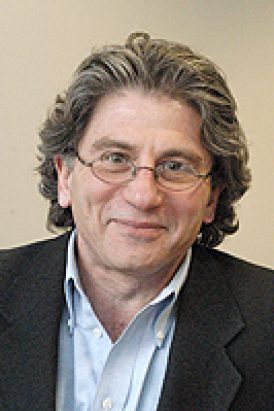
Jason R. Green is a Professor in the Department of Chemistry at the University of Massachusetts Boston. With a PhD from Purdue University (2007) and postdoctoral experience at the Universities of Chicago, Cambridge, and Northwestern University, his research bridges theoretical chemistry, physics, and data science to explore nonequilibrium systems. His work focuses on transforming chemical energy into dynamically functional materials through interdisciplinary approaches. Education: B.S., Case Western Reserve University (cum laude, 2002) Ph.D., Purdue University (2007) with NASA Graduate Fellowship NSF Postdoctoral Fellow at University of Chicago and University of Cambridge Research Interests: Theoretical chemical physics Nonequilibrium statistical mechanics Data science applications in chemical systems His recent publications analyze electrochemical material dynamics (ACS Nano 2024), chemically driven self-assembly (Chemical Science 2024), and thermodynamic speed limits across disciplines (Nature Physics 2020, Physical Review X 2022). He has received prestigious fellowships including NASA's Graduate Student Researchers Program and NSF Postdoctoral Fellowship. The Green Research Group at UMB applies theory, computation, and data science to understand energy transformation in synthetic and biological materials.
Rod Beresford is a Professor of Engineering at Brown University's School of Engineering, where he has held several leadership positions including Senior Associate Dean for Academic Programs and Associate Provost for Academic Space. He earned his B.S. (1979) and M.S. (1981) in electrical engineering from Yale University and his Ph.D. (1990) from Columbia University. In 2020/21, he served as an IEEE/AAAS Congressional Fellow working on the Senate Energy and Natural Resources Committee. His research focuses on semiconductor nanostructures, including synthesis, modeling, integration with microelectronics, and applications, with a particular emphasis on molecular beam epitaxy. Beresford has published over 80 scientific papers and has worked on molecular beam epitaxial growth of III-V semiconductors since 1987. His current research emphasizes engineering innovations for decarbonization and electrification of the economy. Professor Beresford's scholarly work spans semiconductor materials and devices, quantum structures, nanomaterials, microfluidics, and biosensing. His recent publications demonstrate a strong focus on quantum dot arrays, nanowire electrical properties, and biosensing applications. The research shows evolution from fundamental semiconductor physics toward practical applications in sensing and energy technologies. His honors and awards include: Tau Beta Pi (1978) Sheffield Fellowship (Yale University, 1980–81) Office of Naval Research Fellowship (Columbia University, 1987–90) Sigma Xi (1991) BBV Foundation Chair (Visiting Professor, Polytechnic University of Madrid, 1996) Institute of Electrical and Electronics Engineers, Senior Member (2002) Professor Beresford has been instrumental in Brown's academic infrastructure development, including facilitating the successful development of the Engineering Research Center, an 80,000-sf lab building completed in October 2017. He has served as Academic Director for the Master of Science in Technology Leadership program and has introduced new courses in VLSI Design and Nanoelectronics. His research has been supported by significant grants including: Nanoelectronics Research Initiative / National Science Foundation: "Direct-Write Synthesis of Graphene Devices" (PI, $400,000) National Science Foundation Materials Research Science and Engineering Center: "Micro- and Nano-Mechanics of Electronic and Structural Materials" (co-PI, $9,360,000) Air Force Office of Scientific Research Multidisciplinary University Research Initiative: "Direct Nanoscale Conversion of Biomolecular Signals into Electronic Information" (co-PI, $5,609,969) Professor Beresford leads a research group focused on semiconductor nanostructures and collaborates extensively with colleagues including Jingming Xu, Eric Chason, Brian Sheldon, Alexander Zaslavsky, and David Paine. His laboratory includes molecular-beam epitaxy systems for advanced materials research.
Prof. Christian Liebscher is a Professor of Advanced Transmission Electron Microscopy at the Ruhr University Bochum , affiliated with the Faculty of Physics and Astronomy and the Research Center Future Energy Materials and Systems (RC FEMS). His work focuses on developing cutting-edge TEM techniques to understand energy-related materials' atomic-scale structure-functionality relationships. He combines aberration-corrected scanning TEM (STEM), 4D-STEM, and in-situ microscopy with machine learning to analyze complex material datasets. Education and Career: 2000–2006: Study of Materials Science at the University of Bayreuth. 2006–2010: PhD at the University of Bayreuth (summa cum laude) with a thesis on phase and dislocation analysis in superalloys. 2011–2014: Postdoc at the University of California, Berkeley, and the National Center for Electron Microscopy (Lawrence Berkeley National Laboratory). 2014–2015: Staff scientist at the University of Duisburg-Essen. 2015–2024: Group leader at the Max Planck Institute for Sustainable Materials in Düsseldorf. Research Interests: Prof. Liebscher’s research bridges microscopy innovation and materials understanding. He emphasizes atomic-scale characterization of interfaces, defects, and grain boundaries in metals and alloys using advanced STEM and 4D-STEM. His work addresses how structural features—like segregation, strain, and phase transitions—impact material properties. He also pioneers machine learning tools to automate data analysis from microscopy and tomography, advancing materials dataspaces. Key topics include energy materials (e.g., PEM fuel cells), high-entropy alloys, and nanomaterials for applications like semiconductors and electromagnetic absorption. Scientific Contributions: His publications highlight trends in grain boundary phase transitions, microstructure-property correlations, and integration of AI into microscopy. For example, recent work explores how grain boundary complexions affect mechanical strength in alloys and how in-situ TEM reveals deformation mechanisms under realistic conditions. He has contributed significantly to methodologies like scanning precession electron diffraction tomography and unsupervised machine learning for atomic-resolution datasets. Labs and Collaborations: Prof. Liebscher leads the Advanced Transmission Electron Microscopy group at RUB, building on his previous leadership at the Max Planck Institute. His lab collaborates with institutions like the Lawrence Berkeley National Laboratory and integrates interdisciplinary approaches combining experimental microscopy with computational modeling.
Professor Martijn de Sterke is a Professor in the Department of Physics at the University of Sydney and a member of the Sydney Nano Institute. He holds a MEng in Applied Physics from Delft University of Technology (1982) and a PhD in Optics from the University of Rochester (1987). His postdoctoral work at the University of Toronto (1988–1990) preceded his faculty appointment at the University of Sydney, where he has contributed significantly to the field of nonlinear optics. His research focuses on nonlinear optics, photonic crystals, soliton dynamics, and plasmonic systems. Notable contributions include studies on soliton microcombs, metamaterial-enhanced optical effects, and relativistic lightsail propulsion concepts. He has pioneered work on pure-quartic solitons and their applications in fiber lasers, as well as investigations into Förster resonance energy transfer in engineered metamaterials. Educations: MEng in Applied Physics, Delft University of Technology (1982) PhD in Optics, University of Rochester (1987) His publications span over 300 works, including key contributions to Optics Express as Editor-in-Chief from 2007–2012. He has received prestigious awards such as the Pawsey Medal (1999), Esther Hoffman Beller Medal (2017), and Beatty Steel Medal (2024). Current research activities include ARC-funded projects on optical microcombs and dispersion-engineered solitons. His work bridges theoretical models and experimental implementations, with applications in ultrafast optics, nanophotonics, and space propulsion systems leveraging optical forces.
Al-Amin Dhirani is an Associate Professor in the Department of Chemistry at the University of Toronto, located in the Lash Miller Chemical Laboratories. His research focuses on nanoengineered materials, particularly quantum nanoengineered materials (q-NEMS), which exhibit emergent quantum phenomena. Key themes include bottom-up synthesis of nanostructured materials, development of novel fabrication techniques for 2D materials like MoS₂, and applications in green technologies and electrochemical sensing. Research interests emphasize hybrid molecule-nanostructure states (HYMNS) that enhance optical/electrical properties, as well as advanced applications such as conductivity meters and water electrolysis materials. His lab has pioneered methods for defect healing in exfoliated MoS₂ and scalable assembly of nanostructured films. Recent achievements include student milestones like Steven Gravelsins’ PhD completion and Monique’s NSERC postdoc fellowship. Located at 80 St. George Street, the Dhirani Lab collaborates on projects ranging from fundamental quantum transport studies to applied sensor technologies. The group actively publishes in top journals like ACS Nano and Communications Chemistry , with a focus on interdisciplinary material science and physics.
Sebastian Schulz is an Associate Professor at the University of Waterloo, specializing in advanced photonics research. His work focuses on nanophotonics, plasmonics, and metasurfaces, particularly exploring epsilon-near-zero (ENZ) materials and their applications in optical sensors, integrated photonics, and augmented reality systems. He is affiliated with the Quantum Nano Centre (QNC 4601), indicating a strong involvement in cutting-edge nanotechnology research. His research interests encompass nonlinear optical phenomena, metamaterials design, and the development of novel optical components such as flexible holographic metasurfaces and tunable photonic devices. Schulz has contributed significantly to understanding the coupling dynamics between ENZ materials and plasmonic structures, as well as the optimization of photonic crystal waveguides for low-loss signal transmission. Recent work includes advancements in temperature-controlled polymer-based lasers, high-throughput speckle spectrometers, and dynamically tunable optical systems. His publications frequently address the integration of nonlinear effects and nanostructured materials to achieve breakthroughs in optical performance metrics like time-bandwidth product limits. While no specific grants or awards are explicitly listed, his prolific output in top-tier photonics journals underscores his influential role in the field. Schulz collaborates on interdisciplinary projects at the intersection of materials science and optical engineering, driving innovations in sensor technologies and next-generation photonic systems.
Rajesh S. Kulkarni is a Professor in the Department of Mathematics at Michigan State University (MSU), located in East Lansing, MI. His research focuses on noncommutative algebra and algebraic geometry, with a particular emphasis on the interplay between these fields. He has made significant contributions in areas such as maximal orders on varieties, Brauer groups, and Ulrich bundles. His work has been supported by the National Science Foundation (NSF) since 2002. Research Interests: Kulkarni's research explores noncommutative algebra through algebraic geometry techniques, including sheaves of maximal orders, Brauer groups of fields, and applications of Clifford algebras. Recent work includes studies on Ulrich bundles and their geometric implications, as well as the structure of maximal orders on surfaces. His interdisciplinary approach bridges abstract algebra with geometric constructions, contributing to foundational understanding in both fields. Advising & Mentoring: Kulkarni has mentored multiple postdoctoral researchers, including Manish Kumar and Adam Chapman, and has supervised PhD students such as Emre Coskun, Casey Machen, and Charlotte Ure. He has also engaged undergraduate researchers like Brandon Alberts and Jonathan Jonker in projects related to algebraic structures and number theory. Labs & Outreach: He co-founded and leads the Kinawa MathCircle, a program for middle school students in Okemos, Michigan. This initiative fosters mathematical curiosity through problem-solving workshops and hands-on activities, emphasizing critical thinking and collaborative learning.
Dr. Adelina Ilie is a Research Professor in the Department of Physics at the University of Bath, where she leads research in Nanoscience and Nanotechnology through multiple interdisciplinary centers including the Centre for Nanoscience and Nanotechnology, Condensed Matter Physics CDT, Centre for Therapeutic Innovation, Condensed Matter and Quantum Materials group, and NanoBioElectronics research. Her research spans fundamental to applied studies of functional nanomaterials with designed atomic-scale behavior. Specializing in graphene and related 2D materials as well as 2D molecular networks, her group employs advanced scanning probe microscopy techniques under ultra-high vacuum and cryogenic conditions to engineer quantum properties for novel applications in nanoelectronics, spintronics, and biomedical sensing. Her recent publications reveal strong trends in quantum materials engineering, particularly in superlattice structures, hybrid 2D systems, and bio-nano interfaces. The research demonstrates sophisticated manipulation of electronic, optical, and thermal properties at the atomic scale, with increasing focus on biomedical applications in recent years. Dr. Ilie actively supervises doctoral students and has served as external examiner for PhD theses at prestigious institutions including University of Cambridge (2024, 2021), University of Oxford (2018), and University of Southampton (2011). Her research is supported by significant grants from EPSRC, MRC, Sir Halley Stewart Foundation, and University of Bath. Her laboratory maintains state-of-the-art facilities for atomically-resolved scanning probe microscopy (STM and AFM) in ultra-high vacuum and cryogenic environments, complemented by chemical vapor deposition systems for nanomaterial fabrication. She maintains active collaborations across Bath's departments of Pharmacy & Pharmacology, Chemistry, and Biology & Biochemistry, as well as with international research institutes specializing in nanoscience.
Géraud Delport is a CNRS permanent researcher at the IPVF Laboratory in Palaiseau, France, specializing in optical and optoelectronic properties of hybrid perovskite materials. His research focuses on cryogenic spectroscopy of quantum electronic effects (excitons, polarons), lead-free perovskites, and thin-film optoelectronic devices including photovoltaics and photodetectors. He maintains extensive collaborations with LUMIN Laboratory Saclay, GEMAC Laboratory, IRCP Lab Paris, FOTON and ISCR Rennes, and CEA LITEN. His academic background includes: Post-doctorate (2018-2020) at Cavendish Laboratory, Cambridge University in Samuel Stranks' team Post-doctorate (2017-2018) with CNRS contract at Université Paris Saclay PhD (2013-2016) at ENS Paris Saclay in Nanophotonics group of Aimé Cotton/LUMIN laboratory under Prof. Jean Sébastien Lauret Physics studies (2009-2013) at ENS Cachan Dr. Delport's research bridges fundamental physics with practical applications in optoelectronics. He specializes in time-resolved photoluminescence spectroscopy to investigate exciton dynamics and charge carrier behavior in 2D/3D perovskite structures. His work spans from carbon nanotube photophysics (earlier career) to current leadership in gold-based and lead-free perovskite development, with emphasis on correlating structural properties with optoelectronic performance. Recent work explores cryogenic spectroscopy techniques to understand quantum electronic phenomena in novel semiconductor materials. Analysis of his publication record shows increasing focus on environmentally sustainable perovskite alternatives, particularly gold-based systems, with significant contributions to understanding radiative efficiency limitations and structural-optical property relationships. His research demonstrates progression from fundamental nanoscale characterization to device-oriented applications, with recent papers addressing challenges in photovoltaic efficiency and material stability. Dr. Delport's research is supported by competitive funding including: French ANR young researcher grant "POETESSE" "Photothermal techniques to study thin films semiconductors" (MIRADOR project) "Photodetector based on lead-free perovskite materials" CABLESOLAR Project on "tethered altitude balloons with flexible solar panels" As a research supervisor, he actively recruits doctoral and postdoctoral candidates for projects in optical spectroscopy and solid-state chemistry, with current openings for thin-film deposition research and lead-free perovskite synthesis. His collaborative approach spans multiple French research institutions, creating an integrated ecosystem for advancing perovskite-based optoelectronic technologies from fundamental science to practical applications.
Aleksandra Radenovic is a Full Professor at École Polytechnique Fédérale de Lausanne (EPFL) holding multiple positions across the institution. She is a Full Professor at the Laboratory of Nanoscale Biology (LBEN) within the School of Engineering (STI), a Full Professor in Teaching at the School of Life Sciences (SV), and a Full Professor in Teaching at the School of Engineering (STI). Additionally, she serves as Co-Director of both the IBI-STI and IBI-SV administrative units, and is a Member of both the STI School direction and SV School direction. Dr. Radenovic received her PhD from the University of Lausanne in 2003, where she worked with Prof. Dietler in the Laboratory of Physics of Living Matter. Prior to that, she studied physics at the University of Zagreb from 1994-1999, and completed her baccalaureate at a Classical gymnasium in 1994. She conducted postdoctoral research at the University of California, Berkeley from 2004-2007 in the group of Prof. Liphardt. Her research focuses on single molecule biophysics, with particular emphasis on developing techniques and methodologies based on optical imaging, biosensing, and single molecule manipulation. Her laboratory works on three major research directions: (i) developing and using nanopores as platforms for molecular sensing and manipulation, particularly solid-state nanopores in glass nanocapillaries and 2D-material membranes; (ii) studying biomolecular function, especially protein and nucleic acid interactions, using force-based manipulation techniques like optical tweezers and Anti-Brownian Electrokinetic traps; and (iii) developing super-resolution optical microscopy based on single molecule localizations for quantitative cellular imaging. Her work bridges physics, engineering, and biology to create innovative tools for understanding molecular processes at the nanoscale. Analysis of her recent publications reveals a strong focus on nanofluidics, 2D materials (particularly MoS 2 and hBN), nanopore sensing, super-resolution microscopy, and the development of novel instrumentation for biophysical applications. Her research demonstrates increasing interdisciplinary collaboration, integrating materials science, nanotechnology, and biological applications to address fundamental questions in molecular biophysics. Dr. Radenovic has received numerous prestigious awards and grants, including: 2021: ERC Advanced Grant 2021: Optica Fellow 2016: CCMX Materials challenge award 2015: SNSF-ERC Consolidator Grant 2010: ERC Starting Grant 2003: SNSF Fellowship She has successfully advised numerous PhD students whose research spans single molecule biophysics, nanofluidics, and optical techniques. Her laboratory, the Laboratory of Nanoscale Biology (LBEN), is well-equipped for advanced biophysical research, with capabilities in nanopore fabrication, optical trapping, super-resolution microscopy, and 2D materials characterization. Dr. Radenovic has secured significant research funding through competitive grants, including multiple ERC grants, which have supported her innovative research program at the intersection of physics, engineering, and biology.
Dr. Michael Fraser is a researcher affiliated with the Department of Electronic Materials Engineering at the Research School of Physics and Engineering, Australian National University. His work focuses on semiconductor optoelectronics and nanotechnology, particularly in quantum structures and terahertz technology. He collaborates with prominent researchers like Professor Chennupati Jagadish and Professor Hoe Tan. University: Australian National University Department: Electronic Materials Engineering Email: michael.fraser@riken.jp Dr. Fraser's research spans quantum structures , carrier dynamics , and terahertz emission . His publications highlight excitons , trions , quantum wires , and defect analysis in semiconductors . Techniques like micro-photoluminescence , X-ray absorption spectroscopy , and ion implantation are central to his studies. Key areas: Semiconductor optoelectronics, nanotechnology, quantum physics, material science, and terahertz technology. Recent trends: Carrier confinement in quantum wells, defect characterization in indium nitride, and polarization-sensitive terahertz detection.
Shuolong Yang is an Assistant Professor of Molecular Engineering at the University of Chicago’s Pritzker School of Molecular Engineering. His research focuses on experimental condensed matter physics, quantum materials engineering, and ultrafast photoemission spectroscopy. He leads the Yang Lab, which develops advanced tools like the MASTER platform to study quantum materials at atomic and femtosecond scales. Education: B.S. in Physics (Stanford University), Ph.D. in Applied Physics (Stanford University) Previous Position: Kavli Postdoctoral Fellow at Cornell University Research interests include topological insulators, interfacial superconductivity, and spintronics. His lab integrates molecular beam epitaxy (MBE) with advanced spectroscopic techniques to explore quantum phenomena. Key achievements include DOE Early Career and NSF CAREER awards, as well as recent recognition via the NASA Early Career Faculty award (2024). Recent work highlights include AI-driven MBE growth of quantum materials and wafer-scale fabrication of topological insulator films. The lab’s instrumentation, such as the MASTER platform, enables multi-dimensional probing of quantum materials. Awards: DOE Early Career Award, NSF CAREER Award, NASA Early Career Faculty Award Grants: NSF Future Manufacturing Seed Grant, MRSEC Seeding Grant (collaboration with Zhong group) Labs/Teams: Yang Lab, collaborating with Prof. K. Levin (University of Chicago) on BEC-BCS crossover studies and Prof. Chong Liu on electric-field-driven material synthesis. The lab supports undergraduate researchers (e.g., Bill Zheng, Jess) and postdocs (e.g., Dr. Qiang Gao).
Roberto Merlin is a Peter A. Franken Collegiate Professor of Physics and Professor of Electrical Engineering and Computer Science (EECS) at the University of Michigan. Born in Buenos Aires, Argentina, he earned an M.S. in 1973 from the University of Buenos Aires and a Ph.D. in 1978 from the University of Stuttgart under Manuel Cardona. After postdoctoral work at the University of Illinois, he joined the University of Michigan Physics faculty in 1980 and holds a joint appointment in EECS since 2000. He has held visiting positions at institutions including Max-Planck-Institut FKF, Hong Kong University of Science and Technology, and ETH Zurich. Merlin's research focuses on experimental condensed matter physics, particularly ultrafast optical techniques like spontaneous and impulsive Raman spectroscopy. His work spans coherent phonon dynamics, metamaterials for subwavelength focusing, and light-induced phase transitions in quantum materials. Recent publications address magnetophononics, phonon Bloch oscillations, and radiation-less interference in evanescent-field plates, reflecting his interdisciplinary interests in optics, quantum mechanics, and materials science. His scientific contributions have been recognized by fellowships from the American Physical Society (1996), Optical Society of America (2000), and Simons Foundation (2013), along with the Frank Isakson Prize (2006) and Ellis R. Lippincott Award (2017). He has served in leadership roles for APS committees and conference chairs, and his editorial work includes Physical Review Letters and Solid State Communications.
Rob Silversmith is a Warwick Zeeman Lecturer in the Warwick Mathematics Institute at the University of Warwick, with a focus on algebraic geometry and combinatorics. Starting Fall 2025, he will transition to an Assistant Professor role at Emory University. His academic journey includes a Ph.D. from the University of Michigan (2017), advised by Yongbin Ruan, and postdoctoral positions at Northeastern University and the Simons Center for Geometry and Physics. His research interests span algebraic geometry—particularly moduli spaces of curves, tropical geometry, and combinatorial structures—as well as connections to string theory, geometric rigidity, and dynamics. Key contributions include work on Gromov-Witten invariants, cross-ratio degrees, and the T-graph of Hilbert schemes. His recent publications (2021–2025) explore topics such as moduli spaces, tropical geometry, and combinatorial algebraic geometry, reflecting a blend of geometric and computational methods. Notable collaborations include work with R. Cavalieri, T. Kelly, and R. Ramadas on projects like Genus-zero r-spin theory and Equations at infinity for critical-orbit-relation families of rational maps . Rob has advised no listed graduate students but has contributed to interdisciplinary projects involving computer-aided conjecture-making. His scholarly activities include organizing seminars and maintaining an active presence in geometric research communities. He is affiliated with the Warwick Mathematics Institute and holds a position in the Zeeman Building. His work frequently intersects with combinatorial and computational approaches to algebraic geometry, emphasizing explicit polynomial constructions and data-driven conjectures.
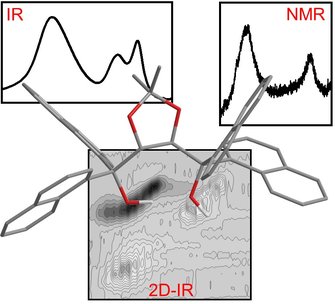
Dr. Johannes Hunger is a Group Leader at the Max Planck Institute for Polymer Research (MPI-P) in Mainz, Germany. He obtained his PhD in Chemistry from the University of Regensburg in 2006 under the supervision of Richard Buchner. Following a postdoctoral fellowship at the FOM Institute AMOLF in Amsterdam (2010-2012) funded by the German Science Foundation (DFG), he joined MPI-P as a group leader in 2012. In 2016, he established his distinguished research group with a starting grant from the European Research Council (ERC). His research focuses on dynamics in the condensed phase with particular emphasis on Coulombic and hydrogen-bonding interactions. His group intensively studies room temperature ionic liquids, electrolyte solutions, and solvation phenomena, elucidating fundamental properties of liquids including molecular-level ion transport and molecular association, as well as the relevance of such interactions in biological contexts (osmolyte action, specific ion effects) and technological applications (solvation dynamics, dissolution phenomena). With ERC funding, his group has intensified research on non-covalent interactions within reactive intermediates in organo-catalysis. The 15 most recent publications (2024-2025) demonstrate continued focus on hydrogen bonding dynamics, ion transport mechanisms, and solvation phenomena across various systems including aqueous interfaces, ionic liquids, and biomolecular environments. His work consistently combines experimental approaches with theoretical insights to unravel fundamental molecular processes. Scientific Awards: Postdoctoral Fellowship from German Science Foundation (DFG) ERC Starting Grant Dr. Hunger leads an active research group currently focused on three main areas: Fundamentals of Asymmetric Organo-Catalysis, Interaction of Osmolytes and Ions with Biopolymers, and Dynamics of Electrolytes. His research program is supported by the ERC grant FASTO-CAT and involves collaborations with numerous international research groups. His group maintains strong connections with the University of Regensburg where he completed his doctoral studies, and with research institutions in the Netherlands where he conducted his postdoctoral work. The research group operates state-of-the-art facilities for studying molecular dynamics, including advanced spectroscopic techniques for probing hydrogen bonding networks and ion transport phenomena at ultrafast timescales.