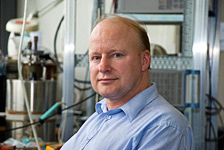
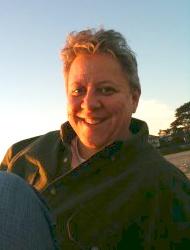
Prof. dr. ir. C.H. (Caspar) van der Wal is a Full Professor in Physics of Quantum Devices at the Faculty of Science and Engineering , University of Groningen. His research focuses on spintronic and quantum information functionalities using electron/nuclear spins in semiconductor devices, combining quantum optical and electron transport methods. PhD in Quantum Transport (Delft University of Technology, 2001) Postdoc in Quantum Optics at Harvard University (2001-2003) Scientific Director of Zernike Institute for Advanced Materials (2016-2022) Research keywords include Quantum Optics , Spintronics , Quantum Information , and Semiconductor Physics . Recent work explores 2D/3D semiconductor heterostructures , spin defects in SiC , and transition metal dichalcogenides . His scientific contributions have earned him the NWO-Vidi Grant (2005) , ERC Starting Grant (2011) , and multiple teaching awards. Publications since 2001 span topics like quantum superpositions in superconducting circuits, spin relaxation in quantum dots, and telecom-ready spin centers in silicon carbide. Grants : NWO-Vidi (2005), ERC Starting Grant (2011) Leadership : Scientific Director, Zernike Institute (2016-2022) Teaching : Teacher of the Year (2015), Education Prize (2012) Current affiliations include the Physics of Nanodevices group at the Zernike Institute for Advanced Materials. Collaborations span institutions like MIT, Harvard, and AMOLF.
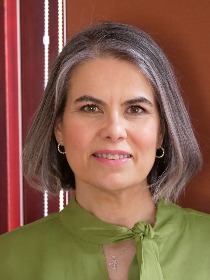
Beatriz Noheda is a Full Professor of Functional Nanomaterials at the University of Groningen's Faculty of Science and Engineering, where she chairs the Solid State Materials for Electronics group at the Zernike Institute for Advanced Materials. She also serves as the founding Director of the Groningen Cognitive Systems and Materials center (CogniGron). Her academic journey began with a PhD in Physics from the Autonomous University of Madrid in 1996, followed by research positions at Brookhaven National Laboratory and various European institutions before joining Groningen through the prestigious Rosalind Franklin Fellowship program in 2004. Her research interests span the physics of functional materials with particular emphasis on ferroelectric, piezoelectric, and multiferroic thin films . She investigates the relationship between structure and functionality, focusing on nano-domain control through strain engineering and the unique properties of domain walls. Her work bridges fundamental physics with two promising application areas: piezoelectric energy harvesting for low-power electronics and the development of novel materials for neuromorphic computing . This dual focus reflects her vision of enabling the next technological revolution through materials science. Noheda's publication record shows a clear evolution from fundamental structural studies of ferroelectric materials toward cutting-edge research in hafnia-based ferroelectrics and neuromorphic computing materials. Her most recent work focuses on oxygen migration in hafnium-zirconium oxide systems, metal-insulator transitions in nickelates, and the development of novel ferroelectric phases suitable for next-generation electronic devices. These publications demonstrate her leadership in advancing the field from basic understanding toward practical applications in memory devices and cognitive computing systems. Fellow of the American Physical Society (2011) - awarded for fundamental structural studies of new phases in perovskite-type ferroelectric materials and domain nanostructures IEEE Robert E. Newnham Ferroelectrics Award (2020) - for outstanding contributions to understanding giant piezoelectricity in lead zirconate titanate Member of the Netherlands Academy of Technology and Innovation (AcTI) (2022) Elected Senior member IEEE (2021) Rosalind Franklin Fellowship (2004) - enabling her successful academic career in Groningen Noheda has secured substantial research funding throughout her career, including a Rosalind Franklin Fellowship (2004-2009), VIDI-NWO Fellowship (2004-2008), TOP-NWO project on Functional Nanowalls (2007-2012), multiple Zernike Institute Dieptestrategie grants, and a significant TOP-PUNT grant (2016-2021). She has supervised numerous students and early-career researchers, contributing to the development of the next generation of materials scientists. Her leadership extends to editorial roles on prestigious journals including Science, Physical Review Applied, and npj Quantum Materials. As Director of CogniGron, Noheda leads an interdisciplinary center focused on developing materials and systems for cognitive computing. Her team combines expertise in functional oxides, nanoelectronics, and neuromorphic engineering to create novel computing paradigms inspired by the human brain. The center represents a strategic initiative at the University of Groningen to position itself at the forefront of cognitive systems research.
Tanja Lange is a Full Professor at the Department of Mathematics and Computer Science at Technische Universiteit Eindhoven. She chairs the Coding Theory and Cryptology group and serves as scientific director of the Eindhoven Institute for the Protection of Systems and Information (Ei/Ψ). Additionally, she holds a visiting professor position at Academia Sinica, Taiwan. Research & Teaching Her research focuses on cryptography and number theory , with leadership in post-quantum cryptography (including code-based, lattice-based, hash-based, and isogeny-based systems). She has taught courses like Introduction to Cryptology and Selected Areas in Cryptology at TU/e, covering quantum algorithms, cryptographic protocols, and mathematical foundations. Key Contributions Co-author of 5 recent publications (2023-2025) on differential addition chains, ROLLO-I analysis, CSIDH fault injection, and KpqC evaluations Recipient of the Best Master Lecturer 2016 award Active in NIST Post-Quantum Cryptography competition (e.g., NTRU Prime) Affiliated with the Center for Quantum Materials and Technology Eindhoven Contact MetaForum 5.062, TU/e Email: tanja@hyperelliptic.org (primary) | t.lange@tue.nl (TU/e)
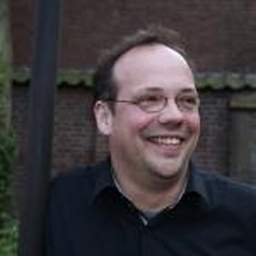
Ibo van de Poel is a Full Professor at Delft University of Technology , within the Faculty of Technology, Policy and Management , specifically in the Section Philosophy . He holds the prestigious Antoni van Leeuwenhoek professorship , awarded to excellent young researchers, and is a leading figure in Design for Values , engineering ethics , and technology as social experimentation . Education: Van de Poel studied Philosophy of Science, Technology and Society at the University of Twente , with a propaedeutic exam in Mechanical Engineering . He earned his PhD in Science and Technology Studies (STS) in 1998 from the University of Twente , under the supervision of Prof. Dr. A. Rip. Research Interests: His research spans three major themes: Design for Values : Investigating how moral values can be integrated into engineering design, including empirical studies on how engineers handle value conflicts. Moral Responsibility in R&D Networks : Exploring the "problem of many hands" in large-scale research and development projects, developing formalizations and empirical methods. Ethics of Emerging Technologies : Examining ethical issues in new technologies like nanotechnology and synthetic biology , with a focus on technology as social experimentation . Publications and Impact: Van de Poel has authored over 25 international peer-reviewed articles and 15 book contributions . He is co-editor of major works including the Handbook of Philosophy of Technology and the Engineering Sciences (Elsevier, 2009), Philosophy and Engineering (Springer, 2010), and Ethics, Engineering and Technology (Wiley-Blackwell, 2011). His recent work includes leading the VICI project "New Technologies as Social Experiments" , funded by NWO. Scientific Awards: Antoni van Leeuwenhoek Professorship (TU Delft) VICI Grant for "New Technologies as Social Experiments: Conditions for Morally Responsible Experimentation" Advising and Grants: Van de Poel has led and contributed to multiple high-impact projects, including: NWO Project on "Moral Responsibility in R&D Networks" (2007–2012) EU Project on ethical issues in synthetic biology (2009–2011) VICI Project on "New Technologies as Social Experiments" (ongoing) He has also supervised PhD students and contributed to educational innovations, including the development of the AGORA web-based program and the first Dutch textbook on ethics and technology . Labs and Teams: Van de Poel is an active member of 4TU.Ethics & Technology , a federation of Dutch technical universities focused on ethics and technology. He contributes to the Simon Stevin Series in the Ethics of Technology and participates in various reading groups and PhD communities within the network.
Prof. B.J. (Bart) van Wees is a Professor of Applied Physics at the University of Groningen, affiliated with the Faculty of Science and Engineering and the Zernike Institute for Advanced Materials. He leads research in nanodevices, focusing on spintronics, magnonic spin transport, and quantum materials. His work includes pioneering contributions to spin caloritronics and graphene-based spintronic devices. Education: PhD in Physics from Delft University (1989), postdoc in mesoscopic superconductivity. Research interests include spin transport in 2D materials, chiral systems, and antiferromagnetic spintronics. He has held leadership roles in EU Graphene Flagship (Spintronics Workpackage) and the QuMat Zwaartekracht consortium. Key achievements: 2015 Spinoza Award, 2021 ERC Advanced Grant, Fellow of the American Physical Society. Awards also include KNAW membership and multiple grants. Research spans magnon transistors, graphene magnetism, and van der Waals heterostructures. Lab affiliations: Physics of Nanodevices group, Zernike Institute for Advanced Materials. Collaborations include EU-funded projects and international teams in spintronics and quantum materials.
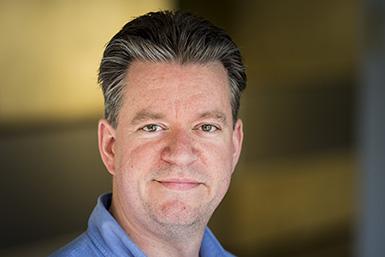
Prof. Casper Hoogenraad is a full professor in Molecular Neuroscience at the Department of Cell Biology, Faculty of Science, Utrecht University. His research focuses on understanding how intracellular protein trafficking underlies neuronal development and function, with particular emphasis on the microtubule cytoskeleton, synaptic cargo trafficking, and synaptic plasticity. He leads an active research group within Utrecht University's Cell Biology department and collaborates extensively with other neuroscience research groups. Education: PhD, Erasmus University Rotterdam (1996-2001) Postdoc, Massachusetts Institute of Technology (2002-2005) Hoogenraad's research spans three main themes: cytoskeleton dynamics during neurodevelopment and synaptic plasticity, motor proteins and adaptors as regulators of synaptic transport, and psychiatric and neurologic disease disorders linked to intracellular transport. His work combines genetics, biochemistry, molecular, and cellular biology methods in in vitro (neuron cultures), ex vivo (brain slices), and in vivo (mice) systems, along with advanced microscopy techniques including immunofluorescent confocal microscopy, high-resolution live cell imaging, and photo-activated localization microscopy (PALM). Analysis of Hoogenraad's recent publications reveals a strong focus on microtubule organization, neuronal polarity, and the molecular mechanisms underlying synaptic function and dysfunction. His work frequently explores how disruptions in intracellular transport contribute to neurological disorders including Alzheimer's disease, schizophrenia, and autism spectrum disorders, with particular attention to the relationship between cytoskeletal organization and cargo transport in neuronal compartments. Scientific Awards and Memberships: ZonMW-VIDI (2004) European Young Investigators (EURYI) award (2005) NWO-ALW VICI (2011) ERC Consolidator grants (2013) FENS-Kavli Network of Excellence (2014) European Molecular Biology Organization (EMBO) (2015) Young Academy of Europe (YAE) (2015) IBRO Kemali Prize (2016) Hoogenraad leads a research group studying neuronal development and function, with a particular focus on how intracellular transport mechanisms contribute to both normal brain function and neurological disorders. His laboratory employs a multidisciplinary approach combining molecular, cellular, and systems neuroscience techniques to investigate the molecular basis of neuronal polarity, synaptic plasticity, and the pathogenesis of neurological disorders. He has secured significant research funding through prestigious grants including ERC Consolidator grants. The Hoogenraad lab operates within the Cell Biology department at Utrecht University, collaborating with other research groups focusing on cellular dynamics, biophysics, and neurobiology. The lab utilizes advanced microscopy techniques including immunofluorescent confocal microscopy, high-resolution live cell imaging (spinning disc microscopy and total internal reflection fluorescence microscopy), and quantitative analysis using advanced high-resolution microscopy (photo-activated localization microscopy). Current lab technicians include Phebe Wulf and Bart de Haan.
Alberto G. Curto is an Assistant Professor at Eindhoven University of Technology, specializing in nanophotonics and semiconductor optoelectronics. He leads research on light-matter interactions at the nanoscale, focusing on atomically thin semiconductors and chiral nanophotonics applications. His work spans sensing, imaging, and spectroscopy, with contributions to directional light emission and chiral detection technologies. Education BSc in Physics, Universidad de Salamanca (2002–2007) MSc and PhD in Photonics, ICFO – The Institute of Photonic Sciences (2008–2013) Postdoctoral Fellow at Stanford University (2013–2016) Research Interests Curto’s research explores semiconductor nanophotonics for sensing and imaging, leveraging atomically thin materials and chiral optics. Key areas include: Enhanced light-matter interactions using nano-optical structures Chiral detection via dielectric resonators and metasurfaces Exciton dynamics in 2D semiconductors Publications His work emphasizes practical applications of nanophotonics, with recent studies on chiral sensing enhancement, silicon metasurfaces, and exciton manipulation. Over 47 peer-reviewed articles highlight his contributions to light confinement and directional emission. Awards ERC Starting Grant (2020) NWO START-UP Grant (2018) OSA Senior Member (2021) ICFO PhD Thesis Award (2014) Grants & Projects He leads the Zwaartekracht PSN Research Centre for Integrated Nanophotonics (2014–2025), focusing on nanowires, photonic crystals, and photonics applications. Labs & Teams His research group at TU Eindhoven develops novel nanophotonic devices and chiral sensing platforms, collaborating on projects like the ERC CHANSON grant.
Maarten Kroesen is an Associate Professor in the Transport and Logistics group at Delft University of Technology's Faculty of Technology, Policy and Management. His research focuses on travel behavior analysis, sustainable transport, and quantitative methods. He earned his PhD cum laude in 2011 with work on aircraft noise annoyance and has since shifted to mobility patterns and policy analysis. Kroesen teaches courses on statistics, data analysis, and travel behavior research, and has received multiple awards including the Best Teacher of the Year (2016) and Henk Sol Award (2011). His work bridges behavioral theory with policy implications, emphasizing longitudinal panel data methods. Education: PhD (cum laude) in Transport Policy and Management (TU Delft, 2011), MSc in Systems Engineering (TU Delft) Research Interests: Travel behavior dynamics, sustainable mobility transitions, latent class models, accessibility disparities Awards: Over six major accolades, including best thesis and innovation awards Expertise: Policy advising on aviation, transport equity, and behavioral modeling Recent work explores emerging time-use patterns, zero-emission flight impacts, and bidirectional effects between accessibility and travel behavior. He actively contributes to Dutch policy discussions on aviation and transport infrastructure.
Daniel Vanmaekelbergh is a Professor in the Department of Chemistry at Utrecht University, where he leads research in the Condensed Matter and Interfaces group within the Debye Institute for Nanomaterials Science. His academic career spans over two decades with continuous contributions to nanomaterials science and semiconductor physics. Professor Vanmaekelbergh's research focuses on the fundamental properties of semiconductor nanocrystals, quantum dots, and artificial electronic lattices. His work bridges theoretical and experimental approaches to investigate electron transport, quantum confinement effects, and the optical properties of nanoscale materials. He has made significant contributions to understanding the formation mechanisms of nanocrystal superlattices, the electronic structure of artificial honeycomb lattices, and the dynamics of excitons in confined systems. His research group, known as the Vanmaekelbergh Lab, employs advanced techniques including scanning tunneling spectroscopy, electron microscopy, and optical spectroscopy to probe nanoscale phenomena. Analysis of his recent publications reveals a strong emphasis on the physics of quantum-confined systems, particularly in lead chalcogenide and cadmium selenide nanocrystals. His work explores the relationship between nanocrystal structure and electronic properties, with applications in optoelectronics and quantum technologies. Recent research has focused on oriented attachment processes, artificial quantum systems with fractal geometries, and the fundamental limits of light-matter interactions in nanoscale materials. Professor Vanmaekelbergh has established a productive research program with numerous collaborations across the Netherlands and internationally. His work has been published consistently in high-impact journals including Nature Physics, Nano Letters, and ACS Nano, demonstrating the significance of his contributions to the field of nanomaterials science.
Chigo M. Okonkwo is a Full Professor and Chair of Secured Ultra High Capacity Transmission at the Department of Electrical Engineering, Eindhoven University of Technology (TU/e). He leads the high-capacity optical transmission laboratory within the Electro-Optical Communications Group at the Institute for Photonics Integration, focusing on next-generation photonic networks. Education: PhD in Optical Signal Processing, University of Essex (2009) Appointments: Since 2014 (tenured), 2010 as Post-Doctoral Researcher Key Research Areas: Space Division Multiplexing, Quantum Secure Communications, Advanced Modulation Formats His work spans optical transmission systems, including probabilistic signal shaping , low-complexity digital signal processing , and multi-mode/multi-core fiber components . Recent publications highlight breakthroughs in Petabit/s transmission and quantum cryptography use cases . Scientific recognition includes: ACP 2018 Best Paper Award ECOC 2018 Student Paper Award Optica 2022 Student Paper Awards Corning Outstanding Student Paper Competition Finalist 2025 He actively contributes to standardization efforts as a Technical Program Committee member for ECOC and serves as Senior Member of IEEE. Current projects include FIQCS (Fieldlab Quantum Cryptography Solutions) and NGF-ECO1 (Netherlands Quantum Flagship), advancing quantum-secure protocols and petabit/s capacity scaling.
Lesley G.A. de Putter-Smits is an Assistant Professor and teacher educator at the Eindhoven School of Education (ESoE), affiliated with Eindhoven University of Technology . Her work focuses on STEM education , teacher education , and continuing teacher professional development with an emphasis on student-centred learning environments and social scientific issues. Education : MSc in Chemistry (Utrecht University, 2000), PDEng in Process and Product Design (TU/e, 2003) Roles : Physics teacher (2003-2012), Chemistry teacher educator (2012-present), Assistant Professor (2014-present), Manager ESA (2019-2022) Her research explores engaging science learning environments , leveraging generative AI , virtual reality , and inquiry-based learning . Recent publications analyze PhET simulations , student-generated drawings , and interdisciplinary science projects . She has contributed to chemistry courses for Radboud University Nijmegen and is active in editorial work for European Journal of STEM Education . Scientific Awards : 3e Prijs 'Beste artikel VELON tijdschrift' (2019)
Erik Bakkers is a Full Professor at Eindhoven University of Technology leading research in quantum materials and nanodevices. His group pioneers nanowire-based systems for quantum computing applications, with breakthroughs in Majorana fermion detection and topological materials. Key research directions: Quantum information carriers in semiconductor nanowires Light-emitting silicon and germanium alloys High-efficiency nanowire solar cells He directs the 'Enabling Majorana Braiding' project (2018-2028) and collaborates with IBM, Microsoft, and Philips on quantum technology development. His work has been recognized with multiple ERC grants and the NWO Vici Award.
Karen Barad is Distinguished Professor of History of Consciousness at the University of California, Santa Cruz, with joint appointments in Philosophy and Feminist Studies. She holds a Ph.D. in theoretical particle physics from SUNY Stony Brook and previously held a tenured position in a physics department before transitioning to interdisciplinary work. At UCSC, she is affiliated with the Humanities Division and serves as faculty in the History of Consciousness Department and Philosophy Department. Barad earned her Ph.D. in Physics from SUNY Stony Brook, building a foundation in theoretical particle physics before moving toward more interdisciplinary work. Her unique trajectory from physics to philosophy and feminist studies has shaped her distinctive approach to questions of matter, meaning, and ethics. Barad's research spans multiple disciplines including science studies, multispecies studies, physics, nuclear studies, continental philosophy, epistemology, ontology, ethics, politics, and philosophy of physics. Her theoretical framework of "agential realism" has significantly influenced feminist theory, science studies, and philosophy. She approaches questions of matter, meaning, and ethics through the lens of quantum physics, developing concepts like intra-action, diffraction, and entanglement as philosophical tools. Her work challenges traditional boundaries between subject/object, nature/culture, and human/non-human. Her publications over the last two decades reveal a consistent engagement with the intersections of science, philosophy, and ethics, particularly focusing on how material-discursive practices shape reality. Barad's work increasingly addresses ecological concerns, nuclear legacies, and questions of justice, demonstrating how scientific concepts can inform ethical and political thought. Her writing moves fluidly between theoretical physics, feminist theory, and philosophical inquiry, creating new pathways for understanding the entanglement of matter and meaning. honorary doctorate from Gothenburg University Fulbright fellowship Kresge College Teaching Award Barad has received significant recognition for her scholarship and her research has been generously supported by major funding organizations including the National Science Foundation, the Ford Foundation, the Hughes Foundation, the Irvine Foundation, the Mellon Foundation, and the National Endowment for the Humanities. As Co-Director of the Science & Justice Graduate Training Program at UCSC, Barad has mentored numerous graduate students and shaped interdisciplinary research connecting scientific inquiry with questions of social justice. Her collaborative work with scholars like Jenny Reardon has helped establish science & justice as a vital field of inquiry. Barad's approach to mentoring emphasizes the ethical responsibilities inherent in scientific and philosophical practices. Through her leadership in the Science & Justice Research Center, which she helped found, Barad has fostered innovative collaborations across disciplines, creating spaces where scientists, humanists, and social scientists can work together on pressing contemporary issues. Her work continues to influence multiple fields, with ongoing projects exploring nuclear colonialism, ecological ethics, and the material consequences of scientific practices.
Federico Toschi is a Full Professor at Eindhoven University of Technology (TU/e), holding joint appointments in Applied Physics and Mathematics and Computer Science departments. His research focuses on multi-scale transport phenomena, combining statistical physics, fluid dynamics, and computational methods. He leads projects in the 4TU Centre for Multiscale Phenomena and EAISI. Education: PhD in Physics (University of Pisa, 1998) and academic background at Scuola Normale Superiore di Pisa. Interdisciplinary expertise in fluid dynamics turbulence, Lagrangian turbulence, crowd dynamics, and Lattice Boltzmann methods. Recipient of APS Fellow (2015), Euromech Fluid Mechanics Fellow (2012), and Ig Nobel Prize for Physics (2021). Research emphasizes turbulence modeling, pedestrian dynamics, and active matter, with applications in environmental flows and crowd management. His work bridges computational innovations with experimental validations. Recent articles explore kinetic data-driven turbulence modeling, pedestrian flow optimization, and turbulence effects in biological systems. Projects include digital twins for seismicity modeling and rarefied gas dynamics. Teaches fluid mechanics, computational physics, and chaos theory courses. Founded Flow Matters Holding BV, applying research to practical solutions.
Aida Abiad Monge is an Associate Professor in the Department of Mathematics and Computer Science at Eindhoven University of Technology (TU/e), where she chairs the Algebraic Combinatorics group. She holds a 0.1fte position as an Associate Professor at Vrije Universiteit Brussel and is a guest researcher at Ghent University. Her research focuses on algebraic graph theory, including spectral graph properties, combinatorial optimization, and applications in quantum information theory and coding theory. Her academic career includes postdoctoral fellowships at Ghent University (2020-2023) and Vrije Universiteit Brussel (2020-2023). She has been awarded grants such as the NWO VIDI and BOF Postdoctoral Fellowship. Her editorial roles include serving on the boards of the Electronic Journal of Linear Algebra and The Electronic Journal of Combinatorics. Research Interests: Spectral graph theory, coding theory, quantum information, finite geometry Key Achievements: Over 60 publications, including works on sum-rank metric codes and cospectral hypergraphs Teaching: Courses like Algebraic Combinatorics and Combinatorics and Applications Her work bridges theoretical advancements with practical applications, particularly in optimizing coding schemes and analyzing graph structures through algebraic methods.