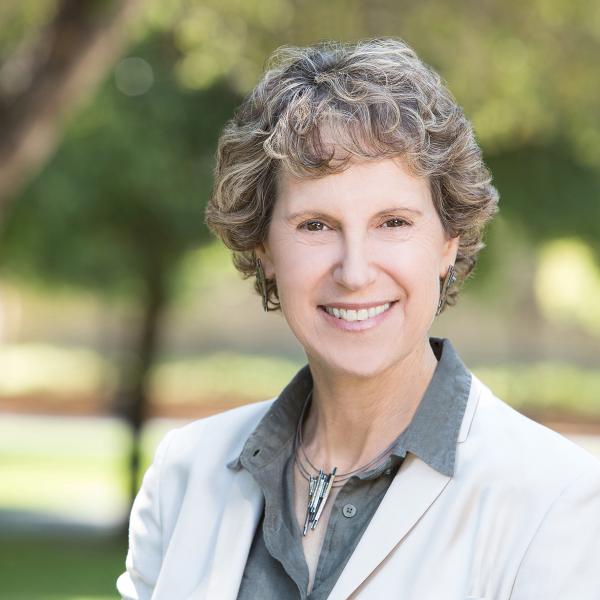
Tim Huh is a Professor and Chair of the Operations and Logistics Division at the University of British Columbia's Faculty of Commerce and Business Administration. He specializes in inventory control, supply chain management, and operations research, with a focus on dynamic decision-making under uncertainty. B.A., B.Math, M.Math from University of Waterloo M.A. from Regent College M.S., Ph.D. from Cornell University His research spans theoretical and applied topics including renewable energy systems, healthcare operations, and digital learning analytics. Recent work explores wind power storage optimization, asynchronous video usage in education, and multi-echelon inventory solutions. Scientific recognition includes the Canada Research Chair in Operations Excellence and Business Analytics He teaches core business analytics and operations management courses at both undergraduate and graduate levels, emphasizing quantitative decision-making and process fundamentals.
Dimitrios P. Tsomocos is a Professor of Financial Economics at Saïd Business School and a Fellow in Management at St Edmund Hall, University of Oxford. He holds a BA, MA, MPhil, and PhD from Yale University and previously worked at the Bank of England. He serves on editorial boards including Annals of Finance and Economic Theory, and is a Senior Research Associate at the Financial Markets Group at the London School of Economics. His educational background includes: University of Oxford: M.A. by resolution, 2002 Yale University: Ph.D. in economics, 1996 Yale University: M.Phil. in economics, 1992 Yale University: M.A. in economics, 1990 Yale University: B.A. in economics, 1989 Professor Tsomocos is a mathematical economist specializing in Central Banking, Banking and regulation, Incomplete asset markets, Systemic risk, Financial instability, and Issues of new financial architecture. His research focuses on contagion, financial fragility, interbank linkages, and the impact of the Basel Accord using General Equilibrium models with incomplete asset markets, money, and endogenous default. He is working toward designing a new paradigm of monetary policy, financial stability analysis, and macroprudential regulation. His recent publications show a consistent focus on financial stability, banking regulation, and the interaction between monetary policy and financial stability. The research spans theoretical modeling of bankruptcy and default in general equilibrium frameworks, practical applications to bank regulation, analysis of commodity cycles in emerging economies, and policy responses to crises like the COVID-19 pandemic. His work frequently employs quantitative methods and general equilibrium modeling to address pressing issues in financial economics. His scientific achievements include: 2004 Bank Sabatell prize for the best work on the economics of banking (for "Book vs. Fair Value Accounting in Banking and Intertemporal Smoothing") Co-development of the Goodhart-Tsomocos model of financial fragility (2003) Testimony to House of Lords for the Economic and Financial Affairs and International Trade Sub Committee's report (2011) Appointment to Research Advisory Board, Central Bank of Russian Federation (2018) Professor Tsomocos has advised numerous PhD students and collaborated extensively with central banks worldwide. He has served as an economic advisor to a major political party in Greece and regularly provides commentary on the Greek economy. His research has had substantial policy impact, with the Goodhart-Tsomocos model implemented by more than ten central banks including the Bank of Bulgaria, Bank of Colombia, Bank of England, and Bank of Korea. He continues to collaborate with researchers from the ECB, Central Bank of the Russian Federation, and Bank of Chile on updated versions of his financial fragility model. He co-developed the Goodhart-Tsomocos model of financial fragility while working at the Bank of England, which has been implemented at various central banks globally. His research group at Oxford continues to refine this model and apply it to contemporary financial stability challenges.
Tim Ibell is a Professor in the Department of Architecture & Civil Engineering at the University of Bath, affiliated with the Centre for Climate Adaptation & Environment Research (CAER). He has held leadership roles including Head of Department, Associate Dean (Graduate Studies), and Associate Dean (Research). His career includes a Fulbright Distinguished Scholar Award (2002) and a stint as Sir Kirby Laing Professor of Civil Engineering at the University of Cambridge. He is a Fellow of the Royal Academy of Engineering and has received six best journal-paper awards. Education: Postdoctoral research at the University of Cambridge following industry experience. Joined Bath in 1997. Research focuses on sustainable construction materials, FRP reinforcement, and embodied carbon reduction in concrete structures. His work aligns with UN SDGs on climate action and sustainable cities. Key innovations include fabric-formed concrete structures and low-carbon pile foundations. Recent projects include EPSRC-funded studies on pile optimization, creative design teaching, and resource efficiency in industrial strategy. Collaborations span UK and international institutions. Awards include the Institution of Structural Engineers' recognition and Royal Academy of Engineering Fellowship. Advising and grants: Supervises PhD students in sustainable construction. Leads multi-million-pound research projects addressing embodied carbon and material efficiency. Labs/Teams: Directs CAER and collaborates with interdisciplinary teams on projects like ACORN (Automating Concrete Construction) and MEICON (Minimising Energy in Construction).
Hugo de Boer is a Professor at the Copernicus Institute of Sustainable Development , Faculty of Geosciences, Utrecht University. He serves as scientific lead for the Delta Climate Center in Vlissingen and coordinates MSc programs in Water Science and Management and Water Management for Climate Adaptation . His research explores climate-ecosystem interactions, focusing on plant ecophysiology, ecosystem dynamics, and nature-inclusive climate adaptation in deltas. Research Themes: Future Deltas, Pathways to Sustainability, Integrative Bioinformatics Projects: LEMONTREE, CloudRoots, 'From losers to winners' (ancient plant lineages under elevated CO2) Teaching Expertise: System thinking for sustainability, quantitative statistics, plant ecophysiology Research Trends emphasize interdisciplinary approaches to climate change impacts on ecosystems, with publications spanning plant-cloud processes, CO2 acclimation, and eco-evolutionary optimality models. His work bridges biogeochemistry, land-atmosphere interactions, and sustainable development frameworks. Projects & Collaborations include experimental studies on ancient plant lineages (Equisetum) and integrative field campaigns in Amazon and temperate forests. He contributes to modeling climate-vegetation feedbacks, pesticide emission scenarios, and social-ecological system transitions.
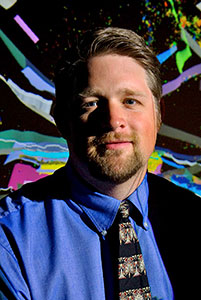
John H. Shaw is the Harry C. Dudley Professor of Structural and Economic Geology and Professor of Environmental Science & Engineering at Harvard University's School of Engineering and Applied Sciences (SEAS). He specializes in structural geology, earthquake hazards, and geomechanics, with a focus on thrust fault systems, fault-related folding, and seismic risk assessment in regions like California and China. His research integrates field observations, 3D modeling, and geomechanical simulations to understand fault dynamics and their implications for societal safety. Shaw's work emphasizes quantitative analysis of fault geometry, slip rates, and rupture processes. Key projects include modeling ground deformation during earthquakes, assessing seismic hazards in fold-thrust belts, and investigating reservoir-induced seismicity. He leads the Structural Geology & Earth Resources Group and contributes to collaborative initiatives like the Southern California Earthquake Center (SCEC). His articles highlight advancements in fault system modeling, including 3D structural reconstructions, distinct element method applications, and coupling geomechanical models with fluid flow simulations. Recent studies focus on the Wilmington blind-thrust fault beneath Los Angeles, the Ventura fault system, and tectonic evolution of the Canadian Rockies and Qaidam Basin. Shaw's research also addresses interdisciplinary challenges such as stochastic velocity modeling for earthquake ground motion prediction and developing open-source tools like the SCEC Unified Community Velocity Model (UCVM). His work bridges fundamental structural geology with applied seismic hazard mitigation strategies.
Joel S. Hayworth is an Associate Professor in the Department of Civil Engineering at Auburn University's College of Engineering. His research focuses on environmental and ecosystem restoration, particularly in estuarine, terrestrial, and freshwater systems. He leads the Estuarine Environments Research Program (EERP), which investigates the fate of endocrine-disrupting chemicals (EDCs), PFAS, and oil spill residues in coastal environments. Dr. Hayworth's educational background includes a PhD in Civil Engineering (Hydrology/Hydraulics) from Auburn University, an MS in Hydrology from the University of Nevada, Las Vegas via the Desert Research Institute, and a BS in Geophysics from the University of California, Santa Barbara. He previously worked at the Tennessee Valley Authority Engineering Laboratory and the U.S. Air Force Research Laboratory, and founded Hayworth Engineering Science in 1999 before returning to academia in 2010. His research interests span environmental engineering, hydrology, hydraulics, estuarine science, pollutant fate and transport, and chemical fingerprinting. He has developed advanced analytical methods for detecting EDCs and PFAS in water, sediment, and biota. His work integrates field studies, laboratory experiments, and environmental modeling to understand complex hydrologic, geologic, chemical, and biological processes in human-impacted ecosystems. The 15 most recent articles highlight a strong trend in environmental contaminant analysis, particularly focusing on PFAS, oil spill residues, and endocrine disruptors. His research combines analytical chemistry with environmental modeling and field monitoring, often in collaboration with interdisciplinary teams. Key themes include the development of UHPLC-MS/MS and GC-MS/MS methods, fate and transport modeling of pollutants, and ecological risk assessment in estuarine systems. Dr. Hayworth's scientific contributions are supported by funding from agencies such as the Gulf Coast Ecosystem Restoration Council (RESTORE Council). His work has led to significant publications in journals like Science of the Total Environment , Marine Pollution Bulletin , and Water . He actively mentors students and collaborates with researchers like T.P. Clement, G.F. John, and V. Mulabagal. His projects, such as the restoration assessment of Cotton Bayou and Terry Cove, demonstrate applied science for environmental problem-solving. He has developed state-of-the-art analytical laboratories and partnered with coastal communities for long-term monitoring. His laboratory, the Estuarine Environments Research Program (EERP), conducts multi-year studies on endocrine disruptors in estuaries, develops innovative sampling and analysis methods, and trains the next generation of environmental engineers and scientists. The team works across disciplines to address complex environmental challenges in the Gulf Coast region.
Vishal Ahuja is an Associate Professor and Corrigan Research Professor at Southern Methodist University's Cox School of Business, with adjunct faculty status at University of Texas Southwestern Medical Center. He focuses on decision analytic tools for healthcare improvement through operations management. PhD, University of Chicago Booth School of Business MBA, University of Chicago Booth School of Business His research interests span healthcare operations, service optimization, and AI applications in clinical decision-making. He collaborates with the Department of Veterans Affairs, Parkland Hospital, and pediatric institutions to address care quality and delivery efficiency. Recent publications emphasize predictive modeling for chronic disease management, adaptive clinical trial design, and regulatory healthcare policy. Awards include the Dlin/Fischer Clinical Research Award (2021), INFORMS Pierskalla Award (2012), and 2025 AI75 recognition for Dallas-Fort Worth AI leadership. D CEO Excellence in Healthcare Award - Outstanding Healthcare Innovator (2023) NSF Game Changer Academies for Advancing Research Innovation (2022) C. Jackson Grayson Faculty Innovation Award (2022-23) At SMU, he teaches graduate courses in operations, supply chain, and service management, integrating corporate sector experience from chemical and consumer goods industries. His work has been cited by the FDA in safety labeling changes workshops.
Wenpeng Yin is an Assistant Professor in Computer Science and Engineering, specializing in Natural Language Processing and Machine Learning. His research focuses on advancing Large Language Models (LLMs) and their applications in scientific, societal, and interdisciplinary domains. Research Interests : LLMs, medical QA, financial AI, model consistency, and instruction-following frameworks. Recent Work : Investigates low-resource NLP tasks, bias evaluation (Gptbias), and adaptive trading systems using LLMs. Current trends in his publications highlight innovations in multimodal learning, symbolic reasoning, and ethical AI, with a strong emphasis on practical implementations across diverse fields.
John C. Butler is a Clinical Associate Professor in the Finance Department at the McCombs School of Business, University of Texas at Austin. He holds leadership roles as Academic Director of the Kay Bailey Hutchison Energy Center, Director of the MS Finance Program, and Director of the Energy Management Minor. His academic journey includes a PhD in Management Science and Information Systems from UT Austin (1998) and a BBA from Texas A&M University (1991). His research focuses on applications of decision analysis across domains including operations, finance, and information systems. Key areas include risk analysis, optimization, multi-attribute utility theory, and energy finance. His work integrates theoretical modeling with empirical validation to address complex decision-making challenges in both public and private sectors. Butler's publications demonstrate a consistent focus on decision modeling methodologies, with recent work emphasizing risk quantification and utility theory applications. His articles frequently intersect operations research, behavioral economics, and systems optimization, reflecting interdisciplinary approaches to solving managerial and policy problems. Awards and Honors: MBA Applause Award (2008, 2011) Finalist, INFORMS Franz Edelman Award (2004) INFORMS Decision Analysis Society Practice Award (2000) Fred Moore Teaching Award Dean's Research Fellowship, Ohio State University (2004) Leadership & Advising: Butler has supervised 11 PhD students to completion and secured significant grants including DOE funding for nuclear terrorism risk analysis. He directs multiple energy finance initiatives and serves on editorial boards for Decision Analysis and previously Decision Support Systems . Centers & Programs: As Academic Director of the Kay Bailey Hutchison Energy Center, he leads interdisciplinary energy research. He also developed the Energy Finance concentration and redesigned the MS Finance curriculum to incorporate quantitative energy market analysis.
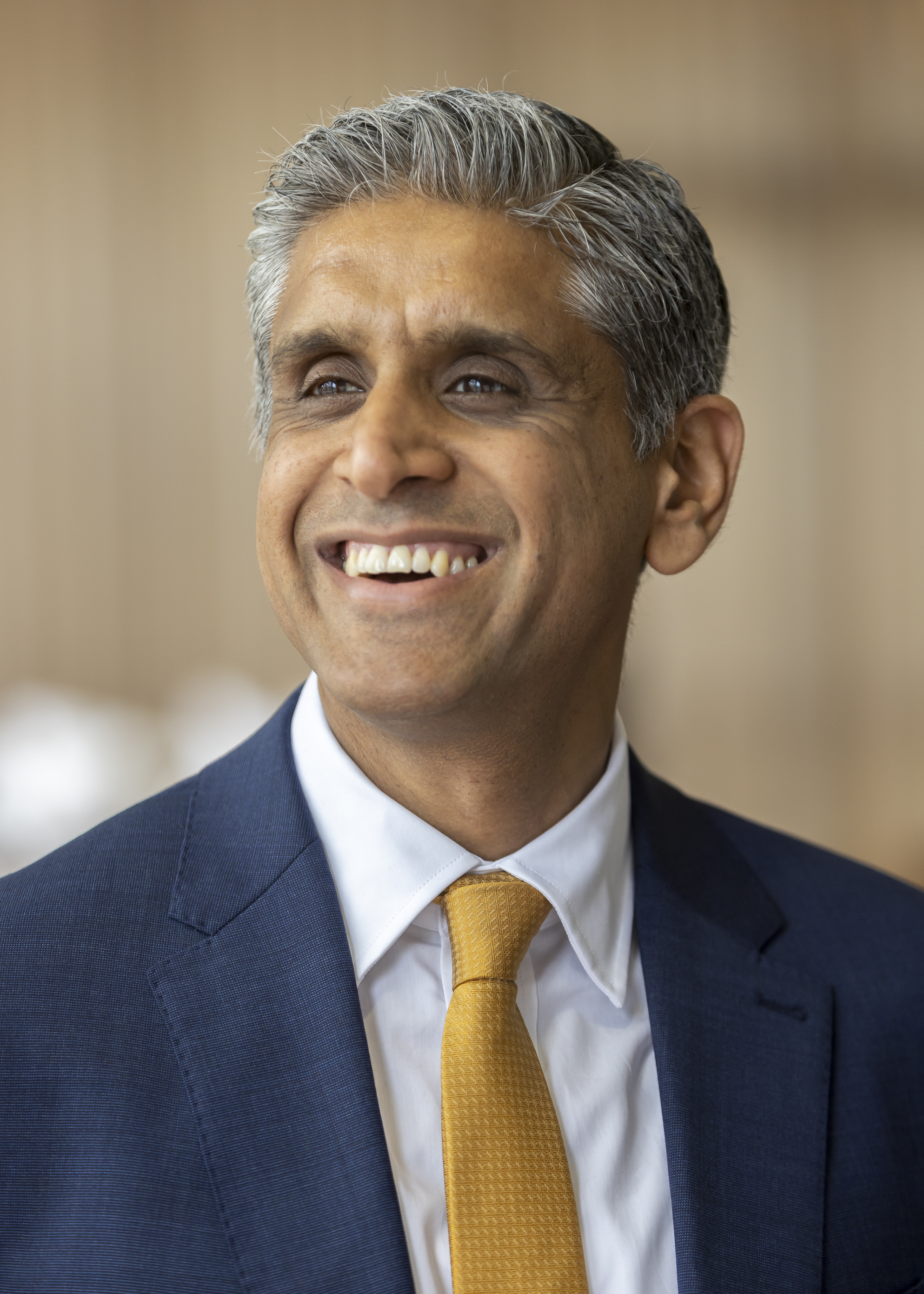
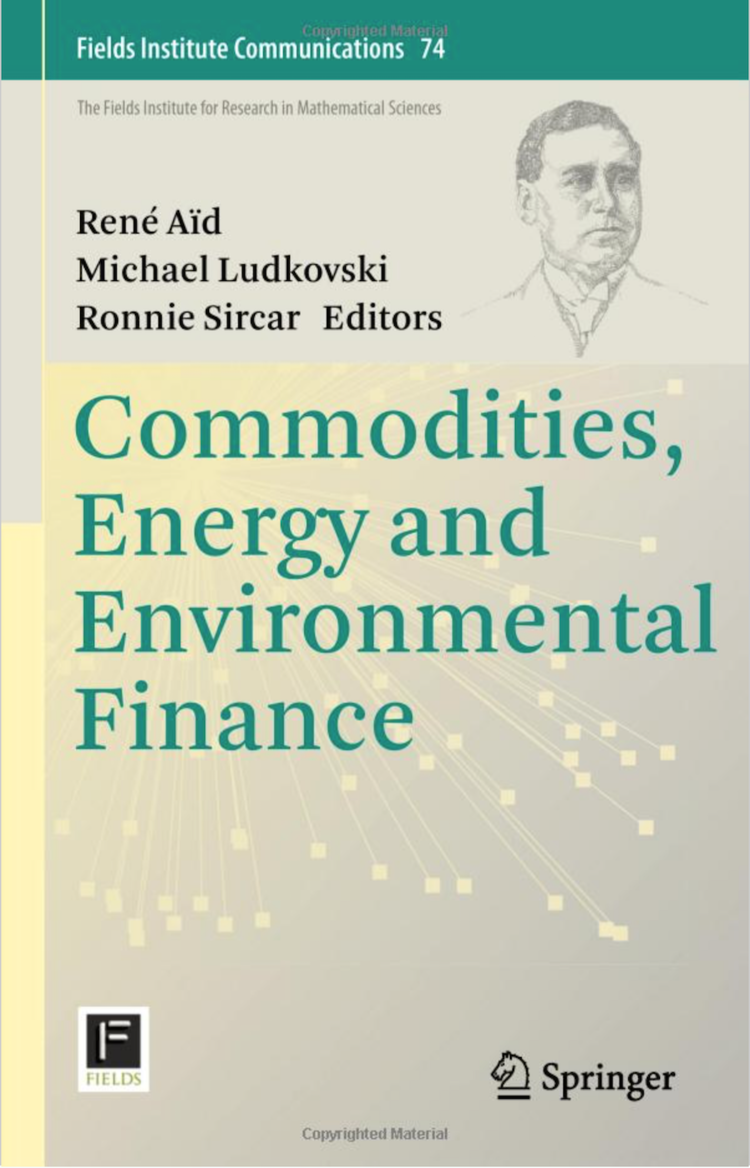
Ronnie Sircar is the Eugene Higgins Professor of Operations Research and Financial Engineering at Princeton University , where he contributes to the Department of Operations Research and Financial Engineering (ORFE). His work spans financial mathematics, stochastic modeling, and applied probability, with a focus on market volatility, optimal investment strategies, and dynamic game theory. Email: sircar@princeton.edu Office: Sherrerd Hall, Room 208, Princeton, NJ 08544 His research interests include: Stochastic Volatility: Asymptotic analysis, calibration, and impact on option pricing and portfolio optimization. Mean Field Games: Applications to cryptocurrency mining, energy markets, and interbank network formation. Portfolio Theory: Forward performance processes, drawdown constraints, and risk-averse strategies. Credit Risk: Multi-name credit derivatives, CDO valuation, and risk measures. Energy Systems: Renewable reliability, unit commitment, and electricity market design. Recent publications emphasize mean field games in energy and blockchain, stochastic volatility in portfolio optimization, and machine learning applications for financial engineering. He has advised graduate students such as Giulia Crippa, Nicolas Garcia, and Burak Aydin, often collaborating with researchers including M. Soner, P. Chan, and A.M. Reppen.
Mika Yrjölä serves as a University Lecturer in Marketing at Tampere University's Faculty of Management and Business. He is an active member of the Customer-Oriented Research Group with extensive research experience in strategic marketing, value propositions, and business models. His academic work spans over a decade with 53 research outputs from 2013 to 2025. Yrjölä's research primarily focuses on strategic marketing, including value propositions, business models, capabilities, and customer orientation. He employs both quantitative and qualitative methods in his investigations, with particular interest in digital transformation, artificial intelligence in retail, and business-to-business platforms. His work contributes to understanding how organizations can create value in evolving market contexts, especially through digital channels and platform-based business models. His publication record shows consistent scholarly output with recent emphasis on AI-enhanced platforms, value creation in ecosystems, and retail transformation. The research demonstrates a clear trajectory toward understanding digital transformation in marketing contexts, with increasing focus on AI applications in services and retail environments. His work spans both theoretical contributions and practical applications for businesses navigating digital disruption. Marvin Jolson Award (2022) - for research in sales management Yrjölä has supervised master's students and doctoral candidates while actively participating in academic service as a journal reviewer and conference committee member. His activities include 41 scientific journal reviews, 19 media appearances, and 11 master's student supervisions. He has also served as an external reviewer for The French National Research Agency (ANR). As a member of the Customer-Oriented Research Group, Yrjölä collaborates with colleagues on projects examining consumer behavior, retail transformation, and digital marketing strategies. His research increasingly focuses on the intersection of AI and service delivery, particularly in platform-based business models and retail contexts.
Rick Hoyle is a Professor of Psychology and Neuroscience at Duke University, where he serves as Associate Chair of the Department of Psychology and Neuroscience. He is also a Faculty Network Member of the Duke Institute for Brain Sciences. His academic career spans decades, with significant contributions to understanding self-regulation and adolescent development. Dr. Hoyle earned his B.A. from Appalachian State University (1983), followed by an M.A. (1986) and Ph.D. (1988) from the University of North Carolina, Chapel Hill. He progressed from Assistant to Associate to Full Professor at the University of Kentucky from 1989 to 2003 before joining Duke University. His research focuses on how adolescents and emerging adults manage goal pursuit through self-regulation, taking a broad view that accounts for personality, environment, cognition, emotion, and social influences. He employs longitudinal methods with repeated assessments, sometimes spanning years with data collection multiple times per year, or intensive studies with assessments several times daily. His lab develops innovative measurement tools including self-report measures of self-control and grit, as well as unobtrusive approaches using mobile phones and wearable devices to track goal pursuit in natural settings. His recent publications reveal a strong focus on self-regulation in digital contexts, adolescent substance use, socioeconomic influences on development, and innovative measurement approaches. His work increasingly integrates technology (social media analysis, wearable devices) with traditional psychological research methods to understand real-world behavior. Fellow, Association for Psychological Science (2013) Dr. Hoyle has secured numerous research grants totaling millions of dollars, including the current Real-Time and Randomized Tests of Social Media and Mental Health Links in Early Adolescence (2024-2029), NCCU Duke - Substance Use Research & Education (2024-2029), and Mid-Life Health Inequalities in the Rural South: Risk and Resilience (2023-2028). His grant portfolio demonstrates sustained funding for research on adolescent development, substance use, self-regulation, and health disparities. He teaches advanced courses including Applied Structural Equation Modeling and Psychology and Neuroscience Grant Writing, mentoring the next generation of researchers in quantitative methods and research design. His work through the Center for the Study of Adolescent Risk and Resilience (2008-2025) has established a significant research infrastructure for longitudinal studies of adolescent development. Current projects examine social media effects on mental health, substance use patterns, and the impact of environmental factors on adolescent well-being using innovative digital tracking methods.
Anat R. Admati is the George G.C. Parker Professor of Finance and Economics at Stanford University Graduate School of Business, where she directs the Corporations and Society Initiative and serves as a senior fellow at Stanford Institute for Economic Policy Research. Her work spans corporate governance , banking regulation , and financial policy , emphasizing trustworthy institutions and systemic reform . Education: B.Sc. in Mathematics and Economics from Hebrew University Ph.D. in Economics from Yale University Honorary doctorate from University of Zurich Admati's research focuses on financial markets, corporate governance, and regulatory frameworks, with a particular emphasis on bank capital regulation and equity requirements . Her work critiques systemic risks in banking and advocates for transparency and accountability in financial systems. Recent publications highlight trends in corporate misconduct , capital adequacy , and financial contracting . Notably, her co-authored book The Bankers’ New Clothes and follow-up articles like The Parade of the Bankers’ New Clothes Continues (2024) systematically challenge banking industry claims and propose regulatory improvements. Scientific recognition includes: Named Time Magazine's 100 Most Influential People (2014) Included in Foreign Policy Magazine's 100 Global Thinkers (2014) Elected Fellow of the Econometric Society Admati has served on editorial boards, advisory committees (FDIC, CFTC), and as a visiting scholar at the International Monetary Fund. Her advocacy bridges academic rigor with real-world policy impact, particularly in financial regulation and corporate accountability .
Jordan Siegel is a Professor of Strategy at the Ross School of Business, University of Michigan, and a Michael R. and Mary Kay Hallman Faculty Fellow. He also serves as a Visiting Faculty member at The American College of Greece (ACG). His academic background includes a Ph.D. from MIT, and B.A. and M.A. degrees from Yale University. Professor Siegel’s research focuses on global strategy, particularly how companies leverage institutional differences across borders to gain competitive advantages through governance and human resource management strategies. His work examines institutional arbitrage—how firms exploit formal and informal rules (e.g., laws, cultural norms) to enhance performance, even in single-country operations. Notably, he investigates how foreign multinationals in Japan and South Korea exploit social biases by promoting female managers, leading to long-term performance improvements. His findings highlight the strategic use of labor market discrimination as a competitive tool. Professor Siegel’s research has been published in top-tier journals such as Management Science , Administrative Science Quarterly , and Strategic Management Journal . He is affiliated with the William Davidson Institute and Harvard Korea Institute, contributing to interdisciplinary studies on global business strategy and institutional dynamics.
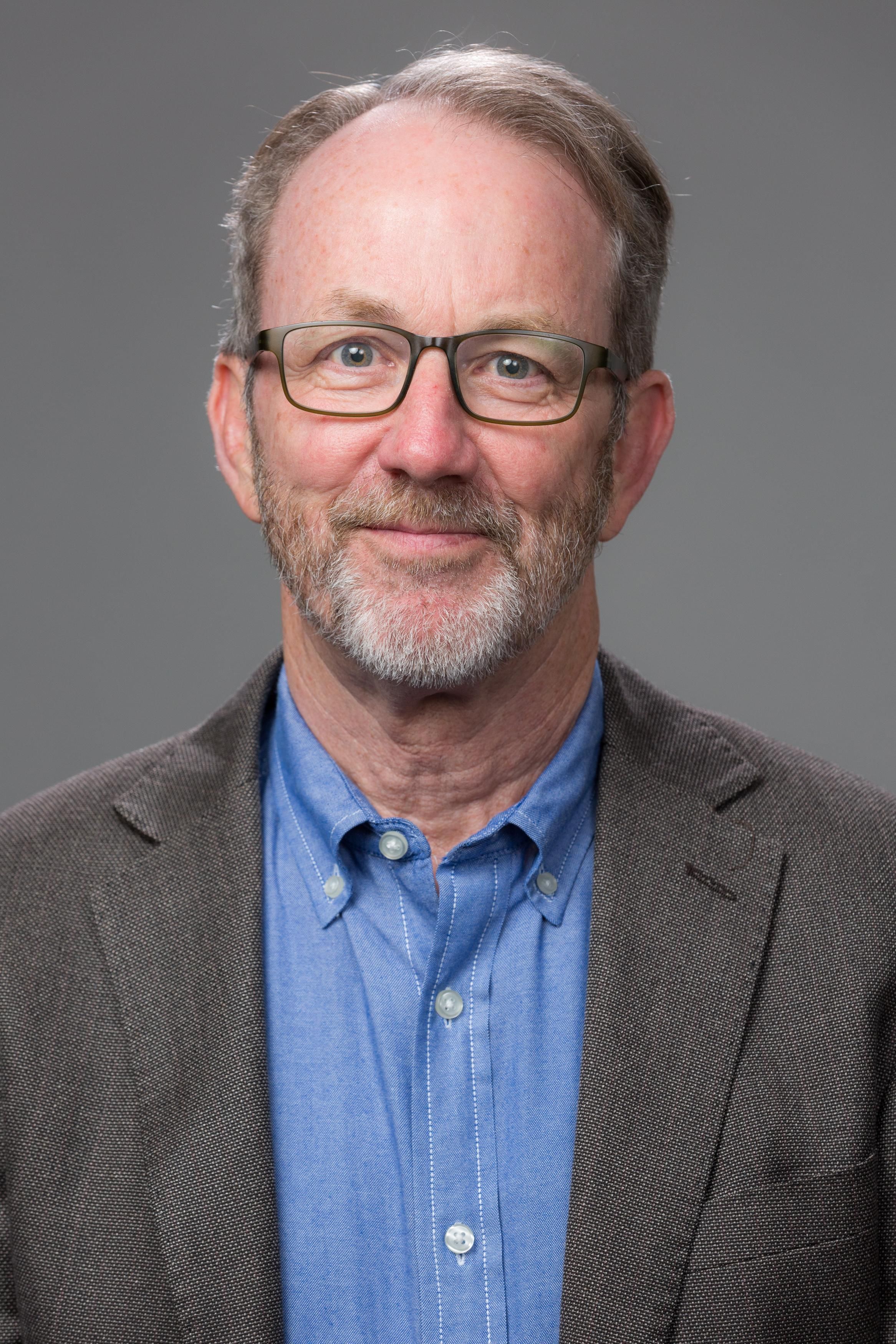
Robert Swinney is the Senior Associate Dean for Executive MBA and Quantitative Management Programs and a Professor of Operations Management at Duke University's Fuqua School of Business. He specializes in strategic supply chain operations, consumer behavior dynamics, and platform management. His research explores sustainability, risk mitigation, and ethical practices within complex supply networks. Education: Bachelor of Science in Astronomy, California Institute of Technology PhD in Operations Management, Wharton School, University of Pennsylvania Prior Role: Associate Professor at Stanford University Graduate School of Business Research Interests: His work addresses operational implications of consumer behavior, start-up and platform operations, supply chain resilience, and ethical sourcing strategies. He emphasizes practical applications in healthcare, food delivery systems, and digital content platforms. Editorial Contributions: Currently serves as Department Editor at Manufacturing & Service Operations Management , with prior roles at Management Science and Production & Operations Management . Advising & Grants: No specific grants or advising roles explicitly listed in provided text.